
REVIEW · CYCLING TOURS
Krakow: Hidden Bike Tour
Krakow turns emotional when you bike it. On the Krakow: Hidden Bike Tour, I love how a Dutch guide connects World War II to real streets, with stories that feel personal instead of textbook. You also get quality bicycles and a relaxed pace, so the ride stays enjoyable even when the subject matter turns heavy.
Plan for one small workout moment: there’s a short hill you’ll climb on foot. It’s not a marathon, but it does limit who can take part, and the tour isn’t suitable for people with mobility impairments.
In This Review
- Key highlights to know before you go
- A 3-hour Krakow bike tour built around WWII turning points
- Riding past modern history, not just old streets
- The park with statues of Polish heroes and war memory
- Podgórze: Jewish cemetery, Schindler’s factory, and former ghetto areas
- The viewpoint hill climb: short effort, real payoff
- Bicycles, pace, and comfort that actually make a difference
- What’s included, what’s not, and what to plan for
- Language, guide style, and why it matters on a history-heavy route
- Price and value: what you’re really paying for
- How this fits with Auschwitz and other Krakow bike time
- Is the Krakow: Hidden Bike Tour worth it for you?
- FAQ
- How long is the Krakow: Hidden Bike Tour?
- What does the tour cost?
- Where does the tour take place?
- What is the main theme of the tour?
- What places will I visit during the tour?
- What’s included in the price?
- What is not included?
- Do I need to walk at all?
- What languages are available?
- Is this tour suitable for people with mobility impairments?
Key highlights to know before you go
- WWII-focused storytelling that explains what happened during Poland’s darkest years and what came afterward
- Quality bikes with a relaxed, slow pace that makes the 3 hours feel manageable
- Podgórze district route including a Jewish cemetery, Schindler’s factory, and former ghetto areas
- A park stop with statues of Polish heroes, tied to World War II remembrance
- A viewpoint moment reached after a hill climb on foot
- Practical ride support, with helmets available on request and ponchos when needed
Below are the other Krakow trips we have logged
- Complete Cracow Bike Tour (small group of maximum 15 people!)
★ 5.0 · 1,322 reviews - Krakow: Bike Tour of Old Town, Jewish Quarter and the Ghetto
★ 4.9 · 1,155 reviews - Highlights of Krakow Bike Tour – Small group
★ 5.0 · 662 reviews - Full Bike Tour – the Old Town, Jewish Qtr & the Ghetto NEW BIKES
★ 5.0 · 437 reviews
A 3-hour Krakow bike tour built around WWII turning points
This is a city tour with a clear goal: understanding Poland in the era of World War II and the years that followed. Instead of sticking to the postcard routes, the ride leans into places that most visitors don’t naturally discover on their own.
The timing matters too. With a 3-hour duration, you get enough stops to feel like a full experience, but not so long that it drains your day. It’s also the kind of outing that fits well after you have already planned the big emotional anchor of a Krakow visit, like Auschwitz, because it adds local context about what life and resistance looked like in Poland.
Riding past modern history, not just old streets
What I like most about this tour is the way it uses movement to shape your understanding. When you bike between districts, the story feels more connected, less like you’re jumping between unrelated landmarks.
You’ll hear about Polish heroes and victims, with themes that include hope, pride, and sorrow. The tone is serious, but the format helps. You are not just standing still reading plaques. You are listening while the city changes around you, which makes the lessons stick.
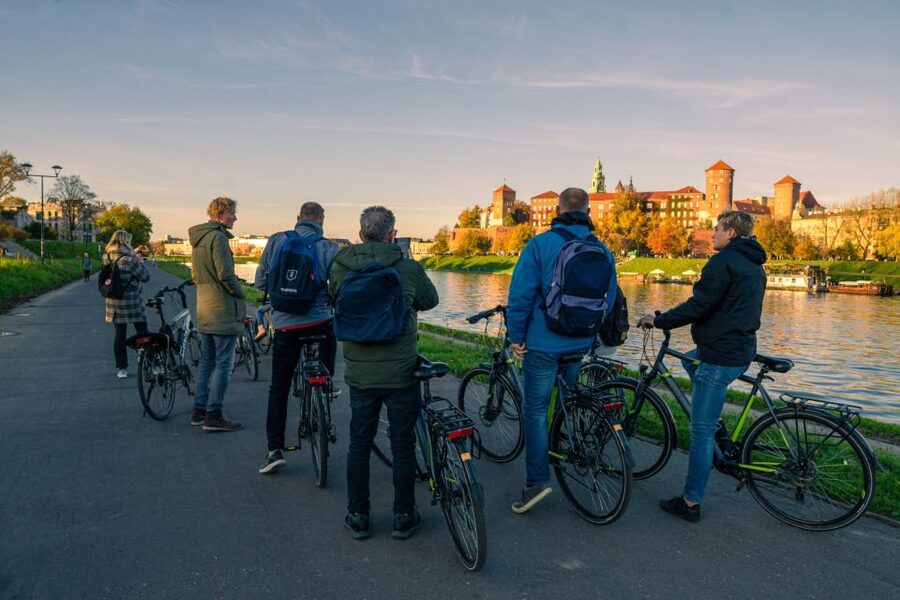
The tour also stays outside the city center for much of the route. That choice pays off. You spend time in areas where the war’s footprint still feels part of everyday Krakow, rather than a curated tourist backdrop.
The park with statues of Polish heroes and war memory
One of the most memorable parts is a stop in a beautiful Krakow park that features statues connected to Polish heroes and World War II stories. This is the sort of place you might walk past on your own and miss completely, because the value is in what those figures represent and how the guide connects them to the wider wartime narrative.
Expect the guide to use the setting as a storytelling tool. Statues are not just art here. They act like anchors for names, events, and meaning. If you care about how history is remembered, this is a strong moment on the route.
It also helps that the tour is designed to be paced. Since you’re on a bike, the tour doesn’t turn into a nonstop lecture. You still move, you still breathe in the neighborhood, and you get breaks in the flow of information.
Podgórze: Jewish cemetery, Schindler’s factory, and former ghetto areas
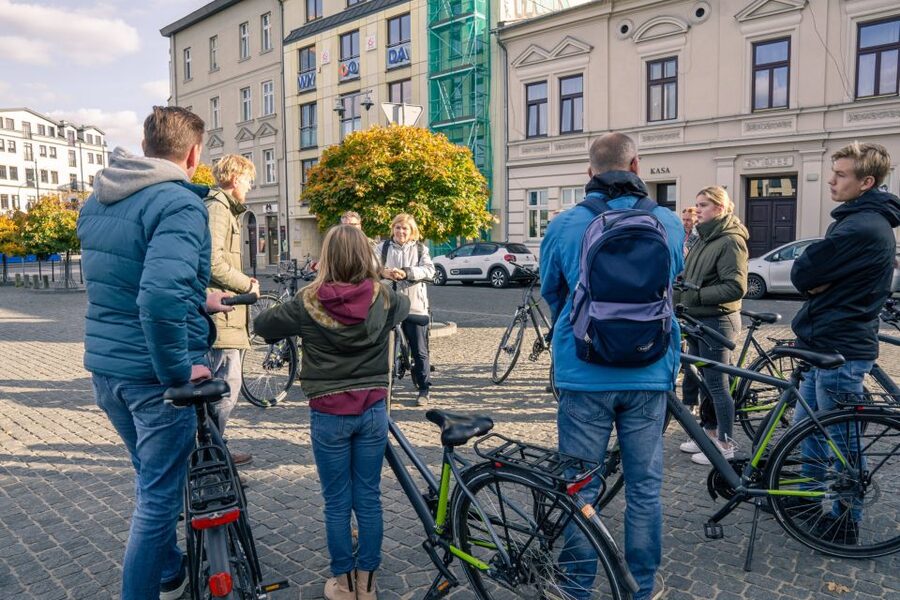
The route includes the Podgórze district, and this is where the tour shifts from broad context into specific places tied to Jewish life and Nazi occupation in Krakow.
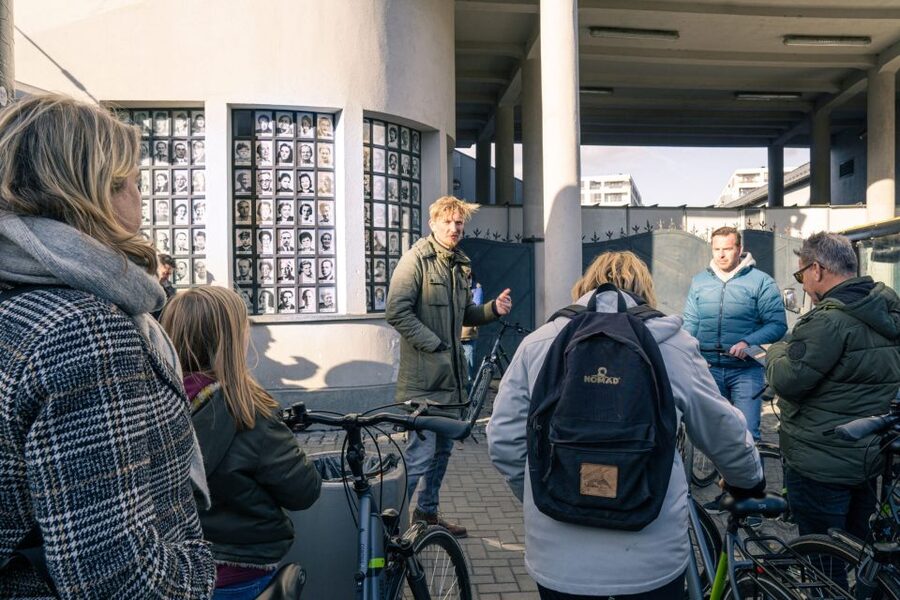
You will visit a Jewish cemetery, plus Schindler’s factory, and you’ll also see areas connected with the former Jewish ghetto. Each stop has a different purpose, and that variety is important. Cemeteries carry memory differently than factories or neighborhood sites. Factories point to labor, survival, and complex human choices. Ghetto areas show how communities were restricted, uprooted, and targeted.
This section is especially valuable if you want the Krakow angle of WWII, not only the famous names and dates. You’ll leave with a clearer sense of how Poland’s experience intersected with wider European events, and how local stories connect to larger outcomes.
Tip for your mindset: bring patience. These are heavy stops, and the guide’s job is to give structure to the emotions. If you go in expecting a quick highlight reel, you may feel rushed. If you go in ready to slow down and listen, it lands much better.
- From Krakow: Auschwitz-Birkenau Guided Tour & Hotel Pickup★ 4.5 · 33,358 reviews
- From Krakow: Auschwitz-Birkenau Guided Tour & Hotel Pickup★ 4.5 · 29,340 reviews
- Krakow: Auschwitz Guided Tour with Optional Hotel Pickup★ 4.5 · 15,280 reviews
- Krakow–Zakopane: Cable Car, Chocholow Baths, Cheese & Vodka★ 5.0 · 10,720 reviews
- Krakow: Auschwitz-Birkenau Guided Tour with Pickup & Lunch★ 4.5 · 9,800 reviews
The viewpoint hill climb: short effort, real payoff
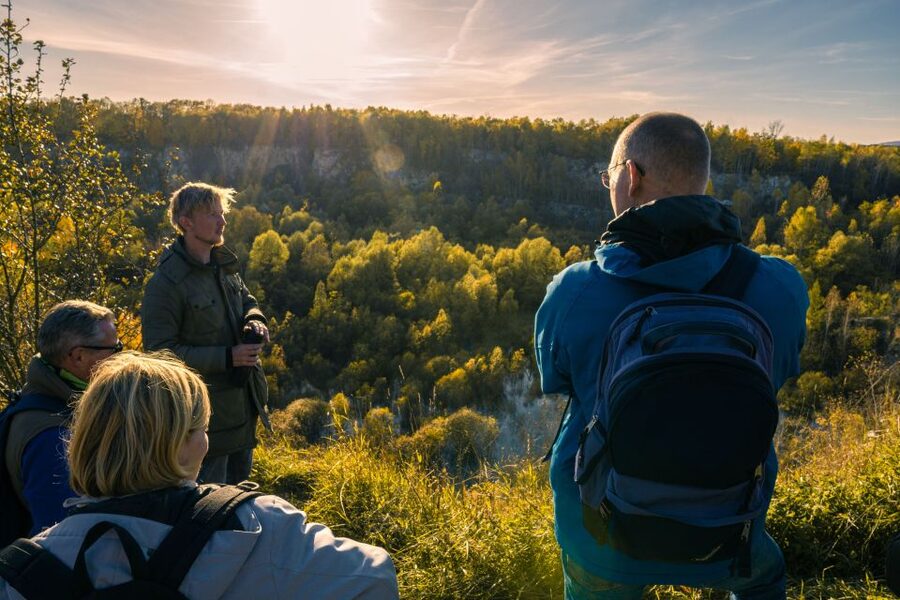
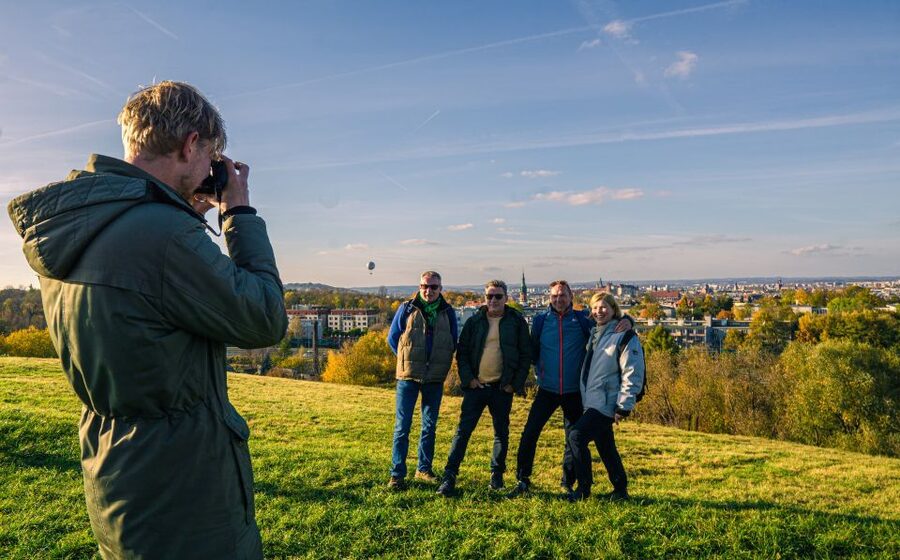
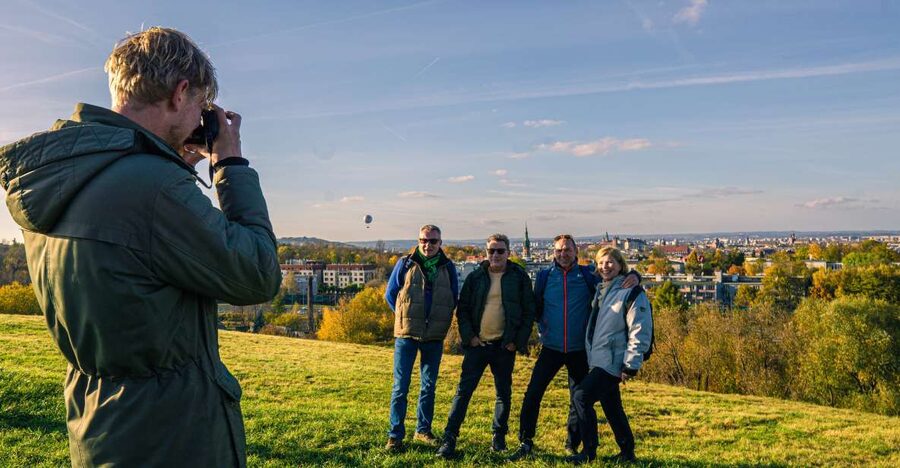
Yes, there’s a hill. You will climb it on foot to reach a viewpoint of the city. That matters because it breaks the ride into two modes: cycling time, then a short walk, then more cycling.
The benefit of adding this hike is not just physical. It gives you a reset point. After you’ve been listening to World War II stories, looking out over Krakow from a higher spot can make the city feel real and present, not only historical.
Practical note: the tour’s design includes this climb, and that’s one reason it is not suitable for mobility impairments. If you have any concerns about walking even a short uphill stretch, this is a place to reconsider.
Bicycles, pace, and comfort that actually make a difference
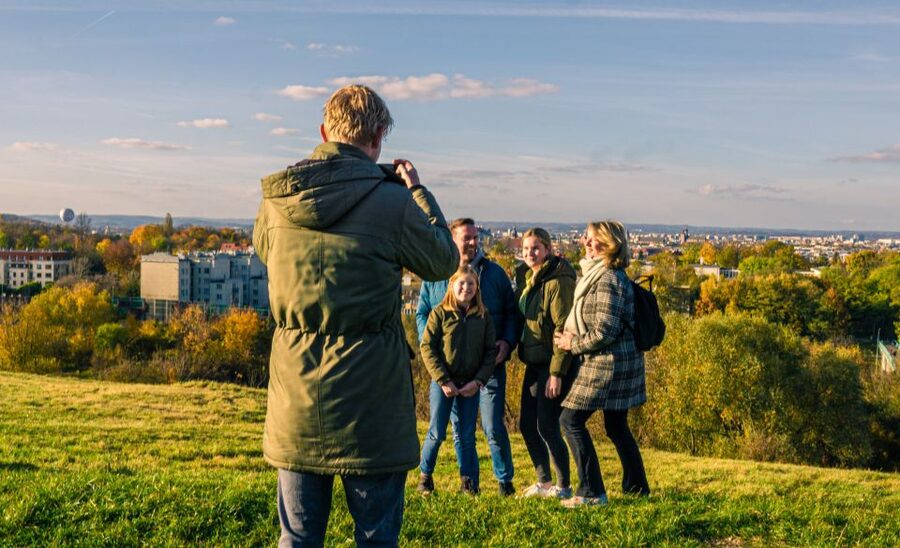
The tour runs on top quality bicycles and uses a relaxed, slow paced style. That combination is a big deal in Krakow. When the route includes emotional and architectural stops, you don’t want the ride to feel like a race between landmarks.
Because the pace is slower, you can pay attention to details the guide points out. You’ll also be less stressed about balance and stopping, which means you spend more energy listening and less energy bracing yourself.
Bikes also make the experience feel different from a walking tour. Walking can be exhausting when the route spans multiple districts. Here, the cycling keeps energy reasonable, so the emotional content has room to land without you feeling worn out by logistics.
What’s included, what’s not, and what to plan for
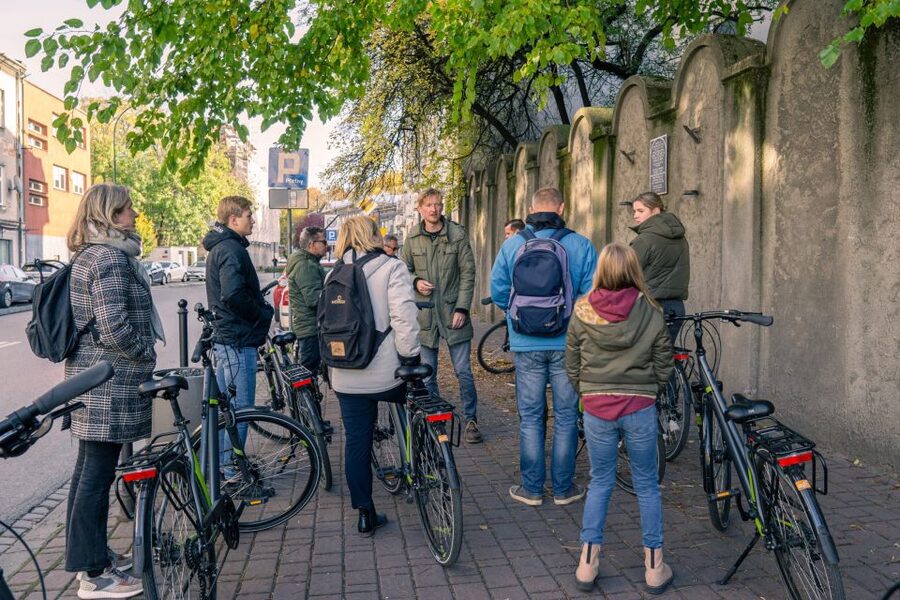
Included is refreshingly straightforward:
- a quality bicycle
- a guide in English, Dutch, or German (depending on preference)
- a helmet if requested
- a poncho if required
Not included:
- food and drinks
- an e-bike
So, plan a simple approach. Eat before the tour. Bring what you need to stay comfortable for a few hours, since you won’t get meals or drinks as part of the package. And if you rely on electric assistance, this isn’t the right fit because there is no e-bike option.
On the gear side, I’d treat the helmet and poncho as “only if you need it” tools. If you request a helmet, you should get it. If the weather turns, a poncho can be provided when needed.
Language, guide style, and why it matters on a history-heavy route
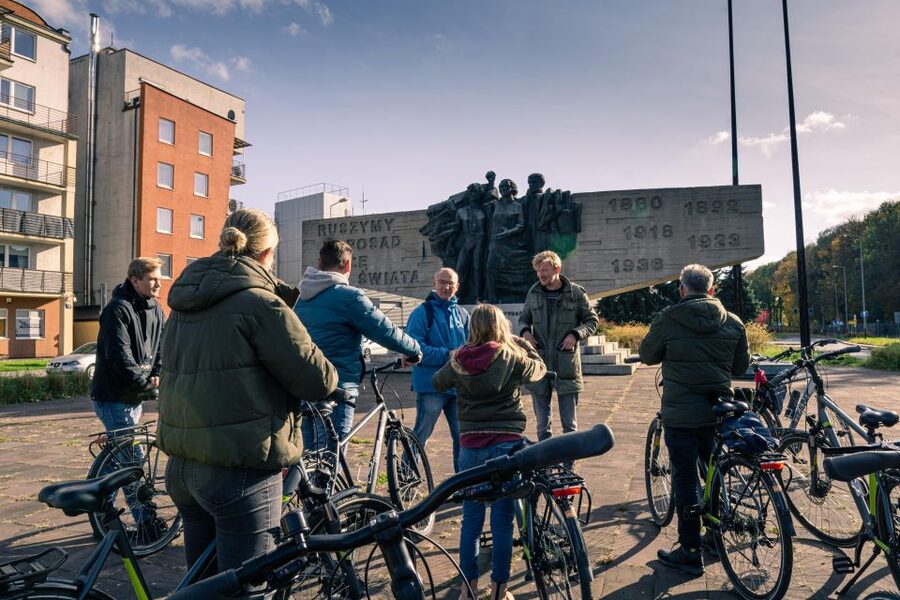
This tour is led by a Dutch guide, and language choices are described as English, Dutch, or German depending on preference. For a WWII-focused tour, language quality matters. You’re not just collecting facts. You’re following a chain of stories, names, and motivations, and you want that clearly explained.
The guides are also praised for taking time at stops and telling stories in a way that stays enthusiastic without turning the topic into something light. I like that approach for sensitive history. It helps you stay engaged, and it keeps the emotional tone respectful.
If you’re the kind of person who asks questions and wants context, this is the right style of tour. The format gives the guide room to connect the dots, rather than rushing through a checklist.
Price and value: what you’re really paying for
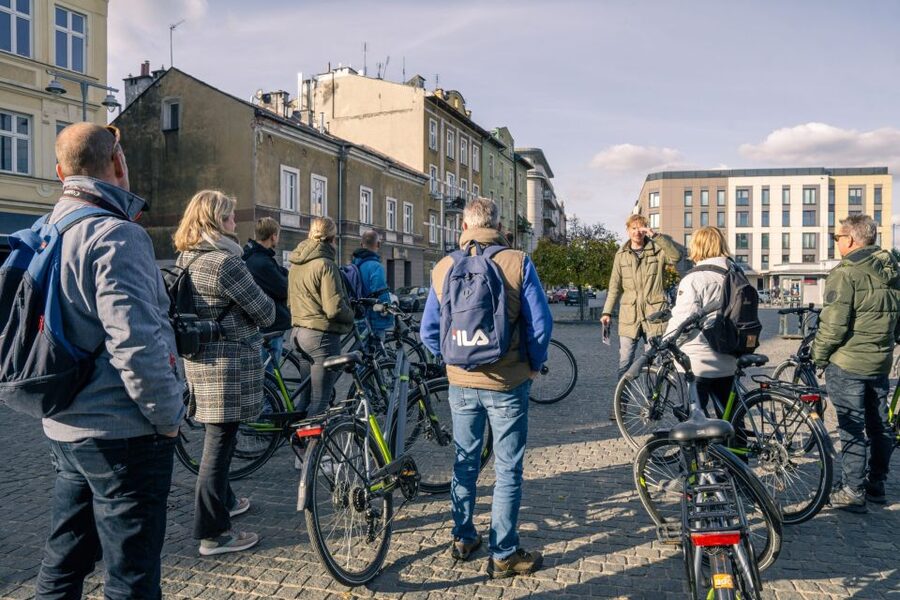
At $41 per person for 3 hours, you’re paying for more than a bike rental. You’re paying for the guide, the route design, and the time spent connecting specific places to WWII and postwar Poland.
Here’s how I see the value:
- You get transport built in through the city, so you’re not spending your day piecing together rides or walking long distances.
- You get a focused storyline, centered on WWII and what followed, which is exactly where many “see the sights” tours feel too general.
- You get quality bikes plus optional helmet and poncho support, which reduces friction.
If you enjoy guided history and you want Krakow beyond the most obvious tracks, this price feels fair. If you only want light, casual sightseeing with zero heavy context, you may find the subject matter more intense than you planned.
How this fits with Auschwitz and other Krakow bike time
This tour is positioned as a strong companion to an Auschwitz visit. That pairing makes sense because it adds Krakow-based context to the larger tragedy, helping you understand how Polish communities were affected and how the story continued after the war.
It also doesn’t overlap with other bike tours that focus on Old Town and the Jewish Quarter area. Translation: you can stack experiences in a sensible way instead of repeating the same highlight route twice.
Is the Krakow: Hidden Bike Tour worth it for you?
Book it if you want:
- WWII-focused storytelling in Krakow, not just general sightseeing
- a slower bike-paced tour that still feels substantial
- access to places tied to Polish heroes, victims, and remembrance, including the Podgórze stops
Skip it if:
- you cannot manage a hill climb on foot
- you want a fully relaxed, no-walking, no-mental effort experience
- you need food and drinks included, or you require an e-bike
FAQ
How long is the Krakow: Hidden Bike Tour?
The tour lasts 3 hours.
What does the tour cost?
It is priced at $41 per person.
Where does the tour take place?
The tour is in Krakow, in Lesser Poland, Poland.
What is the main theme of the tour?
The tour focuses on World War II and what happened in Poland afterward.
What places will I visit during the tour?
You’ll ride outside the city center and visit places including a park with statues of Polish heroes, plus the Podgórze district, where you will see a Jewish cemetery, Schindler’s factory, and former Jewish ghetto areas.
What’s included in the price?
Included are a quality bicycle and a guide who speaks English, Dutch, or German depending on your preference. A helmet is provided if requested, and a poncho is provided if required.
What is not included?
Food and drinks are not included. E-bikes are not available.
Do I need to walk at all?
Yes. You will climb a hill by foot during the tour to reach a viewpoint.
What languages are available?
The tour is offered with Dutch, and English or German speaking guides are listed as options depending on preference.
Is this tour suitable for people with mobility impairments?
No, it is not suitable for people with mobility impairments.
More Cycling Tours in Krakow


More Tours in Krakow

More Tour Reviews in Krakow
Recently written up around Krakow

More Cycling Tours.
 ★ 5.0Complete Cracow Bike Tour (small group of maximum 15 people!)From $391,322 reviews
 ★ 4.9Bike Tour of Old Town, Jewish Quarter and the GhettoFrom $371,155 reviews
 ★ 5.0Highlights of Krakow Bike Tour – Small groupFrom $36662 reviews
 ★ 4.93-Hour Guided Cycling Tour of WarsawFrom $41624 reviews
 ★ 5.0Full Bike Tour – the Old Town, Jewish Qtr & the Ghetto NEW BIKESFrom $35437 reviews
 ★ 4.9Bike Tour of the Old Town, Kazimierz, and the GhettoFrom $26350 reviews
 ★ 5.0Hidden Krakow Bike TourFrom $39275 reviews
 ★ 5.0Half-Day Warsaw City Sightseeing Bike Tour for Small GroupFrom $43240 reviews
Also on these Poland lists