
REVIEW · CZESTOCHOWA AND BLACK MADONNA TOURS
Łagiewniki-Sanctuary of Divine Mercy and John Paul II
Prayer sites and views, in one tidy half day.
This outing is interesting because it links two of Poland’s most meaningful spiritual stories, St Faustina’s Divine Mercy and John Paul II, in one smooth route. I like that you get a focused guided tour instead of wandering, and I also like the practical add-ons, like time at the Observation Tower and the St Faustina museum stop. One thing to keep in mind is that food is not included, so you will want to plan a snack or meal before or after.
From Kraków, you are collected and returned by Hotel pick-up and drop off, then guided in English or other available languages. The pace is designed to let you ask questions and take your time, but you should still expect a structured schedule inside the sanctuaries.
In This Review
- Key things to know before you go
- From Kraków to Łagiewniki, the half-day rhythm that works
- Sanctuary of Divine Mercy: the quiet power of St Faustina’s story
- What the guided time adds here
- A practical consideration
- Museum stop and Observation Tower: meaning plus a practical change of pace
- How this helps you as a visitor
- Sanctuary of St. John Paul II and the Have No Fear Center
- What to focus on during your visit
- Price and value: why $122 makes sense for this combo
- One cost note to plan around
- Language options and guide style: why it affects your day
- A small tip for getting the most out of the guide
- Who should book this tour, and who might not
- Should you book Łagiewniki: Divine Mercy and John Paul II?
- FAQ
- Where does the tour start and end?
- How long is the experience?
- What languages are available for the live guide?
- What is included in the tour price?
- What is not included?
- Is there cancellation flexibility?
- Is there an option to pay later?
Key things to know before you go
- A 3-hour guided focus within a total 5-hour experience, so you get context without rushing
- St Faustina’s tomb as a central prayer moment inside the Sanctuary of Divine Mercy
- Observation Tower time, useful when you want a break from indoor visiting and a view payoff
- St Faustina Museum visit, handy for building the story behind the devotion
- John Paul II’s Have No Fear Center, with church, museum, and exhibits on his life and papacy
- Live guide in English, Polish, Ukrainian, or Russian, including guides named Alexandra and Oleksandra
Other pilgrimage days we have reviewed from Krakow
- Krakow: Black Madonna of Częstochowa & Home of John Paul II
★ 4.8 · 97 reviews - From Krakow: Full-Day Wadowice & Czestochowa Tour
★ 4.9 · 77 reviews - From Krakow: Wadowice & Sanctuary of Divine Mercy Tour
★ 4.8 · 69 reviews - Czestochowa the Black Madonna Day Tour from Krakow
★ 4.5 · 64 reviews
From Kraków to Łagiewniki, the half-day rhythm that works
This is a classic “short trip, big meaning” setup. You are based in Kraków, then transported to Łagiewniki for a concentrated visit that fits neatly into a busy travel schedule. The total time is 5 hours, with about 3 hours guided, plus time for the observation tower and museum elements.
I like this format because it reduces decision fatigue. In places like sanctuaries, you can easily lose time figuring out what matters most. Here, the guide helps you prioritize, and you can spend your energy on the spiritual side, not on navigation.
You also pass through the countryside on the way in and out. That small change of scenery is surprisingly refreshing, especially if you have been sticking close to the Old Town. It makes the day feel like a real excursion, not just a museum shuttle.
Sanctuary of Divine Mercy: the quiet power of St Faustina’s story
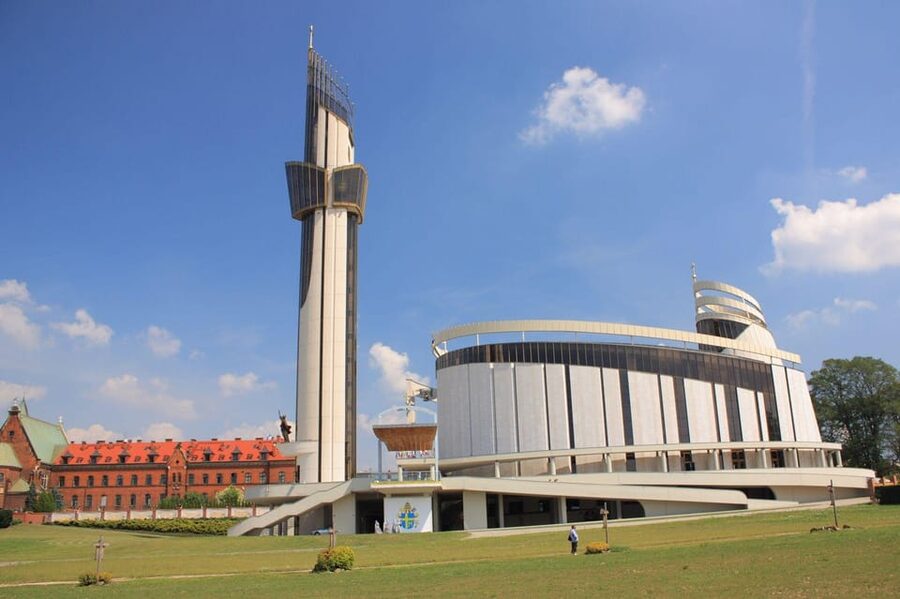
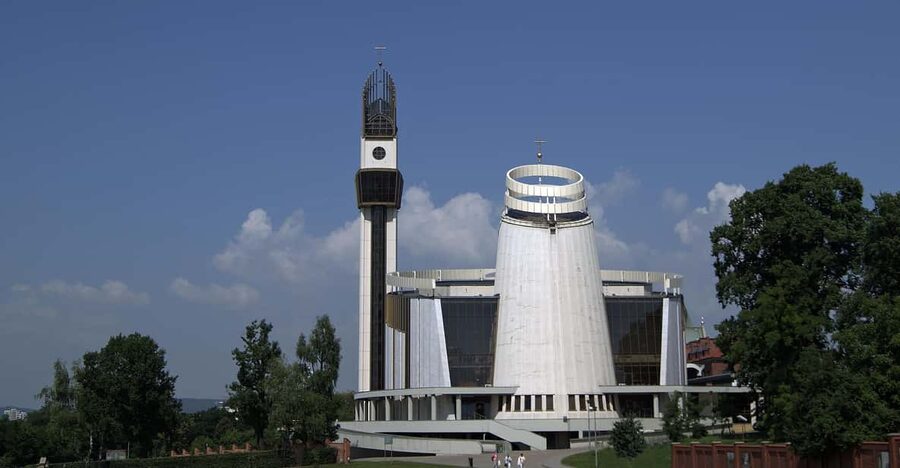
The heart of the experience is the Sanctuary of Divine Mercy. This is where the life and mission of Saint Faustina Kowalska connects directly to the devotion of Divine Mercy, including her reported visions of Jesus and the message of God’s boundless love and forgiveness. If you are drawn to Catholic spirituality, this stop will feel purposeful right away.
What I find useful is how the sanctuary is framed as both sacred space and lived story. You focus on key touchpoints like St Faustina’s tomb, which is a central point for prayer and reflection. Even if you are not deeply familiar with the devotion, being guided through the meaning helps everything land more clearly.
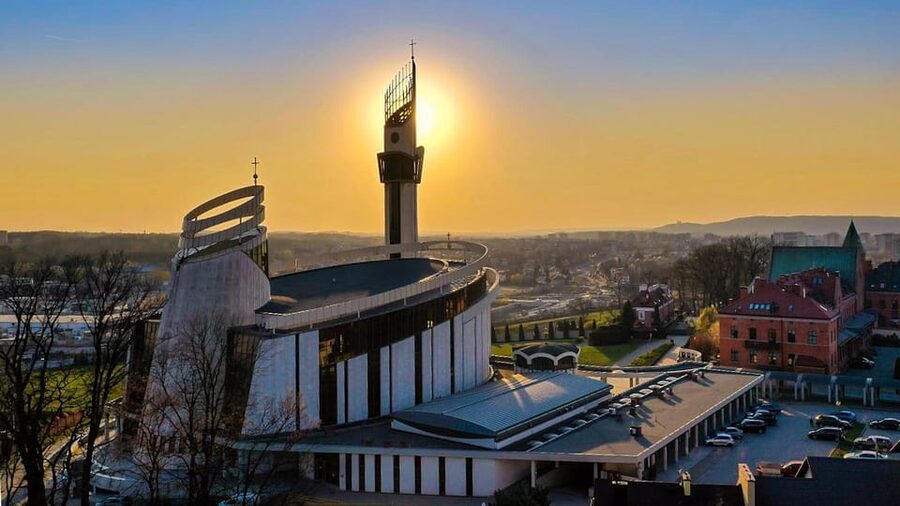
The main basilica is described as modern in design, but it still carries the feeling of sacred history. That mix matters. You are not stuck inside an overly ornate, confusing pastiche. Instead, you get a calm, modern atmosphere where the message can do the work.
What the guided time adds here
A self-guided visit can turn into aimless wandering, especially when you are trying to connect symbols to meaning. With a guide, you learn how the devotion spread and what it emphasizes, so the experience becomes more than just seeing beautiful spaces.
This is where the guides seem to earn their praise. In particular, Alexandra and Oleksandra are highlighted for answering questions and not rushing people. That matters most in religious sites, where your pace might be slower than the group’s.
A practical consideration
Sanctuaries can involve quiet areas, standing time, and movement between key points. If you need frequent breaks, plan to use the natural transitions, like after the main basilica moments, to reset.
More of the Wadowice and papal heritage trail
- Krakow: Pope John Paul II Guided Tour with Home & Sanctuary★ 4.9 · 104 reviews
- In the Footsteps of John Paul II from Krakow★ 4.5 · 49 reviews
- Krakow: Pope John Paul II History: Guided Tour – Home & Sanctuary★ 5.0 · 46 reviews
- Private Catholic Tour about John Paul II, St. Faustina & The Divine Mercy Shrine★ 5.0 · 26 reviews
- Saint John Paul II Private Day Tour from Krakow★ 5.0 · 22 reviews
Museum stop and Observation Tower: meaning plus a practical change of pace
After the main sanctuary focus, you get time for the Museum of Saint Faustina. Museums in sacred contexts can be hit-or-miss if they feel disconnected from what you just experienced. Here, the museum visit is timed so it helps expand the context of what you are seeing and praying over.
Think of it as the “why” layer. You do not just get the physical place, you get more background to interpret what the devotion represents and why it resonates with so many people.
Then comes the Observation Tower. This is not the kind of stop you add for spirituality, it’s the practical counterweight. It gives your feet a breather and gives your eyes a different job to do. From a travel perspective, it is a smart way to end one intense spiritual block with something lighter, like a view and a change in perspective.
How this helps you as a visitor
When you are spending only half a day in an area, balance matters. You have deep indoor moments, then outdoor or higher-view time, then back inside again for the next sanctuary. That rhythm keeps the day from feeling like one long, serious corridor.
Also, you avoid the common “tower problem,” where it becomes a last-minute afterthought. Being included in the schedule means you actually get it, instead of deciding later when energy is already low.
Sanctuary of St. John Paul II and the Have No Fear Center
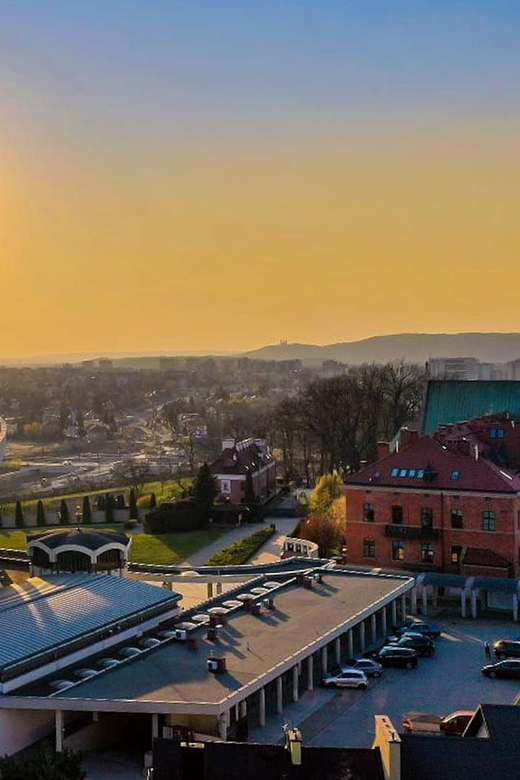
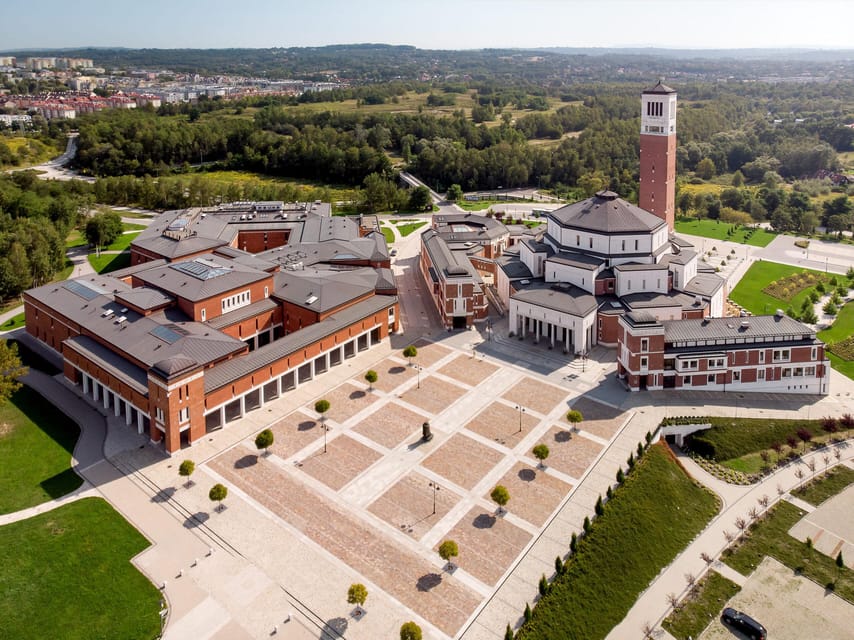
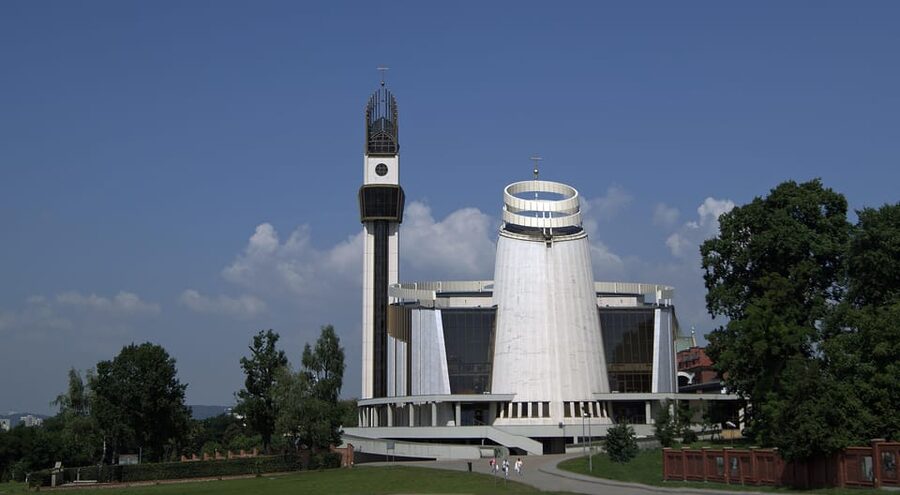
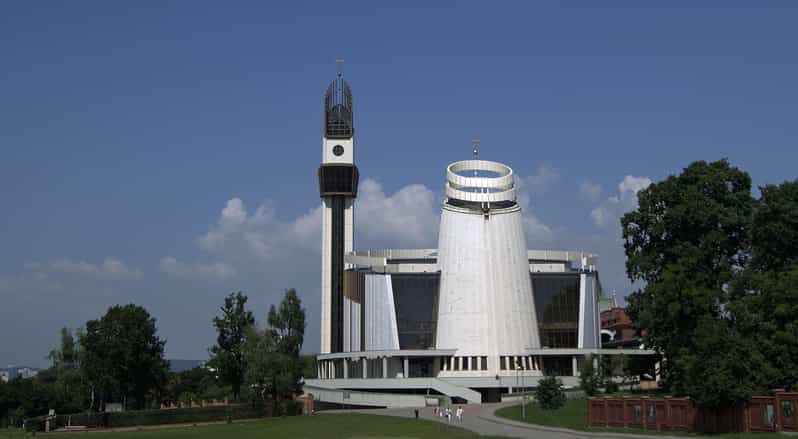
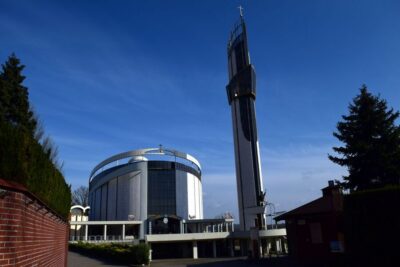
The second major stop is the Sanctuary of St. John Paul II, dedicated to the life and legacy of the beloved pope. It is part of the Have No Fear! Center, which includes a church, museum, and exhibits related to his life and significant moments of his papacy.
This stop feels different from the Divine Mercy sanctuary because it is more explicitly about a public figure, a global Catholic leader, and the themes he taught through his words and actions. If Divine Mercy is about God’s forgiveness and closeness, John Paul II’s legacy is often presented through teaching, courage, and perseverance.
The center’s architecture blends modernity and traditional elements. That matters for how you experience it. It avoids the trap of feeling like an old building shoehorned into a new purpose. Instead, you get spaces designed to help you reflect while still functioning as a structured visitor center.
What to focus on during your visit
Use the guided portion to anchor the exhibits. A guide can help you connect major events to the themes visitors commonly hear about when they study John Paul II. Without that help, some exhibit text can blur together.
This is also another place where timing matters. Since the total outing is 5 hours, you do not want to spend too long stuck in one section. The better approach is to identify the key moments the guide points out, then let the museum visuals support what you already learned.
Price and value: why $122 makes sense for this combo
The price is listed at $122 per person for a 5-hour experience. On its face, that sounds like a lot for a short day. But for this specific pairing, it becomes more reasonable when you break down what you are actually paying for.
You are getting:
- Hotel pick-up and drop off
- Transportation between Kraków and Łagiewniki
- A live guide (with multiple language options)
- Visits that include St Faustina’s tomb focus, a museum visit, and Observation Tower time
- Access to the John Paul II sanctuary experience through the same guided structure
If you tried to recreate this on your own, you would spend time coordinating transport, figuring out what to see in the right order, and reading enough background to make it meaningful. Here, the guide compresses that work into a single half-day plan.
So the real question is not whether the tour is expensive. It is whether you want the time savings and the added context. If you want both, the price is easier to justify.
One cost note to plan around
Food and drinks are not included, so budget a meal or snack on your own. If you are the type who likes to linger in museums and then forget to eat, you will feel that at the end of the day. Bring water if that is allowed in the sites, or plan to grab something near Kraków after you return.
Language options and guide style: why it affects your day
The tour offers a live tour guide in English, Polish, Ukrainian, and Russian. That is a big deal in religious sites, because the difference between a basic explanation and a clear, contextual one can change how you remember the experience.
From the feedback attached to this tour, guides are specifically praised for:
- answering questions
- not rushing
- catering to visitor desires
- making the most of the limited time so you see what matters
If you pick English, you will still benefit from the structured pacing. If you pick another language, the value is the same. You are buying meaning, not just movement.
A small tip for getting the most out of the guide
Come with 1 to 2 questions. For example, ask what to look for at St Faustina’s tomb, or what central themes connect the John Paul II exhibits. When you ask a targeted question, the answers help you notice details you would otherwise miss.
Who should book this tour, and who might not
This works best for you if:
- you want to see two major spiritual sites in one efficient 5-hour window
- you appreciate guided context rather than self-guided puzzle solving
- you like a mix of prayer moments, museum background, and a view stop
It might be less ideal if:
- you prefer full freedom to linger for hours without any schedule structure
- you want food included in the price
- you have little interest in either Divine Mercy devotion or John Paul II’s legacy
That said, the structure is flexible enough in practice, especially when the guide focuses on your pace. The overall day still gives room for questions and thoughtful moments.
Should you book Łagiewniki: Divine Mercy and John Paul II?
I would book this if you want a focused, meaningful day out of Kraków. The best reason is the combination: St Faustina’s sanctuary and tomb, followed by the Have No Fear Center for John Paul II, all with a live guide and added stops like the Observation Tower and museum time.
Skip it only if you are trying to travel ultra-budget or you dislike guided tours. In that case, you might prefer a more independent visit so you can set your own pace.
If you do book, plan your meals, bring comfy shoes, and come ready to ask at least one question. This kind of tour pays off most when you treat the sites as more than sightseeing stops.
FAQ
Where does the tour start and end?
The pickup and drop-off are in Kraków. You are collected from your Kraków pickup location and returned to Kraków at the end.
How long is the experience?
The total duration is 5 hours.
What languages are available for the live guide?
The live tour guide is available in English, Polish, Ukrainian, and Russian.
What is included in the tour price?
Transportation, a guide, a visit to the Observation Tower, a visit to the Museum of Saint Faustina, and visits to the Sanctuary of Divine Mercy are included.
What is not included?
Food and drinks are not included.
Is there cancellation flexibility?
Yes. You can cancel up to 24 hours in advance for a full refund.
Is there an option to pay later?
Yes. You can reserve now and pay later, keeping your plans flexible.
More Tour Reviews in Krakow
The Papal Trail, Continued
More Pilgrimage Days from Krakow
Recently written up around Krakow
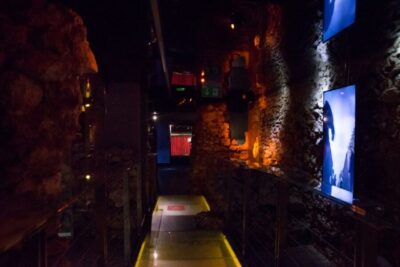
More Czestochowa and Black Madonna Tours.
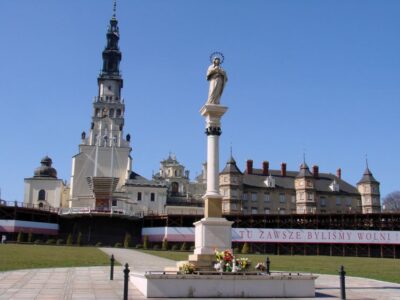 ★ 4.8Black Madonna of Częstochowa & Home of John Paul IIFrom $10697 reviews
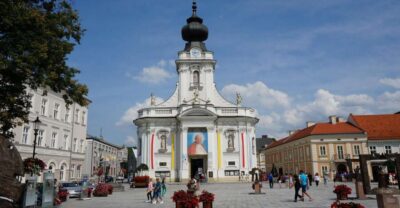 ★ 4.9Full-Day Wadowice & Czestochowa TourFrom $24877 reviews
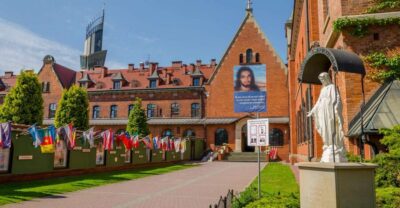 ★ 4.8Wadowice & Sanctuary of Divine Mercy TourFrom $16269 reviews
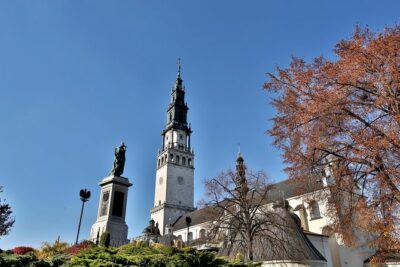 ★ 4.5Czestochowa the Black Madonna Day Tour from KrakowFrom $15264 reviews
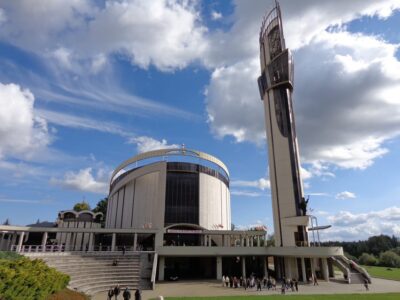 ★ 4.9Lagiewniki Sanctuary of The Divine Mercy TourFrom $8433 reviews
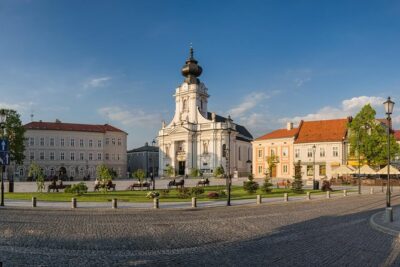 ★ 5.0The Black Madonna of Czestochowa & John Paul II Family HomeFrom $15528 reviews
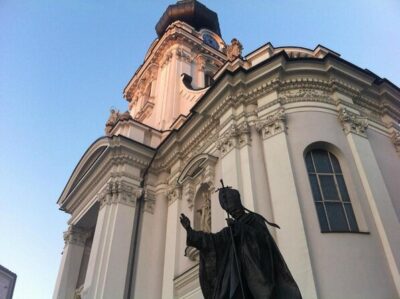 ★ 5.0Private Catholic Tour about John Paul II, St. Faustina & The Divine Mercy ShrineFrom $17826 reviews
 ★ 4.8Częstochowa, Black Madonna and Lagiewniki TourFrom $12020 reviews
Also on these Poland lists