
REVIEW · MUSEUMS
Archdiocesan Museum in Krakow
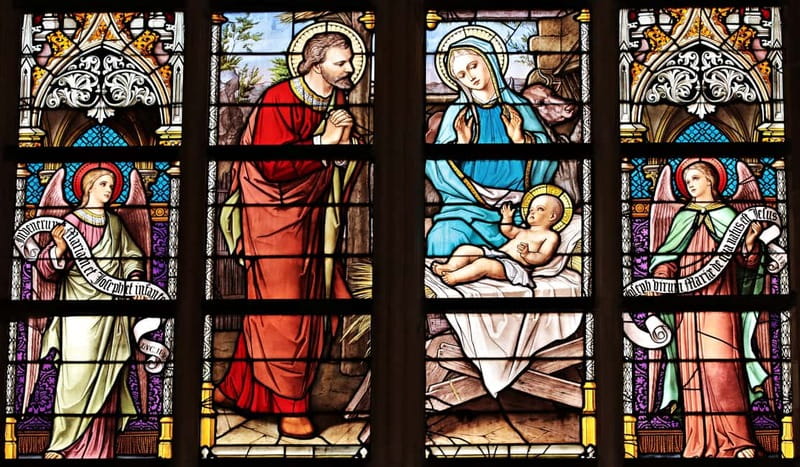
Krakow’s sacred art scene has a quieter star. The Archdiocesan Museum is packed with 600+ works across 16 historic rooms, from medieval times through the 19th century. I like that it is not just paintings in a vacuum, it is built around the story of Krakow’s bishopric, and you get those personal, meaningful John Paul II gifts that give the collection extra weight. One thing to consider: this visit is most rewarding if you actually want religious art and Church history, because the museum is focused and stays on that lane.
I love the setting as much as the displays. The museum sits on Kanonicza Street, one of Krakow’s oldest and most atmospheric streets, so even arriving feels like part of the experience. The possible drawback is timing: opening hours can shift, and some museums in the wider City Pass program do not run on certain days, so you’ll want to check before you plan a full day.
If you want a thoughtful stop that feels local and specific to Krakow, this is a strong pick. With an overall rating of 4.7 out of 5 from 12 reviews, it has clearly landed well for people who care about the Church, art, and the way objects carry memory.
In This Review
- Key things that make this museum visit worth your time
- Finding the Archdiocesan Museum on Kanonicza Street
- What you’ll see: 13th to 19th century sacred art in 16 rooms
- John Paul II gifts: why these objects feel different
- The story thread: Polish clergy history in the heart of Krakow
- How the baroque rooms shape your viewing
- Timing, ticket validity, and fitting it into your Krakow day
- Price and value: why $2.41 can be a smart spend
- Who should book, and who might not love it
- Small practical tips to make your visit smoother
- Should you book the Archdiocesan Museum ticket?
- FAQ
- Where is the Archdiocesan Museum in Krakow located?
- What will I see inside the museum?
- Are John Paul II gifts included?
- How much does the ticket cost?
- Is the entrance free with a Krakow City Card or discounted for students?
- Is there anything to watch out for on Mondays?
Key things that make this museum visit worth your time
- Kanonicza Street atmosphere right at the heart of Krakow, where your walk feels historical
- 16 historic rooms holding 600+ sacred works across the 13th to 19th centuries
- Baroque-furnished exhibition spaces, so the art is framed in a period style
- Gifts of John Paul II, which add a personal layer beyond standard museum labeling
- A clear theme: the history of the Polish clergy and the Krakow bishopric, not random collecting
Finding the Archdiocesan Museum on Kanonicza Street
Start with the location, because it changes how the museum lands. The Archdiocesan Museum is on Kanonicza Street, described as one of Krakow’s oldest, beautiful, and magical streets. That matters because you are not just commuting to another building, you are walking through a piece of old Krakow.
This is also the kind of address that helps you connect the dots. Krakow’s city center is dense with history, and this museum is tied to the Church leadership in the city. The museum belongs to the authority of the metropolitan bishop of Krakow, Stanisław Dziwisz, which signals that this collection is not treated like a generic art warehouse.
You can go in with low expectations and still leave feeling like you learned something specific. You might also feel that the museum’s tone is quietly serious, which can be a nice change if you are museum-fatigued.
What you’ll see: 13th to 19th century sacred art in 16 rooms
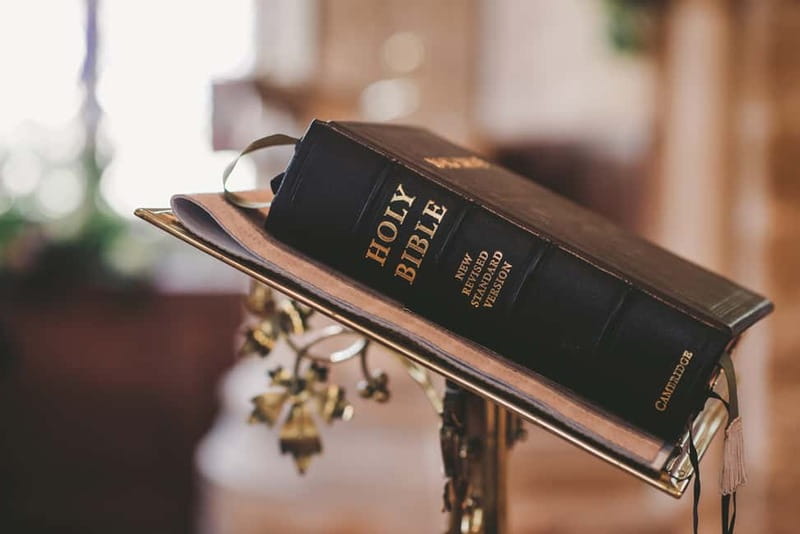
The core of the experience is the permanent exhibition, spread through 16 historical rooms. The museum’s theme is sacred art and sacral works, with collections that include paintings, craftwork, and sculptures. You are looking at works spanning the 13th to 19th centuries, so the collection can feel like a slow timeline rather than one big highlight reel.
More than the headline number of objects matters, the way the museum organizes them. It is set up to make you familiar with the artistic legacy of the Krakow bishopric, and the rooms are furnished in Baroque furniture. That means the art is shown in an atmosphere that matches the style of many of the later centuries, which helps you read the collection as a coherent space.
What does that look like in practice? You will move room to room, and each space gives you a different slice of the story, not only a different artwork. If you like the feeling of “I’m building understanding,” this format fits you. If you prefer fast, blockbuster-style museum touring, you might need to pace yourself so you do not rush the connections.
Also, the museum focuses on sacred works and Church-linked history. So if your idea of a perfect Krakow museum day is modern art, pop culture, or big interactive tech, you will likely enjoy it more as a change of pace than as your main event.
John Paul II gifts: why these objects feel different
One of the standout elements is the chance to see the gifts of John Paul II housed in the museum. Museums often show famous names, but here you are dealing with objects tied to a specific figure and a specific relationship to faith life. That can shift the emotional tone of a room.
Even if you are not a deep Church-history person, gifts tend to carry clues. They can hint at visits, gratitude, and the human side of institutional life. In a collection that already centers on the Polish clergy and Krakow’s bishopric, these items help bridge past art to a more modern era of devotion.
I like how this element gives you more than aesthetic appreciation. It turns the visit into something more personal. If you are traveling with someone who connects to religion, the John Paul II section is often the sort of part that creates shared comments, because it feels specific and intentional.
Just keep in mind that this is still a museum setting. The gifts are part of a broader exhibition focused on art and sacral works, so treat it as a meaningful display within that framework, not as a separate, standalone exhibit.
The story thread: Polish clergy history in the heart of Krakow
The museum does not just show objects. It aims to help you understand the history of the Polish clergy, centered in Krakow. That gives you a theme you can follow, which is one reason the museum can feel rewarding even if you are not there for a checklist of masterpieces.
Krakow has been a major center of culture and faith for centuries, and the Church’s presence shaped what people built, commissioned, and preserved. When the museum organizes sacred art under the legacy of the Krakow bishopric, it gives you context for why these works exist and why they were valued.
This kind of story-driven museum visit works best when you slow down for a few minutes per room. You do not need to read every label, but do read enough to catch the museum’s main connections: who commissioned or supported the works, what role the objects played, and how the clergy’s history shows up in material form.
If you want, you can also treat it as a “how to read Krakow” stop. After this, other churches, chapels, and religious sites may start to feel less like isolated landmarks and more like parts of one long narrative.
How the baroque rooms shape your viewing
The exhibition is arranged in rooms furnished with Baroque furniture, and that detail is more important than it sounds. Period-style furnishings change your sense of scale and mood. You see the works surrounded by something closer to the world they came out of.
That effect can be surprisingly practical. If you have trouble focusing in plain white museum rooms, Baroque settings tend to help you settle in. You can also find that religious art reads differently when the space itself supports the atmosphere.
That said, the same environment can feel a bit intense if you are visiting after a long day of sightseeing. Plan for short breaks. If you are sensitive to crowded rooms, choose a time when you can slow your pace and avoid rushing.
The good news is that the museum is only one visit, not a whole multi-site marathon. It is designed as a coherent experience in itself, with 16 historic rooms doing the heavy lifting.
Timing, ticket validity, and fitting it into your Krakow day
Your ticket is described as valid 1 to 2 days, and you should check availability to see starting times. That means you have some flexibility, and it can be useful if Krakow weather or your schedule changes.
If you are using a Krakow City Pass, this becomes an even easier planning tool. With the Krakow City Pass, you can access 36 of Krakow’s best museums and landmarks for 1 to 3 days. That can make the Archdiocesan Museum a low-stress anchor activity in a day that also includes bigger names and louder sites.
You can pair it with several high-demand attractions on the City Pass list, like Schindler’s Factory, Rynek Underground Museum, the Polish Aviation Museum, Archaeological Museum (Main building), the Arsenal, and MOCAK. The idea is simple: use the City Pass to build a varied mix, then let the museum’s focused theme give you contrast.
One more practical note for planning: on Mondays, some museums do not operate. Because this museum is part of a wider ecosystem of optional sites, you should check the official opening hours for anything you have scheduled that day.
Price and value: why $2.41 can be a smart spend
The listed price is $2.41 per person, which is extremely low for a curated museum experience. Even if you treat it like a budget entry, the value is tied to what you actually get: more than 600 works in 16 historic rooms plus the special presence of John Paul II gifts.
In other words, you are not paying mostly for one or two highlights. You are buying access to an exhibition designed around a theme that connects art to Church history. That is the kind of value you feel immediately, because the museum does not run out of material quickly.
This also works well if you are trying to balance paid tickets with free or low-cost sightseeing in Krakow. You can keep your wallet happy, then spend your energy on learning and attention, not cost math.
One more value angle: if you already plan to use the Krakow City Pass, your overall museum day becomes easier to justify. The Archdiocesan Museum fits naturally into a multi-museum strategy because it gives something different from industrial history or secular art.
Who should book, and who might not love it
This museum is a good match if you enjoy religious art, Church history, and objects with meaning. It is also a solid choice if you like museums that are organized by theme and story rather than by random collections.
You might especially like it if:
- you want a break from the heaviest tourist sites
- you enjoy slow, room-by-room learning
- you like Polish history connected to Krakow’s local institutions
You might not love it as much if:
- you mainly want modern or interactive museums
- you are not interested in sacred art or clergy history
- you prefer quick, single-room attractions rather than multi-room exhibitions
If you are traveling with someone who loves art but also appreciates context, this can be a shared win. If you are traveling with someone who is more into architecture and streets, the setting on Kanonicza Street still helps make the visit feel like part of Krakow’s fabric.
Small practical tips to make your visit smoother
A few practical moves can help you get more from the time you spend inside:
- Wear comfortable shoes. You are on Kanonicza Street, and you’ll likely combine the museum with a walk through old Krakow.
- Go in with a theme in mind. The museum is about sacred art from the 13th to the 19th centuries and the history of the Polish clergy, so let that guide what you pay attention to.
- Pace yourself for the 16 rooms. You do not need to rush every corner. Pick moments that pull you in.
- If you are pairing it with City Pass sites, leave breathing space. A City Pass day can stack attractions fast, and this museum rewards a calmer tempo.
Also, if you qualify for a discount, take advantage of it. Students can use the student discount with a student ID card shown to the tour representative when asked. And if you hold a Krakow City Card, entrance is free of charge.
Should you book the Archdiocesan Museum ticket?
Yes, if you want a Krakow museum that is both specific and meaningful. For the price, it is hard to beat: 600+ works in 16 historic rooms, plus John Paul II gifts, all focused on sacred art and clergy history. The experience is also easy to plan because your ticket is valid 1 to 2 days, and it fits well into a Krakow City Pass day.
You should think twice if you are in a hurry and want only the most famous, loud attractions. This is a quieter, more focused stop. But if you’re the type who likes to understand what you’re looking at, this museum delivers.
FAQ
Where is the Archdiocesan Museum in Krakow located?
It is located on Kanonicza Street in Krakow.
What will I see inside the museum?
You can see more than 600 works of art in 16 historic rooms, including paintings, craftwork, and sculptures. The collection focuses on sacred art from the 13th to the 19th century.
Are John Paul II gifts included?
Yes. The museum includes gifts of the Holy Father John Paul II as part of the exhibition.
How much does the ticket cost?
The price is $2.41 per person.
Is the entrance free with a Krakow City Card or discounted for students?
Yes. Entrance is free of charge for Krakow City Card holders. Students can get a student discount by showing a student ID card to the tour representative when asked.
Is there anything to watch out for on Mondays?
Yes. On Mondays, some museums in the wider schedule do not operate, so you should check the opening hours on the official website before you plan your day.
More Museums.
 ★ 4.5Auschwitz-Birkenau Museum and Memorial Guided Tour from KrakowFrom $831,510 reviews
 ★ 4.7POLIN Museum of the History of Polish Jews TicketFrom $121,142 reviews
 ★ 4.6Rynek Underground Museum Guided TourFrom $341,122 reviews
 ★ 4.6Polish Vodka Museum Tour with TastingFrom $22788 reviews
 ★ 3.9Museum World of Illusion Entry TicketFrom $13666 reviews
 ★ 4.5Krakow Schindler’s Factory Museum Guided Tour in EnglishFrom $47650 reviews
 ★ 3.6Auschwitz Birkenau Museum Guided Tour with PickupFrom $8544 reviews
 ★ 4.5Museum of illusions Entry TicketFrom $20521 reviews
Also on these Poland lists