
REVIEW · JEWISH HERITAGE AND GHETTO TOURS
Warsaw: POLIN Museum of the History of Polish Jews Ticket
A museum that talks to your senses. What I like most is the hands-on 1,000-year story and the English audioguide that keeps you oriented. One heads-up though, the subject matter gets intense, so give yourself breathing room and real time.
POLIN is self-paced with permanent exhibition access plus a temporary exhibition when available, so you can move at your speed. The museum requires electronic scanning before you enter the core exhibition, and the ticket day still has a cutoff, with entry closing 2 hours before the museum closes.
In This Review
- Key Points to Know Before You Go
- POLIN Museum: A 1,000-Year Walk Through Polish Jewish Life
- Ticket Value for $12: What You Actually Get
- How the Audioguide Shapes Your Experience
- Entering POLIN and the Security Scan Before the Core
- The First Galleries: Early Communities and Jewish Everyday Life
- Mid-Centuries to Modernization: Figures, Politics, and Change
- The Holocaust Chapter: What the Museum Shows and How It Cares
- What Comes After: Reviving Culture and Rebuilding Life
- Don’t Miss the Visual Winners: Synagogue Ceiling and Interactive Rooms
- Temporary Exhibitions and the Optional Ghetto Fighters Add-on
- Food and Breaks Inside the Museum So You Can Actually Finish
- How Long Should You Plan: 2 Hours or a Full Morning?
- Who This Ticket Fits Best (and Who Might Want Something Else)
- Should You Book This POLIN Museum Ticket?
- FAQ
- How much is the POLIN Museum of the History of Polish Jews ticket?
- How long can I spend in the museum?
- What does the ticket include?
- Do I need a guided tour?
- Are there any security checks before I enter the core exhibition?
- When is admission closed?
- Can I leave the museum for lunch and come back?
- Is the museum open every day?
- Are there age rules for children?
Key Points to Know Before You Go
- Eight galleries for a full 1,000-year timeline that you can cover in sections, not one long lecture.
- Audioguide with smart location-based narration, which many people find makes the visit feel easier to follow.
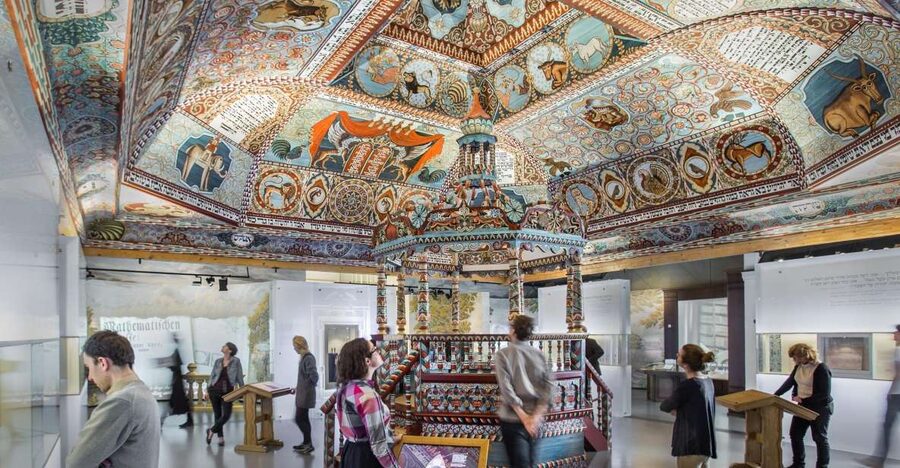
- A standout reconstructed synagogue ceiling, one of the most frequently praised visual moments.
- The Holocaust portion is one part of a broader story, so you get context for daily life before and after.
- Comfort matters for a long visit, with seating and places to pause mid-route.
- You can break for lunch and return the same day, which helps if you plan for 3 to 5 hours.
Further Jewish heritage and ghetto routes documented in Warsaw
- Warsaw: POLIN Museum of the History of Polish Jews Ticket
★ 4.7 · 1,142 reviews - Warsaw: Warsaw Ghetto Private Walking Tour with Hotel Pickup
★ 4.9 · 369 reviews - Warsaw: Jewish History Guided Walking Tour in English
★ 4.7 · 324 reviews - Private Tour: Warsaw’s Jewish Heritage by Retro Fiat
★ 5.0 · 208 reviews
POLIN Museum: A 1,000-Year Walk Through Polish Jewish Life
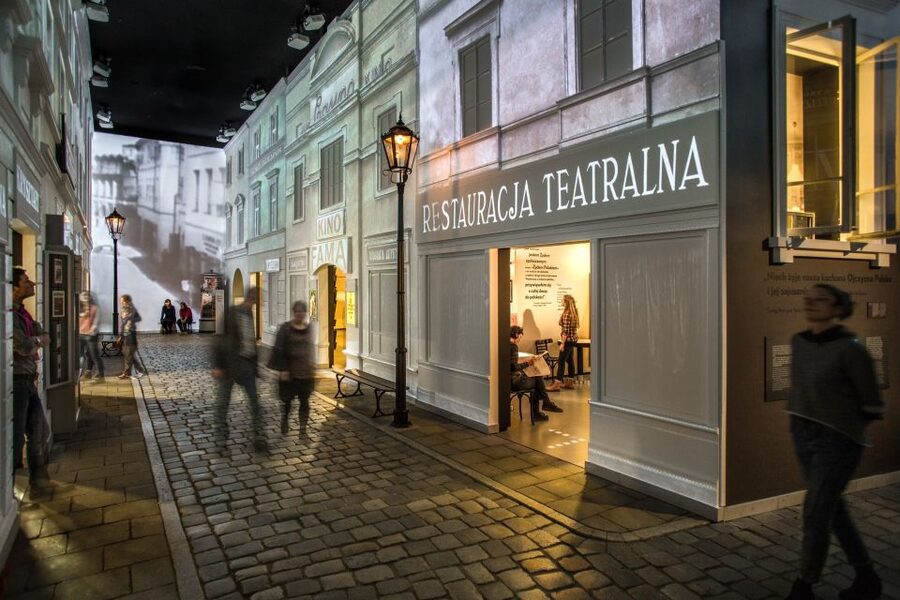
If you care about history that feels human, POLIN is built for that. Instead of presenting facts like a spreadsheet, it strings together centuries through objects, paintings, and interactive stations that nudge you to slow down and pay attention. You are not just reading panels. You are making connections between eras, communities, ideas, and places.
The museum’s core promise is 1,000 years of Jewish history in Poland, starting with the earliest settlements and carrying you to modern times. One of the most thoughtful touches is the balance in how the story is framed. Yes, the Holocaust is central. But it is not the only chapter that matters. The overall message is about how Jewish life shaped Polish society and how Polish society shaped Jewish life, including after the Second World War when culture is revived.
This is also a museum you can do with your own rhythm. The ticket is valid for one day, and you may enter at your convenience. That matters because the museum is large and information-dense. If you try to sprint, you will miss how the galleries link to each other.
Ticket Value for $12: What You Actually Get
For about $12 per person, you get access to the permanent exhibition, plus access to a temporary exhibition if available, and an audioguide. There is no guided tour included. So you should go in expecting to follow the museum’s route yourself, using the audio.
That value works best if you do a real visit, not a quick glance. The core exhibition is estimated at about 2 hours, but many visitors end up staying longer because the galleries are interactive and packed with material. If you are the type who stops at every display, plan more time. If you skim lightly and stick to the audio, you can still fit it in.
One practical consideration: you must go through electronic scanning before entering the core exhibition. That is normal museum security. It just means you should arrive ready to start, not with a strict minute-by-minute schedule.
How the Audioguide Shapes Your Experience
The audioguide is one of the biggest reasons this museum works as well as it does. People describe the narration as clear and helpful, and one detail that comes up again and again is that the audio tends to match where you are in the museum. In other words, you are not constantly guessing which section you are on.
You also get the freedom to listen and pause. Some parts are more visual than audio, and some people stop listening so they can focus on the text. If you find yourself wanting both at once, plan a bit slower. At certain moments, reading wall text while audio is talking can get noisy in your head. A calmer strategy is to use the audio for orientation, then switch to reading for a few minutes, then go back to audio when you move forward.
Language-wise, the museum lists Polish and English. Some groups reported using Ukrainian narration, so there may be additional audio options beyond those two, depending on what is available in the system on your day. If language choice matters to you, check what is offered when you pick up or activate your audioguide.
Entering POLIN and the Security Scan Before the Core
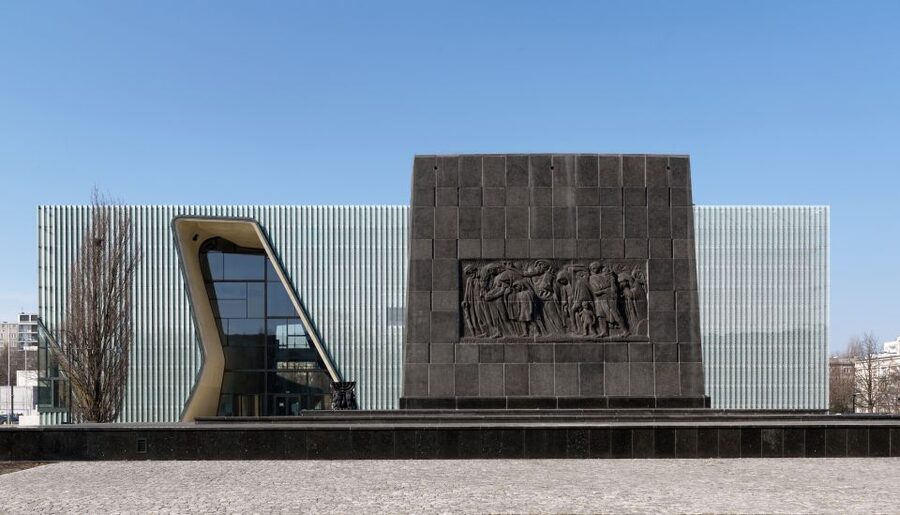
Before you reach the main exhibition areas, every guest must complete electronic scanning due to security restrictions. This is one of those details you do not want to discover at the last second while you are trying to board your schedule.
Also pay attention to what you cannot bring. Oversize luggage is not allowed, so pack like you are walking a lot inside a museum, not like you are hauling a vacation apartment. Keep your day bag small and easy to manage.
Finally, mind timing. Admission closes 2 hours before closing time, even though your ticket is valid for the day. If you arrive late, you might not be able to finish the core route.
Warsaw rebuilt itself twice over. Here is how else we saw it
- Warsaw: Chopin Concert in the Old Town★ 4.8 · 2,287 reviews
- Warsaw: Traditional Galar Cruise on The Vistula River★ 4.6 · 1,640 reviews
- Warsaw: Old Town Highlights Walking Tour in English★ 4.7 · 1,516 reviews
- Warsaw Concert: Chopin – Painted by Candlelights with Wine★ 4.8 · 1,442 reviews
- Warsaw: City Sightseeing Hop-On Hop-Off Bus Tour★ 3.6 · 1,415 reviews
The First Galleries: Early Communities and Jewish Everyday Life
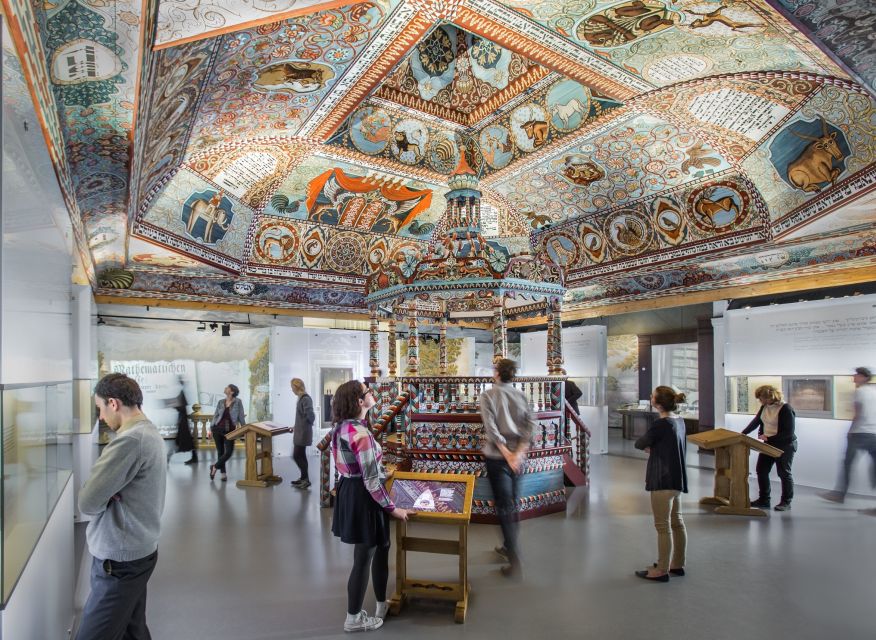
The story begins with the earliest communities in Poland. This part is where the museum’s design style shows up most. You get a long view of how Jewish communities formed, how they lived, and how their presence connected to the wider country.
What I find useful here, and what you will likely appreciate, is the way the displays anchor you in daily life. The museum uses artifacts, paintings, and interactive elements to translate centuries into something you can picture. You are learning more than dates. You are learning rhythms of life, community organization, and how identities formed over time.
One watch-out: several visitors felt the early centuries take up a lot of space, so if you are mainly interested in the 19th and 20th centuries, you may feel like you are waiting for your favorite era. The fix is simple, go slower in the sections you care about, and accept that the earlier groundwork is what makes later tragedies and changes make sense.
Mid-Centuries to Modernization: Figures, Politics, and Change
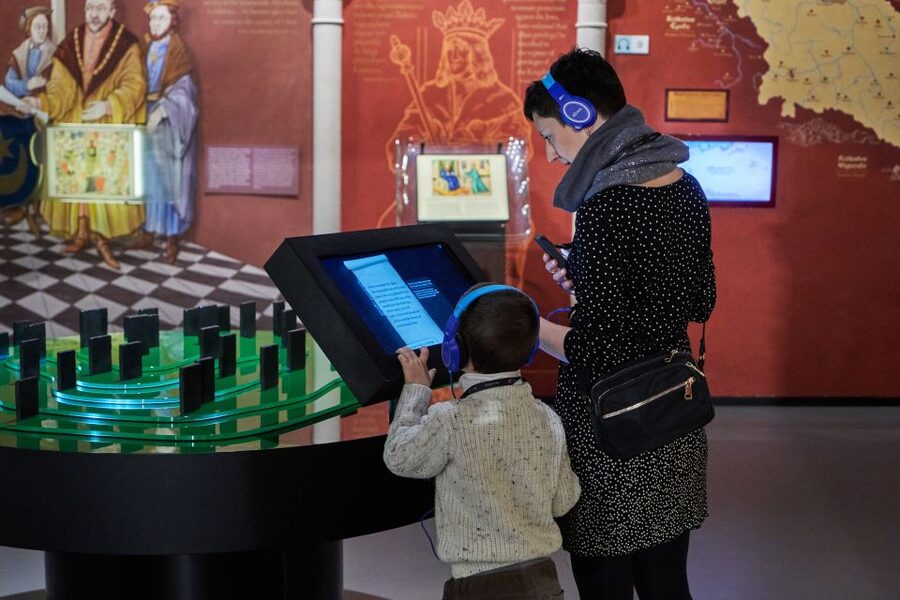
As the timeline moves forward, the museum shifts from origins to transformation. This is where you start seeing how Jewish life intersects with politics, social organization, and religious diversity in Poland. The galleries highlight the role of individual figures in wider society and show how Jewish modernization developed while many communities worked to maintain identity.
A useful way to experience this section is to listen for the museum’s cause-and-effect logic. When different communities change, it is usually tied to wider Polish society and to economic and urban shifts. In other words, you start to see Jewish history in Poland as part of Polish history, not as a separate side story.
This is also where the museum’s interactive approach helps. If you only read, you might miss how ideas evolve. If you use the audioguide and pause to look at objects, the transitions feel more grounded.
The Holocaust Chapter: What the Museum Shows and How It Cares
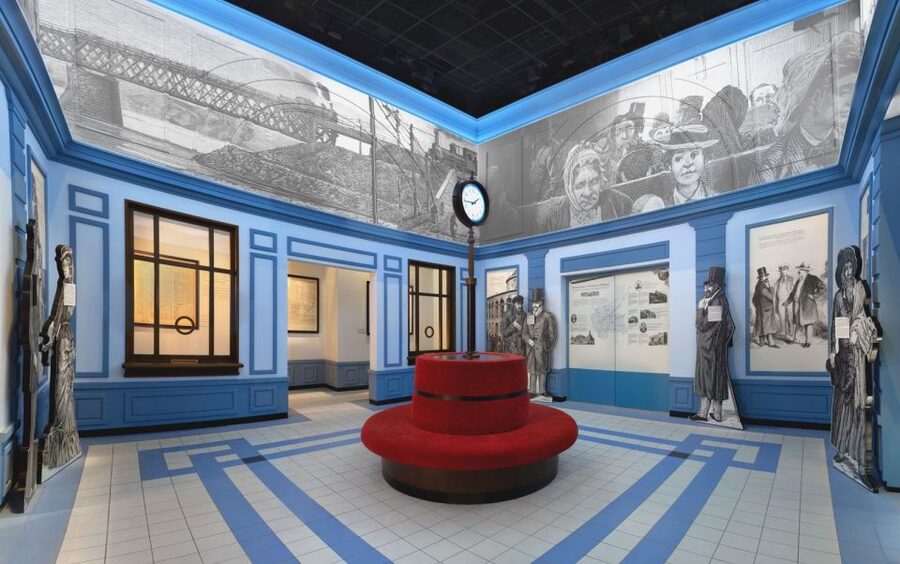
The Holocaust is handled with seriousness, and it is not trying to be subtle. One of the most helpful ways to think about it is that it is framed inside the larger story. The museum also explains how the Holocaust impacted political, social, and religious diversity. That context matters because it shows what was taken away, and what kinds of communities could no longer exist.
Some visitors say they found the Holocaust experience intense and emotional. Others say the museum avoids melodrama and keeps the exhibits straightforward. Either way, treat this section like it deserves respect. Pause when you need to. Sit down. The museum includes seating and break points, which is a big deal in a topic this heavy.
One more practical note from real-world experience: if you come during busy times, you might encounter school groups and occasional crowd noise. If you are sensitive to distraction, pick a time when you can move more quietly through the galleries.
What Comes After: Reviving Culture and Rebuilding Life
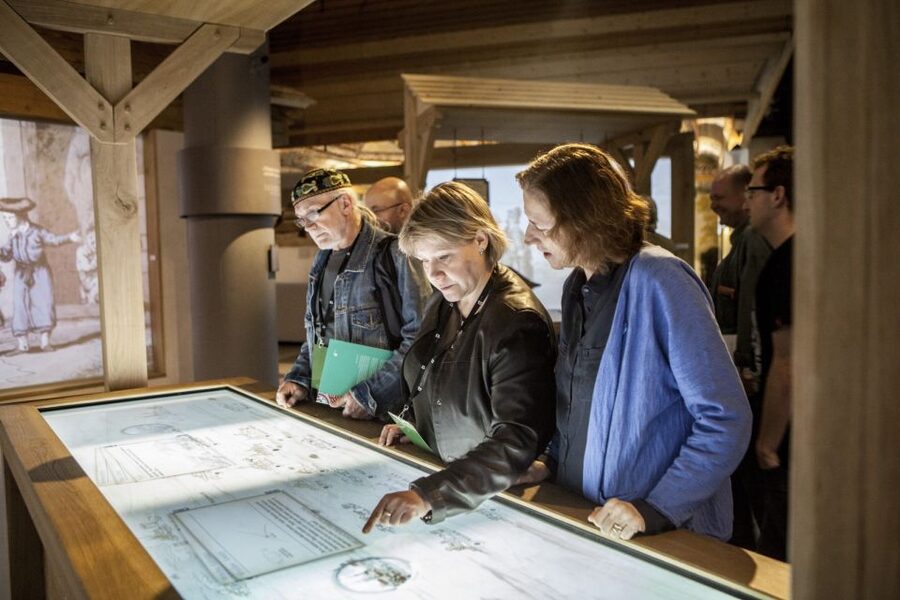
A big reason POLIN is more than one tragedy-themed stop is what happens after. The museum looks at how Jewish culture is revived after the Second World War. This matters because it keeps the story moving forward instead of ending with loss.
You will likely feel a shift in tone in the later sections. Not happiness exactly. More like evidence of life continuing, people rebuilding, communities changing again, and identity finding new forms. If you are worried the museum will only make you sad, this is where you get proof that it is trying to be truthful in a human way.
Don’t Miss the Visual Winners: Synagogue Ceiling and Interactive Rooms
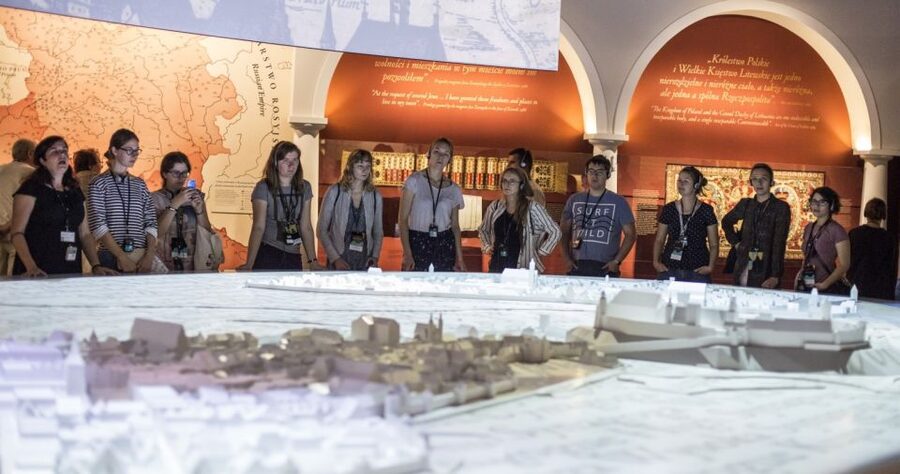
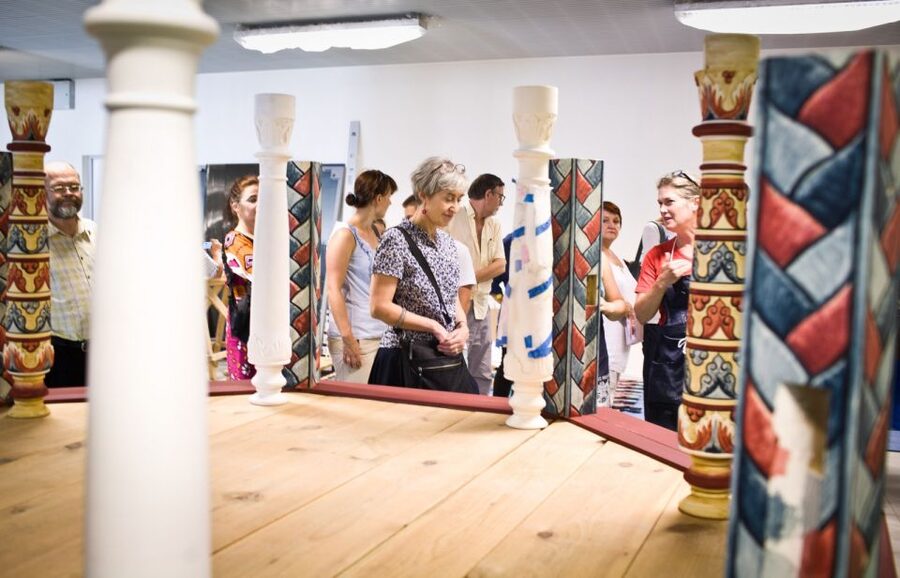
Several displays get singled out for a reason, and the most famous one is the reconstructed synagogue ceiling. It is the kind of scene that makes you stop, tilt your head, and finally understand what sacred architecture looked like in that context.
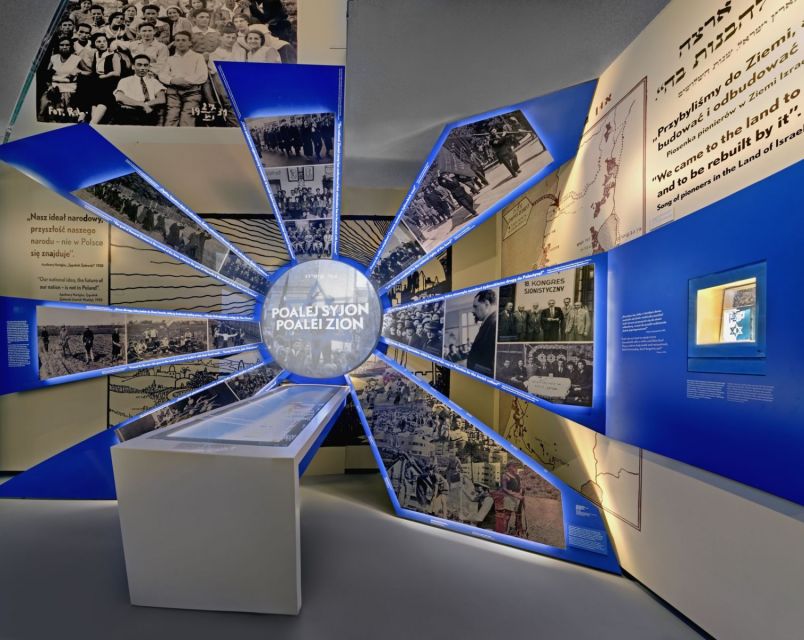
Beyond that, the museum is strong at turning information into interactions you can do with your hands or your ears. You will see artifacts, paintings, and interactive installations that keep you from zoning out. The result is a visit that feels like a guided experience without needing a person hovering over you.
Temporary Exhibitions and the Optional Ghetto Fighters Add-on
Your ticket includes access to a temporary exhibition when one is available. Some people also mention an optional exhibition focused on ghetto fighters, which can add another layer to the wartime story.
If you have only a limited amount of time, you may need to choose between the core exhibition and optional add-ons. A good strategy is to start with the core route, see how you feel mid-visit, and then decide if the extra wartime-focused material fits your energy.
Food and Breaks Inside the Museum So You Can Actually Finish
A museum like this can run long. The good news is there is space to regroup. Many visitors specifically mention that there is seating and that the visit does not feel like constant standing.
There is also a restaurant or cafeteria inside the museum. One review described it as cafeteria-style but with good quality and generous portions. That is the best kind of museum meal: not fancy, just solid. If you want to keep the momentum, grabbing lunch on-site beats traveling out and back again.
You can leave the museum for lunch and return the same day, as long as you stay within your entry rules. If you are planning 3 to 5 hours, this break option can be the difference between finishing strong and leaving early.
How Long Should You Plan: 2 Hours or a Full Morning?
The core exhibition is estimated at about 2 hours, and that is a realistic target if you listen selectively and keep moving. But multiple visitors recommend planning 2.5 to 3 hours for a full visit, and many end up at 4 to 6 hours when they slow down for interactivity and details.
Here’s the practical way to choose:
- If you like facts but hate rushing, start with 3 hours.
- If you love objects, multimedia, and reading, go for 4 to 5 hours.
- If you are emotionally affected by the later sections, build in extra seating time and plan for a longer visit.
The museum is also closed on Tuesdays, so check the day before you commit to a specific time window.
Who This Ticket Fits Best (and Who Might Want Something Else)
POLIN works especially well for:
- History lovers who want a long, structured timeline without a guide dragging you along.
- People who want context for the Holocaust instead of a stand-alone tragedy exhibit.
- Travelers who like interactive design, artifacts, and audio narration.
It might feel less ideal if:
- You want a guided tour with a live speaker, because this ticket does not include one.
- You prefer short museum stops. This is a place where information builds and you will likely need time to absorb it.
- You dislike emotionally heavy themes. The Holocaust sections are real and serious, and the overall visit can be intense.
Should You Book This POLIN Museum Ticket?
If you want one museum in Warsaw that explains Jewish life in Poland across centuries, this is an easy yes. The value is strong for the price, because your ticket includes the audioguide and full access to the permanent exhibition, with temporary content available too. The design also gives you control over pace, which helps you handle an intense topic without feeling rushed.
Book it if you can spare at least half a day. Go even longer if you like interactivity and if you want time for the later sections without sprinting.
FAQ
How much is the POLIN Museum of the History of Polish Jews ticket?
The price is listed as $12 per person.
How long can I spend in the museum?
The activity is described as valid for 1 day, and the estimated time needed for the core exhibition is about 2 hours. Many visitors end up staying longer.
What does the ticket include?
It includes access to the permanent exhibition, access to a temporary exhibition if available, and an audioguide.
Do I need a guided tour?
No. A guided tour is not included with this ticket.
Are there any security checks before I enter the core exhibition?
Yes. Due to security restrictions, every guest must undergo electronic scanning before entering the core exhibition.
When is admission closed?
Admittance is closed 2 hours prior to the museum’s closing time, even though the ticket is valid for the day.
Can I leave the museum for lunch and come back?
Yes. You can leave to have lunch and return, as long as it is within the same day.
Is the museum open every day?
No. The museum is closed on Tuesdays.
Are there age rules for children?
Children aged 7 or younger may enter free of charge. Children age 12 or younger need to be supervised by an adult at all times.
More Tour Reviews in Warsaw



Warsaw, Keep Looking
Jewish Heritage and Ghetto Routes in Warsaw


Recently written up around Warsaw



More Jewish Heritage and Ghetto Tours.
 ★ 4.7Schindler’s Factory & Ghetto Guided TourFrom $571,694 reviews
 ★ 4.9Jewish Quarter and Former Ghetto TourFrom $191,441 reviews
 ★ 4.9Bike Tour of Old Town, Jewish Quarter and the GhettoFrom $371,155 reviews
 ★ 4.8Kazimierz, Schindler’s Factory & Ghetto Guided TourFrom $81460 reviews
 ★ 5.0Full Bike Tour – the Old Town, Jewish Qtr & the Ghetto NEW BIKESFrom $35437 reviews
 ★ 4.9Warsaw Ghetto Private Walking Tour with Hotel PickupFrom $84369 reviews
 ★ 4.9Bike Tour of the Old Town, Kazimierz, and the GhettoFrom $26350 reviews
 ★ 4.6Jewish Ghetto Walking TourFrom $11349 reviews
Also on these Poland lists