
REVIEW · AUSCHWITZ-BIRKENAU MEMORIAL TOURS
Auschwitz-Birkenau Memorial and Museum Trip from Krakow
This early ride ends in silence. I like that hotel pickup and drop-off get you there without fighting Krakow traffic, and that the day includes an in-bus documentary film before the museum walk.
Plan for a tough schedule: rushed pace can make it hard to linger, and the whole route is a lot of walking layered on heavy emotions.
In This Review
- Quick hits before you go
- Getting to Auschwitz from Krakow with hotel pickup and early entry
- The documentary film on the bus, and why it helps more than you think
- Auschwitz I: the administrative core and the start of the story
- A realistic expectation
- Birkenau (Auschwitz II): where scale hits and the genocide becomes undeniable
- Group size, headsets, and hearing your guide on tough ground
- Comfort and packing: shoes, bag size, and the long walk reality
- Price and logistics: is $93.16 good value for this day from Krakow?
- Who should book this Auschwitz-Birkenau trip, and who should think twice
- Should you book this Auschwitz-Birkenau day from Krakow?
- FAQ
- How long is the Auschwitz-Birkenau tour from Krakow?
- What is included in the tour price?
- Is food and drinks included?
- Do you pick up from my hotel in Krakow?
- Is the tour available in English?
- What size bags are allowed on the museum grounds?
- What is the group size limit?
- What is the cancellation policy?
Quick hits before you go
- Hotel pickup included in Krakow: you meet the group in the morning and return the same way, which keeps the day simpler.
- A tight museum window: the guided portion is built around a fixed time block, so you move as a group.
- Two key stops, Auschwitz I and Auschwitz II-Birkenau: you see both the administrative core and the genocide site.
- English is offered: you follow the guided experience in English.
- Smallish group size (max 30): you are not stuck in a massive crowd, but it still feels busy on-site.
- Bag limits matter: backpacks must be no bigger than 30 x 20 x 10 cm, so pack light.
Other Auschwitz-Birkenau visits we have reviewed, with entry and transport noted
- From Krakow: Auschwitz-Birkenau Guided Tour & Hotel Pickup
★ 4.5 · 33,358 reviews - From Krakow: Auschwitz-Birkenau Guided Tour & Hotel Pickup
★ 4.5 · 29,340 reviews - Krakow: Auschwitz Guided Tour with Optional Hotel Pickup
★ 4.5 · 15,280 reviews - Krakow: Auschwitz-Birkenau Guided Tour with Pickup & Lunch
★ 4.5 · 9,800 reviews
Getting to Auschwitz from Krakow with hotel pickup and early entry
This trip is built around one practical idea: start early, get there smoothly, and spend your energy where it counts. Pickup begins around a 7:00 am departure time, and the operator states they pick up guests from accommodations inside Krakow City limits, including Airbnb-style stays. That matters because Auschwitz is not a quick hop by public transit for most people, and you do not want to burn the morning wrestling logistics.
The day’s rhythm is simple. You ride out together, watch a documentary en route, then join the guided visit once you arrive. One big value point here is time savings. When you arrive before the main crush, you avoid the slow grind of people trying to sort tickets and lines on the spot. Even with a group schedule, you’re not starting from zero.
The group size limit is 30 travelers, and that makes a real difference in how the day feels. You still have other tour groups moving around you, but your moment-to-moment experience is less chaotic than the biggest-possible crowds.
One more practical note: the tour runs about 7 to 8 hours total. That is long enough to feel it in your legs, and the emotional weight lands fast once you’re inside.
The documentary film on the bus, and why it helps more than you think
Before you even step onto museum grounds, you get context. The tour includes a documentary movie during the ride from Krakow. For me, the value is that it helps you frame what you’re about to see, so you’re not just collecting names and dates without a map.
In practice, audio quality depends on where you sit in the vehicle. Some people reported they could not hear well from farther back, which is a reminder to choose a seat closer to the front or middle if you can. If you are sensitive to loud noise or rely on audio clarity, this is the moment to be intentional.
A good mental trick: use the film to build your questions for the guide. You’ll likely want to understand the difference between Auschwitz I and Auschwitz II-Birkenau, and why Birkenau became the main site of genocide. When you go into the museum with a couple of focused questions, the guided walk becomes more than a script.
Auschwitz I: the administrative core and the start of the story
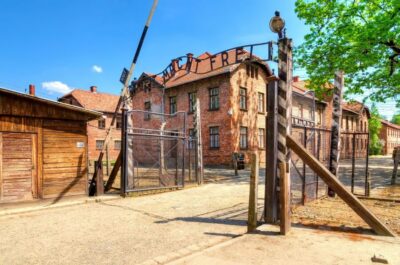
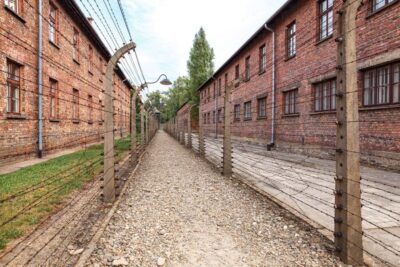
Auschwitz I is the part most people picture first, and it has a reason for that. You’re visiting the best-known former concentration camp, and it also served as the administrative headquarters for the entire complex. That administrative role can be easier to grasp once you see how the camp functioned, not just what it became later.
This stop is also where the museum anchors the larger history of the Nazi concentration camp system and the genocide that followed. Your guided time here is part of a longer guided block for both camps, and you’ll be moving through sites that tell the story step by step: how the camp was organized, how the complex worked, and how this place became part of machinery built for mass murder.
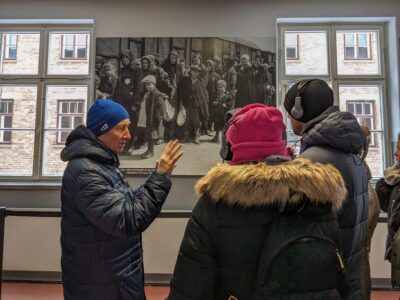
What I like about Auschwitz I on a guided tour is that you’re not left alone to interpret artifacts. The tour format includes a structured visit with an English-speaking educator from the museum side, which helps you connect what you’re seeing to what you’re supposed to understand. In reviews tied to this experience, people also highlighted individual guides by name, including Joanne and Margaret, and described them as respectful and clear with difficult material.
A realistic expectation
Auschwitz is not a slow gallery stroll. Even with a guide, you will feel the momentum of a group schedule. The museum experience is also emotionally heavy in a way that does not always match how long your legs think you have left in the day. Plan to accept that you will need a breath, step back, and then keep going.
Below are the other Krakow trips we have logged
- Auschwitz-Birkenau Museum and Memorial Guided Tour from Krakow★ 4.5 · 1,510 reviews
- Krakow: Rynek Underground Museum Guided Tour★ 4.6 · 1,122 reviews
- Krakow Schindler’s Factory Museum Guided Tour in English★ 4.5 · 650 reviews
- Krakow: Auschwitz Birkenau Museum Guided Tour with Pickup★ 3.6 · 544 reviews
- Museum of illusions Entry Ticket★ 4.5 · 521 reviews
Birkenau (Auschwitz II): where scale hits and the genocide becomes undeniable
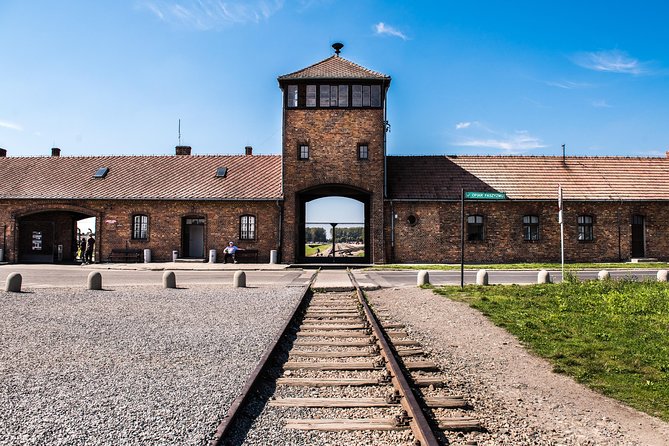
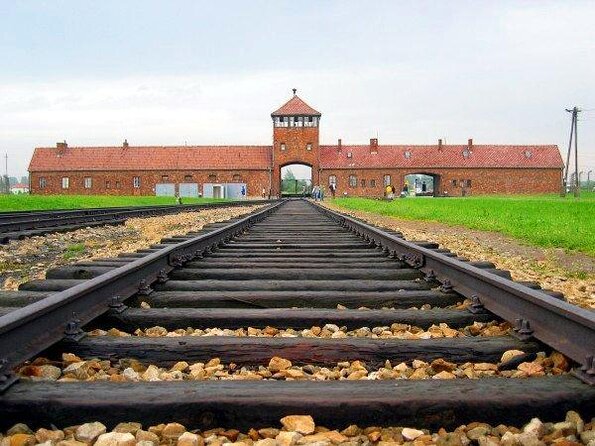
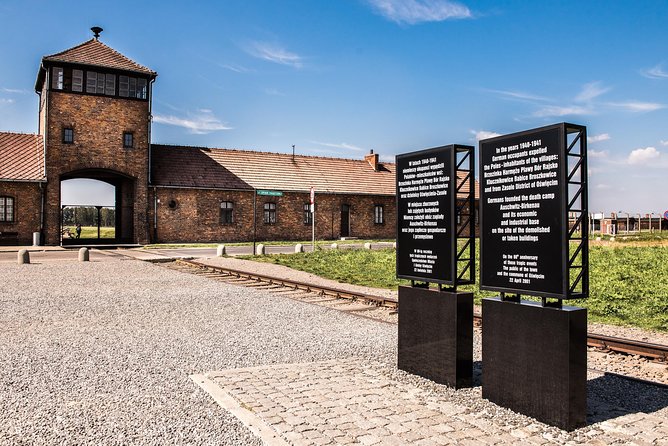
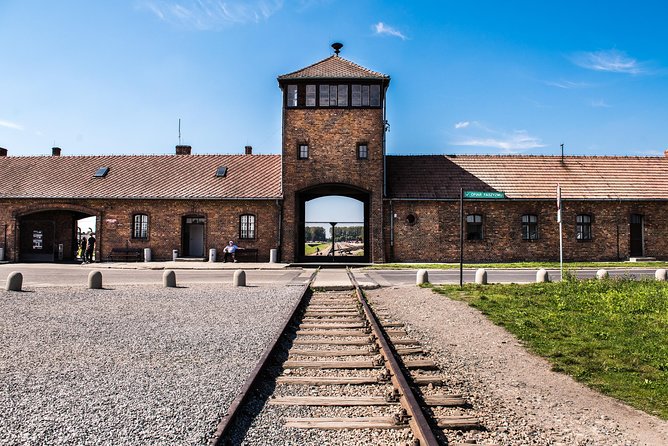
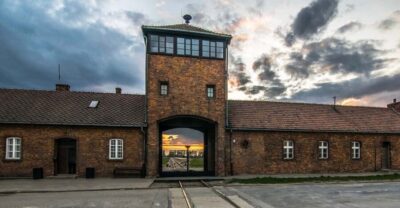
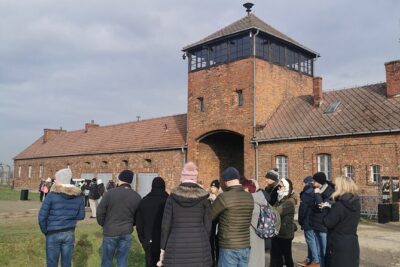
Birkenau, also called Auschwitz II, is where the reality of the genocide scale can feel most overwhelming. This area started as a concentration camp and then quickly turned into the main place of murder. Here you see the locations tied to the gas chambers and crematoria, which is central to understanding how the Nazis carried out mass killing.
Birkenau is also significant for how the camp was organized for different groups, including women. Seeing Birkenau after Auschwitz I creates a sharp contrast: the story shifts from administration and concentration-camp structure into the mass-extermination system.
This is the stop where pace becomes the most sensitive issue. Several people describe the day as moving quickly, and Birkenau can feel like it gets even tighter because the grounds are spread out. If your top priority is lingering for reflection, you should go in knowing that a timed group visit may not give you the slow, quiet space you want.
Still, the guided format can help. When you are with an educator, you’re less likely to miss key context. And if you have trouble hearing at some points, you can rely on the fact that the museum experience is designed for explanation and signals, not just self-guided wandering. You may find that the most important moments are not always the biggest ones visually, so stay mentally present even when you want to take photos.
Group size, headsets, and hearing your guide on tough ground
This kind of visit is hard partly because it’s hard to hear. Site conditions, foot traffic, other groups, and wind can all make it difficult to catch every word.
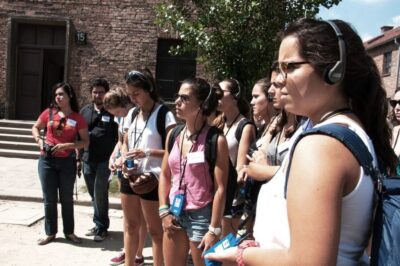
The tour operator notes that museum rules shape how the experience works, including the timing and guided structure. It also matters that audio support can vary. Several visitors reported that headsets and audio support helped a lot, including one case where a guide used a setup with headphones and a walkie-talkie. On the other hand, some people said they struggled to hear the guide or even mentioned that audio equipment was not available in the usual way on their day.
So here’s the practical mindset: don’t assume every word will be perfect. If listening closely is your priority, sit where you can hear best in your group. If your ears are sensitive or you know you miss details in noise, take a moment at the start to confirm what audio tools are available to you.
Also, ask questions early if you can. When groups are moving on a schedule, your chance to slow down for personal curiosity can shrink toward the end of the day. If the guide is named in your group, like Joanne or Margaret, and you connect with their explanation style, try to get your biggest question in sooner rather than later.
Comfort and packing: shoes, bag size, and the long walk reality
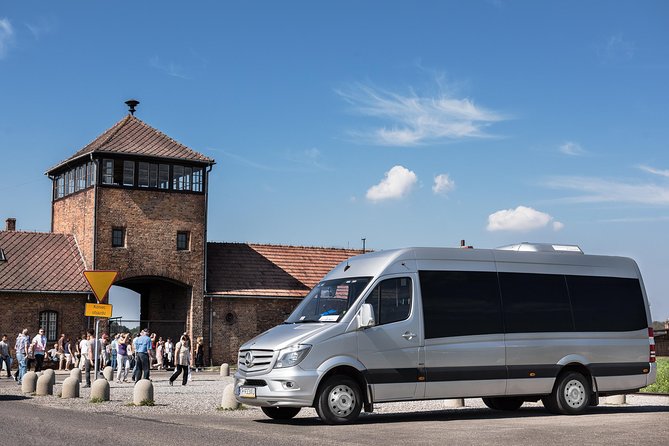
Auschwitz-Birkenau is a place you should dress for walking. The tour asks for moderate physical fitness, and the reviews tied to the experience repeatedly mention that it is long and draining, emotionally and physically.
The bag rules are specific: backpacks and bags allowed on museum grounds can be no larger than 30 x 20 x 10 centimeters (about 12 x 8 x 4 inches). That is small. You’ll want a day bag that fits within that limit. The tour also notes you can leave belongings inside the bus, parked nearby, which helps you travel lighter.
Footwear is the other big one. Choose flat, comfortable shoes. It’s not just about miles. Surfaces, crowds, and standing still for explanations all add strain.
And because food and drinks are not included, plan for your body. You’re out for most of the day, so you will likely want water and some form of energy. Even without a formal meal stop, it’s smart to come ready for long stretches.
Price and logistics: is $93.16 good value for this day from Krakow?
At $93.16 per person, this tour is positioned as a value option because it bundles the things that usually cost time and effort when you book separately.
Here’s what’s included:
- Hotel pickup and drop-off
- Admission ticket
- A documentary movie on the way
- A standard group tour of about 3.5 hours covering Auschwitz I and Auschwitz II-Birkenau
- Insurance
What’s not included:
- Food and drinks
From a value standpoint, the biggest win is the combination of transportation plus guided museum time. You’re paying for the infrastructure that gets you there early, into the museum experience as part of a group, and back again without additional planning. In other words, this price buys you fewer moving parts.
The trade-off is that the day is not designed for maximum free time. The fixed guided structure is a museum reality, and the pace can feel rushed, especially late in the day at Birkenau. If your ideal visit is slow and reflective, this can feel like a mismatch.
But if your goal is clear, structured understanding, with less travel hassle, the cost can make sense. It’s also a good match for first-timers who want an organized introduction before deciding if you want to return and explore more independently.
Who should book this Auschwitz-Birkenau trip, and who should think twice
This is a strong fit if you:
- Want an English guided experience with museum educators
- Prefer the simplicity of hotel pickup and drop-off from Krakow
- Are okay with a guided schedule and walking through both Auschwitz I and Birkenau
- Think context matters, since you’ll get a documentary briefing before entry
It’s a harder fit if you:
- Struggle with car motion, since some people reported a rough drive and mentioned discomfort
- Need extra time to linger and ask lots of questions, because group pacing can limit reflection
- Are very sensitive to hearing details on noisy ground, since audio equipment can vary day to day
For families, consider the age and emotional readiness carefully. Several comments tied to the experience warned that it is not an easy visit for children who can’t process what they see. If you bring kids, go in with a plan for how you’ll support them, not just how you’ll get them there.
Should you book this Auschwitz-Birkenau day from Krakow?
If you want the practical path to Auschwitz-Birkenau from Krakow, this tour is a solid choice. The included pickup, the on-the-day documentary, and the guided structure help you turn a difficult visit into a focused learning experience without wasting your morning on logistics.
I’d book it if you’re comfortable with group pacing and a full day out. I would think twice if you’re chasing a slow, private, or ultra-flexible pace, because Birkenau in particular can feel compressed under the group schedule.
Either way, go prepared to be changed. This is one of those places where the value is not entertainment. It’s understanding, respect, and attention.
FAQ
How long is the Auschwitz-Birkenau tour from Krakow?
The tour lasts about 7 to 8 hours in total, including hotel pickup and drop-off and the guided museum portion.
What is included in the tour price?
The price includes hotel pickup and drop-off, a documentary movie, a standard 3.5 hour group tour of Auschwitz and Birkenau, admission ticket, and insurance.
Is food and drinks included?
No. Food and drinks are not included.
Do you pick up from my hotel in Krakow?
Yes. Hotel pickup and drop-off are included. If your accommodation is not listed, you can request pickup from any accommodation located within Krakow City limits.
Is the tour available in English?
Yes. The tour is offered in English.
What size bags are allowed on the museum grounds?
The maximum bag size allowed on the museum grounds is 30 x 20 x 10 centimeters (about 12 x 8 x 4 inches). You can leave belongings inside the bus parked nearby.
What is the group size limit?
The tour has a maximum of 30 travelers.
What is the cancellation policy?
You can cancel for free up to 24 hours in advance of the experience start time for a full refund. If you cancel less than 24 hours before, the amount paid is not refunded.
More Museums in Krakow


More Tour Reviews in Krakow

Auschwitz-Birkenau: Other Reviewed Visits
Recently written up around Krakow
More Auschwitz-Birkenau Memorial Tours.
 ★ 4.5Auschwitz-Birkenau Guided Tour & Hotel PickupFrom $2133,358 reviews
★ 4.5Auschwitz-Birkenau Guided Tour & Hotel PickupFrom $2129,340 reviews
★ 4.5Auschwitz-Birkenau Guided Tour & Hotel PickupFrom $2133,358 reviews
★ 4.5Auschwitz-Birkenau Guided Tour & Hotel PickupFrom $2129,340 reviews
 ★ 4.5Auschwitz Guided Tour with Optional Hotel PickupFrom $6915,280 reviews
 ★ 4.5Auschwitz-Birkenau Guided Tour with Pickup & LunchFrom $219,800 reviews
 ★ 4.5Auschwitz-Birkenau Guided Tour Pickup/Lunch OptionsFrom $2009,057 reviews
 ★ 4.7Auschwitz-Birkenau and Salt Mine Guided TourFrom $549,020 reviews
 ★ 5.0Krakow to Auschwitz Birkenau Guided Tour with Transfer and TicketFrom $368,197 reviews
 ★ 4.0Auschwitz Birkenau Tour with TransferFrom $216,134 reviews
Also on these Poland lists