
REVIEW · GDANSK OLD TOWN TOURS
From Gdansk: Stutthof Concentration Camp Museum Day Tour
Stutthof hits hard, fast. This 4-hour day tour from Gdansk takes you into Stutthof, Poland’s first Nazi concentration camp, about 40 km away, and walks you through what happened there from 1939 to liberation in 1945.
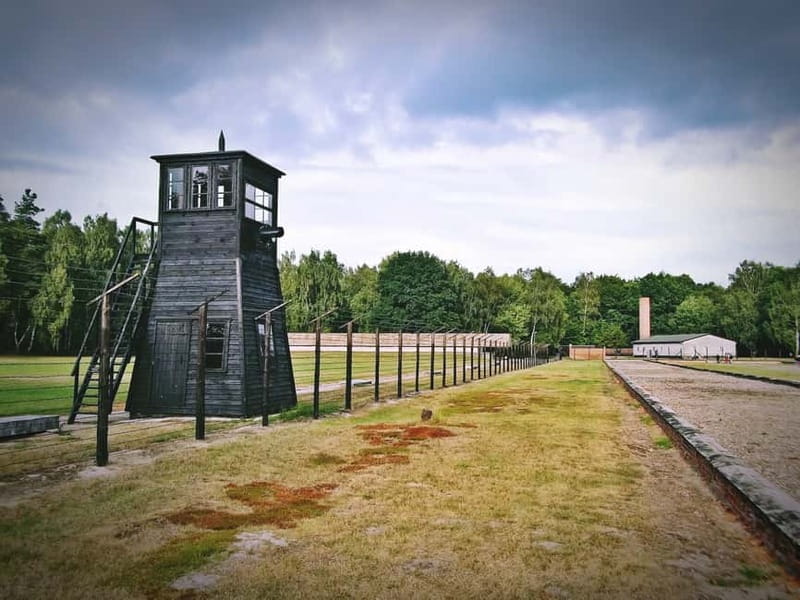
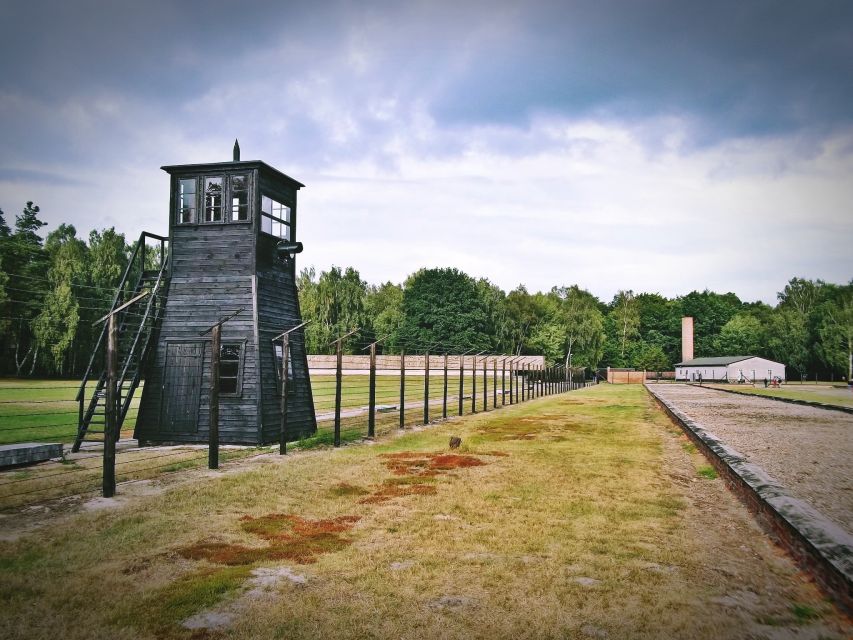
I love the way the tour sticks to what you can actually see on site, including the gas chamber, crematorium, prisoner barracks, and the guard’s tower. I also like the practical setup: hotel pickup and drop-off plus a live, multilingual guide so you can focus on the story, not logistics.
One drawback to plan around: this is not suitable for children under 12, and the 4-hour format is intense and moves steadily. If you pick a language that is not your strongest, you may want to think carefully, since clarity depends a lot on the guide and the group dynamic.
In This Review
- Key highlights you should care about
- Why Stutthof matters when you visit Gdansk
- The drive from Gdansk and what to expect when you arrive
- First stops in the museum: learning the camp’s layout
- Gas chamber and crematorium: seeing the horror with context
- Prisoner barracks: understanding confinement beyond the buildings
- Guard’s tower and the logic of control
- Liberation in 1945: how the story ends
- Guide quality, languages, and what works best in practice
- Price and value for a 4-hour Stutthof day tour
- Practical tips for a respectful, low-stress visit
- Who this tour is best for, and who should skip it
- FAQ
- How long is the Stutthof Concentration Camp Museum Day Tour?
- Where is Stutthof located relative to Gdansk?
- What is included in the price?
- What can I see during the tour?
- Which languages are available for the live guide?
- Is hotel pickup and drop-off provided?
- Is the tour suitable for children?
- How much does the tour cost?
- Is there an option to cancel for a full refund?
- Can I reserve now and pay later?
- Should you book this Stutthof tour from Gdansk?
Key highlights you should care about
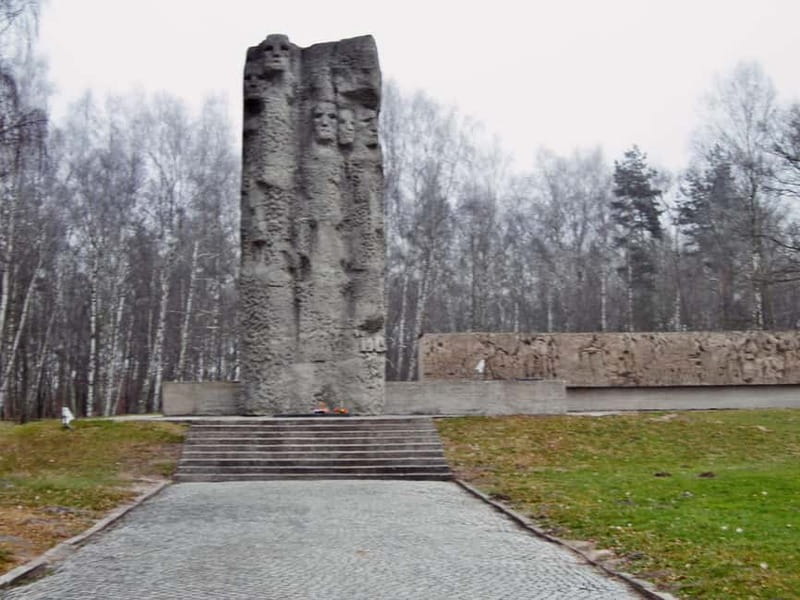
- Only 40 km from Gdansk: easy day trip distance, without spending your whole day on the road
- Real remaining structures: you’ll see the gas chamber, crematorium, prisoner barracks, and guard’s tower
- Numbers that put scale into context: about 110,000 deported, with 85,000 victims
- A complete WWII timeline: built in 1939, Poland’s first concentration camp, freed in 1945 by the Soviet Army
- Multilingual live guide: Spanish, English, German, Polish, Russian, French, Italian, and Portuguese
- Museum entry included: you’re not hunting for tickets after pickup
Other reviewed visits to the Stutthof Memorial
- From Gdansk: Stutthof Concentration Camp Museum Day Tour
★ 4.9 · 4 reviews
Why Stutthof matters when you visit Gdansk
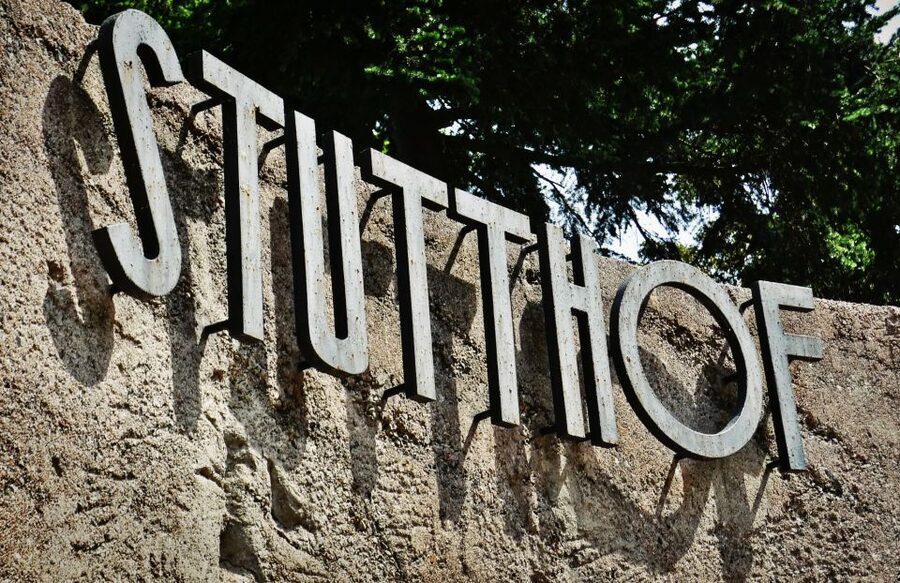
Gdansk gives you the city-and-port side of Poland, with its shipyards and streets that know how to survive. A trip to Stutthof takes you to the darker chapter beside it, and that contrast is part of why this day tour is so important.
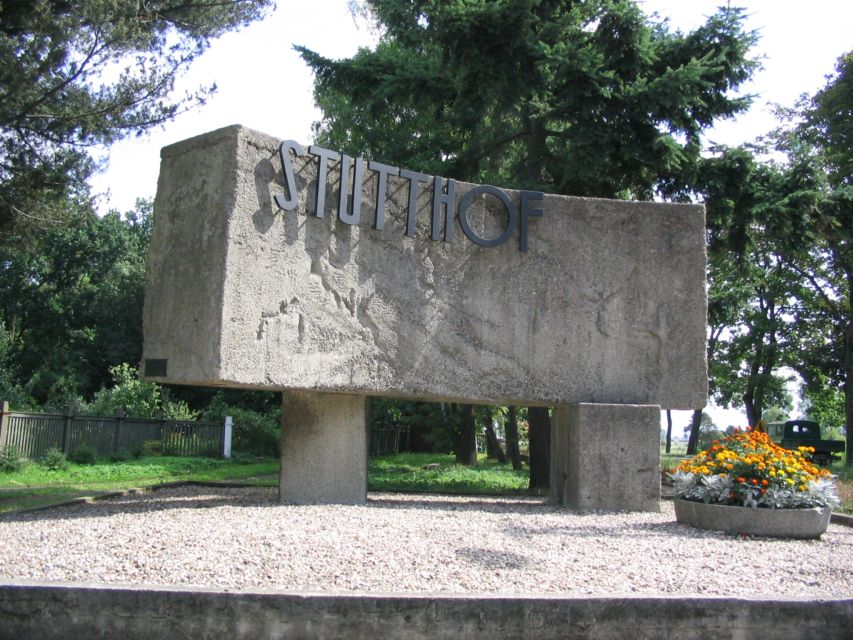
Stutthof started in 1939, built by the Nazis in a secluded, wet, wooded area west of the town of Sztutowo. It was the first concentration camp in Poland, and it was also among the last to be freed, when the Soviet Army liberated the camp in 1945.
This isn’t a museum that stays abstract. You walk among the spaces where people were imprisoned, processed, and guarded, and you learn what each place was used for.
The drive from Gdansk and what to expect when you arrive
The tour is built as a straightforward day trip, with hotel pickup and drop-off in Gdansk and a total duration of about 4 hours. That matters because you get a structured experience without having to arrange separate transport or sort out entry times yourself.
The camp sits around 25 miles (40 km) from Gdansk. Because it is in a wooded, wet area, I’d plan on the weather being changeable. Bring shoes you can walk in comfortably, and if you hate damp socks, pack something simple to deal with it.
When you arrive, the pace shifts fast from travel mode to listening mode. This is the kind of place where you are glad someone else handles the flow, so you can concentrate on meaning instead of wandering.
First stops in the museum: learning the camp’s layout
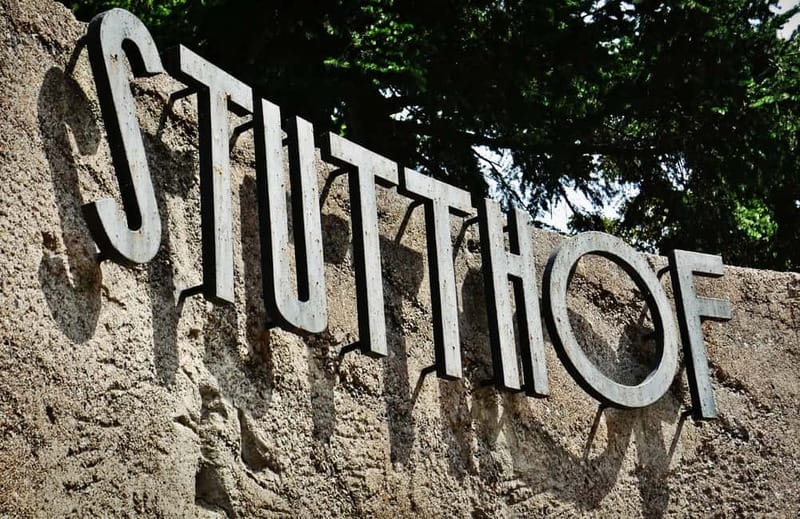
At the beginning, your guide’s job is to give you a mental map, so what you see later connects to what you heard first. You’ll enter the Stutthof Museum (entrance is included), and you should use that time to slow down.
Look for the big idea your guide is threading through the tour: this camp was a system. The Nazis used it as a tool of terror, exploitation, and genocide, not just as a place where people were held.
If you’re visiting from abroad, the local place names can take a moment to sink in. Stutthof is the camp name, and it is tied to the nearby town of Sztutowo. A guide helps you keep those references straight, so you don’t spend your mental energy translating the geography instead of understanding the story.
Gas chamber and crematorium: seeing the horror with context
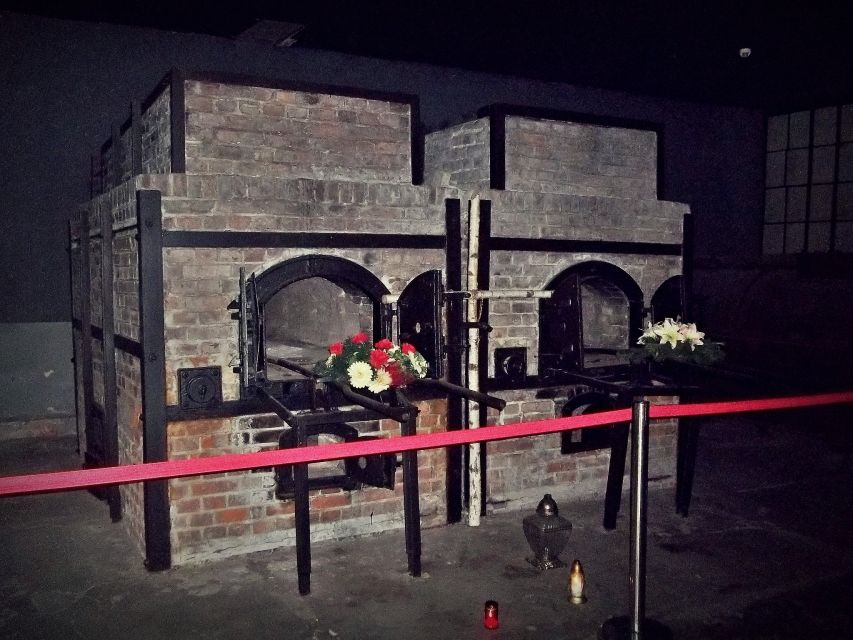
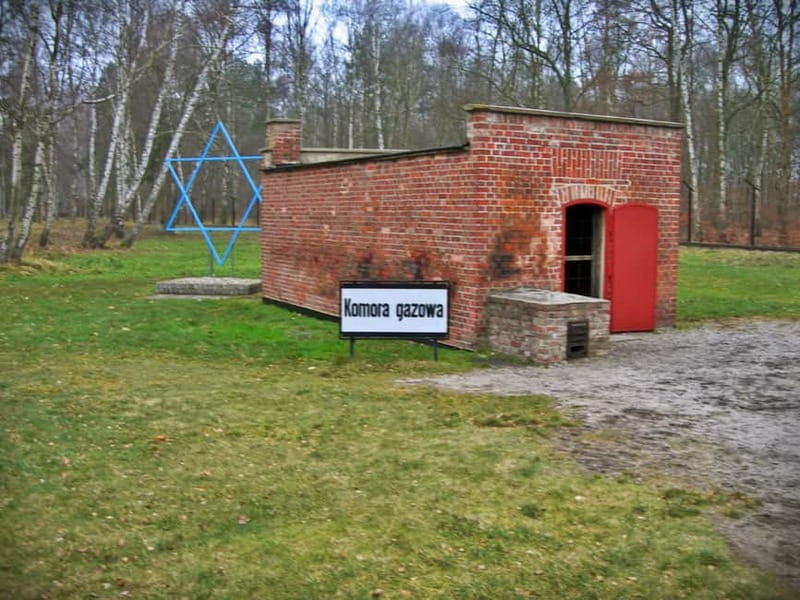
One of the hardest parts of the visit is also one of the most historically direct: you’ll tour the gas chamber and the crematorium. These sites are not there for shock value, they are there so the camp’s purpose can be explained clearly.
Your guide’s narration is what makes this part more than a set of dark rooms. You’ll connect what you see to the process described during the Nazi occupation, and you’ll understand how victims were treated as part of a deliberate plan.
I recommend leaning into the structure your guide gives you here. If you try to piece it together alone, it can turn into confusion. With a guide, the focus stays on clarity: what each site was used for, and what that means when you think about human loss.
Prisoner barracks: understanding confinement beyond the buildings
Next comes the camp’s living spaces, where the story becomes painfully concrete. You’ll see prisoner barracks, which helps you understand confinement not as a word, but as walls, schedules, and a total loss of control.
The guides I’ve heard praised for this tour tend to do something specific: they explain daily life while still respecting the site. That is the balance you want. You should come away understanding the cruelty and the structure of imprisonment, not turning suffering into scenery.
The best part of seeing barracks on a guided visit is that it discourages guessing. Instead of you making assumptions from empty buildings, your guide connects the physical spaces to what happened there and why.
Guard’s tower and the logic of control
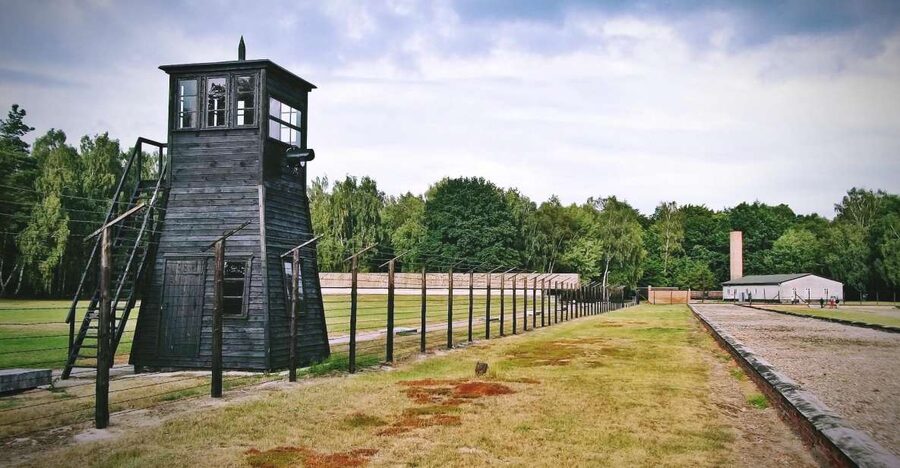
A guard’s tower is one of those objects that looks simple until you grasp its purpose. From that perspective, control is visible in a single glance, and your guide can explain why supervision mattered so much to the camp’s function.
This is where the tour often becomes more analytical, not less emotional. You start seeing how the camp was designed to prevent resistance, restrict movement, and enforce domination.
Even if you are not a history specialist, don’t rush this section. Stare for a minute, then listen again. Let the guide’s explanation do the heavy lifting.
Liberation in 1945: how the story ends
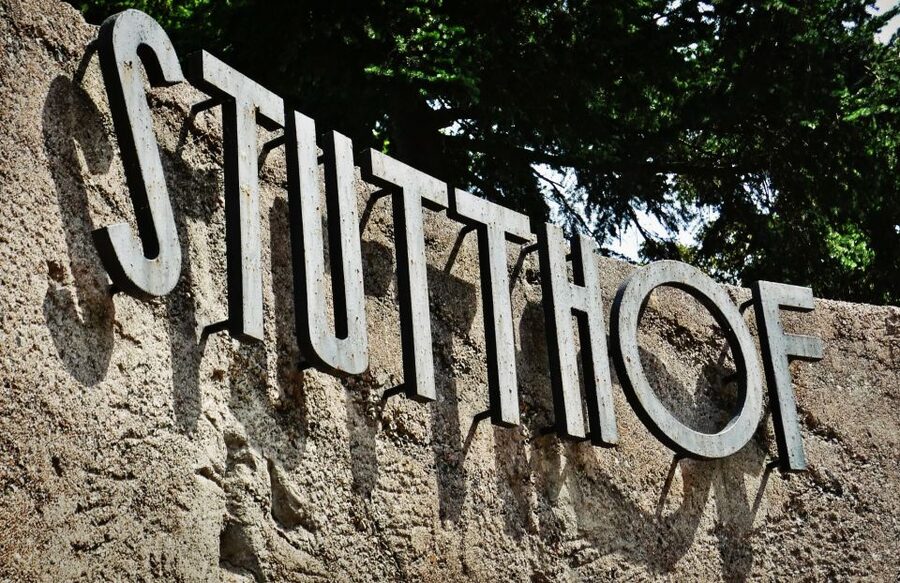
Many WWII site visits end with tragedy but stop short of the timeline. This tour doesn’t do that. You’ll learn about the liberation of the camp by the Soviet Army in 1945, which gives you a fuller ending rather than a permanent cliffhanger.
That matters because history is not only about suffering. It is also about aftermath, survival, and how the world eventually learned what the Nazis had built.
If you leave Stutthof without that ending, the experience can feel unfinished. With it, you get a clearer sense of the full arc from creation in 1939 to freedom in 1945, and the human impact lands with more weight.
Guide quality, languages, and what works best in practice
This tour includes a live multilingual guide. The language list includes Spanish, English, German, Polish, Russian, French, Italian, and Portuguese. You choose the language when booking.
It also helps to know that some guides, like Anna, are known for strong storytelling and for keeping the whole day moving smoothly, including pickup and return. That kind of guidance quality is not a minor detail. On a site like this, pacing and clarity can make the difference between a confusing experience and one you actually absorb.
Here’s how I’d make the language decision. If your second language is only okay for basic conversation, choose a tour language you can follow without straining. This topic needs your full attention.
Also, think about the age recommendation: the tour is not suitable for children under 12. That’s not just a rule on paper. A guided explanation of genocide requires the emotional and cognitive maturity to handle it.
Price and value for a 4-hour Stutthof day tour
At $68 per person for a roughly 4-hour guided museum visit, the value comes from three things that are included: entrance to the Stutthof Museum, hotel pickup and drop-off, and a multilingual driver/guide.
If you tried to recreate this on your own, the costs would usually pop up in pieces: transport, museum entry, and a guide to interpret the sites you’ll see. Paying for a guided group day is often the cheapest way to turn a collection of buildings into understanding.
That said, you should also weigh the reality that this is intense. For many people, the price is less important than the fit. You are paying for access to meaning, not entertainment. If you want a casual outing, you’ll likely be unhappy. If you want a guided, respectful learning experience, the cost makes more sense quickly.
Practical tips for a respectful, low-stress visit
A place like Stutthof can be emotionally draining even when you are prepared. So do the boring, helpful things that keep you from getting overwhelmed.
- Wear comfortable shoes. You’ll be walking around the camp and museum areas.
- Plan for wet weather. The camp is in a wet, wooded setting. A light rain layer can save your day.
- Bring a small notebook or phone notes. You might want to jot down dates or key terms your guide emphasizes.
- Choose your language carefully. Clarity matters more here than with almost any other kind of tour.
If you have questions, write them down before your guide moves on. Guides typically cover a lot, and you want your curiosity to land in the right moment.
Who this tour is best for, and who should skip it
This is best for people who want a guided, structured visit to a difficult WWII site and who can handle the subject matter respectfully. It’s also ideal if you are visiting Gdansk and want a day trip that changes your perspective beyond the city itself.
You should also consider it if you like learning through places. You’ll see the camp’s key elements directly: gas chamber, crematorium, prisoner barracks, and the guard’s tower. That is the core value of this tour.
Skip it if you are traveling with children under 12, since it is not suitable. Also skip it if you know you tend to get overwhelmed by heavy historical topics and need more gentle pacing.
FAQ
How long is the Stutthof Concentration Camp Museum Day Tour?
It runs for about 4 hours.
Where is Stutthof located relative to Gdansk?
Stutthof is about 25 miles (40 km) from Gdansk, in Pomerania Province near the town of Sztutowo.
What is included in the price?
Entrance to the Stutthof Museum, hotel pickup and drop-off, and a multilingual driver/guide are included.
What can I see during the tour?
You’ll tour key areas including the gas chamber, crematorium, prisoner barracks, and the guard’s tower.
Which languages are available for the live guide?
Spanish, English, German, Polish, Russian, French, Italian, and Portuguese.
Is hotel pickup and drop-off provided?
Yes, your guide meets you in your hotel lobby with a sign with your name on it and then returns you to your hotel.
Is the tour suitable for children?
No, it is not suitable for children under 12.
How much does the tour cost?
The price is $68 per person.
Is there an option to cancel for a full refund?
Yes. You can cancel up to 24 hours in advance for a full refund.
Can I reserve now and pay later?
Yes, you can reserve now and pay later.
Should you book this Stutthof tour from Gdansk?
If you want a guided visit that takes you to the camp’s key sites and explains the story clearly in your chosen language, this is a strong fit. The value is in the combination of included museum entry, hotel pickup and drop-off, and a live multilingual guide, all within a manageable 4-hour window.
If you’re hoping for something light, or if your language comfort level is low, you might want to think twice. Otherwise, book it, go in with calm expectations, and let the guide’s narration give you the structure you need to understand what you’re seeing.
More Tour Reviews in Stutthof Museum Poland
Stutthof Memorial: Other Reviewed Visits
Recently written up around Stutthof Museum Poland
More Gdansk Old Town Tours.
 ★ 4.8City Cruise on Historical Polish BoatFrom $222,913 reviews
 ★ 4.9Sunset Cruise on a Historic Polish BoatFrom $26977 reviews
 ★ 4.8Gdańsk City Sights & History Guided Walking Tour in EnglishFrom $26876 reviews
 ★ 4.8Firearm Shooting Experience with InstructorFrom $41866 reviews
 ★ 4.3Guided Round-Trip Cruise to WesterplatteFrom $33865 reviews
 ★ 4.6Sightseeing EcoCruise around the Old Town of GdanskFrom $19719 reviews
 ★ 5.0Main Town Gdańsk Walking TourFrom $26644 reviews
 ★ 5.0Gdansk Pub Crawl with Free DrinksFrom $21553 reviews
Also on these Poland lists