
REVIEW · AUSCHWITZ-BIRKENAU MEMORIAL TOURS
From Krakow: Auschwitz-Birkenau Memorial and Museum Tour
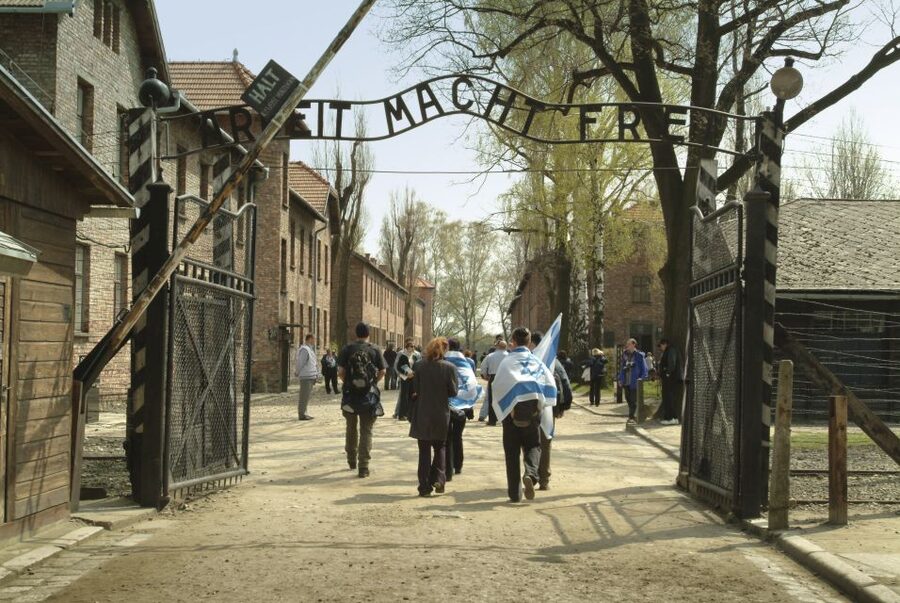
A sobering place, handled with care. This Auschwitz-Birkenau day trip from Krakow blends guided interpretation with skip-the-line entry, so you lose less time and see more of what matters. You get a structured look at Auschwitz I and Auschwitz II-Birkenau, plus a documentary film focused on the first moments after liberation.
I especially like how the tour connects the big facts to human stories, not just numbers and dates. You trace individual prisoners through exhibitions and memorial spaces, then stand in the surviving outlines of Birkenau’s watchtowers and gas chambers. It is heavy, but it is also clear and guided.
One possible drawback to plan for: you will walk a lot in outdoor areas, and there is a strict comfort test in winter or shoulder season. Bring a jacket and comfy shoes, and note that food and drink are not included, so you’ll want snacks ready for the short break.
In This Review
- Key things to know before you go
- Auschwitz-Birkenau from Krakow in 7 hours: what you’re really signing up for
- Timing from Krakow and how the day stays on track
- The value of skip-the-line entry (and why that matters here)
- Auschwitz I: prison dormitories, exhibitions, and what to look for
- Birkenau (Auschwitz II): fences, barracks, watchtowers, and gas chambers
- The liberation film: the first moments after freedom
- Walk time, group pace, and the role of your guide
- Packing for the museum: shoes, snacks, water, and bag rules
- Photos, flash, and how to get your eyes to do the work
- Price and value: is $81 worth it?
- Who this tour suits best
- A realistic emotional checklist before you go
- Should you book this Auschwitz-Birkenau Memorial and Museum tour from Krakow?
- FAQ
- How long is the Auschwitz-Birkenau tour from Krakow?
- Does the tour include skip-the-line entry?
- Is food and drink included?
- What ID do I need to bring?
- Are photos allowed, and is flash permitted?
- Are there restrictions on bags or backpacks?
- Is hotel pickup included?
- Is the tour refundable if I cancel?
Key things to know before you go
- Skip-the-line entry: You use a separate entrance, which helps when you are on a fixed schedule.
- Auschwitz I plus Birkenau in one day: You cover both parts of the former camp, not just one.
- A liberation documentary included: A film adds context to what happened right after the camp was freed.
- Lots of standing and walking: Birkenau’s scale is real, and you will feel it in your legs.
- Strict photo and bag rules: Flash is forbidden, and bags larger than 30 x 20 x 10 cm cannot go in.
- Your ID must match your booking name: Entrance can be refused if names do not line up.
Other Auschwitz-Birkenau visits we have reviewed, with entry and transport noted
- From Krakow: Auschwitz-Birkenau Guided Tour & Hotel Pickup
★ 4.5 · 33,358 reviews - From Krakow: Auschwitz-Birkenau Guided Tour & Hotel Pickup
★ 4.5 · 29,340 reviews - Krakow: Auschwitz Guided Tour with Optional Hotel Pickup
★ 4.5 · 15,280 reviews - Krakow: Auschwitz-Birkenau Guided Tour with Pickup & Lunch
★ 4.5 · 9,800 reviews
Auschwitz-Birkenau from Krakow in 7 hours: what you’re really signing up for
This is a classic “big day” outing. The tour runs about 7 hours, and it is designed to take in both Auschwitz I and Auschwitz II-Birkenau, plus a documentary film showing the immediate aftermath after liberation.
You are not just sightseeing. You are visiting a memorial site built on the remains of Nazi extermination and the lives stolen there. Expect the atmosphere to be quiet and controlled, with a guide setting the tone and keeping the facts straight.
For most people, the value is that it is structured. You do not have to guess what you are looking at, or worry about timing between Auschwitz I and Birkenau. The schedule is also built around practical realities, like travel from Krakow and timed entry.
Timing from Krakow and how the day stays on track
Departures from Krakow can fall between 6 AM and 3 PM, and the listed hours are tentative. In other words, your confirmation and the day-of timing are what matter, not the first time you look at the calendar.
The tour includes transportation by air-conditioned vehicle and a professional English-speaking driver, so you are not wrangling public transit on a long, emotionally intense day. You also get WiFi on board, which is useful for basic planning or just staying calm and connected before you step into the museum.
One thing I’d plan for: the day is long, and you will feel it. You leave Krakow, travel to the site, walk extensively on uneven paths, and then return. If you are the type who needs everything “just so,” this fixed 7-hour window will still keep things moving at a steady pace.
The value of skip-the-line entry (and why that matters here)
This tour includes skip-the-line entry through a separate entrance. That sounds like a small perk, but at Auschwitz it can reduce stress fast. When you are dealing with tight schedules and crowds, fewer bottlenecks means more time for the guided parts that actually help you understand what you are seeing.
The visit itself has strict on-site rules. You are also required to provide your full name and contact details as part of booking, and entrance can be refused if the name on your booking does not match the name on your ID. So the “skip the line” benefit only works if your documents match perfectly.
I treat this as a checklist day. Bring your passport or ID card, and make sure the spelling matches what you booked. It is a simple step that prevents a disastrous start.
Auschwitz I: prison dormitories, exhibitions, and what to look for
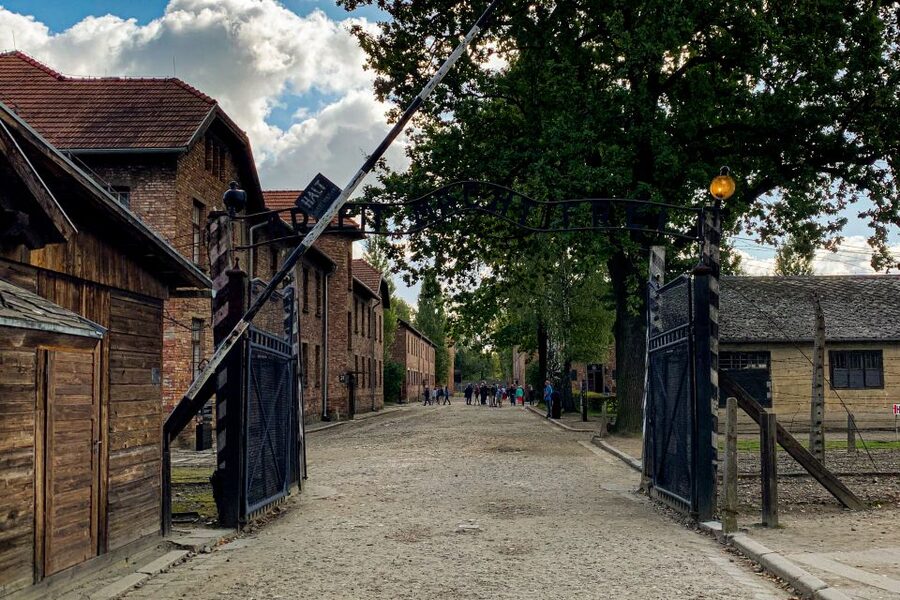
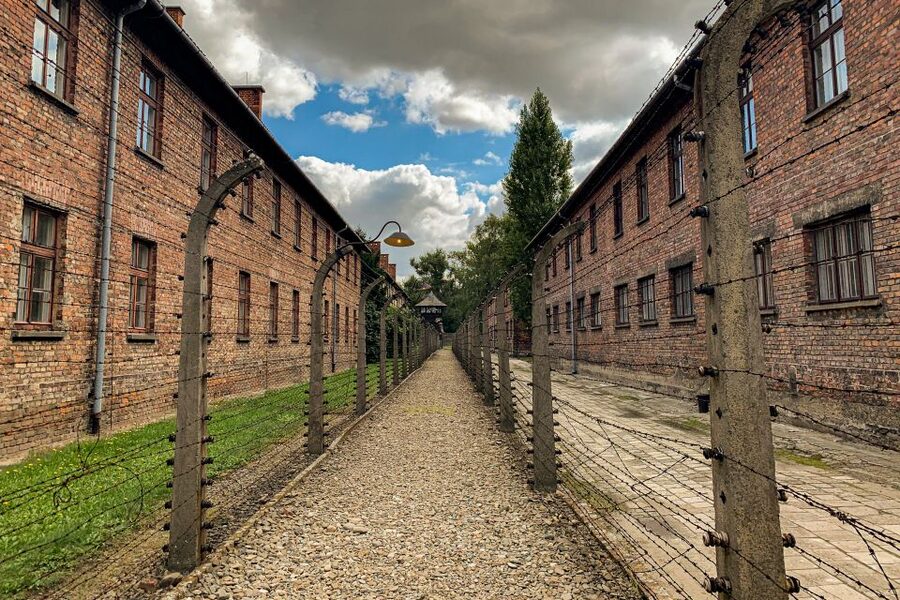
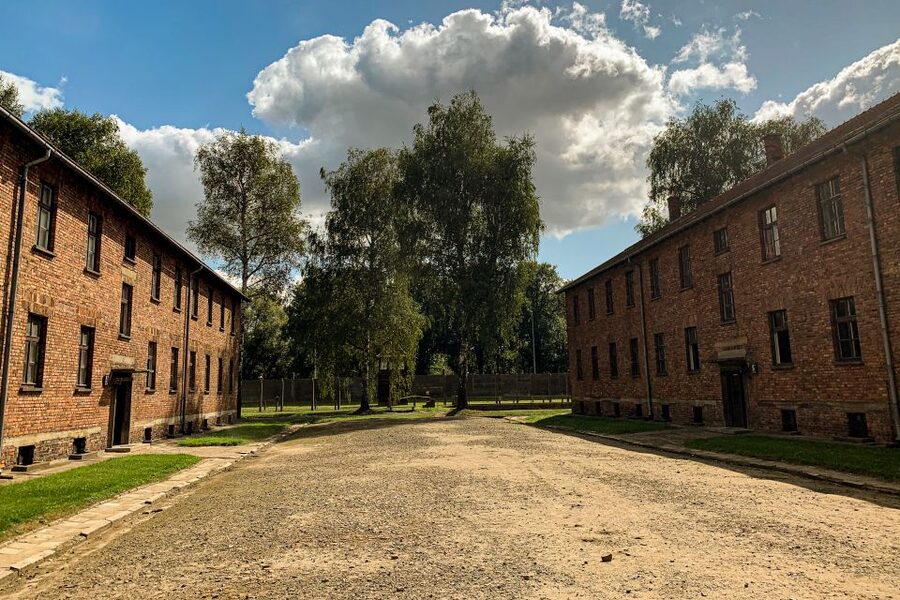
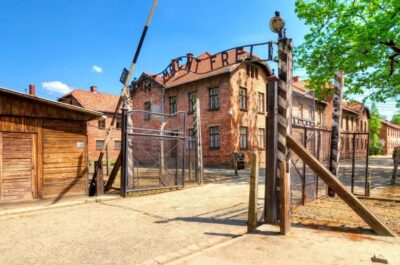
Auschwitz I is the core of the story. This section of the memorial and museum is where you see prison dormitories, exhibitions, and the remnants tied to the camp’s functioning.
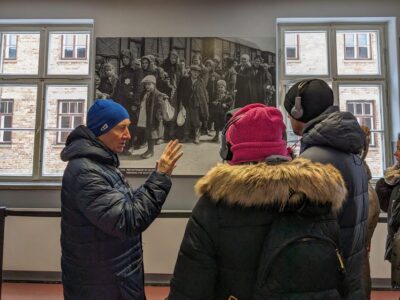
The guide’s job here is crucial. If you look at Auschwitz I without interpretation, you can end up seeing walls and rooms. With the tour, you start understanding how confinement worked and how systems were built to enable mass murder.
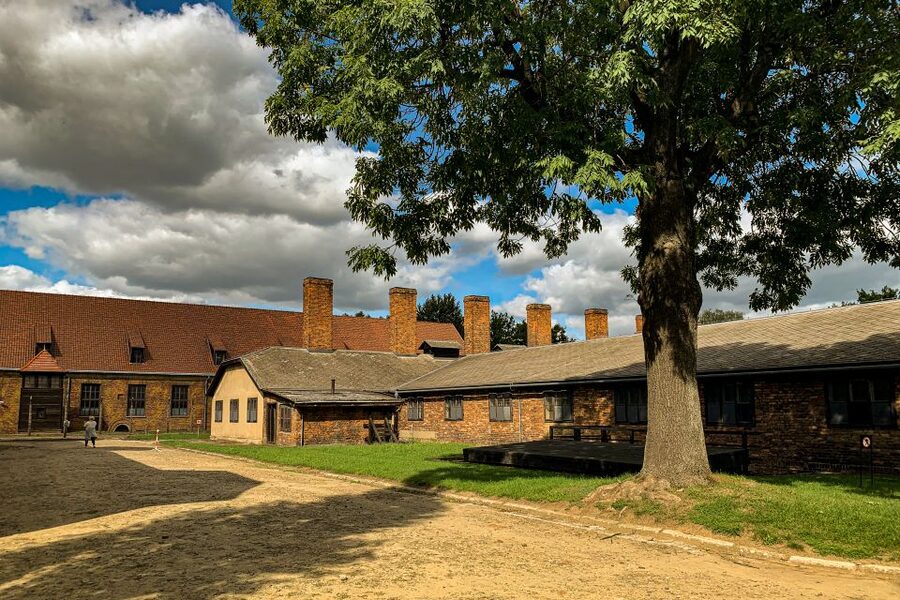
Expect a mix of indoor and outdoor viewing. Indoor spaces can feel tighter and more “museum-like,” with exhibitions designed to communicate historical context. The best part is that the guide connects what you see to individual fates, not just to Nazi bureaucracy and policy.
One practical note from a style point of view: this part can feel busy. When groups are close, you may feel rushed through photos or pause points. If you are sensitive to crowds, know that Auschwitz I often draws a lot of people throughout the day.
Below are the other Krakow trips we have logged
- Auschwitz-Birkenau Museum and Memorial Guided Tour from Krakow★ 4.5 · 1,510 reviews
- Krakow: Rynek Underground Museum Guided Tour★ 4.6 · 1,122 reviews
- Krakow Schindler’s Factory Museum Guided Tour in English★ 4.5 · 650 reviews
- Krakow: Auschwitz Birkenau Museum Guided Tour with Pickup★ 3.6 · 544 reviews
- Museum of illusions Entry Ticket★ 4.5 · 521 reviews
Birkenau (Auschwitz II): fences, barracks, watchtowers, and gas chambers
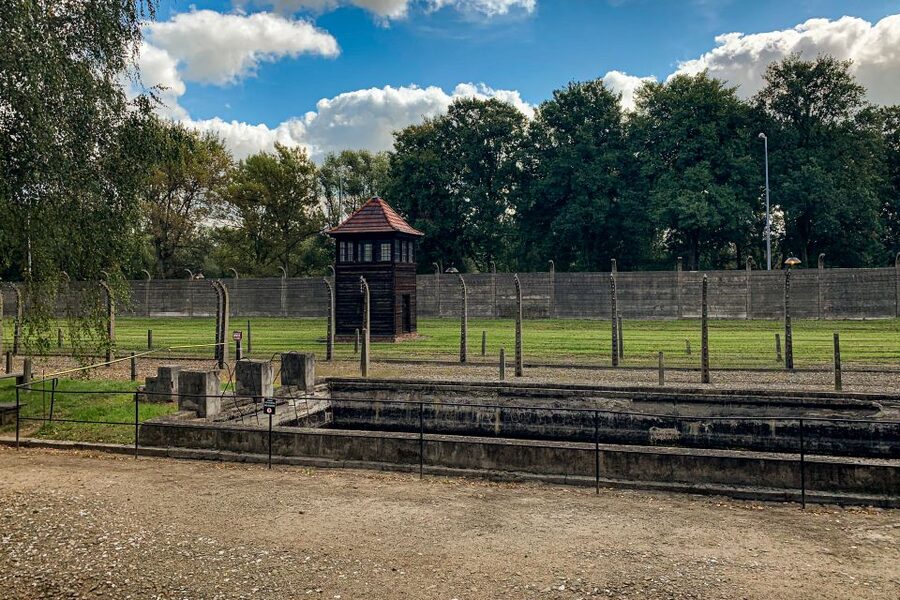
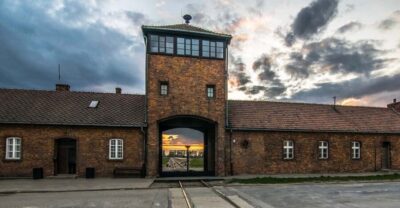
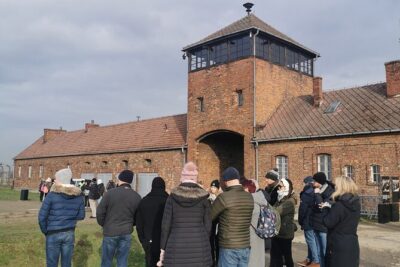
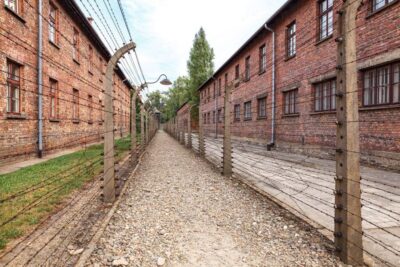
Birkenau is where the scale lands hardest. This is the larger former camp area, and today you will see what remains of watchtowers, fences, barracks, and gas chambers.
Even without dramatics, you can feel how vast Birkenau is. That scale is part of the lesson, because it explains how the Nazi extermination system worked at industrial scale. It is also why the walking load is heavier here.
The guide helps you connect the surviving fragments to the prisoners’ experience. You are not just staring at structures. You are tracing how people were processed, confined, and murdered, and how that system was maintained over time.
A big plus in this tour format is that it does not stop at Auschwitz I. Many half-day options only do one side. Doing both parts in a single day is what gives you the full picture, even if you finish with an emotional hangover that lasts into dinner.
The liberation film: the first moments after freedom
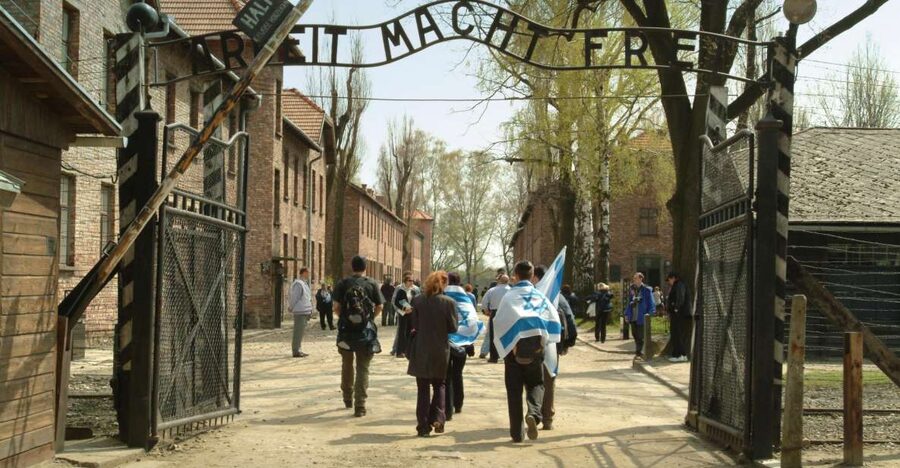
The tour includes a documentary film focused on the first moments after Auschwitz was liberated. That piece matters because it changes how you hold the facts in your mind.
Before the film, the day is largely about what the camp was. After the film, you get a clearer sense of the shock, chaos, and immediate reality after liberation. It is not a “release yourself from the emotions” moment. It is a context moment, and it helps you understand what survival and liberation meant in practice.
I like that the film is built into the tour rather than being something you have to hunt down. You get a scheduled pause, then you return to the on-site memorial spaces with a bit more understanding.
Walk time, group pace, and the role of your guide
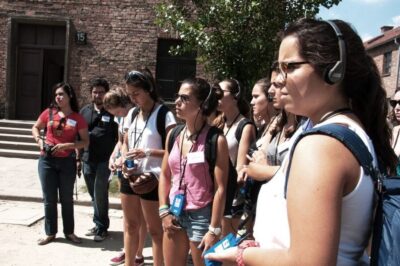
The quality of a tour like this lives in the guide. In the group I looked at, guides were praised for staying thoughtful with sensitive subjects and keeping explanations clear without rushing people.
I’ve seen examples of guides bringing extra structure and care, including names like Sylvie and Joanna, with strong feedback on their planning and explanations. I’ve also heard about Jacek, including how he handled the day’s flow and even arranged a taxi after the tour when the group returned late.
That said, there can be friction points. Some people felt the groups were close for comfort, especially in Auschwitz I. Others noted you can’t always stop for pictures. If you need long quiet time for photos, build that expectation around the fact that this is a memorial visit first, museum visit second.
Your best move is to lean into the guide’s rhythm. Use your snack break to reset, put your phone away during emotionally intense sections, and rely on the guide for where to focus.
Packing for the museum: shoes, snacks, water, and bag rules
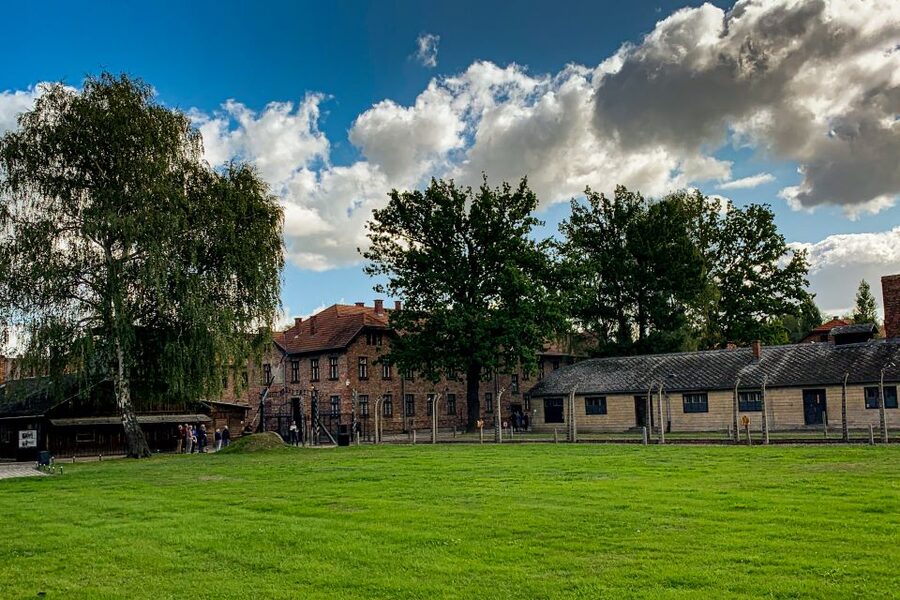
Bring the basics, then add comfort. You’re outside for stretches, and you do a lot of walking. A good pair of shoes is not optional, and a weather-appropriate jacket can save your day.
Here’s what the tour information explicitly asks for:
- Passport or ID card
- Snacks (food and drink are not included)
- Weather-appropriate clothing
- Reusable water bottle
Also know what you cannot bring into the museum area. Flash photography is forbidden, and bag limits are strict. The maximum size of backpacks or handbags you bring into the museum cannot exceed 30 x 20 x 10 cm. Larger bags must be left on the bus.
This is where a lot of last-minute stress starts. I’d rather you pack light than hope you can “make it work.” Keep your kit small, keep your documents ready, and keep your snacks simple.
One more practical point: the tour has a 15-minute break where you can eat a snack and drink. It is short. If you wait until you feel hungry, you may end up eating whatever fits in the window.
Photos, flash, and how to get your eyes to do the work
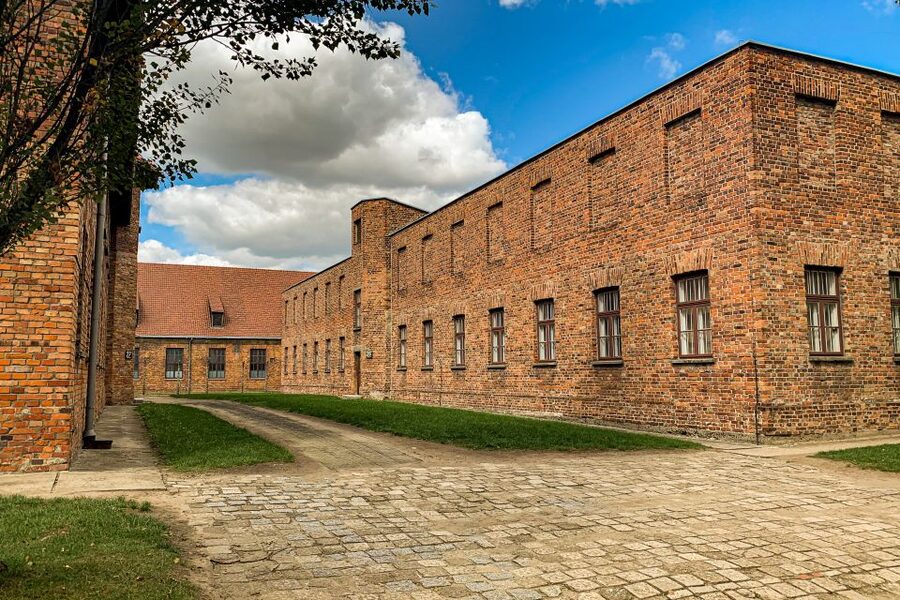
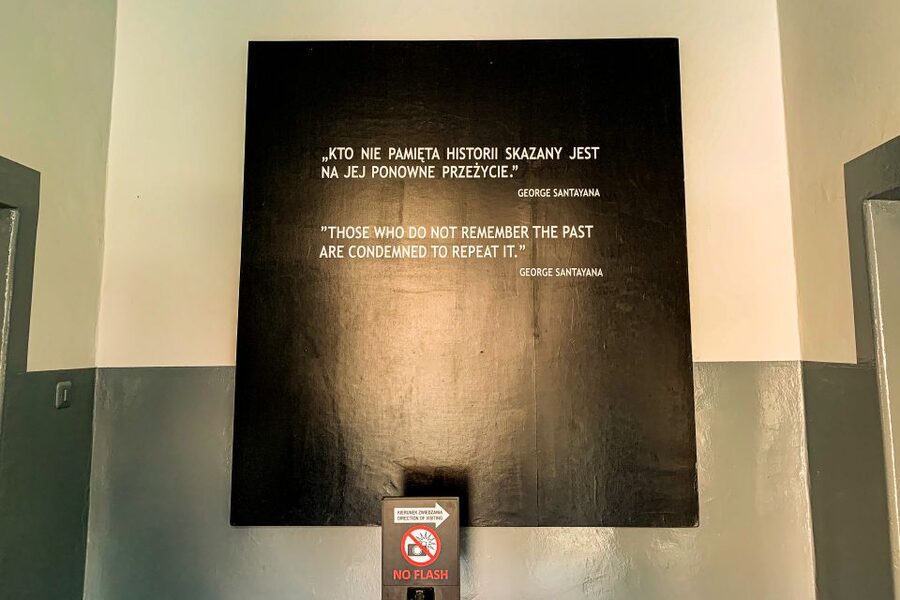
Flash photography is not allowed in the museum buildings. You can take photos only in selected parts of the museum.
So treat pictures as optional. The more useful “capture” strategy is to slow down for the moments the guide flags. When you see prison dormitories, gas chamber remains, and memorial features, your eyes do most of the learning, not your camera roll.
If you care about photos, pre-decide what you want. For example, focus on exterior views, memorial signage where permitted, and places the guide points out as ok for photography. Then let the rest be a guided experience.
Price and value: is $81 worth it?
At $81 per person for a 7-hour guided Auschwitz-Birkenau trip, the value comes from the combination, not one single feature.
You are paying for:
- Guided interpretation and a professional driver
- Transportation in an air-conditioned vehicle from Krakow
- Skip-the-line entry via a separate entrance
- A planned visit to Auschwitz I and Auschwitz II-Birkenau in one day
- A documentary film included
Food is not included, so if you normally budget for a full meal on tours, you’ll want to handle that with snacks and a water bottle for the break. The cost still makes sense for most people because you get a structured, time-managed day with bilingual guide support across multiple languages.
Also, this tour tends to attract repeat-bookers because of the guide component. When guides are praised for planning, sensitivity, and clarity, that’s where the day becomes meaningful instead of confusing.
Who this tour suits best
This experience is not “casual.” It’s heavy and it’s structured around walking and museum time.
It is best for:
- Adults and teens 15 and older
- People who want a guide to explain what they are seeing at Auschwitz I and Birkenau
- Travelers who prefer skip-the-line entry and a set day schedule from Krakow
- Visitors who want the individual prisoner stories and the memorial focus, not just generic overview facts
It’s not suitable for:
- Children under 15
- Wheelchair users
If you have mobility limits or you struggle with long standing, you might find the walking requirement hard. If you are sensitive to crowds, understand that Auschwitz I can feel busy and groups can be close.
A realistic emotional checklist before you go
I’ll be blunt: this day is emotional. Even with a great guide and clear explanations, the subject matter is devastating.
What helps is knowing your day has built-in pacing. There’s a scheduled break for snacks and water. There is also a documentary film that gives context after major on-site viewing. That structure prevents you from spending the whole day in a fog of shock.
Your best prep is practical. Pack snacks, bring water, wear shoes that can handle long walking, and keep a calm mindset about photos, bag limits, and document checks.
Should you book this Auschwitz-Birkenau Memorial and Museum tour from Krakow?
I’d book it if you want a guided, time-managed way to see both Auschwitz I and Birkenau, with skip-the-line entry and a guide who handles sensitive topics with care. The $81 price feels reasonable because the day is built for efficiency and understanding, not just transit and standing in lines.
Skip the tour and consider other options if you have strong mobility limits, need wheelchair access, or you know you struggle with long days and lots of walking. Also, if you absolutely need flexible timing, remember the tour hours are tentative and can change.
If you do book, double-check your name spelling against your ID, pack within the bag size limit, and bring snacks for the short break. That small prep turns the day from stressful into workable.
FAQ
How long is the Auschwitz-Birkenau tour from Krakow?
The tour duration is listed as 7 hours, and starting times vary based on availability.
Does the tour include skip-the-line entry?
Yes. The tour includes skip-the-line entry through a separate entrance.
Is food and drink included?
No. Food and drink are not included, and there is a 15-minute break during the tour when you can eat a snack and drink.
What ID do I need to bring?
You should bring a passport or ID card. Your provided name must match your name on your ID when entering, or entrance may be refused.
Are photos allowed, and is flash permitted?
Flash photography is not allowed. You are allowed to take photos only in selected parts of the museum.
Are there restrictions on bags or backpacks?
Yes. The maximum size of backpacks or handbags cannot exceed 30 x 20 x 10 cm. Larger bags must be left in the bus.
Is hotel pickup included?
Pickup is optional. If you want complementary hotel pickup, you need to contact the tour operator no later than 24 hours before your tour.
Is the tour refundable if I cancel?
No. This activity is non-refundable.
More Tours in Krakow

More Tour Reviews in Krakow
Auschwitz-Birkenau: Other Reviewed Visits
Recently written up around Krakow
More Auschwitz-Birkenau Memorial Tours.
 ★ 4.5Auschwitz-Birkenau Guided Tour & Hotel PickupFrom $2133,358 reviews
★ 4.5Auschwitz-Birkenau Guided Tour & Hotel PickupFrom $2129,340 reviews
 ★ 4.5Auschwitz Guided Tour with Optional Hotel PickupFrom $6915,280 reviews
 ★ 4.5Auschwitz-Birkenau Guided Tour with Pickup & LunchFrom $219,800 reviews
 ★ 4.5Auschwitz-Birkenau Guided Tour Pickup/Lunch OptionsFrom $2009,057 reviews
 ★ 4.7Auschwitz-Birkenau and Salt Mine Guided TourFrom $549,020 reviews
 ★ 5.0Krakow to Auschwitz Birkenau Guided Tour with Transfer and TicketFrom $368,197 reviews
 ★ 4.0Auschwitz Birkenau Tour with TransferFrom $216,134 reviews
Also on these Poland lists