
REVIEW · AUSCHWITZ-BIRKENAU MEMORIAL TOURS
From Krakow: Auschwitz-Birkenau Memorial Private Tour
Auschwitz visits hit differently with less hassle. This private day trip from Krakow pairs door-to-door pickup with a guided walk through Auschwitz I and Auschwitz II-Birkenau, a UNESCO World Heritage site tied to the Holocaust. It is a heavy subject, but the logistics are handled so you can focus on the meaning of the place.
What I like most is the straight-to-the-point comfort: hotel pickup and drop-off, plus a private vehicle ride that keeps your day from turning into public-transport stress. You also get a guided visit with a live museum tour guide while the Auschwitz tickets are handled for you, which helps you skip the ticket line and start at the right pace.
One thing to consider up front is the physical reality. There is a lot of walking on uneven ground, and the experience is not recommended for children under 12, people with heart problems, or wheelchair users, so you should plan honestly before you go.
In This Review
- Key Points You’ll Care About
- Door-to-Door Private Transport That Keeps the Day on Track
- Auschwitz I: Where the Camp System Takes Shape
- Birkenau: The Extermination Site and the Scale You Can’t Unsee
- The UNESCO Setting: Why Two Sites Both Matter
- Oswiecim Lunch Stop, a Real Break in a Long Day
- Group Size Rules: Private Transport, Museum-Guided Groups
- What You Need to Bring, Wear, and Avoid
- Price and Value: Why $295 Can Make Sense Here
- Who This Tour Fits Best (And Who Should Rethink It)
- Should You Book This Auschwitz-Birkenau Private Tour from Krakow?
- FAQ
- How long is the Krakow to Auschwitz-Birkenau private tour?
- Does the tour include hotel pickup and drop-off?
- What sites are visited during the tour?
- How long do you spend at Auschwitz I and Birkenau?
- Is lunch included?
- Is entry included?
- Do I need to bring an ID?
- Is flash photography allowed?
- Are there dress code rules?
- Is this tour suitable for children?
Key Points You’ll Care About
- Hotel pickup and drop-off from Krakow means you start and end with less coordination.
- Skip-the-line access helps you get into the memorial without losing time standing around.
- Two separate sites, Auschwitz I then Birkenau gives you the full story from camp to extermination.
- Small museum group size (5 to 20) within the memorial rules keeps things more manageable.
- No flash photography, dress code rules, and bag limits mean you need to pack light and simple.
- Lunch time in Oswiecim is built in, but food and drinks are not included.
Other Auschwitz-Birkenau visits we have reviewed, with entry and transport noted
- From Krakow: Auschwitz-Birkenau Guided Tour & Hotel Pickup
★ 4.5 · 33,358 reviews - From Krakow: Auschwitz-Birkenau Guided Tour & Hotel Pickup
★ 4.5 · 29,340 reviews - Krakow: Auschwitz Guided Tour with Optional Hotel Pickup
★ 4.5 · 15,280 reviews - Krakow: Auschwitz-Birkenau Guided Tour with Pickup & Lunch
★ 4.5 · 9,800 reviews
Door-to-Door Private Transport That Keeps the Day on Track
The biggest practical win here is that you do not have to assemble a patchwork plan. You get pickup in Krakow, then you travel in a comfortable private vehicle toward the memorial area. With a drive of roughly 1.5 hours each way, your day feels planned instead of rushed.
This matters because Auschwitz and Birkenau do not allow for “winging it.” If you show up stressed, you have less room to process what you are seeing. With private pickup, you can keep your mind steady, even if your stomach is doing somersaults.
Also, your driver is English-speaking, and they can help you manage what comes next. One example from a prior guest was a driver named Patrick who coordinated the timing so the group could go in quickly once they arrived, then handled smooth onward transfers, even dropping people straight off at the airport after the tour. Another guest noted a driver named Adam who communicated next steps clearly and offered helpful Krakow recommendations for extra sights and restaurants. The point is simple: having an organized driver can shave off a lot of uncertainty.
Auschwitz I: Where the Camp System Takes Shape
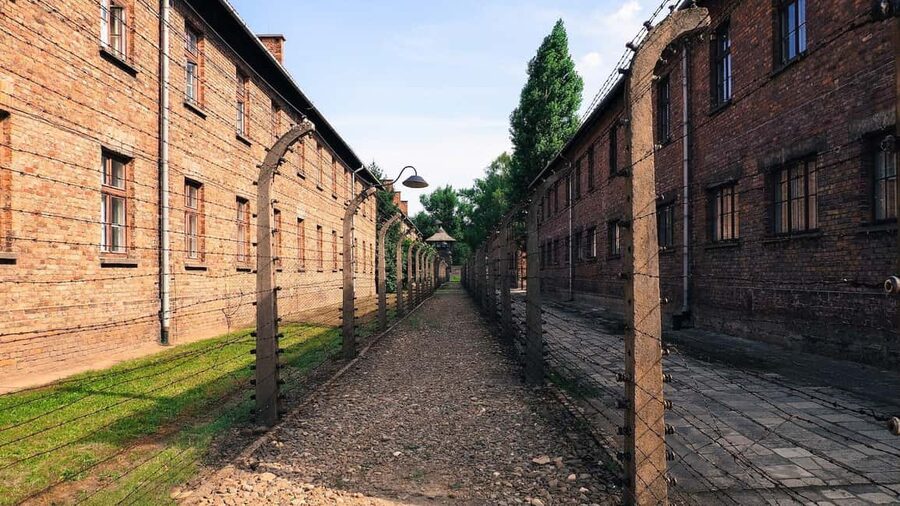
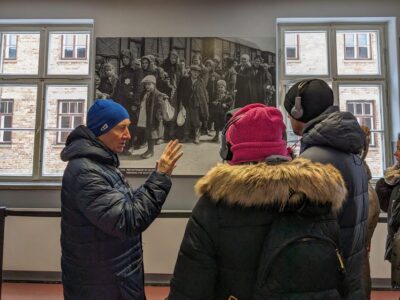
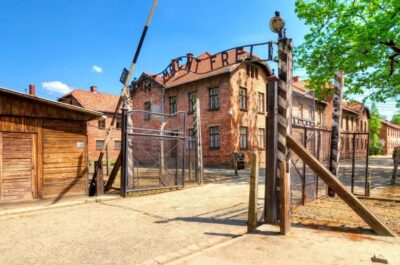
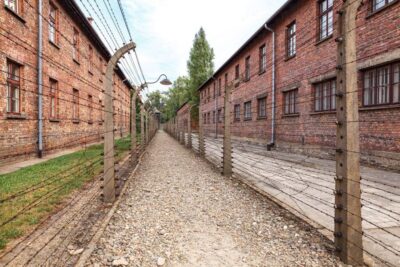
Auschwitz I is where you get the “how it worked” part, not just the tragic outcomes. Your guided time here is about two hours, and the memorial focuses on preserved grounds and buildings. You will see barracks, prisoner belongings, and exhibits that spell out brutal conditions and Nazi policies.
I like this first stop because it gives you a framework before you move to the wider, more open horrors of Birkenau. If you go in without context, it is easier to feel overwhelmed in a way that turns information into static. A guided flow helps you keep track of what each area meant and why it existed.
The museum guide’s job here is not just facts, it is interpretation in a way that stays respectful. In your own head, you can separate the emotional reaction from the historical details. That is important for this site, because the scale is so large that your brain will try to numb out. Structured guidance keeps you awake.
A drawback worth naming: Auschwitz I is indoors and outdoors, and you will be moving steadily. If you wear shoes that are “pretty” but not comfortable, you will regret it. Bring comfortable walking shoes and keep your bag small.
Birkenau: The Extermination Site and the Scale You Can’t Unsee
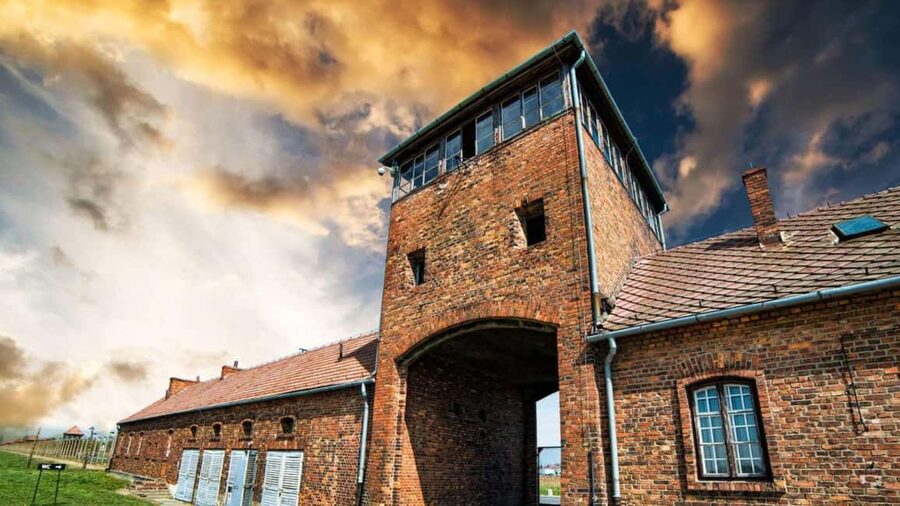
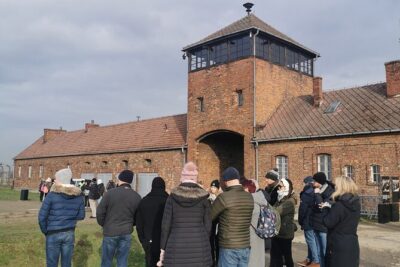
After Auschwitz I, the tour shifts to Auschwitz II-Birkenau, the primary extermination site. Your time here is about 75 minutes with guided walking through the campgrounds. This is where many people feel the biggest emotional shock because you see the physical remnants and the layout tied to mass murder.
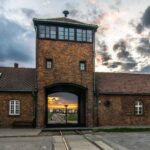
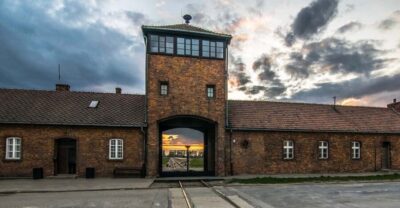
You will see remnants of gas chambers and crematoria, plus the vast grounds that once held thousands of prisoners. The iconic railway tracks that brought victims to the site are also part of the experience. Seeing those rails is one of those moments where your brain understands the machinery even if your heart refuses to accept it.
I find Birkenau so difficult in a specific way: it is big. There is less “room for distraction” than in smaller museums, because the space itself is part of the story. The guide’s job, again, is crucial. You need someone pointing out what you are looking at and why it matters, rather than leaving you to guess.
One more practical note: photography is allowed, but flash photography is not permitted inside the buildings. You might still want your camera, but I recommend keeping your focus on reading and listening, not snapping shots. This is one of those places where “documenting” can easily turn into missing the moment.
The UNESCO Setting: Why Two Sites Both Matter
Many memorial visits compress everything into one route. This one gives you both Auschwitz I and Auschwitz II-Birkenau, which changes how the story lands. Auschwitz I helps you understand how the camp system was organized. Birkenau shows what that system became at its worst.
Because the sites are under UNESCO as part of the wider Auschwitz-Birkenau memorial, you are not just touring. You are stepping into a protected historical record. The preserved areas and curated exhibits exist for a reason, and the guided format is meant to respect the material while still teaching you how it connects.
If you only did one site, you might leave with partial understanding. Doing both gives you the full arc from camp life and policies to the extermination process. That is why the added time and structured pacing are worth it.
Below are the other Krakow trips we have logged
- Krakow Airport Private Transfer★ 5.0 · 2,227 reviews
- Private Departure Transfer: Krakow City To Krakow Airport Balice★ 4.5 · 367 reviews
- Legendary Private Nowa Huta Communism Tour with Crazy Guides★ 5.0 · 262 reviews
- Skip-the-Line Wawel Castle Chambers Private Tour★ 4.7 · 262 reviews
- From Krakow: Auschwitz-Birkenau and Salt Mine with Private Transfer★ 5.0 · 247 reviews
Oswiecim Lunch Stop, a Real Break in a Long Day
Between the two memorial blocks and the return drive, you get lunch time in Oswiecim. This break is about one hour. Food and drinks are not included, so you will want to choose something simple, filling, and easy to eat without rushing.
I like that the tour builds in time here rather than skipping straight into more walking. Your brain will be overloaded after Birkenau, even if you feel steady on the outside. A controlled break helps you avoid the “crash” that can happen when you go straight from a heavy site onto a long drive back.
The main consideration is emotional energy. If you eat too fast, you might feel worse. If you eat too slowly, you might feel stuck. Aim for a balanced pace, then you will be ready for the final transfer back toward Krakow.
Group Size Rules: Private Transport, Museum-Guided Groups
A key detail here is how the private part works. Your transport is private, and you get a driver plus pickup and drop-off. But the memorial visit itself is run according to museum rules.
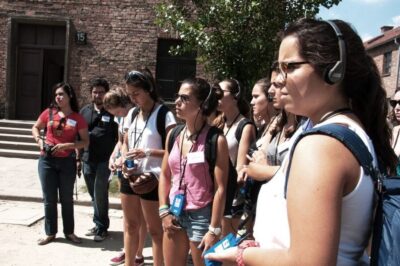
There is not a private guide who follows you the entire time. Instead, you join a guided museum group that can range from 5 to 20 people. That is still small enough to feel attentive, but it is not a solo experience inside the exhibits.
Why this matters for your expectations: you are buying convenience and a respectful plan, not a custom one-on-one history lesson. If you need a highly tailored experience, you might find the fixed museum group format limiting. If you want guidance without the overhead of constantly managing logistics, it is a good fit.
Also, the tour guide can work in multiple languages. The tour lists English, French, Russian, German, and Polish for the live museum guide. So even if your driver speaks English, you can still match your language needs for the on-site explanation.
What You Need to Bring, Wear, and Avoid
This day is easier if you follow the site’s rules from the start. You will need a passport or ID card. The memorial also asks you to include the full names of all participants in your reservation, which affects how they process entry.
Wear comfortable shoes. The tour involves a significant amount of walking, and some areas can be slippery or uneven. I also suggest choosing clothing that fits the dress code: short skirts and sleeveless shirts are not allowed.
For photos, remember this rule: flash photography is not permitted inside buildings. You can still take photos where allowed, but keep your flash off.
Finally, large bags and backpacks are not allowed inside the memorial. Pack light. Bring only what you truly need for the day, and plan to leave extra items behind before you arrive.
Price and Value: Why $295 Can Make Sense Here
At $295 per person, this is not a budget outing. You are paying for private door-to-door transportation and a guided memorial visit that includes entry for Auschwitz-Birkenau. You are also paying for the time saved by skip-the-line access, which matters when a site like this runs on strict entry procedures.
In practical terms, your money goes toward reducing friction. You avoid the hassle of figuring out timing, transport, and the queue situation while carrying a heavy mental load. That alone can feel like good value on a long day.
Is it worth it? If you are traveling with someone who appreciates calm structure, or you want to avoid public-transport stress, the private vehicle is a real advantage. If you are comfortable handling all logistics on your own and you do not mind dealing with lines and schedules, a cheaper option might work. But if you want the day managed end-to-end, the price feels more justified.
Who This Tour Fits Best (And Who Should Rethink It)
This tour is a strong match if you want a respectful guided visit with the memorial’s own group format, but you still want private comfort between Krakow and the sites. It is also a good choice if you prefer not to waste time waiting and want everything organized around museum rules.
It is not suitable for children under 12 years, and it is not recommended for people with heart problems or wheelchair users. Those limits come from the nature of the site and walking involved, so it is better to listen to the guidance than to force it.
If you are sensitive to heavy content, prepare yourself for a solemn day. This is not the kind of place where you can “browse.” You will learn about Holocaust and World War II atrocities through guided interpretation and preserved evidence. That is exactly what the tour is built for.
Should You Book This Auschwitz-Birkenau Private Tour from Krakow?
If you value convenience, a calm schedule, and guided context across Auschwitz I and Auschwitz II-Birkenau, you should book it. The private pickup and drop-off, skip-the-line entry, and on-site live guide help you focus on what you are there to learn.
If you are trying to keep costs low, you may feel the price is steep. But when the destination is this intense, losing time to logistics can make the experience harder, not easier. This tour is designed to remove that friction.
My best advice is simple: plan your outfit, pack light, wear shoes that you can walk in for hours, and accept that this will be emotionally heavy. Then let the structure do its job.
FAQ
How long is the Krakow to Auschwitz-Birkenau private tour?
The total duration is 390 minutes.
Does the tour include hotel pickup and drop-off?
Yes. Hotel pickup and drop-off in Krakow are included.
What sites are visited during the tour?
You visit Auschwitz I and Auschwitz II-Birkenau, part of the Auschwitz-Birkenau Memorial.
How long do you spend at Auschwitz I and Birkenau?
Auschwitz I is about 2 hours. Auschwitz II-Birkenau is about 75 minutes.
Is lunch included?
Lunch is included as time for a meal in Oswiecim, but food and drinks are not included.
Is entry included?
Yes. Entry to the Auschwitz-Birkenau Memorial for the visit with the live tour guide is included.
Do I need to bring an ID?
Yes. You should bring a passport or ID card.
Is flash photography allowed?
Photography is allowed, but flash photography is not permitted inside the buildings.
Are there dress code rules?
Yes. Short skirts and sleeveless shirts are not allowed.
Is this tour suitable for children?
It is not recommended for children under 12 years old.
More Tours in Krakow
More Tour Reviews in Krakow
Auschwitz-Birkenau: Other Reviewed Visits
Recently written up around Krakow
More Auschwitz-Birkenau Memorial Tours.
 ★ 4.5Auschwitz-Birkenau Guided Tour & Hotel PickupFrom $2133,358 reviews
★ 4.5Auschwitz-Birkenau Guided Tour & Hotel PickupFrom $2129,340 reviews
 ★ 4.5Auschwitz Guided Tour with Optional Hotel PickupFrom $6915,280 reviews
 ★ 4.5Auschwitz-Birkenau Guided Tour with Pickup & LunchFrom $219,800 reviews
 ★ 4.5Auschwitz-Birkenau Guided Tour Pickup/Lunch OptionsFrom $2009,057 reviews
 ★ 4.7Auschwitz-Birkenau and Salt Mine Guided TourFrom $549,020 reviews
 ★ 5.0Krakow to Auschwitz Birkenau Guided Tour with Transfer and TicketFrom $368,197 reviews
 ★ 4.0Auschwitz Birkenau Tour with TransferFrom $216,134 reviews
Also on these Poland lists