
REVIEW · MUSEUMS
Galicja Jewish Museum
Photos can change how you see history. The Galicja Jewish Museum honors Holocaust victims while celebrating Jewish culture from Poland’s Galicia region, mostly through one powerful permanent exhibition and its moving WWII components.
I especially like how Traces of Memory turns centuries of Jewish presence into something you can actually track, thanks to carefully chosen photographs and context. I also appreciate that the museum goes beyond still images with moving pictures from WWII, plus a place to sit, think, and keep learning in the cafe and bookshop. One possible drawback: you should expect more photographs and information than large amounts of physical artifacts, so the experience is more reading and looking than hands-on browsing.
In This Review
- Key Highlights You Should Plan Around
- Galicja Jewish Museum, the Honest Pitch
- Traces of Memory: 800 Years Told Through Photos
- Chris Schwarz’s Photography: Why the Museum Feels Grounded
- WWII Moving Pictures: A Different Kind of Impact
- Temporary Exhibitions, Concerts, and Talks If You Want More
- Plan Your 1 to 2 Days Like a Pro
- Price and Value: Why This Costs So Little
- Tickets, Entry Timing, and the One Rule You Must Follow
- Inside the Museum: How to Get the Most Out of the Photos
- Where to Recharge: Cafe and Bookshop Stops
- Who This Museum Visit Suits Best
- Should You Book the Galicja Jewish Museum Visit?
- FAQ
- How long is the Galicja Jewish Museum ticket valid?
- What does the ticket include?
- Do I need a printed ticket?
- What is the last time I can enter?
- Is transportation included?
- Is the museum free with the Krakow City Pass?
- Are opening hours guaranteed?
- Is smoking allowed inside?
- Can I cancel and get a refund?
Key Highlights You Should Plan Around
- Traces of Memory: a permanent exhibition focused on 800 years of Jewish life in Poland’s Galicia region
- Founder Chris Schwarz’s photographs: 140+ images that document what remains of Jewish presence in southern Poland
- A record of destruction: the exhibition tracks how Nazi policies destroyed Jewish culture during WWII
- WWII moving pictures: part of the museum’s storytelling, not just a static display
- More than galleries: cafe, temporary exhibitions, and programming like concerts and author events
- Bookshop in multiple languages: Polish, English, and German, with titles on Jewish life and the Holocaust
Below are the other Krakow trips we have logged
- Auschwitz-Birkenau Museum and Memorial Guided Tour from Krakow
★ 4.5 · 1,510 reviews - Krakow: Rynek Underground Museum Guided Tour
★ 4.6 · 1,122 reviews - Krakow Schindler’s Factory Museum Guided Tour in English
★ 4.5 · 650 reviews - Krakow: Auschwitz Birkenau Museum Guided Tour with Pickup
★ 3.6 · 544 reviews
Galicja Jewish Museum, the Honest Pitch
If you want a museum visit that feels both personal and historically grounded, this one is worth your time. The Galicja Jewish Museum was created to pay tribute to Holocaust victims while also celebrating Jewish heritage in Polish Galicia, a part of Poland with deep cultural roots and a heartbreaking WWII story.
You are not walking through a traditional timeline of famous battles and dates. You are moving through memory, evidence, and place. The museum’s main strength is how it uses photographs to show what Jewish life looked like, then how that world was systematically destroyed. That approach can feel heavy, but it also keeps you attentive, because each photo is doing more than decoration.
Traces of Memory: 800 Years Told Through Photos
The heart of your visit is the permanent exhibition Traces of Memory. It is the result of twelve years of artistic work, and the aim is clear: remind you of 800 years of Jewish culture in Poland, not as a vague idea, but as something seen and documented over time.
What I think you will like here is the structure of the storytelling. The museum uses 140+ photographs created by the museum’s founder to present remnants of Jewish life and community across southern Poland, the former Galicia region. These images are presented with the kind of context that helps you understand that the photos are not only records, they are also clues to what has been lost.
One detail that matters: those photographs also function as a record of destruction during WWII. So as you look, the exhibition keeps tightening the historical lens. The result is a visit that moves from heritage and presence to loss and erasure, without trying to turn tragedy into spectacle.
Chris Schwarz’s Photography: Why the Museum Feels Grounded
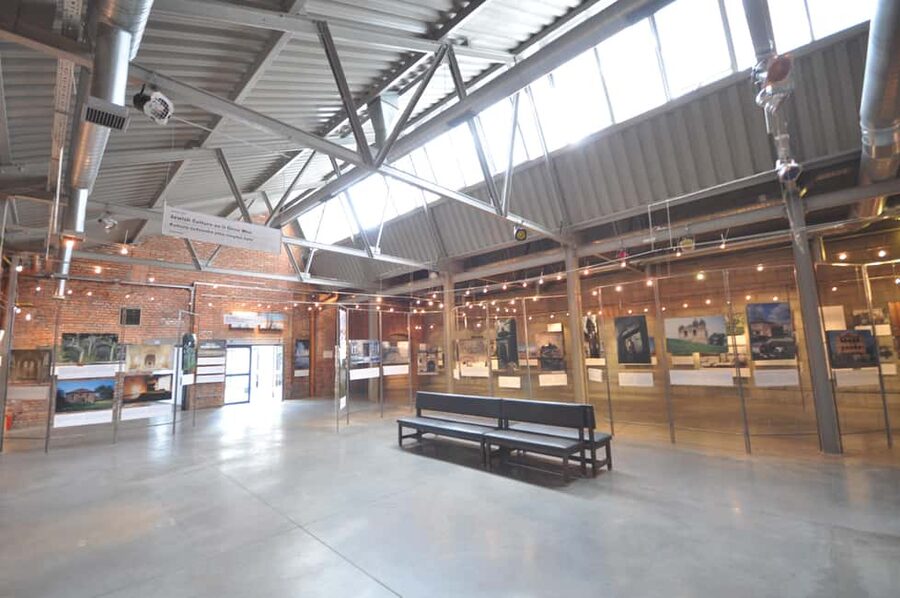
The museum is closely tied to its founder, Chris Schwarz, a British photographer whose work centers on Jewish culture in Poland. That connection matters because it shapes the museum’s tone. The photos are not random snapshots. They are carefully selected visual evidence of a Jewish presence across the region.
Schwarz later served as the museum’s director until his death in 2007. You can feel the personal attention behind the presentation, especially in how the photos are grouped to suggest a wider story of community life, and then the broader cultural destruction of WWII.
Practical takeaway: plan on slowing down in the photo-heavy rooms. This museum rewards careful looking. If you rush, you will miss the small connections that make the photos meaningful. If you take your time, you will leave with a clearer sense of what existed, where it existed, and why its disappearance was so devastating.
WWII Moving Pictures: A Different Kind of Impact
Along with photographs, the museum includes moving pictures showing Jews during WWII. That is a key part of the experience because it shifts the pace and the emotional weight. Photos ask you to imagine what came before and after. Film tends to pull you into the moment more directly, even when it is presented within a museum setting.
You do not need to be a WWII expert to benefit from this section. The purpose is not to test your knowledge. It is to help you see how history unfolded for real people and how the destruction of Jewish culture was not abstract.
Since the museum uses both photos and WWII footage, you get two complementary perspectives: the documentary look of still images, and the time-based power of moving footage.
- From Krakow: Auschwitz-Birkenau Guided Tour & Hotel Pickup★ 4.5 · 33,358 reviews
- From Krakow: Auschwitz-Birkenau Guided Tour & Hotel Pickup★ 4.5 · 29,340 reviews
- Krakow: Auschwitz Guided Tour with Optional Hotel Pickup★ 4.5 · 15,280 reviews
- Krakow–Zakopane: Cable Car, Chocholow Baths, Cheese & Vodka★ 5.0 · 10,720 reviews
- Krakow: Auschwitz-Birkenau Guided Tour with Pickup & Lunch★ 4.5 · 9,800 reviews
Temporary Exhibitions, Concerts, and Talks If You Want More
The museum is not only a single exhibition room. It also has exhibition spaces for temporary shows, plus concerts, meetings with authors, lectures, and workshops. That means your visit can be more than a passive walk-through if your dates match an event.
This is especially useful if you are the type of traveler who wants context. A lecture or author talk can help you connect the exhibition to wider themes like identity, memory, and cultural survival. Even if you skip scheduled events, knowing they exist can help you plan a second visit day, or choose a longer visit window when you arrive.
Also, there is a cafe on site. That sounds like a small detail, but in a museum like this, breaks help you process what you are absorbing.
Plan Your 1 to 2 Days Like a Pro
The ticket is valid for 1 to 2 days, depending on the availability and starting times shown at booking. I suggest you do not treat this as a quick stop you can knock out between other attractions. This museum is photo and film driven, and your best experience comes from time to read captions and reflect.
If you want a quieter visit, a good strategy is to go early when galleries are less crowded. For example, the museum has opening time schedules that can start around 10am on some days, and arriving early can make it easier to stay focused on the images. Even if the exact opening time changes, the logic still works: early tends to feel calmer.
If you only have one day, aim to prioritize Traces of Memory first. If you have two days, day one can be the permanent exhibition and WWII footage, then day two can be temporary exhibitions and any programs that fit your interests.
Price and Value: Why This Costs So Little
The price listed is about $4.33 per person, which is unusually low for a museum experience with this much historical and emotional weight. The value is not just the content, it is also the format. You are getting a carefully built permanent exhibition with hundreds of photographs, plus moving WWII material and extra spaces for temporary shows and events.
If you have a Krakow City Pass, there is an added benefit: entry is free of charge for pass holders. The pass covers access to 36 Kraków museums and landmarks over 1 to 3 days, so this museum can be one of many stops in an efficient cultural itinerary.
So the decision is simple. If you are paying out of pocket, the price is a bargain for the subject matter. If you already have the City Pass, this becomes an easy add because you are not sacrificing budget to see it.
Tickets, Entry Timing, and the One Rule You Must Follow
Here are the practical points that can save you stress.
First, you get a separate ticket by email from the local operator after booking. Only a printed version is accepted. If you cannot print at home, you can print at Plac Szczepański 8.
Second, remember that the last entrance is 90 minutes before closing. This matters because it affects when you should arrive. If you show up late in the day, you may not be allowed inside even if the museum is still open to people outside.
Third, opening hours can change due to circumstances. So check the day-of hours once you have your ticket and before you head out.
Fourth, there are simple visitor rules. Smoking is not allowed.
None of this is complicated, but it is the difference between a smooth visit and a last-minute scramble.
Inside the Museum: How to Get the Most Out of the Photos
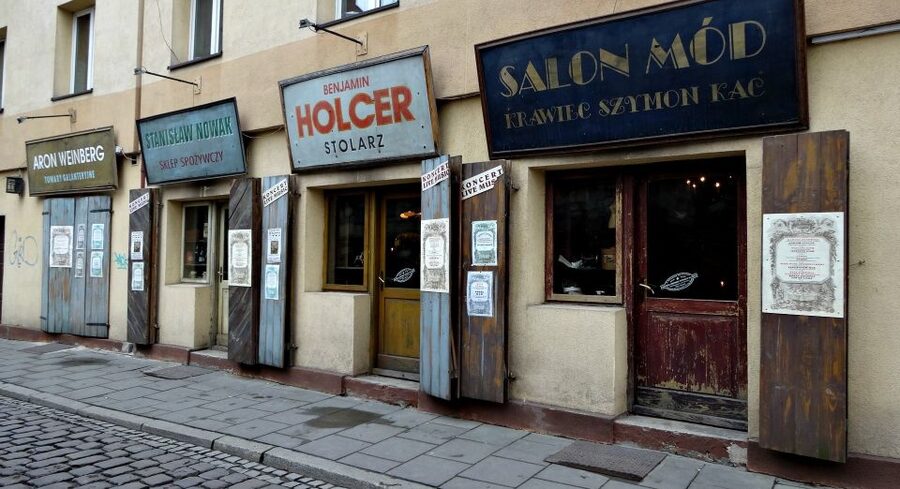
Because the museum leans heavily on photographs, your visit should be an active looking exercise. Instead of treating captions as quick reading, use them to connect the images to the bigger story. Ask yourself two simple questions as you go: What am I seeing that indicates everyday life or community presence? And what does this image suggest about how that world was targeted and erased?
I also recommend giving yourself time to slow down in quieter rooms. In one sense, the museum is educational. In another sense, it is reflective. That balance is part of the value.
If you feel overwhelmed, that is normal. This museum is meant to honor victims of the Holocaust. It is not there to distract you. It is there to help you understand and remember.
Where to Recharge: Cafe and Bookshop Stops
You will find a cafe in the museum, which is a handy option when you need a pause from reading and viewing. It also makes the museum easier to fit into a day because you can refuel on site.
Then there is the bookshop, which you should not skip. It offers books in Polish, English, and German about Jewish life and culture, the Holocaust, Jewish thought, identity, and literature. That matters because a museum visit is often the start, not the finish. The right book can help you continue learning after you leave.
If you are the kind of traveler who likes to take something concrete home, the bookshop is your chance. Pick a title that matches what moved you most in the exhibition, not what sounds impressive.
Who This Museum Visit Suits Best
This is a good match if you want:
- a history and memory experience built around photographs and WWII footage
- a museum visit that connects heritage with the destruction of WWII
- time to read, reflect, and learn at a comfortable pace
It is less ideal if you are expecting a museum full of large artifacts or hands-on exhibits. The museum’s power comes from images and context, so your visit will feel most satisfying if you enjoy visual storytelling and caption reading.
If you are short on time, you can still do it in one day, but plan to focus on the permanent exhibition and WWII moving pictures. If you can stretch to two days, add temporary exhibitions and any scheduled events when available.
Should You Book the Galicja Jewish Museum Visit?
If you care about Jewish history and you want a serious, well-presented museum experience that does not feel rushed, I think you should book it. The price is low, the content is substantial, and the museum’s goal is both remembrance and cultural celebration.
Just go in with the right expectations. This is not mainly about objects you can touch. It is about looking carefully at photographs, watching WWII moving pictures, and letting the story land. If that sounds like your kind of museum time, this stop belongs in your Kraków plan.
FAQ
How long is the Galicja Jewish Museum ticket valid?
Your ticket is valid for 1 to 2 days, depending on the availability and starting times shown at booking.
What does the ticket include?
The ticket includes museum entry. A separate ticket is sent via email after booking.
Do I need a printed ticket?
Yes. Only a printed version of the ticket will be accepted. If you cannot print it, you can do so at Plac Szczepański 8.
What is the last time I can enter?
The last entrance is 90 minutes before closing.
Is transportation included?
No. Transportation is not included.
Is the museum free with the Krakow City Pass?
Yes. If you hold a Krakow City Pass, entry is free of charge.
Are opening hours guaranteed?
No. Opening hours might differ from what is shown on the product page due to various circumstances, so it is smart to check the day-of information.
Is smoking allowed inside?
No. Smoking is not allowed.
Can I cancel and get a refund?
Yes. You can cancel up to 24 hours in advance for a full refund.
More Museums in Krakow

More Tour Reviews in Krakow
Recently written up around Krakow

More Museums.
 ★ 4.5Auschwitz-Birkenau Museum and Memorial Guided Tour from KrakowFrom $831,510 reviews
 ★ 4.7POLIN Museum of the History of Polish Jews TicketFrom $121,142 reviews
 ★ 4.6Rynek Underground Museum Guided TourFrom $341,122 reviews
 ★ 4.6Polish Vodka Museum Tour with TastingFrom $22788 reviews
 ★ 3.9Museum World of Illusion Entry TicketFrom $13666 reviews
 ★ 4.5Krakow Schindler’s Factory Museum Guided Tour in EnglishFrom $47650 reviews
 ★ 3.6Auschwitz Birkenau Museum Guided Tour with PickupFrom $8544 reviews
 ★ 4.5Museum of illusions Entry TicketFrom $20521 reviews
Also on these Poland lists