
REVIEW · KAZIMIERZ JEWISH QUARTER TOURS
Kraków old town and jewish quarter®
Krakow reads like a history lesson in stone. I love how this route turns major landmarks into cause-and-effect history, and I also love the way the guide brings Old Town and Kazimierz into one clear story. The only catch is that 3 hours can feel short if you want to pause, take photos, and read every plaque at length.
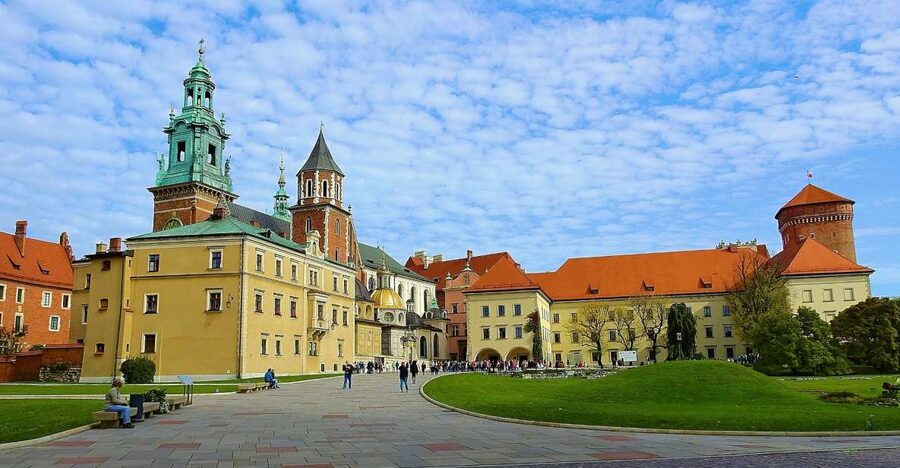
You’ll start in the downtown core, working through the theater area, medieval walls, and the Market Square load, then head toward the university neighborhood where John Paul II and Copernicus trained. Later you’ll go up the hill to the Wawel complex, including the cathedral area and the dragon sculpture point.
The second half shifts to Kazimierz, the neighborhood tied to the first Jewish communities arriving in the city. You’ll follow how Jews and Catholics coexisted, then move through key synagogue stops and memorials, including monuments related to Holocaust victims and the righteous among the nations.
In This Review
- Key highlights you should care about
- Why this Krakow Old Town and Kazimierz combo works
- Getting oriented at the start, including the grey umbrella
- Downtown Krakow: theater, walls, and the Market Square story
- The university neighborhood: training sites for big names
- Wawel complex on the hill: analyzing one architectural group
- Kazimierz starts with settlement and coexistence
- Synagogues and remembrance: Tempel and Stara, plus multiple memorials
- Squares and walls: finishing Kazimierz with the layout in mind
- The value question: is $16 for 3 hours actually good?
- Pace, language, and weather: what you should plan for
- Who this tour suits best
- Should you book this Krakow Old Town and Jewish quarter tour?
- FAQ
- How long is the tour?
- What is the price per person?
- What languages are offered?
- Where is the meeting point?
- What does the tour include?
- Are food and drinks included?
- Is the tour wheelchair accessible?
- Is cancellation possible if plans change?
Key highlights you should care about
- A historian’s walking pace: clear links between events in Krakow, and the broader story of Poland
- Old Town power stops: Market Square, St. Florian’s Gate, and major church and civic buildings
- Wawel Hill structure: you’ll analyze the Wawel complex as an architectural group, not random sights
- Kazimierz context: first Jewish settlement reasons, plus how coexistence played out
- Synagogues and memorials: Tempel Synagogue, Stara Synagogue, and multiple remembrance monuments
Kazimierz on foot, by cart and after dark. Our other write-ups
- Krakow: Jewish Quarter and Former Ghetto Tour
★ 4.9 · 1,441 reviews - Krakow: Bike Tour of Old Town, Jewish Quarter and the Ghetto
★ 4.9 · 1,155 reviews - Krakow: Kazimierz Jewish Quarter Walking Tour
★ 4.8 · 571 reviews - Krakow: Kazimierz, Schindler’s Factory & Ghetto Guided Tour
★ 4.8 · 460 reviews
Why this Krakow Old Town and Kazimierz combo works
Krakow can feel like two different cities depending on where you stand. This tour is smart because it refuses to treat Old Town and Kazimierz as separate boxes. Instead, it connects what you see in architecture and public spaces to the historical events that shaped Krakow and Poland.
I like that the emphasis stays on the two fundamental areas most visitors miss when they only do the “main sights” photo run. In 3 hours, you get a tight route that covers the historic center, the university neighborhood, and the Wawel complex, then shifts into the Jewish quarter with specific synagogue and memorial stops.
If your goal is to understand how a city becomes a World Heritage Site, this is the right format. You’re not just collecting postcards. You’re building a map in your head for how the pieces fit together.
Getting oriented at the start, including the grey umbrella
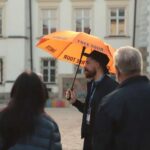
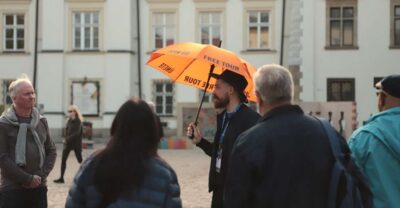
The meeting point is easy to spot if you arrive a few minutes early. Your guide will carry a grey umbrella, so you don’t need to guess or wander.
You’ll also get practical help to keep you moving. One of the best small perks from past groups is that you receive a map to help you reach the meeting point and get oriented quickly. That matters because Krakow’s streets can be confusing when you are cold, tired, or distracted by buildings that look like they belong in a movie set.
One more practical note: the tour is in Spanish. If you’re not comfortable with Spanish, you might still enjoy the walk for the sights, but you will miss the deeper connections between places and events.
Downtown Krakow: theater, walls, and the Market Square story
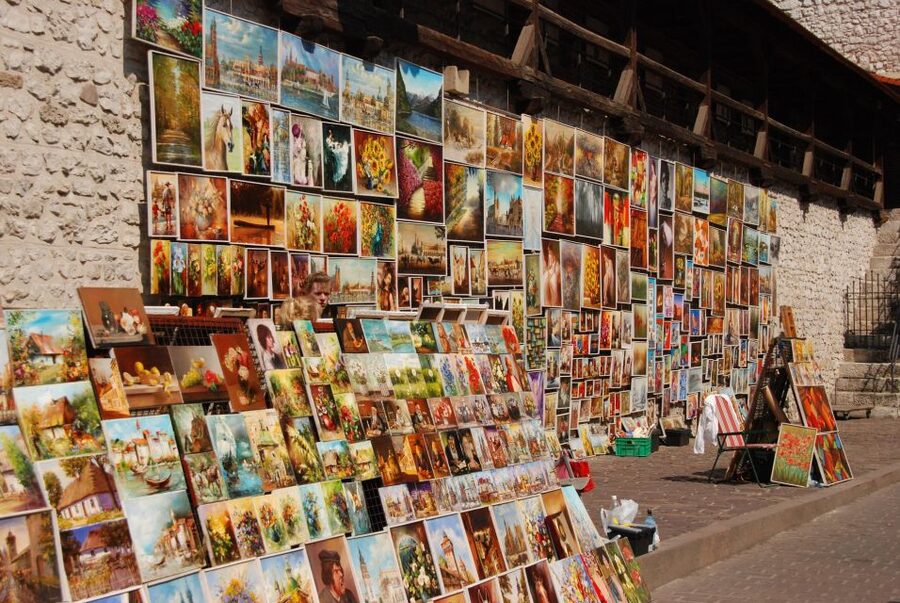
The route begins in the downtown area with a sequence designed to show Krakow’s layers. You’ll pass through stops like Juliusz Slowacki Theater, then head toward the medieval fortifications and defensive structure highlights such as the medieval walls and the Barbican.
This part works because it trains your eye. When you see walls, gates, and towers, you stop thinking of them as background scenery. You start noticing how a city’s power and protection shaped where life could grow and where it could expand.
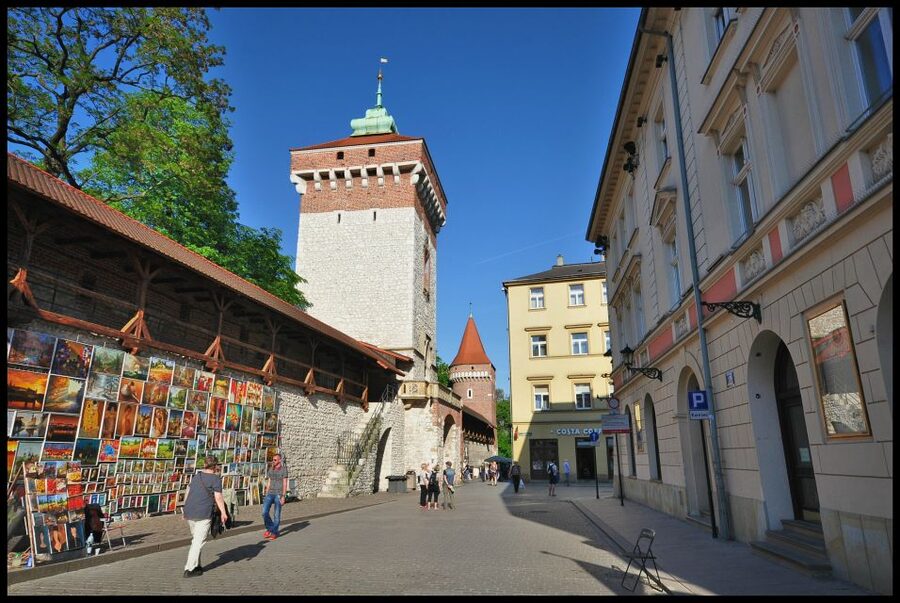
From there, the tour focuses heavily on Market Square, including the monumental load that comes with it. You’ll also visit highlights such as St. Florian’s Gate, the Basilica of Saint Mary, and the Sukiennice Tower point. Even if you don’t go inside everything, just having an order and a storyline makes these stops feel connected instead of random.
Practical tip for you: bring a small pause plan. In a 3-hour walk, you need 30 to 60 seconds for photos and posture breaks. If you use those micro-pauses well, you’ll still keep up with the guide’s rhythm.
The university neighborhood: training sites for big names
After the Old Town focus, the tour moves toward the university neighborhood. This is where the route becomes less about stone and more about education and ideas.
You’ll see the Collegium Maius area, plus references to the academic training of figures such as John Paul II and Copernicus. You’ll also encounter a few iconic street anchors like the Adam Mickiewicz Monument.
This segment is valuable because it helps explain why Krakow isn’t just about medieval architecture. The city also matters because it has served as a place where learning and influence were formed. You’ll feel the shift from “city built for defense and trade” toward “city built for thought and scholarship.”
If you like tours that mix architecture with human stories, this is one of the best transitions. You’ll look at the same streets, but your brain is now working on a different question: who came here, and why?
- From Krakow: Auschwitz-Birkenau Guided Tour & Hotel Pickup★ 4.5 · 33,358 reviews
- From Krakow: Auschwitz-Birkenau Guided Tour & Hotel Pickup★ 4.5 · 29,340 reviews
- Krakow: Auschwitz Guided Tour with Optional Hotel Pickup★ 4.5 · 15,280 reviews
- Krakow–Zakopane: Cable Car, Chocholow Baths, Cheese & Vodka★ 5.0 · 10,720 reviews
- Krakow: Auschwitz-Birkenau Guided Tour with Pickup & Lunch★ 4.5 · 9,800 reviews
Wawel complex on the hill: analyzing one architectural group
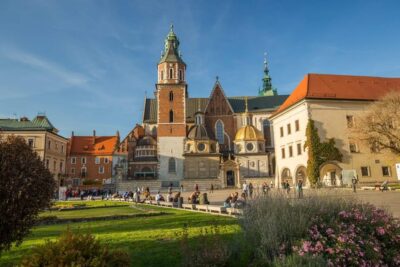
Next comes the Wawel complex, one of the most important visual anchors in Krakow. You’ll ascend the hill specifically to analyze the city cathedral and all the buildings that belong to this architectural complex.
The tour highlights include the Archbishop’s Palace and the Basilica of the Franciscans, plus the Wawel complex itself. You’ll reach key points that include the cathedral dragon sculpture as well.
What I like about this approach is that it treats Wawel as a set, not a checklist. When you study an area in one go, it becomes easier to remember. You can also notice how different types of buildings relate to each other, and how the landscape forces your view toward the same cluster of power.
Possible drawback to plan around: the hill can be tiring, even if you are in good shape. And since the tour is 3 hours total, the pacing may not include long rests. If you prefer slow sightseeing, consider arriving early to let yourself warm up and settle before the tour begins.
Kazimierz starts with settlement and coexistence
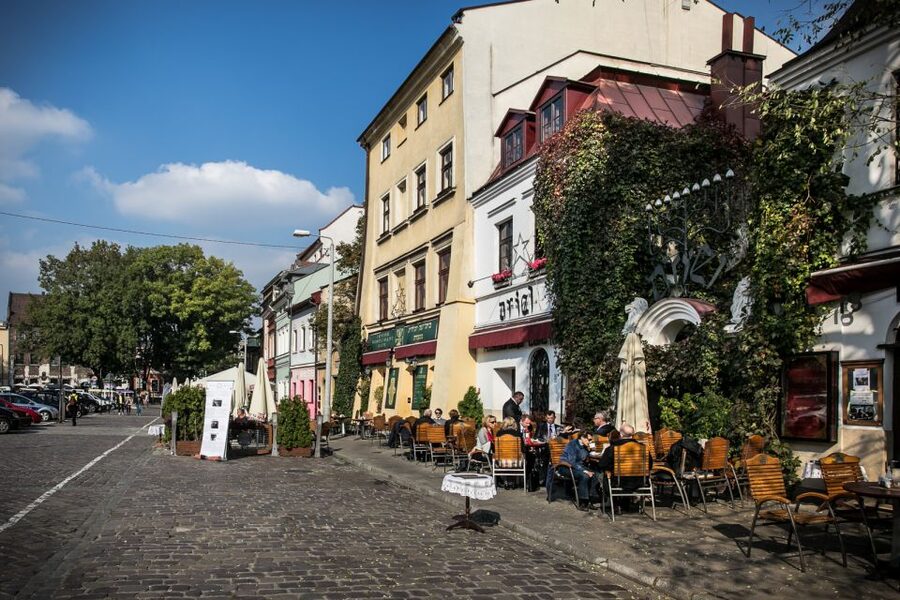
Now you hit the heart of the Jewish quarter story: Kazimierz. This is where the first Jewish communities that arrived in the city settled, and the tour is built around that starting point.
You’ll learn the reasons behind those settlements and, importantly, how coexistence between Jews and Catholics worked. This isn’t presented as a simple good versus bad timeline. Instead, the tour looks at both communities’ history in the area and focuses on why the era is both important and controversial.
That mindset is what makes Kazimierz feel real instead of just educational. It gives you a framework for why multiple monuments and sites exist close together. You stop thinking of the neighborhood as a “theme” and start thinking of it as lived space shaped by policy, community life, and conflict.
For you, the takeaway is practical: when you walk among synagogues, squares, and memorials, you’ll have a historical question in mind. Not just what you’re looking at, but why it was built, and what it represents.
Synagogues and remembrance: Tempel and Stara, plus multiple memorials
The Kazimierz part of the route includes major synagogue stops like Tempel Synagogue and Stara Synagogue. Seeing these in sequence matters because it helps you understand that Jewish community life had different faces across time, even when the buildings sit close in the same neighborhood.
Then the tour shifts from religious architecture to remembrance. You’ll visit the Monument to the victims of the Holocaust, the Monument to the righteous among the nations, and the Monument to Polish victims during the occupation. You’ll also reach places that point to longer memory in the area, including the old Jewish cemetery.
This section can feel heavy, and it deserves your attention. Even if you have visited Holocaust-related sites elsewhere, this one becomes more meaningful because it’s linked directly to the community that lived in Kazimierz before and after the darkest events discussed in the route.
Practical tip: wear comfortable shoes and keep your phone charged. Memorial sites often invite you to read at least a few lines. And you’ll want to take notes so the names and themes don’t blur together after the tour ends.
Squares and walls: finishing Kazimierz with the layout in mind
The route doesn’t end with one building. It closes by pulling your attention back to the neighborhood’s shape and street logic.
You’ll visit New Square, the medieval square of the Jewish quarter, and the walls of the Jewish quarter. You’ll also spend time around areas that make it easier to picture how people moved through space before modern tourism flattened everything into a single route.
I like this finishing approach because it helps you keep your bearings later. When you leave, you can look at a street and understand why it feels the way it does. You also get a cleaner sense of boundaries, and that improves your ability to explore on your own afterward.
If you only do highlights without understanding the area’s layout, you might miss the “why” behind the architecture. This tour tries to prevent that.
The value question: is $16 for 3 hours actually good?
At $16 per person for a 3-hour guided walk, the value is strong, especially because the tour includes a graduate guide in Geography and History. You’re paying for interpretation, not just transportation.
The pricing makes sense when you consider how much ground the tour covers. You get the historic center, the university neighborhood, Wawel Hill, and Kazimierz synagogues and memorials. Most casual sightseeing time would cost you more than that in buses, trams, and missed time trying to figure out where to go next.
It also helps that the tour is live and guided in Spanish. A real guide gives you the connections between places, including how historical events affected Krakow and Poland. That part is the difference between a “see it” day and a “understand it” day.
Only downside on value: if you need a lot of downtime, 3 hours can feel like a sprint. But for most people who enjoy walking and learning, this is a very affordable way to get a structured Krakow view.
Pace, language, and weather: what you should plan for
One of the standout positives from past experiences is that the guide explanations come with photos and drawings, and the pace keeps you swapping between spaces without losing the story. That is ideal if you like clarity and visual support.
The tour also stays focused even in rough weather. If it’s cold, snowy, or just wet, you will still be outside much of the time. So dress for it. Bring gloves, a hat, and shoes that can handle slick streets.
Language matters most. Since the tour is in Spanish, choose it if you can follow the explanations. If your Spanish is beginner level, you might still enjoy the sights and general flow, but the strongest moments will pass you by.
On the bright side, the route is wheelchair accessible. If mobility is an issue, check with the operator before you go so they can confirm how the route fits your needs on that day.
Who this tour suits best
This tour is a great match if you want:
- A guided architecture walk that explains why places matter
- A clear connection between Polish history and what you see in Krakow
- Real attention to Kazimierz that goes beyond surface-level sightseeing
- Spanish explanations from a geography and history graduate guide
It may not be the best fit if you:
- Want a slow, sit-down style tour with minimal walking
- Do not feel comfortable with Spanish and dislike missing context
- Prefer unstructured wandering where you can control every stop
Should you book this Krakow Old Town and Jewish quarter tour?
I’d book it if your priority is understanding Krakow, not just photographing it. The route covers the two big zones that define the city for most visitors: the historic center and Kazimierz. And it does it with a storyline that connects events in Krakow and Poland to the architectural sites you see.
Choose it especially if you like guides who explain with visuals like photos and drawings and keep a steady rhythm across stops. And remember the one caution: 3 hours is short. If you want to linger, plan to return to a few favorite locations after the tour.
If you’re doing Krakow for the first time and you want the fastest path to meaning, this is a smart way to spend a morning or afternoon.
FAQ
How long is the tour?
It lasts 3 hours.
What is the price per person?
The price is $16 per person.
What languages are offered?
The live tour guide speaks Spanish.
Where is the meeting point?
The guide will carry a grey umbrella.
What does the tour include?
It includes a graduate guide in Geography and History.
Are food and drinks included?
No, food and drinks are not included.
Is the tour wheelchair accessible?
Yes, the tour is wheelchair accessible.
Is cancellation possible if plans change?
You can cancel up to 24 hours in advance for a full refund.
More Tour Reviews in Krakow
Kazimierz, Keep Going
Recently written up around Krakow

More Kazimierz Jewish Quarter Tours.
 ★ 4.9Jewish Quarter and Former Ghetto TourFrom $191,441 reviews
 ★ 4.9Bike Tour of Old Town, Jewish Quarter and the GhettoFrom $371,155 reviews
 ★ 4.8Kazimierz Jewish Quarter Walking TourFrom $27571 reviews
 ★ 4.8Kazimierz, Schindler’s Factory & Ghetto Guided TourFrom $81460 reviews
 ★ 5.0Full Bike Tour – the Old Town, Jewish Qtr & the Ghetto NEW BIKESFrom $35437 reviews
 ★ 4.9Bike Tour of the Old Town, Kazimierz, and the GhettoFrom $26350 reviews
 ★ 4.6Jewish Quarter and Ghetto Electric Golf Cart TourFrom $34348 reviews
 ★ 5.0Jewish Krakow Walking TourFrom $26307 reviews
Also on these Poland lists