
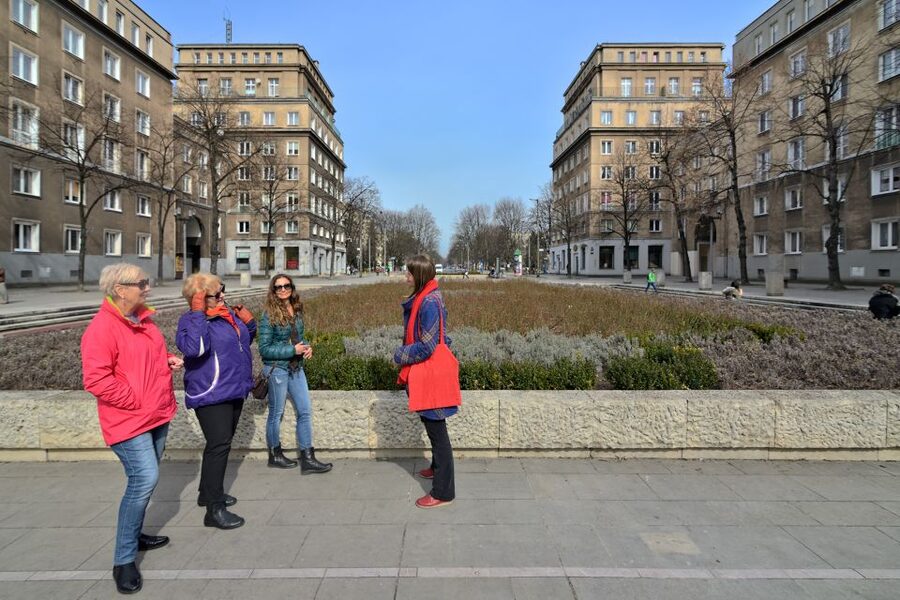
REVIEW · NOWA HUTA AND COMMUNISM TOURS
Nowa Huta Tour Krakow: Ideal Communist City Small Group Walk
A place built for an idea tells a different story up close. Nowa Huta is Krakow’s most unusual district, where Soviet planning, everyday routines, and political pressure all sit side by side. I like that this tour helps you read the neighborhood like a text, with architecture and street-level details as the clues.
The two moments I really value are the stop at Plac Centralny and the guided walk through the Lord’s Ark church area. You get explanations that make the symbolism make sense, and you also get real breaks for food and conversation, including a vodka tasting and a local snack.
One thing to consider is that you are walking for a full half-day, so bring comfortable shoes and expect a steady pace, especially if the weather turns.
In This Review
- Key Highlights You Should Know Before You Go
- Why Nowa Huta Feels Like a Communist Script, Then a Reality Check
- From Dluga Street to Nowa Huta by Tram
- Plac Centralny: The Communist Dream’s Loudest Starting Point
- Where Lenin Stood, and What Replaceable Symbols Teach You
- Russian Tank Photos and the “Protection” Idea in Communist Planning
- A Market Stop That Feels Like Real Nowa Huta
- Vodka Tasting and Zapiekanka: Food as a Time Machine
- Lord’s Ark: A Church Built by Residents, Not by Officials
- Museum Time, Including Bunker-Like Spaces
- How Nowa Huta Changed After Communism, and Why That Matters
- Guides and Storytelling That Make the Walk Click
- Price and Value for a 4-Hour Communist City Walk
- Who This Tour Is Best For (and Who Should Think Twice)
- Should You Book the Nowa Huta Communist City Walk?
Key Highlights You Should Know Before You Go
- Plac Centralny start point, where you learn how the city was meant to function as a communist model
- Lenin monument site context, so you understand what disappeared and what replaced it
- A photo-friendly stop at a Russian tank and a look at the “protection” concept from the planners’ era
- Time in a local market atmosphere where people mix, buy groceries, and sell everything from clothes to homemade sweets
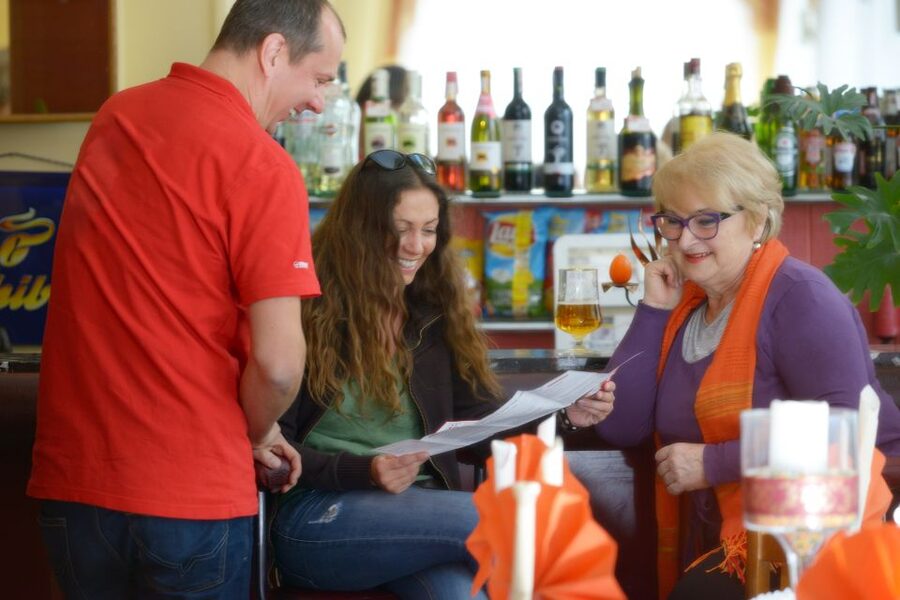
- A hands-on cultural stop with zapiekanka and a vodka tasting in a local setting
- Lord’s Ark church, a powerful symbol tied to the fight for freedom and democracy, built by residents by hand
More of the socialist-era district, reviewed
- Krakow: Nowa Huta Guided Tour in Vintage Car
★ 4.9 · 277 reviews - Legendary Private Nowa Huta Communism Tour with Crazy Guides
★ 5.0 · 262 reviews - Nowa Huta: Steelworks Administration Buildings/Shelters Tour
★ 4.9 · 160 reviews - Krakow: Private Nowa Huta Adventure Tour in Communist Cars
★ 4.9 · 114 reviews
Why Nowa Huta Feels Like a Communist Script, Then a Reality Check

Nowa Huta was planned as the kind of city that communist ideology said would work. The streets, the layout, and the monumental style were not neutral. They were meant to shape behavior, routines, and even opinions.
On this walk, you focus on the everyday meaning of that plan. You do not just see buildings, you learn why certain places were built to be important, and what happens when the society that was supposed to fit the blueprint stops matching the blueprint.
That is the heart of the experience for me. You leave with a clearer sense of how Poland’s 20th-century story was not just political headlines. It was lived, argued, resisted, and changed by ordinary people.
From Dluga Street to Nowa Huta by Tram
You meet at ul. Dluga 1, right at the corner of Dluga and Basztowa, by the bookshop Pod Globusem. Your guide holds a Krakow Urban Tours sign, so it is usually easy to spot the group.
Then you ride the tram over to the district and back. I like tram access because it keeps the tour grounded in how you would actually reach the neighborhood, not just a driver dropping you at one photo spot. It also gives you a small buffer of travel time so you start the walk already settled.
Because the tour runs about 4 hours, you should plan for a focused, continuous outing. If you like history that you can physically walk through, this format fits well.
Plac Centralny: The Communist Dream’s Loudest Starting Point
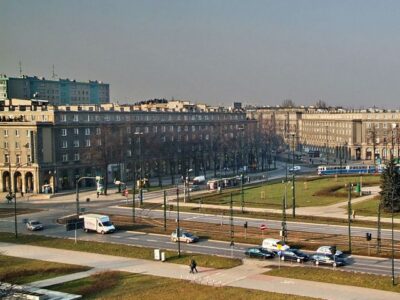
The tour begins in the heart of the former communist city at Plac Centralny, a huge square that was planned after World War II. This is where your guide helps you understand the intent behind the space: big, centralized, designed for public life and public messaging.
One reason this stop works so well is that you see the square not as an abstract symbol, but as a physical stage. The scale and the layout push you to imagine how a planned society might try to control what people notice, where they gather, and how they move.
You also visit a notable landmark connected to this post-war planning. Even though the design draws from different ideas, it now feels much more like a museum of eras than a single unified statement. That contrast is part of the lesson: the original intent met the reality of time, politics, and changing needs.
Where Lenin Stood, and What Replaceable Symbols Teach You
At one point, you stop at the spot where a huge Lenin monument used to stand. That is not just a history marker. It is a reminder that symbols can be removed, reinterpreted, or turned into backdrops for new narratives.
Your guide connects the dots between the communist-era message and what came after. When you understand what was meant to be permanent, and then you see how quickly it was erased, you get a stronger sense of how power operates through images.
It also makes the rest of the walk sharper. When you move from the square to tank relics, churches, and markets, you start seeing how the community rewrote the meaning of the built environment.
Below are the other Krakow trips we have logged
- Old Town Krakow & Wawel Castle Walking Tour★ 5.0 · 1,508 reviews
- Creepy Krakow: 2-Hour City Walking Tour★ 4.7 · 1,131 reviews
- Krakow: The Old Town Walking Tour★ 4.8 · 794 reviews
- Kraków: Old Town & Wawel Castle Walking Tour in English★ 4.8 · 532 reviews
- Krakow: Evening Walking Tour with Spooky Stories★ 4.7 · 500 reviews
Russian Tank Photos and the “Protection” Idea in Communist Planning
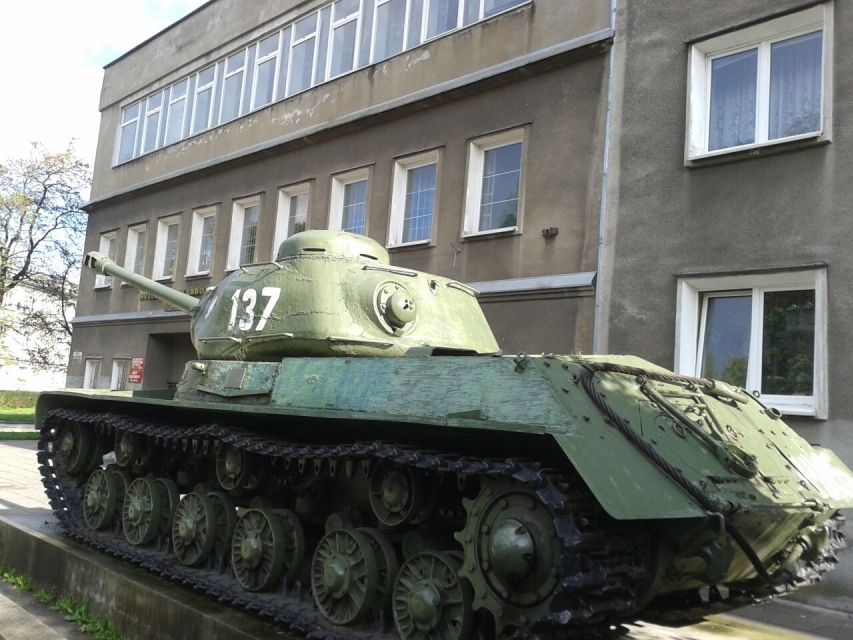
Next comes a chance to take photos of a Russian tank left after the war. It is one of those objects that instantly changes the mood of a walking tour. You can almost feel how the neighborhood’s public space carries conflict even when day-to-day life looks normal.
Along the way, you learn about a protection system invented by the architects of the communist era. The point here is not technical trivia. It is the mindset: planning built around fear, crisis, and the expectation that the city had to be ready for threats.
Even if you are not a history buff, this kind of explanation helps you read the neighborhood as a set of decisions. You start noticing how architecture can be a security plan, a political statement, and a psychological tool all at once.
A Market Stop That Feels Like Real Nowa Huta
Then you shift from relics back to people. You visit a market where locals socialize, buy groceries, shop for clothes, and trade in homemade sweets.
This is one of the best parts of the tour because it avoids “museum only” thinking. Markets are where society shows its habits. You see how community life keeps going, even after a city’s original purpose falls apart.
I also like that your guide frames what you are seeing in context. The communist-era planning tried to shape daily life. Nowa Huta’s market shows how daily life actually shapes the city after the fact.
If you enjoy street-level observations, this stop will feel like the tour’s truth anchor.
Vodka Tasting and Zapiekanka: Food as a Time Machine
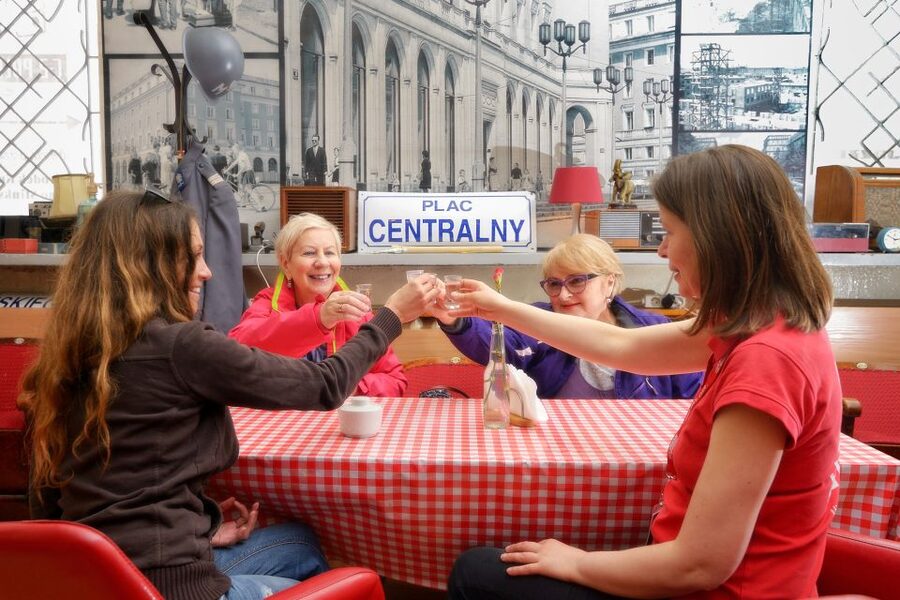
This is not a formal tasting menu. You get a vodka tasting in a communist-era style restaurant or local bar setting, plus a local snack: zapiekanka.
Food turns history from theory into memory. Zapiekanka, in particular, fits the “everyday life” theme, because it reads like what people ate, not what slogans tried to promise.
You should go in with a simple attitude: treat this as a short cultural pause, not a foodie detour. If you keep your expectations realistic, it becomes one of the most enjoyable parts of the half-day.
Also, because the tour includes these stops, you spend less time trying to plan where to eat on your own. That is part of the value in a guided format.
Lord’s Ark: A Church Built by Residents, Not by Officials
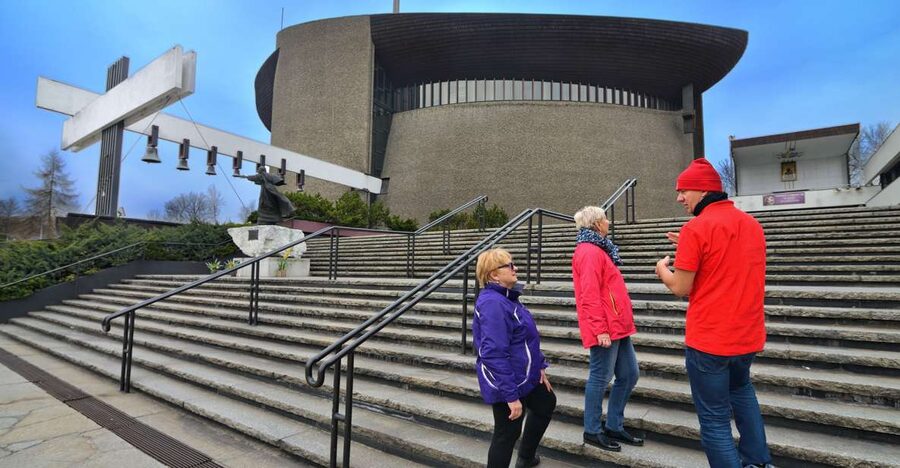
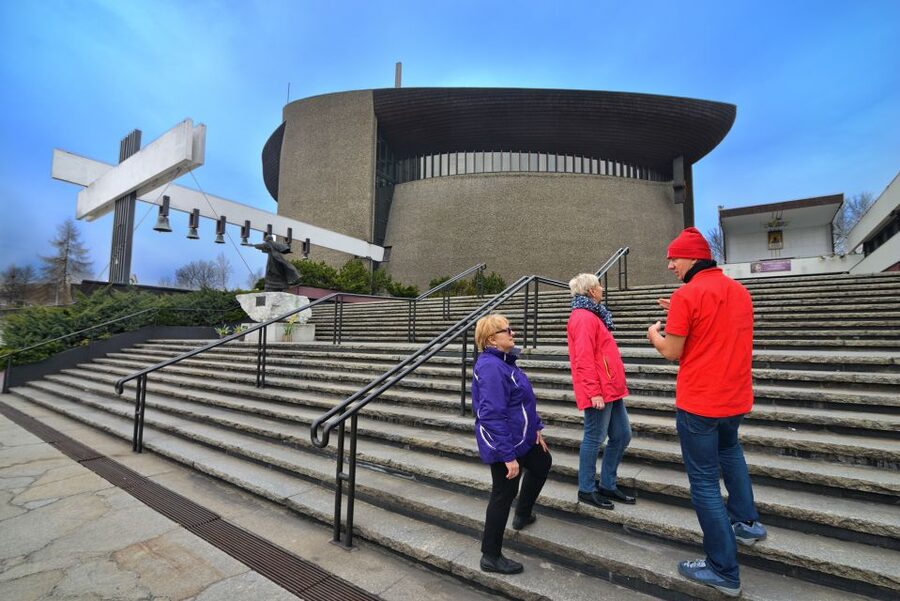
One of the tour’s most meaningful segments is visiting the huge church known as Lord’s Ark. It became a symbol tied to the long fight for freedom and democracy.
What makes this stop hit is the story of how it was built. The church was built by residents completely by hand. That detail changes how you look at the architecture and the surrounding area. You are not just looking at a landmark, you are looking at a community’s determination made visible in stone and structure.
As your guide explains the background, you understand how this place fits into a bigger pattern: when top-down plans fail, people create their own institutions, their own meaning, and their own sense of hope.
If you only stop for photos, you will miss the point. But if you listen for what the church represents, you get a stronger emotional map of Krakow’s history.
Museum Time, Including Bunker-Like Spaces
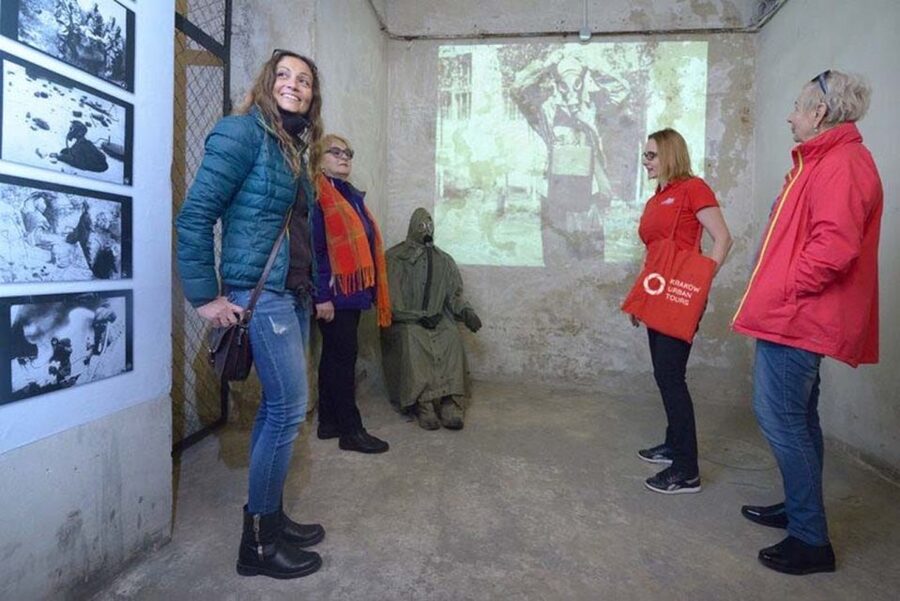
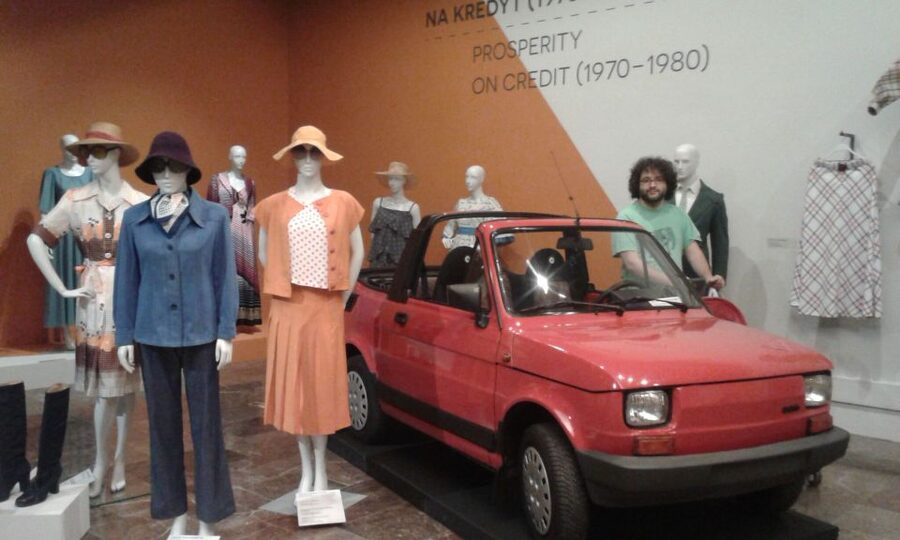
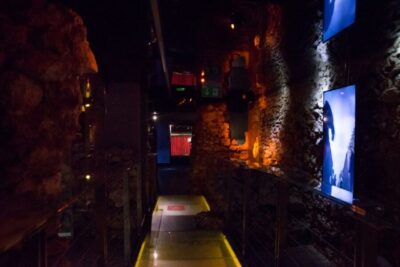
The tour includes an entrance ticket to a communist museum, and it can feel like stepping into the practical side of the era. In some sessions, the museum visit includes bunker-like rooms that many people find memorable because they are immersive in a straightforward way, not theatrical.
This part works best if you like learning through physical environments. Paper explanations are fine, but spaces built for secrecy, control, or survival make history stick in a different way.
If you are traveling with kids or you just prefer concrete visuals over lectures, the museum segment is often a strong match. It gives you a break from outdoor walking without losing the tour’s theme.
How Nowa Huta Changed After Communism, and Why That Matters
A major theme is what happened after the fall of communism. The neighborhood did not simply “move on.” Locals reshaped the planned city into something else, and Nowa Huta became an anti-communist hub.
You can feel that shift in the contrast between grand designs and everyday usage. The city’s original purpose tried to control life from above. Then people took the same spaces and reprogrammed them for their own needs and beliefs.
That is why I think this tour is valuable even if you have read a bit of Polish history already. You see the cause and effect in real space. You understand how ideology becomes infrastructure, and how infrastructure becomes part of people’s resistance and adaptation.
There is also an extra layer of impact: some proceeds from the tour help support local conservation, heritage, and culture. That helps the walk feel tied to the present, not just the past.
Guides and Storytelling That Make the Walk Click
The tour is led in English by a live guide, and the quality of the explanation matters a lot here. In the best outings, the guide guides your attention so you notice the right details, then connects them to the larger story.
For example, guides such as Anna and Barbara get high praise for bringing the era to life and for keeping the experience approachable. In a small group format, that kind of storytelling matters, because you can ask questions without feeling rushed.
You do not need to be a politics expert. You just need someone to help you connect the symbolism to the real mechanics of daily life, and the guides are clearly strong at that.
Price and Value for a 4-Hour Communist City Walk
At $112 per person for about 4 hours, this is not the cheapest tour in Krakow. But it is also not just a guided stroll.
Your ticket covers transport by tram to and from the district, entrance to the communist museum, a vodka tasting, and a local snack of zapiekanka. Add in an in-person English guide and you get a package that saves you time and reduces decision fatigue, especially on a day when you already want to see a lot.
For me, the best value metric is simple: you should feel like you are getting access, context, and a few real stops you would struggle to assemble on your own. Here, the museum entry and the food-and-drink pauses are built into the flow, so you spend less time scrambling between locations.
If you love history but you prefer it practical, this price can make sense quickly.
Who This Tour Is Best For (and Who Should Think Twice)
I recommend this tour if you:
- want a walking way to understand Krakow beyond the Old Town
- like architecture and city planning as clues, not just scenery
- enjoy culture stops like a museum and a local snack rather than only outdoor photos
- want a guide who can explain the ideology behind what you are seeing, then also explain what happened when reality took over
You might think twice if you:
- have limited mobility and find longer walking difficult
- dislike tours that mix politics, symbolism, and everyday life
- expect a purely light, casual theme. This one is reflective.
Should You Book the Nowa Huta Communist City Walk?
Book it if you want history with traction. Nowa Huta is one of the few places where ideology shows up in the street plan, the monument story, and the community buildings, including Lord’s Ark.
I would also book it if you like a small group vibe where questions feel normal and you are guided through several meaningful stops in one half-day. With the museum entry, the vodka tasting, and the zapiekanka snack included, you get a lot of “done for you” value.
If your top priority is only postcard views, you might prefer something else. But if you want to understand Poland’s communist era through the places where it was built and resisted, this tour is a smart choice.
More Tours in Krakow

More Tour Reviews in Krakow
Nowa Huta, the Rest of Our Notes




Recently written up around Krakow

More Nowa Huta and Communism Tours.
 ★ 4.9Nowa Huta Guided Tour in Vintage CarFrom $75277 reviews
 ★ 5.0Legendary Private Nowa Huta Communism Tour with Crazy GuidesFrom $131262 reviews
 ★ 4.9Nowa Huta: Steelworks Administration Buildings/Shelters TourFrom $24160 reviews
 ★ 5.0Private Tour: Warsaw’s Communist History by Retro FiatFrom $108115 reviews
 ★ 4.9Private Nowa Huta Adventure Tour in Communist CarsFrom $108114 reviews
 ★ 4.93.5-Hour Communism Deluxe Tour by TrabantFrom $21584 reviews
 ★ 4.9Communism Tour in an Original Socialist VanFrom $7875 reviews
 ★ 4.8Communist History Self-Driving TourFrom $6952 reviews
Also on these Poland lists