
REVIEW · GDANSK OLD TOWN TOURS
Sightseeing Cruise around the Old Town of Gdansk
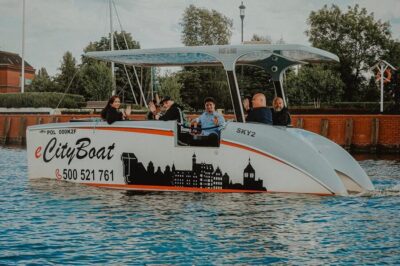
Cruising the Motława feels like seeing Gdańsk with the volume turned down. I like the slow, eco-friendly electric boat vibe, and you get an English audio guide to keep the sights making sense. The main catch is simple: the schedule depends on weather, and there have been occasional operational hiccups that can mean last-minute changes.
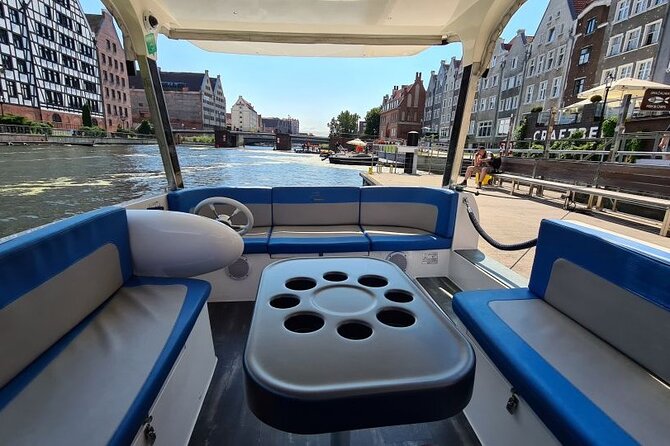
This is also built for comfort. You sit on plush seating with pillows and blankets, and there is a mini-bar onboard if you want a drink while you float past the historic gates.
You should consider the short time window. At about 50 minutes, it is great for a hit of Old Town sights, but it is not a long, deep session where you can linger at every stop.
In This Review
- Key Highlights at a Glance
- Cruising Gdańsk on an Electric Boat, Not a Big Boat
- What You Get On Board: Comfort, Seating, and a Mini-Bar
- The River Route: Historic Gates and the WWII Waterfront View
- Green Bridge to Granaries Island: Where the Trade Money Lived
- Green Bridge: A Drawbridge Past
- Granaries Island: Nearly 360 Storage Buildings
- Crane Power: The Red Brick Crane and Medieval Port Work
- Sołdek, Fish Market, and Brabank: Seeing Time Layers at One Stop
- Sołdek: A WWII-Era Shipyard Legacy in Plain View
- Fish Market: Teutonic Permission and Local Catch
- Brabank: The Same Mouth of the River, a New City Style
- Polish Hook and the Imperial Shipyard: Grain Rafts to Steamers
- Polish Hook: Rafts, Grain, and Bonfire Entertainment
- Imperial Shipyard: From Repair Workshop to Steam and Iron
- How Long It Is, How Big the Group Is, and Who This Fits Best
- My Booking Reality Check: Weather and Occasional Operational Issues
- Should You Book This Gdańsk Old Town Motława Cruise?
- FAQ
- How long is the Old Town Gdańsk sightseeing cruise?
- Where does the tour start and end?
- Is there an English audio guide?
- What kind of boat is used?
- Is there food or drinks available on board?
- Is this a small group tour?
- Do I need a paper ticket?
- Is the experience weather dependent?
- What is the cancellation window for a full refund?
- Are service animals allowed?
Key Highlights at a Glance
- Small-group, private-style feel (max 8), so the boat experience stays calm and personal.
- English audio guide helps you understand what you are seeing as you glide.
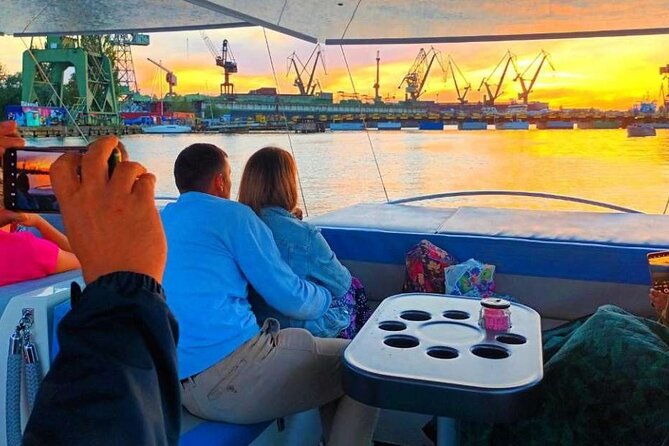
- Comfort extras like pillows and blankets make the cruise more pleasant, even on cooler days.
- Motława River highlights pass right in front of you, from historic gates to the port buildings.
- Solar-powered boat design is noted in feedback, with a top panel that can help with sun and light rain.
- Old Town meets port history as the route moves through granaries, cranes, and shipyard landmarks.
Gdansk repeats itself well. The other versions we reviewed
- Gdańsk City Sights & History Guided Walking Tour in English
★ 4.8 · 876 reviews - Gdansk: Firearm Shooting Experience with Instructor
★ 4.8 · 866 reviews - Gdansk: Guided Round-Trip Cruise to Westerplatte
★ 4.3 · 865 reviews - Gdańsk: Sightseeing EcoCruise around the Old Town of Gdansk
★ 4.6 · 719 reviews
Cruising Gdańsk on an Electric Boat, Not a Big Boat
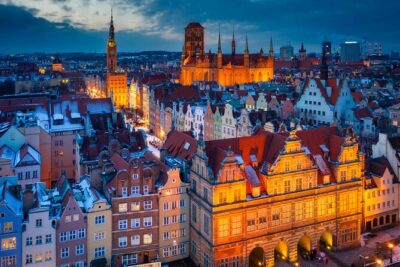
Gdańsk is one of those cities where the water is not just scenery. It is part of how the city worked, traded, defended itself, and rebuilt after major damage. This cruise gives you that “from the river” view without the effort of walking between far-flung sights.
The boat is electric, which matters more than you might think. You get a quieter ride, so conversations stay easy and the audio guide has a fighting chance of being heard clearly. The pace is also relaxed, so the experience feels more like floating than rushing. If you are tired from walking the Long Market and Old Town lanes, this is a solid reset.
One more practical point: the boat experience is described as comfortable, with plush pillows and blankets. That helps you enjoy the ride even if the weather is a bit cool or changeable.
What You Get On Board: Comfort, Seating, and a Mini-Bar
This is not a “stand and strain for photos” kind of sightseeing cruise. You sit in comfortable seating and can use the provided pillows and blankets, which makes a big difference over a 50-minute session.
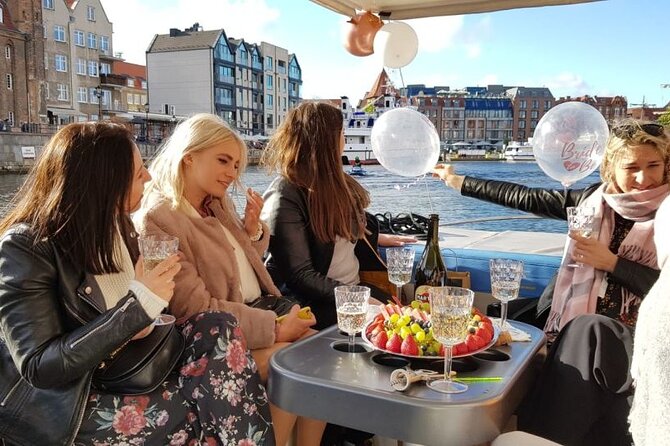
There is also a mini-bar onboard. The data does not list specific items or prices, but the point is that you can buy a drink rather than waiting until you finish. If you plan to take this early in the day, having the option can make the timing easier.
I also like that you can use a mobile ticket. That is usually a fast start, and it helps if your phone is your travel organizer.
The River Route: Historic Gates and the WWII Waterfront View
As you move through the Old Town waterways, you will pass a set of well-known historic water-gate buildings. The cruise route highlights St. Mary’s Gate, Stragglers Gate, St. John’s Gate, and the Holy Spirit Gate. Seeing them from the water changes the scale. Buildings that look like landmarks when you walk past can feel like serious structures when they are framed by the river.
The overview also points out two museum-related views from the water: the Soldek Museum and the World War II Museum. Even if you do not go inside, the waterfront perspective helps you understand why the city’s history is so tied to shipping, occupation, and rebuilding.
A quick tip for your photos: look for angles where gates and bridges line up with the water. On a short cruise, you will get better results by aiming for “framing shots” than by trying to photograph every single facade.
Green Bridge to Granaries Island: Where the Trade Money Lived
Two stops are the heart of the story: Green Bridge and Granaries Island. If you only remember one section of Gdańsk’s river history after this ride, make it this one.
Below are the other Gdansk trips we have logged
- Gdańsk: Motlawa River Yacht Cruise★ 4.6 · 272 reviews
- Gdansk: Scenic Evening Yacht Cruise with Welcome Drink★ 4.4 · 234 reviews
- Gdansk Guided City Cruise on Historical Polish Boat★ 4.5 · 230 reviews
- Gdańsk: Scenic Sunset Cruise with Welcome Drink★ 4.3 · 220 reviews
- Gdańsk: Motława River Eco Cruise at Sunset with Prosecco★ 4.8 · 142 reviews
Green Bridge: A Drawbridge Past
The Green Bridge connects the historic center with Granaries Island and is an extension of the Long Market. The name stuck because it was painted green in earlier times, and before the 19th century it was partly wooden. After reconstruction into a steel structure, the original color disappeared, but the name remained.
It is also noted that until the end of World War II, the bridge functioned as a drawbridge. That historical detail matters when you look at the river today. You can imagine how moving waterway traffic and the need for access shaped everyday life.
Granaries Island: Nearly 360 Storage Buildings
Granaries Island sits between two arms of the Motława River and stretches about 2.5 kilometers long, around 300 meters at the widest point. For centuries, it worked like a storage machine for the city.
The cruise notes nearly 360 granaries. They were mainly for grain, but they also served as warehouses for wood, resin, ash, and other traded goods. From the water, you get a sense of how much space the port needed, and how Gdańsk’s wealth depended on steady movement of supplies.
The overview also mentions that former warehouses have been transformed into a more stylish neighborhood. That is part of why this area feels good today. You are looking at old utility spaces that have been repurposed, while the river still runs the same way it always has.
Crane Power: The Red Brick Crane and Medieval Port Work
One of the most interesting pieces on this route is the Crane, often described as a huge water gate that also doubled as a port crane. It served defensive purposes and lifting operations, which is a neat reminder that shipping infrastructure was never just about convenience.
The data says that after expansion in the 15th century, it was considered the largest structure of its kind in medieval Europe. That is an impressive claim, and the details support why it feels dramatic even when you only see it from the water.
Here is the mechanics story you should keep in mind while you watch: the crane mechanism had two pairs of large walking wheels on common axes. Workers operated it by walking inside the wheels. With the pulley ropes, it could lift up to two tons. When you understand the power behind it, the structure stops being just an old landmark. It becomes evidence of how seriously Gdańsk ran its port.
Practical photo tip: if you can, capture it in profile rather than straight on. The machine details and structure scale are easier to read from an angle.
Sołdek, Fish Market, and Brabank: Seeing Time Layers at One Stop

This cruise is not only about medieval scenes. It also helps you notice how the city evolved, with old trade spaces shifting into new uses.
Sołdek: A WWII-Era Shipyard Legacy in Plain View
The cruise passes the s/s Sołdek, described as the first Polish ship built after World War II in the Gdańsk shipyard. It is also named after worker Stanisław Sołdek, a stevedore associated with the shipyard.
The hull has visible rivets used to join elements, totaling over 300,000. That detail is your clue that the ship is not just a prop. It is a physical reminder of rebuilding, manufacturing skill, and the hard, measurable side of maritime work.
Fish Market: Teutonic Permission and Local Catch
The Fish Market area has a long timeline too. In the 14th century, the Teutonic Knights allowed fresh fish sales in the square near the castle walls, while securing priority of choice and purchase. Fishermen from Gdańsk, Wisłoujście, and Hel sold catches there.
Even if you do not stop to eat, this is a good moment to connect the dots. Gdańsk was a trading hub, but it also depended on local supply chains. A fish market is the everyday version of port economy.
Brabank: The Same Mouth of the River, a New City Style
Brabank refers to modern residential buildings near the mouth of the Radunia Canal into the Motława River. This is where the cruise helps you feel the city’s layering: older port functions, newer residential waterfront life, all within the same watery corridor.
Polish Hook and the Imperial Shipyard: Grain Rafts to Steamers
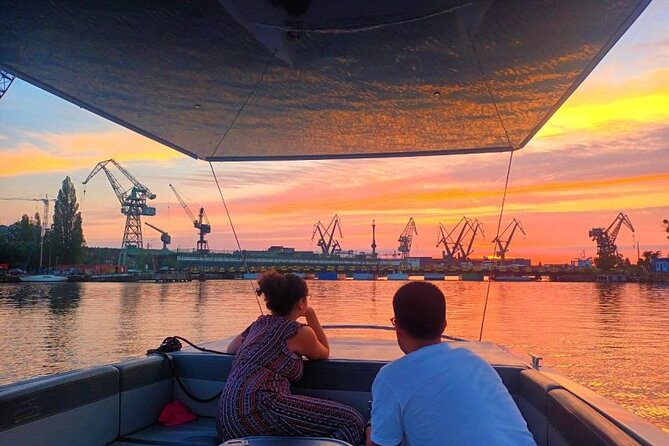
The route also includes the Polish Hook and imperial-era shipyard context, which makes the cruise feel like a story arc from people and goods moving to industrial growth.
Polish Hook: Rafts, Grain, and Bonfire Entertainment
For centuries, the headland at the mouth of the Motława River to the Martwa Wisła was known as the Polish Hook. It was where raftsmen camped after weeks of floating with grain to Gdańsk.
Merchants came to inspect and buy imported grain. People also visited socially, not just for business. The background detail about raftsmen singing, playing, and dancing around bonfires adds a human touch. It is a reminder that port life had a community side, not just a transaction side.
This is the section where I think you benefit most from paying attention to the narration. The physical area might look like another waterfront bend, but the story gives it meaning.
Imperial Shipyard: From Repair Workshop to Steam and Iron
The Imperial Shipyard portion is tied to 19th-century industrial development. The data says that a small corvette repair workshop operated there, associated with a navigational school. The workshop expanded from building wooden steamers to iron ones.
Land was purchased and additional workshops, warehouses, a forge, foundry, and office buildings were created. The former workshops were renamed the Royal Shipyard, and after German unification in 1871 it became the Imperial Shipyard.
From the water, these industrial names can feel abstract. The useful part is the timeline. You start to see why Gdańsk became important for bigger ships and modern manufacturing.
How Long It Is, How Big the Group Is, and Who This Fits Best
The cruise lasts about 50 minutes. That length is a sweet spot if you want Old Town highlights without losing a half day. It also means you should plan this as a visual sampler, then return later on foot if something caught your interest.
The group size is capped at 8 travelers. That small limit keeps the experience calm, and it also means the boat setup feels more intimate than the big group tours.
Who I think this suits:
- First-time visitors who want a fast, high-impact water view of Old Town.
- Travelers who like history but prefer to learn from the water, not from long museum lines.
- Anyone who wants a light, relaxing activity during a day heavy on walking.
If you are traveling with kids, the short duration is helpful. And if mobility is limited, the seated setup helps you enjoy the route without a lot of steps.
My Booking Reality Check: Weather and Occasional Operational Issues
This experience is described as requiring good weather. If it is canceled due to poor weather, you should be offered a different date or a full refund. That is what you want to hear from any outdoor water activity.
One thing to keep in mind is that a small boat operation can be vulnerable to mechanical problems, and there have been examples of tours being canceled or stopped close to the scheduled time. Refund handling can also take some time depending on the booking path.
So here is my practical advice: book it for a day where you have flexibility. If the date is a hard deadline, add a backup plan for the same day or the following day. If you can, check messages or updates on the day of travel, especially if you booked close to the departure date.
Should You Book This Gdańsk Old Town Motława Cruise?
Yes, I would book it, especially if you want an easy first look at Gdańsk from the water. The price is about $21.62 per person for roughly 50 minutes, and the value is in the mix: a quiet electric boat, comfortable seating with pillows and blankets, and an English audio guide that helps you connect the dots between gates, bridges, granaries, cranes, and shipyard landmarks.
Book it if:
- You like short, efficient sightseeing.
- You want a calm break from walking.
- You want both medieval port features and more modern waterfront perspectives in one ride.
Skip it if:
- You only want attractions where you can get out and roam for long periods, since this is primarily a cruise view.
- Your schedule is too tight for weather or last-minute operational changes.
If you do book, aim for a day with good skies, come with curiosity, and let the river narration guide your “what am I looking at” moments. It is a simple plan that pays off in the way it changes your mental map of Gdańsk.
FAQ
How long is the Old Town Gdańsk sightseeing cruise?
The cruise lasts about 50 minutes (approximately).
Where does the tour start and end?
It starts at Powroźnicza 13/15, 80-828 Gdańsk, Poland, and it ends back at the same meeting point.
Is there an English audio guide?
Yes, an audio guide in English is available for cruise information.
What kind of boat is used?
The cruise is on an eco-friendly, electric boat.
Is there food or drinks available on board?
There is an onboard mini-bar where you can buy a drink.
Is this a small group tour?
Yes, the activity has a maximum of 8 travelers.
Do I need a paper ticket?
No, you use a mobile ticket.
Is the experience weather dependent?
Yes, it requires good weather. If it is canceled due to poor weather, you will be offered a different date or a full refund.
What is the cancellation window for a full refund?
You can cancel up to 24 hours in advance for a full refund.
Are service animals allowed?
Yes, service animals are allowed.
More Cruises & Boat Tours in Gdansk

More Tour Reviews in Gdansk
Gdansk, Three More Ways
Recently written up around Gdansk


More Gdansk Old Town Tours.
 ★ 4.8City Cruise on Historical Polish BoatFrom $222,913 reviews
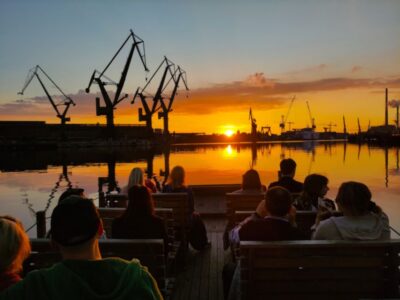 ★ 4.9Sunset Cruise on a Historic Polish BoatFrom $26977 reviews
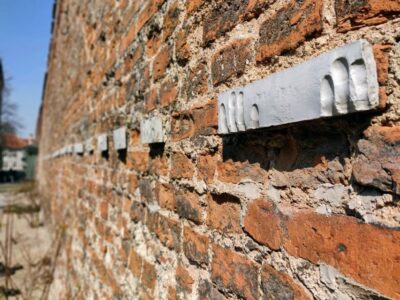 ★ 4.8Gdańsk City Sights & History Guided Walking Tour in EnglishFrom $26876 reviews
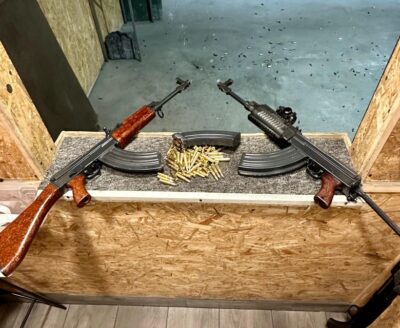 ★ 4.8Firearm Shooting Experience with InstructorFrom $41866 reviews
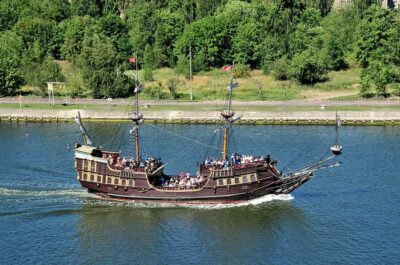 ★ 4.3Guided Round-Trip Cruise to WesterplatteFrom $33865 reviews
 ★ 4.6Sightseeing EcoCruise around the Old Town of GdanskFrom $19719 reviews
 ★ 5.0Main Town Gdańsk Walking TourFrom $26644 reviews
 ★ 5.0Gdansk Pub Crawl with Free DrinksFrom $21553 reviews
Also on these Poland lists