
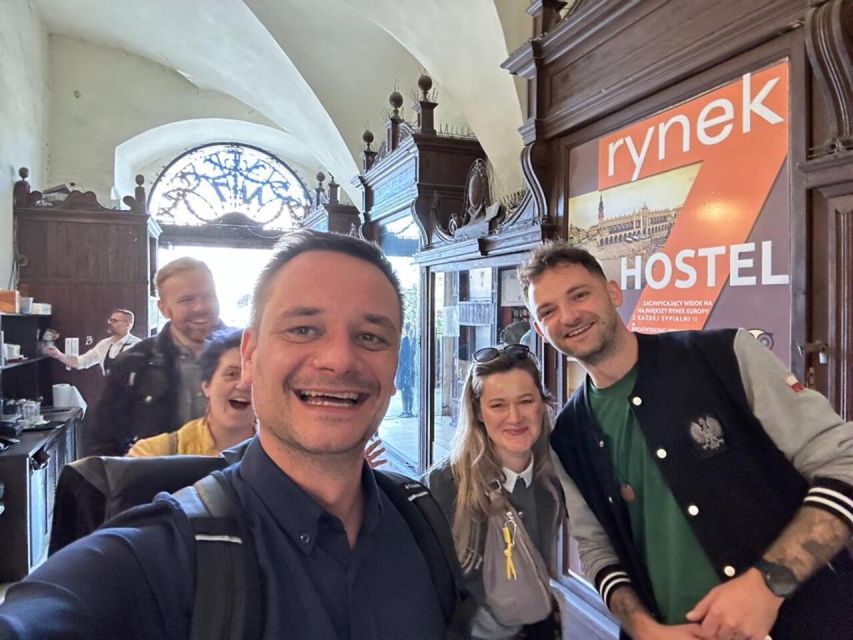
REVIEW · KAZIMIERZ JEWISH QUARTER TOURS
The Jewish Quarter – Walking Tour
Cameras start before you do. This 2-hour walk through Krakow’s Kazimierz brings together Jewish life, WW2 history, and movie locations in one clear route, with a licensed English guide. I especially like the way the tour uses Schindler’s List filming points to help you read the streets, not just see buildings. You’ll also get a structured look at how Jewish and Christian communities lived side by side in Krakow for centuries.
What I liked even more is the focus on licensed guiding and plain, organized explanations from Zee, the guide named in multiple bookings. You’ll move through key places tied to Jewish religious life, community memory, and the Holocaust era, including stops tied to synagogues you can still find on the map. The main drawback to consider is that admission tickets are not included, so if you want to go inside certain sites, you may need to budget extra on the spot.
In This Review
- Key highlights to look forward to
- Kazimierz’s streets tell the story fast
- Finding the meeting spot at Restaurant No7 courtyard
- Kazimierz Main Square and Miodowa Street: the neighborhood’s “outer frame”
- Synagogues and what each one teaches you
- Tempel Synagogue stop
- Kupa and Izaak synagogues
- The oldest building from the 1400s
- Mikveh time: ritual life beyond big landmarks
- Szeroka Street and the people behind the name
- Helena Rubinstein’s birth place
- Nissenbaum Family Foundation monument
- A statue of someone who tried to stop the Holocaust
- Remuh Synagogue, cemetery grounds, and the weight of memory
- Schindler’s List filming locations: reading the neighborhood through film
- How ZeeTour’s licensed guiding shapes the whole experience
- Price and value for a 2-hour walking format
- Who this tour suits best in Krakow
- Should you book the Jewish Quarter Walking Tour?
- FAQ
- How long is the Jewish Quarter walking tour in Krakow?
- Where do I meet the guide?
- What is the tour price?
- Is the tour guided, or self-guided?
- Are admission tickets included?
- Is public transportation included?
- Is the tour wheelchair accessible?
- Can I cancel or adjust plans?
Key highlights to look forward to
- Licensed English guiding with Zee to keep the history understandable and organized
- Schindler’s List filming locations placed right into the story of Kazimierz
- Jewish life in Krakow from early settlement patterns through WW2
- Major synagogue stops, plus places tied to ritual life like the Mikveh
- Thoughtful memorial moments, including a statue of a man who tried to stop the Holocaust
- A route that’s wheelchair accessible, so you can plan without guesswork
Kazimierz on foot, by cart and after dark. Our other write-ups
- Krakow: Jewish Quarter and Former Ghetto Tour
★ 4.9 · 1,441 reviews - Krakow: Bike Tour of Old Town, Jewish Quarter and the Ghetto
★ 4.9 · 1,155 reviews - Krakow: Kazimierz Jewish Quarter Walking Tour
★ 4.8 · 571 reviews - Krakow: Kazimierz, Schindler’s Factory & Ghetto Guided Tour
★ 4.8 · 460 reviews
Kazimierz’s streets tell the story fast
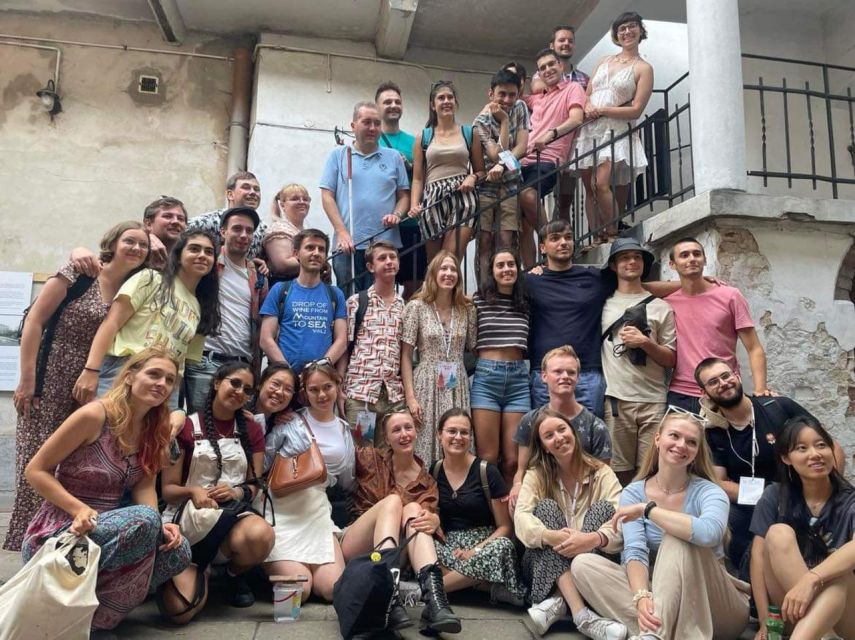
Before you hit any specific site, you’ll learn why Kazimierz is such an important place to understand Krakow. At certain points in Krakow’s recent history, the city can feel less multicultural than you’d expect. This tour is built to correct that. It shows you what the area used to be, when Jewish and Christian lives overlapped in daily life and shared space.
You’ll also get a big historical anchor that matters for context: in the 16th century, around 75% of the world’s Jewish population lived in Poland. That single statistic helps you understand why Krakow, and Poland more broadly, isn’t a side note in Jewish history. It’s central.
For the practical side, it’s a walk that takes about 2 hours. That’s long enough to make real connections, short enough to keep your Krakow days flexible.
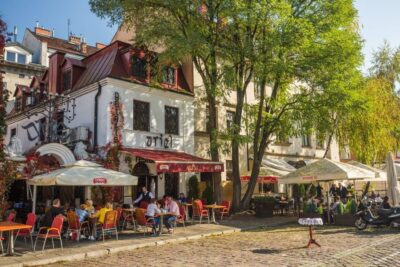
Finding the meeting spot at Restaurant No7 courtyard
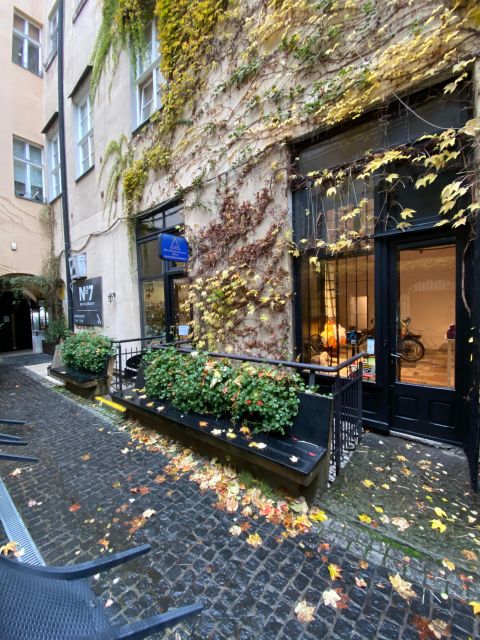
Start by looking for Restaurant No7. Go into the building, then head to the courtyard. ZeeTour’s office is in that courtyard, and it’s the second shop on the left.
I like meeting points like this because you avoid the usual scramble. You can also scan the building entrance before the tour starts, which keeps the first few minutes calm.
If you’re arriving from a hotel, give yourself a few extra minutes to find the courtyard. On walking tours, those small delays can steal time from your first stop.
Kazimierz Main Square and Miodowa Street: the neighborhood’s “outer frame”
You’ll begin around Kazimierz’s Main Square. Even if you only take in the feel of the space, it sets the tone. This wasn’t just a historic Jewish neighborhood in the abstract. It was an urban place with streets, movement, and life.
Next comes Miodowa Street, tied to the city walls of Kazimierz. Walls are more than old stone. They represent boundaries and protection, but also the shape of community. As you walk this stretch, you’ll get a sense of how a neighborhood can be both connected to a city and separated by design.
This is one of those parts where the guide’s role matters. Good guiding helps you stop treating “old streets” like scenery. You start seeing them as infrastructure for community life.
Synagogues and what each one teaches you
The tour focuses heavily on religious and communal landmarks. You’ll see multiple synagogue sites, each offering a slightly different angle on Jewish life in Krakow.
Below are the other Krakow trips we have logged
- Old Town Krakow & Wawel Castle Walking Tour★ 5.0 · 1,508 reviews
- Creepy Krakow: 2-Hour City Walking Tour★ 4.7 · 1,131 reviews
- Krakow: The Old Town Walking Tour★ 4.8 · 794 reviews
- Kraków: Old Town & Wawel Castle Walking Tour in English★ 4.8 · 532 reviews
- Krakow: Evening Walking Tour with Spooky Stories★ 4.7 · 500 reviews
Tempel Synagogue stop
You’ll visit the Tempel Synagogue area, which helps you understand how faith was practiced publicly and how architecture expresses community priorities.
Kupa and Izaak synagogues
Then you’ll move to stops connected with the Kupa Synagogue and Izaak’s Synagogue. Even without going deep into architectural minutiae, this string of sites gives you a pattern: synagogues weren’t just places to worship. They were community anchors that connected people across generations.
The oldest building from the 1400s
One standout moment is seeing the oldest building inside the Jewish Quarter from the 1400s. That date gives you a real timeline in your head. When you look at a place like this, it’s not just old. It’s old in a way that helps you picture how far back organized Jewish life in the area goes.
A practical note: since admission tickets are not included, you may be outdoors or in viewing areas more than you expect. The guide can still explain plenty, but if you’re hoping for lots of indoor time, keep that budget point in mind.
Mikveh time: ritual life beyond big landmarks
Not every tour includes a Mikveh stop, and that’s exactly why this one works. You’ll visit the Mikveh, a ritual cleansing bath house for females from the 16th century.
This kind of stop changes how you understand the neighborhood. It turns “Jewish Quarter” from a label into lived practice. A Mikveh is about ritual preparation, community expectations, and continuity. Seeing it in context gives you a more complete picture than synagogue exteriors alone.
If you like history that connects daily life to big events, this is one of the best moments on the walk.
Szeroka Street and the people behind the name
You’ll continue along Szeroka Street, which gives you more walking rhythm and more chances to absorb street-level context. From there, the tour adds human scale through specific names and places.
Helena Rubinstein’s birth place
You’ll visit Helena Rubinstein’s birth place. That matters because it links Krakow not only to tragedy and religious history, but also to notable lives that left a mark beyond Poland.
Nissenbaum Family Foundation monument
Then you’ll see the Nissenbaum Family Foundation monument. Memorials like this help you understand how communities remember, even when records and populations have been violently disrupted.
A statue of someone who tried to stop the Holocaust
You’ll also come across a statue of a man who tried to stop the Holocaust. That stop is emotionally heavy, but it adds something important to the story. It shifts the focus from only loss to also courage and resistance, even in moments when odds were brutal.
If you’re sensitive to WW2 topics, pace yourself. Take short breaks when needed. A two-hour walk moves quickly, and the guide’s explanations can be intense.
Remuh Synagogue, cemetery grounds, and the weight of memory
Later, you’ll reach the Remuh Synagogue and the Jewish Cemetery area. Cemetery ground is different from a street or a square. The guide’s role here is to keep it respectful, grounded, and meaningful.
You’ll also visit Popper’s Synagogue and the Old Synagogue. Together, these stops build a strong sense of continuity. Jewish life in Kazimierz wasn’t a single moment. It spanned centuries, and it left physical markers you can still trace today.
As you move through these places, you’ll start to notice how Krakow’s Jewish heritage isn’t only “history behind glass.” It’s still part of the city’s structure, even after the breaks and losses of WW2.
Schindler’s List filming locations: reading the neighborhood through film
This is the part many people come for, and it’s also one of the most useful ways to understand why Kazimierz still matters on a global level.
You’ll visit numerous filming locations from Schindler’s List. The value isn’t only that a movie was shot here. It’s that the guide uses those points to connect film scenes to real neighborhoods, real streets, and real community locations.
I like this approach because it turns screen memories into spatial understanding. You start remembering street angles, distances, and street names, not just the plot.
It’s also a good way to make the WW2 section feel less abstract. When the guide anchors events in recognizable locations, the story becomes easier to hold onto after the walk.
How ZeeTour’s licensed guiding shapes the whole experience
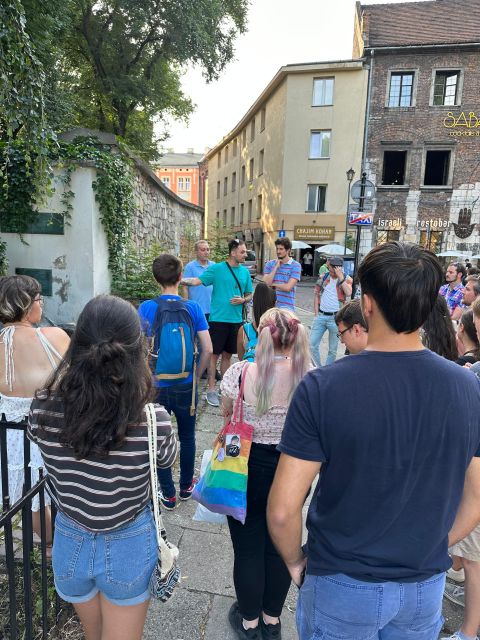
A walking tour lives or dies by the guide, and Zee gets strong credit in bookings. People point out that Zee goes above and beyond to show you what you want to see, and that the explanations are organized and worth paying attention to.
That matters because Jewish history in Krakow covers multiple layers. You have medieval and early settlement patterns, changing community life, religious practice, and then a WW2 rupture that changes everything.
A licensed, English-speaking guide is what keeps it coherent. You’re not just bouncing between stops. You’re learning what each place means, and how the pieces connect.
If you want history with context, this is one of the better starting points in Krakow, especially if Kazimierz is your first big deep slice of the city.
Price and value for a 2-hour walking format
The price is $33 per person for 2 hours, with guiding services included through licensed guides. For a guided Jewish Quarter walk that covers multiple synagogues, the Mikveh, cemetery area, and Schindler’s List filming points, that cost can feel reasonable, especially compared to piecing together multiple separate visits on your own.
There are two value tradeoffs to understand:
- Admission tickets are not included. If you want to enter certain sites rather than view them from outside, you may need to pay separately.
- Public transportation is not included. So plan to arrive on foot, via your own transport plan, or with local walking time baked in.
Still, as a starting tour, the $33 covers the hard part: guided context. That can be worth more than a free self-guided walk if you’re trying to understand the “why” behind the “where.”
Who this tour suits best in Krakow
This is a great pick if you:
- Want a focused way to understand Kazimierz and Poland’s Jewish history
- Like seeing synagogues and ritual places explained in plain language
- Prefer an English, live guide over reading on your own
- Want an efficient 2-hour introduction that also includes WW2 context and Schindler’s List locations
It may be less ideal if you’re allergic to walking or if you only want museum-style, indoor time. This tour is built around streets and landmarks, so comfortable shoes and weather planning matter.
Wheelchair accessible is listed, so if mobility is a concern, this is a good option to ask about route specifics before you go.
Should you book the Jewish Quarter Walking Tour?
I’d book this tour if you want your Krakow time to feel connected. This walk gives you structure: you see major synagogue sites, learn about ritual life through the Mikveh, and get a guided pass through Jewish and Christian coexistence over centuries. Then it brings you to WW2 memory, with Schindler’s List filming locations tied into the same story.
Book it if you also like learning from a guide who keeps things organized and responds to what you want to see. With Zee as the guide named in bookings, you’re getting a real person who can translate complex history into a route you can remember.
Skip it only if you know you need lots of included admissions or if you want a short, low-effort stroll. At 2 hours, it’s a committed walk, but it’s not a half-day marathon.
FAQ
How long is the Jewish Quarter walking tour in Krakow?
The tour lasts 2 hours.
Where do I meet the guide?
Meet at Restaurant No7. Go into the building, then into the courtyard. ZeeTour’s office is the second shop on the left in that courtyard.
What is the tour price?
It costs $33 per person.
Is the tour guided, or self-guided?
It is a live guided tour with licensed guides. The guide operates in English.
Are admission tickets included?
No. Admission tickets are not included.
Is public transportation included?
No. Public transportation is not included.
Is the tour wheelchair accessible?
Yes, wheelchair accessibility is listed.
Can I cancel or adjust plans?
Free cancellation is available up to 24 hours in advance for a full refund. You can also reserve now and pay later to keep plans flexible.
More Tours in Krakow
More Tour Reviews in Krakow
Kazimierz, Keep Going
Recently written up around Krakow
More Kazimierz Jewish Quarter Tours.
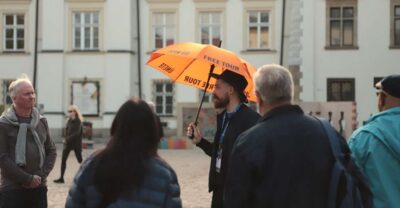 ★ 4.9Jewish Quarter and Former Ghetto TourFrom $191,441 reviews
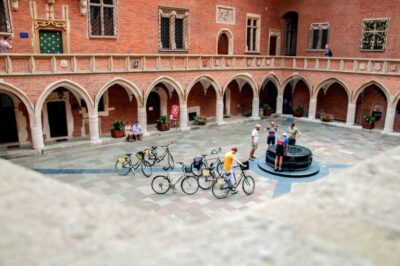 ★ 4.9Bike Tour of Old Town, Jewish Quarter and the GhettoFrom $371,155 reviews
 ★ 4.8Kazimierz Jewish Quarter Walking TourFrom $27571 reviews
 ★ 4.8Kazimierz, Schindler’s Factory & Ghetto Guided TourFrom $81460 reviews
 ★ 5.0Full Bike Tour – the Old Town, Jewish Qtr & the Ghetto NEW BIKESFrom $35437 reviews
 ★ 4.9Bike Tour of the Old Town, Kazimierz, and the GhettoFrom $26350 reviews
 ★ 4.6Jewish Quarter and Ghetto Electric Golf Cart TourFrom $34348 reviews
 ★ 5.0Jewish Krakow Walking TourFrom $26307 reviews
Also on these Poland lists