
REVIEW · NOWA HUTA AND COMMUNISM TOURS
Warsaw: Private Communism Tour with Hotel Pickup
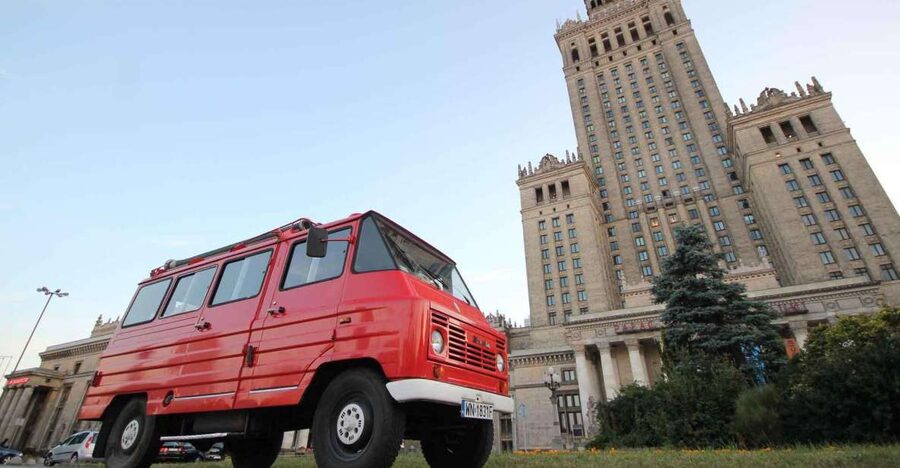
Warsaw’s communist story comes with street-level details. This private tour pairs a Żuk retro minibus ride with a local English-speaking guide who makes 1950s to 1980s Poland feel understandable, not abstract. I especially like the format, because you get real time to ask questions, and the pace stays human.
The biggest thing to weigh is comfort: these classic minibuses are not air conditioned, and some may not have seat belts. You’ll also do short walking segments at each stop, so wear comfortable shoes. Hotel pickup is included only within 3 km of the city center, so double-check your starting point.
In This Review
- Key Points to Know Before You Go
- The Żuk Minibus Factor: History With Wheels
- A 3-Hour Private Route That Lets You Ask the Real Questions
- Warsaw After World War II: Rebuilding Under Socialist Ideals
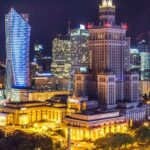
- Palace of Culture and Science: The Monumental Face of the System
- Constitution Square: Public Space as Political Theater
- Former Communist Party Headquarters: Where Power Was Decided
- Everyday Life Under Communism: Shortages, Censorship, Survival Skills
- 1980s Shifts and 1989 Elections: The End Comes Into Focus
- How Guides Turn Stops Into Meaning (Martin and Lucasz Stand Out)
- Price and Logistics: When $165 Feels Fair
- What to Wear and Expect on the Day
- Who This Tour Is For, and Who Might Skip It
- Should You Book This Communism Tour of Warsaw?
- FAQ
- How long is the Warsaw Private Communism Tour?
- Is this tour private?
- Does the tour include hotel pickup and drop-off?
- What transportation is used during the tour?
- Are food and drinks included?
- Is air conditioning available in the minibus?
- Are children allowed, and is a seat booster needed?
Key Points to Know Before You Go
- Retro Żuk minibus makes the politics feel physical, not textbook-like
- Private, local English guide means you can steer questions and follow up
- Major landmarks like the Palace of Culture and Science and Constitution Square anchor the story
- Everyday life under communism gets explained through shortages, censorship, and survival habits
- Comfort is basic: no air conditioning, plus some vehicles may have no seat belts
- Pickup and drop-off are included, but only within 3 km of central Warsaw
Weighing options? These Palace Of Culture And Science write-ups sit closest to this one.
- Warsaw: Palace of Culture and Science Tour with Terrace
★ 4.2 · 418 reviews
The Żuk Minibus Factor: History With Wheels
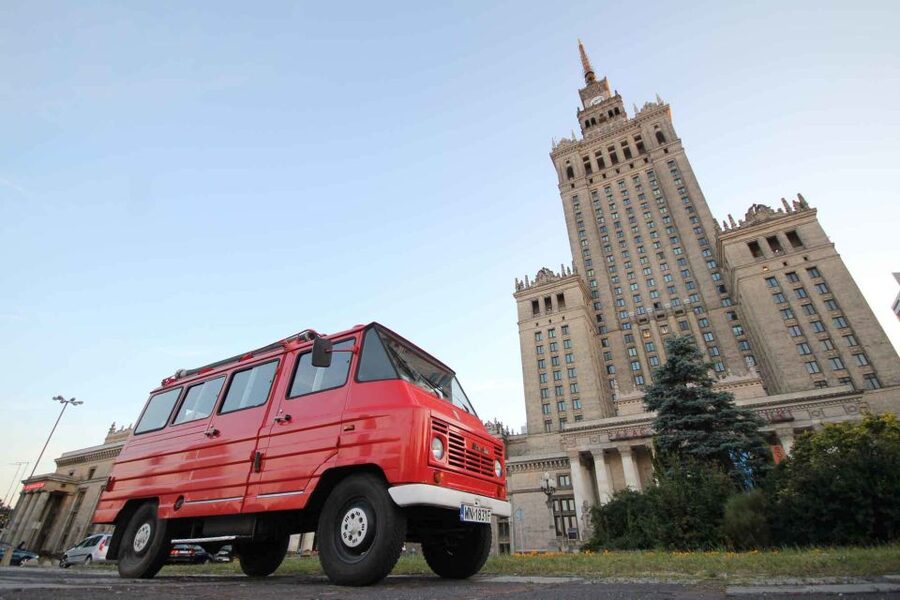
This tour starts the moment you meet the driver and climb into the vintage Żuk. It is an iconic communist-era vehicle built in Poland, and that matters more than you might expect. When the transport itself comes from the period being discussed, the tour stops feeling like a museum lecture and starts feeling like an era you can ride through.
You also cover more ground than you would on foot. That matters in Warsaw, where getting between major sites can eat time fast. The minibuses are used mainly for transfers between locations, then you walk briefly at each stop.
If you are traveling with kids or older family members, the private format helps. You can keep the rhythm steady and avoid the pressure of waiting for a full bus. One small note: the vehicles have heating for winter, so colder months are more comfortable than you might fear.
A 3-Hour Private Route That Lets You Ask the Real Questions
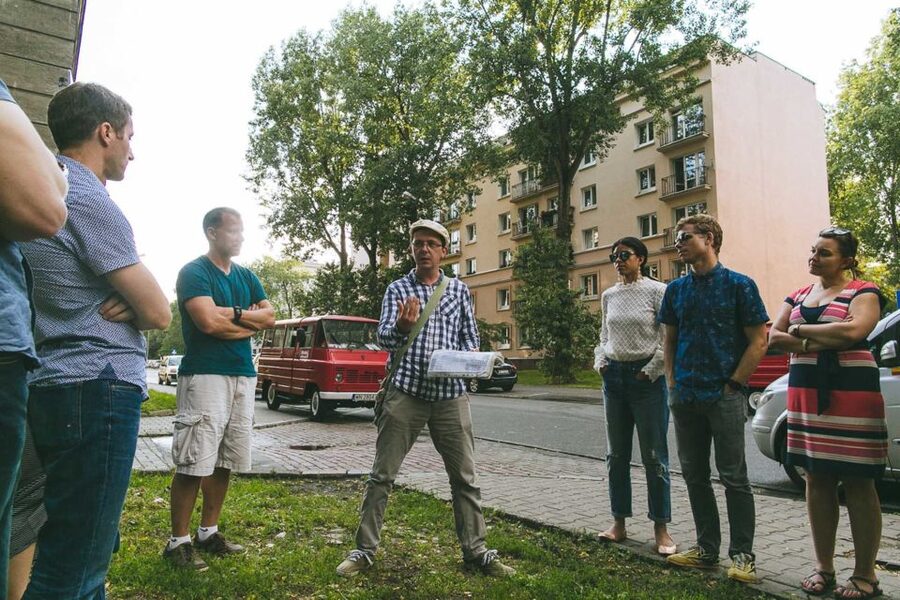
The tour runs about 3 hours, and the private setup is the point. You are not stuck with a rigid script that ignores what you care about. If you want to focus on daily life, you can. If you want the political timeline, the guide can center that instead.
That flexibility shows up in how the walking segments work. You get stops tied to key communist-era themes, then you reboard the minibus without long commutes. This is especially helpful because the tour is designed around context, not only sightseeing.
From the guide experience, I like that the best tours of this kind leave room for discussion. In past groups, guides have been open to talk about Poland then, Poland now, and where things may be heading next. If that is your style, you will likely feel in good hands.
Warsaw After World War II: Rebuilding Under Socialist Ideals
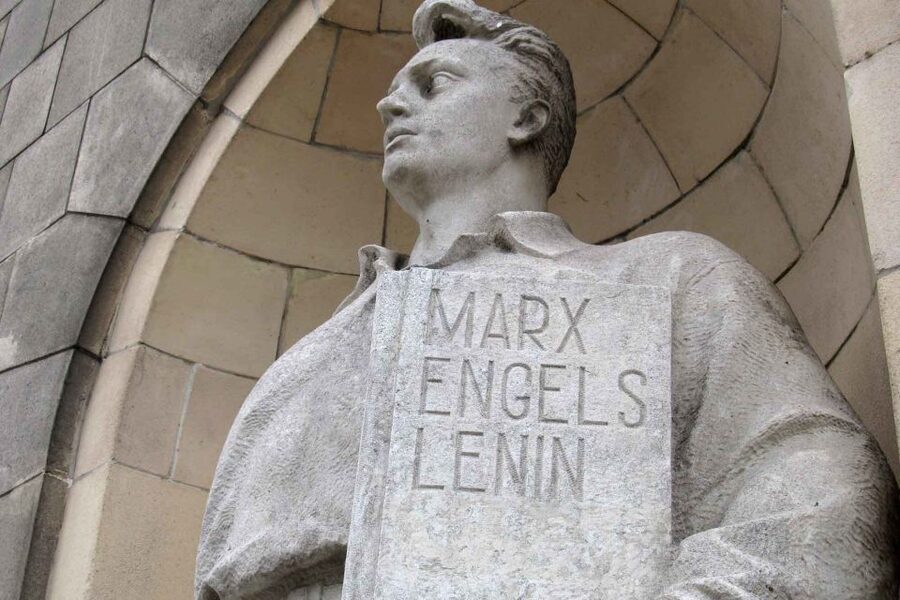
A big chunk of the story begins after World War II, when Warsaw was destroyed and then rebuilt. On this tour, you get the “how” and the “why,” not just the dates. The guide explains how the city’s redevelopment tied into socialist ideals, meaning architecture, public space, and symbolism were treated as tools of ideology.
This is where the tour earns its keep. Many history walks stop at monuments. Here, the guide connects those monuments to everyday outcomes. You start seeing communist planning not as a distant concept, but as something that shaped what people could buy, where they could go, and how they spent their time.
If you pay attention, you’ll catch a pattern: big statements in stone and concrete, paired with smaller realities in apartments, workplaces, and shops. That contrast is the core of understanding communism in Warsaw.
Palace of Culture and Science: The Monumental Face of the System
One of the key stops is the Palace of Culture and Science. This building works as a symbol you can’t ignore, and the tour treats it that way. The guide explains why this kind of landmark mattered, since it stood for power, unity, and the Soviet-influenced vision of modern life.
What I like here is the interpretation. It is not only what the building is, it is what it was meant to communicate. You hear how the system used grand public projects to project strength, progress, and control.
The practical takeaway for you: look at it as a political statement in steel and stone. Then, connect it to the quieter constraints that residents lived with. That is how you turn a photo stop into a real understanding.
Constitution Square: Public Space as Political Theater
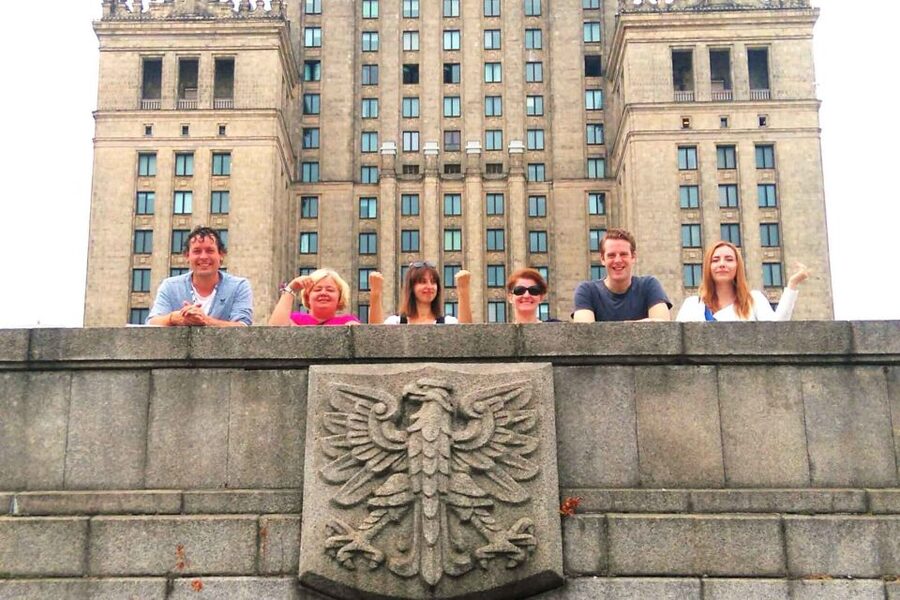
Next is Constitution Square, another anchor point in the communist-era story. Squares like this were not just places to walk through. They were designed for public life, official events, and visible demonstrations of state authority.
This is where the tour’s everyday-life angle helps. A guide who only talks about rulers can leave you with facts but no feeling. Here, you get a sense of how public space and public messaging affected daily routines.
You’ll also get a clearer picture of how censorship and centralized planning were not just policies on paper. They shaped what people were allowed to discuss openly, and what they had to navigate in private. That’s why constitution-themed spaces land differently after the tour explains the social climate behind them.
Former Communist Party Headquarters: Where Power Was Decided
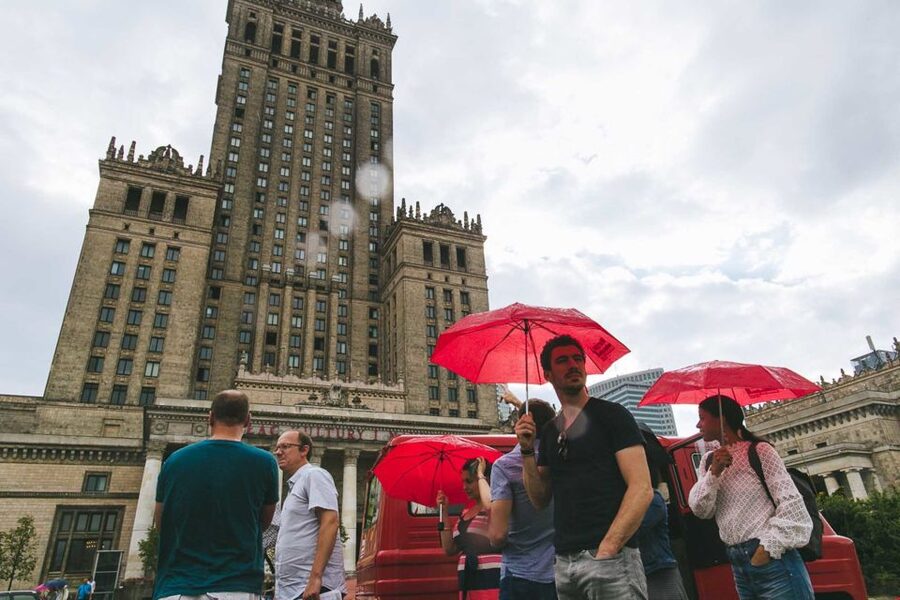
The tour includes a look at the former Communist Party headquarters area. This is a more “serious” stop, and it is essential if you want the whole machine. Big monuments tell one story, but decision-making locations tell another, more direct story.
The guide connects the headquarters to how the system operated. You hear how power ran through institutions, how plans were set centrally, and how information could be controlled. That context makes later political shifts in the 1980s easier to understand, because you can see what was actually changing.
There’s also a human element in this stop. When power is distant and rules are enforced through systems, people respond with habits. This tour keeps returning to those habits, like building informal networks and finding practical ways to get by.
Everyday Life Under Communism: Shortages, Censorship, Survival Skills
This is the heart of the experience. The tour walks you through how ideology shaped ordinary life for decades. You hear about shortages and a centrally planned economy, plus censorship that affected what could be said and published.
The guide also covers how people adapted. The key ideas are informal networks and creative survival strategies. In other words, life often ran on relationships, favors, and workarounds, not only on official systems.
That portion is where the tour becomes genuinely useful for you. When you understand how people navigated daily constraints, you read the city differently. You stop thinking of communist Warsaw as a single aesthetic, and you start seeing it as a lived system with coping behaviors built in.
If you like learning, bring questions. Ask what people could do legally versus socially. Ask how shortages changed habits at home. You’ll get better answers than you would skimming a guidebook.
1980s Shifts and 1989 Elections: The End Comes Into Focus
The narrative runs into the 1980s, when political changes started to shake the system. The guide then brings you to the first free elections in 1989, which marked the end of communist rule.
This part helps you connect the dots. Without it, Warsaw communist sites can feel like separate exhibits from separate decades. With it, you see the arc: from rigid planning and controlled information, to growing unrest and reform, to a political turning point.
The “value” here is not just historical accuracy. It is perspective. After you hear how the system began, how it worked, and what broke it, you’re better equipped to understand why certain changes landed when they did.
How Guides Turn Stops Into Meaning (Martin and Lucasz Stand Out)
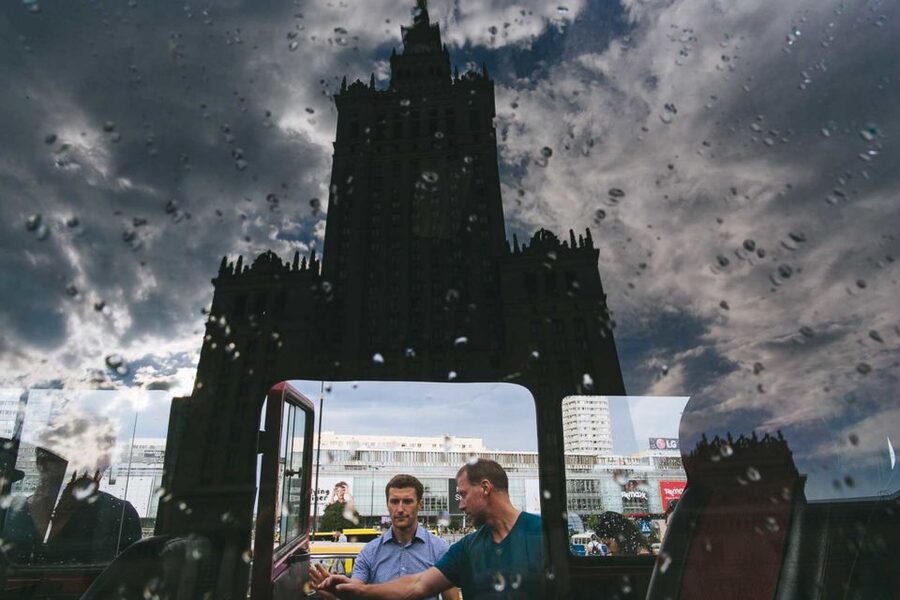
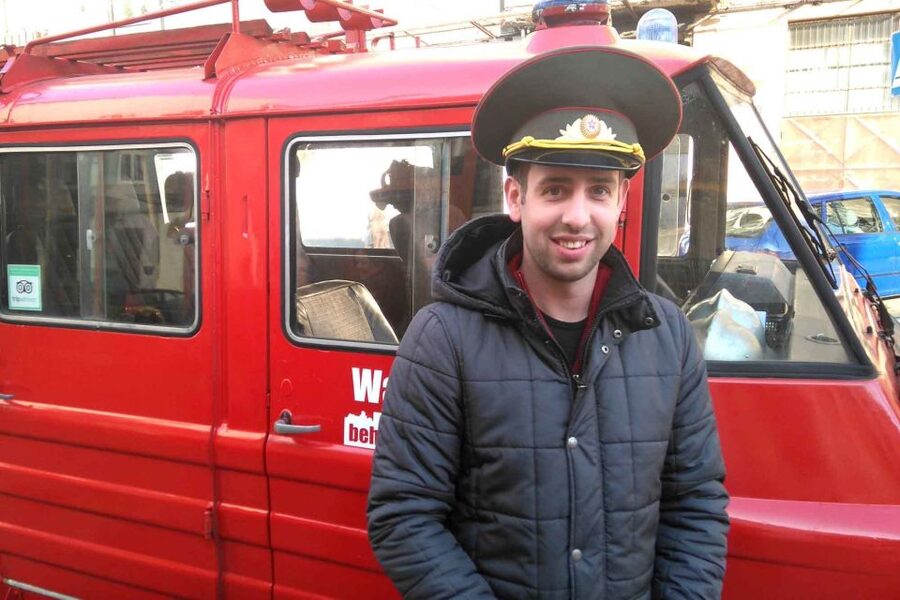
A big reason this tour earns top scores is the guide style. In past tours, guides like Martin and Lucasz have been praised for being friendly, smart, and open to discussion. One guide, Martin, even added two extra church stops for a smoother, more interesting route when timing allowed.
That kind of flexibility is not guaranteed, but it tells you something important about what to expect. A good guide here does more than recite dates. They help you connect themes, and they adjust the route if it improves the story.
You’ll also notice that the tour encourages questions rather than discouraging them. One standout theme in reviews is that guides were open to talk about past, present, and the bigger picture beyond Poland. If you like context and conversation, this private setup will suit you.
Price and Logistics: When $165 Feels Fair
At $165 per person for about 3 hours, you are paying for a private guide, hotel pickup and drop-off within 3 km of central Warsaw, and transport via the retro minibus. You are also paying for interpretation, not just transportation between stops.
So where does the value show up? It shows up if you want a guided narrative that covers both big monuments and the daily reality behind them. If you only want photos of famous buildings, you might feel this is more than you need. But if you want understanding, the private format makes the price easier to justify.
Food is not included, so plan on a snack or meal before or after. The tour ends with drop-off in central Warsaw at a location of your choice, which is handy if you have dinner plans nearby.
On the comfort and logistics side, remember this: no air conditioning, possible absence of seat belts on some vehicles, and short walks at each stop. If you are heat sensitive or mobility limited, dress and plan accordingly.
What to Wear and Expect on the Day
Bring weather-appropriate clothing, because Warsaw conditions can shift quickly. The tour is outdoors for short stretches between stops, and those breaks are part of how you get oriented and keep momentum.
Wear comfortable shoes. Even if the walking segments are not long, you’ll be on city surfaces and you do not want sore feet cutting your enjoyment.
For the vehicles: heating is included in winter, which is good news. For summer, expect basic ventilation rather than comfort like you’d get on a modern coach. If you run cold or warm easily, plan your clothing layers.
Also keep expectations realistic about vehicles. These are historic machines, so they may be missing some modern conveniences. That’s part of the charm, but it is also a consideration.
Who This Tour Is For, and Who Might Skip It
This is ideal for you if you want to understand communist Poland in a way that goes beyond plaques. If you enjoy asking questions and getting a guide to explain how ideology affected daily life, you’ll probably love this format.
It also makes sense for families who want a structured introduction to Cold War history without sitting through a long museum day. The private pace helps kids stay engaged, as long as they meet the size requirements, discussed below.
You might skip it if you are only interested in architecture, or if you prefer self-guided learning with minimal walking. Also think twice if you are strongly uncomfortable with vehicles lacking air conditioning, especially in hot weather.
Should You Book This Communism Tour of Warsaw?
I’d book it if you want a guided, coherent story with real context, delivered in a format that feels like part of the history. The private minibus ride is not just a novelty, it supports the experience by making the political era feel tangible and time-efficient.
Choose it especially if you value discussion. The guide can shape the tour around what you care about, and that flexibility is a real advantage in a subject as layered as communism.
Skip it only if you want a quick photo loop. This tour is about understanding how the system shaped people’s lives, from shortages and censorship to the political shift of 1989.
FAQ
How long is the Warsaw Private Communism Tour?
The tour lasts 3 hours.
Is this tour private?
Yes, it is a private group tour with a local English-speaking guide.
Does the tour include hotel pickup and drop-off?
Yes, pickup and drop-off are included within 3 km of the city centre in Warsaw.
What transportation is used during the tour?
You travel by a retro Communist-era Żuk minibus.
Are food and drinks included?
No. Food and drinks are not included.
Is air conditioning available in the minibus?
The classic vintage minibuses are not equipped with air conditioning. Heating is available for winter.
Are children allowed, and is a seat booster needed?
Adults and children over 150 cm (4 ft 9 in) can book. If a child is under 150 cm, you need to contact the operator in advance about seat boosters, which are mandatory under Polish law. Unaccompanied minors are not allowed.
More Tour Reviews in Palace Of Culture And Science
Warsaw, Keep Looking
Recently written up around Palace Of Culture And Science

More Nowa Huta and Communism Tours.
 ★ 4.9Nowa Huta Guided Tour in Vintage CarFrom $75277 reviews
 ★ 5.0Legendary Private Nowa Huta Communism Tour with Crazy GuidesFrom $131262 reviews
 ★ 4.9Nowa Huta: Steelworks Administration Buildings/Shelters TourFrom $24160 reviews
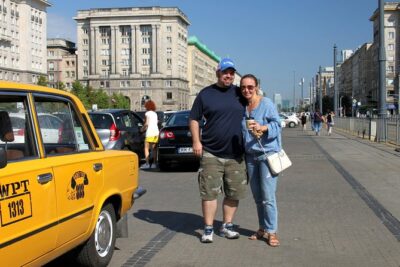 ★ 5.0Private Tour: Warsaw’s Communist History by Retro FiatFrom $108115 reviews
 ★ 4.9Private Nowa Huta Adventure Tour in Communist CarsFrom $108114 reviews
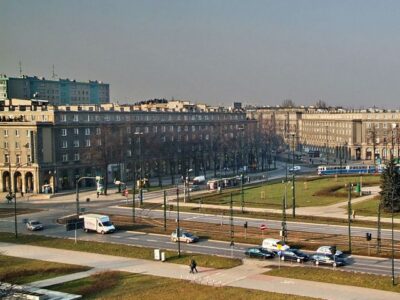 ★ 4.93.5-Hour Communism Deluxe Tour by TrabantFrom $21584 reviews
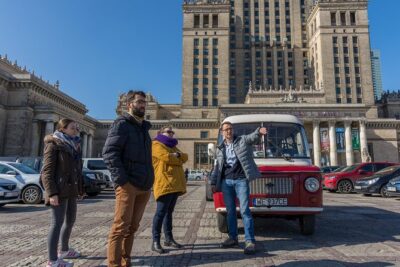 ★ 4.9Communism Tour in an Original Socialist VanFrom $7875 reviews
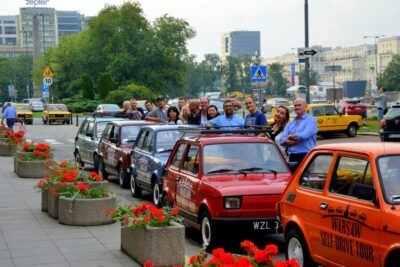 ★ 4.8Communist History Self-Driving TourFrom $6952 reviews
Also on these Poland lists