
REVIEW · WROCLAW CITY TOURS
Wroclaw: WW2 Tour to Project Riese & Gross-Rosen Museum
Underground Poland has a long WWII shadow. This private day links the Project Riese tunnel complex with the Gross-Rosen camp museum, using an English-speaking driver and audio guides to make the facts click. You start with a scenic drive out of Wroclaw, then you move site to site in a way that feels organized, not rushed.
What I like most is how the day balances two very different places: the eerie building project at Riese, and the camp story at Gross-Rosen, including a short film and time for indoor and outdoor exhibits. The only real consideration is comfort. Project Riese sits at about 8-10°C underground, and the tight spaces can be tough if you’re even mildly uneasy about enclosed areas.
In This Review
- Key things you should know before you go
- The Wroclaw drive that sets the tone for the day
- Project Riese: the Nazi construction project under the Owl Mountains
- Osówka, the Underground City feeling
- Timing at Riese, plus what you need to plan for
- What to wear: cold tunnels and steady steps
- Claustrophobia reality check, and who should skip this part
- Gross-Rosen concentration camp museum: film, then exhibits inside and out
- The short film and the 2-hour museum window
- Audio guides and language: helpful tools, but confirm your expectations
- The driver/guide is English-speaking
- Is $171 per person worth it? A value check for an 8-hour day
- Who this tour fits best (and who might want another option)
- What to bring for a smooth day underground and in a museum
- Should you book this Wroclaw WWII tour?
Key things you should know before you go
- Hotel pickup and round-trip transfer in an air-conditioned minivan, with an English-speaking driver/guide
- Two major WWII stops in one day, built for people who want structure and context
- Audioguides included at both Project Riese and the Gross-Rosen museum, with multiple language options
- Lunch timing is flexible, depending on whether you pause at Riese or go straight to Gross-Rosen
- Cold and claustrophobic warning: Project Riese is around 8-10°C underground and not suitable for claustrophobia
- Not for very young kids at Riese, since children below 5 cannot enter
The Wroclaw drive that sets the tone for the day
Your driver meets you at your hotel in Wrocław and you head out toward the Owl Mountains area. The ride to Project Riese takes about 1.5 hours, and it’s a pleasant mix of mountain roads and countryside, which helps you shake off the city before you step into something heavy.
This is also a logistics win. You do not have to coordinate trains, transfers, or ticket lines on your own. In the reviews, people consistently praise the smooth timing and feeling safe with the driver, and that matches the structure here: one day, two sites, and a clear plan back to your hotel.
Project Riese: the Nazi construction project under the Owl Mountains
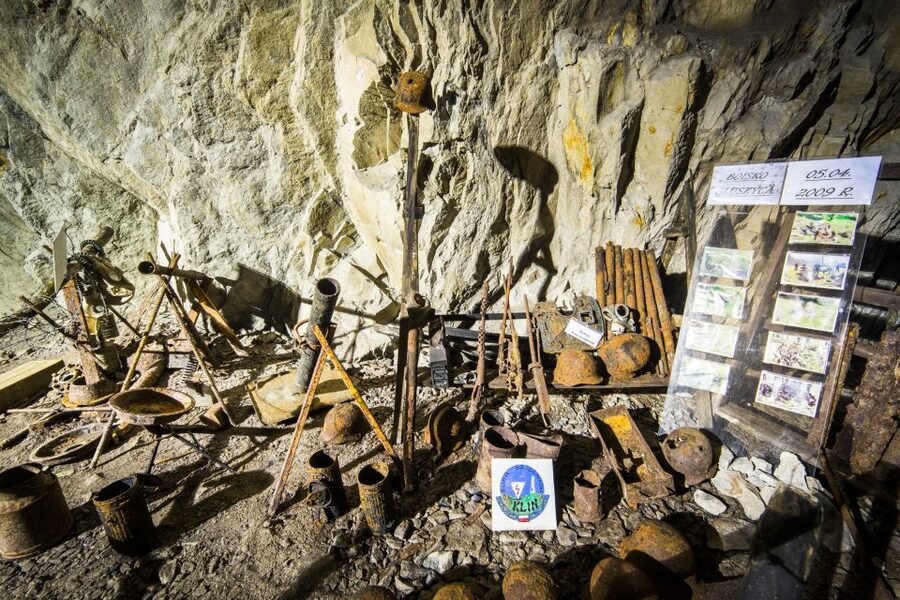
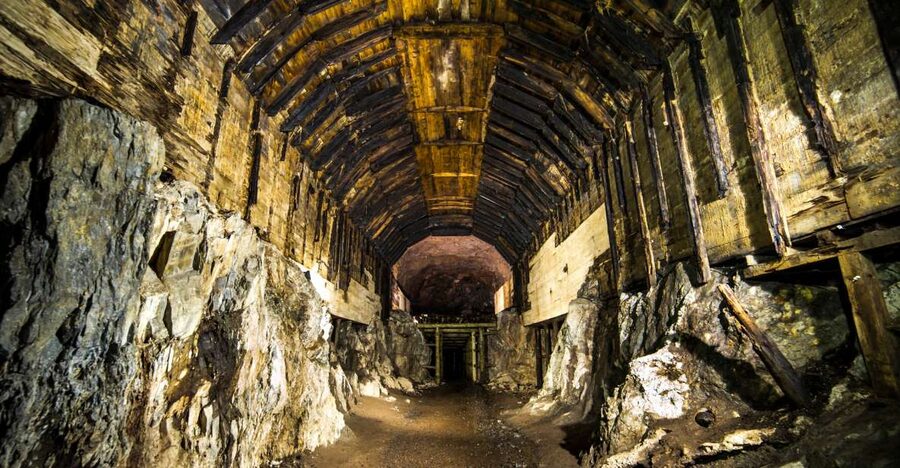
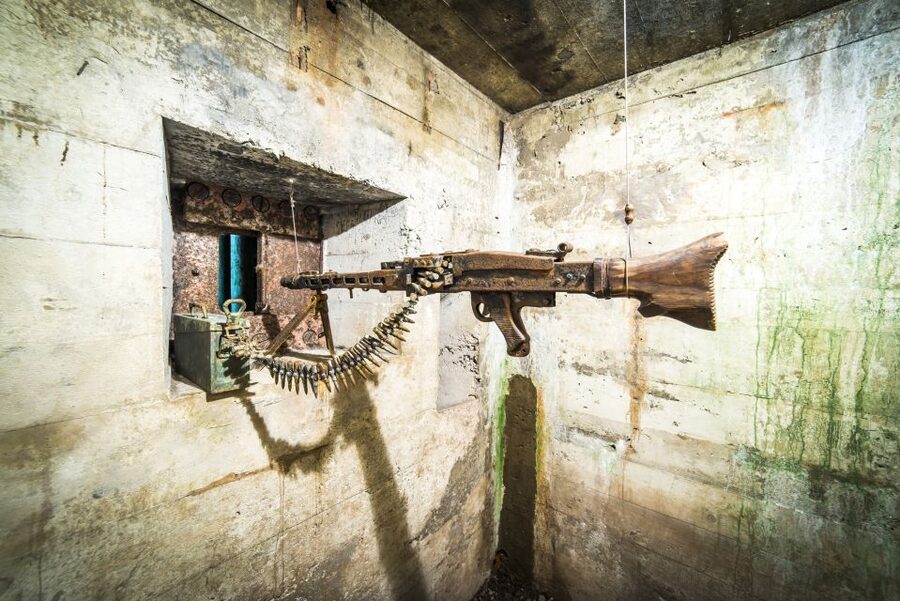
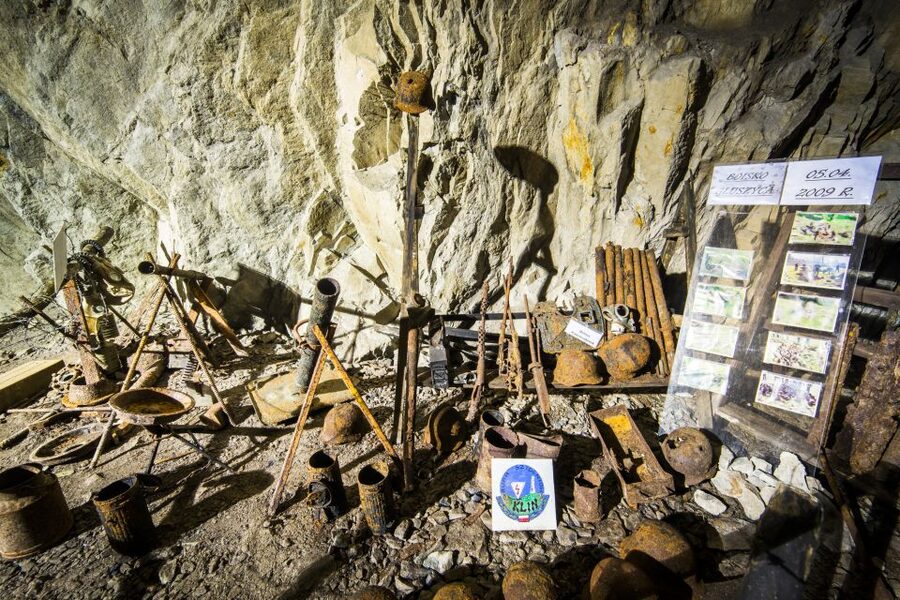
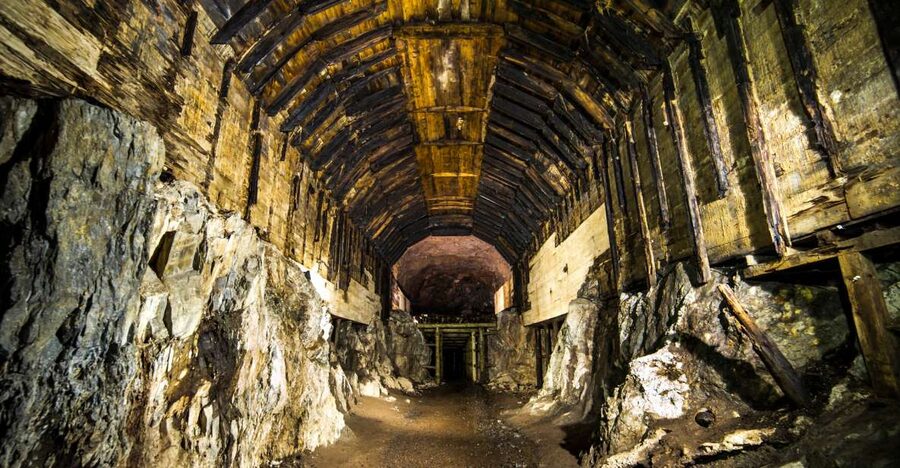
Project Riese (often described as a network of underground structures) was a codename for a major German construction effort started in 1943 and running through 1945. You’ll learn how that plan translated into seven underground sites located in the Owl Mountains and connected to the Książ Castle area.
What makes the place stick with you is that the spaces are in different stages of completion. Even without getting lost in technical details, you can sense the mismatch between grand promises and unfinished reality. It’s not just a set of tunnels. It’s a snapshot of wartime planning under pressure, seen through stone, concrete, and time.
Osówka, the Underground City feeling
As part of the visit, you’ll see the Osówka site, which is often called the Underground City. It gives you that extra sense of scale, like the project was meant to be more than a few shelters.
At Riese, you’ll explore the complex on-site using an included audio guide. That matters because the physical layout can be confusing on your own. The audio helps you connect what you’re standing in, what you’re looking at, and why it was built in the first place.
Timing at Riese, plus what you need to plan for
The day is built around an 8-hour total window, but the pacing gives you options. After you arrive at Project Riese, you explore the site first. Then you either stop for lunch or you head straight to Gross-Rosen, depending on what you prefer.
That choice is practical. If you want the calmest experience, a pause for lunch can help you recharge before the camp museum. If you want to keep momentum and avoid time pressure, you can skip lunch and go directly to Gross-Rosen.
What to wear: cold tunnels and steady steps
Bring comfortable shoes and expect to dress for cold. The underground temperature at Project Riese is around 8-10°C, so even in warmer months you’ll feel the drop quickly.
Also think about your legs and balance. This is not a place for fancy footwear or thin soles. Wear something you can walk in confidently, because you’ll want to move at an easy pace while reading the audio and taking in the spaces.
Claustrophobia reality check, and who should skip this part
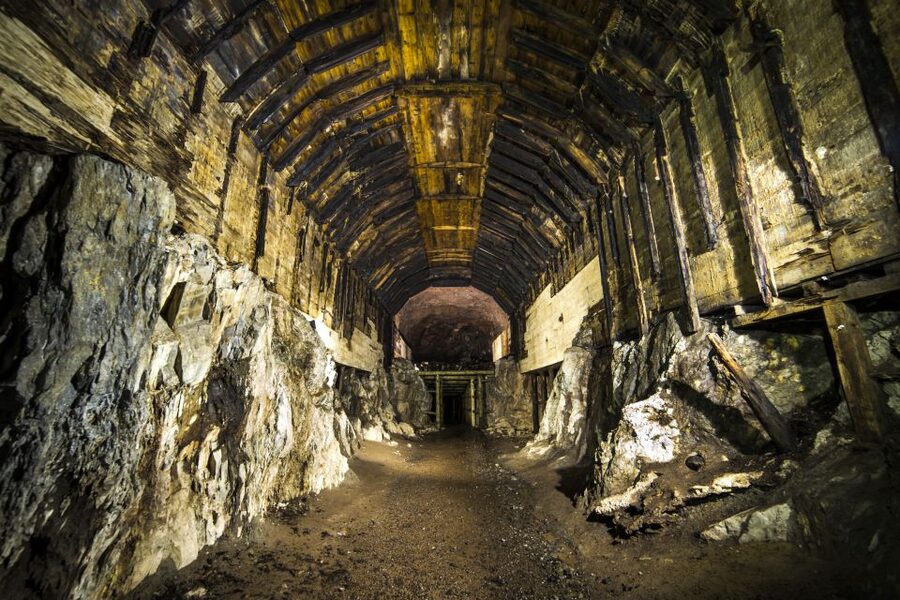
If you have claustrophobia, take this seriously. This tour is clearly not suitable for people who struggle with enclosed spaces, and Project Riese is the part most likely to trigger that.
There are also age limits that matter for family planning. Children below 5 are not allowed to enter Project Riese, even though the rest of the day includes a museum where you might assume it’s more flexible.
And for mobility needs, plan ahead. The tour is not wheelchair accessible. That doesn’t mean you can’t be interested in the WWII story, but it does mean you should look for another format if accessibility is a priority.
Gross-Rosen concentration camp museum: film, then exhibits inside and out
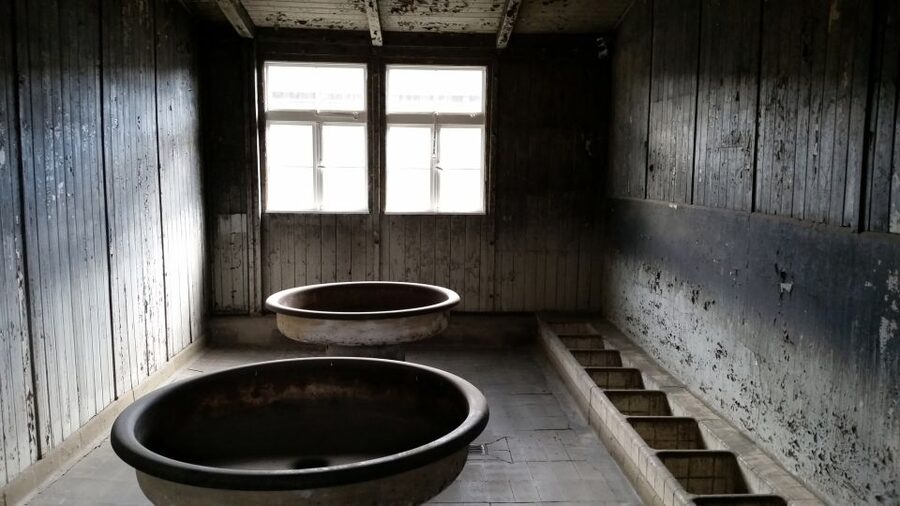
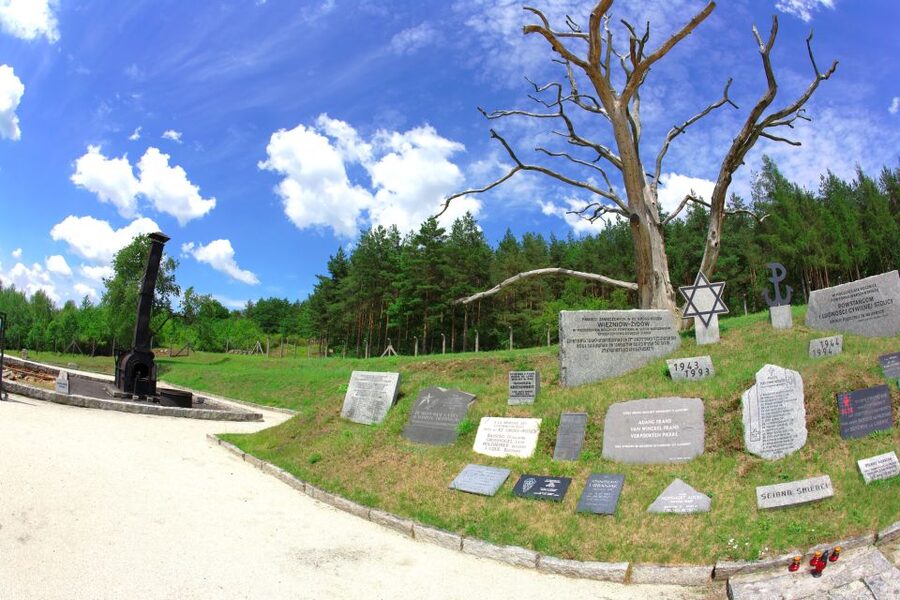
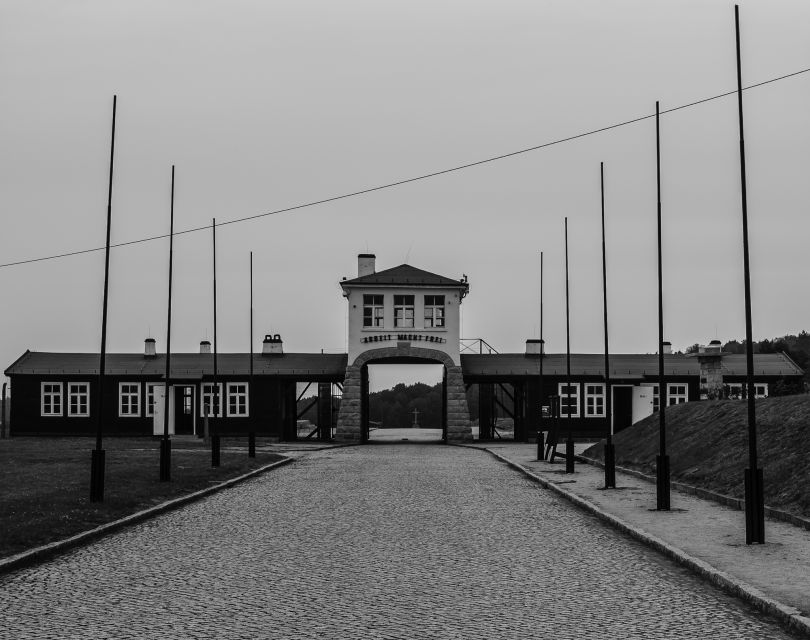
After Riese, the next stop is the Gross-Rosen concentration camp museum. This was part of a larger German network of Nazi concentration camps during World War II, with the main camp located in the German village of Gross-Rosen.
At its peak in 1944, the Gross-Rosen complex included up to 100 sub-camps. These were spread across eastern Germany, Czechoslovakia, and on the territory of occupied Poland. The tour materials note that the combined inmate population across Gross-Rosen camps at that time accounted for about 11% of the total number of inmates in the Nazi concentration camp system.
Those numbers are heavy, but they are important context. You’re not just seeing a single site. You’re seeing a system of forced incarceration, stretched over many places.
The short film and the 2-hour museum window
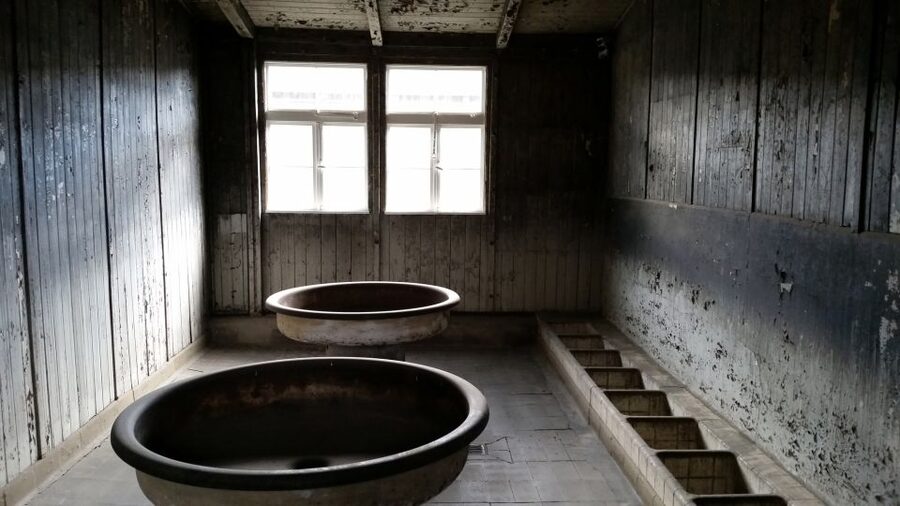
In the museum, you’ll watch a short film about the camp’s history. After that, you’ll have up to 2 hours to explore the indoor and outdoor exhibitions.
This is a key value point in the design of the day. Instead of rushing you through rooms, you get time to go at your own pace. You can spend longer where a particular exhibit hits you, then move on when you’re ready. The audio guide is included, which helps you connect the visuals to the story.
Audio guides and language: helpful tools, but confirm your expectations
Audio guides are included for both stops, and the tour offers multiple language options. You can choose English, German, French, Spanish, and Italian for the audio guides.
One practical tip based on real-world feedback: language availability can vary by where you’re listening. A review noted that the guide language and the museum audio language did not match the expectation for Spanish at the Gross-Rosen portion, with the audio guide in the museum coming through in English. The safest move is simple, check your audio language before you settle in, and be ready to switch if needed.
The driver/guide is English-speaking
Your driver is English-speaking, and that can help when you have quick questions on the road or you want context during transitions between sites.
Combined with the audio, this setup works well if you like learning through a mix of narration and self-paced viewing. It also means you avoid the pressure of understanding every detail from signage alone.
Is $171 per person worth it? A value check for an 8-hour day
At $171 per person for an 8-hour private tour, the price is not just about driving. You’re paying for a full package that includes entrance fees and audioguides at both locations, plus bottled water and the fuel surcharge.
On top of that, hotel pickup and drop-off are included, and you’re traveling by air-conditioned minivan. GST is included too. In plain terms, you’re buying a guided logistics solution that turns two distant sites into one day you can actually manage.
Food is not included. That’s the one cost you should plan for. If you want lunch, budget extra. If you’re fine with a quick bite near the sites, you’ll still want to factor in time, because your day is designed around fitting both places into a single 8-hour schedule.
Who this tour fits best (and who might want another option)
This is a strong match if you want a structured WWII day from Wrocław that covers both the planning and the human impact side of the war. It’s also a good fit if you like museums and audio learning, since the tour includes audio guides at both Project Riese and Gross-Rosen.
You should also consider this tour if you’re the type who values comfort and order. The format is private, with round-trip transfer, and people highlighted clear communication and feeling safe.
On the other hand, skip the Riese tunnels if claustrophobia is an issue. Also skip if you need wheelchair access. And if you’re traveling with small kids, remember Project Riese has the under-5 entry rule.
What to bring for a smooth day underground and in a museum
Packing makes a big difference here, because the day mixes cold tunnels with museum time. At minimum, bring:
- A jacket or sweater for the 8-10°C underground conditions at Project Riese
- Comfortable shoes for walking and exploring
- Warm clothing layers if you tend to get cold easily
Bottled water is included, which is a small but real help during a long day when you’re not buying drinks during every stop.
Should you book this Wroclaw WWII tour?
I’d book it if you want one focused day that connects Project Riese and the Gross-Rosen camp museum with included audio guides, a driver who handles the road logistics, and enough time at the museum to absorb the exhibits.
Skip or rethink it if you know enclosed spaces are a problem for you, if you need wheelchair accessibility, or if your child is under 5 and you mainly want the Project Riese portion.
If you do book, do one small prep step: decide your preferred audio language and be ready for the possibility that the museum audio could be in English if that’s what’s available on-site. Then show up in warm layers, bring steady shoes, and let the day do its job.
More Wroclaw City Tours.
 ★ 4.6E-Car Tour and Audio GuideFrom $161,738 reviews
 ★ 4.82-Hour Private Guided Tour by Electric CarFrom $38805 reviews
 ★ 4.8Old Town and Ostrów Tumski Walking Tour in EnglishFrom $19311 reviews
 ★ 4.8Private Old Town Guided Walking Tour (2 hours)From $164275 reviews
 ★ 5.0Old Town Wrocław Walking TourFrom $26249 reviews
 ★ 4.8City Tour Sightseeing By Golf Cart Shared Or PrivatFrom $27189 reviews
 ★ 5.0Auschwitz-Birkenau Tour from WrocławFrom $266129 reviews
 ★ 4.4Wroclaw Pub Crawl with Free DrinksFrom $25127 reviews
Also on these Poland lists