
REVIEW · MUSEUMS
Archaeological Museum of Krakow Entrance Ticket
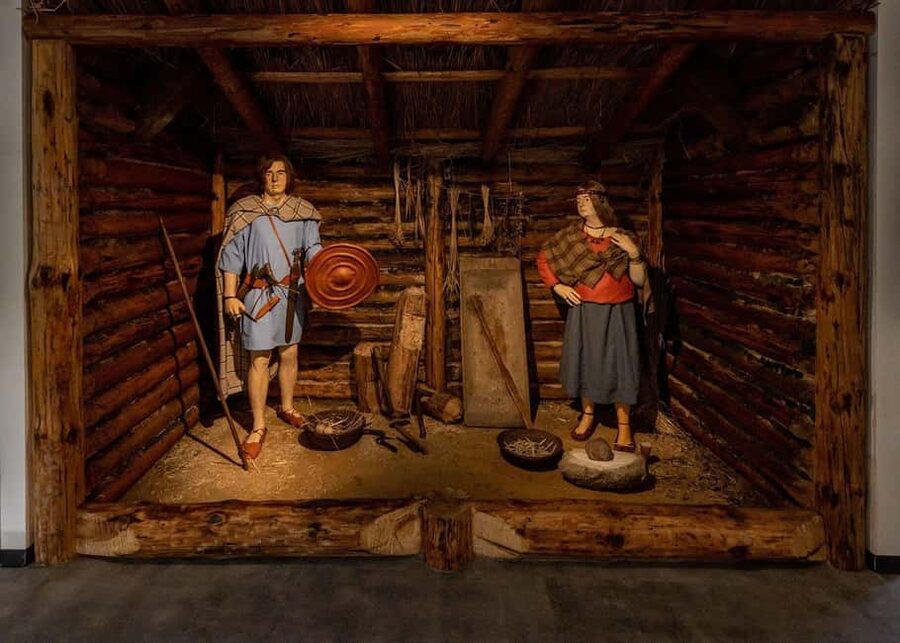
Four faces of pagan Krakow, right here. The Archaeological Museum of Krakow connects pre-Christian beliefs with a building that once served a very different purpose, and it does it with hands-on feeling. I particularly love the chance to see Światowid, a four-faced pagan god carved in the 9th to 10th century.
I also like how this visit can be shaped around you. You get two branches to choose from, including an underground exhibition tied to Krakow’s Main Square and a second site linked with the Nowa Huta area.
One thing to plan for: you need to arrive early enough, because the last entrance is 90 minutes before closing.
In This Review
- Key things to know before you go
- Why the Archaeological Museum feels like a time machine
- The star attraction: Światowid statue and early pagan beliefs
- St. Michael’s Prison to Museum: the building’s real-life plot twist
- What to do in the main museum building
- Branch on Krakow’s Main Square: St. Wojciech’s Church underground
- Nowa Huta-Branice branch: the 1949 excavation story
- Price, pacing, and how to fit it into 1 to 2 days
- Practical tips so your visit goes smoothly
- Who this museum ticket is best for
- Should you book the Archaeological Museum ticket?
- FAQ
- Where is the Archaeological Museum of Krakow located?
- How much does the entrance ticket cost?
- How long is the ticket valid?
- Does the ticket include a guide?
- What is the museum’s main highlight?
- Are there multiple branches or locations to visit?
- What can I see at the St. Wojciech’s Church branch?
- What can I expect at the Nowa Huta-Branice branch?
- What are the key rules or restrictions inside?
- Is it free with a Krakow City Card?
- How does cancellation work?
Key things to know before you go
- Światowid statue, 9th to 10th century: a rare, powerful artifact connected to early regional beliefs
- St. Michael’s Prison backstory: the museum lives in a building with Austrian prison-era history
- Underground Main Square exhibition: Romanesque walls plus older floor remnants tied to Saint Wojciech’s church
- Nowa Huta-Branice branch: archaeological finds began there during early construction works in 1949
- Great value for the ticket price: a low-cost entry that makes it easy to add to a packed day
Why the Archaeological Museum feels like a time machine
Krakow keeps layering itself, and this museum is one of the clearest examples. You start with pagan belief from the region, then you move through a building that later became known as St. Michael’s Prison, and finally you land in an archaeology-focused setting after WWII.
What I like most is that the place doesn’t feel like a lecture hall. Even without a guide included, the museum layout pushes you to connect objects to time periods and to the story of where they were found.
It also helps that you can tailor your pacing. If you want a quick hit, focus on the main highlight. If you like to wander, pairing a branch or two lets the city’s ground level and lost eras feel more real.
The star attraction: Światowid statue and early pagan beliefs
If you remember only one thing, make it the Światowid statue. It is described as a pagan god with four faces from the 9th to 10th century, and it was discovered in 1848 in Zbrucz.
Even if you know nothing about Slavic or regional pagan traditions, the statue gives you a strong starting point. Four faces are hard to ignore, and seeing it in person helps you understand why this is called the museum’s most famous attraction.
This is also where you’ll get the most “journey in time” feeling. The museum frames what came before the later religious and political shifts, using archaeological treasures found across Lesser Poland.
St. Michael’s Prison to Museum: the building’s real-life plot twist
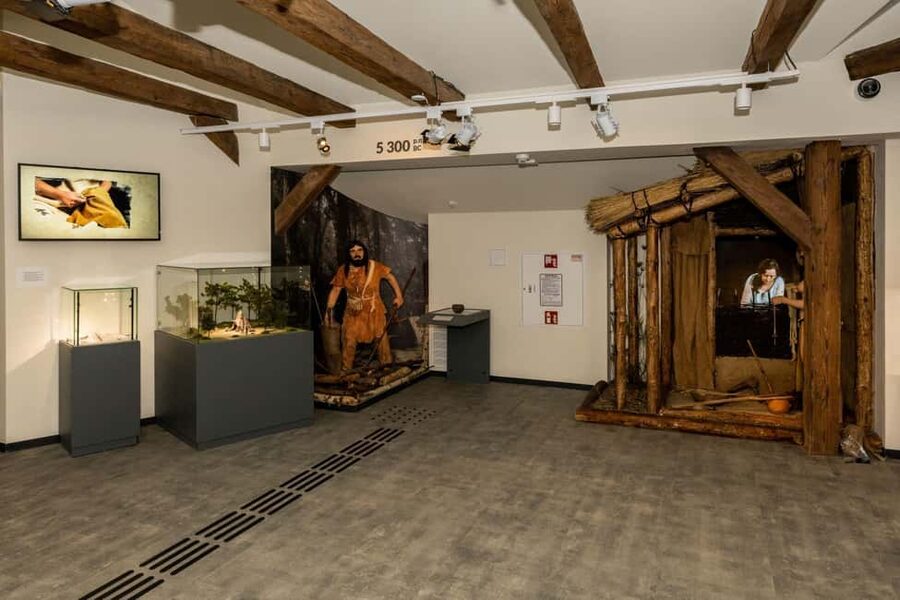
This museum sits in a building that switched roles again and again. In the 19th century, Austrians stationed in Krakow established a prison there, and the site inherited the monastery’s name, becoming known as St. Michael’s Prison.
After WWII, it closed, and the Archaeological Museum was established. That single change is a big part of the experience, because you’re walking through a space shaped by conflict and custody, then stepping into a space built to preserve what was uncovered.
If you like context, take a minute to notice the contradiction. You’re not just seeing artifacts from the past, you’re also in a structure that carries its own historical memory.
What to do in the main museum building
Your ticket gives you entrance to the Archaeological Museum, and the main building is where you’ll likely spend your first, best stretch of time.
Aim to start with the exhibits that match the museum’s core theme: the period of pagan beliefs and the archaeological treasures connected to Lesser Poland. When you move through these rooms, you’ll get a clearer sense of what the museum is trying to do, which is to turn scattered discoveries into a coherent story.
Then make time for the Światowid statue area. Give yourself enough space to slow down. This isn’t a “scan and go” kind of display if you want the object to land.
Also, keep your eyes open for how the museum groups artifacts. Even without a guide, you can usually tell when the museum is emphasizing a time period or a specific region, especially when the key statue is framed as the star piece.
Branch on Krakow’s Main Square: St. Wojciech’s Church underground
If you’re choosing a branch, I think the Main Square option is the one that most rewards curious wandering. The St. Wojciech’s Church branch includes an underground exhibition about the history of the square, the church, and its patron, Saint Wojciech.
This branch shines because it connects archaeology to the city you can still see above ground. You’re not only looking at objects, you’re also looking at remnants tied to old spaces that influenced how Krakow developed.
You can see remnants of wooden and stone floors, plus Romanesque walls. That combination matters, because floors tell you how people moved and lived, while walls help anchor the bigger architectural timeline.
If you like to photograph details, this is a strong stop. You’re likely to find patterns where older structures and layers meet, and those visual clues help you understand the “built on top of built” reality of old cities.
Nowa Huta-Branice branch: the 1949 excavation story
The second branch, Nowa Huta-Branice, links with the Nowa Huta district and the metallurgical plant. Archaeological discoveries began there in 1949 during early construction works.
That starting point changes the feel of the branch. Instead of focusing mainly on what stood in the center of town long ago, you’re leaning into archaeology shaped by modern development. It’s a reminder that the past can surface during the present.
If you’re the kind of traveler who likes to connect dots between industry and heritage, this stop will click. It also gives you a different map experience, because it takes you beyond the historic core where many visitors spend all their time.
Plan for this branch to be more “context plus objects” than “romantic old-stone atmosphere.” It is still museum-focused, but the story is tied to excavation and what construction revealed.
Price, pacing, and how to fit it into 1 to 2 days
At $2.13 per person, this is one of those tickets that is hard to regret. Even if you spend only a couple of hours, the cost-to-time ratio stays favorable. In Krakow, where many sights can rack up quickly, a ticket like this is a smart add-on.
Also, the ticket is valid for 1 to 2 days. That’s useful because archaeology sites often reward repeat viewing and slower reading, especially if you’re comparing the two branches.
Here’s a practical way to pace it:
- If you have a half day, prioritize the main building and the Światowid statue.
- If you have a full day, add one branch. The Main Square underground stop is usually the easiest to pair with central sightseeing.
- If you have two days, you can spread out both branches without feeling rushed.
Just don’t forget the last entrance is 90 minutes before closing. That rule can quietly cut your plans if you wait until the evening. Check the exact hours on the official site before you go, since opening times can vary from what you might initially see.
No guide is included, so you’ll be doing this self-guided. That can be a plus if you like independence, and it works well here because the museum’s headline attraction and the two-branch structure give you clear anchors.
Practical tips so your visit goes smoothly
Krakow museums can be picky about what you bring. Not allowed inside is smoking, alcohol, and drugs, so keep it simple and follow the posted rules.
I’d also plan around the ticket itself. There’s at least one reported snag where a ticket office would not admit someone without a QR code. So when you book, make sure your ticket confirmation includes the QR code and that you can display it on your phone (or print it, if you prefer).
If you have a Krakow City Card, note that for card holders, entrance is free of charge. That can make this a near-no-brainer add, especially if you’re already paying for a pass that bundles other museums.
Finally, because this experience does not include a guide, your best move is to read signage slowly and let the artifacts do the explaining. If you go in with a simple goal, like seeing Światowid and understanding what the two branches represent, you’ll come away with a real sense of what the museum covers.
Who this museum ticket is best for
This ticket is ideal for travelers who like archaeology, early religions, and objects with clear stories behind them. If you’re the type who enjoys learning how old belief systems show up in material culture, this museum will feel focused rather than random.
It also works well for value-seekers. At a low price, you can comfortably build it into a day that already includes other Krakow highlights.
Families can manage it too, as long as you keep expectations realistic. This isn’t a hands-on children’s museum, but the four-faced statue and the underground spaces can be fun for kids who enjoy visual surprises and “where did this come from?” questions.
If you only want the biggest name attraction, plan a short visit. If you want the full layered feeling, take advantage of the 1 to 2 day validity and add one branch.
Should you book the Archaeological Museum ticket?
Yes, I think you should book it if you want something authentically Krakow that doesn’t cost much and can fit your schedule. The Światowid statue alone is worth planning around, and the building’s St. Michael’s Prison origin adds a second layer that makes the visit more than just museum objects.
Skip it only if you strongly prefer guided commentary or you want a very entertainment-heavy attraction. Since no guide is included, you’ll get the most out of it if you’re comfortable exploring at your own pace and reading the exhibit information.
If you’re building a classic Krakow itinerary, this is the kind of low-cost ticket that can give you a memorable contrast to churches, art galleries, and city views.
FAQ
Where is the Archaeological Museum of Krakow located?
It’s in Lesser Poland, Poland, in Krakow. The exact meeting point can vary depending on the option you booked.
How much does the entrance ticket cost?
The ticket price is $2.13 per person.
How long is the ticket valid?
The ticket is valid for 1 to 2 days. Starting times depend on availability.
Does the ticket include a guide?
No. The entrance ticket is included, but a guide is not included.
What is the museum’s main highlight?
The most famous attraction is the Światowid statue, described as a 9th to 10th century four-faced pagan god discovered in 1848 in Zbrucz.
Are there multiple branches or locations to visit?
Yes. There are two branches: St. Wojciech’s Church on Krakow’s Main Square, and the Nowa Huta-Branice site.
What can I see at the St. Wojciech’s Church branch?
You can visit an underground exhibition about the history of the square and the church, including remnants of wooden and stone floors and Romanesque walls, tied to Saint Wojciech.
What can I expect at the Nowa Huta-Branice branch?
The branch is closely linked with the Nowa Huta district and metallurgical plant, and archaeological discoveries began there in 1949 during early construction works.
What are the key rules or restrictions inside?
Smoking, alcohol, and drugs are not allowed. Also, last entrance is 90 minutes before closing.
Is it free with a Krakow City Card?
For Krakow City Card holders, entrance is free of charge.
How does cancellation work?
Free cancellation is available up to 24 hours in advance for a full refund.
More Museums.
 ★ 4.5Auschwitz-Birkenau Museum and Memorial Guided Tour from KrakowFrom $831,510 reviews
 ★ 4.7POLIN Museum of the History of Polish Jews TicketFrom $121,142 reviews
 ★ 4.6Rynek Underground Museum Guided TourFrom $341,122 reviews
 ★ 4.6Polish Vodka Museum Tour with TastingFrom $22788 reviews
 ★ 3.9Museum World of Illusion Entry TicketFrom $13666 reviews
 ★ 4.5Krakow Schindler’s Factory Museum Guided Tour in EnglishFrom $47650 reviews
 ★ 3.6Auschwitz Birkenau Museum Guided Tour with PickupFrom $8544 reviews
 ★ 4.5Museum of illusions Entry TicketFrom $20521 reviews
Also on these Poland lists