
REVIEW · GDANSK OLD TOWN TOURS
Discover Gdansk Walking Tour
Gdansk feels easier when you walk it. This Old Gdansk walking tour strings together the key sights, from Neptune’s Fountain to St. Mary’s Church, with a guide who makes the lore stick. You’ll cross major gates like Brama Zielona and the Goldenes Tor area, then wander the medieval streets that most first-timers miss when they rush.
What I like most is the value. At $6.05 for about 2 hours 30 minutes, you’re getting a structured route through the main-town sights, and the stops listed are ticket-free for this experience. I also love how the route mixes big monuments with small, street-level details, including the crane’s treadwheel area and the church’s figure show.
One drawback to think about: this tour depends on good weather and it’s still a real walking route. On a very cold day or in rain, you’ll want to dress for the outdoors, since you’re moving between stops rather than settling in for long breaks.
In This Review
- Key points I’d circle before you book
- A Quick Take on This 2.5-Hour Old Gdansk Walk
- Where You Start, and How the Route Sets You Up
- Zielony Most: The View That Explains the City’s Layout
- Brama Zielona (Green Gate): A Water Gate With a Big Personality
- Crane and the Treadwheel Mechanism: Where Tech Meets History
- St. Mary’s Church: The Figures Show Adds Theater
- Mariacka Street: The Medieval Street You’ll Want to Revisit
- Langgasser Tor, Goldenes Tor: Crossing Through a Renaissance Gate
- Main Town Hall, Museum of Gdansk: Three Angles and Possible Carillon Bells
- Muzeum Gdanska and Merchant Life: Why Wealth Shows Up in Buildings
- Neptune’s Fountain: The Representative Spot for Classic Gdansk Photos
- Second Pass on Brama Zielona: The Residential Water Gate Angle
- Great Armoury (Wielka Zbrojownia): Late Renaissance Facade Focus
- Price, Group Size, and Why This Is Such a Bargain
- What About the Walking Pace and Day Planning?
- Weather Matters, So Choose Smart Clothing
- Who This Tour Best Fits
- Should You Book This Gdansk Walking Tour or Not?
- FAQ
- How long is the Discover Gdansk Walking Tour?
- What does the tour cost?
- Is the tour offered in English?
- Where do I meet the guide?
- How large are the groups?
- Do I need an admission ticket for the stops?
- Do I get a mobile ticket?
- What if the weather is bad?
- Can I cancel for a full refund?
Key points I’d circle before you book

- Small group (max 20) keeps the guide’s attention focused and the pace comfortable
- St. Mary’s Church figure show adds a dramatic, you-can’t-help-but-watch moment
- Water-gate sights include the Crane area, where you even walk under the treadwheel mechanism
- Old Town route hits the classics fast: Mariacka Street, Neptune’s Fountain, and major gates
- Guides like Martin, Mark, and Mateo have been praised for humor and keeping people engaged
Gdansk repeats itself well. The other versions we reviewed
- Gdańsk City Sights & History Guided Walking Tour in English
★ 4.8 · 876 reviews - Gdansk: Firearm Shooting Experience with Instructor
★ 4.8 · 866 reviews - Gdansk: Guided Round-Trip Cruise to Westerplatte
★ 4.3 · 865 reviews - Gdańsk: Sightseeing EcoCruise around the Old Town of Gdansk
★ 4.6 · 719 reviews
A Quick Take on This 2.5-Hour Old Gdansk Walk
This is a compact way to get your bearings in Gdansk’s Old Town. You get a guided route that concentrates on the big recognizables, plus a few practical “why this matters” moments along the way.
The time also works well. At about 2 hours 30 minutes, it’s long enough to feel like a real orientation, but short enough that you can still enjoy the rest of your day on your own.
Where You Start, and How the Route Sets You Up
You meet at Stągiewna 1 in Gdansk. The tour ends back at the same meeting point, so you don’t have to worry about ending up across town.
From that starting area, the walk is designed to move you into the main historic core in a logical flow. You’ll begin with viewpoint moments, then shift into gates, church stops, and the medieval street scene.
Because it’s capped at 20 people, it usually stays manageable for listening and photos. And since it’s offered in English, you won’t be guessing what you’re seeing or why people care about it.
Zielony Most: The View That Explains the City’s Layout
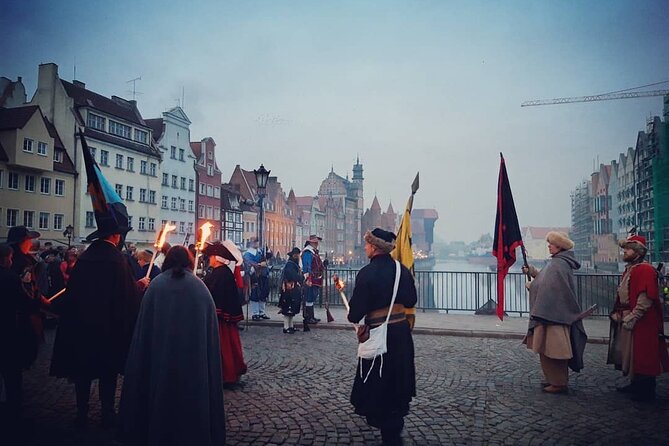
The tour starts with Zielony Most, where you get a spectacular view over the Main Town’s Long Embankment. This is a great first move because it gives you a mental map before you start weaving through streets and landmarks.
Even if you’re not a “view person,” this stop helps you understand how the city’s waterfront shape ties into the old-town defenses and merchant wealth. You’re not just taking pictures, you’re learning the geography.
Brama Zielona (Green Gate): A Water Gate With a Big Personality
Next comes Green Gate (Brama Zielona). The description of the gate is fun on purpose, because it points out how the building’s look can feel like a town hall from somewhere else.
This is one of those stops where the guide’s storytelling matters. A gate like this isn’t just a wall, it’s an explanation of how Gdansk controlled access to water and trade routes.
Also, since the listed admission is free for this stop, you don’t burn time on ticketing. You can focus on the architecture and what it signals historically.
Below are the other Gdansk trips we have logged
- Main Town Gdańsk Walking Tour★ 5.0 · 644 reviews
- Discover Gdansk Walking Tour★ 5.0 · 495 reviews
- Gdańsk: Old Town Private Walking Tour with Legends and Facts★ 4.9 · 245 reviews
- Gdansk Old Town 2-Hour Walking Tour★ 4.5 · 94 reviews
- Gdansk Old Town Half-Day Private Walking Tour★ 4.9 · 62 reviews
Crane and the Treadwheel Mechanism: Where Tech Meets History
You’ll then reach the Crane area. You see it from a distance first as a fortified water gate, then you actually walk under its treadwheel mechanism.
This is a standout because it’s visual and physical. Most walking tours talk about maritime trade in abstract terms, but a mechanism you can walk beneath makes the past feel more practical and real.
If you enjoy working out how things function, this stop will reward you. If you only want photos, it’s still a strong “wow” structure.
St. Mary’s Church: The Figures Show Adds Theater
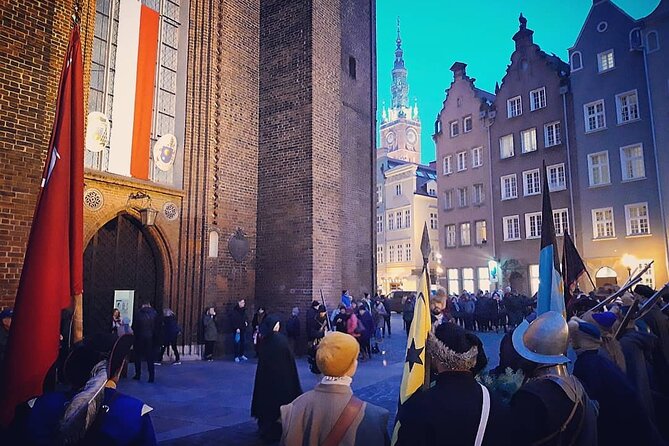
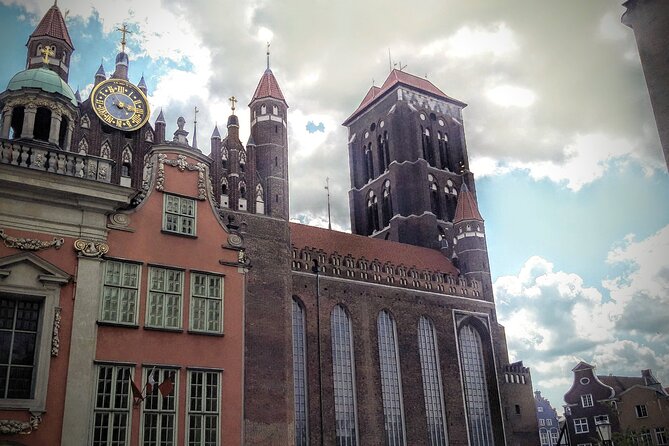
St. Mary’s Church is next, and the focus isn’t just on the exterior. You’ll walk around it and experience the theater of figures show held inside in the transept.
This stop is valuable because it changes the tour’s tempo. Up to now, you’ve been absorbing streets, gates, and city planning. Here, the city turns into a stage, and the guide’s explanations can help you watch with context rather than just passing through.
A practical note: churches can be cooler inside, and it can be busy in peak times. Still, the tour is built to include this moment as a key highlight, not a random detour.
Mariacka Street: The Medieval Street You’ll Want to Revisit
Then you hit Mariacka Street (Ulica Mariacka), a local favorite medieval street. This is where the tour becomes more about atmosphere than facts.
I like this kind of stop because it makes you slow down. You’re not trapped by a museum schedule, you’re in a real pedestrian lane where you can notice storefront style, street geometry, and the way people move through the Old Town.
Since the admission is listed as free for this part, you keep momentum. You also get a taste of what you might want to explore later, like returning after your tour ends for a longer stroll.
Langgasser Tor, Goldenes Tor: Crossing Through a Renaissance Gate
The route then reaches Langgasser Tor (Goldenes Tor). You’ll meet in the area and cross into the Main Town through this Renaissance landmark gate.
This is a good “transition stop.” Gates like this mark a shift from outside views and boundaries to the heart of the old city’s public spaces.
The highlight here is the feeling of passing a threshold. You’re still walking, but the change in architecture and street energy tells you that you’re now in the main action zone.
Main Town Hall, Museum of Gdansk: Three Angles and Possible Carillon Bells
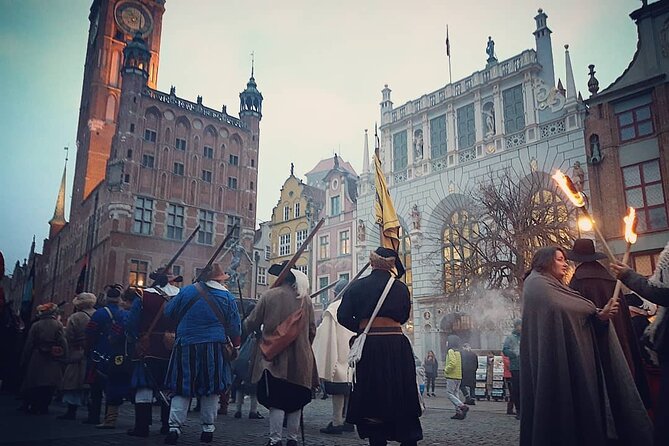
Next is the Main Town Hall, also tied to the Museum of Gdansk. You’ll appreciate the landmark from three different angles, and you may hear carillon bells from the tower.
The “three angles” piece matters. If you’ve ever seen a famous building once and thought, ok, that’s nice, this kind of staging helps you actually see proportions and details. It’s also great for photos without turning the tour into a photo shoot marathon.
And that carillon clue is a nice one. Even if you don’t hear bells, the guide’s directions help you look at the tower area with purpose.
Muzeum Gdanska and Merchant Life: Why Wealth Shows Up in Buildings
You’ll also stop at Muzeum Gdanska, framed around where the wealthiest merchants went to unwind. That phrasing is useful because it nudges you away from dates-only history.
When you connect architecture to the people who paid for it, the buildings become more than stone. You start noticing how the city’s wealth shaped the public face of Gdansk, from civic structures to grand facades.
If you like social history, this stop will help you connect dots as you walk. If you prefer purely visual sightseeing, it still gives you a story thread to carry as you move to the next landmark.
Neptune’s Fountain: The Representative Spot for Classic Gdansk Photos
Then comes Neptune’s Fountain (Fontanna Neptuna), another landmark in the most representative part of Gdańsk. It’s the kind of stop that works even if you’ve seen photos online.
What I like here is that it anchors the middle of the walk. After gates and church drama, you get a clean focal point that’s easy to orient around, and the guide can tie it into the city’s identity rather than leaving you with just a monument.
Because it’s quick and ticket-free, it doesn’t drag. You get a moment, then you’re back on the move.
Second Pass on Brama Zielona: The Residential Water Gate Angle
You’ll loop back to Green Gate (Brama Zielona) again, described as the most spacious residential water gate in Gdansk.
This second encounter is clever. Seeing the same name twice, in two contexts, makes you compare what you might have missed the first time. It also emphasizes that these structures were not just ceremonial, they had practical roles in daily city life.
If you’re the kind of person who likes to understand “what changed over time,” this double-stop setup can feel like a mini lesson.
Great Armoury (Wielka Zbrojownia): Late Renaissance Facade Focus
Finally, you reach Great Armoury (Wielka Zbrojownia) for its late Renaissance facade. This is more of an exterior appreciation stop, which helps round out the tour with a grand building that feels built for power and trade.
I like ending with a facade because it leaves you with a strong image to carry. After all the gates and streets, you get one last big architectural “finish” before you return to Stągiewna.
Price, Group Size, and Why This Is Such a Bargain
At $6.05 per person, this tour is priced for people who want real guidance without a big spend. The low cost pairs with a small group size of up to 20, which is important. It keeps the guide’s explanations from turning into a megaphone routine.
Also, the itinerary stops are listed with admission as free for this experience. That means you’re not paying add-on fees at each corner, which makes the total value much clearer.
One more value point: a lot of people come to Gdansk for the architecture, but they leave with questions, like why a gate looks the way it does or why the city’s wealth changed its look. This tour is built to answer those “why” questions in real time, while you’re standing in front of the building.
If you plan to tip, one review notes cash or PayPal can work. Bring a little extra if you want to reward great guiding.
What About the Walking Pace and Day Planning?
The route is roughly paced in chunks, with many stops around 5 to 15 minutes. That structure tends to keep energy up, because you’re not stuck for long at any single point.
Still, you will walk. If you’re dealing with limited mobility or you simply know you hate long cold-weather strolls, you’ll want to think ahead. The tour notes that most travelers can participate, but it’s still an outdoor walk.
If you’re visiting in winter, the reviews include mentions of very cold and rainy conditions, with guides working to keep everyone engaged. That’s a good sign, but you should still dress for the outdoors.
Weather Matters, So Choose Smart Clothing
This experience requires good weather. If conditions are too poor, you’ll be offered a different date or a full refund.
That affects how you plan the rest of your trip. I’d avoid scheduling a big, strict day-long itinerary around it. Instead, treat it as a flexible activity that can shift if the skies change.
In cold weather, bring layers you can manage while walking. In rain, pack a small umbrella or a light rain jacket, since you’ll still be outside between points.
Who This Tour Best Fits
This is a great choice if you want an efficient Old Gdansk orientation. You’ll appreciate it if you like guided context, enjoy street-level history, and want to connect gates, churches, and merchant-era architecture into one story.
It’s also a solid option for first-time visitors. The route hits the major landmarks that help you understand where everything is, which makes self-guided exploring after the tour much easier.
If you’re a hardcore museum-only person, you might find this tour more about sights and stories than long indoor time. But if you want a quick “get it first” foundation, this works well.
Should You Book This Gdansk Walking Tour or Not?
Book it if you want a low-cost, structured walk through the core of Old Gdansk, and you care about stories that make the architecture make sense. The highlights like St. Mary’s Church with the figure show, the Crane treadwheel mechanism, and the gate sequence are exactly the kind of moments that make a short tour feel meaningful.
Skip it only if you’re extremely sensitive to weather and cold walking, or if you’re looking for a tour with lots of paid museum time. This one is built for outdoor orientation, quick landmark stops, and a lively guide-led pace.
If you’re trying to decide between rushing around on your own and getting guided bearings for your next days, I’d pick the walk. It’s the kind of start that makes the rest of Gdansk click.
FAQ
How long is the Discover Gdansk Walking Tour?
It lasts about 2 hours 30 minutes.
What does the tour cost?
The price is $6.05 per person.
Is the tour offered in English?
Yes, it’s offered in English.
Where do I meet the guide?
You meet at Stągiewna 1, 80-750 Gdańsk, Poland, and the tour ends back at the meeting point.
How large are the groups?
The tour has a maximum of 20 travelers.
Do I need an admission ticket for the stops?
The listed stops include admission ticket free for each part of the route.
Do I get a mobile ticket?
Yes, the tour uses a mobile ticket.
What if the weather is bad?
The tour requires good weather. If it’s canceled due to poor weather, you’ll be offered a different date or a full refund.
Can I cancel for a full refund?
Yes. You can cancel up to 24 hours in advance for a full refund. Changes within 24 hours of the start time are not accepted, and cancellations less than 24 hours before the start time are not refunded.
More Tours in Gdansk




More Tour Reviews in Gdansk



Gdansk, Three More Ways
Recently written up around Gdansk






More Gdansk Old Town Tours.
 ★ 4.8City Cruise on Historical Polish BoatFrom $222,913 reviews
 ★ 4.9Sunset Cruise on a Historic Polish BoatFrom $26977 reviews
 ★ 4.8Gdańsk City Sights & History Guided Walking Tour in EnglishFrom $26876 reviews
 ★ 4.8Firearm Shooting Experience with InstructorFrom $41866 reviews
 ★ 4.3Guided Round-Trip Cruise to WesterplatteFrom $33865 reviews
 ★ 4.6Sightseeing EcoCruise around the Old Town of GdanskFrom $19719 reviews
 ★ 5.0Main Town Gdańsk Walking TourFrom $26644 reviews
 ★ 5.0Gdansk Pub Crawl with Free DrinksFrom $21553 reviews
Also on these Poland lists