
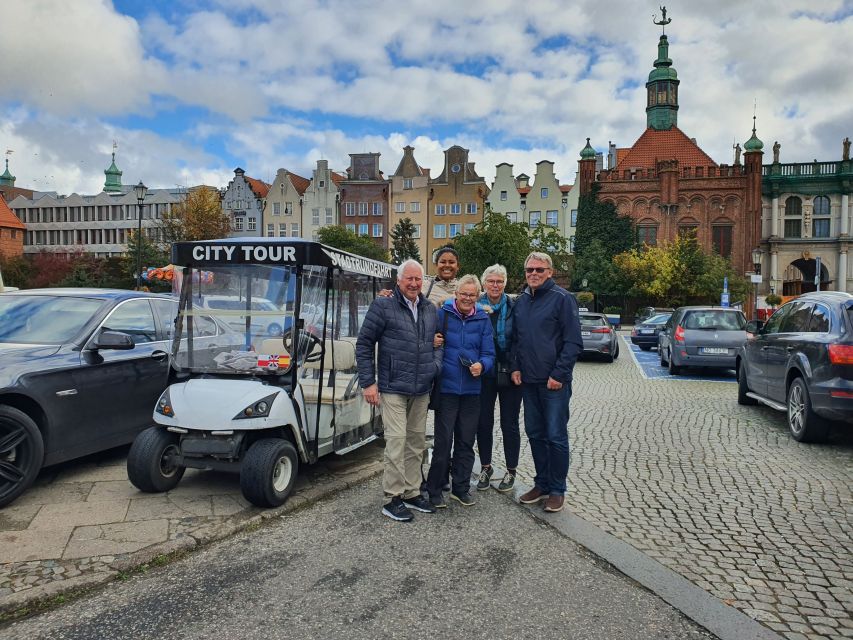
REVIEW · GOLF CART AND ELECTRIC CAR TOURS
Gdansk: City Sightseeing Tour by Golf Cart/Buggy Guided Tour
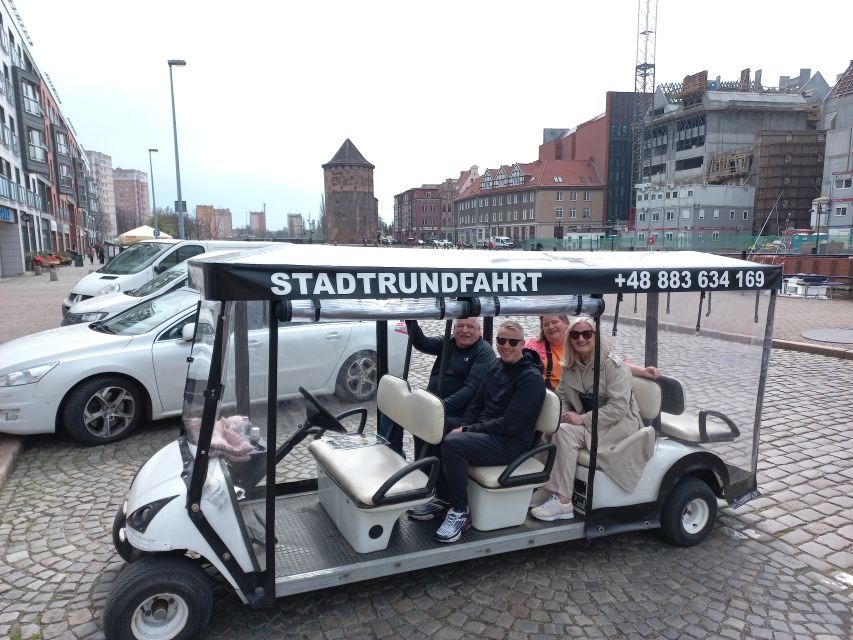
Old Town Gdansk moves fast. This golf cart tour gives you a smart way to see the key sights, from the red-brick St. Mary’s Church to the waterfront Medieval Harbor Crane, with a live guide on board.
I especially like how the route mixes postcard stops with story stops, so the city feels like one connected place, not a list. And I love that guides can answer your questions in English, Polish, Ukrainian, German, or Spanish, which makes history easier to follow. The one possible drawback to note is that this is a rain-or-shine tour, so plan for weather when you’re out moving between stops.
In This Review
- Key Things I’d Prioritize on This Golf Cart Tour
- Why This Gdansk Golf Cart Tour Works So Well
- Starting In Śródmieście, Ending at Neptune’s Fountain
- Golden Gate: The City’s Hard-Edged Welcome
- St. Mary’s Church in Red Brick: The Star Stop for Most People
- Crane National Maritime Museum: Medieval Harbor Views on the Motława
- Gdansk Shipyard: Industrial History Without the Museum Fatigue
- European Solidarity Centre: Where Political Change Gets Human
- St. Bridget’s Church: A Breather With Another Architectural Personality
- Amber Museum: When a Local Resource Becomes a Star Attraction
- Gdańsk Carousel: A Small Stop That Helps the City Feel Lived-In
- Hala Targowa Kupców Dominikańskich: Market Energy Without the Meal Rush
- Defenders of the Polish Post Office: A Concentrated Reminder of Conflict
- Neptune’s Fountain: A Practical Ending Point for More Exploring
- Price, Timing, and Where This Tour Fits Best
- Guides Make the Difference: What Strong Sessions Look Like
- Should You Book This Gdansk Golf Cart Tour?
- FAQ
- How long is the Gdansk city sightseeing tour by golf cart or buggy?
- How much does the tour cost?
- Where does the tour pickup and drop-off?
- How early should I arrive for pickup?
- Does the tour run in bad weather?
- What languages are available for the live guide?
- Is ticket entry included for major sights?
- Is the tour wheelchair accessible?
- What are some of the main stops on the route?
- Can I pay later and cancel if plans change?
Key Things I’d Prioritize on This Golf Cart Tour
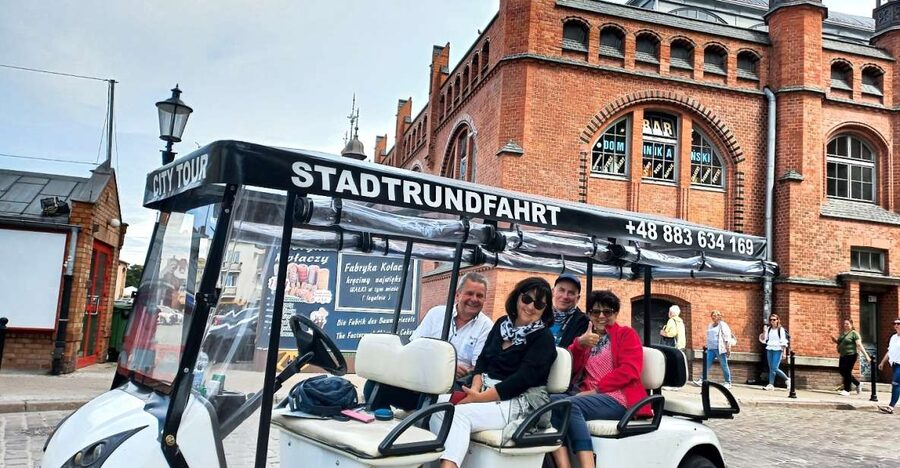
- Fast orientation: You’ll cover a lot of ground in 1 to 2 hours without tiring yourself out.
- Red-brick highlights: St. Mary’s Church is a star stop, including views that explain why it’s so famous.
- Real historical turning points: Stops tied to the fall of the socialist camp and events around the Polish Post office add depth.
- Motława river and maritime focus: You get a strong waterfront angle, including the Great Harbor Crane area.
- Live Q and A: The guide stays with you the whole way, so you can ask your own questions as you go.
- Comfy, easy transport: The golf cart or buggy format keeps you moving efficiently through the center.
Gdansk repeats itself well. The other versions we reviewed
- Gdańsk City Sights & History Guided Walking Tour in English
★ 4.8 · 876 reviews - Gdansk: Firearm Shooting Experience with Instructor
★ 4.8 · 866 reviews - Gdansk: Guided Round-Trip Cruise to Westerplatte
★ 4.3 · 865 reviews - Gdańsk: Sightseeing EcoCruise around the Old Town of Gdansk
★ 4.6 · 719 reviews
Why This Gdansk Golf Cart Tour Works So Well

Gdansk is one of those cities where “walking more” is not always the answer. The center is full of short distances, turns, and details you might miss if you only race from one big stop to the next. A golf cart or buggy tour solves that by shrinking the effort and speeding up the sightseeing part.
This one is built around live guidance. That matters more than people think. When you’re near places like the Golden Gate or St. Mary’s Church, it’s easy to see beauty but miss meaning. A good on-the-ground guide helps you connect the architecture, the waterfront, and the political history into one story you can remember.
The best value is the time you save. At about $40 per person for 1 to 2 hours, you’re paying for transportation inside the city center plus a guide who ties it all together. If you’re trying to decide what to revisit later, this style of tour can act like a high-quality primer.
Starting In Śródmieście, Ending at Neptune’s Fountain
Your day begins in Śródmieście with pickup in the historical city center. The tour offers pickup and drop-off for hotels in the city center, and pickup is available from a place you choose within about 2 kilometers of Neptune’s Fountain. You’ll want to be ready about 10 minutes before the scheduled start time so the group can roll out smoothly.
The tour ends back at Neptune’s Fountain, which is a handy finish point because it sits right in the thick of things. That means you can keep exploring afterward without guessing where to go next.
Because the tour runs at multiple starting times (you check availability), it’s a good fit for:
- Your first day in Gdansk, when you want your bearings.
- A time-crunched visit where you still want context.
- Anyone who prefers comfortable transport over long stretches of walking.
Golden Gate: The City’s Hard-Edged Welcome
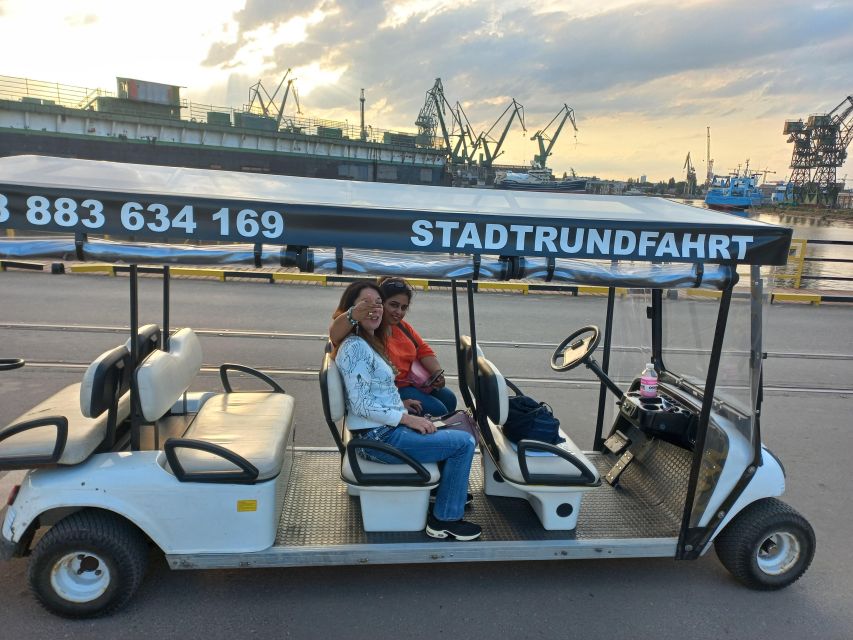
The first sightseeing stop is Golden Gate (Brama Złota), where you’ll get a guided look and a brief chance to take photos. This is one of those spots that works even if you know almost nothing about the city, because the gate is basically a visual resume of how important this area was.
Why it’s worth your time: gateways like this usually sit at the crossroads of trade, defense, and civic identity. In a city with over a thousand years of history, the “start” of the narrative is often about who controlled entry and what that meant for merchants and everyday life.
Practical note: this stop is short, so be ready to move on quickly to keep the schedule flowing. If there’s one building you want a deeper look at, jot it down and plan to return later.
St. Mary’s Church in Red Brick: The Star Stop for Most People
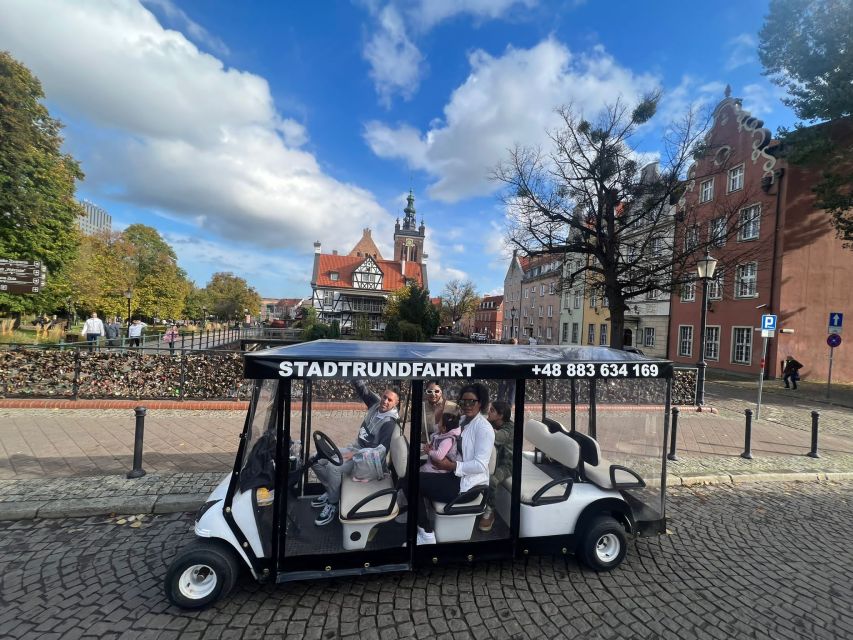
Next up is St. Mary’s Church (Bazylika Mariacka). This is the stop people remember. The tour’s highlight calls it the largest church in the world built in red bricks, and that’s the kind of fact that gives you something to look for while you’re standing there.
When your guide talks through the church, you’ll likely connect a few key ideas:
- Why red brick is more than a material, it’s part of the region’s identity.
- How the church anchors the old town physically and historically.
- Why the church’s scale and style made it a landmark for centuries.
The potential drawback is also simple: this is a busy sightseeing zone. Even though the experience includes skip-the-ticket-line, you still may feel the normal human traffic at a famous church. Think of it as a “see it with context first” stop, then decide later if you want extra time inside or around.
If the walking is the problem, these rolled-through reviews help
- Gdansk: City Sightseeing Tour by Golf Cart/Buggy Guided Tour★ 4.9 · 510 reviews
- Gdansk: Shared or Private City Tour Sightseeing By Golf Cart★ 4.8 · 233 reviews
- Gdańsk: City Sightseeing Tour by Buggy/Golf Cart LIVE GUIDED 1H★ 5.0 · 208 reviews
- Gdansk: Private Top City Tour by Electric Cart & Live Guided★ 4.9 · 114 reviews
- Gdansk: 2H City Sightseeing Tour LIVE GUIDED by Buggy/Golf cart★ 5.0 · 89 reviews
Crane National Maritime Museum: Medieval Harbor Views on the Motława
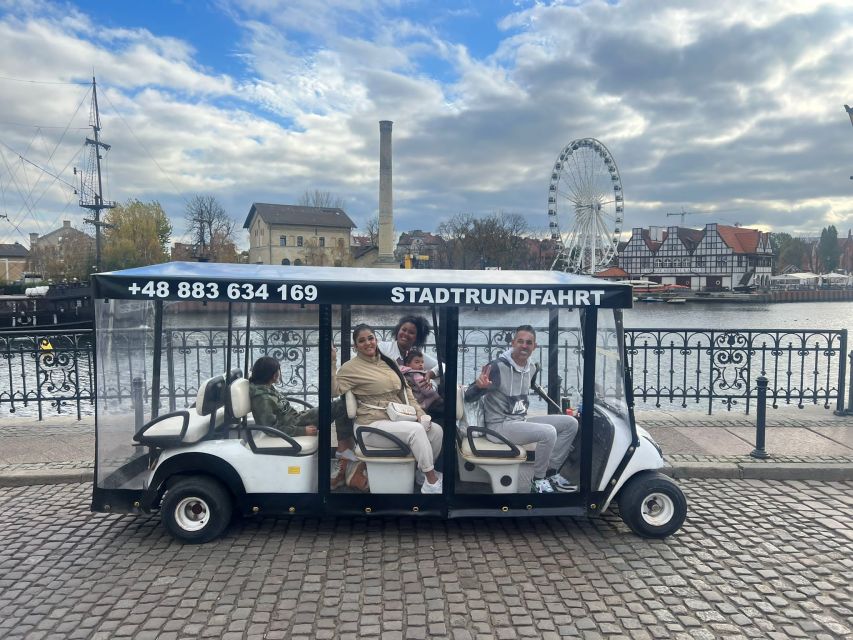
One of the most interesting parts of this tour is the shift to the Crane National Maritime Museum area. The tour calls out the Great Harbor Crane of Medieval times, and this stop is where the “Gdansk history” theme turns strongly maritime.
Gdansk was shaped by shipping and trade, so it makes sense that your tour doesn’t only show churches and gates. It also shows the infrastructure behind commerce, including the port-side buildings and the tools of moving goods.
As you’re there, you’ll get a viewpoint tied to the Motława river. That river angle is key. From the waterfront, the city feels less like a postcard and more like a working system, where water routes and harbor logistics helped drive the entire story.
If you like photos, this is one of your best windows. If you don’t like crowds, come prepared to keep your focus on the guide’s explanation rather than lingering too long.
Gdansk Shipyard: Industrial History Without the Museum Fatigue
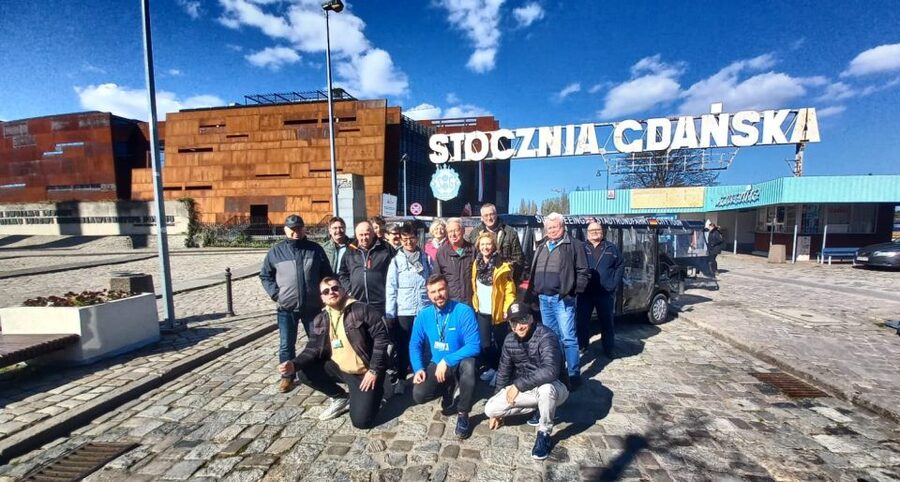
After the crane area, the route takes you toward the Gdansk Shipyard. This is another stop that supports the bigger theme: Gdansk’s power was not only religious or defensive. It was industrial and political too.
This section tends to hit differently because it’s often easier to understand how political change links to labor and production. If you’ve heard about solidarity movements in the region, you’ll likely connect the dots as you move from maritime trade to shipbuilding.
The time here is brief, so the goal is orientation and meaning, not a deep museum session. If industrial history becomes your favorite topic, plan extra time on a separate visit later.
European Solidarity Centre: Where Political Change Gets Human
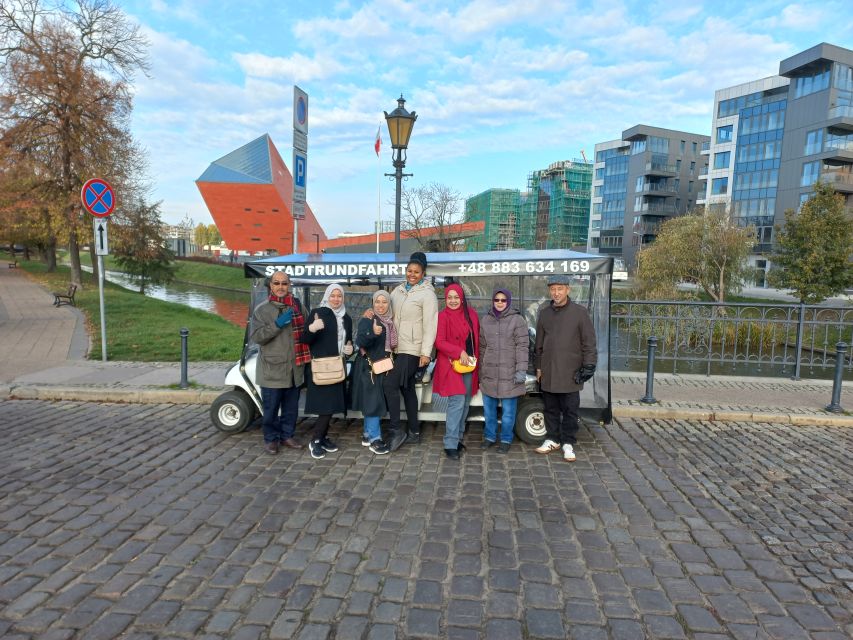
Next is the European Solidarity Centre. The tour specifically mentions it as the place where the fall of the socialist camp began. That framing tells you what this stop is designed to do. It’s not just another building. It’s a chapter marker.
Even with a short sightseeing moment, the guide’s job is to connect this site to broader events. In a city tour, this kind of stop is valuable because it gives you a “why it matters” layer. Otherwise, you might walk past and treat it like background scenery.
If you’re the type who likes history to have names and timelines, this is the stop where you’ll likely appreciate asking questions. The tour is live guided and built for Q and A, so you can steer what you learn.
St. Bridget’s Church: A Breather With Another Architectural Personality
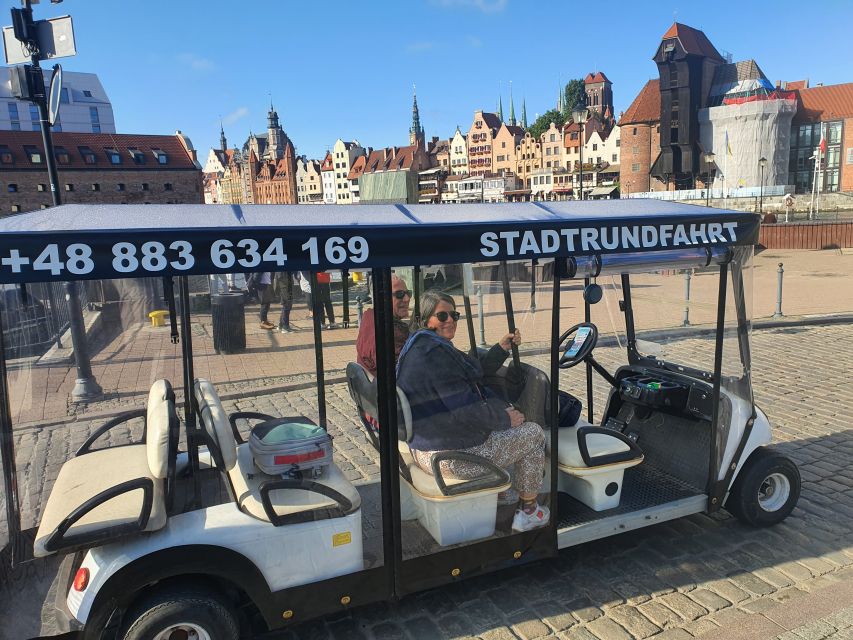
After the heavier political stop, St. Bridget’s Church provides a different kind of visual rhythm. Churches have a way of resetting your mental frame, and this one adds another piece of the old town’s architectural puzzle.
This is still a short stop, so don’t expect a full interior deep dive on this tour alone. But it’s the kind of stop that helps you see that Gdansk’s identity is not one style or one era. It’s layers stacked on each other.
I like this “variety within history” approach because it keeps the route from feeling repetitive. You’re not just chasing the loudest landmark each time. You’re learning the range of what the city offers.
Amber Museum: When a Local Resource Becomes a Star Attraction
Then comes the Amber Museum. Amber is one of those things that can sound like a souvenir until you see how people treat it as part of regional culture and craft history.
The tour’s structure means you usually get a quick, guided orientation. That’s perfect for deciding whether amber as a topic feels worth your time for longer exploration. If it does, you can come back later with a better sense of what you want to focus on.
One practical consideration: amber and craft displays can be visually dense. If you’re not much of a gallery person, ask your guide what to look for first so you don’t miss the point while things move quickly.
Gdańsk Carousel: A Small Stop That Helps the City Feel Lived-In
You’ll also pass by the Gdańsk Carousel. This is a shorter stop, and it’s intentionally not the same type of stop as the churches and museum buildings.
Why it matters: a city can feel overly historical if every stop is about the past. A small local landmark like this helps the tour feel more like a walk through a functioning place where people still enjoy everyday sights.
If you’re traveling with kids or you simply like a few lighter moments, this kind of break helps keep the tour feeling balanced.
Hala Targowa Kupców Dominikańskich: Market Energy Without the Meal Rush
Next is Hala Targowa Kupców Dominikańskich, a market hall stop. The tour keeps it short, but market halls are one of my favorite kinds of “real city” places because they reflect how people shop and gather.
Even if you just glance around, you get a better sense of what the neighborhood life feels like. And it gives you a practical clue for where you might want to eat or snack afterward, since market areas tend to cluster food options.
The only drawback is timing. If you’re hungry right in the middle of the tour, you may not have time to fully explore. I recommend keeping a snack in your day bag so you can stay present at each stop.
Defenders of the Polish Post Office: A Concentrated Reminder of Conflict
Then you’ll visit the site connected to the Defenders of the Polish Post office. This stop supports the tour’s theme of major historical turning points, not just architecture.
It’s a heavier subject, and the best thing your guide can do here is put the location into context so it connects with the earlier political stops. Even in a short time, the location can make history feel specific because it ties the events to a real place you can point to.
If you want to understand the story behind it more deeply, bring curiosity and ask questions. The tour is set up for live explanations, and this is exactly the type of stop where good guidance makes a difference.
Neptune’s Fountain: A Practical Ending Point for More Exploring
The tour finishes at Neptune’s Fountain. It’s a classic “you’re back in the center” end point, which makes planning easy.
This is also a nice psychological finish. By the time you get here, you’ve already seen the range:
- Monumental architecture
- The maritime harbor side
- Political history landmarks
- Market and civic-life markers
Now you can decide what you want to revisit longer. Maybe it’s the church area, maybe the waterfront, maybe the political site. Either way, you’ll have a clearer mental map for walking there on your own.
Price, Timing, and Where This Tour Fits Best
At $40 per person and 1 to 2 hours, the tour is priced for people who want maximum value in limited time. You’re paying for:
- Transport in a comfy golf cart or buggy
- A live guide through multiple key sights
- Pickup and/or drop-off in the Gdansk city center
- Skip-the-ticket-line for the included guided stops
If you’re staying only a short time in Gdansk, this can be a smart first-day move. It helps you avoid the common mistake of spending your best energy walking in the wrong order.
If you have a full day and you love slow travel, you might use this as a “first cut,” then add longer independent time later. This tour doesn’t try to replace everything. It tries to help you choose what’s worth the extra time.
For people who dislike long walks, it’s also a comfort win. The route is designed to take you between major points without the constant back-and-forth.
Guides Make the Difference: What Strong Sessions Look Like
The tour lives or dies on the guide. In practice, you should expect a guide who can connect details into a story you can follow in real time, and who can handle questions without breaking the flow.
From the experience’s strong reputation, guides like Michael, Noris, and Mariana are often praised for efficiency, friendly delivery, and strong explanations of local history. One thing that comes through clearly is that the best versions of this tour feel like a conversation, not a lecture.
You can use this to your advantage. As you move, ask your guide:
- Which part of the city changed the most over time
- What you should return to for a longer look
- What to focus on if you only have one or two hours more
That turns a standard sightseeing loop into a tour that feels personal to your interests.
Should You Book This Gdansk Golf Cart Tour?
Book it if you want an efficient, guided way to see Gdansk’s most important sights in a short time, especially if you’re doing it on your first day. It’s a strong choice for couples, solo travelers who want structure, and anyone who prefers comfort over long walks.
Skip it or supplement it if you already know you want deep museum time at multiple stops. This tour is fast on purpose. You’ll likely want to return later for longer, self-paced exploration of the places that grab you.
My practical takeaway: if you want a clear orientation, real context for the big landmarks, and a smooth way to move through the historic center, this golf cart tour is a solid value for Gdansk.
FAQ
How long is the Gdansk city sightseeing tour by golf cart or buggy?
The tour lasts 1 to 2 hours. Starting times vary, so you’ll need to check availability to pick the time that works for you.
How much does the tour cost?
The price is $40 per person.
Where does the tour pickup and drop-off?
Pickup is available from hotels in Gdansk city center. You can also choose a pickup location within about 2 kilometers of Neptune’s Fountain. The finish is at Neptune’s Fountain.
How early should I arrive for pickup?
Plan to wait at your pickup location about 10 minutes before the tour’s scheduled start time.
Does the tour run in bad weather?
Yes. The tour takes place rain or shine.
What languages are available for the live guide?
The live guide is available in English, Polish, Ukrainian, German, and Spanish.
Is ticket entry included for major sights?
Yes. The tour includes skip-the-ticket-line for the included guided stops.
Is the tour wheelchair accessible?
Yes, the tour is wheelchair accessible.
What are some of the main stops on the route?
The tour includes Golden Gate, St. Mary’s Church, the Crane National Maritime Museum, Gdansk Shipyard, European Solidarity Centre, St. Bridget’s Church, Amber Museum, Hala Targowa Kupców Dominikańskich, the Defenders of the Polish Post office, and it ends at Neptune’s Fountain.
Can I pay later and cancel if plans change?
The experience offers reserve now and pay later. It also has free cancellation up to 24 hours in advance for a full refund.
More Tour Reviews in Gdansk




Sightseeing Without the Walking



Gdansk, Three More Ways
Recently written up around Gdansk




More Golf Cart and Electric Car Tours.
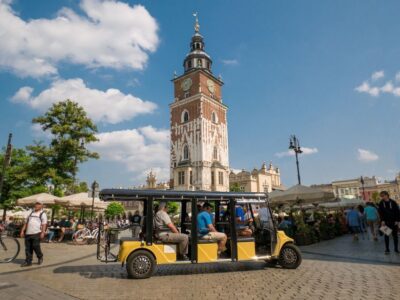 ★ 4.5City Sightseeing Tour by Electric Golf CartFrom $133,264 reviews
 ★ 4.7City Sightseeing Tour Eco Electric Buggy Golf CartFrom $133,143 reviews
 ★ 4.6E-Car Tour and Audio GuideFrom $161,738 reviews
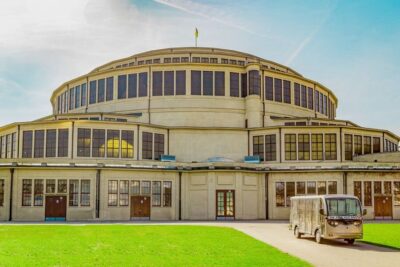 ★ 4.82-Hour Private Guided Tour by Electric CarFrom $38805 reviews
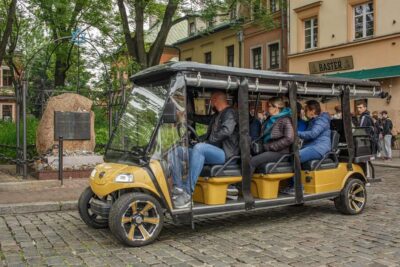 ★ 4.7Extended City Sightseeing Tour – Eco Buggy Golf CartFrom $13794 reviews
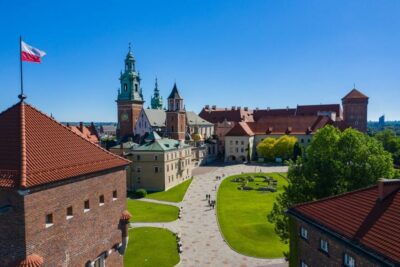 ★ 4.4Electric Car Sightseeing TourFrom $25450 reviews
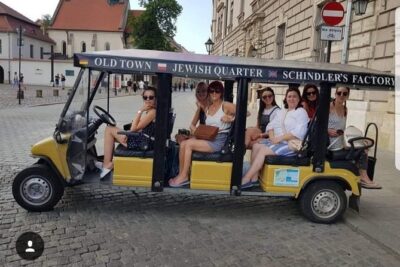 ★ 5.0Guided City Tour by Golf Buggy (with hotel pickup)From $53426 reviews
 ★ 4.6Jewish Quarter and Ghetto Electric Golf Cart TourFrom $34348 reviews
Also on these Poland lists