
REVIEW · AUSCHWITZ-BIRKENAU MEMORIAL TOURS
From Krakow: Auschwitz-Birkenau Full-Day Guided Tour
One of Europe’s hardest historical visits is also one of the most important. This full-day trip from Krakow takes you to Auschwitz I and Auschwitz II Birkenau with a licensed guide, plus an air-conditioned minivan that keeps the logistics simple. You spend the day walking the real grounds, hearing what you’re looking at and why it matters.
I especially like how the tour is built for clarity: headsets so you can actually hear the guide, and a structured path through both camps instead of freeform wandering. Another win is the included transport and entry planning, so you’re not trying to coordinate timing on the day.
One consideration: the museum sets the pace, and the operator warns that the preferred tour time may change. Tickets are also non-refundable, so you’ll want to book with firm dates in mind.
In This Review
- Key things I’d circle before you go
- What a 7-hour Auschwitz-Birkenau day really includes
- From Krakow by air-conditioned minivan, and how the day starts
- Auschwitz I: the gate, the barracks, and the weight of Block 11
- From Auschwitz I to Birkenau: why the scale changes everything
- Auschwitz II Birkenau: the guided walk and the memorial respect moment
- Time, breaks, and museum pacing you cannot control
- Price and value at $89: what you get for the money
- What to bring, wear, and avoid so you do not lose time
- How the guide and headsets shape the experience
- Who should book this Auschwitz day trip from Krakow
- Should you book this Krakow to Auschwitz-Birkenau full-day tour?
- FAQ
- How long is the Auschwitz-Birkenau full-day guided tour from Krakow?
- Does the tour include pickup and drop-off in Krakow?
- Will I have a guide and what languages are available?
- Is ticket entry included, and do I skip the ticket line?
- Do I need to bring ID?
- Are there rules about what I can wear or bring?
- Is this tour suitable for children?
Key things I’d circle before you go
- Two full guided segments: Auschwitz I with Block 11 and then the much larger Birkenau
- Headsets included, which makes a big difference in crowded areas and long walking days
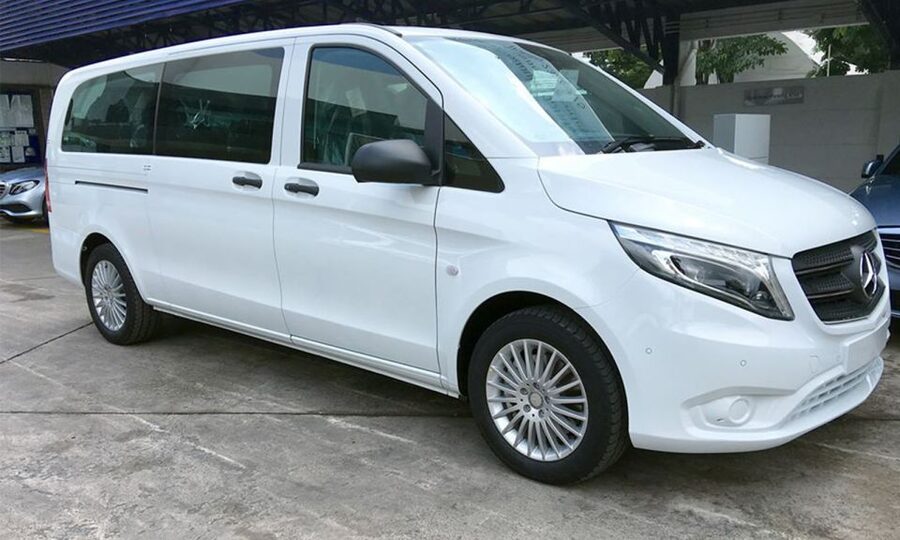
- Smooth transport from Krakow in an air-conditioned minivan with pickup and drop-off
- Time built around museum pacing, including breaks and visitor-service controlled timing
- Clear rules that prevent delays, like bag size limits and ID name matching
Other Auschwitz-Birkenau visits we have reviewed, with entry and transport noted
- From Krakow: Auschwitz-Birkenau Guided Tour & Hotel Pickup
★ 4.5 · 33,358 reviews - From Krakow: Auschwitz-Birkenau Guided Tour & Hotel Pickup
★ 4.5 · 29,340 reviews - Krakow: Auschwitz Guided Tour with Optional Hotel Pickup
★ 4.5 · 15,280 reviews - Krakow: Auschwitz-Birkenau Guided Tour with Pickup & Lunch
★ 4.5 · 9,800 reviews
What a 7-hour Auschwitz-Birkenau day really includes
This is a full-day tour, listed at 7 hours, focused tightly on one mission: seeing Auschwitz-Birkenau Memorial Museum with an expert guide. You won’t be trying to squeeze in extra stops or sightseeing. Instead, you’ll do two camp experiences in sequence, with the second one taking you to the wider, sprawling reality of Birkenau.
In practice, the day breaks into travel time, two museum visits, and short breaks. The Auschwitz I guided tour is listed at 105 minutes, then you move on and get a 1.5-hour guided tour at Auschwitz II Birkenau. You’ll also have a short break at Auschwitz I and another at Birkenau, plus transfer time back toward Krakow after the memorial.
Because the subject is intense, this tight structure matters. It helps you avoid the most common problem on independent visits, which is getting stuck outside, missing context, or arriving at the wrong moment for a specific route.
From Krakow by air-conditioned minivan, and how the day starts
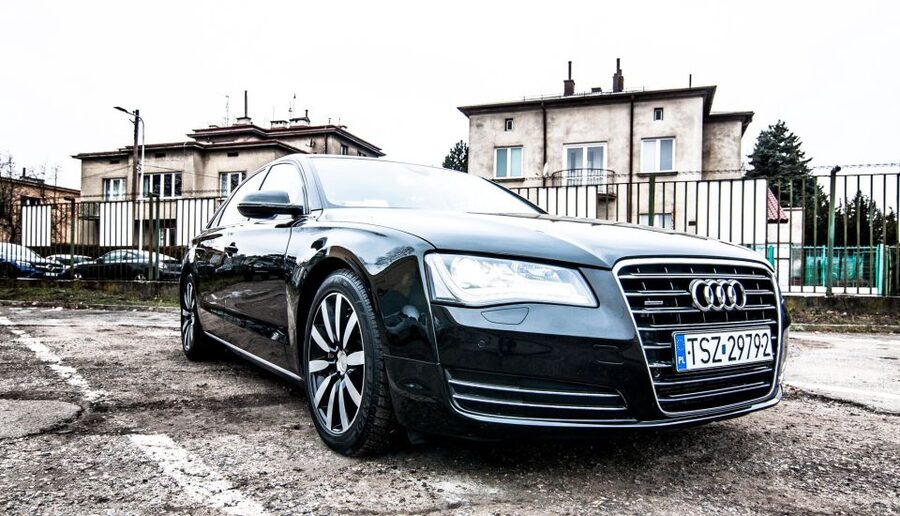
You’ll be picked up from your accommodation in Krakow, and the tour uses an air-conditioned minivan for the drive to Oświęcim, the area where Auschwitz is located. The schedule includes about 1.5 hours of bus or coach time early in the day, then short transfer legs between Auschwitz I and Auschwitz II.
This kind of transport setup is not just comfort. It reduces stress when you’re heading out early and you want the day to feel organized. Several participants praised the smooth running of the day, including punctual departures and clean, comfortable vehicles. One account highlighted a prompt pickup and straight routing to the museum area.
You’ll also have an English-speaking driver and a live guide with language options of English, German, and French. On a day like this, having the language match is not a luxury. It helps the explanations land, and it keeps you from relying on fragmented signs alone.
Auschwitz I: the gate, the barracks, and the weight of Block 11
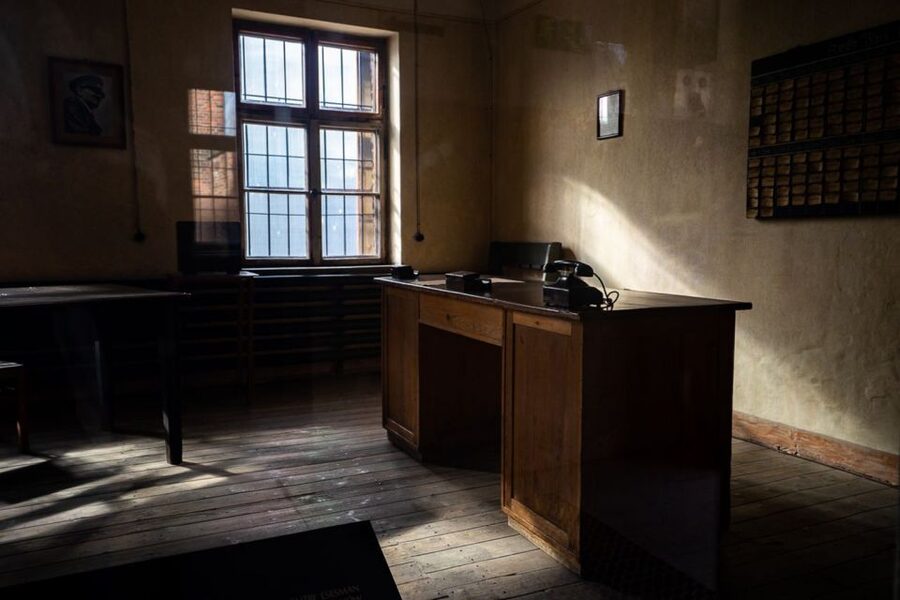
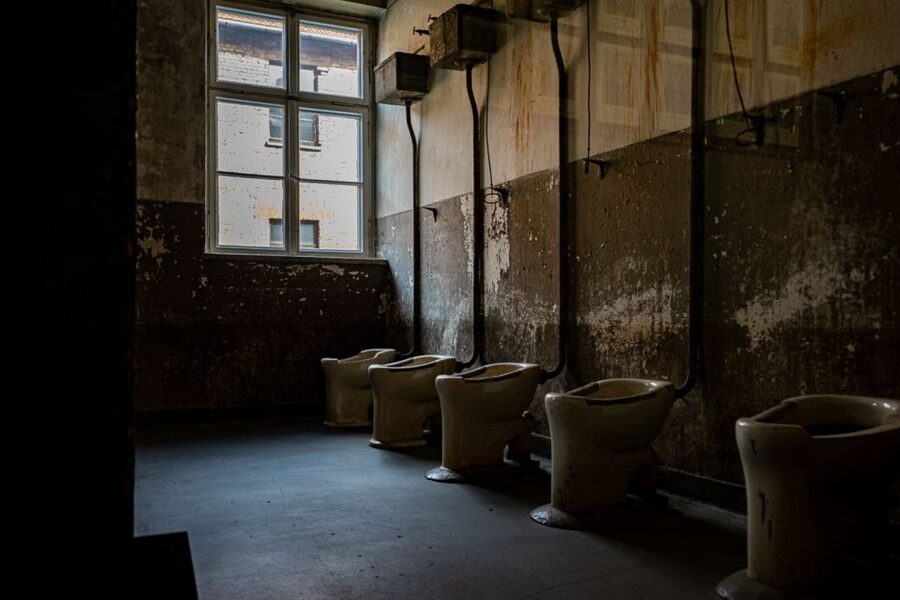
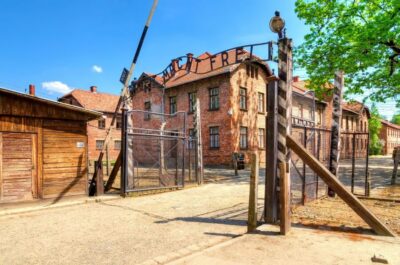
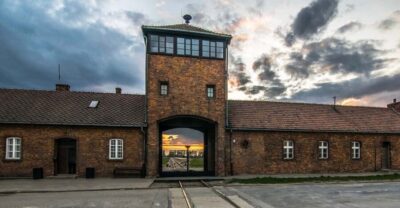
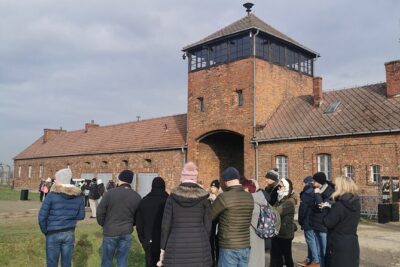
Auschwitz I is where your mind will start to organize the scale of what happened. The tour heads there first, where you’ll enter through the iron gate with the infamous slogan Arbeit Macht Frei. From there, the guided walk goes through areas that help you understand how the camp functioned.
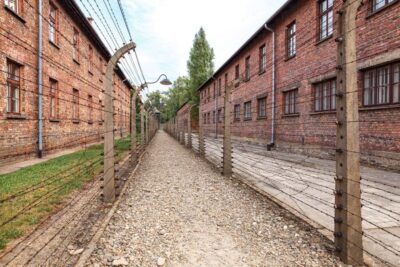
One of the key moments is seeing the 22 brick barracks mentioned in the tour description, where hundreds of thousands of victims of the Holocaust were placed. Even before you reach the more specific sites, you’ll likely notice how the camp layout communicates the system, not just the suffering.
Then comes the part many people remember as the most specific and difficult: Block 11. The tour describes it as a so-called prison within the prison, associated with special torture chambers and punishments inflicted on prisoners. The tour also notes that early extermination attempts using Zyklon B took place in this block.
At the end of the camp area, you’ll reach the only crematorium and gas chamber still standing. That final section is designed to bring the story from everyday camp reality to the mechanics of mass murder, without adding shortcuts. Be ready for a long emotional stretch, and give yourself time to simply stand where the guide directs you.
From Auschwitz I to Birkenau: why the scale changes everything
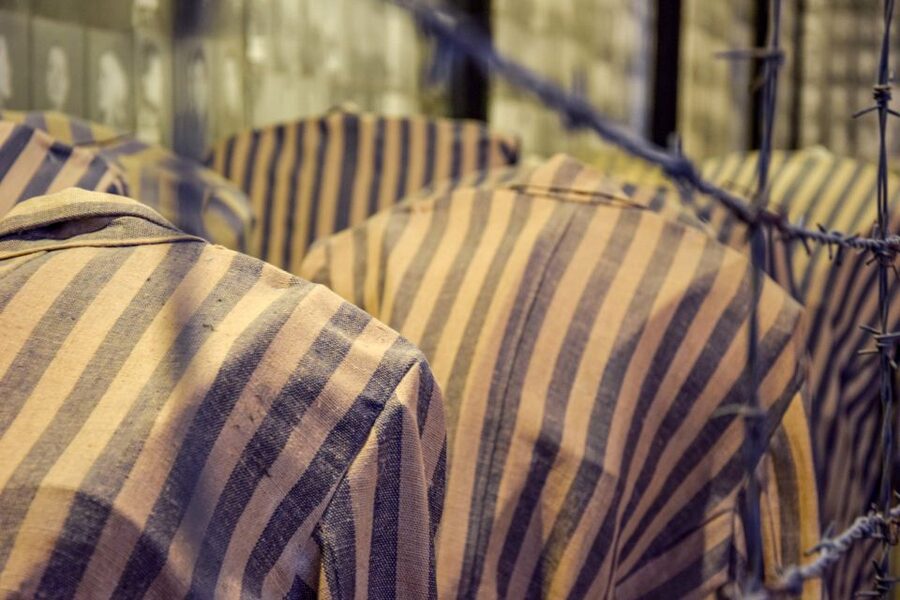
After Auschwitz I, you transfer by minivan to Auschwitz II Birkenau. The distance is short enough that you’re not losing your place in the narrative, but the change in camp size is huge.
The tour description is blunt and useful: Birkenau is 25 times larger than Auschwitz I and was the largest of the concentration camps. You also get the scale marker that over 1 million people died there. Those numbers are hard, but the real power is how the site layout supports them.
This is the reason the tour keeps the day guided. On Birkenau’s grounds, it would be easy to look around and feel lost. The guide’s job is to connect what you’re seeing, the camp organization, and the timeline you’re being walked through. You’re not just checking off sites. You’re building a coherent picture of the system, and that coherence helps your visit make sense after you leave.
Below are the other Krakow trips we have logged
- From Krakow: Auschwitz-Birkenau Guided Tour & Hotel Pickup★ 4.5 · 33,358 reviews
- From Krakow: Auschwitz-Birkenau Guided Tour & Hotel Pickup★ 4.5 · 29,340 reviews
- Krakow: Auschwitz Guided Tour with Optional Hotel Pickup★ 4.5 · 15,280 reviews
- Krakow: Auschwitz-Birkenau Guided Tour with Pickup & Lunch★ 4.5 · 9,800 reviews
- Krakow: Auschwitz-Birkenau Guided Tour Pickup/Lunch Options★ 4.5 · 9,057 reviews
Auschwitz II Birkenau: the guided walk and the memorial respect moment
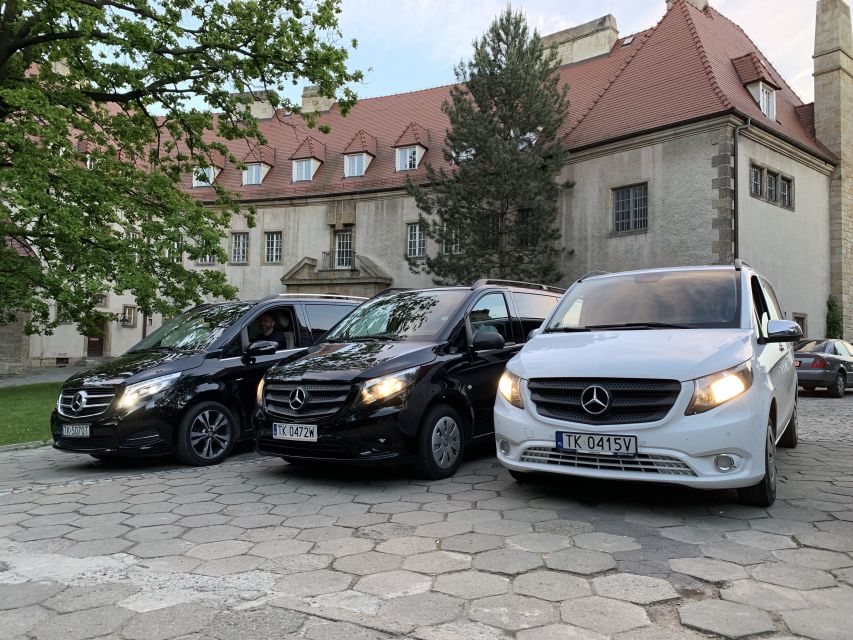
Birkenau is where the camp feels like it stretches past the edges of your expectations. The guided tour at Auschwitz II is listed at 1.5 hours, with a break time of 20 minutes before or during the program flow.
You’ll likely spend this time moving through important areas while the guide explains significance. The tour ends at the memorial where participants can pay their respects to all of the victims of the genocide before heading back to Krakow.
That respect moment is worth treating as part of the experience, not just a stop on the route. If you want the most out of it, keep your phone away and let the space do its job. This is also one of the better times to center yourself if you’ve felt mentally overloaded during Block 11.
One practical note: long walking on uneven ground is common at these sites, and comfort matters. Reviews repeatedly mention wearing comfortable shoes and being ready for lots of walking. Bring weather-ready layers too, even in months when Krakow feels mild, since the conditions can shift.
Time, breaks, and museum pacing you cannot control
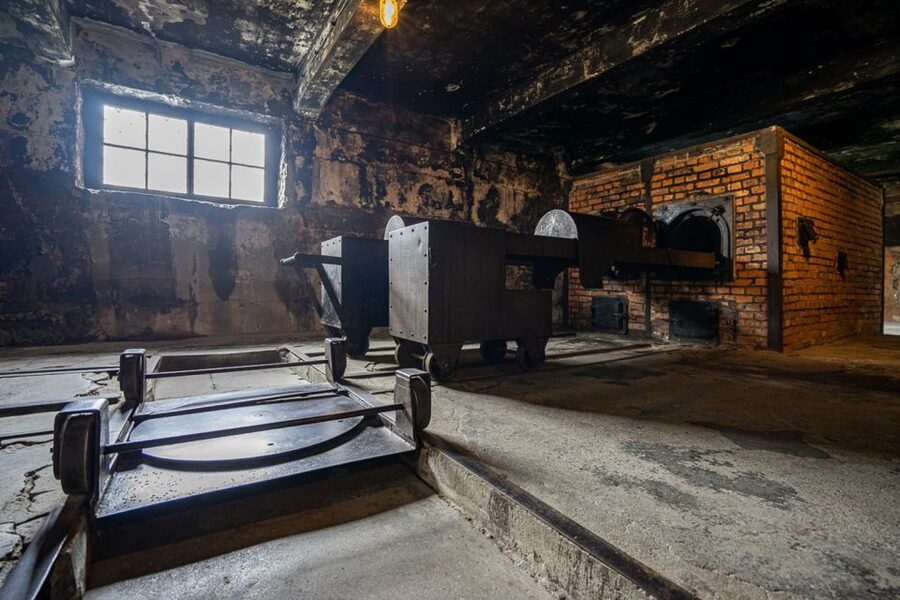
Here’s the reality check: even with a perfectly planned route, the museum controls the visitor flow. The tour description notes that the pace and duration of the tours are determined by the memorial’s visitor service, and the operator has no influence over break times.
That means you should build a flexible mindset. Your schedule might run a bit differently depending on visitor volume, timing windows, and the flow rules in place that day.
There’s also a specific timing risk to know about. The operator states that due to museum requirements, the preferred tour time is not guaranteed. If a time change is needed, they will contact you the day before to confirm a new time. Importantly, the time change does not qualify for a refund, and the tickets are non-refundable.
So your best move is to keep your day in Krakow open and avoid booking other time-sensitive plans right after your tour. If you’re doing this as a day trip, treat it like the anchor event.
Price and value at $89: what you get for the money
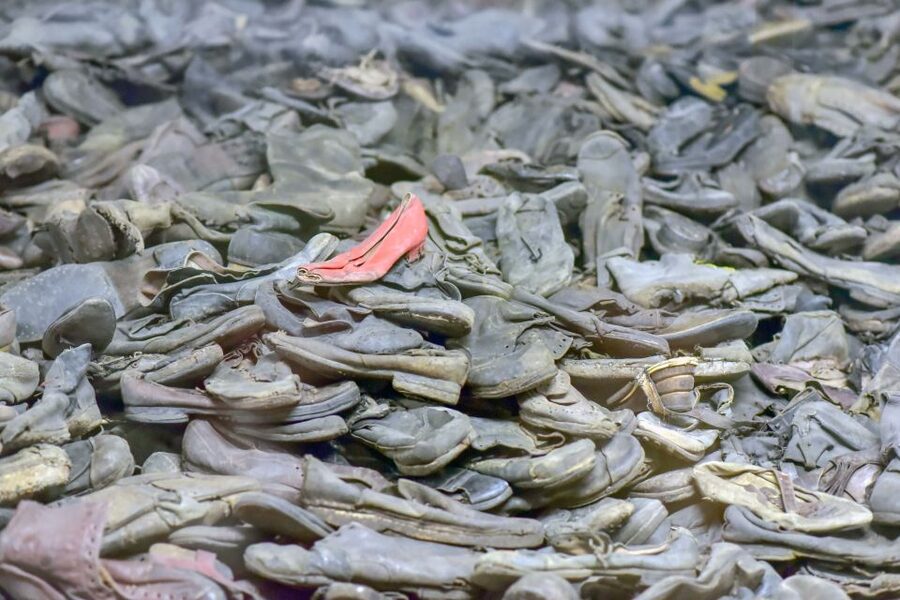
At $89 per person, you’re paying for a tight bundle: pickup and drop-off, air-conditioned transportation, entrance fees, a local guide, and headsets. You also get a skip-the-ticket-line benefit.
It’s not just the camp access that’s valuable. The real value is the guide. Auschwitz-Birkenau is not the kind of place where silence plus signage works well for most people. Without explanation, you can easily focus on details that feel shocking but are not the main point of the system you’re trying to understand.
You’re also buying time and coordination. A day like this can turn into a logistical mess if you’re juggling trains, ticket windows, and finding the right entry process. This tour removes that burden and replaces it with a straightforward schedule.
So if your priority is understanding more than sightseeing, and you want the emotional weight of the day to be paired with context, this price lands in a reasonable zone for what’s included.
What to bring, wear, and avoid so you do not lose time
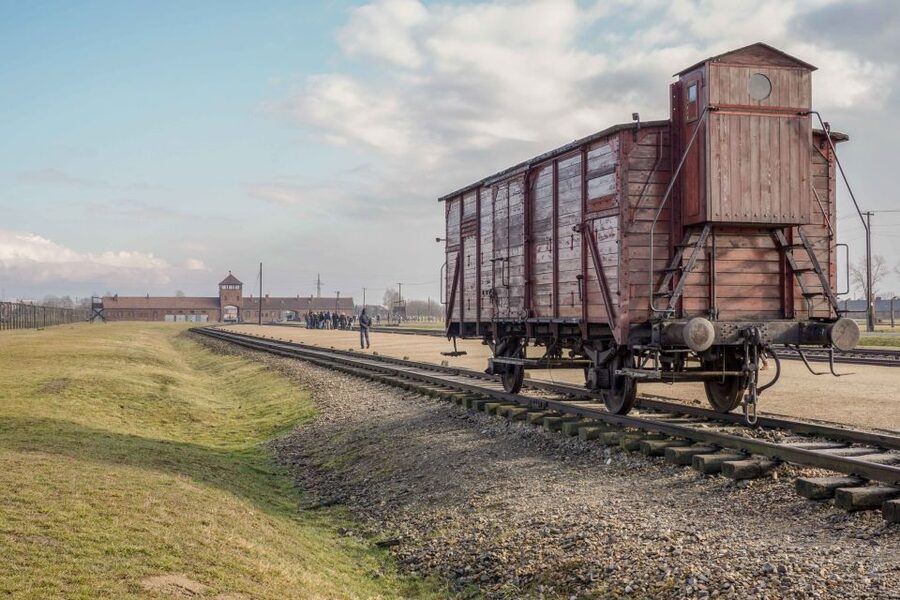
This visit has simple rules, and following them helps you avoid entry delays.
Bring a passport or ID card. The tour also warns that entrance can be refused if the name on your booking is not identical to the name on the ID you show when entering. In other words, double-check spelling.
Wear what the site will allow. The tour specifically lists that sleeveless shirts are not allowed. For shoes, reviews strongly suggest comfortable trainers or boots due to lots of walking.
Bags matter too. Bags bigger than 20x30x10 cm are not allowed in the Auschwitz museum. If you’re traveling with a larger bag, you might have to travel lighter than you planned.
Also avoid prohibited items. The tour lists alcohol and drugs as not allowed, and it also notes no explosive substances.
Finally, remember that this tour is not recommended for children under 14. That’s a content and intensity call, not just a comfort issue.
How the guide and headsets shape the experience
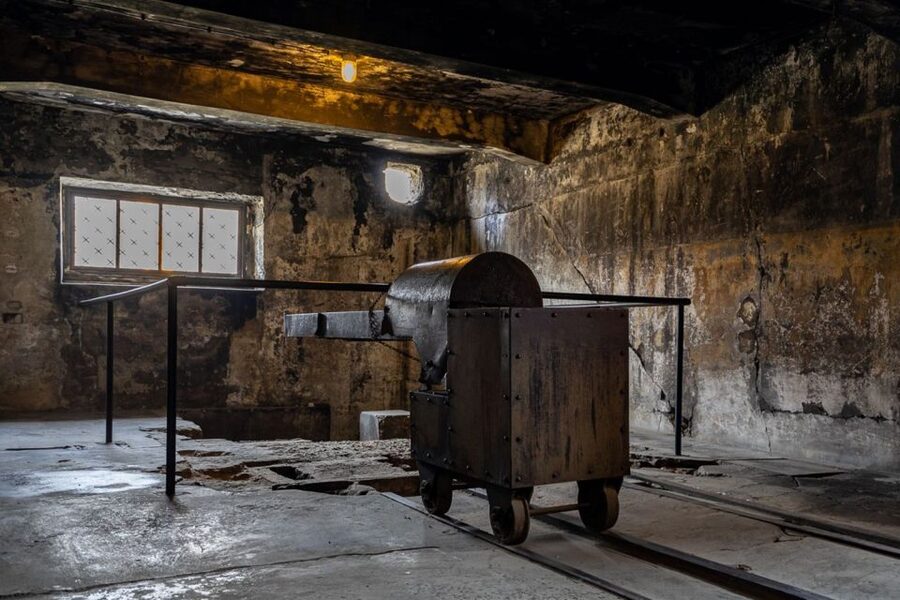
One of the strongest signals from past experiences is that the guide can make or break the day. In the feedback you provided, several guide names show up with strong praise, including Monika, Joanna, and Jakob. People highlighted how guides were friendly, helpful with questions, passionate about explaining, and detailed in their coverage of both camps.
That kind of guiding matters because Auschwitz-Birkenau is not a single story. It’s multiple layers: administration, prisoner life, punishment systems, and the mechanics of mass murder. A good guide helps you connect those layers without turning the visit into a list of facts.
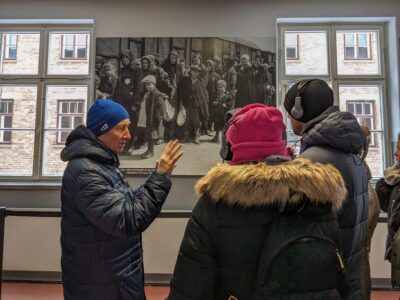
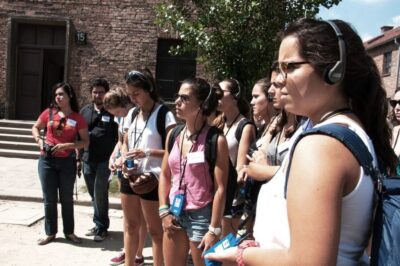
Headsets are included, and that’s not a small perk. When you’re walking between sites, sound quality and crowd noise can make it hard to follow. With headsets, you can concentrate on what the guide is saying and not keep scanning for where the voice is coming from.
You’ll also have a booklet available in different languages. That can help you re-check details afterward, especially if you want to organize your thoughts after the emotional intensity of the visit.
Who should book this Auschwitz day trip from Krakow
I think this tour makes the most sense for you if:
- You want licensed, structured context across both Auschwitz I and Auschwitz II
- You prefer a plan that handles transport and entry rather than DIY navigation
- You’re comfortable with lots of walking and a serious, emotionally heavy subject
It might not be the best fit if:
- You’re traveling with children under 14, since it is not recommended
- You dislike strict site rules (dress code, bag size, ID name matching)
- You cannot handle schedule changes due to the museum setting the pace and allowing time changes the day before
If you’re the type who likes to understand the logic of a place before you judge it, this format should suit you.
Should you book this Krakow to Auschwitz-Birkenau full-day tour?
Yes, I’d book it if your goal is context as much as it is access. The combination of a licensed guide, headsets, skip-the-ticket-line benefit, and a guided route through both camps is exactly what you want for a site like this.
Just go in with two expectations: the day can feel overwhelming, and the museum controls the pacing. If you accept that, and you come prepared with ID, weather-ready layers, and shoes built for walking, this is a well-run way to experience Auschwitz-Birkenau with clarity and respect.
FAQ
How long is the Auschwitz-Birkenau full-day guided tour from Krakow?
The tour is listed as 7 hours total, with availability depending on starting times.
Does the tour include pickup and drop-off in Krakow?
Yes. The tour includes pickup and drop-off at your accommodation in Krakow, and it notes pickup is optional depending on the option booked.
Will I have a guide and what languages are available?
Yes, there is a live tour guide. The available languages listed are English, German, and French.
Is ticket entry included, and do I skip the ticket line?
Yes. The tour includes entrance fees, and it lists skip the ticket line.
Do I need to bring ID?
Yes. You must bring a passport or ID card.
Are there rules about what I can wear or bring?
Yes. Sleeveless shirts are not allowed, and bags bigger than 20x30x10 cm are not permitted in the Auschwitz museum. The tour also lists restrictions like no alcohol and drugs.
Is this tour suitable for children?
This tour is not recommended for children younger than 14 years old.
More Tours in Krakow

More Tour Reviews in Krakow
Auschwitz-Birkenau: Other Reviewed Visits
Recently written up around Krakow

More Auschwitz-Birkenau Memorial Tours.
 ★ 4.5Auschwitz-Birkenau Guided Tour & Hotel PickupFrom $2133,358 reviews
★ 4.5Auschwitz-Birkenau Guided Tour & Hotel PickupFrom $2129,340 reviews
★ 4.5Auschwitz-Birkenau Guided Tour & Hotel PickupFrom $2133,358 reviews
★ 4.5Auschwitz-Birkenau Guided Tour & Hotel PickupFrom $2129,340 reviews
 ★ 4.5Auschwitz Guided Tour with Optional Hotel PickupFrom $6915,280 reviews
 ★ 4.5Auschwitz-Birkenau Guided Tour with Pickup & LunchFrom $219,800 reviews
 ★ 4.5Auschwitz-Birkenau Guided Tour Pickup/Lunch OptionsFrom $2009,057 reviews
 ★ 4.7Auschwitz-Birkenau and Salt Mine Guided TourFrom $549,020 reviews
 ★ 5.0Krakow to Auschwitz Birkenau Guided Tour with Transfer and TicketFrom $368,197 reviews
 ★ 4.0Auschwitz Birkenau Tour with TransferFrom $216,134 reviews
Also on these Poland lists