
REVIEW · WROCLAW CITY TOURS
From Wroclaw: Polish Pottery and Jawor Church of Peace Tour
A wooden church and hand-painted pottery in one day is a smart combo. This tour ties Lower Silesian craftsmanship and history together, with a factory-floor look at Bolesławiec pottery and then a visit to the UNESCO Church of Peace in Jawor.
I like that the pottery visit is practical, you actually watch how pieces move through the stages of production and then see the decoration process up close. I also love the shopping time, because you can buy with your eyes open after you learn what the famous peacock-eye pattern really means.
One thing to keep in mind: lunch is not included, so you’ll want to plan for extra cost (and time) once you reach the restaurant stop.
In This Review
- Key highlights to look for
- Polish Pottery and Jawor in One 8-Hour Day From Wroclaw
- Inside Bolesławiec Pottery: What You’ll Actually See
- Peacock-Eye Decoration: Learning the Handwork Behind the Style
- The Factory Store Stop: How to Shop Without Regret
- Jawor’s Church of Peace: Why This UNESCO Wooden Church Feels Huge
- Timing, Pickup, and the Small-Group Advantage
- Lunch Gap: Plan Ahead for Food and Optional Beer
- Value Check: Is $194 Good for This Kind of Day?
- Who This Tour Fits Best (and Who Might Skip)
- Should You Book This Tour?
- FAQ
- How long is the Polish Pottery and Jawor tour from Wroclaw?
- What is included in the tour price?
- Is lunch included?
- What languages are provided during the tour?
- How large is the group?
- Is pickup included, and what do I need to provide?
- Is beer tasting part of the tour?
- What is the cancellation policy?
- Can I reserve now and pay later?
Key highlights to look for
- Factory-floor Bolesławiec pottery: watch multiple steps of production, not just finished wares
- Peacock-eye hand decoration: stamped emblematic pattern made by skilled decorators
- UNESCO Church of Peace in Jawor: a major wooden church with 17th-century religious history
- Small group pace: limited to 8 participants, easier to ask questions and browse at your speed
- Shopping time that makes sense: you learn first, then you buy with better instincts
More of Wroclaw, dwarves and islands included
- Wroclaw: E-Car Tour and Audio Guide
★ 4.6 · 1,738 reviews - Wroclaw: 2-Hour Private Guided Tour by Electric Car
★ 4.8 · 805 reviews - Wrocław: Old Town and Ostrów Tumski Walking Tour in English
★ 4.8 · 311 reviews - Wroclaw: Private Old Town Guided Walking Tour (2 hours)
★ 4.8 · 275 reviews
Polish Pottery and Jawor in One 8-Hour Day From Wroclaw
This is the kind of day trip that works well when you want something real, not just a quick photo stop. You start with Polish ceramics in Bolesławiec, then end at Jawor, where the Church of Peace stands out for its sheer scale and its story tied to the religious wars.
The route is built around two strong anchors. One is craft (Bolesławiec pottery), where you can connect the look of the patterns to the hands that made them. The other is architecture and faith history in Jawor, where a wooden church from the 17th century was designed under strict rules during Protestant persecution.
The day also stays manageable because the group is small, up to 8 people. That matters when you’re shopping for pottery and when you’re listening to a guide explain what you’re seeing.
Inside Bolesławiec Pottery: What You’ll Actually See
Bolesławiec pottery is not a modern hobby project. The region’s pottery activity dates back to the end of the 14th century, and the craft became an important local production center over time. That longer timeline is exactly what makes the factory visit feel more than touristy.
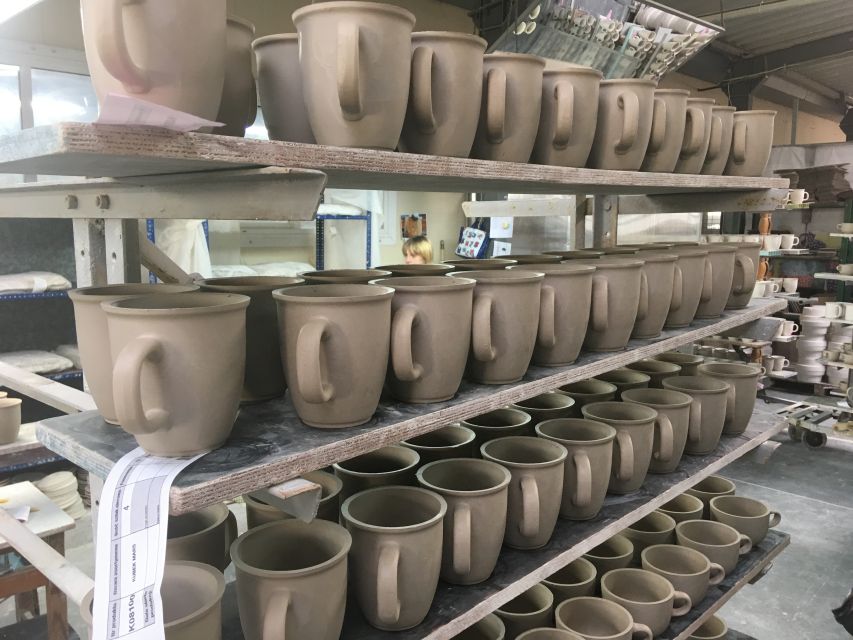
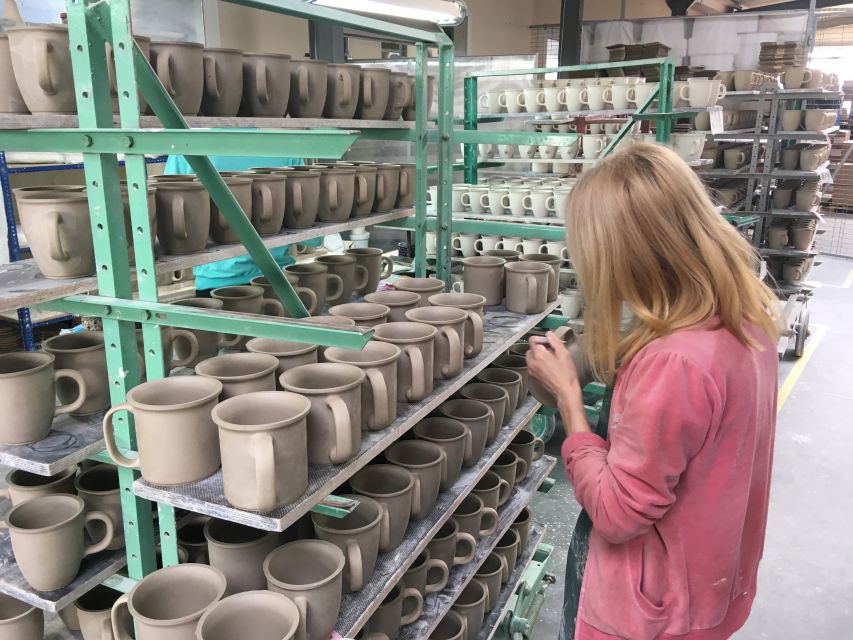
At the manufature stop, you enter a working environment where you can observe the production process at different stages. The point here is to understand how a finished piece gets there. You’re not only looking at bowls and mugs, you’re seeing how the makers get from raw material to decorated ceramic.
And you’ll notice the role of pattern and consistency. Bolesławiec pottery is known for distinctive decoration, and the tour experience focuses on how that signature style is achieved.
Practical tip: take a minute at the start and watch how the pieces are moving. If you know what step you’re looking at, the rest of the process makes more sense when the decoration part comes.
Peacock-Eye Decoration: Learning the Handwork Behind the Style
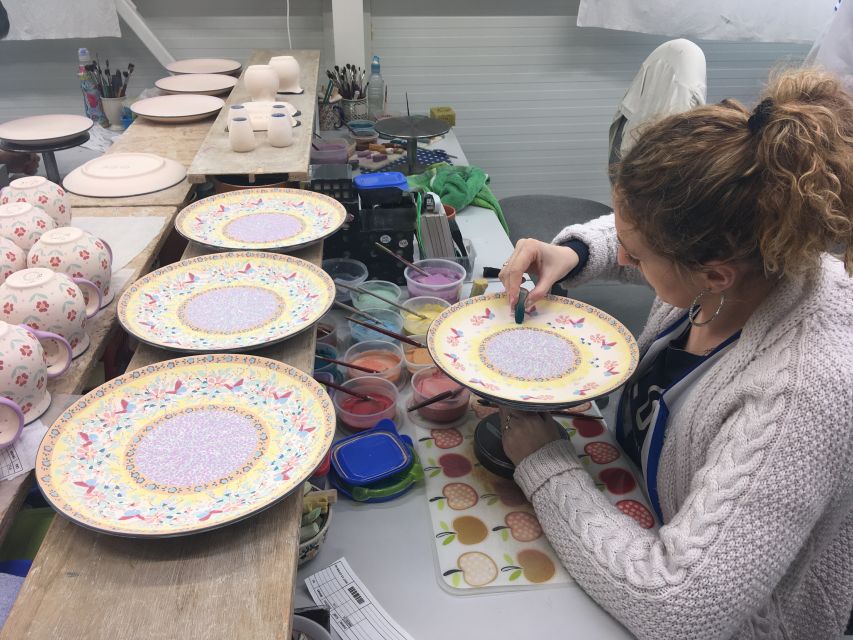
The most memorable part of the pottery side is the decoration. This is where the tour gets specific, and it’s also where you start to understand why Bolesławiec pieces look the way they do.
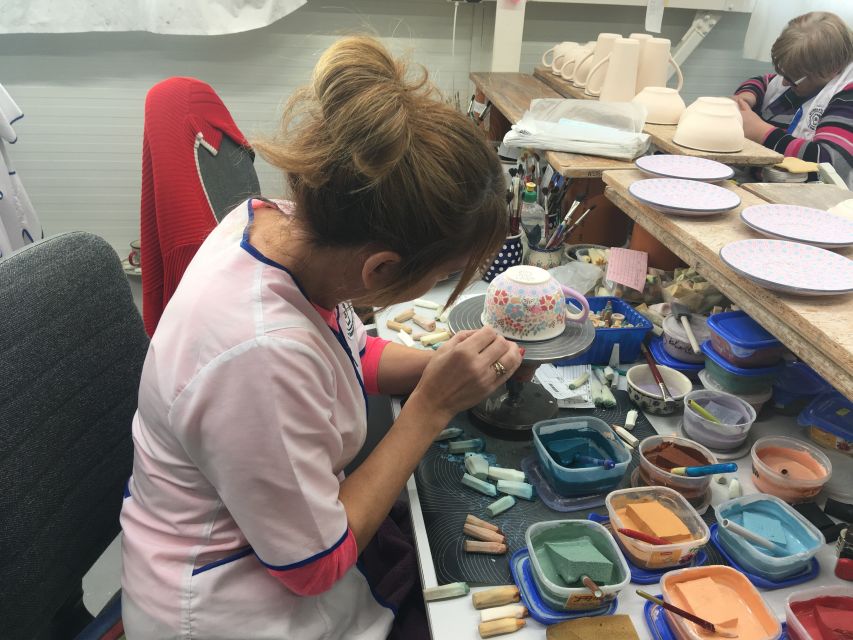
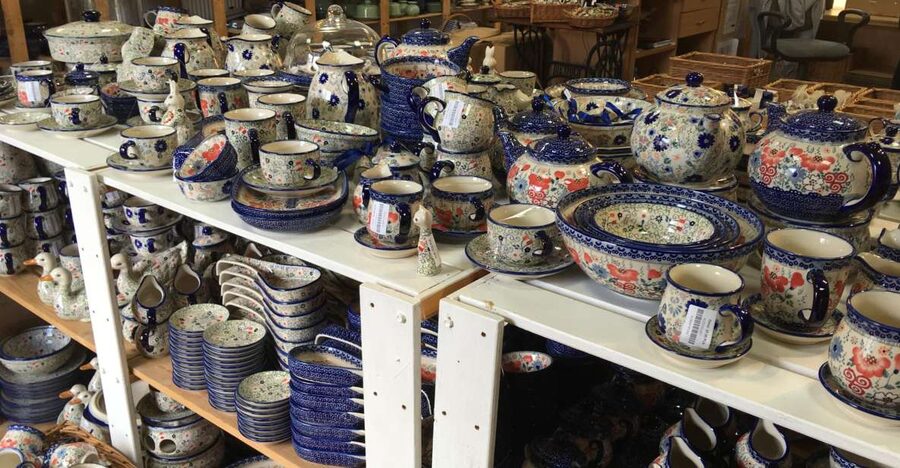
Decoration is done by hand using special stamps with the emblematic peacock-eye pattern. You’ll learn how that design gets applied, and that “by hand” detail matters. It means you’re not only buying a souvenir, you’re buying the output of a repeatable craft method that artists still perform manually.
If you’ve ever seen printed ceramics that look similar at a glance, this is the kind of explanation that helps you tell the difference. The tour experience trains your eye to spot the personality of hand decoration, not just the final color and motif.
Shop smarter after this part: when you know the pattern’s identity, you can compare pieces with a more informed sense of what matches your taste and what looks most appealing in person.
The Factory Store Stop: How to Shop Without Regret
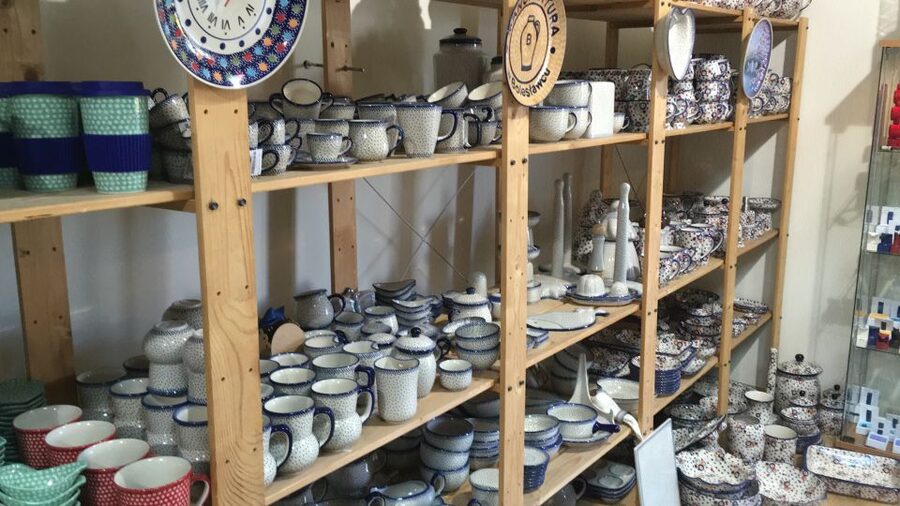
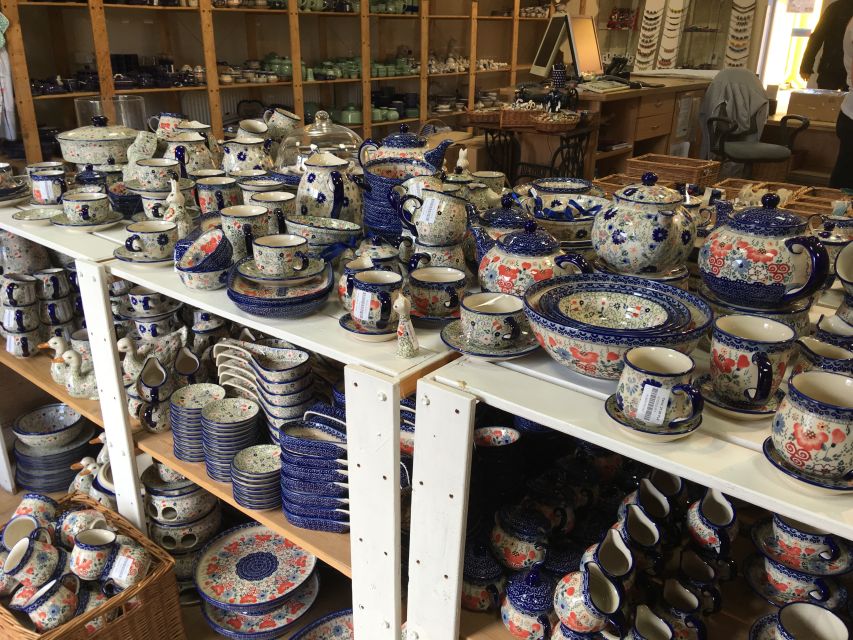
After the production and decoration lessons, you get time for shopping in the factory store. This is important because it turns the tour from a viewing activity into a buying moment you control.
When you shop here, you’re doing it with context. The guide shows you how the decoration works, then you see the wares in the place designed for sales. That helps you avoid the classic souvenir problem, where you buy first and ask questions later.
Since your group is small, you can browse without feeling rushed. You’ll likely have time to look at different shapes and sizes, and to choose pieces for your own kitchen or for gifts.
One thing I appreciate is that the guide experience can make or break shopping time. In past tour experiences, the English guide Adam has been patient with people while they browse and decide. That kind of calm pacing helps, especially if you like to compare multiple options before committing.
Shopping practicalities to consider:
- Think about the kind of items you want, bowls, plates, or mugs, then check that they match the pattern style you liked during the decoration part.
- If you’re buying gifts, choose pieces that are easy to pack and protect for the trip home.
More castles and tunnel systems across Lower Silesia
- Jewels of Lower Silesia Full-Day Tour from Wroclaw★ 4.8 · 66 reviews
- From Wroclaw: Ksiaz Castle and Church of Peace in Swidnica★ 4.7 · 42 reviews
- Wroclaw: Lower Silesia, Ksiaz Castle & Church of Peace Tour★ 4.6 · 42 reviews
- Wroclaw: Project Riese and Ksiaz Castle Private Tour★ 4.7 · 39 reviews
- Lower Silesia Tour From Wroclaw★ 4.5 · 33 reviews
Jawor’s Church of Peace: Why This UNESCO Wooden Church Feels Huge
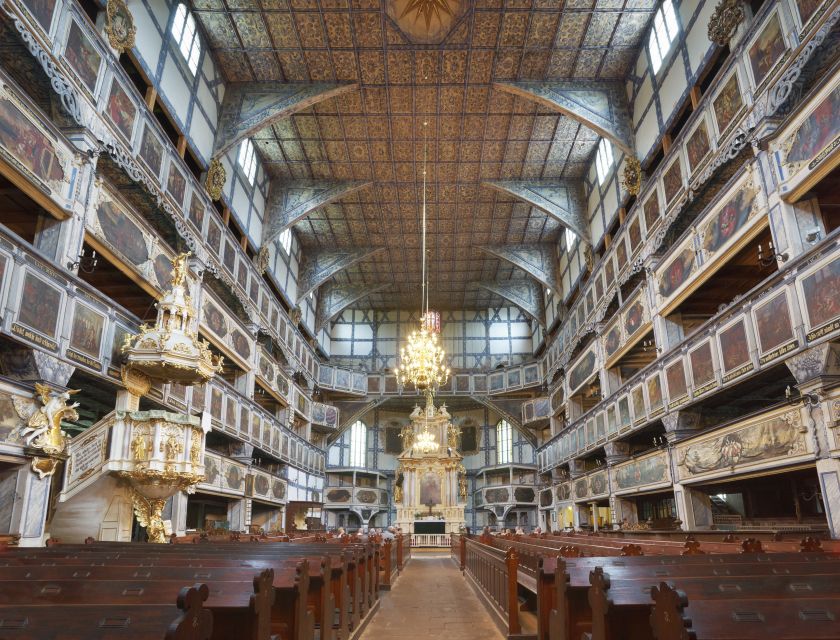
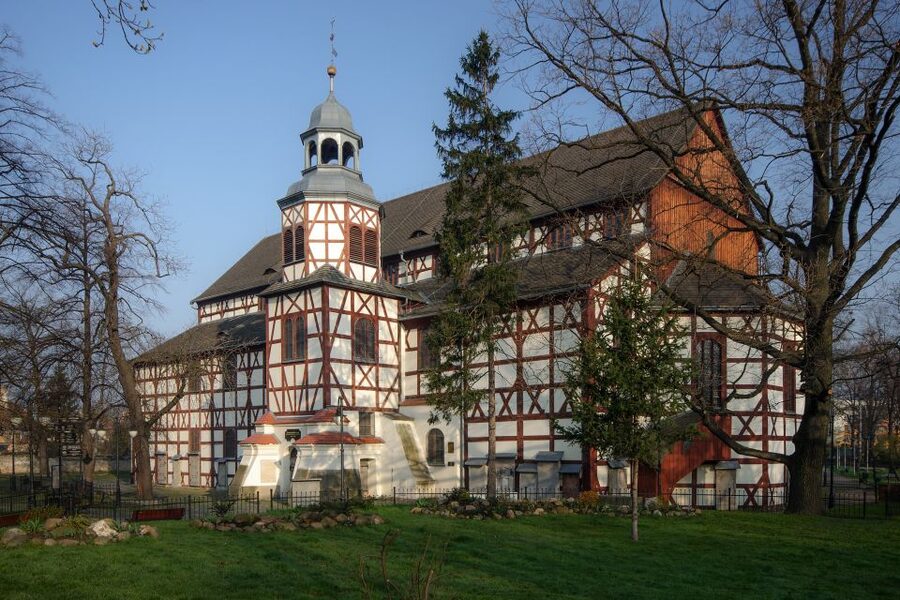
Then you switch from craft to history, and the tone changes fast. On the way back, you have a chance to see one of the biggest wooden churches in Europe, the Church of Peace in Jawor.
This church was built in the 17th century, during a tense socio-political period when Protestants faced persecution. It was constructed under strict regulations, and that matters for how you interpret the building. You’re not only looking at wood and structure, you’re looking at a faith community’s constraints translated into architecture.
As a UNESCO World Heritage Site, it has international recognition for its significance. And that recognition isn’t just about being old. It’s about being a specific kind of response to the circumstances of its time.
What to do inside:
- Slow down and focus on the overall structure rather than only the details. The size is part of the impact.
- If you’re curious, ask questions during the guide’s explanation. The history behind strict rules helps you understand why the building looks the way it does.
Practical note: this is a stop you’ll likely enjoy more if you’re open to history and context, not only photos.
Timing, Pickup, and the Small-Group Advantage
This is a full 8-hour day, so the logistics matter. Pickup is included, and you provide your hotel name for the pickup. That’s a big help if you don’t want to figure out transport on your own from Wrocław.
The tour is limited to 8 participants. For you, that usually means two benefits. First, it’s easier to hear the guide when they’re explaining pottery and church context. Second, shopping and questions happen with less crowd pressure.
The tour has a live guide in English, and you also get an audio guide in English and Polish. That combination is useful when you want to catch details again at your own pace, especially during the pottery stop.
If you’re the type who likes to ask lots of questions, a small group helps you do it without feeling like you’re holding things up. It also makes the day more pleasant if some people in your group want time to browse while others want more explanation.
Lunch Gap: Plan Ahead for Food and Optional Beer
Lunch is not included, even though the day includes a restaurant stop for that meal. That’s typical for tours like this, and it means you should budget extra.
So what does that mean for your day? It means the schedule includes a lunch window, but you’re choosing what to order and paying for it yourself. If you’re traveling with picky preferences, consider checking in with the guide about timing so you know how much time you’ll have to eat.
There may also be beer tasting, but it’s only for participants older than 18. You can treat that as optional. If you’re under 18, you won’t be the one making choices about that part.
Practical tip: bring a small snack or water if you tend to get hungry mid-day. With a factory visit and then a church stop, you’re walking and focusing for hours.
Value Check: Is $194 Good for This Kind of Day?
At $194 per person for an 8-hour, small-group day from Wrocław, you’re paying for three things: guided access, entry into two meaningful sites, and time efficiency.
Here’s what’s included:
- Entrance and visit to the Bolesławiec manufature
- Entrance to the Church of Peace in Jawor
- Live English guide plus audio guides (English and Polish)
- Pickup included (with your hotel name)
What’s not included:
- Lunch
So the “value” question comes down to whether those two paid entries plus guided interpretation are worth it for you. If you’re the kind of traveler who can appreciate craft process and historical context, this price is fairly aligned with a guided experience that saves you from planning transport and sequencing on your own.
If you’re simply trying to check off a UNESCO site and you don’t care about the pottery process, then the cost may feel heavier. But if you love hands-on craft storytelling, the pottery portion alone provides a lot of learning time, plus shopping in a place designed for it.
Also, the small group size is part of the value. Up to 8 participants can translate into a calmer experience, and a more personal guide interaction, rather than competing with a big crowd.
Who This Tour Fits Best (and Who Might Skip)
This tour is a great match if you want:
- A ceramics focus, with time to see production and decoration methods
- A UNESCO stop that’s more than a photo, with 17th-century context tied to religious persecution
- A day trip pace that doesn’t feel rushed, because the group stays small
You might want to skip or rethink it if:
- You prefer self-guided time with no structure at all
- You want a day centered only on views or outdoor scenery, since this day is mostly craft and historical interior experiences
- You don’t want to think about lunch budgeting, since lunch isn’t included
One more angle: if you enjoy buying handmade items, this is one of the better ways to shop. You’ll understand the process and the pattern identity before you pick something up.
Should You Book This Tour?
I’d book this if you like authentic craft and you enjoy understanding what you’re looking at. The pottery side gives you concrete, visual knowledge about hand decoration and the peacock-eye pattern, and the Church of Peace stop adds strong historical weight.
It’s also a smart choice if you want guided interpretation without a giant crowd. Small group, English live guide, plus audio support is a strong setup for both first-time visitors and repeat travelers who like details.
Just plan for lunch on your own, and be ready for a full 8-hour day. If you do that, you’ll come away with both souvenirs you chose with confidence and a UNESCO site you can actually explain.
FAQ
How long is the Polish Pottery and Jawor tour from Wroclaw?
The tour duration is 8 hours.
What is included in the tour price?
You get entrance and a visit to the Bolesławiec manufature and entrance to the Church of Peace in Jawor. Pickup is included, and there is a live English guide with audio guide support in English and Polish.
Is lunch included?
No. Lunch is not included, though the day includes time to eat at a local restaurant.
What languages are provided during the tour?
The live tour guide speaks English. An audio guide is included in English and Polish.
How large is the group?
The group is small, limited to 8 participants.
Is pickup included, and what do I need to provide?
Pickup is included. You provide your hotel name for the pickup arrangement.
Is beer tasting part of the tour?
Beer tasting is only for participants older than 18.
What is the cancellation policy?
Free cancellation is available up to 24 hours in advance for a full refund.
Can I reserve now and pay later?
Yes. The option is reserve now & pay later, so you can book your spot and pay nothing today.
More Tour Reviews in Wroclaw

Lower Silesia Castles and Tunnels, Continued
More of Wroclaw
Recently written up around Wroclaw
More Wroclaw City Tours.
 ★ 4.6E-Car Tour and Audio GuideFrom $161,738 reviews
 ★ 4.82-Hour Private Guided Tour by Electric CarFrom $38805 reviews
 ★ 4.8Old Town and Ostrów Tumski Walking Tour in EnglishFrom $19311 reviews
 ★ 4.8Private Old Town Guided Walking Tour (2 hours)From $164275 reviews
 ★ 5.0Old Town Wrocław Walking TourFrom $26249 reviews
 ★ 4.8City Tour Sightseeing By Golf Cart Shared Or PrivatFrom $27189 reviews
 ★ 5.0Auschwitz-Birkenau Tour from WrocławFrom $266129 reviews
 ★ 4.4Wroclaw Pub Crawl with Free DrinksFrom $25127 reviews
Also on these Poland lists