
REVIEW · WROCLAW CITY TOURS
Wrocław: World War II and the non-existent city of Breslau
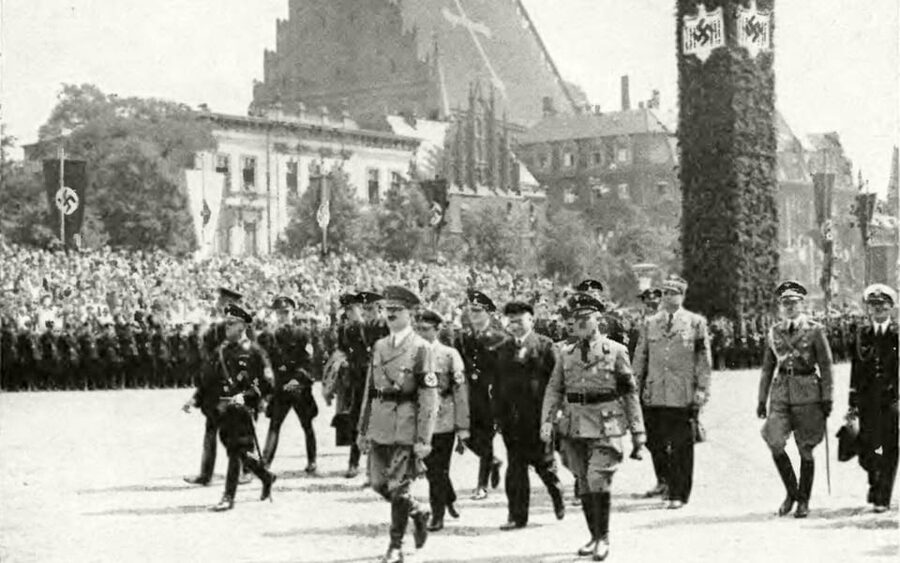
This city has two names in your head. Wrocław, once Breslau, ties together NSDAP power, Hitler visits, and the brutal shift from parades to fortress warfare, all in a compact walk. I like how this tour pairs key surviving landmarks with the story of what was destroyed, plus you’ll also see period photographs from 1933-1945.
One thing to consider: if you want a heavy, blow-by-blow deep dive into the Nazi period only, this can feel like it gives the broader city-and-war picture rather than extreme detail. That matters, because the theme is WWII, but the route also emphasizes how the city changed after 1945.
In This Review
- Key points worth knowing before you go
- Wrocław, Breslau, and why this tour starts at Piwnica Świdnicka and Rynek
- Rynek and Solny Square: where the city tried to protect people
- From Castle Square parades to Hitler’s Monopol Hotel balcony and the Soviet entry
- Partisan Hill (Lieblichs Höhe): bunkers, the Breslau Fortress command, and a beer-garden view
- Ostrów Tumski, the Cathedral island, and what the 1945 battles changed
- Price and group size: why $209 per group can make sense
- Who should book this Wrocław Breslau WWII tour, and who might skip
- Should you book this Wrocław Breslau WWII tour?
- FAQ
- How long is the Wrocław, Breslau WWII tour?
- Where does the tour start?
- What is the tour’s walking pace like?
- Is this a private group tour?
- What languages are the live guides?
- Is the tour wheelchair accessible?
- How much does it cost?
- Does the tour include photographs?
- Where do you finish the tour?
- Can I reserve and pay later?
Key points worth knowing before you go
- Breslau Fortress story with real places, including where the fortress command sat and where underground bunkers were used
- Start at a landmark that survived, Rynek near the Old Town Hall, so you get an immediate before-and-after feeling
- Solny Square bunkers and protective shelters, a practical, human scale way to understand life until 1945
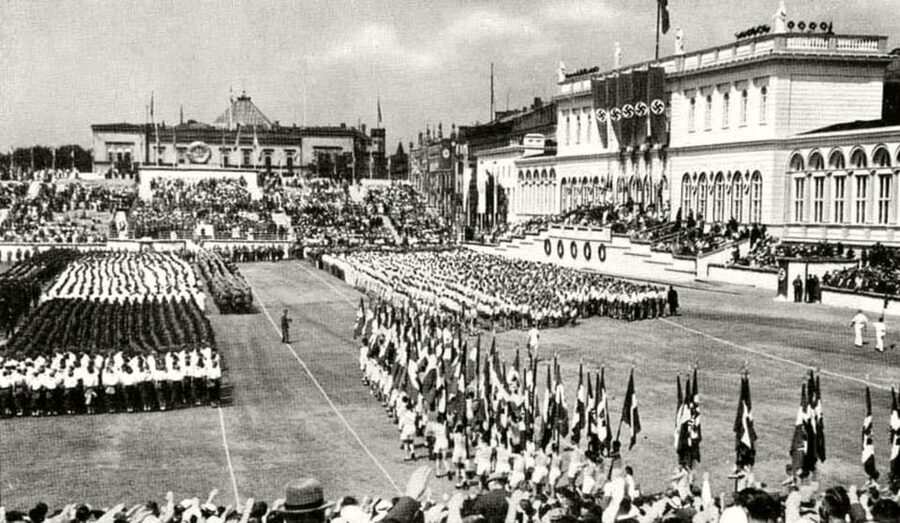
- Nazi parades and Fakelzuege tied to recognizable stops, including the Monopol Hotel balcony where Hitler greeted supporters
- The walk ends on Ostrów Tumski, where the Cathedral island shows what restoration looks like after the war
More wartime history routes we have written up in Wroclaw
- Wroclaw: Third Reich and World War Two Historical Tour
★ 4.9 · 43 reviews - Wroclaw: Project Riese and Ksiaz Castle Private Tour
★ 4.7 · 39 reviews - III Reich & WW2 in Wroclaw. Monday, Wendsday, Friday regular tour
★ 4.5 · 32 reviews - Wroclaw: Private Tour to Project Riese
★ 4.6 · 22 reviews
Wrocław, Breslau, and why this tour starts at Piwnica Świdnicka and Rynek
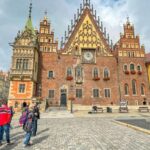
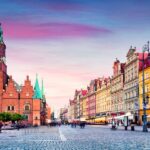
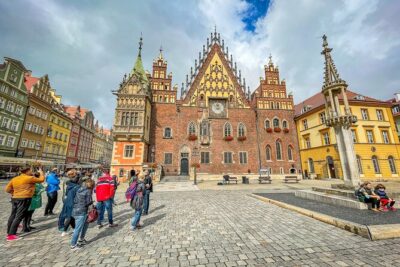
The best part of a history tour is when the city itself stops being background noise. Here, you start right at the entrance to Restauracja Piwnica Świdnicka, then step into Rynek, Wrocław’s main Market Square, beside the Old Town Hall. That first move is smart, because Rynek is one of the places that miraculously survived the worst of the war and destruction.
From there, the story starts to click. Wrocław was not just adjacent to German history, it was tightly bound to the NSDAP movement starting in the early 1930s. You’ll hear how Breslau became the capital of Silesia, and how deeply ideological the city was up to 1945, to the point that Hitler visited several times. You also get context for how a city can be shaped by politics, then shattered by war.
Even if you know the big strokes of WWII, this tour’s angle helps you understand the “in-between” years. You’re not just covering battles, you’re listening to how inhabitants lived, how the city organized itself, and how ideology was performed in public space. The route is built so you see that shift in tempo, from official grandeur to wartime fear, then finally to a rebuilt city.
Small-group private format helps too. You can ask questions as you go, and you won’t be lost in a crowd. A licensed guide leads your group, and the tour runs in Polish and German, which means you can match your comfort level. If you’re the type who likes details but also wants clarity, this works well.
Rynek and Solny Square: where the city tried to protect people
After the dramatic opening at Rynek, the tour turns toward the practical side of fear. Next up is Plac Solny, and this is where you begin to understand wartime Wrocław as a place that built protection. You’ll hear about the early bunkers that were constructed there to shield local residents.
That stop is valuable because it moves the story from ideology to daily survival. It’s easy to focus on high-profile names or big events. Solny Square brings you back to the question: what did people do to make it through the war years? And it does it in a way that feels grounded, not abstract.
You’ll also notice how Wrocław’s present-day layout still holds traces of older logic. Even when you’re standing in modern streets, the guide’s narrative helps you “read” the city as it used to be. That mindset is a big payoff of this tour: it trains you to look at streets, plazas, and building edges as part of a timeline.
One drawback to keep in mind is simply comfort with the subject matter. This tour is not light or neutral. It’s about WWII and the non-existent city of Breslau, which includes the NSDAP presence and the way power was shown publicly. If you want a history tour that stays mostly on culture, architecture, or general WWII facts, you may find the thematic focus intense.
Still, the way it’s staged can feel fair. You get the mechanisms of power, then you see what war actually did to the city. That balance is part of why people finish the walk feeling they “understand the map” better than when they started.
From Castle Square parades to Hitler’s Monopol Hotel balcony and the Soviet entry
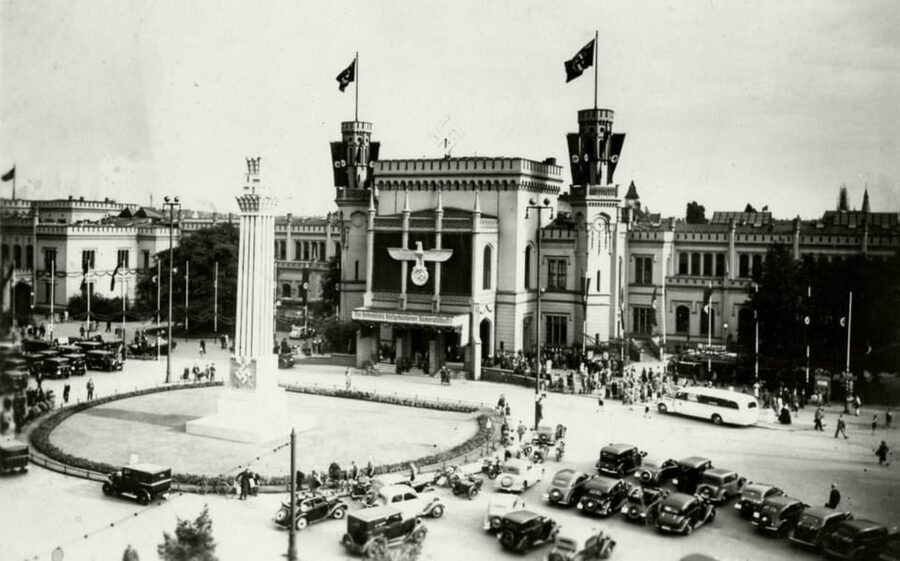
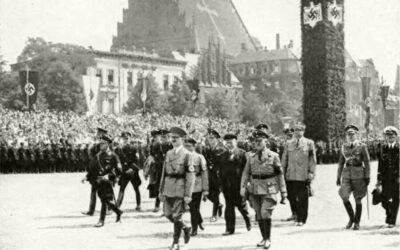
Then the tour shifts again, into the stage-managed world of public spectacle. You head toward the former Castle Square, where regular Nazi parades and Fakelzuege took place before 1945. Hearing that in a real city space is powerful because you can imagine the crowd energy and the political theater, even if you’re not sure you can picture it perfectly.
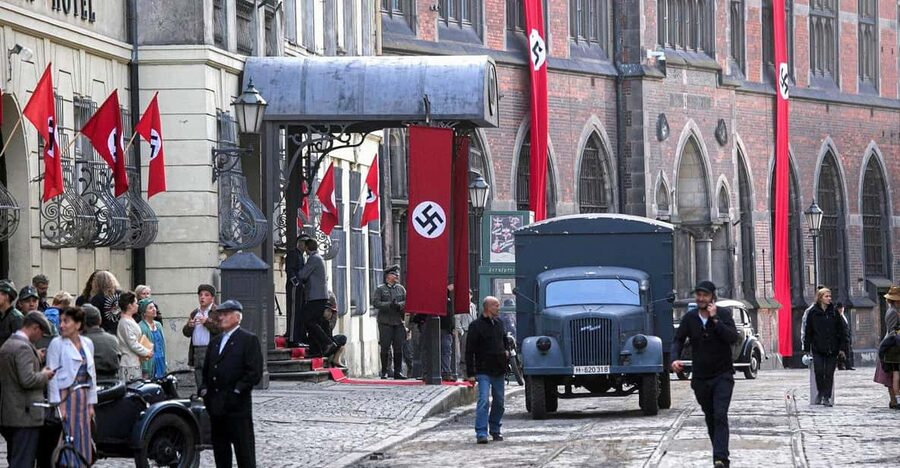
A key moment in this section is the Monopol Hotel. You’ll learn that Hitler greeted supporters from a balcony there. Even if you’ve seen photos of rallies before, it’s different when the story is tied to an exact address you can stand in front of. You start to grasp how ideology used architecture and street prominence, not just speeches.
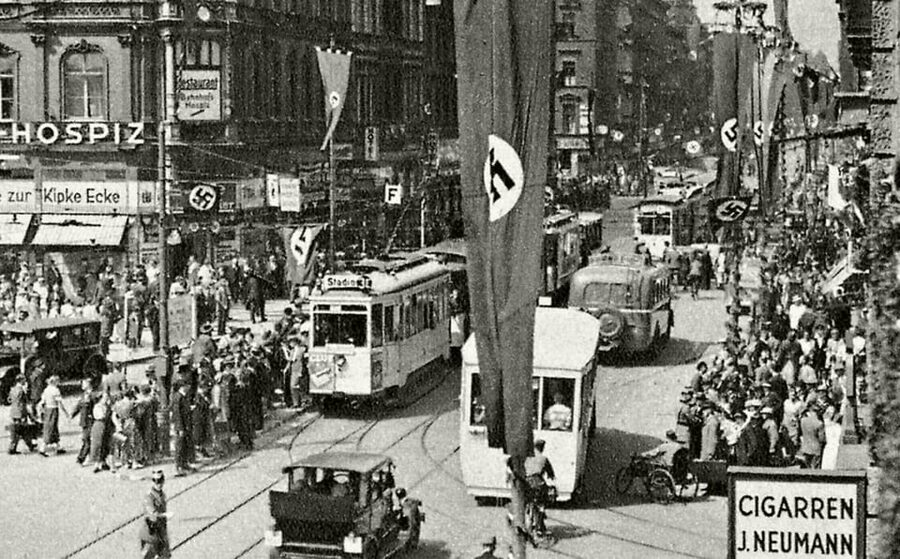
From there, the route uses Świdnicka Street (Schweidnitzer-Strasse) to connect two eras that are usually told separately. You’ll hear how this representative street was used by inhabitants to greet their leader during visits, and later how the victorious Soviet Army entered the city in 1945. The same kind of street that once carried ceremonial moments becomes part of the turning point story.
That contrast is why this part of the tour works. You’re not just hearing what happened in 1945, you’re seeing how the city’s prominent spaces carried meaning before and after. It’s a reminder that history is often layered, not neatly separated into different neighborhoods and different dates.
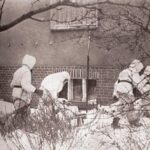
Also, the tour doesn’t ignore the visual evidence. You’ll see photographs from 1933 to 1945, which helps you connect the narrative to what the city looked like during the years when its identity was most locked to the Nazi regime. Photos like this can be uncomfortable, but they also prevent the story from becoming vague.
Partisan Hill (Lieblichs Höhe): bunkers, the Breslau Fortress command, and a beer-garden view
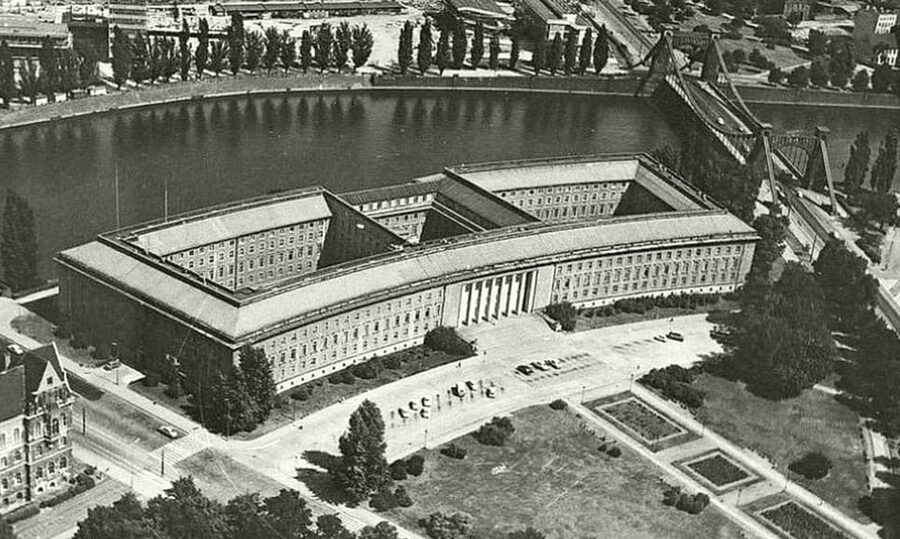
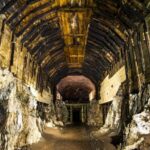
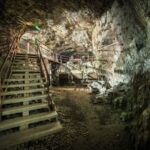
The emotional peak of the tour often comes when it moves into Partisan Hill, also called Lieblichs Höhe. This is where the command of the Breslau Fortress was located, and where underground bunkers were used. That’s a huge shift in setting. You’re no longer in the city center performance spaces. You’re going to the strategic and defensive geography.
What I like here is that the story stays tied to physical reality. You learn about the fortress system and then see how the city has repurposed the area. Today, Partisan Hill is a place for relaxation, with cafes and beer gardens, and it offers a view over Wrocław. The underground bunkers remain to this day, so you don’t lose the thread between past and present.
That remaining structure matters for understanding. When bunkers survive, even partially, you can sense the weight of what people feared. It also keeps the narrative from turning into a purely political lecture. The guide frames it as a lived city, first organized for defense, then transformed into public space.
This stop is also a good place to slow down. If your group is asking questions, or if you’re the kind of person who likes to pause and look, Partisan Hill gives you that chance. And because you end up with a view, the story becomes spatial. You start thinking about why certain buildings and routes mattered during the fortress period.
One practical note: with views and outdoor time, dress for weather. The tour is short overall, but outdoor standing and walking add up quickly in wind or rain. If you’re visiting in shoulder season, a light layer helps.
More of Wroclaw, dwarves and islands included
- Old Town Wrocław Walking Tour★ 5.0 · 249 reviews
- Wroclaw: City Tour Sightseeing By Golf Cart Shared Or Privat★ 4.8 · 189 reviews
- Auschwitz-Birkenau Tour from Wrocław★ 5.0 · 129 reviews
- Wroclaw Pub Crawl with Free Drinks★ 4.4 · 127 reviews
- From Wrocław: Full-Day Auschwitz-Birkenau Guided Tour★ 4.8 · 117 reviews
Ostrów Tumski, the Cathedral island, and what the 1945 battles changed
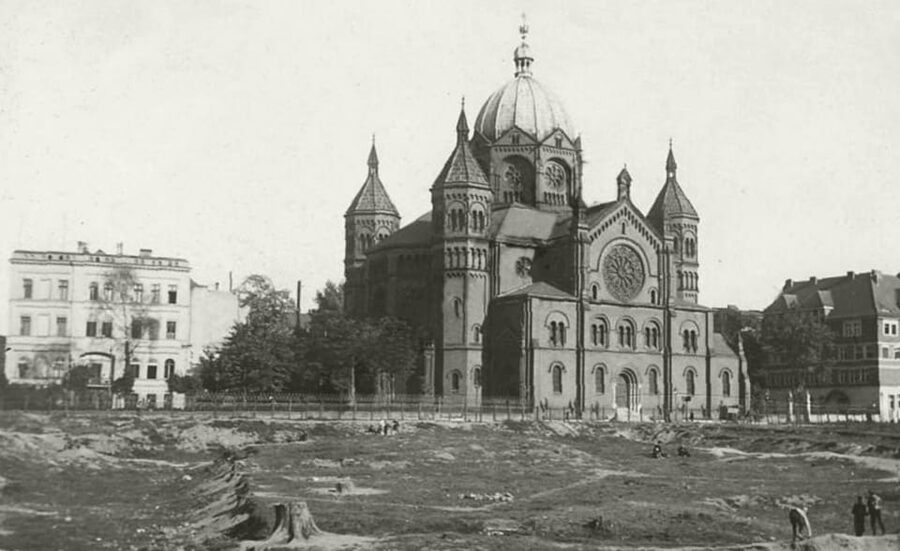
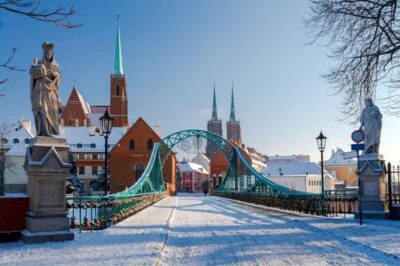
The final major chapter takes you toward Ostrów Tumski, also known as Dominsel, and this is where the tour turns from defensive planning to the cost of fighting. Ostrów Tumski is described as the place of the fiercest battles for the city in 1945. Today, though, the island and the Cathedral are beautifully restored.
That restored present is part of the point. It’s one thing to hear about destruction. It’s another thing to see a place that has been rebuilt and then used again as a daily lived space. Standing at Ostrów Tumski with the Cathedral in view can be surprisingly moving, especially after hearing about how brutally the city’s fate unfolded once Breslau was declared Festung Breslau in 1945.
You’ll also get a viewpoint element, with a look from Ceglarskie Hill (Holtei-Hoehe). That view helps you see the oldest part of the city as a working landscape, not just a museum display. Even if you’re not a big cathedral person, this is the moment where the tour answers the question you didn’t realize you had: so what is the city now, after the war?
The walk ends in front of the former building that served as the headquarters of the NSDAP authorities in Breslau. That ending choice is effective because it ties the political story to a real address. Then you get freedom to explore Ostrów Tumski’s monuments on your own, which is the right kind of payoff for a tour like this. You can linger where your interest sparks, rather than being rushed onward.
If you like to keep your own pace, plan a bit of extra time after the tour. Ostrów Tumski rewards slow wandering, and you’ll likely want to look back at the perspective you just learned from the viewpoints.
Price and group size: why $209 per group can make sense
Let’s talk value. The price is listed as $209 per group, up to 14 people, for a duration of about 2 hours. That’s a model that can work out very well if you’re traveling with friends or family. At full group capacity, it can land around $15 per person, which is hard to beat for a guided history walk with a licensed guide.
Even if your group is smaller, the private-group format can still be worth it because you get more time per person and a tighter chance to ask questions. This matters for a topic like WWII, where small details can make the bigger story click. If your group includes someone who wants a specific angle, like the NSDAP presence or the fortress defense, a guide can usually adapt more easily in a private setup.
Another value point: the tour includes photographs from 1933-1945. That kind of visual aid can make a big difference in a short 2-hour experience, especially when much of the wartime city is gone or altered.
On the flip side, the short duration means you won’t get every specialized angle. This is a concentrated overview, not a multi-day academic seminar. If you’re expecting a pure, exhaustive deep dive into one narrow topic, you might feel limited.
Who should book this Wrocław Breslau WWII tour, and who might skip
This tour is best for you if you want a story-driven walk that links political power to the physical city, then follows how Wrocław changed after 1945. I think it’s especially good if you enjoy seeing how streets, squares, and hills hold meaning across time. It also works well if you like a tour that mixes big names and events with human-scale survival and defensive infrastructure.
It’s also a solid choice if you prefer a small-group environment. The experience is designed as a private group, and at least one guide named Norbert has been praised as especially strong. That kind of guide energy can turn a tough topic into something you actually follow and remember.
You might want to look elsewhere if your goal is strictly one thing, for example a very detailed focus only on the NSDAP apparatus, or only on battles without the broader city transformation. The overall structure moves through multiple phases of the story, and one booking felt the emphasis did not fully meet a specialized expectation.
If you’re unsure, you can use a simple strategy before you book: decide what you want most, NSDAP-era public life, fortress defense and bunkers, or the final 1945 fighting and restoration. Then go in expecting that the tour will cover all of them at a walkable, two-hour pace.
Should you book this Wrocław Breslau WWII tour?
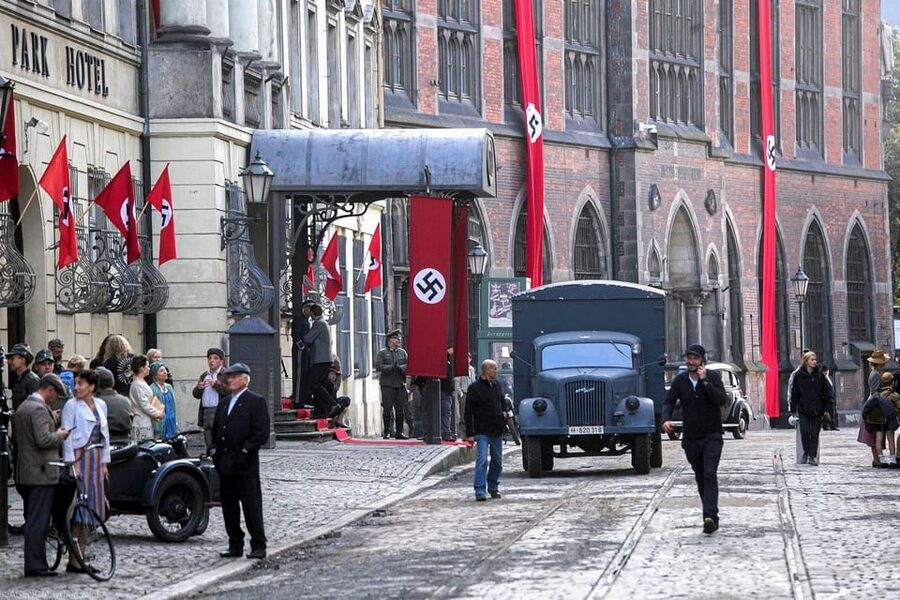
Yes, I’d book it if you want to understand why Wrocław feels like a city of layers. The combination of surviving places like Rynek, the protective bunker story at Solny Square, the parade and Hitler-linked stops around the Monopol Hotel and Castle Square area, and the fortress command and bunkers on Partisan Hill makes the route feel coherent. Then Ostrów Tumski gives you a satisfying closing image of restoration after devastation.
I’d pause and think twice only if you want the kind of ultra-detailed deep dive that takes hours and pages. This is a strong overview tour, and it works best when you treat it like a focused guided lens rather than a complete encyclopedia.
If you do book, go prepared to look harder than usual. When the guide points out where power was performed, where people hid, and where fighting concentrated, you’ll start seeing Wrocław like a timeline you can walk through.
FAQ
How long is the Wrocław, Breslau WWII tour?
The tour lasts about 2 hours.
Where does the tour start?
It starts at the entrance to the Piwnica Świdnicka restaurant in Wrocław.
What is the tour’s walking pace like?
The experience is designed as a walk with short stops and photo stops, so expect city walking for about 2 hours.
Is this a private group tour?
Yes, it is described as a private group, with up to 14 people per group.
What languages are the live guides?
The live tour guide speaks Polish and German.
Is the tour wheelchair accessible?
Yes, the tour is listed as wheelchair accessible.
How much does it cost?
It is priced at $209 per group (up to 14 people).
Does the tour include photographs?
Yes, the tour includes photographs of the city from 1933 to 1945.
Where do you finish the tour?
You finish at Ostrów Tumski in Wrocław.
Can I reserve and pay later?
Yes, reserve now and pay later is offered.
More Tour Reviews in Wroclaw

More of Wroclaw
Wartime History in Wroclaw
Recently written up around Wroclaw
More Wroclaw City Tours.
 ★ 4.6E-Car Tour and Audio GuideFrom $161,738 reviews
 ★ 4.82-Hour Private Guided Tour by Electric CarFrom $38805 reviews
 ★ 4.8Old Town and Ostrów Tumski Walking Tour in EnglishFrom $19311 reviews
 ★ 4.8Private Old Town Guided Walking Tour (2 hours)From $164275 reviews
 ★ 5.0Old Town Wrocław Walking TourFrom $26249 reviews
 ★ 4.8City Tour Sightseeing By Golf Cart Shared Or PrivatFrom $27189 reviews
 ★ 5.0Auschwitz-Birkenau Tour from WrocławFrom $266129 reviews
 ★ 4.4Wroclaw Pub Crawl with Free DrinksFrom $25127 reviews
Also on these Poland lists