

REVIEW · GDANSK OLD TOWN TOURS
Gdansk Old Town: German Influence Walking Tour
Gdansk rewards you for looking up. This German-influence walking tour ties German-Polish contact to real streets, buildings, and people you can still point at today, with St. Mary’s Church as the big anchor.
I especially like how the tour connects past power to plain sight, from the Teutonic Order era to Prussia and the German Reich, without drowning you in dates. I also love that you get a 5-star licensed guide in your native language, so you can ask follow-up questions instead of nodding politely at gaps.
One thing to consider: church visits can be limited during mass or concerts, so some explanations may happen outside even though the church visit is still planned.
In This Review
- Key things I’d watch for on this tour
- Where Gdansk’s German influence really shows
- Price and what you actually get for $108
- Meeting at High Gate, then walking the Old Town loop
- The royal route: Golden Gate to Long Market
- Motlawa River and the Hanseatic port mindset
- St. Mary’s Church, the Martin Opitz connection, and what to notice
- Artus Court: where merchants did more than trade
- Neptune’s Fountain and the visual choreography of the Old Town
- German figures you will hear about while you walk
- Tour length, pacing, and who this fits best
- Accessibility and practical comfort on the walk
- Language and private group experience (German or Polish)
- The friendly guide factor, and why it shows up in the experience
- Should you book the Gdansk Old Town German Influence walking tour?
- FAQ
- How long is the Gdansk Old Town German Influence walking tour?
- What is included if I choose the 2-hour tour?
- What is included if I choose the 3-hour tour?
- Where does the tour start and end?
- Is pickup available from my hotel?
- Is the tour wheelchair accessible and private?
Key things I’d watch for on this tour
- German-Polish timeline that matches the streets, from the Teutonic Order to Prussia and the German Reich
- St. Mary’s Church visit, with Martin Opitz linked directly to what you see
- Artus Court in the 3-hour option, including entry tickets and merchant-era stories
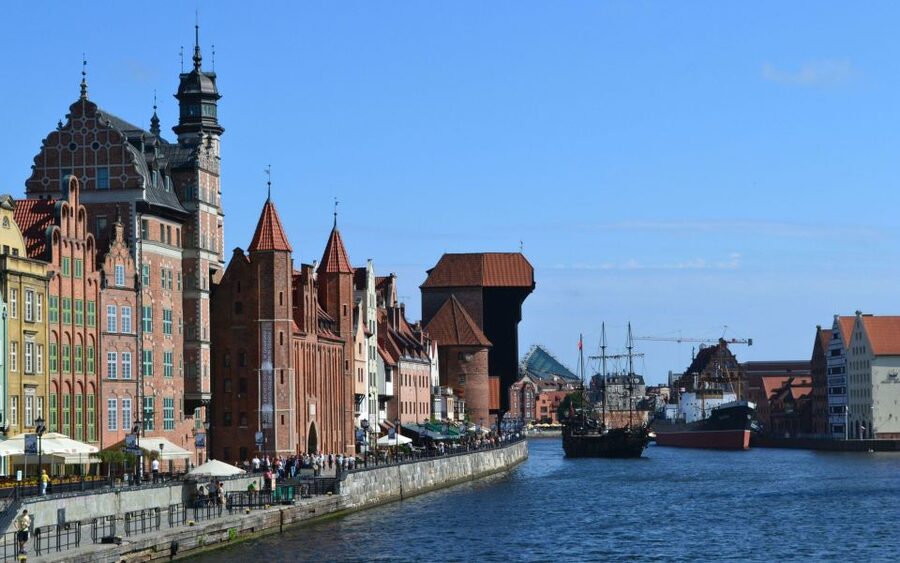
- Hanseatic League port details, via the Motlawa River and trading routes you can visualize
- Friendly, competent guiding, with the tour adapted to your language and interests
- Private group feel, so the walk stays personal and you are not stuck with a loud herd
Gdansk repeats itself well. The other versions we reviewed
- Gdańsk City Sights & History Guided Walking Tour in English
★ 4.8 · 876 reviews - Gdansk: Firearm Shooting Experience with Instructor
★ 4.8 · 866 reviews - Gdansk: Guided Round-Trip Cruise to Westerplatte
★ 4.3 · 865 reviews - Gdańsk: Sightseeing EcoCruise around the Old Town of Gdansk
★ 4.6 · 719 reviews
Where Gdansk’s German influence really shows
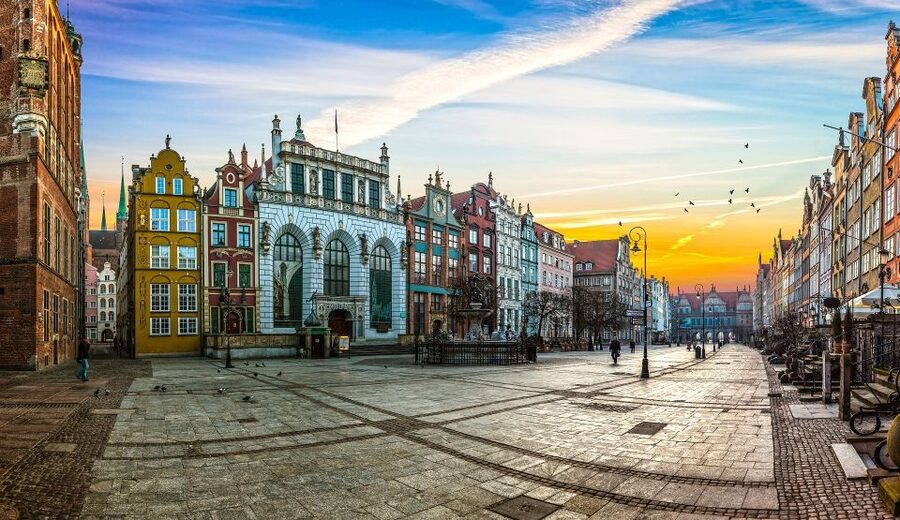
Gdansk is not just pretty architecture. It is a working reminder that borders and cultures shift, but buildings keep receipts. As you walk, the guide uses Gdansk’s Old Town as a map for centuries of German citizens and merchants moving in, trading, and shaping the city’s look and institutions.
What makes this tour click is the way it frames influence as practical, not abstract. You hear why people came, what they sought, and how their presence helped build the city’s status. It is the difference between reading about a place and recognizing the reasons behind it.
Also, the tour is tuned for short attention spans. In a 2 to 3 hour window, you get the most important stops in the Old Town, plus a church visit that is usually the hardest part for casual self-guided explorers.
Price and what you actually get for $108
At $108 per person, this is not a “grab a quick photo and go” deal. You are paying for a private, language-specific guide, and for access that matters inside key spots.
Here is the value logic as I see it:
- You get a licensed, fluent guide in German or Polish, in a private group setting.
- St. Mary’s Church admission is included, so you are not juggling extra buys for the main attraction.
- If you choose the longer option, Artus Court tickets are included as well, which is a meaningful cost saver and saves time.
- The tour includes pickup from Old Town accommodations (only in the Old Town), so you can start without wrestling transit or finding the exact meeting point.
If you love history but also want to spend your time walking rather than reading, the price starts to make sense fast. If you only want a broad view and you are happy with a self-guided stroll, you might feel this is pricier than necessary. The sweet spot is when you want expert context tied to visible places.
Meeting at High Gate, then walking the Old Town loop
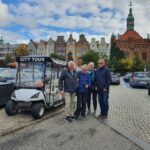
The tour starts outside where the Old Town begins to feel real. You meet your guide in front of the tourist information sign under the High Gate (Brama Wyżynna), at Wały Jagiellońskie 2A. It is about an 8-minute walk from the Main Railway Station, which is handy if you arrive by train and want an easy start.
The walk ends back at the same meeting point. I like that. It means you are not forced into an awkward mid-walk commute or an unknown finish point.
If you book pickup, it is limited to accommodations in the Old Town. You provide your address, and the route can adjust to meet you. If your place is more than 1.5 km away from the designated meeting point, the guide will meet you at the High Gate sign instead, so you still start clean and simple.
The royal route: Golden Gate to Long Market
A big part of the experience is the sense of a planned route through the city’s old power center. You follow the royal route, and the guide brings it to life by connecting it with wealthy German merchants and what made their presence so important.
You start at the Golden Gate area and move toward the Long Market, where you can feel how commerce drove Gdansk’s prestige. This is not just about aesthetics. It is about the practical fact that merchants needed ports, warehouses, and political protection, and they needed places to meet and negotiate.
As you pass through the Old Town, you will hear stories tied to the German-Polish relationship over centuries, including how Gdansk shifted from the free city status into the orbit of larger powers. The tour frames the 146 years under the Teutonic Order and the later 126 years under Prussia and the German Reich as part of why certain architectural and cultural influences stuck around.
If you like walking with purpose, this is a good route. You always have a reason you are standing where you are standing.
Below are the other Gdansk trips we have logged
- Main Town Gdańsk Walking Tour★ 5.0 · 644 reviews
- Discover Gdansk Walking Tour★ 5.0 · 495 reviews
- Gdańsk: Old Town Private Walking Tour with Legends and Facts★ 4.9 · 245 reviews
- Gdansk Old Town 2-Hour Walking Tour★ 4.5 · 94 reviews
- Gdansk Old Town Half-Day Private Walking Tour★ 4.9 · 62 reviews
Motlawa River and the Hanseatic port mindset
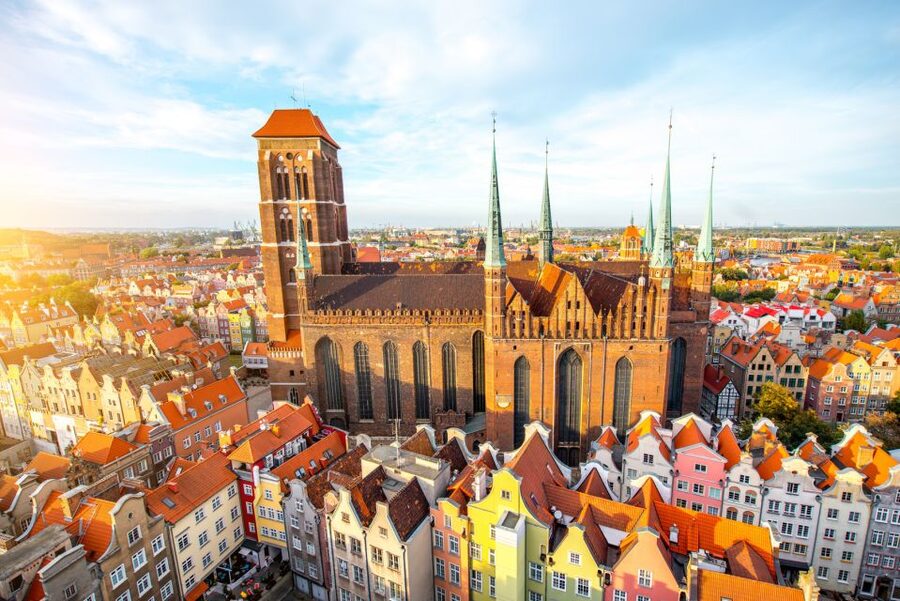
Gdansk’s identity is tied to water access, and the tour does a smart job of pointing that out. You spend time with the Motlawa River, which served as one of the most important ports of the Hanseatic League.
Why this matters: Hanseatic trade was not just ships and goods. It shaped city governance, merchant networks, and the kinds of buildings that would rise in the Old Town. When you hear about trade through the lens of the port, the architecture starts to feel like it has a job.
So when you are near key sightlines, you are not just admiring street scenes. You are trying to picture the movement of goods and people, and the guide helps you build that mental movie.
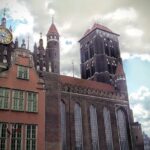
St. Mary’s Church, the Martin Opitz connection, and what to notice
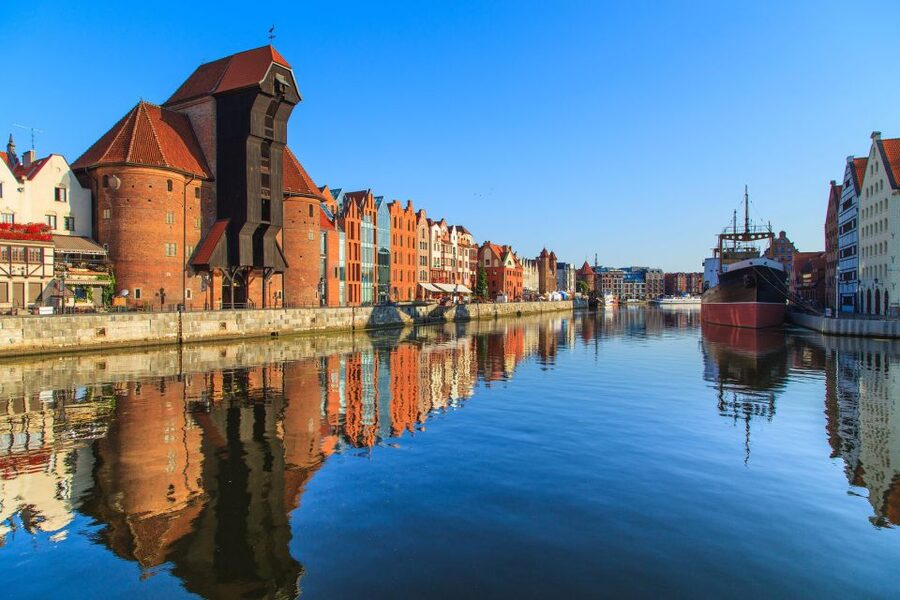
St. Mary’s Church is where this tour earns its keep. You get free admission to the church on both the 2-hour and 3-hour options, and it is the final stop.
This is also where the guide ties in a specific German figure: Martin Opitz, a German Baroque poet, is buried there. That kind of detail makes the visit feel less like a generic landmark stop and more like a real historical landing point.
Inside, the tour pace makes it practical. You are not racing through like a ticket conveyor. Instead, you focus on what the guide points out and you can ask questions as you go.
One caution, worth knowing up front: church schedules can affect access. During mass and special events, guided commentary inside may be limited, and the guide may share information outside. Still, you should expect the visit itself, and the guide’s job is to keep the story flowing even if the timing is tight.
If you love places where people are remembered in more than one way, you will appreciate this part.
Artus Court: where merchants did more than trade
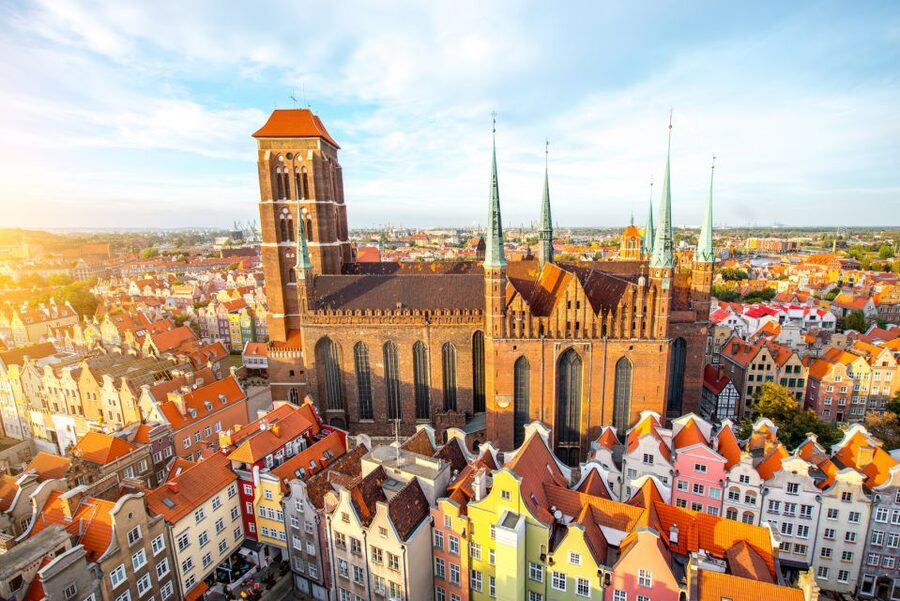
If you choose the 3-hour tour, you get more time on the merchant power center: the Artus Court. Tickets are included in the 3-hour option, and that is a real differentiator versus the shorter walk.
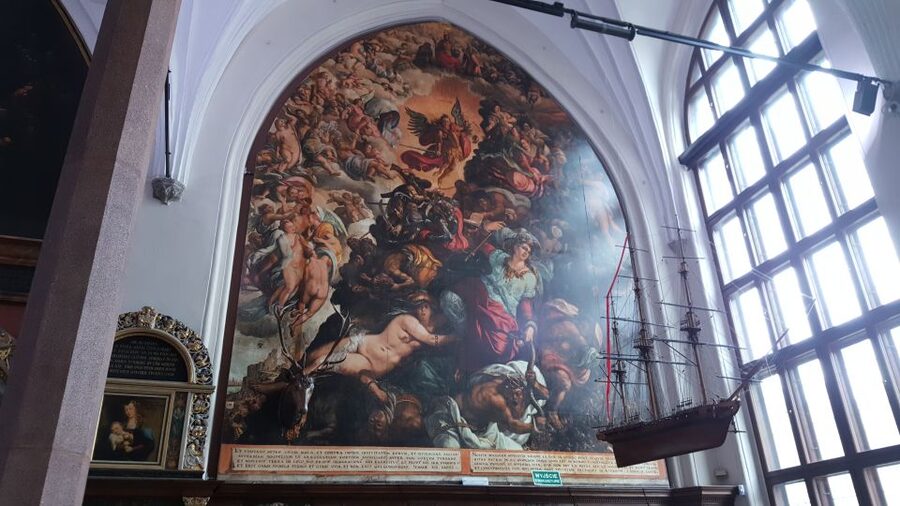
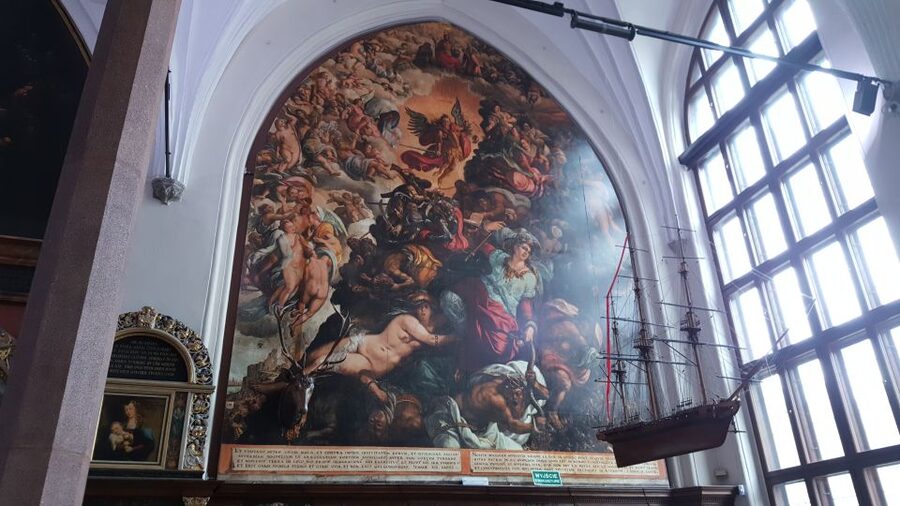
The Artus Court is presented as a symbol of the city’s strength during the 16th and 17th centuries. This is not just “see a fancy building.” The guide helps you understand it as an elite meeting space tied to trade, decision-making, and networks.
A standout detail here is the mention of the controversial Last Judgment painting by Anton Möller. Even if you do not obsess over art history, it helps you grasp how the court was a stage for ideas, not just business.
You also hear about other German-linked figures connected to the city’s story. Barthel Ranisch is credited with building the eye-catching Royal Chapel, and that type of architectural attribution adds texture when you are standing in and around these spaces.
If the Hanseatic League interests you, this stop is the best reason to stretch from 2 hours to 3.
Neptune’s Fountain and the visual choreography of the Old Town
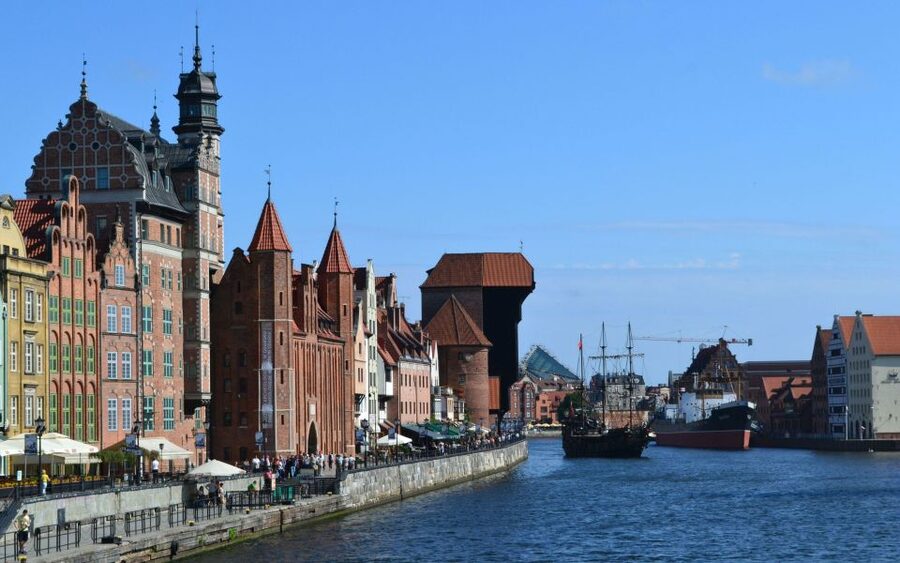
During the walk, you pass Neptune’s Fountain, another classic Old Town anchor. I treat it like a “reset marker” on long walks. It is a place where your brain catches up, you check your bearings, and then you continue with the guide’s next chapter.
This matters because the tour tells a long story across centuries, and the Old Town layout can otherwise blur together. By the time you reach the next key sights, you have a sense of pacing and direction.
Also, the walk is designed so you see the most important Old Town sights without feeling like you are doing a checklist. Even with a private group, it stays focused.
German figures you will hear about while you walk

One of the strengths of this tour is that it names real people tied to Gdansk, which helps you remember the story after you leave.
The guide brings up:
- Johann Bernoulli, an astronomer connected to the city’s world of learning
- Günter Grass, the Nobel Prize-winning author who set his Danzig Trilogy, including The Tin Drum, in Gdansk
- Barthel Ranisch, associated with the Royal Chapel building work
- Martin Opitz, buried in St. Mary’s Church
This mix is helpful because it spans science, literature, and architecture. You do not just get a political timeline. You get a sense that Gdansk mattered to people with different talents and motivations.
Tour length, pacing, and who this fits best
You are choosing between two formats: a shorter 2-hour version and a longer 3-hour version.
The 2-hour option is best when you want the main Old Town highlights plus St. Mary’s Church, without adding extra time for Artus Court entry. It is also a practical choice if you have other plans later the same day, or you just want a high-value overview.
The 3-hour option makes sense if you want the fuller merchant setting of Artus Court and you care about the Hanseatic League more deeply. You also get extra time to absorb the German-influence details inside that meeting place for merchants.
Because the tour is private, it also suits you if you travel with someone who needs flexibility, or if you want the guide to tailor the route to your interests. The guide can explain more or less depending on what you ask, and that is a big advantage over group tours that run on autopilot.
Accessibility and practical comfort on the walk
This tour is listed as wheelchair accessible, which is a plus if you need that information to plan confidently.
The pace still matters, though. This is an Old Town walk, so expect cobblestones and old streets. If you are mobility limited, consider reaching out when booking, and be ready that even with accessibility, the charm of historic centers comes with uneven surfaces.
Language and private group experience (German or Polish)
The tour runs in German or Polish, with your guide fluent in the selected language. That matters more than you might think. In a story-driven walk like this, small clarifications change everything, and having native-level guidance helps you catch the nuance.
Private group also means no waiting for a larger crowd. You can keep a steadier rhythm and stop when something grabs your attention.
And because the tour is tailored to your needs, you are more likely to leave with the specific parts you care about, not just a general impression.
The friendly guide factor, and why it shows up in the experience
The tour’s overall vibe is described as friendly and competent, and that lines up with what you need for a focused history walk.
When the guide is friendly, you feel comfortable asking follow-up questions. When the guide is competent, you get accurate, well-organized explanations that connect the dots between centuries and street-level reality.
For me, that is the difference between a tour that feels like a lecture and one that feels like a guided conversation where the city is doing half the teaching.
Should you book the Gdansk Old Town German Influence walking tour?
Book it if you want Gdansk’s Old Town explained through German-Polish cultural and political exchange, and you are excited to pair that story with real stops like St. Mary’s Church and, in the 3-hour option, Artus Court.
You should think twice if you only want a quick stroll, because the value here is the guided context. Also consider the church timing issue, since special events can shift where the guide focuses commentary, even though the visit is still planned.
If your ideal day in Gdansk includes history you can actually point to, and you want to learn from a guide who can speak your language, this tour is a strong match.
FAQ
How long is the Gdansk Old Town German Influence walking tour?
It runs 2 to 3 hours, depending on which option you choose. Starting times vary, so you will want to check availability when you book.
What is included if I choose the 2-hour tour?
The 2-hour tour focuses on the German trail through the Old Town and includes St. Mary’s Church admission. Artus Court tickets are not included in this option.
What is included if I choose the 3-hour tour?
The 3-hour tour includes the Old Town highlights plus St. Mary’s Church and Artus Court. This option includes tickets to Artus Court.
Where does the tour start and end?
You meet your guide in front of the tourist information sign under the High Gate (Brama Wyżynna), Wały Jagiellońskie 2A, 80-887 Gdańsk. The tour ends back at the meeting point.
Is pickup available from my hotel?
Pickup is available only for accommodations in the Old Town. If your accommodation is more than 1.5 km away from the meeting point, the guide will meet you at the High Gate tourist information sign.
Is the tour wheelchair accessible and private?
Yes. The tour is listed as wheelchair accessible, and it is a private group experience. The guide speaks German or Polish based on your selection.
More Tours in Gdansk


More Tour Reviews in Gdansk



Gdansk, Three More Ways
Recently written up around Gdansk





More Gdansk Old Town Tours.
 ★ 4.8City Cruise on Historical Polish BoatFrom $222,913 reviews
 ★ 4.9Sunset Cruise on a Historic Polish BoatFrom $26977 reviews
 ★ 4.8Gdańsk City Sights & History Guided Walking Tour in EnglishFrom $26876 reviews
 ★ 4.8Firearm Shooting Experience with InstructorFrom $41866 reviews
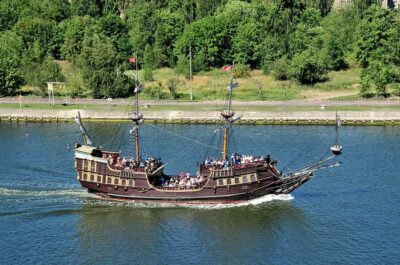 ★ 4.3Guided Round-Trip Cruise to WesterplatteFrom $33865 reviews
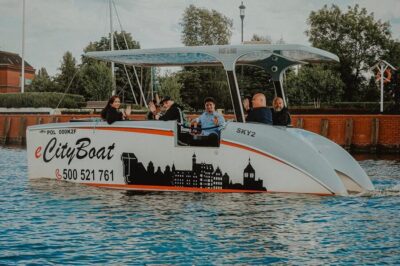 ★ 4.6Sightseeing EcoCruise around the Old Town of GdanskFrom $19719 reviews
 ★ 5.0Main Town Gdańsk Walking TourFrom $26644 reviews
 ★ 5.0Gdansk Pub Crawl with Free DrinksFrom $21553 reviews
Also on these Poland lists