
REVIEW · NOWA HUTA AND COMMUNISM TOURS
Gdansk: Private Communism Tour with Solidarity Center Museum
Gdansk is where democracy learned to shout. This private, Communism-themed route ties together the 1980 strikes, the Solidarity story, and the places where it happened, starting with the European Solidarity Centre and ending at the shipyard resistance sites. I especially like how the tour is built around real documents you can actually see, and how the guide connects those artifacts to the bigger politics in plain language.
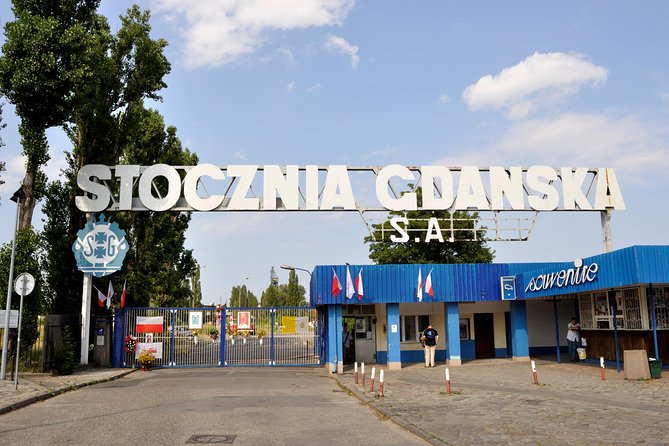
The only real catch is timing. The Gdansk Shipyard (Stocznia Gdansk) is closed on Saturdays and Sundays, so your day plan matters if you are traveling on a weekend, even though the tour still runs its standard 4-hour format.
In This Review
- Key takeaways before you go
- How the 4-hour private format fits your time in Gdansk
- European Solidarity Centre: the documents you’ll remember
- What to watch for in the museum
- Meeting point and pickup: start your tour without stress
- Solidarity Square and the 1970 tragedy: why it belongs here
- Sala BHP and the Gdańsk Agreement site: the moment politics turned practical
- Stocznia Gdansk, 17,000 shipbuilders, and the resistance starting line
- A practical timing note that matters
- The value question: is $184 for 4 hours a fair deal?
- Guides, languages, and how the storytelling lands
- Practical expectations for your day
- Should you book the Private Communism Tour of Gdansk?
- FAQ
- How long is the tour?
- What sites are included in the 4-hour option?
- Is skip-the-line entry included?
- Do you get pickup from your accommodation?
- Where do we meet the guide?
- Is the tour available on weekends?
- What languages and accessibility options are available?
Key takeaways before you go
- Skip-the-line entry to the European Solidarity Centre saves you from waiting around in crowds
- Sala BHP and the 31 August 1980 agreement site give the story a specific, physical anchor
- Gdansk Shipyard stop is where the resistance took off, tied to the 17,000 shipbuilders figure
- Private guide, licensed history focus means you get context, not just facts
- Old Town pickup within 1.5 km can make a tight schedule feel effortless
- Polish vodka shot is included on the 4-hour option, in the tradition of PRL
More of the socialist-era district, reviewed
- Gdansk Private Communism Tour with Solidarity Center Museum
★ 5.0 · 14 reviews
How the 4-hour private format fits your time in Gdansk
This isn’t a “walk-by” history tour. It’s a focused 4-hour route designed to move at human pace while still hitting the key Solidarity sites. You start with a modern museum stop, then shift toward the shipyard district where the story becomes concrete and location-specific.
For most people, the smart value here is time management. The tour includes skip-the-line entry to the European Solidarity Centre, which matters because museum queues can eat up your energy fast in a city where you also want to see the Old Town. You also get car transport and either pickup or a straightforward meeting point, so you are not constantly figuring out logistics mid-day.
It also helps that the guide is set up for explanation. This is history with stakes, so you want a guide who can connect the dots. The best praise centers on how guides make the social background clear, sometimes using private stories to make the time feel real instead of dusty.
European Solidarity Centre: the documents you’ll remember
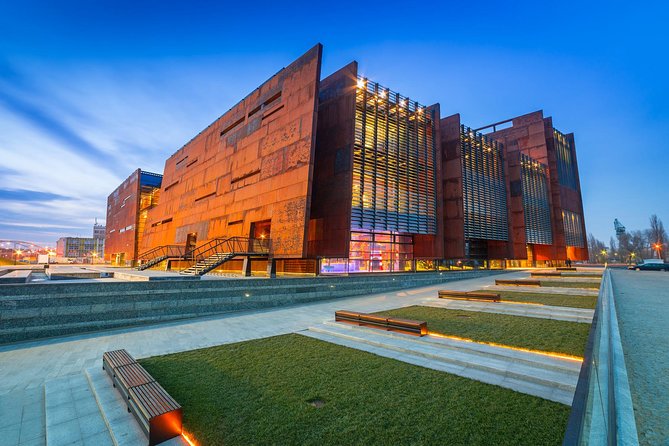
The European Solidarity Centre is where the tour turns from “about history” into “watch how history worked.” With the skip-the-line ticket, you go in with less waiting and more energy for the hard-hitting parts.
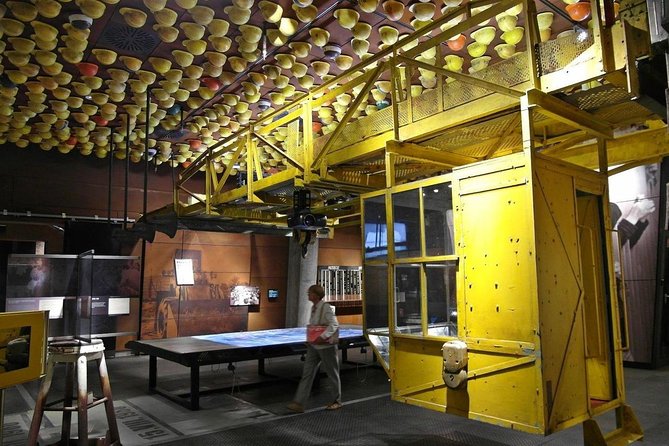
Inside, you follow the story step by step through the rise of Solidarity, including the written demands made by the strikers at the Lenin Shipyard (today’s Gdansk Shipyard). One of the standout elements is that you can see the original Tables of the 21 Postulates, the documents that captured what workers wanted to change. For me, that’s the difference between reading about 1980 and actually seeing the paper trail that helped push the movement forward.
The museum also connects the strikes to what came after. You’ll encounter material about:
- the strikes themselves and how they unfolded
- the 1989 round table talks
- the first pluralistic election in Poland since 1947
- major figures like Lech Wałęsa and Anna Walentynowicz
This is the kind of place where a good guide changes everything. A tour with a history-expert licensed guide should help you understand why the documents, photos, and timelines matter, not just what happened.
What to watch for in the museum
Because this museum is built to teach the chain of events, you’ll get the most if you don’t speed through. If you are the type who likes to read every label, you will have time for it. If you skim, you may miss why the “ordinary” worker demands became political fuel across the Eastern Bloc.
Meeting point and pickup: start your tour without stress
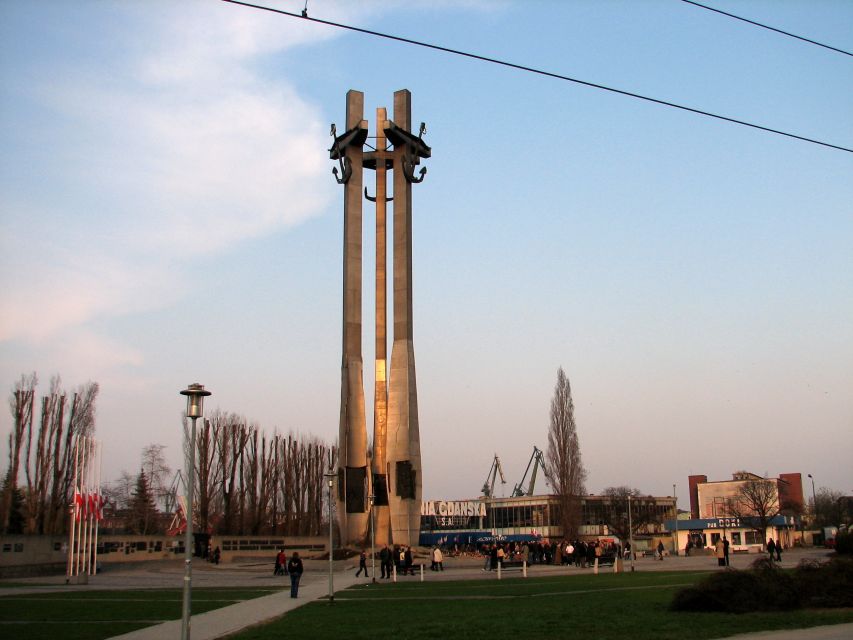
The meeting point is under the Monument to the Fallen Shipyard Workers of 1970 at Plac Solidarności, 80-001 Gdańsk. If you booked a pickup at your Old Town address, your guide can fetch you by car within 1.5 km of that meeting area. If your accommodation is outside that range, the itinerary may adjust, or you will simply meet at the stated point.
That may sound like small print, but it affects your day. Gdansk’s center can be tricky to navigate without a plan. Pickup in the Old Town means you arrive calm and ready to focus, instead of spending the first 30 minutes figuring out where to park or how to cross roads.
Also note the tour runs in multiple languages, including English, German, Polish, and Russian. In one German-language group experience, a guide reportedly used private stories to make the social background come alive, and the group size reached 18 people without losing the thread.
Gdansk repeats itself well. The other versions we reviewed
- Gdańsk City Sights & History Guided Walking Tour in English★ 4.8 · 876 reviews
- Gdansk: Firearm Shooting Experience with Instructor★ 4.8 · 866 reviews
- Gdansk: Guided Round-Trip Cruise to Westerplatte★ 4.3 · 865 reviews
- Gdańsk: Sightseeing EcoCruise around the Old Town of Gdansk★ 4.6 · 719 reviews
- Main Town Gdańsk Walking Tour★ 5.0 · 644 reviews
Solidarity Square and the 1970 tragedy: why it belongs here
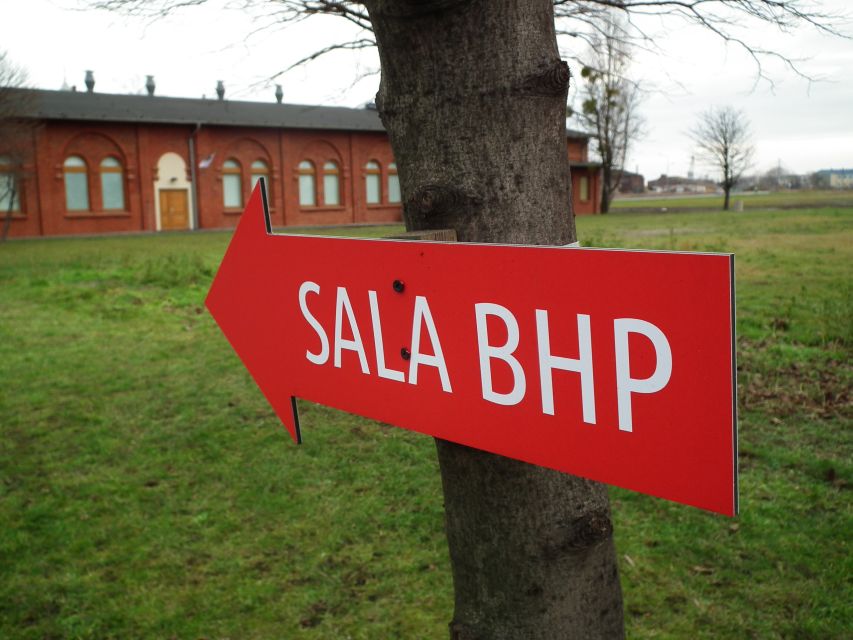
In the 4-hour option, after the museum portion, you move into the shipyard-area story with a heavier emotional layer. The tour includes Solidarity Square and the tragic story tied to the Monument to the Fallen Shipyard Workers of 1970.
Why include 1970 if the focus is 1980? Because Solidarity did not rise from a blank page. The 1970 events show that workers had already challenged the system and paid for it. When you connect those dots in the same physical area, the 1980 strikes feel less like an isolated spark and more like the result of repeated pressure building over time.
This stop also helps you “read” the monuments. Without context, statues can feel symbolic but vague. With the guide, you learn what the memorial is pointing at and why it still matters.
Sala BHP and the Gdańsk Agreement site: the moment politics turned practical
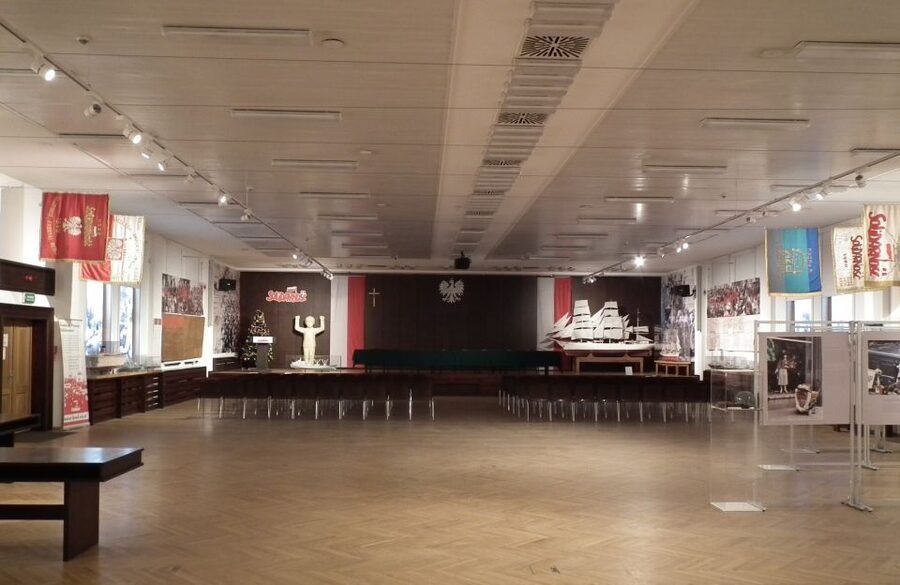
The tour’s most specific historical anchor in the 4-hour version is Sala BHP, the site where the Gdańsk Agreement of 31 August 1980 was signed. The location is described as the Center of worker protection of the Gdansk shipyard, and that detail matters.
It’s one thing to say workers demanded change. It’s another to show where those demands were formally negotiated and recorded in a space tied to worker protection. Sala BHP gives the story a clear, “this is where it happened” feeling, which makes the later political outcomes easier to understand.
If you like history that connects people, place, and policy, this is a key reason the tour feels worth doing as a private experience. You are not just visiting a site, you are being guided through how negotiations and documents shaped what followed.
Stocznia Gdansk, 17,000 shipbuilders, and the resistance starting line
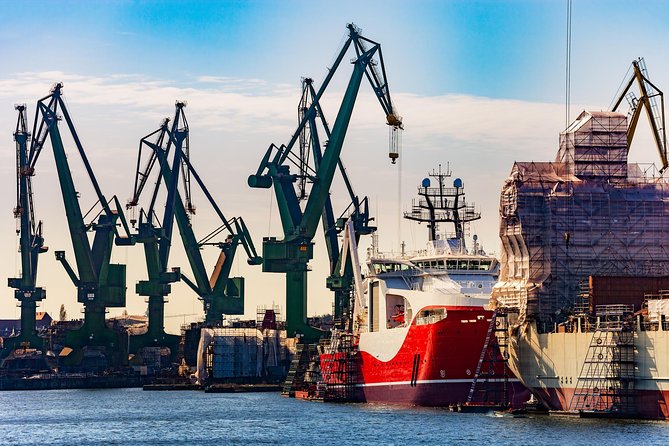
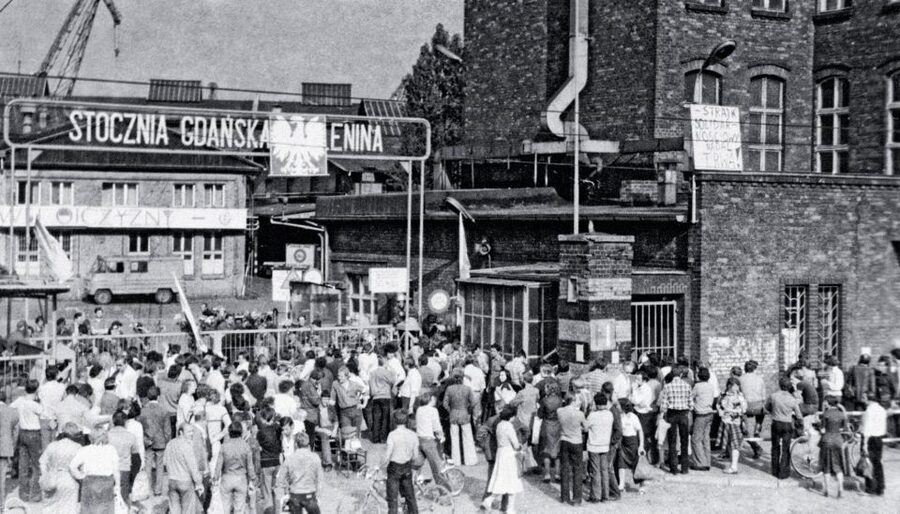
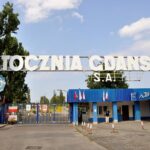
Your final stop in the 4-hour option is Gdansk Shipyard (Stocznia Gdansk). This is the setting for the civil resistance beginning in 1980, when 17,000 shipbuilders launched collective resistance against the communist regime.
Even if you already know the basics, being here changes the scale. A shipyard is not a metaphor. It is real work, real shifts, real hierarchy, and real leverage when thousands of people act together.
A practical timing note that matters
Gdansk Shipyard is closed on Saturdays and Sundays. If your trip lands on a weekend, you should plan on how that affects your experience. The tour description still lists a shipyard stop, but you cannot assume you’ll be able to see the grounds the same way every day. If you are traveling on a Saturday or Sunday, check the day you book and how your itinerary handles it.
The value question: is $184 for 4 hours a fair deal?
At $184 per person for 4 hours, this tour sits in the private-tour category where you pay for two things: expert interpretation and time saved.
You get:
- a private history-focused guide
- hotel pickup and drop-off in the Old Town range
- skip-the-line museum entry
- Sala BHP and shipyard entry in the 4-hour option
- and, in the PRL tradition, a shot of Polish vodka
The real value is not the vodka shot. It is that you are paying to compress the most meaningful Solidarity locations into one coherent storyline, with a guide who helps you understand why each place matters. For many people, a private guide is the difference between “I visited places” and “I understand what the places mean.”
If you are traveling with friends or family who also want context and discussion, private pricing can feel more reasonable because you are not splitting attention across a big group.
Guides, languages, and how the storytelling lands
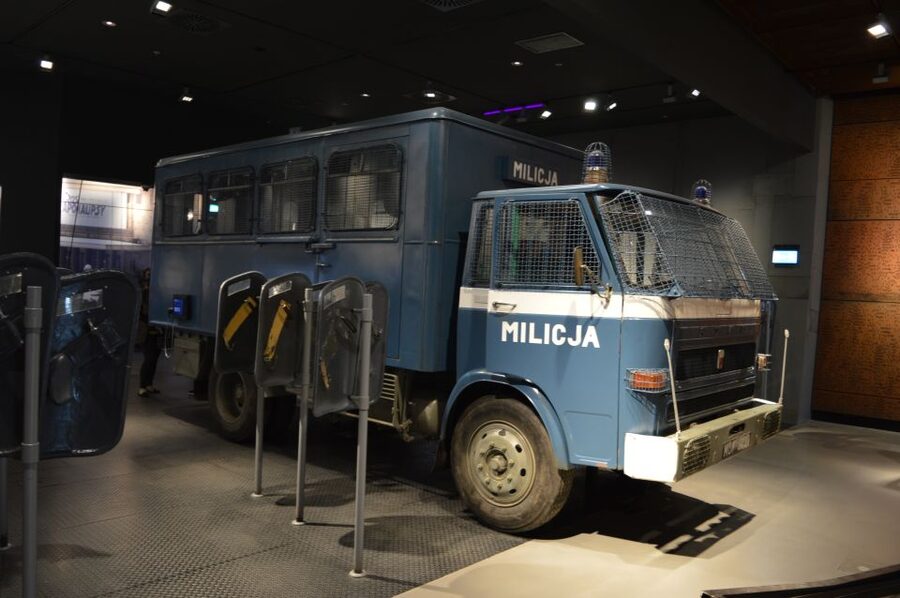
The tour is designed for multiple languages: English, German, Polish, and Russian. That matters in a topic like this, where nuance can be lost if the explanation is too general.
The strongest praise points toward two things. First, guides are described as extremely knowledgeable and able to explain the social background clearly. Second, guides bring the era to life with private stories, not just timelines. In one noted German-language group of 18 people, the guide’s explanations reportedly felt entertaining while still staying grounded in context.
If you care about getting the why, not only the what, this tour is built for you. If you only want quick bullet points, you might find the museum and shipyard stops emotionally intense and more detailed than you expected, since the tour aims to walk through the Solidarity progression step by step.
Practical expectations for your day
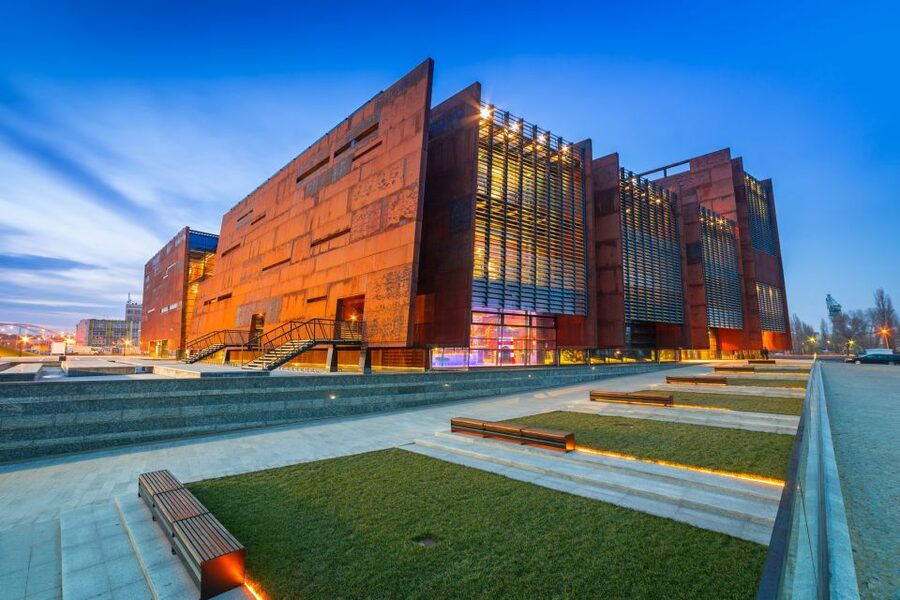
This is a history-focused half day, not a “see everything in Gdansk” afternoon. The pacing is designed around major sites tied to Solidarity. That means your best use of time is pairing it with other Old Town sights before or after, while keeping your schedule flexible enough for a museum-based route.
A few details to plan around:
- You are meeting near Plac Solidarności, so plan to be near that area before pickup or meetup
- You get the European Solidarity Centre included with skip-the-line entry
- The 4-hour option adds Solidarity Square, Sala BHP, and Stocznia Gdansk
- Shipyard closure on Saturdays and Sundays is worth checking early
And yes, there is a vodka shot on the 4-hour option. If you do not drink, you might decide in advance how you want to handle it, but it is part of the included experience in the PRL tradition as described.
Should you book the Private Communism Tour of Gdansk?
Book it if you want Solidarity history tied to real places, real documents, and a guide who can explain the wider political meaning. This is especially worth it when you value skip-the-line time, prefer private pacing, and want the 4-hour option that includes Sala BHP and the shipyard resistance starting point.
Skip or reconsider if you are only looking for a quick overview, or if your dates fall on a Saturday or Sunday and the shipyard closure would throw off your expectations. Also, if you already plan to spend hours reading independently at the museum, you may not need the private guide to get value.
If your goal is a clear, guided understanding of how the 1980 Solidarity movement rose and why it mattered beyond Poland, this tour is a smart, focused choice.
FAQ
How long is the tour?
The private tour is offered in a 4-hour duration option.
What sites are included in the 4-hour option?
The 4-hour option includes the European Solidarity Centre, Solidarity Square, the site where the Gdańsk Agreement of 31 August 1980 was signed at Sala BHP, and entry to Gdansk Shipyard (Stocznia Gdansk).
Is skip-the-line entry included?
Yes. You get European Solidarity Centre skip-the-line entry as part of the experience.
Do you get pickup from your accommodation?
Pickup is available only in the Gdansk Old Town area, within 1.5 km from the meeting point. If your accommodation is outside that range, the guide meets you at the meeting point instead, and the itinerary may be changed accordingly.
Where do we meet the guide?
Meet your guide under the Monument to the Fallen Shipyard Workers of 1970 at Plac Solidarności, 80-001 Gdańsk.
Is the tour available on weekends?
Gdansk Shipyard is closed on Saturdays and Sundays, which can affect the shipyard stop.
What languages and accessibility options are available?
The live guide is available in English, German, Polish, and Russian, and the tour is wheelchair accessible. Cancellation is free up to 24 hours in advance for a full refund. Reserve now and pay later is also available.
More Tour Reviews in Gdansk


Gdansk, Three More Ways
Nowa Huta, the Rest of Our Notes
Recently written up around Gdansk




More Nowa Huta and Communism Tours.
 ★ 4.9Nowa Huta Guided Tour in Vintage CarFrom $75277 reviews
 ★ 5.0Legendary Private Nowa Huta Communism Tour with Crazy GuidesFrom $131262 reviews
 ★ 4.9Nowa Huta: Steelworks Administration Buildings/Shelters TourFrom $24160 reviews
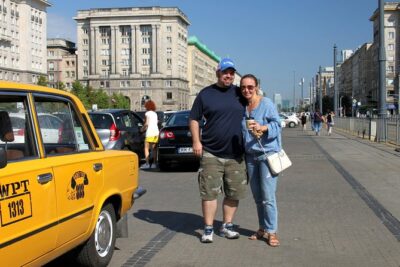 ★ 5.0Private Tour: Warsaw’s Communist History by Retro FiatFrom $108115 reviews
 ★ 4.9Private Nowa Huta Adventure Tour in Communist CarsFrom $108114 reviews
 ★ 4.93.5-Hour Communism Deluxe Tour by TrabantFrom $21584 reviews
 ★ 4.9Communism Tour in an Original Socialist VanFrom $7875 reviews
 ★ 4.8Communist History Self-Driving TourFrom $6952 reviews
Also on these Poland lists