
REVIEW · GDANSK OLD TOWN TOURS
Gdansk Private WWII Tour with Museum of the Second World War
Gdansk’s WWII story hits hard, fast. This private tour pairs skip-the-line entry to the Museum of the Second World War with a licensed guide who turns dates into street-level stories, plus an optional extended walk through key memorials and post-war sites.
I particularly like the way this tour saves you time at one of the busiest museums in Poland, so you can spend your hours actually learning. The other big win is the guide’s ability to tailor pacing and questions to your interests. One drawback to plan for: the museum covers a lot, and in the shorter option you may not see everything.
In This Review
- Key highlights worth centering your plan on
- Meeting at Pilecki and getting into the Museum quickly
- Skip-the-line at the Museum of the Second World War, what it really means
- Inside the Museum: how the guide turns artifacts into a timeline you can remember
- Tip that will save you time
- The 2-hour private tour: best for first-time visitors and tight schedules
- The 4-hour option adds the post-war communism thread in Gdansk
- Guided stories you can ask about, with real people behind the microphone
- Price and value: what you’re paying for at $153 per person
- Practical tips that make the tour smoother
- Should you book this Gdansk WWII and post-war history tour?
- FAQ
- Where do we meet the guide?
- Is hotel pickup included?
- How long is the tour?
- What does skip-the-line include for the museum?
- Is the museum tour only for the permanent exhibition?
- What’s included in the 2-hour option?
- What’s included in the 4-hour option besides the museum?
- What languages are available for the live guide?
- Is the 4-hour walking tour difficult?
Key highlights worth centering your plan on
- Skip-the-line tickets for a pre-booked time, so you avoid the ticket office queue
- Licensed private guide in your chosen language, with room for questions and discussion
- WWII focus inside the Museum of the Second World War, from 1939’s invasion to occupied Poland and resistance
- 4-hour option adds post-war communism context, linking wartime resistance to the fight after 1945
- A walking route through recognisable Gdansk landmarks, including the Polish Post Office defenders and Solidarity-era sites
More wartime history routes we have written up in Gdansk
- Gdansk: Guided Round-Trip Cruise to Westerplatte
★ 4.3 · 865 reviews - Malbork Castle and Westerplatte Tour with Lunch
★ 5.0 · 27 reviews - Museum of the Second World War Gdansk Private Tour & Tickets
★ 5.0 · 24 reviews - Gdansk Private WWII Tour with Museum of the Second World War
★ 4.9 · 22 reviews
Meeting at Pilecki and getting into the Museum quickly
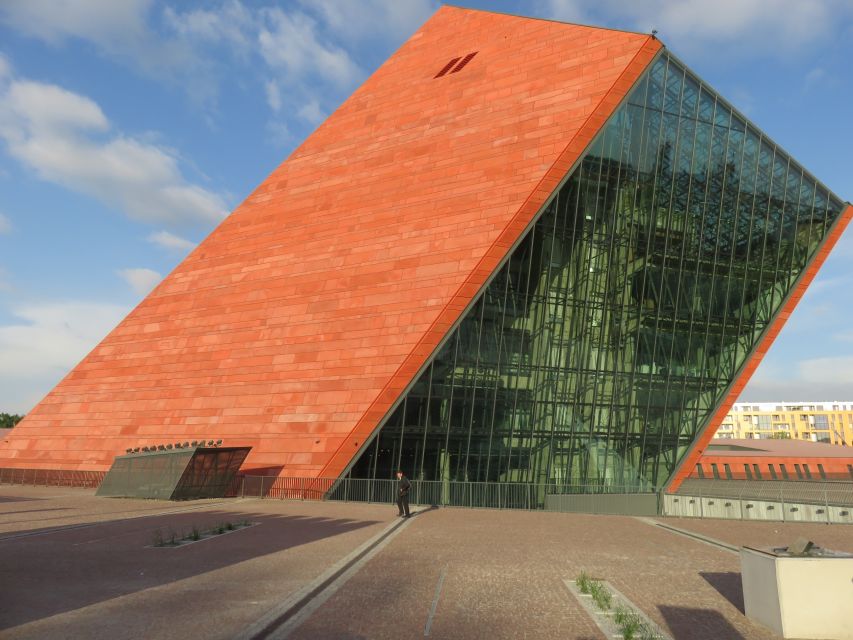
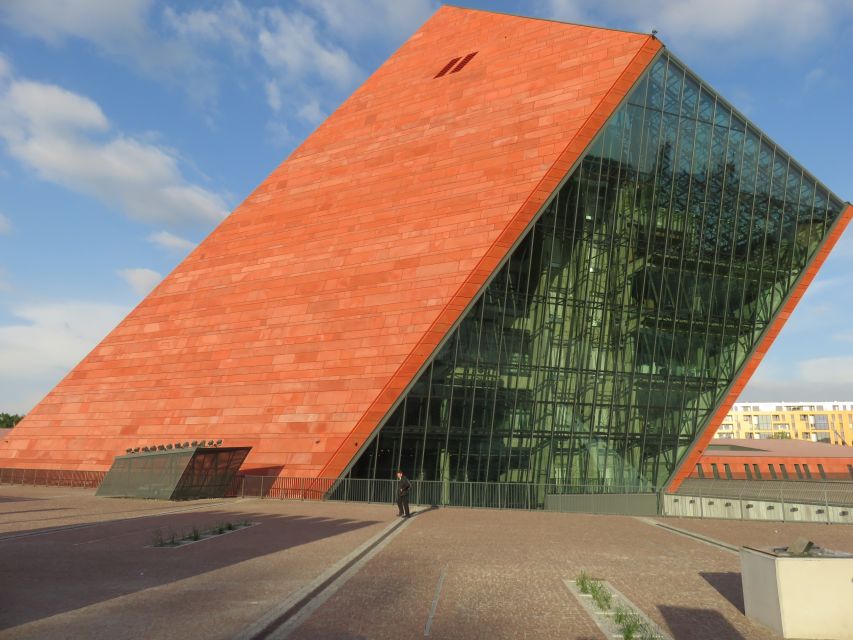
You’ll meet your guide right in front of the Museum of the Second World War at Pomnik Rotmistrza Witolda Pileckiego (Plac Władysława Bartoszewskiego 1, 80-862 Gdańsk). If you’re staying in the Old Town, pickup is available within 1.5 km of the meeting point, and the itinerary adjusts accordingly.
What I like about starting here is simple: it keeps the day clean. No long transfer, no confusion about where to begin. Your guide can get you moving straight into the museum experience while the rest of the city is still figuring out lines and tickets.
Skip-the-line at the Museum of the Second World War, what it really means
The museum ticket skip is practical, but it has a limit. Your skip-the-line tickets are valid for a pre-booked date and time, and you’ll skip the queue at the ticket office, not at the entrance. Also, admission is for the permanent exhibition.
That matters because the museum is popular, and being late to your pre-booked time can throw off your flow. So build in a little buffer, especially if you’re arriving from the harbor or walking in from the quieter streets.
Inside the Museum: how the guide turns artifacts into a timeline you can remember
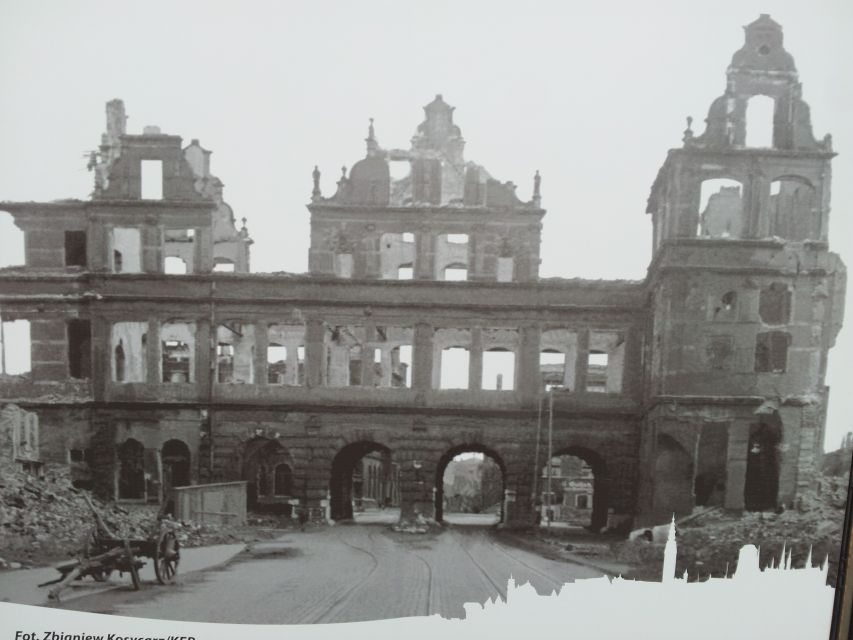
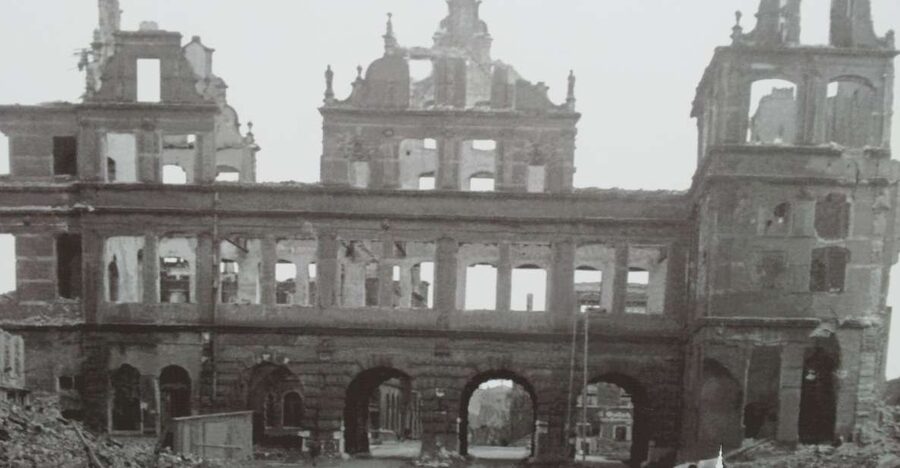
The Museum of the Second World War in Gdansk is one of those places where you can easily get lost in facts. A private guide helps you keep your footing. The tour walks you through the museum’s most compelling sections, starting with the outbreak of war in 1939 and moving through the devastation of occupied Poland, the resistance movements, and the war’s aftermath.
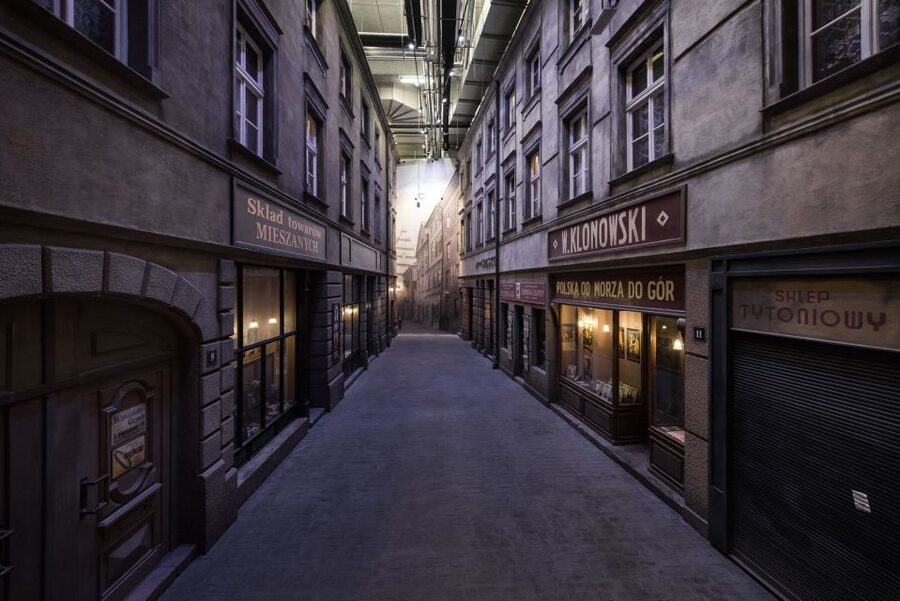
Expect a mix of learning styles, not just displays behind glass. You’ll see artifacts, documents, photographs, and interactive displays that track WWII’s global impact while still focusing on what happened in Poland. The museum also uses reconstructed scenes, including war-torn streets, plus original weapons and uniforms and firsthand accounts. That combination is powerful because it stops the story from becoming abstract.
In a museum this large, the benefit of a guided route is that it gives you a spine. You come away with a timeline you understand, not a pile of interesting images.
Tip that will save you time
If you go for the 2-hour option, treat it like the highest-yield section of the museum rather than the whole museum. You’ll still get major story beats, but it’s not designed for seeing every room at a leisurely pace.
Gdansk repeats itself well. The other versions we reviewed
- Gdańsk City Sights & History Guided Walking Tour in English★ 4.8 · 876 reviews
- Gdansk: Firearm Shooting Experience with Instructor★ 4.8 · 866 reviews
- Gdansk: Guided Round-Trip Cruise to Westerplatte★ 4.3 · 865 reviews
- Gdańsk: Sightseeing EcoCruise around the Old Town of Gdansk★ 4.6 · 719 reviews
- Main Town Gdańsk Walking Tour★ 5.0 · 644 reviews
The 2-hour private tour: best for first-time visitors and tight schedules
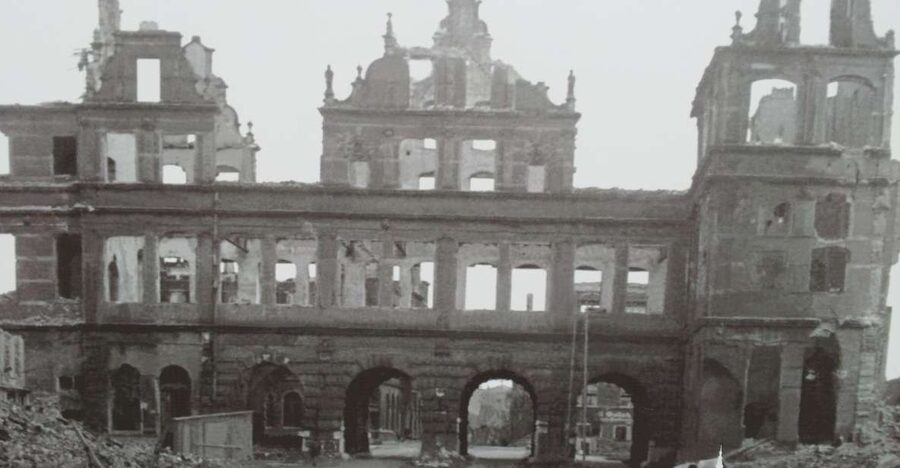
The 2-hour option is a focused way to experience one of the most important WWII museums in the world. You’ll work through the museum highlights with your guide, designed for people who want strong context without turning your day into a full marathon.
This option is a great fit if:
- you already have other plans in Gdansk and want a solid history anchor
- you prefer asking questions in real time rather than reading every label on your own
- you want the story of Poland’s WWII experience with guidance, but not an all-day commitment
The tradeoff is also clear: the museum is big. In 2 hours, you’re choosing quality over quantity. If you’re the type who likes to linger over every exhibit, you might find yourself wanting more time.
The 4-hour option adds the post-war communism thread in Gdansk
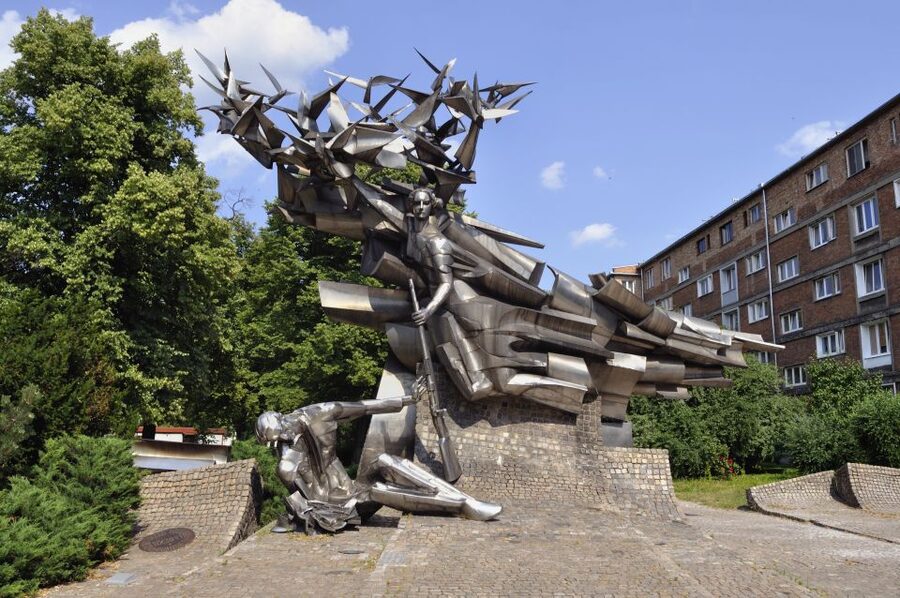
If you want the full “WWII to post-war” arc, the 4-hour option is the move. You start with the Museum of the Second World War, then your guide shifts to a walking tour of key locations tied to Poland’s fight for freedom during and after the Nazi occupation.
This matters because WWII in Poland does not end cleanly in 1945. The tour explicitly connects wartime resistance to what came after, including the struggle under communism.
Here are the stops that make the 4-hour route feel like one continuous story:
- Defenders of the Polish Post Office memorial
This is tied to one of the first battles of WWII, letting you understand early resistance rather than only later events.
- Church of St. James and the Monument to the Fallen Shipyard Workers
These locations help explain the resistance against Nazi occupation, then set the stage for the later fight against communism.
- European Solidarity Centre
You’ll get insight into Poland’s path to independence through the Solidarity movement era.
- BHP Hall, where the August Agreements were signed
This is the kind of stop that makes political history feel real, because it anchors big turning points in an actual place.
- The Obrońca mural
The mural acts like a visual summary of those who defended Poland, and it’s a quick, emotional marker in the walking route.
- A preserved WWII air raid shelter
This adds a physical “you are here” element. Instead of staying in documents, you also see a space connected to the threat itself.
- Imperial Shipyard
The tour finishes here, where wartime industry and its echoes are still part of the city’s atmosphere.
Walking this route also gives you something a museum alone can’t. You start seeing how Gdansk’s layout and landmarks shaped people’s lives, choices, and survival.
Guided stories you can ask about, with real people behind the microphone
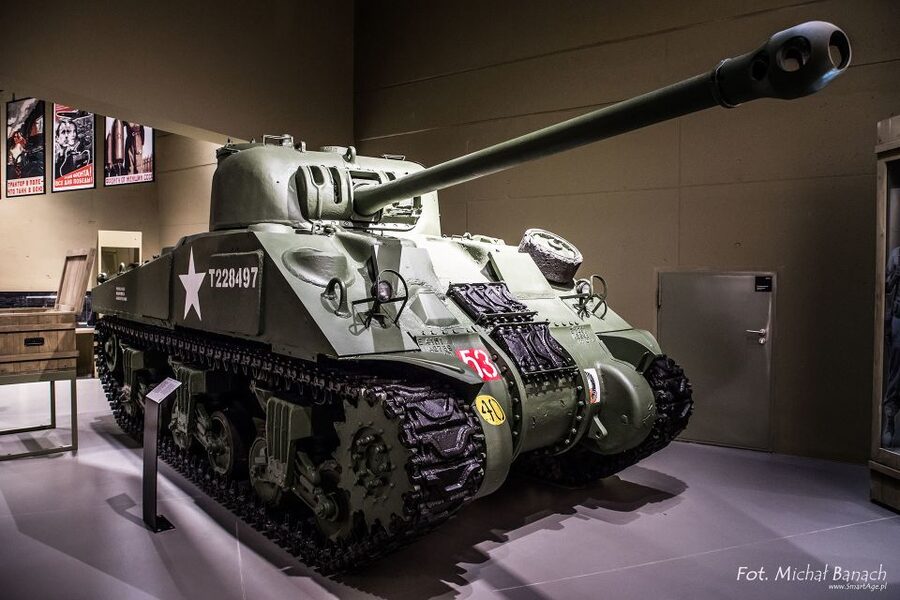
The tour is led by a 5-star licensed guide who’s fluent in your chosen language. That licensing matters in this kind of topic because you’re relying on the guide to handle a heavy subject with care, clarity, and accuracy.
It also shows in how different guides bring different energy. From the experiences shared, I’ve seen names like Krzysztof, Małgorzata, Magdalena, Luca, Elvira, and Margaret come up, and the common thread is that the guides are prepared to explain, and prepared to answer.
One practical note: most languages are offered, including English, German, Russian, Polish, Spanish, French, Italian, Norwegian, and Swedish. If language quality is critical for you, pick your language carefully and arrive on time, because delays can make the day feel rushed.
Price and value: what you’re paying for at $153 per person
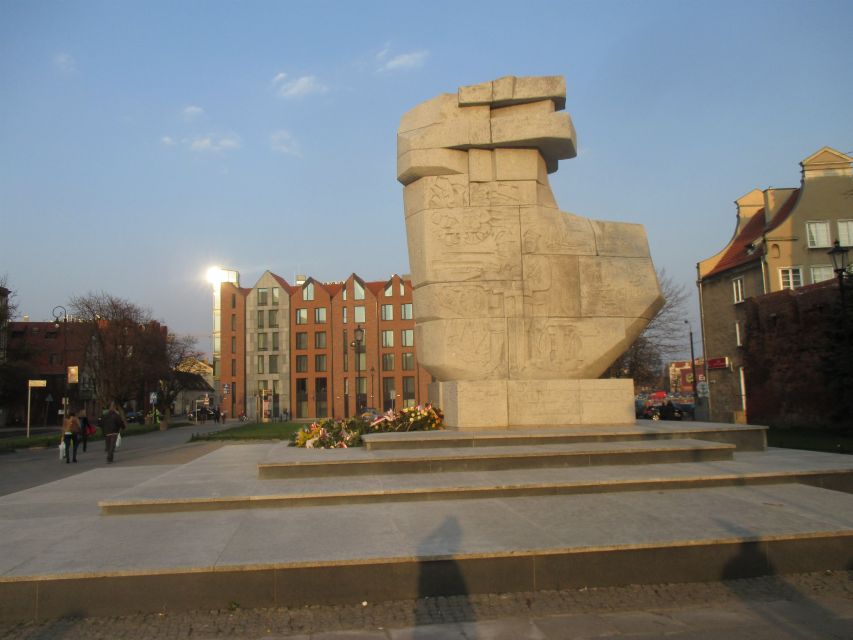
At $153 per person, the value here is mostly about three things: a private, licensed guide; skip-the-line museum entry; and a timed package that turns history into an organised route instead of an open-ended scavenger hunt.
If you were to do it alone, you might spend extra time figuring out what matters most, and you’d likely miss the “why this location, why this person, why this date” connections. With a private guide, you get the structure immediately, and you can steer the conversation toward what you care about, whether it’s invasion, occupation, resistance, Solidarity, or the long aftermath.
The 4-hour option can feel especially good value if you want both the WWII story and the post-war communism context in one day. It’s a lot of ground, but it’s not random ground. It’s connected by a theme your guide keeps coherent.
Practical tips that make the tour smoother
Here are the details that actually help on the ground:
- Check your email the day before for operator information. This tour depends on the selected option, and timing details matter.
- Arrive on time for your pre-booked museum entry slot. The skip is for the ticket office, not the entrance, so punctuality keeps things moving.
- Wear comfortable shoes. For the 4-hour walk, expect uneven surfaces and some steps. The guide can adjust pace, but the terrain is still real.
- Dress for the weather. The tour runs rain or shine.
- Bring questions. This is the kind of history where asking clarifying questions is worth it, especially when you’re moving from the museum into real memorial sites outside.
Should you book this Gdansk WWII and post-war history tour?
Yes, I’d book it if you want more than museum browsing. This tour is built for people who like their history in human terms, with a guide who can connect the museum story to the streets, memorials, and turning points around Gdansk.
Book the 2-hour option if you’re short on time but still want a guided, high-yield museum experience. Choose the 4-hour option if you want the extra layer that many visitors miss, the thread that runs from Nazi occupation through Poland’s later struggle for freedom.
One final check before you commit: if you’re the type who expects to see every corner of a major museum, plan extra time in Gdansk beyond this tour. The guide will make your time count, but the museum itself still takes space and attention.
FAQ
Where do we meet the guide?
Meet your guide at Pomnik Rotmistrza Witolda Pileckiego in front of the Museum of the Second World War, Plac Władysława Bartoszewskiego 1, 80-862 Gdańsk.
Is hotel pickup included?
Pickup is available for hotels located within 1.5 km of the meeting point in Gdansk Old Town.
How long is the tour?
The tour duration is 2 to 4 hours, depending on the option you choose.
What does skip-the-line include for the museum?
Skip-the-line tickets help you skip the ticket office line, but you still need to go through the entrance. The skip is valid for a pre-booked date and time.
Is the museum tour only for the permanent exhibition?
Yes. Admission included is for the permanent exhibition.
What’s included in the 2-hour option?
A guided private tour focused on the Museum of the Second World War, with emphasis on key sections covering the outbreak of WWII, occupied Poland, resistance movements, and the aftermath.
What’s included in the 4-hour option besides the museum?
In addition to the museum, the guide leads a walking tour that includes the Defenders of the Polish Post Office memorial, Church of St. James, the Monument to the Fallen Shipyard Workers, the European Solidarity Centre, BHP Hall (August Agreements), the Obrońca mural, a preserved WWII air raid shelter, and the Imperial Shipyard.
What languages are available for the live guide?
The live guide is available in English, German, Russian, Polish, Spanish, French, Italian, Norwegian, and Swedish.
Is the 4-hour walking tour difficult?
It is described as a moderate walking tour, including some uneven surfaces or steps. The guide can adapt the pace to your group, and you should wear comfortable shoes and dress for weather since it runs rain or shine.
More Tour Reviews in Gdansk



Gdansk, Three More Ways
Wartime History in Gdansk

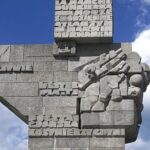
Recently written up around Gdansk


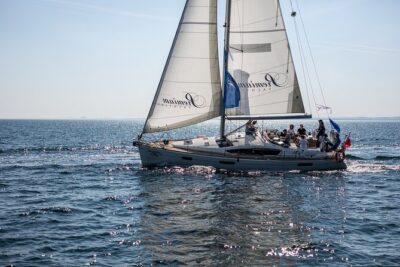



More Gdansk Old Town Tours.
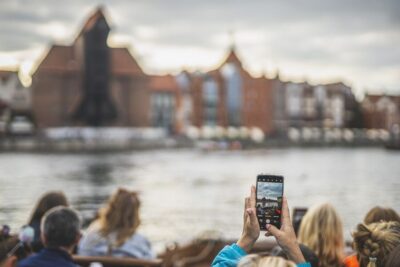 ★ 4.8City Cruise on Historical Polish BoatFrom $222,913 reviews
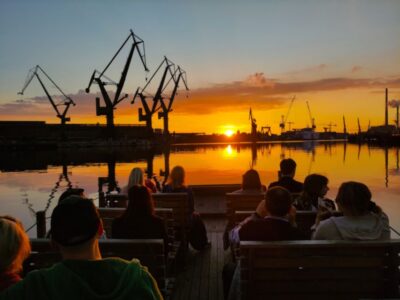 ★ 4.9Sunset Cruise on a Historic Polish BoatFrom $26977 reviews
 ★ 4.8Gdańsk City Sights & History Guided Walking Tour in EnglishFrom $26876 reviews
 ★ 4.8Firearm Shooting Experience with InstructorFrom $41866 reviews
 ★ 4.3Guided Round-Trip Cruise to WesterplatteFrom $33865 reviews
 ★ 4.6Sightseeing EcoCruise around the Old Town of GdanskFrom $19719 reviews
 ★ 5.0Main Town Gdańsk Walking TourFrom $26644 reviews
 ★ 5.0Gdansk Pub Crawl with Free DrinksFrom $21553 reviews
Also on these Poland lists