
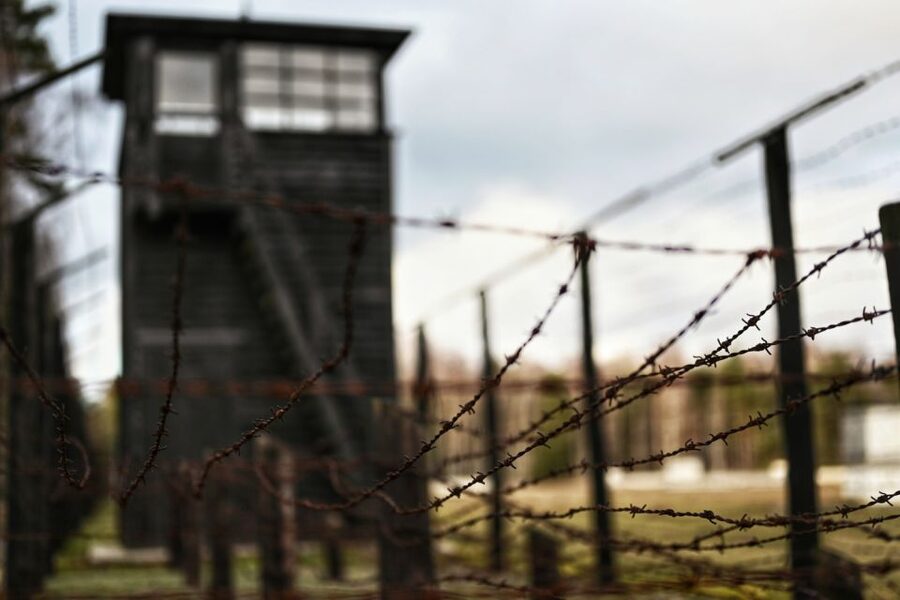
REVIEW · GDANSK OLD TOWN TOURS
Gdansk: Stutthof Concentration Camp Regular Tour
Stutthof is hard to forget. This 5-hour Gdansk tour combines an air-conditioned minibus ride with an English museum guide, taking you through the Memorial Museum, the commander’s villa, and rooms tied to mass murder. I especially like the hotel pickup that keeps the logistics painless, and the way the guide leads you toward the gas chambers and crematorium as part of a carefully explained route. One drawback to plan for up front: it is heavy material, and the format is structured, so you should not expect a slow, free-choice walk.
The best part is that you do not have to figure anything out. You ride with a driver who shares context about the region, then you meet the museum guide on site, with museum time that is long enough to absorb what you are seeing. Bring comfortable shoes, pack light, and be ready for a day that sticks with you.
In This Review
- Key highlights you should clock before you go
- Why Stutthof From Gdansk Hits So Hard
- The 5-Hour Timeline, and What the Pacing Really Means
- Gdańsk to Stutthof by Minibus: Comfort Plus Context
- Meeting the Guide and Entering the Museum Complex
- The Memorial Museum: From Pomerania’s Occupation to Camp Reality
- Commander’s Villa: When “Authority” Becomes a Physical Setting
- The Gas Chambers and Crematorium Rooms: What You’re Really Walking Through
- Victims’ Monument and the Longer Meaning of the Route
- The Sztutowo Portion: Extra Museum Time That Makes It Add Up
- What to Bring, What Not to Bring, and Dress Rules That Matter
- Price and Value for $128: What You’re Really Paying For
- Who Should Book, and Who Might Want a Different Day Plan
- Should You Book This Stutthof Tour?
- FAQ
- How long is the Stutthof Concentration Camp tour from Gdansk?
- Where does pickup and drop-off happen?
- Is the tour guided in English?
- What’s included in the price?
- Is it wheelchair accessible?
- What should I bring, and are there any restrictions?
Key highlights you should clock before you go
- Hotel pickup from Gdańsk or Sopot so you start and end without fuss
- Air-conditioned minibus transfer with an English-speaking driver who helps set context
- Guided Memorial Museum tour in English, focused on how the camp worked and who it targeted
- Commander’s villa, gas chambers, and crematorium discussed in a somber, chronological way
- Time at the victims’ monument and a stop that brings you to the wider story of Pomerania
Other reviewed visits to the Stutthof Memorial
- Gdansk: Stutthof Concentration Camp Regular Tour
★ 4.7 · 361 reviews - Stutthof Concentration Camp English Tour with Gdansk Hotel pickup
★ 4.5 · 73 reviews - Stutthof Concentration Camp:Guided Tour with Transportation
★ 4.7 · 57 reviews - Stutthof Concentration Camp tour including transfer from Gdansk
★ 5.0 · 34 reviews
Why Stutthof From Gdansk Hits So Hard
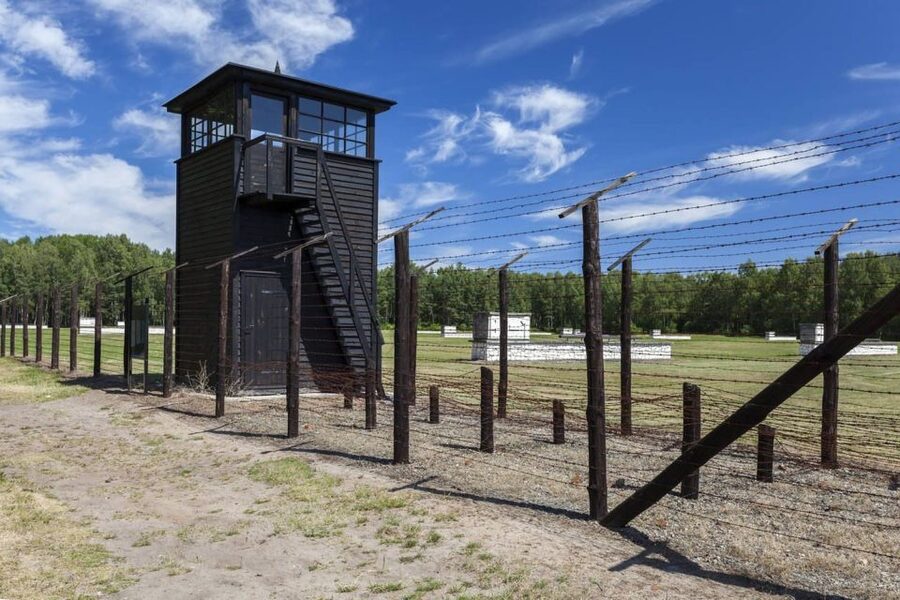
Stutthof is not a place that feels abstract. Even if you’ve read about World War II, seeing the layout of the camp and hearing the explanations on site changes the way the facts land in your head.
This tour is built for that reality check. You get a guided experience inside the Stutthof Museum, and the route is organized around key locations, including the Memorial Museum areas and the commander-related spaces. You also spend time approaching some of the most disturbing parts of the site, including the gas chambers and crematorium rooms, with the guide framing what happened there so it stays factual and respectful.
I also like that this tour doesn’t treat Stutthof as a single grim stop. It connects the camp story to the broader persecution and occupation of Pomerania, and it clarifies where Stutthof fits historically as the first and longest operating Nazi concentration camp in Poland.
The 5-Hour Timeline, and What the Pacing Really Means
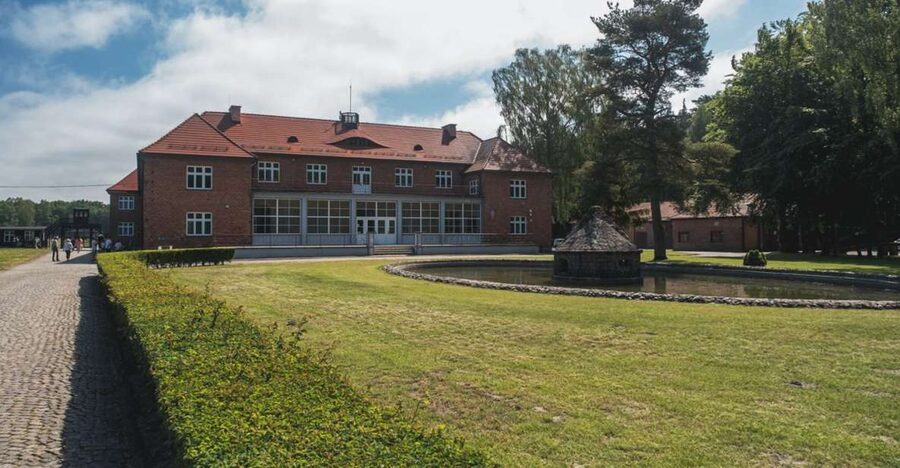
You should expect about 5 hours door-to-door, including travel time. The day is basically two blocks: the transfer, then a guided museum visit, then the drive back.
The museum part is the core. It runs long enough for an organized walking circuit, and it includes an extended version, meaning you are not just doing a quick “hit the highlights” route. The guided time is listed as up to about 2.25 hours for the Stutthof Museum tour, with the tour duration overall described as up to around 2.5 hours directly in the museum experience.
Here’s the practical implication: if you prefer to wander at your own pace, this may feel structured. You are guided through the key parts, with less emphasis on independent meandering than a self-guided visit. That structure is also a benefit. When you’re standing in places tied to atrocity, having a clear narrative helps you make sense of what you’re seeing without getting lost.
Gdańsk to Stutthof by Minibus: Comfort Plus Context
The transport is one of the reasons this tour is easy to book and easy to survive. You get hotel pickup in either Gdańsk or Sopot, and you ride to Stutthof in an air-conditioned minibus with an English-speaking driver.
I like what that driver time does for you. The route isn’t just transportation. The driver shares local history and area context while you’re on the way, so when you arrive, you’re not starting from zero. From the tour’s service style, you may be paired with drivers such as Simon, Chris, Peter, Nic, Krysof, or Christopher, and the common theme is clear communication and punctual, organized service.
This matters because Stutthof is outside the city. A guided transfer helps you “mentally arrive” instead of treating it like a roadside detour. You also return the same way, with drop-off back in Gdańsk or Sopot.
Meeting the Guide and Entering the Museum Complex
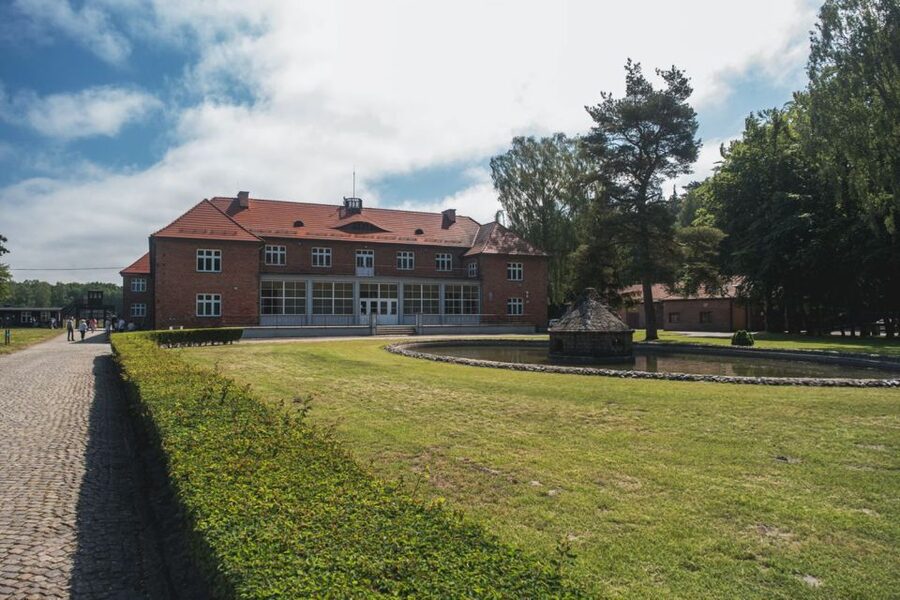
Once you reach the site, you meet your guide and begin the museum complex tour. The focus is on explanation plus pacing, not on rushing you past key points.
The first museum stop is the Memorial Museum area that commemorates victims of the former Nazi camp. This is the moment where the tour’s tone becomes clear. You’re not just viewing artifacts, you’re walking through locations that connect directly to persecution, imprisonment, and mass murder.
In practice, you’ll get a chronological approach: background, the camp’s development and function, and then specific places tied to how the system worked. Guides you might encounter in English include names like Michael, Tomasz, Thomas, or Paul. Multiple guides are described as calm and respectful, with good English and room for questions.
That question time can be important. If you want clarification on the timeline or how Stutthof operated, this format is built to help you rather than leaving you with only a handout.
Gdansk repeats itself well. The other versions we reviewed
- Gdańsk City Sights & History Guided Walking Tour in English★ 4.8 · 876 reviews
- Gdansk: Firearm Shooting Experience with Instructor★ 4.8 · 866 reviews
- Gdansk: Guided Round-Trip Cruise to Westerplatte★ 4.3 · 865 reviews
- Gdańsk: Sightseeing EcoCruise around the Old Town of Gdansk★ 4.6 · 719 reviews
- Main Town Gdańsk Walking Tour★ 5.0 · 644 reviews
The Memorial Museum: From Pomerania’s Occupation to Camp Reality
The tour doesn’t only show you structures. It explains the “why” behind the structures.
You learn about persecution and occupation in Pomerania, which helps you understand Stutthof as part of a wider Nazi system rather than a standalone horror. Then you connect that local occupation story to the camp’s role in the Nazi concentration camp system.
The museum tour is also structured to give you a sense of place. Instead of random stopping points, you’re directed toward specific areas that help explain how life in the camp functioned and what the camp was designed to do.
For many people, this is the most educational part of the day. The tour is described as moving and educational, and that blend is exactly what you want here. You want facts that are clear, and you want them delivered in a way that matches the gravity of the subject.
Commander’s Villa: When “Authority” Becomes a Physical Setting
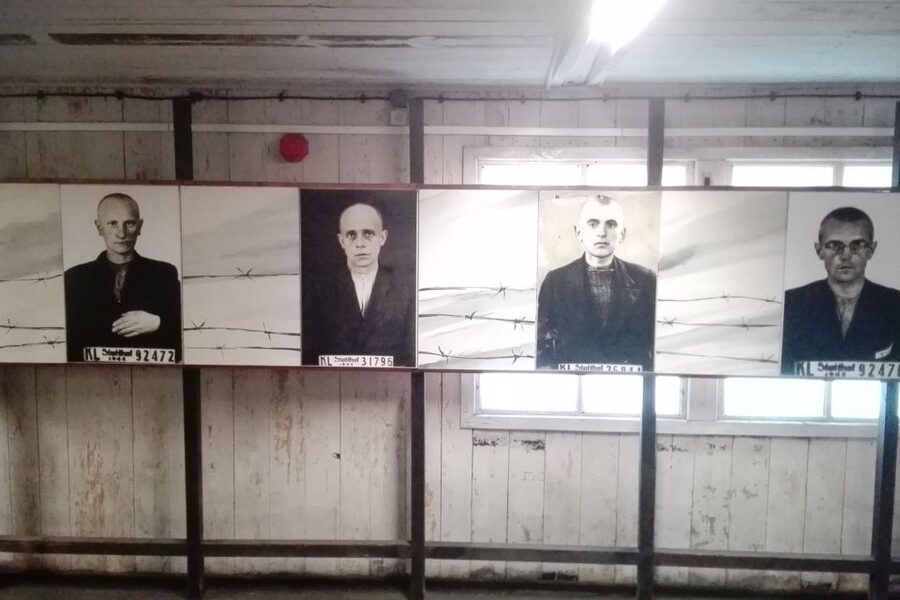
After the Memorial Museum areas, the tour moves to the commander’s villa.
This stop can be unsettling for a different reason. It’s one thing to look at prison-like spaces. It’s another to see where authority was located and how the command structure was made real in the same landscape.
The value of this stop is perspective. It helps you understand the camp as an organized system with hierarchy and decision-making, not a chaotic set of events. If your goal is to make the history make sense, this is one of the places that makes the story feel more concrete.
It also balances the tour emotionally. You get the historical framework, and then you see how that framework translated into physical spaces.
The Gas Chambers and Crematorium Rooms: What You’re Really Walking Through
This tour specifically includes the rooms tied to the gas chambers and crematorium. The experience is described as emotional and moving, and the guide’s role is key here.
The best way to prepare is mental, not logistical. You should expect that parts of the tour are designed to be confronted, not softened. The guide is there to explain mass murder in a careful, respectful way, and you’ll feel the weight of stepping into spaces associated with genocide.
Practical note: these parts of the tour are not something you can skim. The tone is serious, and the narrative is meant to stay with you. If you are someone who gets overwhelmed and needs frequent breaks, consider whether this is the right pace for you. The tour includes walking throughout the site, and the overall day is about 5 hours.
Victims’ Monument and the Longer Meaning of the Route
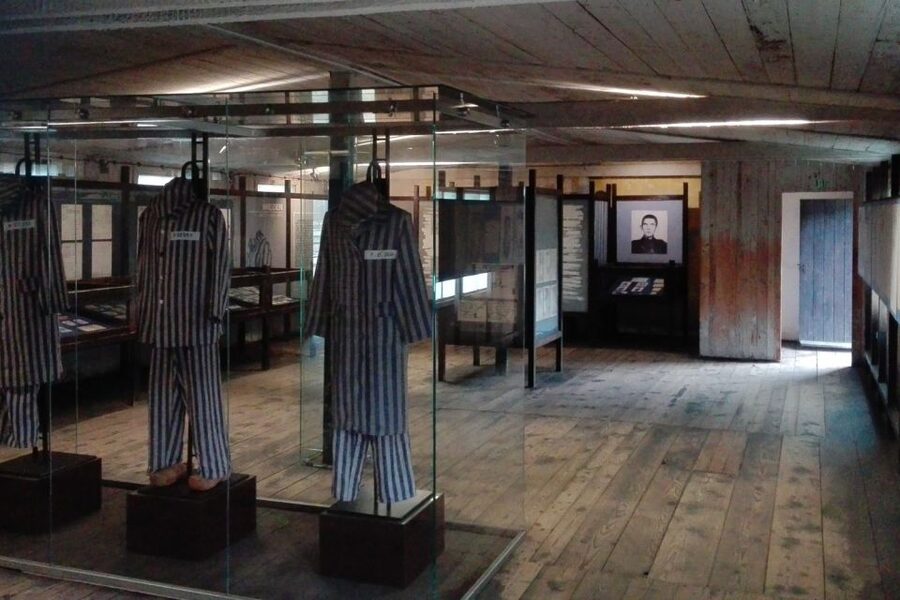
After the major site stops, you’ll pay your respects at the camp victims’ monument. That moment matters because it shifts your focus from “how it worked” to “who it happened to.”
Then you continue with more explanation about the broader story around Pomerania and the camp’s place in the Nazi system. The tour description also notes that you will see the first Nazi concentration camp outside German territory, which helps you place Stutthof in the wider map of where the regime expanded.
This is one of those “context stops” that makes the day coherent. You leave with more than images. You leave with a clearer sense of historical placement and impact.
The Sztutowo Portion: Extra Museum Time That Makes It Add Up
You travel to Sztutowo, where there was a former camp, and you take a guided tour of the Stutthof Museum for about 2 hours as part of the overall experience.
This extra museum time is the part that makes the tour feel complete for most people. Without it, you’d likely just hit the most famous locations and miss the connective tissue: the story, the documentation, and the way the museum explains events in a structured way.
So, if you’re deciding between a quick visit and a longer guided experience, I think this extended format is worth it. It gives you time to connect details instead of grabbing facts in a rush.
What to Bring, What Not to Bring, and Dress Rules That Matter
Plan for a walking tour. Wear comfortable shoes. You’ll want something you can stand and walk in for the full museum portion.
Packing rules matter too. You can carry an umbrella or an extra jumper or backpack, but the museum ground bag size limit is listed as 30 x 20 x 10 centimeters. Large luggage or large bags are not allowed.
Clothing rules are also straightforward. No sleeveless shirts are allowed. Smoking is not allowed.
If the day is cloudy and chilly, bring an extra jacket. Even in better weather, you’ll likely want layers you can adjust as you move between indoor and outdoor parts of the museum grounds.
Price and Value for $128: What You’re Really Paying For
At $128 per person, you are not just paying for a transfer. You’re paying for a full guided learning experience with built-in logistics.
Here’s what’s included:
- Hotel pickup and drop-off
- An English-speaking museum guide
- An English-speaking driver
- All entrance fees and parking fees
- Insurance
What’s not included is food and drinks, so you’ll want to plan a meal before or after.
Now the value part: Stutthof is far enough from the city that transportation, timing, and ticket access can become a hassle if you DIY it. This tour removes that friction. The inclusion of entrance fees and parking means you are not doing extra budgeting or hunting for details on the day. And the guide is central here. This is not the kind of site where a quick audio app tends to replace human explanation, especially when you’re moving through rooms tied to genocide.
If you’re budgeting a day-trip, I think $128 makes sense because you’re buying time with an English guide plus a smooth, door-to-door service.
Who Should Book, and Who Might Want a Different Day Plan
This tour is not recommended for children under 13. That’s a strong hint that the tour’s pacing and subject matter are handled for older teens and adults who can process it.
It’s also a good fit for you if:
- You want the main camp sites explained in English
- You prefer a structured route rather than self-navigation
- You value a driver who adds regional context on the ride
It may feel less ideal if:
- You need lots of free time to linger on your own
- You dislike guided museum circuits that move at a set pace
One more practical consideration: because the day is around 5 hours, it’s smart to plan your energy. This is a half-day excursion that leaves an emotional mark, so don’t book something upbeat right after.
Should You Book This Stutthof Tour?
If you’re coming to Gdańsk and you want to understand World War II through one of Poland’s most significant camp sites, I think this tour is worth booking. The combination of hotel pickup, an English museum guide, and a route that includes the Memorial Museum plus major camp locations makes it efficient and meaningful.
I’d skip it or choose a different option if you are very sensitive to intense historical material, or if you want a totally self-paced visit. Otherwise, this is one of those experiences that turns history into something you can stand in, and that is exactly why you come to places like Stutthof in the first place.
FAQ
How long is the Stutthof Concentration Camp tour from Gdansk?
The total duration is about 5 hours, including pickup, travel time, and the guided museum tour (up to around 2.5 hours directly in the museum).
Where does pickup and drop-off happen?
Pickup and drop-off are available in Gdańsk and Sopot.
Is the tour guided in English?
Yes. The Stutthof Museum is guided in English, and there is also an English-speaking driver for the minibus transfer.
What’s included in the price?
Hotel pickup and drop-off, the English-speaking guide for the Stutthof Museum, the English-speaking driver, entrance fees and parking fees, and insurance are included. Food and drinks are not included.
Is it wheelchair accessible?
Yes, the tour is listed as wheelchair accessible.
What should I bring, and are there any restrictions?
Wear comfortable shoes. Avoid smoking. Large bags or luggage are not allowed, and sleeveless shirts are not allowed. If you bring an umbrella or a backpack, keep it within the museum grounds size limit of 30 x 20 x 10 centimeters.
More Tour Reviews in Gdansk




Gdansk, Three More Ways
Stutthof Memorial: Other Reviewed Visits



Recently written up around Gdansk





More Gdansk Old Town Tours.
 ★ 4.8City Cruise on Historical Polish BoatFrom $222,913 reviews
 ★ 4.9Sunset Cruise on a Historic Polish BoatFrom $26977 reviews
 ★ 4.8Gdańsk City Sights & History Guided Walking Tour in EnglishFrom $26876 reviews
 ★ 4.8Firearm Shooting Experience with InstructorFrom $41866 reviews
 ★ 4.3Guided Round-Trip Cruise to WesterplatteFrom $33865 reviews
 ★ 4.6Sightseeing EcoCruise around the Old Town of GdanskFrom $19719 reviews
 ★ 5.0Main Town Gdańsk Walking TourFrom $26644 reviews
 ★ 5.0Gdansk Pub Crawl with Free DrinksFrom $21553 reviews
Also on these Poland lists