
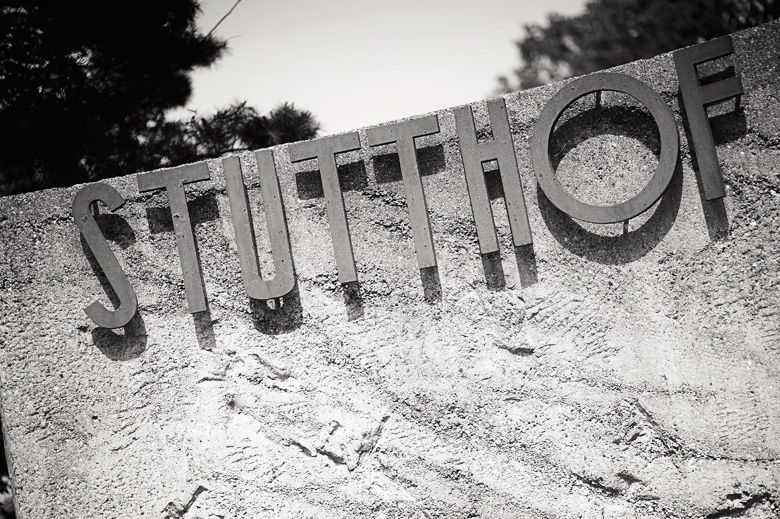
REVIEW · STUTTHOF MEMORIAL TOURS
Stutthof Concentration Camp Half-Day Private Tour
Stutthof is heavy, but worth understanding. This private half-day tour from Gdansk takes you through old and new camp quarters and the places tied to mass murder, with a guide to keep the history clear and grounded.
I like two things most about this setup: you get a private museum guide (in English, German, or Polish), and the visit is paced for a real half day, about five hours total, including museum time. I also appreciate that key costs are handled up front, like entrance tickets and parking, so you can focus on listening and taking your time.
One drawback to plan for: the exhibition is emotionally intense, including the gas chambers and crematorium, so it’s recommended only for age 13 and up. If your group includes someone sensitive to graphic material, you will want to think hard before booking.
In This Review
- Key points to know before you go
- Stutthof in a Nutshell: Why This Camp Stayed Open So Long
- Price and Logistics: A Private 5-Hour Tour from Gdansk
- Ride Out the Past: The Van Transfer to Stutthof
- Stutthof Museum Guided Tour: Old Quarters, New Quarters, and the Commander’s Villa
- The Core Sites: Gas Chambers, Crematorium, and the Victims’ Monument
- Morska 32 Break and the Return to Gdansk
- How the Private Format Changes Everything
- What to Expect Emotionally, and How to Prepare
- Who This Tour Suits Best, and Who Should Consider Another Plan
- Should You Book This Half-Day Private Stutthof Tour?
Key points to know before you go
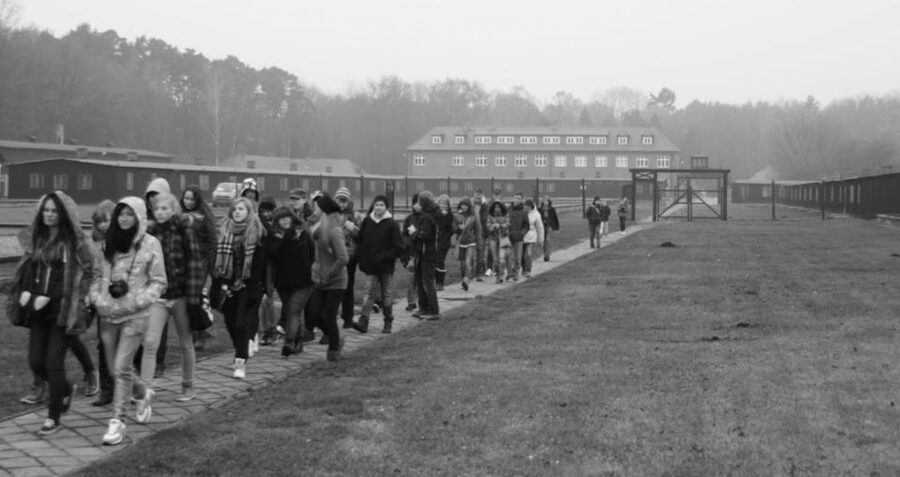
- Private guide, small group feel that helps you ask questions and stay oriented in a difficult place
- Old and new camp quarters give you a clearer view of how the camp operated over time
- Commander’s villa plus the core murder sites connect daily control with the machinery of genocide
- Gas chambers, crematorium, and cremation area are part of the guided route, not optional viewing
- Memorial at the end of your visit helps you shift from facts to remembrance
- Optional documentary screening can add context if offered during your tour
Other reviewed visits to the Stutthof Memorial
- Gdansk: Stutthof Concentration Camp Regular Tour
★ 4.7 · 361 reviews - Stutthof Concentration Camp English Tour with Gdansk Hotel pickup
★ 4.5 · 73 reviews - Stutthof Concentration Camp:Guided Tour with Transportation
★ 4.7 · 57 reviews - Stutthof Concentration Camp tour including transfer from Gdansk
★ 5.0 · 34 reviews
Stutthof in a Nutshell: Why This Camp Stayed Open So Long
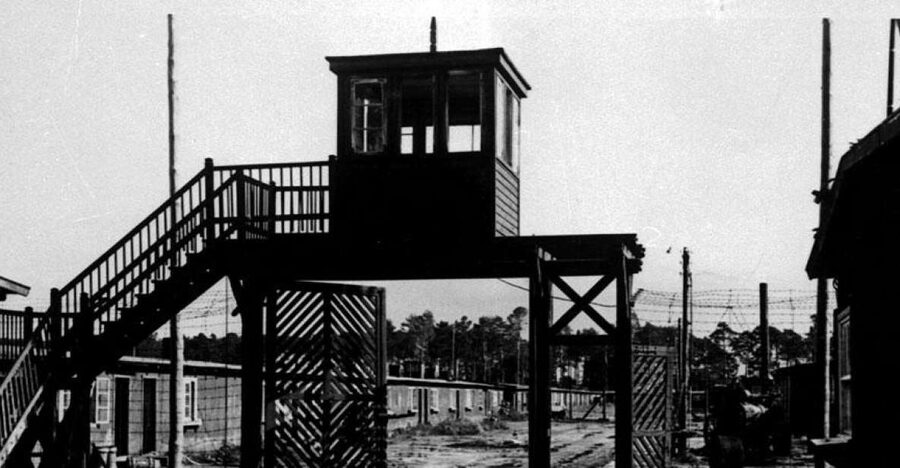
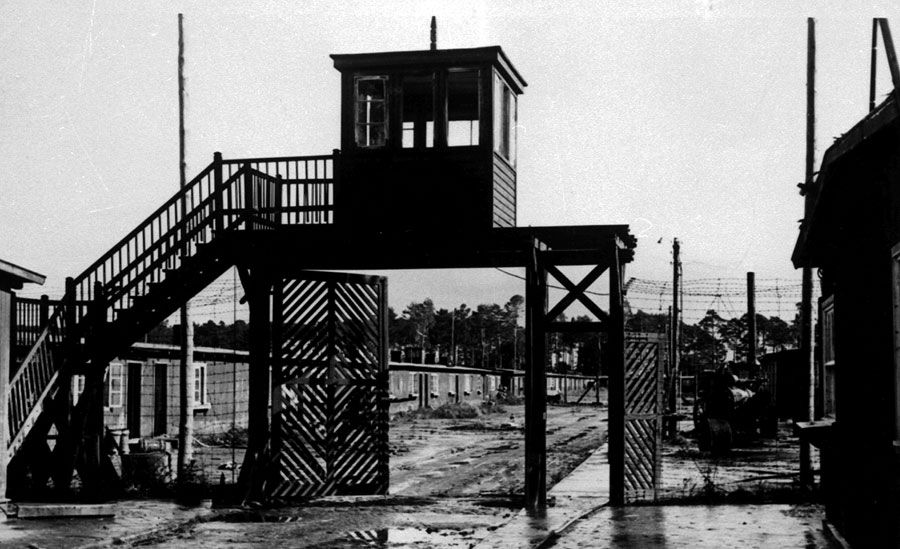
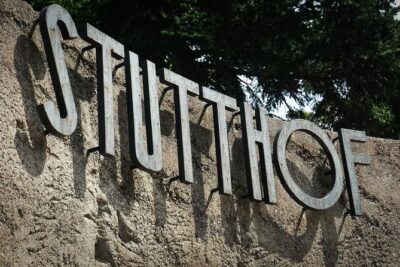
Stutthof was the first Nazi concentration camp established on Polish territory, and it operated longer than any other camp of its kind. That alone makes it historically important. The camp started in 1939, initially planned for about 3,000 prisoners, largely targeting Jewish people and the Polish intelligentsia from the Pomeranian region and the Free City of Gdańsk.
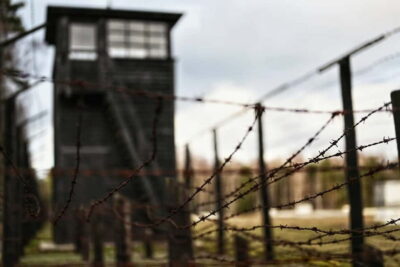
What hits you, even before the buildings and artifacts, is how that early purpose turned into something far worse. Over time, more than 110,000 people from 26 countries were imprisoned here. You will see how persecution, forced labor, starvation, torture, and executions were part of the system, and how the camp’s function evolved as the Nazi occupation tightened its grip across Pomerania.
I like that the tour doesn’t treat Stutthof like a “sight.” It treats it like evidence. Your guide is there to connect what you’re seeing on the ground to what happened to real people.
Price and Logistics: A Private 5-Hour Tour from Gdansk
This is a private group half-day tour lasting about five hours. Pricing is $461 per group up to 3, so it can be good value if you’re traveling as a small unit and want control over questions and pacing.
Here’s the practical value breakdown. You’re paying for:
- Private transport
- A private museum tour guide
- Entrance tickets to the Stutthof museum
- Parking fees
That matters because the big costs in independent planning usually stack up fast: transport, tickets, and the time cost of finding a qualified guide on site. With this format, you show up, get picked up, and spend your limited time on the part that matters most, the museum route with an actual historian-style explanation.
Pick-up is offered from hotels or apartments in Gdansk, Sopot, and Gdynia. In practice, that reduces the friction of getting out to the camp and helps your group stay together without juggling taxis.
Ride Out the Past: The Van Transfer to Stutthof
The tour starts with pickup in Gdansk, followed by about one hour by van to reach Stutthof. That drive is not just travel time. It gives you a buffer to get settled and for your guide to set the stage.
One of the smartest choices you can make on a tour like this is to arrive mentally ready. Use the ride to set expectations: this is not a quick photo stop, and you will be seeing sites tied to mass murder. If your guide chooses to explain local context, you’ll be glad you did, because the camp grounds make more sense once you know what to look for.
The van also helps with one practical issue: the camp visit itself is physically and emotionally demanding. Private transport keeps your group from splitting up, which is a big deal when you want everyone to hear the same explanations.
Stutthof Museum Guided Tour: Old Quarters, New Quarters, and the Commander’s Villa
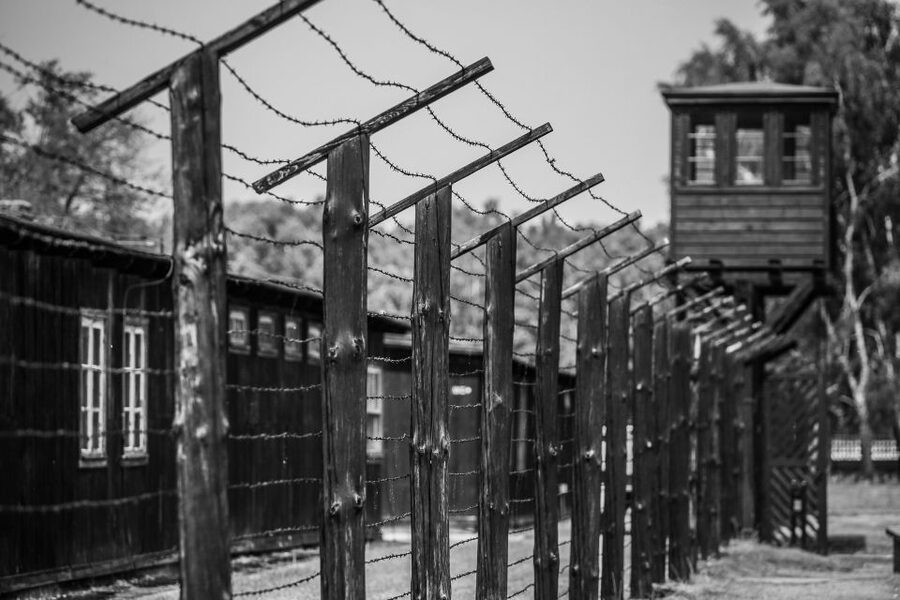
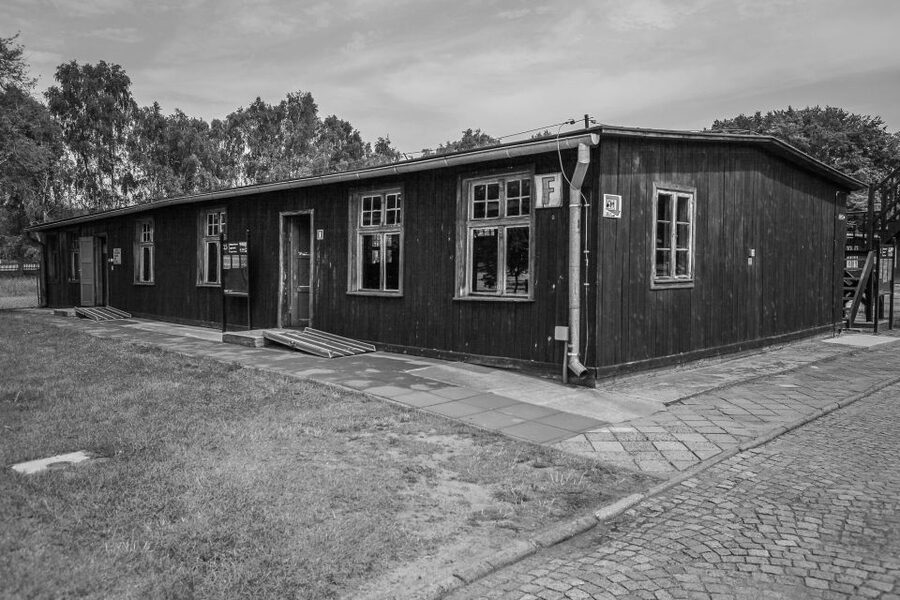
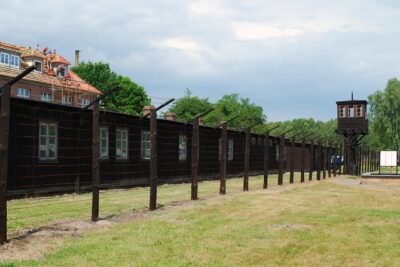
Your guided visit inside Stutthof museum is about two hours. That time is focused, moving through the main sections that visitors come to understand. You will cover both the old and new camp quarters, which helps you see that Stutthof was not static. It expanded, changed function, and absorbed more suffering as the war progressed.
The difference between old and new quarters is the kind of detail you’ll miss on your own. With a guide, it becomes clearer how the camp’s organization supported imprisonment and exploitation. The buildings and layouts stop being random structures and start behaving like a map of the Nazi system.
A standout stop is the commander’s villa. Even if you only spend a few minutes there, it adds an important layer. It shows you the power imbalance, the distance between command and captivity. It also anchors your understanding that this was not only an impersonal machine. People in positions of authority enabled it, oversaw it, and benefited from the cruelty.
Your guide is also there to explain persecution and occupation in Pomerania, the wider region where the camp fit into Nazi control. That regional framing is valuable. Without it, the camp can feel like a sealed-off horror. With it, you understand how local targets, occupation policies, and the war’s logic helped drive the system.
Below are the other Gdansk trips we have logged
- Gdańsk: Old Town Private Walking Tour with Legends and Facts★ 4.9 · 245 reviews
- Gdansk: Shared or Private City Tour Sightseeing By Golf Cart★ 4.8 · 233 reviews
- Gdansk: Private Top City Tour by Electric Cart & Live Guided★ 4.9 · 114 reviews
- Private Airport Transfer Gdansk (GDN) to City Center Gdansk★ 5.0 · 83 reviews
- Gdańsk Old Town Private Walking Tour with Legends and Facts★ 5.0 · 65 reviews
The Core Sites: Gas Chambers, Crematorium, and the Victims’ Monument
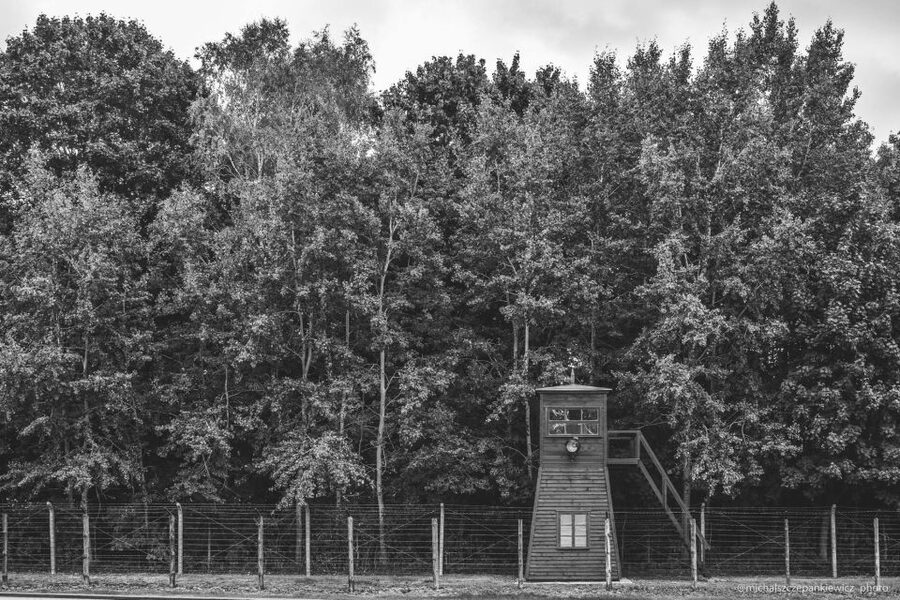
This tour includes the most difficult parts of Stutthof. You will go to the gas chambers and the crematorium, and you will also be guided through the memorial elements tied to the victims.
Because the exhibition is graphically intense, I recommend taking the tour’s age guidance seriously. It’s recommended only for individuals aged 13 and above. That’s not just about maturity. It’s about your ability to process what you’re seeing without shutting down.
The value of a guided visit in these sections is orientation. In a place like this, you do not want to be piecing the story together while staring at hard facts. A good guide keeps the narrative clear: what the site was used for, how it fit into mass murder, and why remembrance matters.
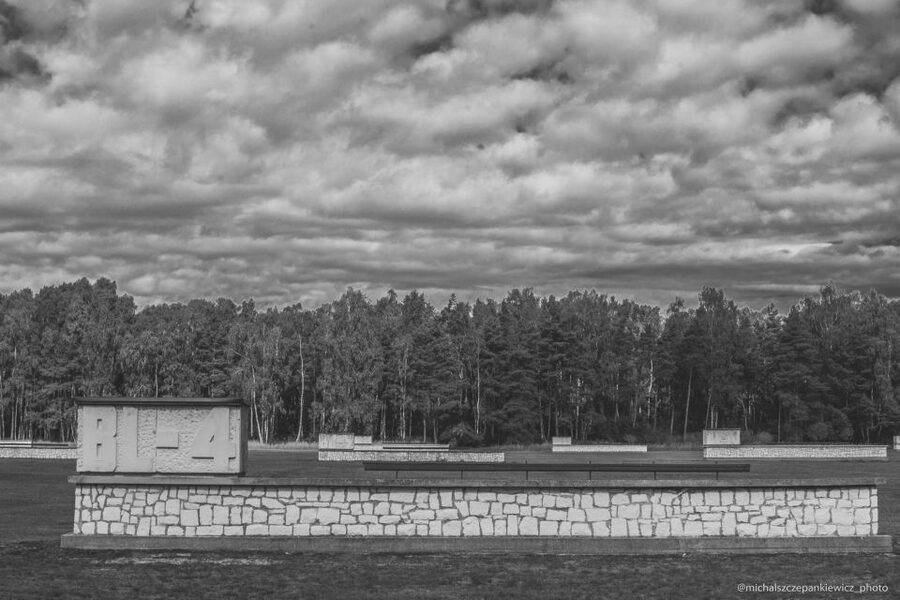
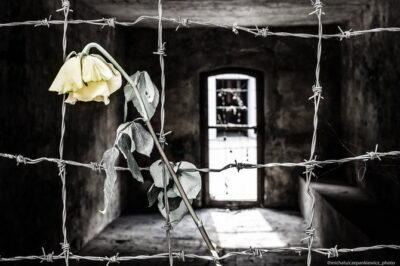
After the murder sites, you will pay your respects at the camp victims’ monument. That stop changes the tone. It’s one of the most important moments for many visitors because it shifts from understanding mechanisms to honoring people. If you’re the kind of traveler who needs a minute to breathe and absorb, give yourself time here. You’ll also get more out of the experience if you resist rushing to the exit.
Some tours also include an optional documentary film screening. If that’s offered during your schedule, it can be a helpful bridge. It gives your brain a chance to regroup while still staying in the historical context your guide has been building.
Morska 32 Break and the Return to Gdansk
After the museum portion, there’s a 30-minute break at Morska 32 before you return to Gdansk. This is the moment to reset. Even if you feel fine walking into the camp, you can feel the weight later.
Use the break to do three things:
- Drink water and eat something light if you can
- Collect your thoughts so you can hold onto key points your guide emphasized
- Decide if you want to ask final questions before the ride back
The return drive is part of the tour flow, and it matters because you won’t be left to manage logistics on your own. Once you arrive back in Gdansk, the day stops being “tour mode” and becomes real life again, which can feel abrupt after a difficult place.
How the Private Format Changes Everything
Stutthof is a museum built for reflection, not consumption. The private format makes a difference because you can match the pace to your group.
In a larger group, you often hear facts but you miss context. With a private group, you can ask about details that you would otherwise wonder silently. That is where the tour becomes more than a checklist of locations.
You also get flexibility in language. The tour guide is available in English, German, or Polish. If you choose your strongest language, you’ll catch the small clarifications that make the big picture stick.
From the feedback you can infer what works well with this type of guide, clear explanations and a steady tone that helps you stay focused on the meaning, not just the surfaces. I especially appreciate guides who can keep things direct, even when the material is brutal. It helps you avoid confusion in the middle of a powerful, distressing visit.
What to Expect Emotionally, and How to Prepare
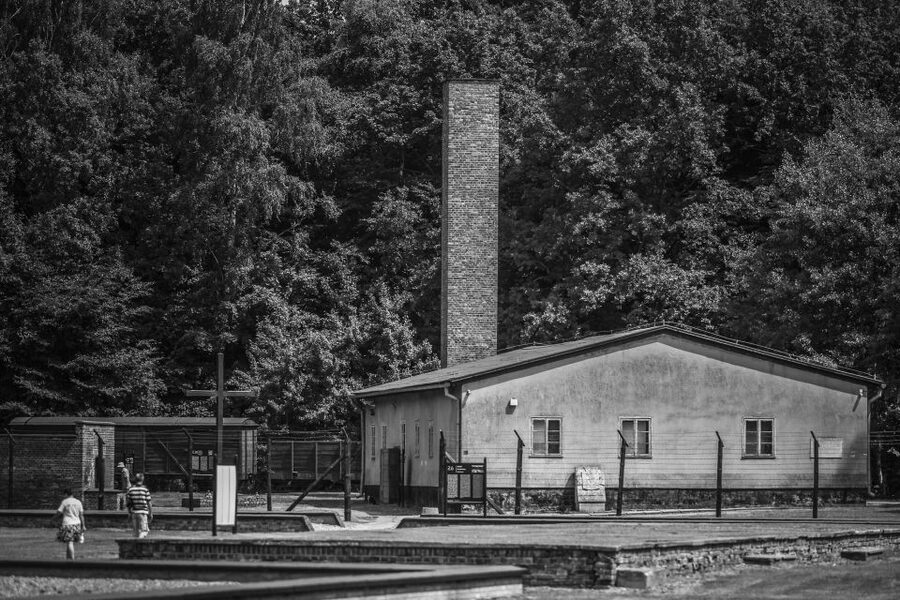
This is not a casual sightseeing stop. The tour is designed around the realities of imprisonment and mass murder, including gas chambers and the crematorium. The recommendation of age 13 and up signals that the content is graphic and emotionally intense.
So, preparation is not about packing a checklist. It’s about choosing the right expectations and the right people.
If you’re bringing family or friends, I suggest a quick alignment talk beforehand. Ask each person what kind of experience they want: understanding history with a guide, or a lighter day out. A private tour can feel tailor-made, but it still can’t change the sites themselves.
On the practical side, wear comfortable shoes. You’ll be on museum grounds, and you may want to pause when something hits you. Also, bring a way to note key names or themes your guide mentions, since the information can be dense and your memory will thank you later.
Who This Tour Suits Best, and Who Should Consider Another Plan
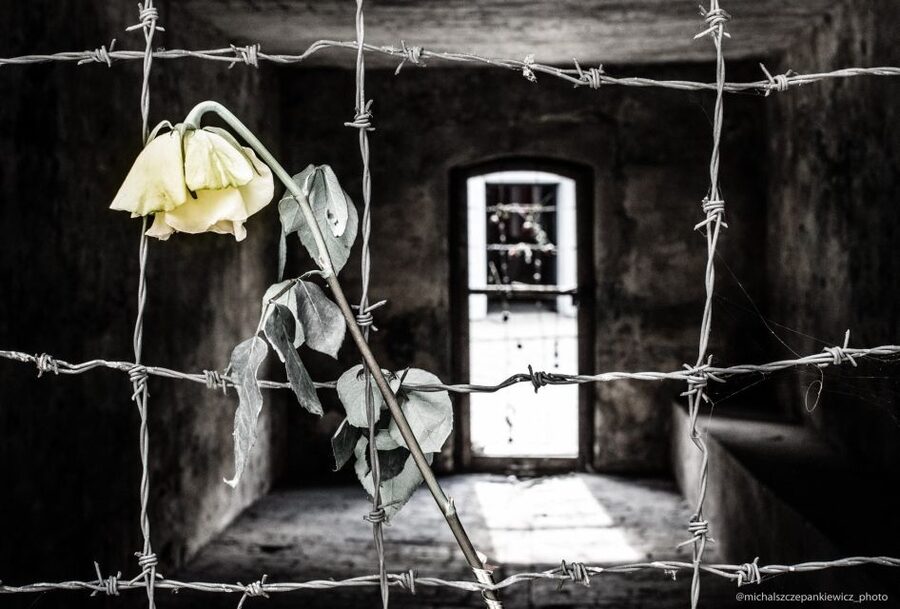
This tour is best for travelers who want:
- A guided museum experience with context, not just a self-guided walk
- A private setting where you can ask questions
- A half-day schedule that still covers the key historical components
It’s also a solid fit for people based in the Tri-City area, since pickup is available from Gdansk, Sopot, and Gdynia. If you only have limited time in Poland and want a high-impact cultural visit, five hours is a manageable commitment.
It may not suit you if:
- You have anyone under 13 in your group
- Your group needs a lighter, less intense itinerary
- You prefer unguided time at museums where you can move at your own pace without explanations
That doesn’t make you wrong if you choose differently. It just means you’ll enjoy the day more if your expectations match what Stutthof requires.
Should You Book This Half-Day Private Stutthof Tour?
I’d book this if you want a respectful, structured visit to one of the most significant Nazi concentration camps on Polish territory, and you care about having clear historical guidance while you see the old and new quarters, the commander’s villa, and the murder sites.
I would skip or rethink it if your group is not ready for graphic, emotionally intense content. Stutthof is powerful in a sobering way, and a guided tour can make it more meaningful, but it also makes sure you cannot look away from what happened there.
If you are traveling with up to three people and you value having a guide to keep the story straight, this private format is a strong use of your time. The blend of transport, tickets, parking, and a focused guided route is exactly how you turn a tough subject into an honest, informative visit.
More Tours in Gdansk


More Tour Reviews in Gdansk



Stutthof Memorial: Other Reviewed Visits

Recently written up around Gdansk





More Stutthof Memorial Tours.
 ★ 4.7Stutthof Concentration Camp Regular TourFrom $128361 reviews
 ★ 4.5Stutthof Concentration Camp English Tour with Gdansk Hotel pickupFrom $14773 reviews
 ★ 4.7Stutthof Concentration Camp:Guided Tour with TransportationFrom $26957 reviews
 ★ 5.0Stutthof Concentration Camp tour including transfer from GdanskFrom $15134 reviews
 ★ 4.5Stutthof Concentration Camp: Private Guided Tour with TransportFrom $31526 reviews
 ★ 5.0Stutthof Concentration Camp Regular Tour from GdanskFrom $14023 reviews
 ★ 5.0Stutthof Concentration Camp Private Tour from GdanskFrom $18518 reviews
 ★ 4.9Private Small-Group Stutthof TourFrom $16016 reviews
Also on these Poland lists