
REVIEW · GDANSK OLD TOWN TOURS
Gdańsk: World War II Tour
Gdańsk has a way of sticking to you. This World War II tour focuses on how the conflict started and then crushed daily life, told from the Poles side, with guided stops that keep the story grounded in real places. I like that it blends famous locations with a few lesser-known angles, so you leave with more than postcard facts. The main thing to watch is timing and pace, since the tour is 210 minutes and you’ll be on your feet for parts of it.
What I like most is the attention to turning points: the early fight linked to Westerplatte, then the wider pressure felt across the city as the war spread. I also really appreciate that you get pickup and drop-off in Gdańsk, plus water, which makes the whole thing feel practical instead of stressful. You’re not stuck figuring things out alone.
One possible drawback: it’s not suitable for people with mobility impairments, and bad weather is a real factor, so pack for wind and rain.
In This Review
- Key things that make this tour worth your time
- Gdańsk is where WWII starts, and it feels personal
- The 3.5-hour flow: pickup, focused sites, and a tight city loop
- Westerplatte: the first shots, told through Polish experience
- Museum of the Polish Post: when communications became a battlefield
- Main City walking time: Free City tensions, Red Army pressure, and Gradowa Mountain
- Guides make or break it, and the best part is how the story is carried
- Value and price: $195 for a private 3.5-hour history session
- Who this WWII tour suits best in Gdańsk
- Should you book this Gdańsk World War II tour?
- FAQ
- How long is the Gdańsk WWII tour?
- Where does pickup happen?
- What stops are included?
- How long is the guided time at each stop?
- What languages are available for the guide?
- Is this a private group tour?
- What is included in the price?
- Is the tour suitable for people with mobility impairments?
- What should I wear or bring?
- Can I cancel and get a full refund?
Key things that make this tour worth your time
- Westerplatte in guided context, not just a quick look
- Museum of the Polish Post as a storytelling stop, not an afterthought
- Main City route that links the Free City era to later wartime pressure
- Gradowa Mountain included as part of how the city’s wartime story is read
- Hotel pickup in Gdańsk plus a car or minivan to keep you moving efficiently
- Private group with a live guide in English or Polish
More wartime history routes we have written up in Gdansk
- Gdansk: Guided Round-Trip Cruise to Westerplatte
★ 4.3 · 865 reviews - Malbork Castle and Westerplatte Tour with Lunch
★ 5.0 · 27 reviews - Museum of the Second World War Gdansk Private Tour & Tickets
★ 5.0 · 24 reviews - Gdansk Private WWII Tour with Museum of the Second World War
★ 4.9 · 22 reviews
Gdańsk is where WWII starts, and it feels personal
Gdańsk is one of those cities where history isn’t stuck in a book. It’s in the street layout, the shoreline, and the way people talk about what came next. The tour frames the bigger WWII story through local experience, which is the difference between learning dates and really understanding why this mattered.
You’ll hear how the conflict began in the Gdańsk area and then spread across Europe, plus what happened by 1945. The emphasis is on human consequences, not just military maneuvering, and that keeps the tone serious without turning it into a lecture you can’t remember.
The 3.5-hour flow: pickup, focused sites, and a tight city loop
This is a 210-minute experience, and that time structure matters. You’ll start with pickup in Gdańsk, then move by car or minivan between stops, which helps when weather is rough or when you want to cover key ground efficiently.
The tour is built around three guided chunks: Westerplatte (1 hour), the Museum of the Polish Post (30 minutes), then the Main City (1 hour). That compact plan is great if you want real context but you do not want your entire day eaten up.
Westerplatte: the first shots, told through Polish experience
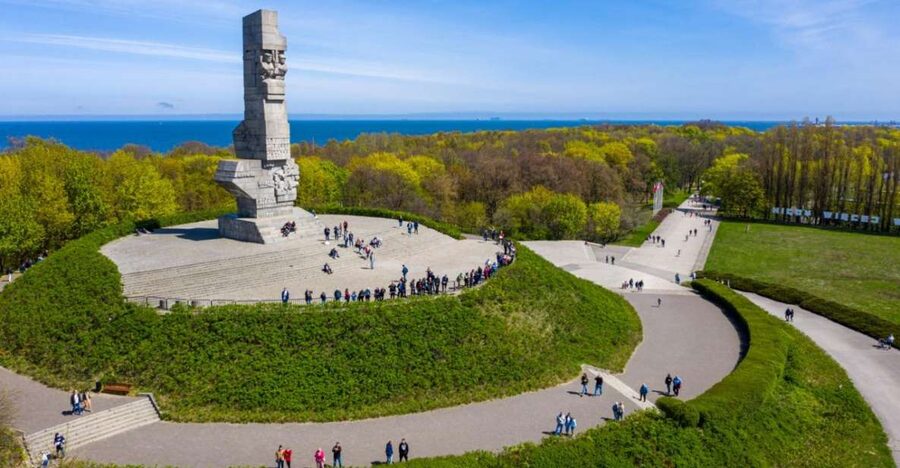
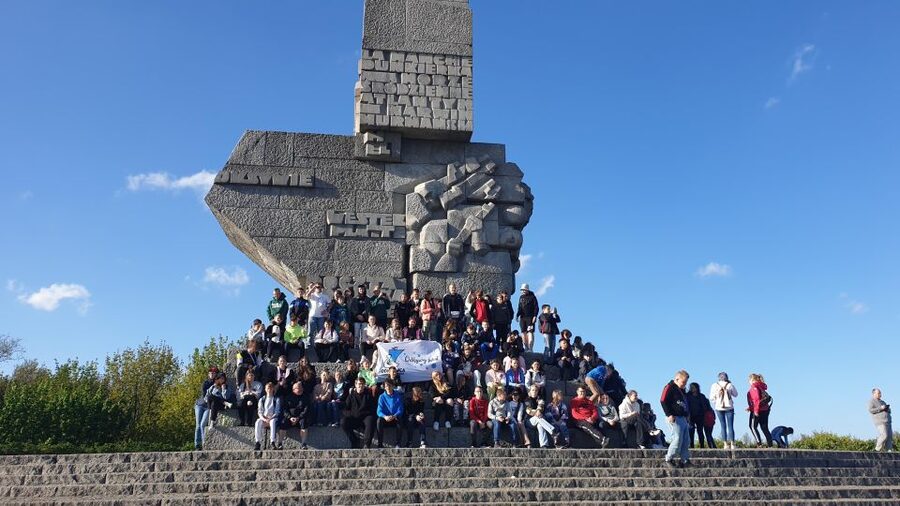
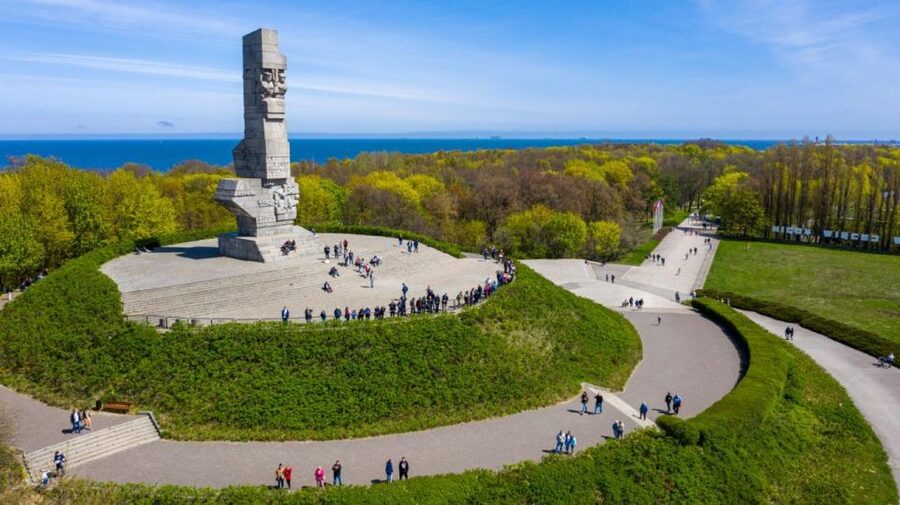
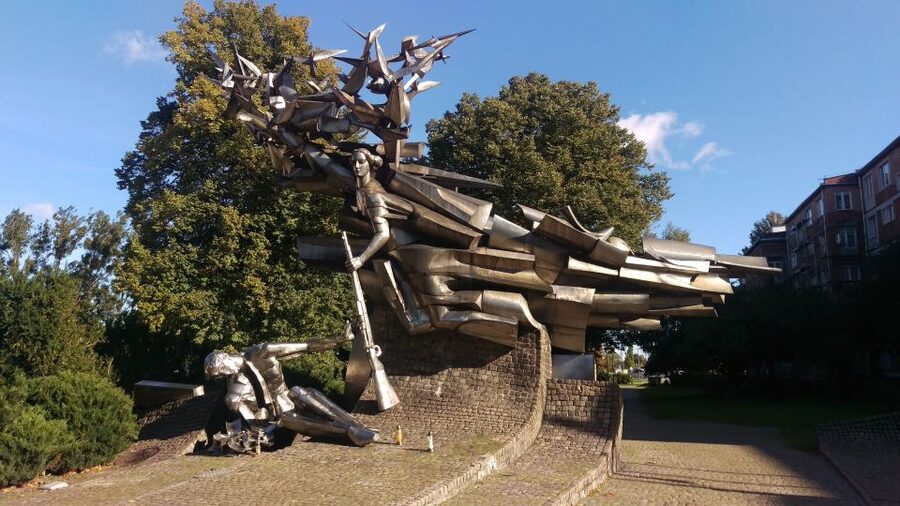
Westerplatte is the headline stop, and it’s the right place to start. It gives you a point of reference for how the war began, because you’re looking at the setting where the early conflict took hold. A full hour here is a smart choice, because you can’t understand the significance by rushing.
In the guided portion, the story is not just about what happened there, it’s about what those moments meant to the Polish point of view. That matters, because Gdańsk’s wartime identity is complicated, and the tour keeps steering you back to what people in the city were dealing with.
If you’re the type who likes to connect history to geography, you’ll enjoy how the guide links the place to the wider sweep of events. It’s the kind of context that helps everything else you see in Gdańsk click into place.
Museum of the Polish Post: when communications became a battlefield
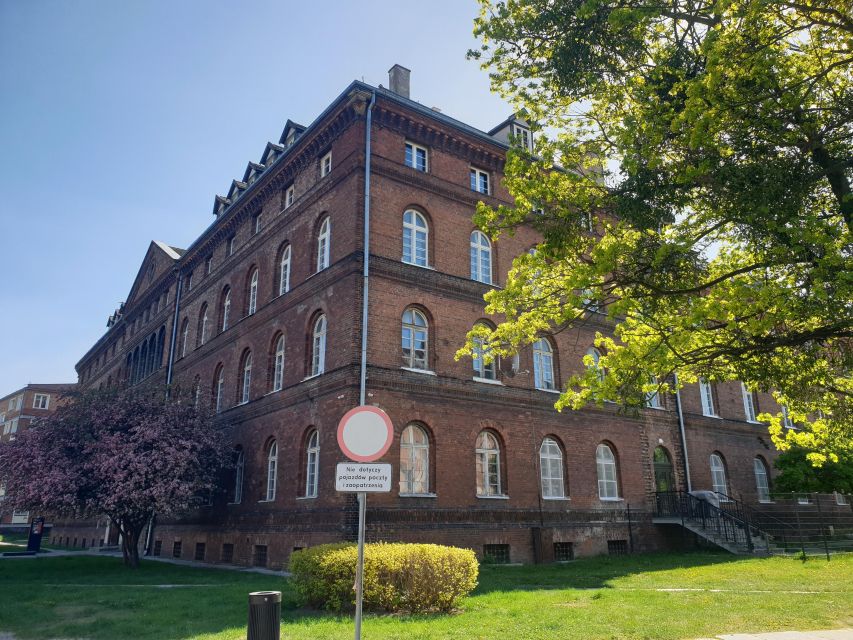
The Museum of the Polish Post is a quieter stop, but it’s an important one. War is not only tanks and trenches, it’s disruption, control, and communication. A focused 30-minute guided visit here gives you that angle without turning it into a long detour.
This is also where the story feels more human. Postal services sound boring until you remember what they represent in peacetime: connection, instructions, news, and routine. In war, those same systems can become targets or leverage points.
You’ll get guided interpretation that ties the museum’s theme back to the larger WWII events hitting Gdańsk and Poland. If you like understanding how ordinary life gets pulled apart, this is one of the best-value segments.
Gdansk repeats itself well. The other versions we reviewed
- Gdańsk City Sights & History Guided Walking Tour in English★ 4.8 · 876 reviews
- Gdansk: Firearm Shooting Experience with Instructor★ 4.8 · 866 reviews
- Gdansk: Guided Round-Trip Cruise to Westerplatte★ 4.3 · 865 reviews
- Gdańsk: Sightseeing EcoCruise around the Old Town of Gdansk★ 4.6 · 719 reviews
- Main Town Gdańsk Walking Tour★ 5.0 · 644 reviews
Main City walking time: Free City tensions, Red Army pressure, and Gradowa Mountain
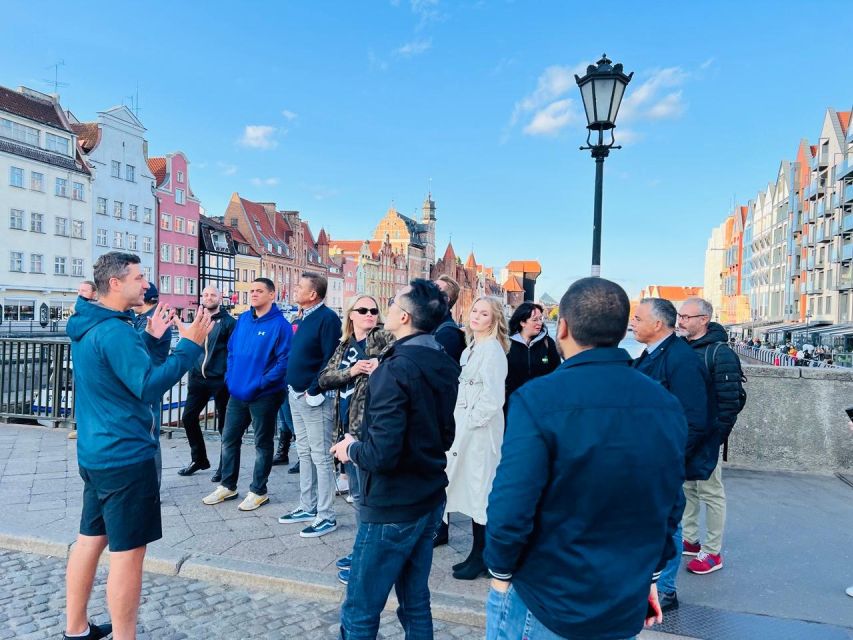
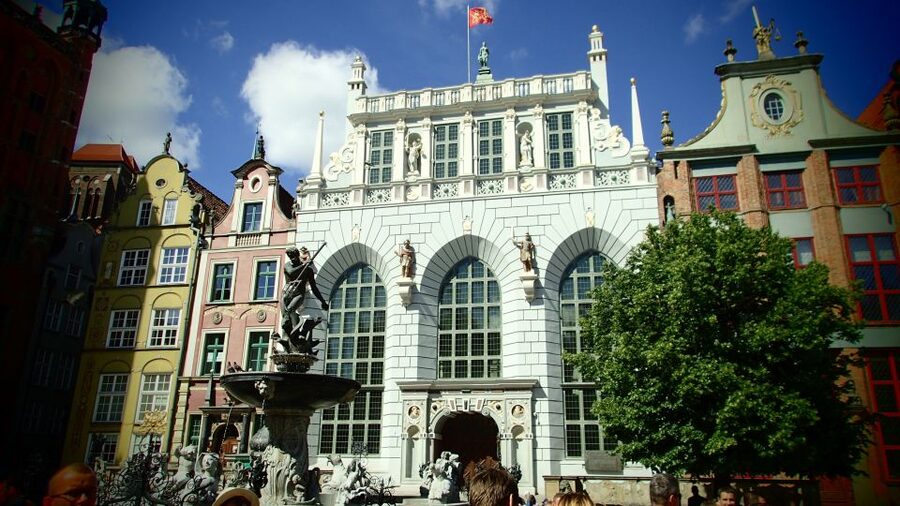
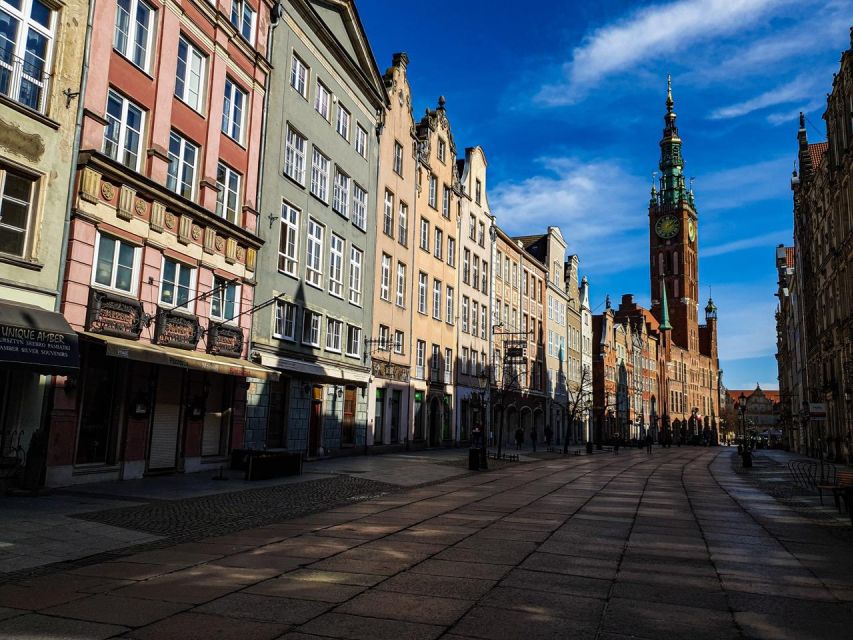
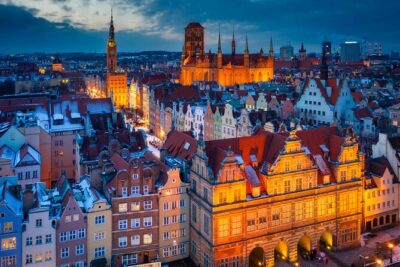
The Main City portion is where the tour starts stitching the timeline together across the city. The framework includes the Free City of Gdańsk era, then the later escalation, and it reaches forward to the attack of the Red Army. Even if you only know Gdańsk from WWII headlines, this segment helps you see how the conflict moved through the city’s identity.
Gradowa Mountain also comes into the story here. That’s a meaningful inclusion because it helps explain how Gdańsk’s wartime narrative isn’t only about one location. The war shaped the whole region, and your guide uses the city itself to communicate that breadth.
This part is especially good if you want your trip to feel like more than a checklist. You’ll be walking and listening in a way that turns the city into an interpretive map.
Practical note: this is also the segment where weather can affect comfort, so having the right layers makes a big difference.
Guides make or break it, and the best part is how the story is carried
What consistently shows up in strong tours like this is the guide. Here, you may meet guides such as Bożena, Roxana, or Sebastian Malyszczyk, and the common theme is careful, clear explanation with real care for the city.
I like that the tour is set up as a live guided experience in English or Polish, because WWII history can get sloppy fast when it’s just audio or a self-guided map. A good guide also handles your pace, and several guide experiences described a friendly, supportive style and the ability to adjust to what the group needs.
In plain terms: you’re not just collecting facts. You’re getting a narrator who can translate the meaning behind what you’re seeing, including the Polish perspective that makes Gdańsk’s WWII story feel different from the standard western European version.
Value and price: $195 for a private 3.5-hour history session
At $195 per person, this tour is not the budget end of Gdańsk sightseeing. But it can be good value for the right traveler.
You’re paying for a few things that usually cost extra when you piece them together: pickup and drop-off in Gdańsk, private group time, a live guide, transportation by car or minivan, and water. For many visitors, that combination is the difference between a smooth half-day and a half-day of logistics.
It’s also a smart length. 210 minutes is long enough to cover the key sites with real explanation, but not so long that you’re exhausted before you finish.
If you enjoy WWII history and want a guided “why it matters” approach, this price starts to look reasonable. If you’re mainly looking for scenic wandering or quick museum time, you might decide to spend less and see things on your own.
Who this WWII tour suits best in Gdańsk
This tour is a strong fit if you:
- want WWII context that centers the Polish story
- care about specific places like Westerplatte rather than only general history
- prefer a private group format, where the guide can keep the pacing sensible
- like guided segments that balance a landmark site, a museum stop, and a city walk
It may be less suitable if you need step-free access or mobility support, since it is not designed for people with mobility impairments. It’s also best planned with bad weather in mind, since you’re outdoors in the city portion and you’ll be happier with the right clothing.
Should you book this Gdańsk World War II tour?
I’d book it if you want WWII history that sticks to real locations and you like understanding events through what people in Gdańsk were experiencing. The stop selection makes sense: Westerplatte anchors the early conflict, the Museum of the Polish Post gives you the communication angle, and the Main City route links the timeline forward with Free City tensions and later wartime pressure, including Gradowa Mountain.
I wouldn’t book it if you want a very light, casual sightseeing day or if you need an accessibility-friendly route. And if you’re expecting a long chain of museums beyond the Polish Post stop, know that this plan stays focused and time-efficient.
If your goal is clarity, context, and a guided route that feels tailored to the city’s WWII story, this one is worth your attention.
FAQ
How long is the Gdańsk WWII tour?
The tour lasts 210 minutes.
Where does pickup happen?
Pickup is included at your accommodation or a central location in Gdańsk.
What stops are included?
You visit Westerplatte, the Museum of the Polish Post, and the Main City.
How long is the guided time at each stop?
Westerplatte is guided for 1 hour, the Museum of the Polish Post is guided for 30 minutes, and the Main City is guided for 1 hour.
What languages are available for the guide?
The live tour guide is available in English and Polish.
Is this a private group tour?
Yes, it is listed as a private group.
What is included in the price?
Pickup and drop-off in Gdańsk, transportation in a car or minivan, a tour guide, and water are included.
Is the tour suitable for people with mobility impairments?
No, it is not suitable for people with mobility impairments.
What should I wear or bring?
It is recommended to bring clothes appropriate for bad weather.
Can I cancel and get a full refund?
Yes. Free cancellation is offered up to 24 hours in advance for a full refund.
More Tour Reviews in Gdansk
Gdansk, Three More Ways
Wartime History in Gdansk

Recently written up around Gdansk




More Gdansk Old Town Tours.
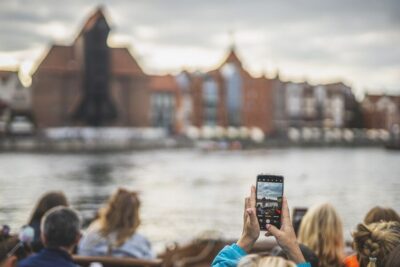 ★ 4.8City Cruise on Historical Polish BoatFrom $222,913 reviews
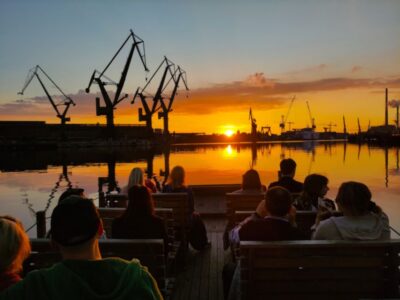 ★ 4.9Sunset Cruise on a Historic Polish BoatFrom $26977 reviews
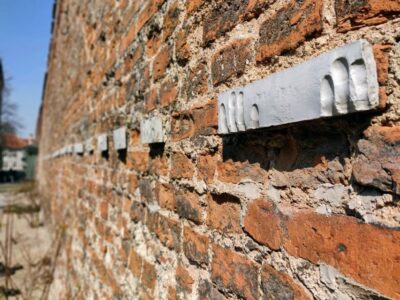 ★ 4.8Gdańsk City Sights & History Guided Walking Tour in EnglishFrom $26876 reviews
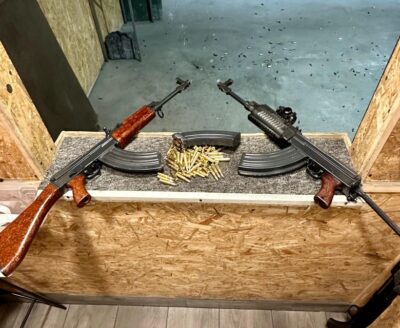 ★ 4.8Firearm Shooting Experience with InstructorFrom $41866 reviews
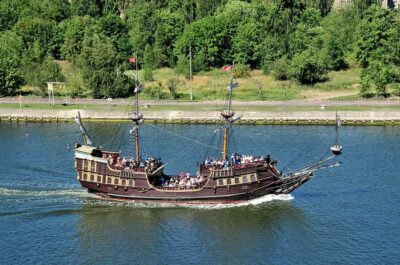 ★ 4.3Guided Round-Trip Cruise to WesterplatteFrom $33865 reviews
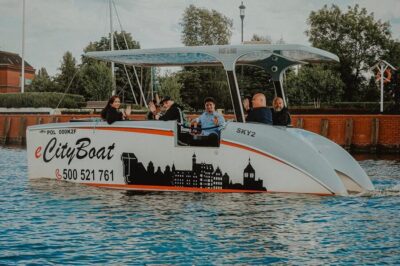 ★ 4.6Sightseeing EcoCruise around the Old Town of GdanskFrom $19719 reviews
 ★ 5.0Main Town Gdańsk Walking TourFrom $26644 reviews
 ★ 5.0Gdansk Pub Crawl with Free DrinksFrom $21553 reviews
Also on these Poland lists