
REVIEW · MUSEUMS
Kraków: Guided Tour of the Torture Museum
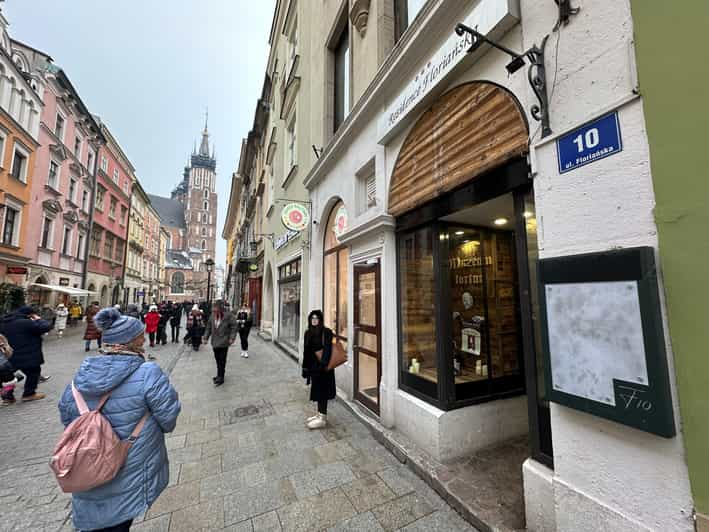
Torture has never been so instructive. At Kraków’s Torture Museum on Florianska 10, you’re guided through the story of punishment with medieval and modern devices, plus a real performance-style element featuring an executioner. It’s the kind of stop that feels like you’re reading history with your eyes wide open.
I especially like how the tour is small-group sized, limited to 10 participants, so the guide can keep things moving and still respond to questions. I also enjoy the way the museum covers the change over time, from medieval methods to more modern punishment, including the infamous guillotine. If you want one organized way to understand this topic, this format works.
One possible drawback: the subject matter is graphic and intentionally grim, so if you’re easily bothered by violent, disturbing stories and devices, you may want to skip it.
In This Review
- Quick Key Points Before You Go
- Where the Tour Fits in Kraków: Florianska 10 and a One-Hour Time Block
- What You Actually See: From Medieval Torture to Modern Punishment
- The Executioner Moment: Why the Theatrical Part Works
- The Iron Maiden and Other Devices: How They’re Presented
- The Guillotine Reference: Modern-Era Punishment in Focus
- How the English Guide Keeps It Clear (And Fun)
- Price and Value: Why $9 Makes Sense for This Kind of Tour
- Timing: A Practical One-Hour Museum Visit
- Who Should Book This Torture Museum Tour in Kraków
- Tips to Make the Most of It (Without Making It Worse)
- Should You Book This Kraków Torture Museum Guided Tour?
- FAQ
- How long is the Torture Museum guided tour?
- Where does the tour take place?
- What language is the tour guide?
- How big is the tour group?
- Is the guided tour included in the ticket price?
- What major items are included in the museum visit?
- Is there a theatrical element during the visit?
- Is the attraction wheelchair accessible?
- Can I cancel and get a full refund?
Quick Key Points Before You Go
- Florianska 10 location makes it a straightforward add-on to a Kraków day plan in Lesser Poland
- English live guide keeps the explanations clear and structured
- Medieval to modern evolution shows how punishment changed over centuries
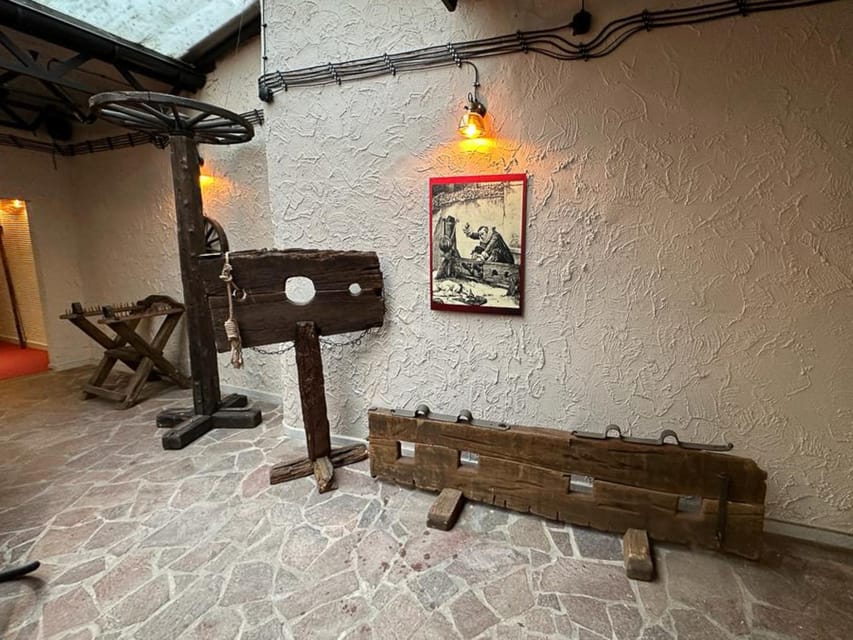
- Iron maidens and other devices turn abstract cruelty into something concrete
- Executioner presence adds energy and a memorable, theatrical edge
- Small group (up to 10) helps the host maintain control and pace
Below are the other Krakow trips we have logged
- From Krakow: Auschwitz-Birkenau Guided Tour & Hotel Pickup
★ 4.5 · 33,358 reviews - From Krakow: Auschwitz-Birkenau Guided Tour & Hotel Pickup
★ 4.5 · 29,340 reviews - Krakow: Auschwitz Guided Tour with Optional Hotel Pickup
★ 4.5 · 15,280 reviews - Krakow: Auschwitz-Birkenau Guided Tour with Pickup & Lunch
★ 4.5 · 9,800 reviews
Where the Tour Fits in Kraków: Florianska 10 and a One-Hour Time Block
Kraków has plenty of classic sights, but this one is built for a very different mood. The Torture Museum sits at Florianska 10, so you can treat it like a planned hour you slot between other old-town walks and meals. The ticket is valid for 1 hour, starting from the first activation, which is a simple way to think about your schedule. You’re not signing up for a half-day commitment or a lingering experience that eats your whole afternoon.
This is also a tour you’ll appreciate if you want structure. A museum like this can be easy to misunderstand if you wander on your own, because the devices and methods are not exactly intuitive. With a guided format, you get explanations as you go, so you’re not left guessing what you’re seeing or why it mattered.
And yes, it’s macabre. The museum openly frames its content as the dark history of human cruelty, with detailed reconstructions that run from medieval times to modern punishment. So think of it less as entertainment and more as a guided, often intense history lesson.
What You Actually See: From Medieval Torture to Modern Punishment
The core of the tour is the sweep through time. You start with medieval-era punishment methods and then move forward toward later punishment systems. That evolution is the point. Instead of presenting torture as one fixed practice, the tour shows a timeline of how societies justified, mechanized, and performed cruelty.
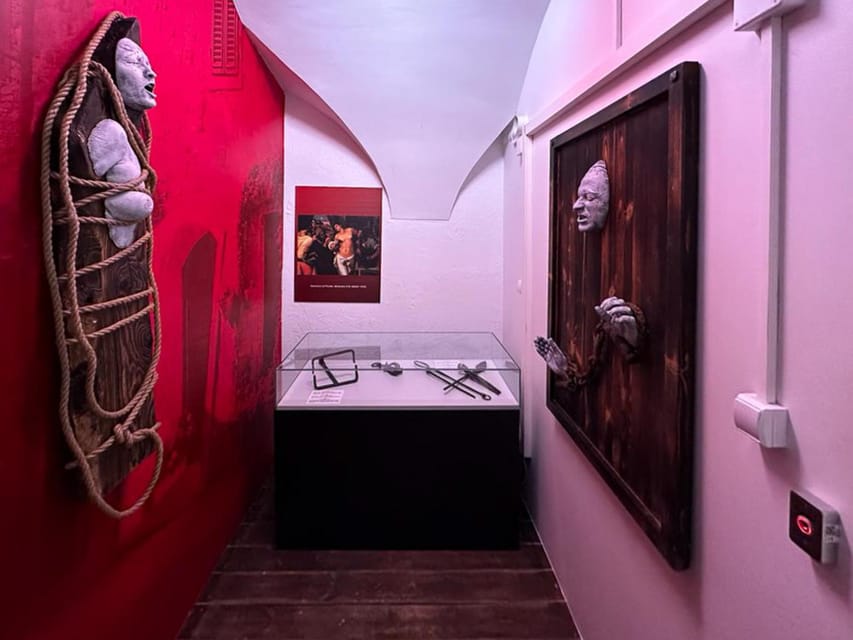
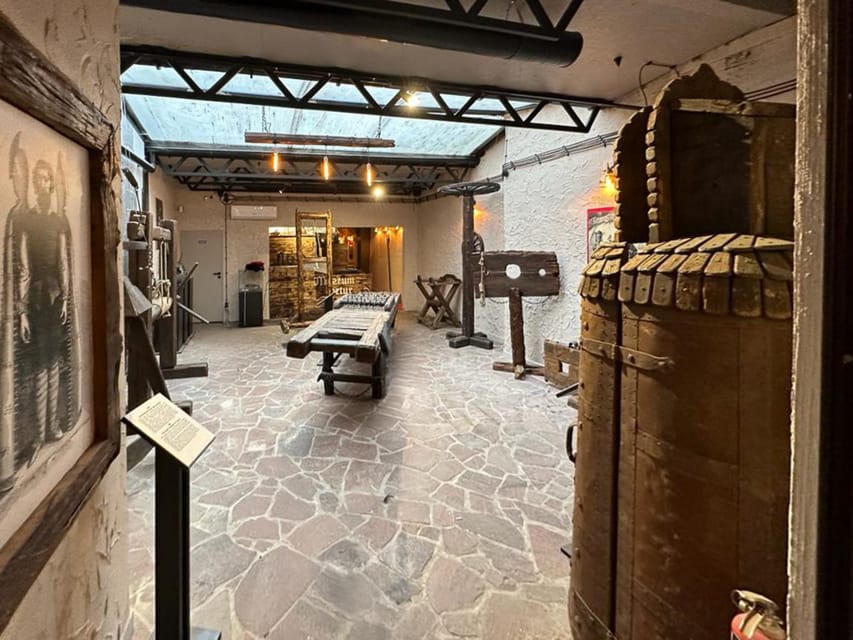
You’ll encounter reconstructions of devices and methods across eras, including the ever-famous iron maiden type of torture device and other historical equipment. The tour also includes references to how someone could perish in 1000 ways, which tells you the museum isn’t aiming for gentle or brief coverage.
One of the most useful parts of the guided format is that you’re not just looking at objects. You’re getting context for how these devices were used, how they were perceived, and why they were part of an era’s idea of justice. That turns the collection from random shock material into a clearer narrative.
The tone matters too. This isn’t a silent museum that lets you shrug and move on. The museum builds a darker atmosphere, and the guide keeps you oriented as the story turns from medieval punishment to later systems.
The Executioner Moment: Why the Theatrical Part Works
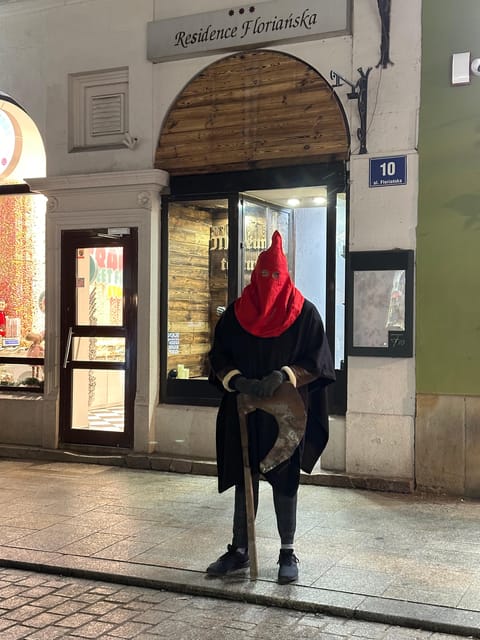
A lot of torture-museum experiences lean too hard on shock. This one adds a guided, performance-style element instead. The tour description specifically notes that the museum is guarded by an executioner and his aides, and that detail becomes part of the experience you’re walking into.
This is one of the reasons the tour tends to stick in your memory. When an executioner figure is part of what you encounter, the museum stops feeling like a diagram board and starts feeling like a staged lesson. The guide uses that atmosphere to keep you focused on what the museum wants to explain.
It also helps you understand pacing. With a host actively directing you, you don’t end up standing around trying to figure out what to notice. You’re guided through the devices in a way that makes the storyline easier to follow, even when the content is heavy.
The balance here is important. It’s not just gloom. The guide’s job is to translate grim displays into explanations you can actually track while you’re standing there.
The Iron Maiden and Other Devices: How They’re Presented
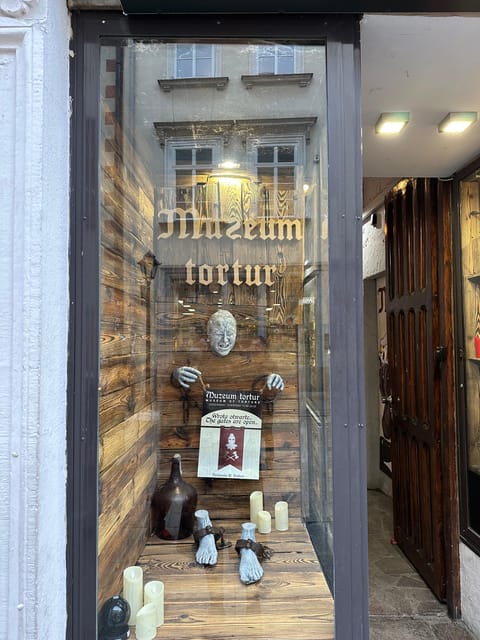
The tour includes medieval to modern torture devices, and iron maidens are explicitly mentioned as part of the collection. Seeing a device like that up close is not subtle. Even without graphic detail, you can quickly understand why it became a symbol. The museum’s approach matters too: these are reconstructions, presented as part of a historical explanation rather than a horror-movie set.
What I like about this presentation style is that it gives you something to anchor your reactions to. You can be uncomfortable, and still feel like you’re learning. That’s the difference between a fear-based spectacle and an educational guided museum visit.
The guide also uses a sarcastic, energetic teaching style to keep the tour moving. That matters because the subject can feel repetitive if the host is flat or overly serious. A more animated guide helps the tour stay readable and less exhausting, even as the content stays grim.
If you’re visiting with friends, this is also the part where you’ll likely have the most questions. The devices are visual, but the “why” takes explanation. Having a live guide on hand makes it much easier to ask without breaking the flow for others.
Below are the other Krakow trips we have logged
- Auschwitz-Birkenau Museum and Memorial Guided Tour from Krakow★ 4.5 · 1,510 reviews
- Krakow: Rynek Underground Museum Guided Tour★ 4.6 · 1,122 reviews
- Krakow Schindler’s Factory Museum Guided Tour in English★ 4.5 · 650 reviews
- Krakow: Auschwitz Birkenau Museum Guided Tour with Pickup★ 3.6 · 544 reviews
- Museum of illusions Entry Ticket★ 4.5 · 521 reviews
The Guillotine Reference: Modern-Era Punishment in Focus
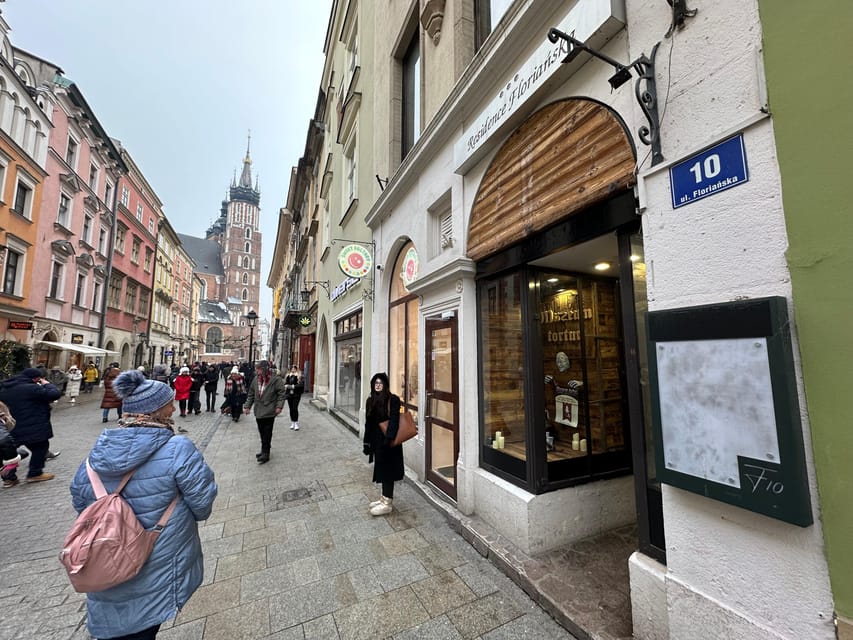
One of the named highlights is the guillotine, tied to the French Revolution era. That matters because it connects the museum’s medieval material to a later point in European history, showing that punishment systems changed form rather than disappearing.
You’ll want to pay attention here, because the guillotine is often discussed as an efficient, methodical form of execution. That’s exactly the kind of contrast the tour seems built around: how societies can frame cruelty as order, speed, or progress.
In a guided tour setting, you can watch the museum shift from medieval devices and punishments toward later systems and rationales. The result is a clearer view of how punishment became something people justified with arguments about legitimacy and fairness, even while the outcomes were brutal.
If you’re the type who likes to connect dates and places in your head, this section is a real payoff. It gives you a memorable reference point to remember the tour by, and it helps the storyline stop feeling like a random walk through artifacts.
How the English Guide Keeps It Clear (And Fun)
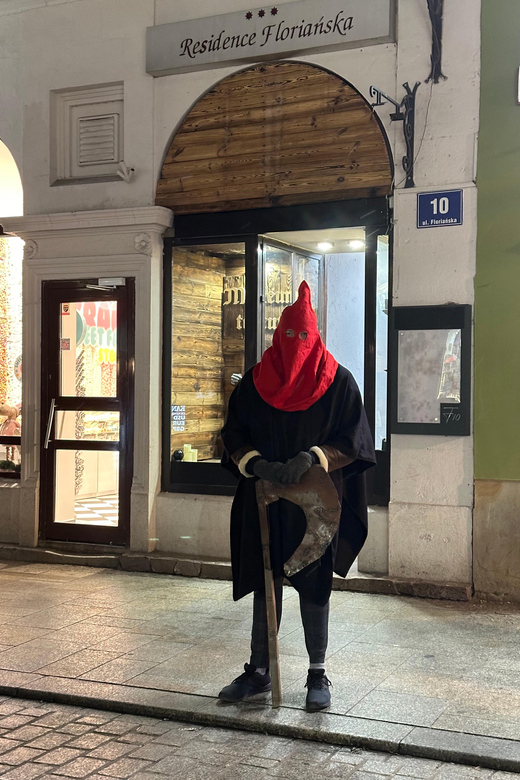
You’ll have a live guide in English, and the guide style is a big part of why people rate this tour highly. Several experiences point to guides like Kamil, who made the tour fun and involved people in the explanation, not just talked at them.
That interaction is practical value. In a small group capped at 10, a good host can pause, check understanding, and tailor explanations to the room. When you’re dealing with intense material, that human pacing is what makes it feel manageable instead of overwhelming.
The sarcastic edge is also mentioned as part of the experience. I read that as a balancing tool. In other words, it keeps you from getting stuck in grimness the whole time. The guide uses humor and attitude to move from one device to the next and to make sure you’re following the evolution of punishment rather than just staring at shocking objects.
One more plus: because it’s live and not self-guided, you’re less likely to miss key points. If you want this museum to make sense, the guide format is doing real work.
Price and Value: Why $9 Makes Sense for This Kind of Tour
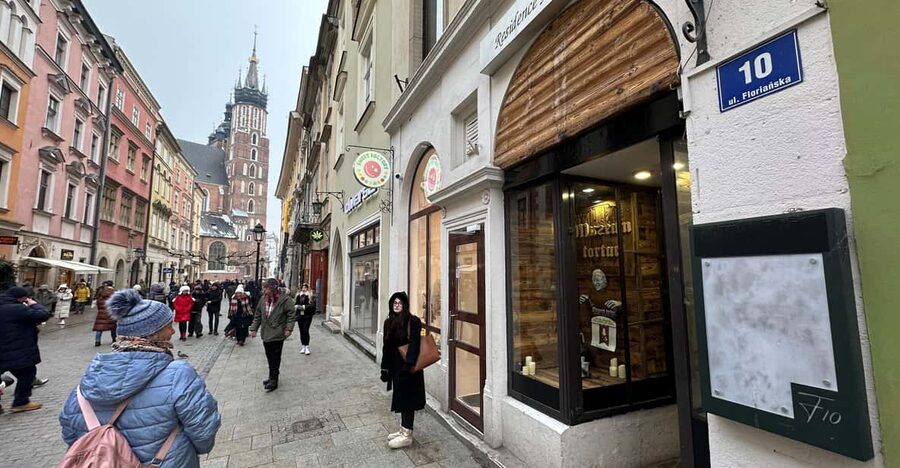
At $9 per person, this tour is priced like an impulse-friendly experience. The value comes from what’s bundled into that low cost: a guided tour, a small-group setting, an English live host, and access to a collection organized around an evolution of punishment.
A self-guided visit might work if you love reading on your own and can handle the shock factor without explanations. But for many people, the learning portion is what justifies the ticket. Here, the guide turns the museum into a narrative. That narrative is what you’re really paying for.
The small group cap matters too. In many tours, “small group” is just marketing. Here it’s explicitly limited to 10 participants, which increases the odds you’ll get clarity and not just a standard script that ignores the room.
So the way I see it, the $9 price is good because it lowers the risk. You can try a dark museum experience without spending big money, and still get the guided structure that makes it easier to process.
Timing: A Practical One-Hour Museum Visit
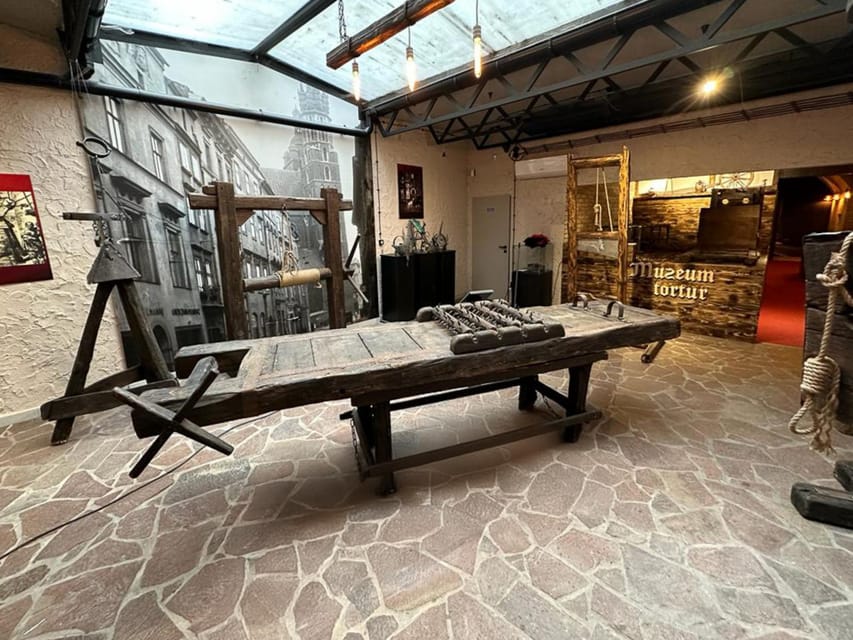
This is a valid-1-hour tour from the first activation. In plain terms, you’re getting a tight time block. That’s great in Kraków, because it’s easy to plan around it without wrecking your day.
You’ll probably feel the content more than you expected, in a good and bad sense. Even though it lasts about an hour once started, the topic is mentally loaded. So I recommend placing it when you still have enough time after for a calmer reset, like a walk or a meal somewhere normal afterward.
Also keep expectations realistic. This is not the kind of attraction where you linger for hours. It’s a guided hit of history and horror-themed education. If you want long museum wandering, you might still enjoy the Torture Museum, but this tour is built for motion and explanation rather than leisurely browsing.
Who Should Book This Torture Museum Tour in Kraków
This tour is a good fit if you like:
- history that is unsettling but explained clearly
- guided museums where you want the story, not just the objects
- small-group experiences with an English-speaking host
It’s also a decent choice if you’re traveling with someone who enjoys unusual attractions, as the theatrical executioner element can create a shared moment that’s memorable.
On the other hand, it might not suit you if:
- you prefer lighter, family-friendly sightseeing
- you have a low tolerance for graphic violence themes
- you get stressed by dark, intense subject matter
If you’re unsure, use that gut check. The museum doesn’t hide what it is, and the content is presented as a grim look at cruelty across time.
Tips to Make the Most of It (Without Making It Worse)
Here are a few practical ways to get better results from a tour like this:
First, go in mentally prepared. The museum is about torture devices and the evolution of punishment, including the guillotine reference. That means your reaction will be part of the experience. If you want to learn, focus on the timeline and the explanations rather than getting stuck only on the shock factor.
Second, lean on the guide. With a small group limited to 10, you have more chances to get clarity. If a device or era feels confusing, ask. It helps you get more out of what you’re seeing.
Third, pace your day. Because the subject is heavy, don’t schedule this right before you need a big burst of energy. Give yourself time to decompress after.
Finally, remember it’s English live guidance and wheelchair accessible. If those factors matter to you, they’re handled directly by the experience, which makes planning easier.
Should You Book This Kraków Torture Museum Guided Tour?
I’d book it if you want a short, structured, English-guided way to understand the history of punishment through medieval and modern devices at Florianska 10. The price is low for the amount you get, and the small-group format helps it feel more personal and understandable.
I’d hesitate if you know you struggle with graphic or grim topics. This is not a gentle museum visit. It’s intentionally macabre and emotionally heavy by design.
If you’re on the fence, treat this like a “try it once” experience. You’ll learn how punishment evolved and you’ll see iconic devices like iron maiden-style displays and the guillotine reference, all guided by a host with energy, including guides like Kamil who are known for involving the group and explaining the types in an approachable way.
FAQ
How long is the Torture Museum guided tour?
The tour is valid for 1 hour, starting from the first activation.
Where does the tour take place?
The museum is at Florianska 10 in Kraków, Lesser Poland, Poland.
What language is the tour guide?
The live tour guide speaks English.
How big is the tour group?
It is a small group, limited to 10 participants.
Is the guided tour included in the ticket price?
Yes. Your ticket includes a guided tour through the history of torture.
What major items are included in the museum visit?
The tour includes medieval to modern torture devices, including iron maiden-style devices and a guillotine reference.
Is there a theatrical element during the visit?
The museum is guarded by an executioner and his aides.
Is the attraction wheelchair accessible?
Yes, it is wheelchair accessible.
Can I cancel and get a full refund?
You can cancel up to 24 hours in advance for a full refund.
More Guided in Krakow



More Tours in Krakow
More Tour Reviews in Krakow

Recently written up around Krakow



More Museums.
 ★ 4.5Auschwitz-Birkenau Museum and Memorial Guided Tour from KrakowFrom $831,510 reviews
 ★ 4.7POLIN Museum of the History of Polish Jews TicketFrom $121,142 reviews
 ★ 4.6Rynek Underground Museum Guided TourFrom $341,122 reviews
 ★ 4.6Polish Vodka Museum Tour with TastingFrom $22788 reviews
 ★ 3.9Museum World of Illusion Entry TicketFrom $13666 reviews
 ★ 4.5Krakow Schindler’s Factory Museum Guided Tour in EnglishFrom $47650 reviews
 ★ 3.6Auschwitz Birkenau Museum Guided Tour with PickupFrom $8544 reviews
 ★ 4.5Museum of illusions Entry TicketFrom $20521 reviews
Also on these Poland lists