
REVIEW · WALKING TOURS
Krakow Old Town Guided Walking Tour
Old Town Krakow hits fast on foot. This guided walk strings together the key UNESCO sights in Old Town and Wawel so you don’t waste your precious first afternoon wandering. You’ll follow the Royal Route vibe, with plenty of architectural variety and city views without needing a map.
I love how quickly you can check off the big landmarks, especially St. Mary’s Basilica and Wawel Hill, in just a few hours. I also like the human scale of a small group (up to 20), where it’s easier to hear your guide and ask questions instead of tuning out on a bus.
One drawback to plan for: it’s a lot of standing and walking, and some people note a fast pace, plus cold weather can make it harder to stay comfortable.
In This Review
- Key highlights to look for
- Main Market Square at 2:00 pm, then a walking tour that sets your bearings
- St. Mary’s Basilica and Cloth Hall: the Old Town’s visual paycheck early
- The Royal Route, Florianska, and Kanonicza: architecture you can actually feel
- Wawel Hill viewpoints and the Royal Castle complex
- Wawel Cathedral: coronation power in a still place
- Rynek Główny, the Cloth Hall side streets, and the Jesuit Baroque punch
- The Underground Museum and Town Hall Tower: Krakow below street level
- Old stone churches and fortress design: St. Andrew, St. Adalbert, and why they matter
- Coffee break and what you should plan for yourself
- What the price really buys at about $33.21
- Should you book this Krakow Old Town walking tour?
- FAQ
- Where is the meeting point for the Krakow Old Town guided walking tour?
- What time does the tour start?
- How long is the tour?
- Is the tour offered in English?
- What’s included in the price?
- What is not included?
- How big is the group?
- Is the tour okay for people with moderate physical fitness?
- Are service animals allowed?
Key highlights to look for
- Old Town orientation in a tight loop, so you know where everything is afterward
- St. Mary’s Basilica and its famous Veit Stoss altarpiece, plus major artworks in the same area
- Wawel Hill views over the Vistula River and the gold-roofed Sigismund Chapel area
- Wawel Royal Castle and Cathedral viewpoints tied to royal history
- Underground Museum and Cloth Hall for the classic square look, plus the “below street” side of Krakow
Below are the other Krakow trips we have logged
- Old Town Krakow & Wawel Castle Walking Tour
★ 5.0 · 1,508 reviews - Creepy Krakow: 2-Hour City Walking Tour
★ 4.7 · 1,131 reviews - Krakow: The Old Town Walking Tour
★ 4.8 · 794 reviews - Krakow: Kazimierz Jewish Quarter Walking Tour
★ 4.8 · 571 reviews
Main Market Square at 2:00 pm, then a walking tour that sets your bearings
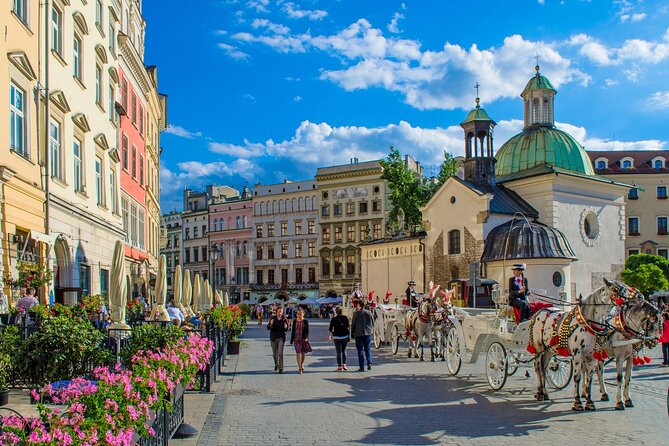
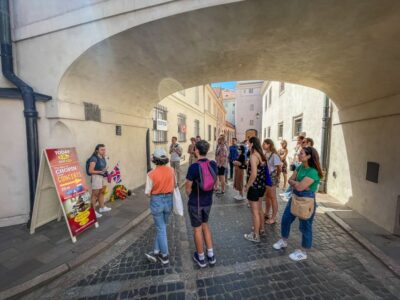
This tour is built for first-time orientation. You meet at KrakowTIP (Grodzka 18) and set out with a 2:00 pm departure. In roughly three hours, you’ll cover a serious chunk of the Old Town and end near Wawel, with the tour wrapping up around late afternoon.
The biggest value here is not that you see everything in Krakow. You can’t, even on a long day. The value is that the walk stitches together the places you’ll want to return to later, with clear context as you go. That matters because Krakow’s Old Town is dense. If you’re trying to self-guide your first day, it is easy to lose time and miss the connections between streets, kings, churches, and squares.
Group size is small, capped at 20, which helps with pacing and hearing your local guide. You also get a mobile ticket, so you are not dealing with paper or last-minute ticket hunting. One practical tip from the vibe of the route: wear shoes you can live in for a few hours. Even when the stops are short, your day is still mostly on your feet.
Also, plan for comfort. The tour is moderate physical fitness level. If you know you get tired standing, bring layers for changing weather, especially in colder months when people can feel the chill more intensely during pauses.
St. Mary’s Basilica and Cloth Hall: the Old Town’s visual paycheck early
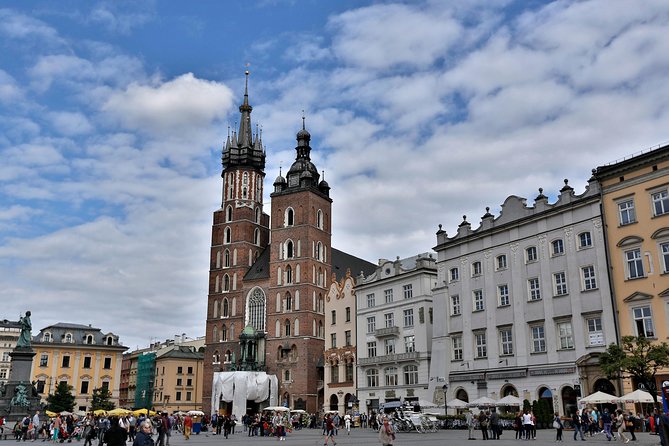
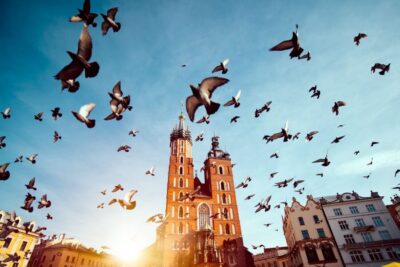
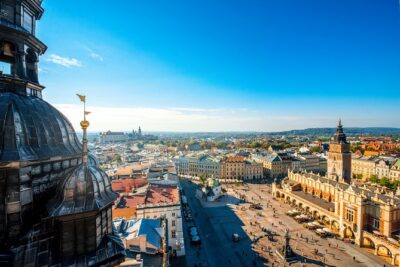
You start where most visitors should start, in the Main Market Square area. The first big stop is St. Mary’s Basilica, a brick Gothic church whose foundations date back to the early 1200s. The church itself was built in the 14th century, and it’s one of the best examples of Polish Gothic architecture in this part of the city.
What makes this stop click is the contrast between the square’s open-air life and the church’s intense detail. Even if you only catch a short look, you’re in the right place to understand why Krakow became such an important center. The basilica is also famous for the Veit Stoss altarpiece, plus major paintings by artists including Matejko, Mehoffer, and Wyspiański. That mix of art names and styles is exactly the sort of thing you might walk past without realizing how connected it all is.
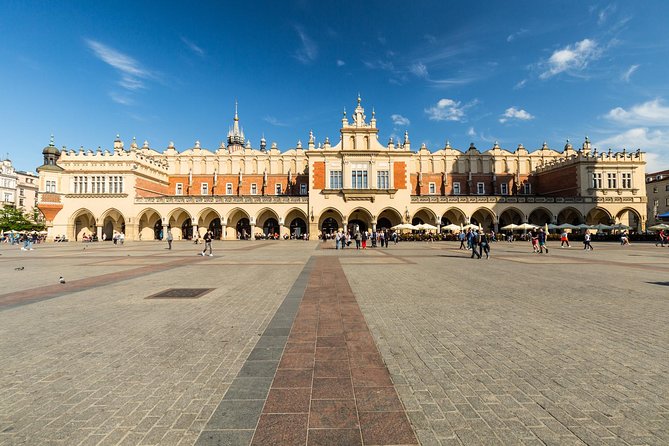
Right after that, you hit Sukiennice (Cloth Hall), the central feature of the main square. It’s iconic, and it’s quick. You get a clear sense of where you are, why this square matters, and how the market space shaped the city’s identity.
If you want to get extra value out of this early timing, do this: take a minute once you see the hall and basilica in the same frame. Then later, when you’re at Wawel, you’ll have an instant mental map of how the city’s power shifted from the square to the hill.
The Royal Route, Florianska, and Kanonicza: architecture you can actually feel
Once you leave the square rhythm behind, you move into streets that act like an open-air museum. Your walk follows the Royal Route feel, including the area where Krakow once functioned as the royal capital. This is one of the smartest parts of the tour because it teaches you how “history” shows up in street form.
You’ll pass Floriańska Street, one of Krakow’s main promenades. It’s famous for its classic Old Town sightline: stone buildings, long visual corridors, and a sense that the city was designed for movement and display. It’s a great spot to notice how the buildings change as you walk, even if you do not study architecture. Your guide helps you read what you are seeing.
Then comes Kanonicza Street, formerly tied to the cathedral canons. Today, it’s a shortcut to understanding Krakow’s layered building styles. Many Baroque and Renaissance elements remain along the street, so you get the sense that the city kept adding chapters instead of replacing everything at once.
This is also where you start to feel why walking beats a bus. You can stop without losing your place, and you can look down side streets. On a vehicle, it’s easy to miss those little connections that make Old Town feel coherent instead of chaotic.
A note on pacing: some people find the walk brisk. If you tend to lag, go slow when you need to, and don’t be shy about asking your guide to repeat a detail. The tour is short, but the guide is there to make it make sense.
Wawel Hill viewpoints and the Royal Castle complex
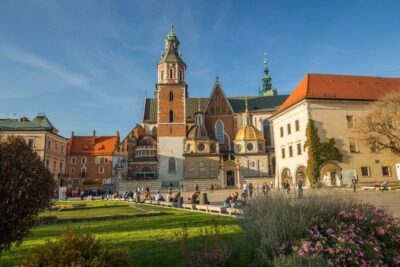
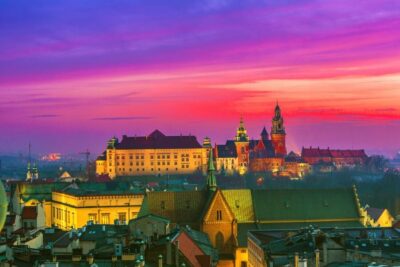
Now for the “wow, that’s the view” part: Wawel Royal Castle and the Wawel Hill area. You get time to explore the castle complex, including the Cathedral, the Royal Chambers, and the Armory. Even with limited time, this stop helps you understand why Wawel sits at the center of Poland’s national story.
The castle area is packed with architectural variety. You’ll see a mix of Medieval, Romanesque, Renaissance, and Baroque elements as you move through the complex. That matters because Krakow’s history is not one straight line. It’s a sequence of rulers and eras leaving their fingerprints.
If your timing works, this is where the city view hits: you’ll be in the zone for the look out over the Vistula River and the gold-roofed Sigismund Chapel. You don’t just hear about royal power. You get the geography that made it practical.
One thing to keep in mind: some castle and cathedral components have admission that is not included. So the tour fee is more about the guide and the route, not about buying every ticket for you. Still, in value terms, it’s a smart trade. You’re paying to reduce confusion and get meaning fast, then you decide which interior experiences you want to fund based on your interests.
Below are the other Krakow trips we have logged
- From Krakow: Auschwitz-Birkenau Guided Tour & Hotel Pickup★ 4.5 · 33,358 reviews
- From Krakow: Auschwitz-Birkenau Guided Tour & Hotel Pickup★ 4.5 · 29,340 reviews
- Krakow: Auschwitz Guided Tour with Optional Hotel Pickup★ 4.5 · 15,280 reviews
- Krakow: Auschwitz-Birkenau Guided Tour with Pickup & Lunch★ 4.5 · 9,800 reviews
- Krakow: Auschwitz-Birkenau Guided Tour Pickup/Lunch Options★ 4.5 · 9,057 reviews
Wawel Cathedral: coronation power in a still place
At Wawel Cathedral, the tone shifts from grand buildings to national identity. This Roman Catholic cathedral is over 900 years old and serves as the Polish national sanctuary. It has traditionally been the coronation site of Polish monarchs, which turns the architecture into more than scenery.
What I like about including the cathedral in a guided walking route is that you approach it with context already in your head. Earlier you’ve learned about royal Krakow and key Old Town streets. By the time you reach Wawel Cathedral, the place feels like a conclusion instead of a random church stop.
Your time here is brief, so don’t expect a museum-length visit. But even a short stop helps you understand why this hill is treated like a cultural anchor, not just a tourist landmark.
Rynek Główny, the Cloth Hall side streets, and the Jesuit Baroque punch
After Wawel, you return toward Krakow’s central square energy with a look at Rynek Główny. This central square is the heart of the Old Town, and it’s worth seeing more than once in your mind. When you’ve already been up at Wawel, the square feels different, like you understand what the city did day-to-day versus what it did in ceremonial power.
You also get another major church highlight at the Church of St. Peter and St. Paul. This one is known for its Baroque style and is described as a first major example of Baroque design in present-day Poland. It’s still the most significant Jesuit church in Krakow, so it ties into the religious and artistic forces that shaped the city.
A practical thought: because the churches are not all ticketed inside within the tour time, you might want to decide on the spot what you want to pay extra for later. If you’re the type who loves interiors, budget for those additional admission tickets not included. If you prefer exterior architecture and atmosphere, you’ll still get strong value from the guide’s storytelling and the street-level sights.
The Underground Museum and Town Hall Tower: Krakow below street level
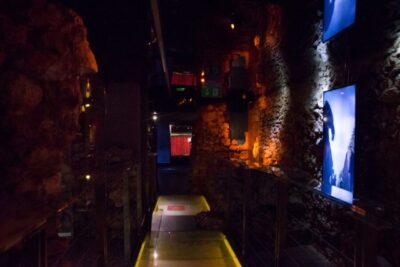
One of the most interesting parts of this walk is that it does not stay only on the surface. You’ll visit the Cloth Hall area with the Underground Museum experience located below the market square. The museum area is described as over 6,000 square meters, which signals that this is not a quick glance room.
Even if your time in the basement spaces is limited, the Underground Museum angle helps you understand Krakow as a living city, not just a set of postcard fronts. Old squares are built over older activity. With a guide, that idea becomes real instead of abstract.
Next you may see the Museum of Krakow Town Hall Tower. This tower is the only remaining part of the old town hall demolished in 1820 as part of the city plan to open up the square. The tower’s cellars once held a city prison, including a medieval torture chamber. It’s a darker note in the story, but it fits Krakow’s honest history, where power and punishment both lived close to the market.
This is also a good moment to remember what walking tours do best. You get a curated understanding of the city’s layers, then you choose what to return to when you’re not on a tight group schedule.
Old stone churches and fortress design: St. Andrew, St. Adalbert, and why they matter
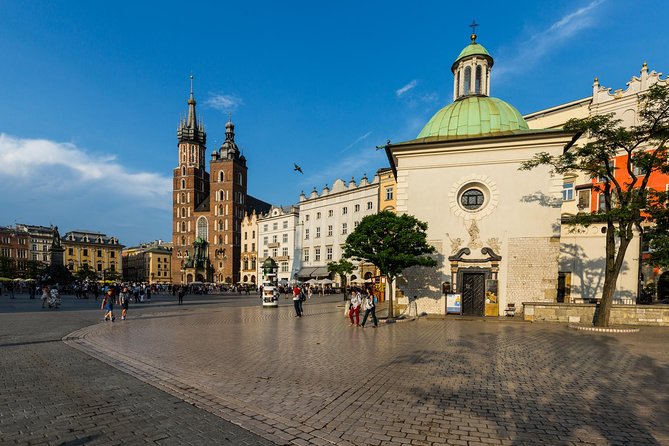
You’ll also pass or view St. Andrew’s Church, known as a rare surviving example of a fortress church design. It was built between 1079 and 1098 by Palatine Sieciech, which is a big clue that Krakow’s early era needed protection as much as art. Romanesque fortress churches are not something you see in every city, so this is a strong “only in this place” stop.
There’s also Church of St. Adalbert at the intersection of the main square and Grodzka Street. It’s noted as one of the oldest stone churches in Poland. The short time here can feel like a quick glance, but the age helps you place Krakow’s development across centuries. If you’re the type who likes timeline thinking, this makes your earlier stops click even more.
A small extra note in the route: there’s a reference point connected to Andrzej Wajda and a modern exhibition and information pavilion at Wszystkich Świętych Square, tied to stained-glass windows based on Stanisław Wyspiański’s projects. It’s the kind of stop that reminds you Krakow still talks to its past, not just to its tourists.
Coffee break and what you should plan for yourself
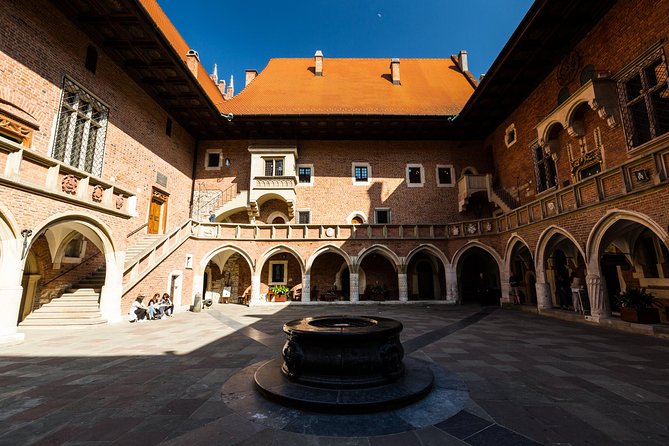
You get a coffee break, but it’s own expense. That’s a fair setup. The tour fee is for the walking route and guide, and the included time is used for sight-focused stops. Plan to use the break to reset, refuel, and avoid rushing later.
Because parts of the route are short pauses rather than long sit-down breaks, I’d treat this day like a walking day, not a strolling day. The tour is only about three hours, but it can still feel like a half-day workout if the pace is quick or the weather turns.
If you hate carrying stuff, keep it light. You will likely want layers you can add or remove as you pass between sun, shade, and river-air views.
What the price really buys at about $33.21
At about $33.21 per person for an approximately 3-hour English-guided walk, you’re paying for a local licensed guide plus the route that links key Old Town landmarks with context. You are not paying for every interior admission or for food, and some major sites do list admission as not included.
So how is it good value? Because your biggest risk in Old Town is not money. It’s time and confusion. Krakow’s Old Town is beautiful, but it can feel like you’re hopping between separate highlights. A solid guide turns those highlights into a connected story, and that can save you effort and help you decide what to do next.
Also, small group size plus a strong rating around 4.7 means you’re not rolling the dice on a vague experience. The most praised part of the tour is the guide experience itself, with people describing guides like Joanna, Magda, Dorothy, Krzysztof, and Christopher as easy to hear, clear, and focused on both social and architectural context.
Should you book this Krakow Old Town walking tour?
Yes, if you want a fast, organized first pass through Krakow’s most important sites without getting lost. This tour is best for you if you like learning why places matter, not just seeing what they look like. It’s also a strong choice for travelers who want a plan for their afternoon, since it starts at 2:00 pm and ends near Wawel late in the day.
I’d think twice if you are sensitive to cold or you prefer lots of long breaks. The route is short, but it can be standing-heavy, and some people mention a brisk pace. If you know you move slowly or you need frequent seating, plan to supplement with independent stops after the tour.
If you’re trying to decide between guide versus self-guided, I’d pick the guided walk for your first day. Then use the rest of your Krakow time to slow down in the spots that grabbed you most.
FAQ
Where is the meeting point for the Krakow Old Town guided walking tour?
You meet at KrakowTIP – Tourist Information Point, Grodzka 18, 31-006 Kraków, Poland.
What time does the tour start?
The tour has a 2:00 pm departure time.
How long is the tour?
It runs for about 3 hours.
Is the tour offered in English?
Yes, the tour is offered in English.
What’s included in the price?
The tour includes a local licensed Krakow guide and a mobile ticket.
What is not included?
Admission ticket costs are not included for several sites, and food and drinks are also not included (including the coffee break, which is your expense).
How big is the group?
The tour has a maximum of 20 travelers.
Is the tour okay for people with moderate physical fitness?
It is designed for travelers with a moderate physical fitness level.
Are service animals allowed?
Yes, service animals are allowed.
More Walking Tours in Krakow


More Tours in Krakow

More Tour Reviews in Krakow
Recently written up around Krakow

More Walking Tours.
 ★ 4.7Old Town Highlights Walking Tour in EnglishFrom $261,516 reviews
 ★ 5.0Old Town Krakow & Wawel Castle Walking TourFrom $261,508 reviews
 ★ 4.7Creepy Krakow: 2-Hour City Walking TourFrom $241,131 reviews
 ★ 4.8Gdańsk City Sights & History Guided Walking Tour in EnglishFrom $26876 reviews
 ★ 4.8The Old Town Walking TourFrom $19794 reviews
 ★ 5.0Main Town Gdańsk Walking TourFrom $26644 reviews
 ★ 4.9Old Town Guided Walking TourFrom $13599 reviews
 ★ 4.8Kazimierz Jewish Quarter Walking TourFrom $27571 reviews
Also on these Poland lists