
REVIEW · WARSAW CITY TOURS
Warsaw: Old Town Guided Walking Tour
Warsaw tells its story street by street. In a 2-hour walk you circle UNESCO Old Town landmarks from Castle Square to the city’s rebuilt heart. You’ll also get a guided path beyond the usual stops, with WWII context added in a way that helps everything click.
I love two things most: the small-group feel, and the way guides like Anthony and Thomas mix facts with humor without skipping the hard parts. One consideration, though, is that this isn’t only pretty buildings, you’ll also cover the Warsaw Ghetto boundary and the Warsaw Uprising of 1944, so keep your expectations realistic if you want light sightseeing only.
In This Review
- Key Things That Make This Walk Worth Your Time
- Starting At Sigismund’s Column: The Fast Way To Get Oriented
- Market Square and the Warsaw Mermaid: A Photo Stop With a Point
- Narrow House Fronts, Churches, and City Defenses: Details You’ll Actually Notice Later
- A Panoramic Break on the Old Town Terrace: What the View Actually Helps You Understand
- Royal Castle Gardens and the Royal Castle Core: The Calm Between Stories
- New Town and Marie Curie’s Birthplace: Science in the Middle of the City
- Jewish Heritage Markers at the Ghetto Boundary: Why the Placement Matters
- The Warsaw Uprising of 1944 Monument: Context for the City’s Rebuilding
- How the Best Guides Keep It Human: Humor, Shade, and Real Questions
- What You Pay and Why It Feels Fair: The Value Math
- Who This Tour Is For, and Who Might Want a Different Option
- Should You Book This Warsaw Old Town Walking Tour?
- FAQ
- How long is the Warsaw Old Town guided walking tour?
- Where do I meet the guide?
- What’s included in the tour?
- What languages are available?
- Is the tour only about Old Town, or are other areas included?
- What is the pay as you wish setup?
Key Things That Make This Walk Worth Your Time
- Sigismund’s Column start: You begin at a clear landmark on Castle Square, then the tour naturally “zooms in” on Old Town.
- Market Square photo moment: You get a planned stop at the Warsaw Mermaid.
- Walls and defenses nearby: The City Wall remnants and the Barbican add a more strategic view of the old city.
- Royal Castle Gardens pause: A calmer break that contrasts with the memorial stops later.
- WWII context that connects the dots: The tour points you toward why these places matter, not just what they look like.
Warsaw rebuilt itself twice over. Here is how else we saw it
- Warsaw: Chopin Concert in the Old Town
★ 4.8 · 2,287 reviews - Warsaw: Traditional Galar Cruise on The Vistula River
★ 4.6 · 1,640 reviews - Warsaw: Old Town Highlights Walking Tour in English
★ 4.7 · 1,516 reviews - Warsaw Concert: Chopin – Painted by Candlelights with Wine
★ 4.8 · 1,442 reviews
Starting At Sigismund’s Column: The Fast Way To Get Oriented
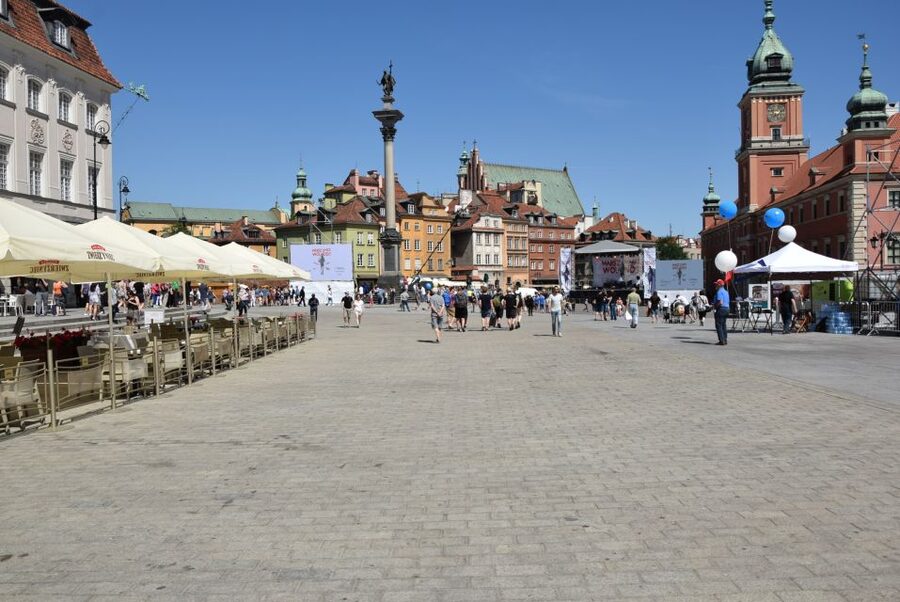
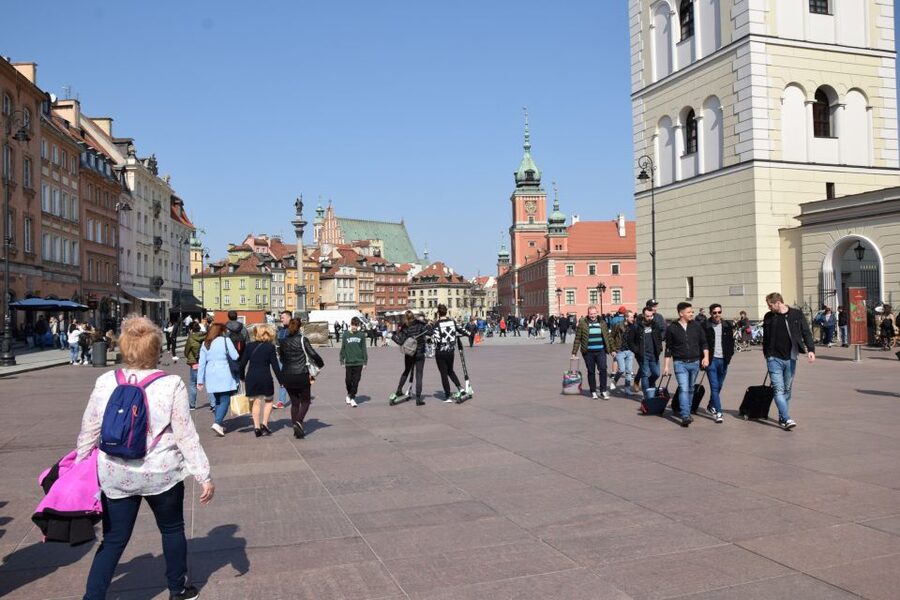
Most people wander into Warsaw Old Town and hope they figure it out. This tour starts with a built-in map moment. You meet your guide at Castle Square, right in front of the 22-meter-high Sigismund’s Column.
Look for the guide holding a white umbrella. Arrive about 5 to 10 minutes early, because once you’re matched up, you can start without that first wave of confusion.
From the first minutes, you’re moving with purpose. The route is designed so the landmarks feel connected, not like a scavenger list. And with a group capped around 25 to 30 people, you’re less likely to get swallowed by the crowd.
If you’re the kind of traveler who wants direction fast, this is a good first-day plan. It helps you understand how Warsaw’s story runs from royal power to wartime destruction to rebuilding.
Market Square and the Warsaw Mermaid: A Photo Stop With a Point
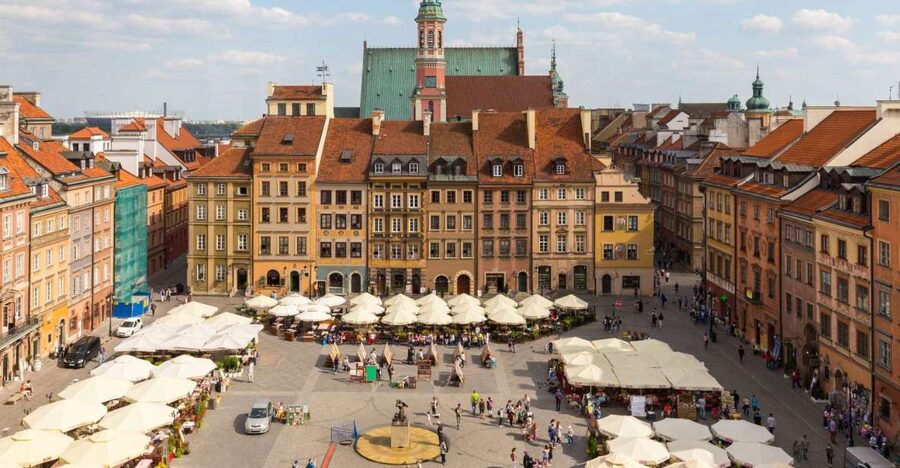
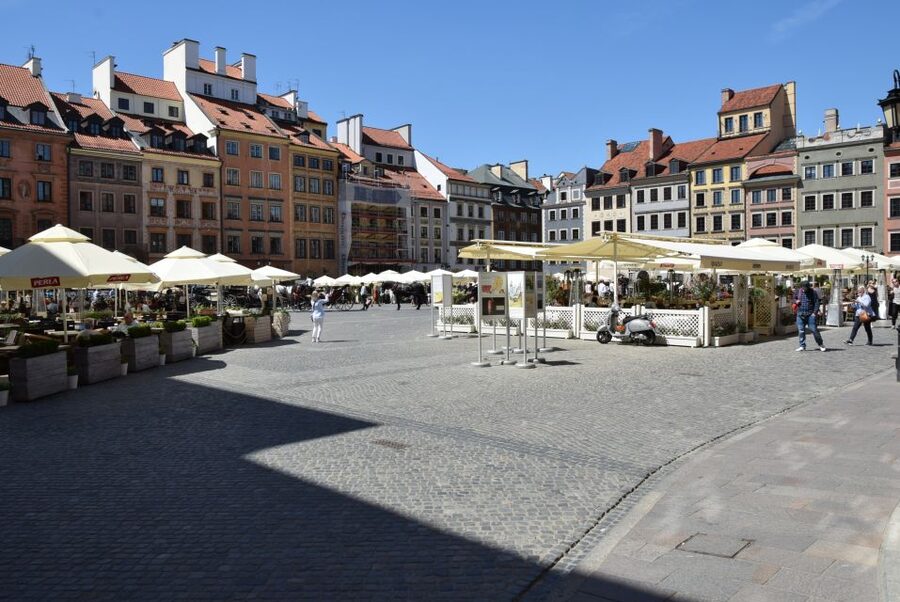
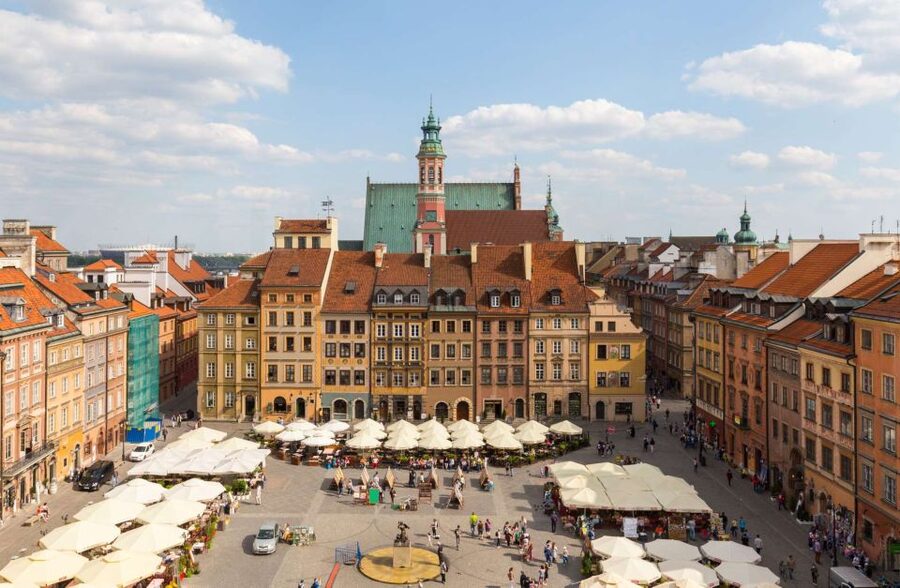
Rynek Starego Miasta is the emotional center of the Old Town. Your guide takes you into the Old Town Market Square area and points out the details that make it unmistakably Warsaw.
You’ll stop at the Warsaw Mermaid statue for photos. It’s one of those “easy to miss, easy to recognize once you see it” moments. More importantly, your guide usually frames it in the bigger story of how the city reclaims identity after catastrophe.
Expect a mix of architecture and crowd energy in this spot. You can take pictures quickly, then keep moving so you still get the guided attention instead of standing in a line.
The best part is how the guide keeps the focus on meaning. You’re not just learning names, you’re learning why certain symbols and buildings were rebuilt in the first place.
Narrow House Fronts, Churches, and City Defenses: Details You’ll Actually Notice Later
Warsaw has a talent for being visually clever. Along the way, you’ll see the Narrowest House façade, a quirky architectural reminder that space and practicality shaped the city.
Then you’ll hit two major religious landmarks: St. John’s Cathedral and the Jesuit Church. Even if you’re not a church person, these stops work because your guide ties architecture to history and the way neighborhoods developed around power and faith.
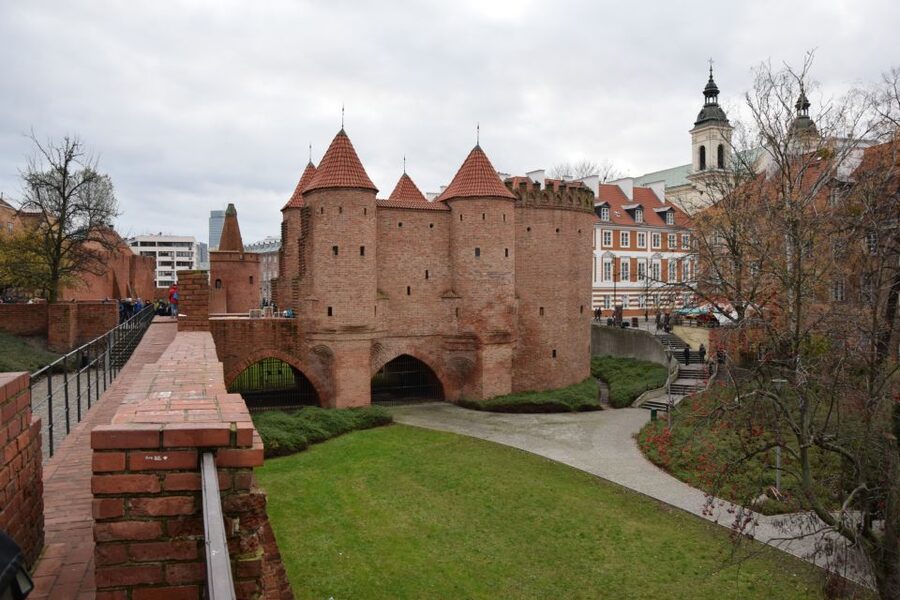
After that, the tour shifts from “pretty” to “protected.” You’ll pass the City Wall remnants and the Barbican, a defensive structure that makes you think differently about how the old town was meant to survive conflict.
This is one of the tour’s smartest moves. A lot of walking tours focus only on what survived visually. Here, you get a sense of what was designed to keep people safe in the first place.
A Panoramic Break on the Old Town Terrace: What the View Actually Helps You Understand
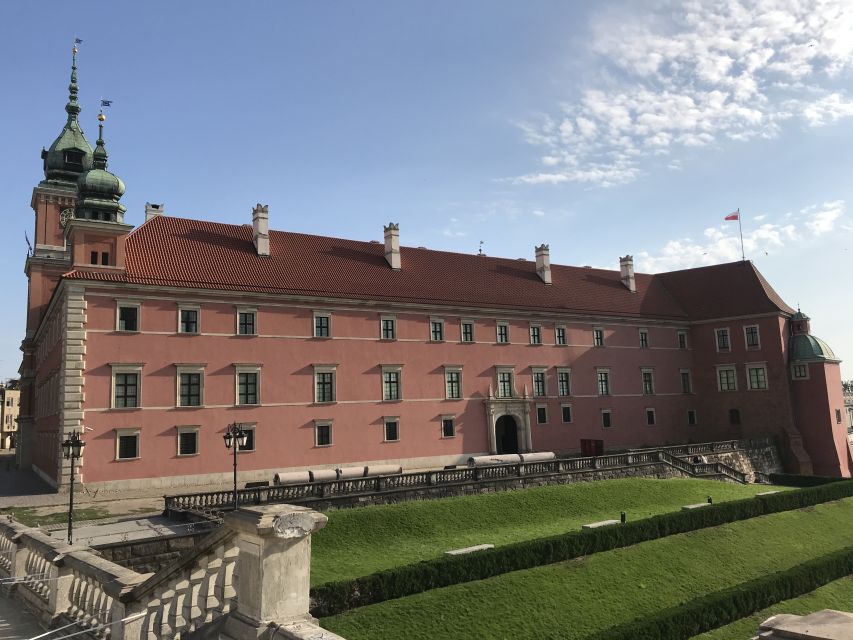
You’ll also reach a viewing terrace in the Old Town. This isn’t random. A good viewpoint helps you understand the shape of the city after you’ve walked its main streets.
From up there, you can get your bearings for where the river sits and how the cityscape folds around it. That matters later when you try to navigate on your own.
If you go in colder months, plan for wind. In winter, terraces can feel sharper than streets. Dress for short exposure time, not “long postcard lounging.”
This stop is also a nice pace change. You’ll go from tight streets and stone details to a wider mental picture.
Below are the other Warsaw trips we have logged
- Warsaw: Old Town Guided Walking Tour★ 4.9 · 599 reviews
- Half-Day Polish Food Walking Tour with Guide and Dinner★ 4.5 · 381 reviews
- Warsaw: Warsaw Ghetto Private Walking Tour with Hotel Pickup★ 4.9 · 369 reviews
- Old Town Warsaw Walking Tour★ 4.5 · 333 reviews
- Warsaw: Jewish History Guided Walking Tour in English★ 4.7 · 324 reviews
Royal Castle Gardens and the Royal Castle Core: The Calm Between Stories
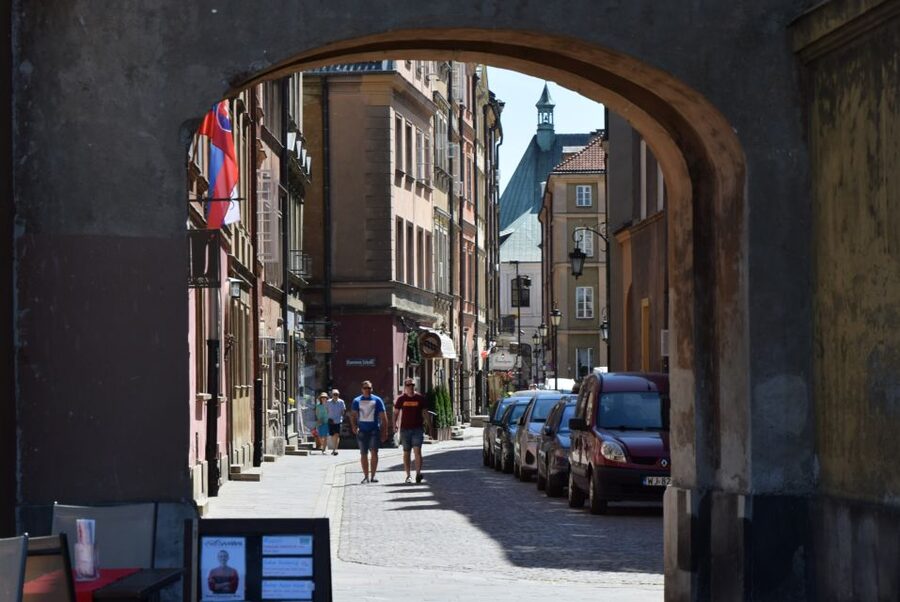
The tour doesn’t stay stuck in Old Town only. It also leads you to the Royal Castle and the Royal Gardens.
This section is a welcome contrast. The Royal Gardens offer a steadier pace, a break where you can absorb the grandeur without hearing only wartime details.
Your guide explains the role of the castle as a symbol of authority. Even on the outside, you get a sense of how royal prestige shaped the city’s identity long before modern Warsaw existed.
If you like history that feels tangible, this is a strong part of the tour. Gardens also give you a chance to reset before the heavier stops later on.
New Town and Marie Curie’s Birthplace: Science in the Middle of the City
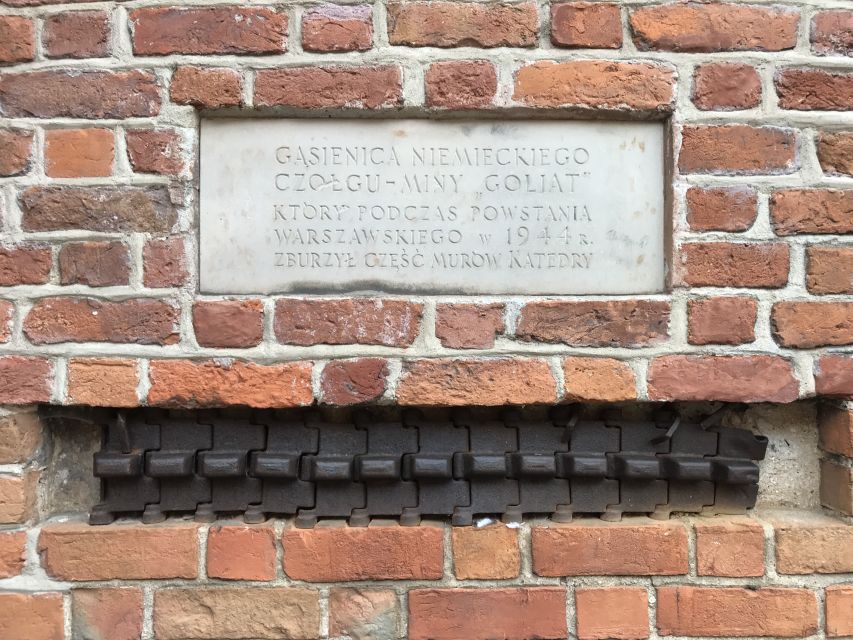
Next comes New Town, and a key stop tied to one of Poland’s most famous names: Marie Curie’s birthplace.
This is valuable because it shows Warsaw as more than a WWII story. The city’s identity includes scientific brilliance, cultural resilience, and ordinary daily life alongside monumental events.
Your guide uses this moment to widen your view of what Warsaw was becoming beyond royal courts and fortified walls. Even if you know Curie only from textbooks, you’ll come away with a stronger sense of connection to place.
This stop also keeps the tour from turning into a single emotional mood. If you’ve been feeling that wartime gravity building, Marie Curie’s stop adds needed breathing room.
Jewish Heritage Markers at the Ghetto Boundary: Why the Placement Matters
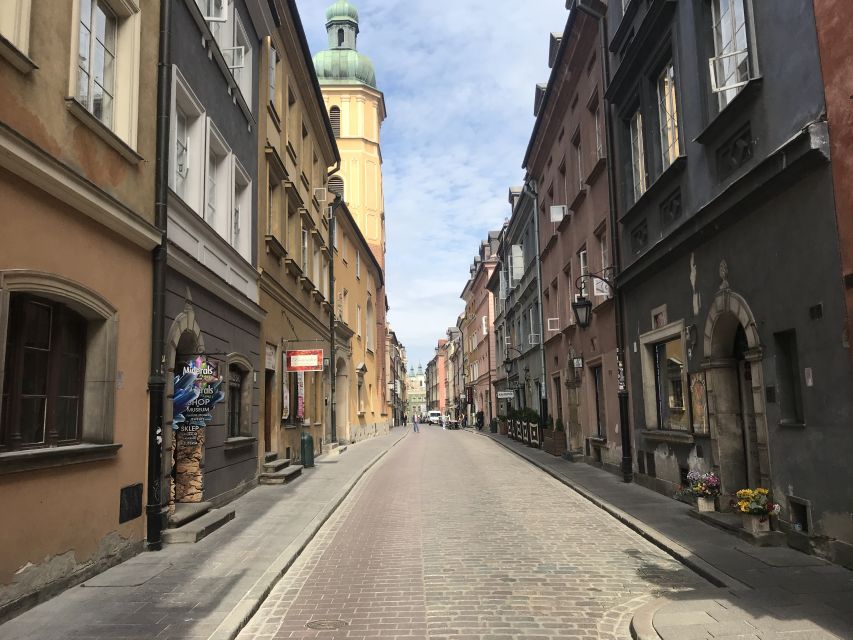
One of the most important parts of the walk is the section that deals with Jewish heritage, including ghetto boundary markers and the Jewish Uprising of 1943.
These stops are not meant to be consumed like scenery. The guide’s job here is to make you understand why this was a boundary, and what a boundary changes for people forced to live within it.
The best guides handle this section with care and clarity. They explain enough to make the sites understandable, without turning it into a distant lecture you forget immediately.
Pay attention to the placement and the context around the markers. That’s where the meaning lives. If you want to learn, take a second to look around and connect what you see now to what the guide describes from the past.
The Warsaw Uprising of 1944 Monument: Context for the City’s Rebuilding
You’ll also stand at the Monument of the Warsaw Uprising of 1944. This is a gravity-heavy stop, and your guide provides explanation so you understand what the uprising represented.
The value here is connection. When you’ve just walked defenses, ghetto boundary reminders, and the city’s rebuilt core, the uprising monument lands with more weight than it would as a standalone object.
Your guide also typically addresses Warsaw’s postwar rebuilding mindset. That matters, because Warsaw is not just a preserved museum. It’s a city rebuilt into its present shape, and your perspective shifts once you get that.
If you’re the type who wants to remember what matters, take a slow minute here. Let the information settle before you move on.
How the Best Guides Keep It Human: Humor, Shade, and Real Questions
The standout theme in the guide experience is tone. People often describe the guides as funny, approachable, and able to keep the pace moving even when it’s cold or rainy.
In practical terms, that shows up in small ways. Guides like Anthony, Anton(y), Antek, and Thomas are known for answering questions patiently. Some guides also adjust how they pace stops when weather is rough.
One review detail I’d take seriously: if there’s any start-time change, double-check your confirmation and be at the meeting point early. In a walking tour, timing matters, because the whole route is built around moving efficiently.
The other practical advantage of the small group size is access. You’re more likely to get your question answered on the spot instead of waiting until the end.
What You Pay and Why It Feels Fair: The Value Math
This tour is listed at $13 per person, and it’s framed as a pay as you wish format where the amount you pay covers a reservation fee and the guide’s payment.
Here’s how I think about value in this case. You’re paying for a guided story, a route that hits major points in a tight time window, and a licensed guide leading the group safely through the sites. For $13, that’s a solid entry ticket to orientation in a city that can feel overwhelming if you’re relying on guesswork.
Then there’s the pay-as-you-wish piece. If the guide performs well, you have a chance to reward that directly. This is especially relevant because the tour covers serious topics, and good guiding makes a difference.
If you hate the idea of uncertainty about tipping, you might feel slightly uncomfortable. If you’re fine with rewarding good work at the end, this model often ends up feeling fair.
Who This Tour Is For, and Who Might Want a Different Option
This walk fits best if you want:
- a 2-hour overview that still includes meaningful stops
- a clear sense of Warsaw’s built environment plus WWII context
- a guide you can ask questions to, in English or German
- a route that avoids getting stuck only in the most crowded spots, thanks to smarter side lanes
It might not be the best match if you want strictly scenic sightseeing with no heavy WWII material. The uprising and ghetto boundary sections are essential here, and the guide treats them as more than trivia.
It also suits first-timers. Even if you plan to return later to explore on your own, this kind of guided route helps you know where to spend more time.
Should You Book This Warsaw Old Town Walking Tour?
I’d book it if you’re trying to understand Warsaw quickly and respectfully. The Old Town sites are excellent, but what makes this tour stand out is the way it connects royal buildings and defensive walls to the ghetto boundary markers and the Warsaw Uprising of 1944 monument.
It’s also a good fit for people who don’t want a long day. Two hours moves fast, but the pacing includes a terrace viewpoint and the Royal Gardens, so it doesn’t feel like nonstop marching.
One final decision tip: go in ready to learn. Wear warm shoes, bring layers if it’s cold, and expect the tour to include serious history. If you’re okay with that, you’ll finish this walk with a clearer map of Warsaw and a deeper sense of why the city looks the way it does today.
FAQ
How long is the Warsaw Old Town guided walking tour?
It lasts about 2 hours.
Where do I meet the guide?
Meet your guide in Castle Square in front of Sigismund’s Column. The guide holds a white umbrella.
What’s included in the tour?
You get a guided walking tour of Warsaw Old Town with a licensed city guide.
What languages are available?
The live tour guide is available in English and German.
Is the tour only about Old Town, or are other areas included?
Other areas are included, including Royal Castle and the Royal Gardens, New Town, and sites connected to the Warsaw Ghetto boundary and the Warsaw Uprising of 1944.
What is the pay as you wish setup?
Your booking amount covers a reservation fee and the guide’s payment, and you join the general pay as you wish style.
More Tours in Warsaw



More Tour Reviews in Warsaw



Warsaw, Keep Looking
Recently written up around Warsaw



More Warsaw City Tours.
 ★ 4.8Chopin Concert in the Old TownFrom $262,287 reviews
 ★ 4.6Traditional Galar Cruise on The Vistula RiverFrom $201,640 reviews
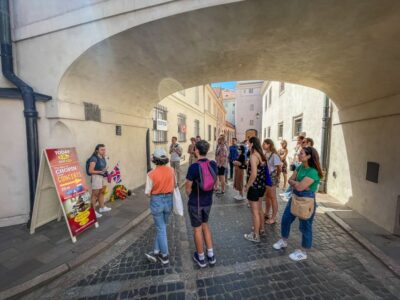 ★ 4.7Old Town Highlights Walking Tour in EnglishFrom $261,516 reviews
 ★ 4.8Warsaw Concert: Chopin – Painted by Candlelights with WineFrom $251,442 reviews
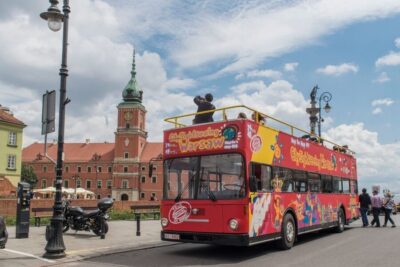 ★ 3.6City Sightseeing Hop-On Hop-Off Bus TourFrom $411,415 reviews
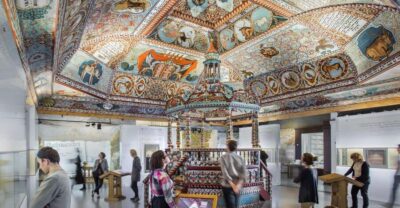 ★ 4.7POLIN Museum of the History of Polish Jews TicketFrom $121,142 reviews
 ★ 5.0#1 Pub Crawl Warsaw with Optional Premium 1 Hour Open BarFrom $28790 reviews
 ★ 4.6Polish Vodka Museum Tour with TastingFrom $22788 reviews
Also on these Poland lists