
REVIEW · MUSEUMS
Krakow: Polish Aviation Museum Skip-the-Line Ticket
Planes on the ground, stories in the air. This skip-the-line ticket gets you into the Polish Aviation Museum on a historic military airfield, where I really like the chance to see 300+ aviation items up close and focus on the Grigorovich M-15 flying boat from 1916. One heads-up: a few galleries may be affected by events or language limits, so not every room will feel equally accessible.
I also like that the museum isn’t just about one era. You move from indoor hangars and aircraft hulls into an open-air area with well-known Soviet-era machines like the Antonov An-26 and Polish PZL 130 Orlik. Since no guide is included, you’ll get the most out of it by using the signage and taking your time.
Key Takeaways Before You Go
- Skip-the-line entry saves time at a popular museum setting
- 300+ aircraft and engine items let you compare eras and design changes
- German WWII aircraft hulls (Halberstadt Cl.II or Roland D.IV) add a rare, hands-on angle
- Grigorovich M-15 is the museum’s star because it’s the only remaining Russian flying boat mentioned here
- Open-air Soviet collection brings you face to face with machines like Antonov An-26 and PZL 130 Orlik
- Self-paced walking works well for families and aviation nerds, alike
In This Review
- What You’re Really Buying With a Skip-the-Line Ticket
- The Polish Aviation Museum’s Setting: A Military Airfield Since 1912
- Indoor Hangars and the 300+ Item Collection
- WWII Aircraft Hulls: Halberstadt Cl.II and Roland D.IV
- The Grigorovich M-15: The Russian Flying Boat Moment
- Open-Air Museum Stops: Soviet-Era Machines You Can Actually Walk Around
- How Long Should You Plan in Your Schedule?
- Transportation and Getting There Like a Pro
- Rules That Affect Your Visit (So You Don’t Get Stopped)
- What Changes When No Guide Is Included
- Price and Value: Why $7 Can Actually Feel Like a Bargain
- Who Should Book This (and Who Might Skip It)
- Final Verdict: Should You Book This Ticket?
- FAQ
- How much is the Polish Aviation Museum skip-the-line ticket?
- How long is the ticket valid?
- Does the ticket include a guide?
- What will I see inside the museum?
- Is it really skip-the-line entry?
- Are cameras and flash photography allowed?
- Where does the experience start and end?
- Can I cancel after booking?
What You’re Really Buying With a Skip-the-Line Ticket
You’re paying a small amount, about $7 per person, for a pre-paid ticket that’s meant to get you through the entry process faster. In practice, that matters because aviation museums can turn into slow bottlenecks at peak times, and you probably came to see aircraft, not stand in line.
This ticket also gives you a straightforward experience. It’s valid for 1 to 2 days, so you can adjust if your Krakow schedule changes. That flexibility is useful if you’re also doing other major stops around the city, like Schindler’s Factory or the Rynek Underground Museum.
Two things to keep your expectations aligned: there’s no guide included, and opening hours can differ from what you see online. That means you should plan to wander, read signs, and choose a pace that fits your interest level.
The Polish Aviation Museum’s Setting: A Military Airfield Since 1912
The museum is located on what used to be a regional airport, and the military airfield dates back to 1912, tied to the Austro-Hungarian Empire. That location isn’t just a cute backdrop. It shapes the whole visit, because you’re walking around an aviation site, not a detached building with a flight theme.
Expect the grounds to feel like a working airfield layout. That’s why the museum feels more cinematic than you might expect, even if you’re not an aviation specialist. You’re seeing artifacts in the kind of spaces where they belong: hangars, display zones, and an open-air section.
Good planning tip: wear comfortable shoes and bring water. The site is built for walking, and you’ll likely want to stop often to inspect details. A camera helps too, since you’ll see enough unique aircraft-related pieces that you won’t want to rely on memory alone.
Indoor Hangars and the 300+ Item Collection
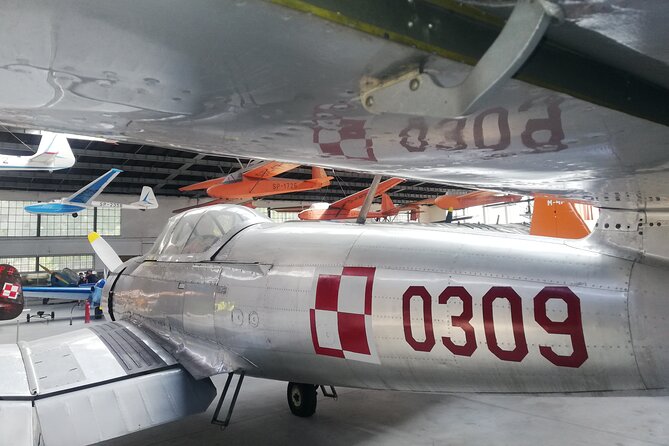
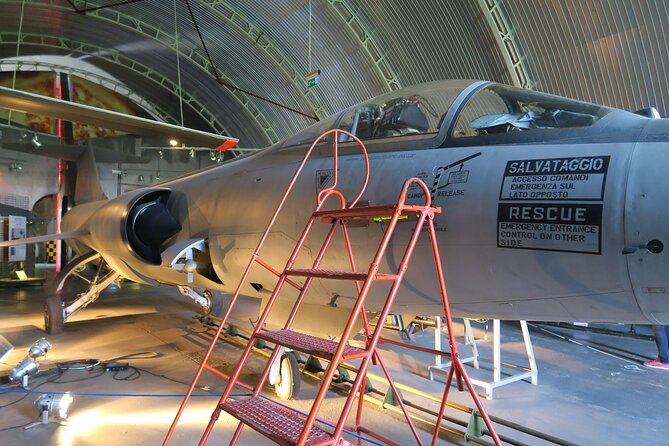
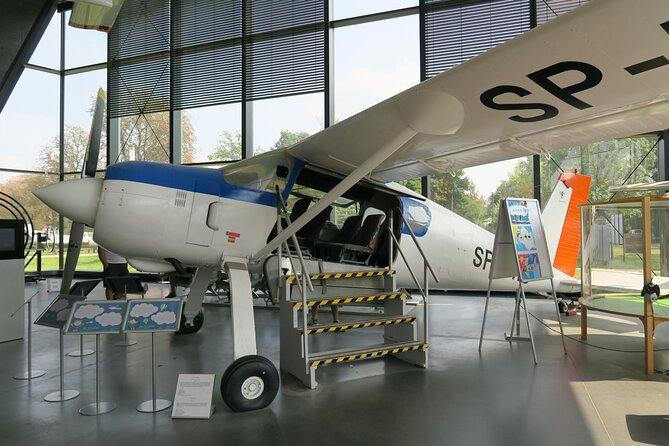
The museum’s collection includes over 300 items, including aircraft and engines, and the experience is largely a self-guided circuit. The indoor areas are where you’ll get the most context quickly, because you can compare multiple aircraft types and components without weather getting in the way.
Here’s what to watch for as you walk:
- Aircraft hulls and partial structures, which show the original shape and construction style even when the full plane isn’t present.
- Engine displays, which help explain how aircraft evolved in a way that pure airframe models can’t.
- Groupings by era or theme, so you can connect what you see across rooms instead of treating each display as a one-off.
One practical downside you should mentally prepare for: some exhibits may have limited translation support beyond the main language signage. If you’re hoping for a lot of interpretation, you may need to rely on your own reading and close looking.
WWII Aircraft Hulls: Halberstadt Cl.II and Roland D.IV
One of the most distinctive parts of the collection is the presence of the hulls of the German WWII Halberstadt Cl.II or Roland D.IV. Full restored aircraft are rare in many museums, so hulls like these can feel more hands-on than you might expect.
Even without a guide, you can still get value here by focusing on what the hull reveals. Hulls help you see:
- The rough geometry of the original airframe
- How components were arranged
- The scale of cockpit and structural sections relative to the rest of the aircraft
If you like military aviation design or you’re a history buff, this section gives you a tangible link to World War I and WWII era aircraft heritage. And if you’re coming with kids or teens, the hull displays are often easier to look at than purely technical panels because you can visually track the shape.
The Grigorovich M-15: The Russian Flying Boat Moment
Then comes the display that many aviation fans mark as a must-see: the only remaining Russian flying boat, the Grigorovich M-15 from 1916. Flying boats have a special pull because they’re built for water operations, and that changes how you think about an aircraft’s design.
Without needing extra storytelling, you can make this stop work by looking at how the flying boat concept affects the structure. Focus on the hull concept and how the aircraft is shaped for water use. It’s the kind of exhibit where even a casual visitor usually pauses longer than planned.
If your interest is broad, this is also a great anchor point because it’s such a specific, standout artifact. One rare object can turn a museum visit from a list of planes into a clear narrative.
Open-Air Museum Stops: Soviet-Era Machines You Can Actually Walk Around
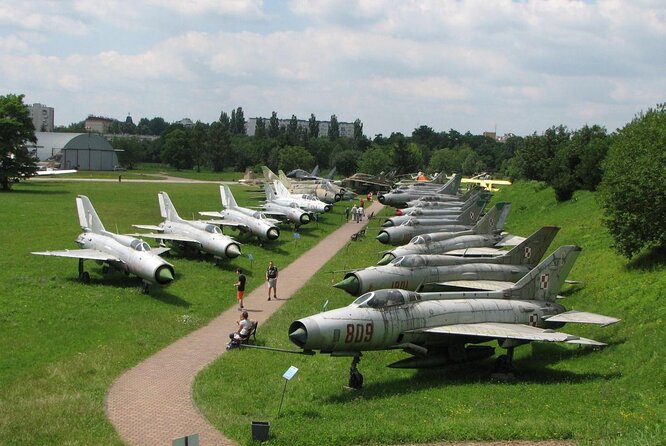
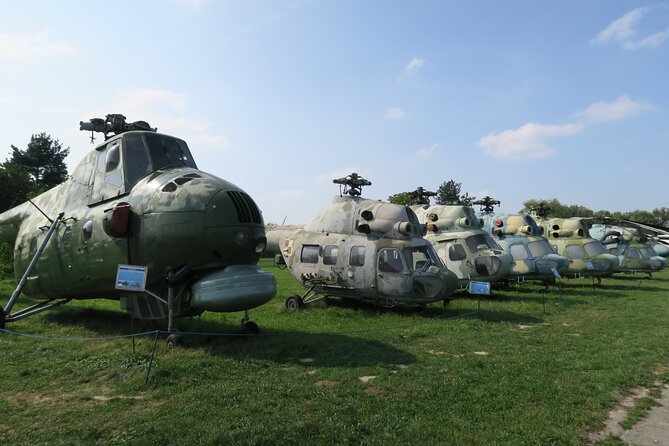
Next, plan time for the open-air museum area, where you’ll see the best-known machines from the Soviet era. This is where the museum often feels most alive, because you’re not just looking at static displays indoors. You can circle machines and see their size in space.
The examples mentioned include:
- Antonov AN-26
- Polish PZL 130 Orlik
This is a smart zone for photos and for comparing aircraft roles. You can notice how transport and training aircraft differ in proportions and layout. Even if you do not know every model name, the physical presence of these machines helps you understand how an air fleet varied across needs.
Plan your pace here. Open-air areas can be easy to overrun because you want to take in everything at once. Instead, choose a few machines to inspect closely, then do a slower walk to connect the dots.
How Long Should You Plan in Your Schedule?
The ticket is valid 1 to 2 days, but your personal plan depends on how deep you want to go. If you’re primarily here for the highlights, you’ll likely move at a comfortable museum pace and spend a couple of hours getting a strong overview.
If you’re genuinely into aircraft engines and WWII artifacts, you’ll want more time. The collection is large, and you’ll keep discovering new items as you return to hangars or open spaces.
A useful strategy: treat the museum like two layers.
- Layer one: indoor collection and the standout aircraft-related artifacts
- Layer two: open-air Soviet displays and any extra time you need to revisit your favorite stops
That way, if you’re tired, you can still feel satisfied. If you’re energized, you won’t feel like you rushed.
Transportation and Getting There Like a Pro
The museum is accessible by public transport, and one practical approach is using tram connections. If you rely on your phone for transit directions, using an app like Jakdojade can help you get onto the right tram line quickly.
Because the meeting point can vary depending on which option you booked, make sure you confirm your exact starting location ahead of time. Then plan a simple route from where you’re staying to the meeting area.
Also, bring a realistic expectation about weather. Krakow can be changeable, and since you’ll likely spend time outdoors in the open-air section, water-resistant layers can be a smart move if the forecast looks uncertain.
Rules That Affect Your Visit (So You Don’t Get Stopped)
A few museum rules can shape your day, so it helps to know them early:
- Smoking is not allowed
- Flash photography is not allowed
- Bring a camera if you want photos, but plan for normal lighting shots
These rules are usually easy to follow, but they matter because aviation museums often tempt you to shoot close-ups of engines and hull structures. With flash off, slow down and use steady light or adjust your camera settings if you can.
The simplest way to avoid frustration: keep your camera ready, but don’t assume flash will be permitted.
What Changes When No Guide Is Included
This ticket gives you access and entry, but a guide is not included. That’s not necessarily a downside. It can actually be better if you like a museum pace where you pause and zoom in on what interests you.
Still, it changes how you should prepare:
- Read signage carefully in the main exhibit areas
- If you’re focused on specific models, plan to spend extra time at those displays
- Use the standout artifacts as anchors, then connect what you see around them
If you’re the type of visitor who wants a lot of narration, you might find the lack of a guide means you’ll do more of the learning yourself. If you’re okay with self-guided wandering, this setup tends to feel more comfortable and less scripted.
Price and Value: Why $7 Can Actually Feel Like a Bargain
At around $7 per person, the value is hard to ignore if your main goal is to see a lot of aviation material in one place. You’re getting access to a museum with over 300 items, plus some extremely specific and rare artifacts like the Grigorovich M-15.
This kind of museum can be expensive elsewhere, especially when you add guided interpretation or premium ticketing. Here, you pay for entry and time on site, then you get to choose your personal level of attention.
The only value caution is this: if you’re hoping for a guided tour explanation, you’ll have to compensate with your own reading. But if you enjoy learning by looking, the cost feels fair and the scope is the point.
The overall rating is strong, 4.6 out of 5 with 200 reviews, which is consistent with the idea that people leave satisfied when they can walk freely and see a large collection for a manageable price.
Who Should Book This (and Who Might Skip It)
This visit is a great match if you fall into one of these groups:
- Aviation enthusiasts who want engines, aircraft types, and aircraft-related artifacts in one route
- History buffs who care about the WWII aircraft hull displays and early aviation stories
- Families with teens who like hands-on looking, not just indoor exhibits
- Anyone who wants a unique Krakow stop that isn’t another church or old square
You might consider another option if you strongly prefer guided narration in your language, or if you’re short on time and want only a single tiny highlight. This museum is best when you can slow down and walk.
Final Verdict: Should You Book This Ticket?
I think you should book the skip-the-line ticket if you want a low-cost, high-viewing-time aviation stop in Krakow. The combination of fast entry, over 300 items, and the rare Grigorovich M-15 flying boat makes it feel purposeful, not random.
Book it especially if you’re pairing it with other Krakow cultural sites. The ticket’s 1 to 2 day validity also helps, because you can fit it into a busy itinerary without feeling trapped by an exact start time.
If you love planes for the design, the machines, and the era comparisons, this is the kind of museum where you’ll keep finding new details as you go.
FAQ
How much is the Polish Aviation Museum skip-the-line ticket?
It costs about $7 per person.
How long is the ticket valid?
The ticket is valid for 1 to 2 days. Check availability to see the starting times.
Does the ticket include a guide?
No, a guide is not included.
What will I see inside the museum?
You can access the collection with over 300 aviation-related items, including aircraft and engines. The highlights mentioned include the hulls of German WWII Halberstadt Cl.II or Roland D.IV, the Grigorovich M-15 flying boat from 1916, and an open-air museum with Soviet-era machines like the Antonov AN-26 and Polish PZL 130 Orlik.
Is it really skip-the-line entry?
Yes. The ticket is described as a pre-paid ticket meant for hassle-free entry and skipping the ticket line.
Are cameras and flash photography allowed?
A camera is fine, but flash photography is not allowed.
Where does the experience start and end?
It starts at a meeting point that may vary depending on the option booked, and it ends back at the meeting point.
Can I cancel after booking?
Free cancellation is available up to 24 hours in advance for a full refund. The offer also supports a reserve now and pay later option.
More Museums.
 ★ 4.5Auschwitz-Birkenau Museum and Memorial Guided Tour from KrakowFrom $831,510 reviews
 ★ 4.7POLIN Museum of the History of Polish Jews TicketFrom $121,142 reviews
 ★ 4.6Rynek Underground Museum Guided TourFrom $341,122 reviews
 ★ 4.6Polish Vodka Museum Tour with TastingFrom $22788 reviews
 ★ 3.9Museum World of Illusion Entry TicketFrom $13666 reviews
 ★ 4.5Krakow Schindler’s Factory Museum Guided Tour in EnglishFrom $47650 reviews
 ★ 3.6Auschwitz Birkenau Museum Guided Tour with PickupFrom $8544 reviews
 ★ 4.5Museum of illusions Entry TicketFrom $20521 reviews
Also on these Poland lists