
REVIEW · OSKAR SCHINDLER FACTORY TOURS
Krakow: Schindler’s Factory Tour & Skip-the-Line Entry
A factory museum that hits hard. In Krakow, this Schindler’s Factory tour uses a former enamel factory setting to tell the story of Nazi occupation in a way that feels staged, personal, and very human. I especially like the skip-the-line entry, because it buys you time for the moments that matter.
I also like how the tour is built around the museum’s theatrical permanent collection, including set-like rooms, multimedia, and a tram-based segment that helps you picture everyday life rather than just read about it. If you want a guided experience that keeps moving, but still leaves room for impact, this is a strong pick.
One possible drawback: the experience is often more about Krakow through World War II than a deep dive into Oscar Schindler himself, so history buffs expecting a factory-only story may want to pair it with a bit of extra reading.
In This Review
- Key things that make this tour worth your time
- Schindler’s Factory in Krakow: what you’re really stepping into
- The 90-minute plan: where the tour takes you and why each stop matters
- Entering the factory and stepping into Schindler’s office
- The story’s backbone: everyday life under occupation (1939 to 1945)
- A tram ride and a documentary-style city scene
- A typical Jewish apartment
- Oscar’s office and Survivor’s Ark: the enamel symbol you won’t forget
- The Plaszow connection: what artifacts help you understand
- The Hall of Choices: the ethical question at the heart of the tour
- Price and logistics: what you get for $49 and how to make it easy
- Where to meet
- What to bring
- What not to bring
- Timing: times can shift
- How to get the most out of a guided war-history museum
- Who should book this tour, and who might want an alternative
- Should you book Schindler’s Factory with skip-the-line entry?
- FAQ
- How long is the Schindler’s Factory guided tour?
- Where do I meet the guide?
- What languages are available?
- Do I need a passport or ID?
- Is food or drink included?
- Are large bags allowed?
- Can I cancel for a refund?
Key things that make this tour worth your time
- Skip-the-line entry: you lose less time waiting and more time seeing the exhibits up close.
- The museum’s stage-crafted storytelling: set design and direction make the permanent collection feel like scenes, not just display cases.
- Survivor’s Ark and the enamel motif: you see how everyday objects were turned into a powerful symbol.
- A route that goes beyond Schindler’s office: from a typical Jewish apartment to artifacts connected to Plaszow.
- The Hall of Choices: a sculptural stop that forces you to think about impossible moral decisions.
- Small-group energy is possible: some departures can be intimate enough to ask questions without feeling rushed.
Other reviewed ways into the Schindler factory museum
- Krakow: Oskar Schindler’s Factory Entry Ticket & Guided Tour
★ 4.2 · 3,793 reviews - Krakow: Schindler’s Factory Tour with Entrance Ticket
★ 4.5 · 3,182 reviews - Krakow: Schindler’s Factory Tour with Entrance Ticket
★ 4.6 · 1,737 reviews - Schindler’s Factory in Krakow: Guided Tour & Skip the Line Ticket
★ 4.5 · 1,714 reviews
Schindler’s Factory in Krakow: what you’re really stepping into
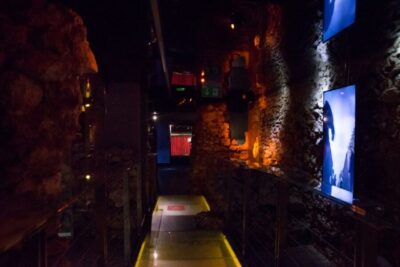
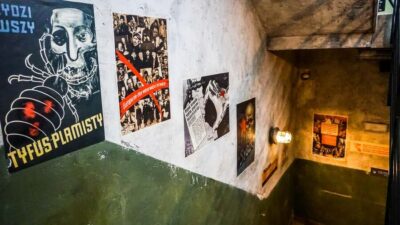
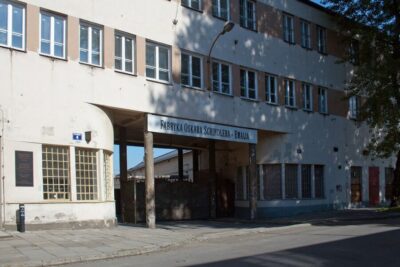
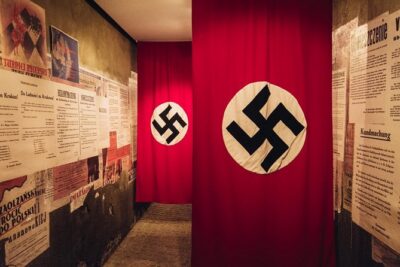
This tour takes you to Oscar Schindler’s former enamel factory, the same kind of industrial space that Spielberg’s Schindler’s List turned into an unforgettable cultural reference point. Still, what you get here is not a movie replay. It’s history told through a permanent exhibition that uses staging, audio, and documentary material to explain how Krakow’s Jewish and Polish communities were forced into a brutal new reality between 1939 and 1945.
The setting matters. A factory carries weight even before you read a single label. You can feel the contrast between routine production and what the Nazis did to reshape the city. That contrast is one reason the tour works so well in a guided format.
I like that the tour doesn’t try to make the story light. It’s structured like a sequence of scenes, so you’re not just collecting facts. You’re moving through the emotional logic of what happened and why it mattered.
The 90-minute plan: where the tour takes you and why each stop matters
The tour runs about 1.5 hours. That’s long enough to do the key moments, short enough that you’re not stuck in one room forever. It also means you’ll want to come ready to focus, not wander off mentally.
Here’s what the route emphasizes, in the order you’ll typically experience it:
Entering the factory and stepping into Schindler’s office
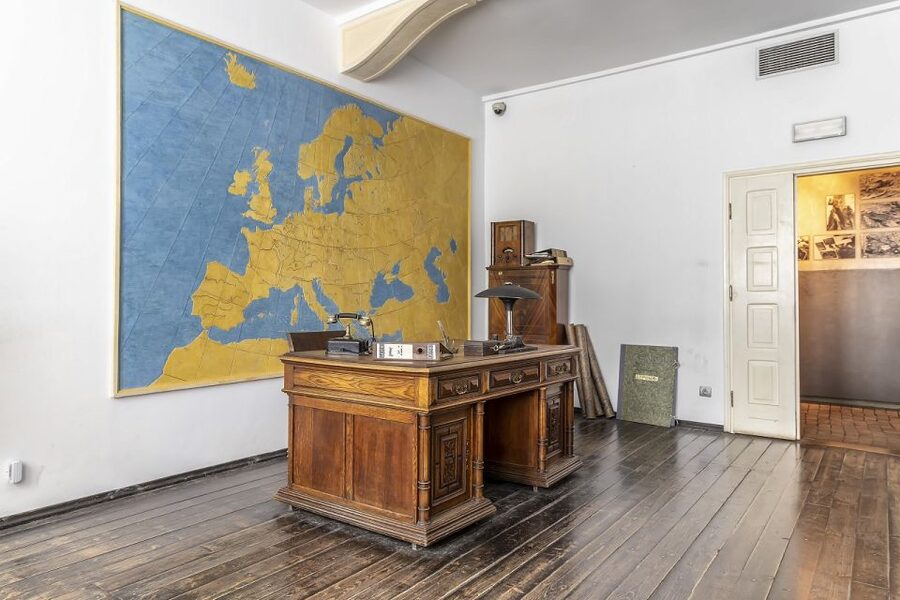
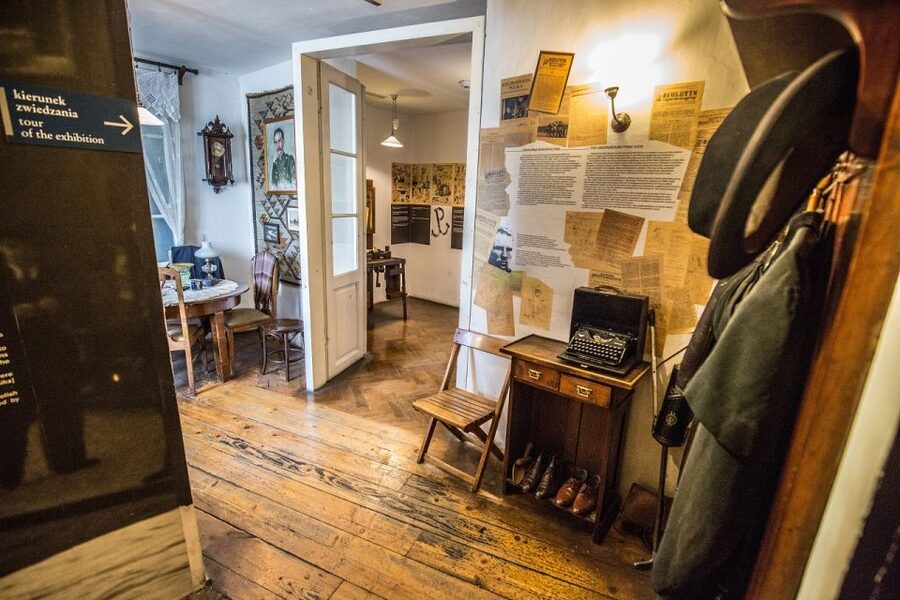
You start with the museum’s strongest anchor: Oscar Schindler’s preserved office, kept within the factory’s administrative building. Even if you already know the general story from popular culture, seeing the preserved office helps you connect the person to the place.
This stop works because it gives you a focal point. From there, the tour can widen out into the broader machinery of occupation and survival.
The story’s backbone: everyday life under occupation (1939 to 1945)
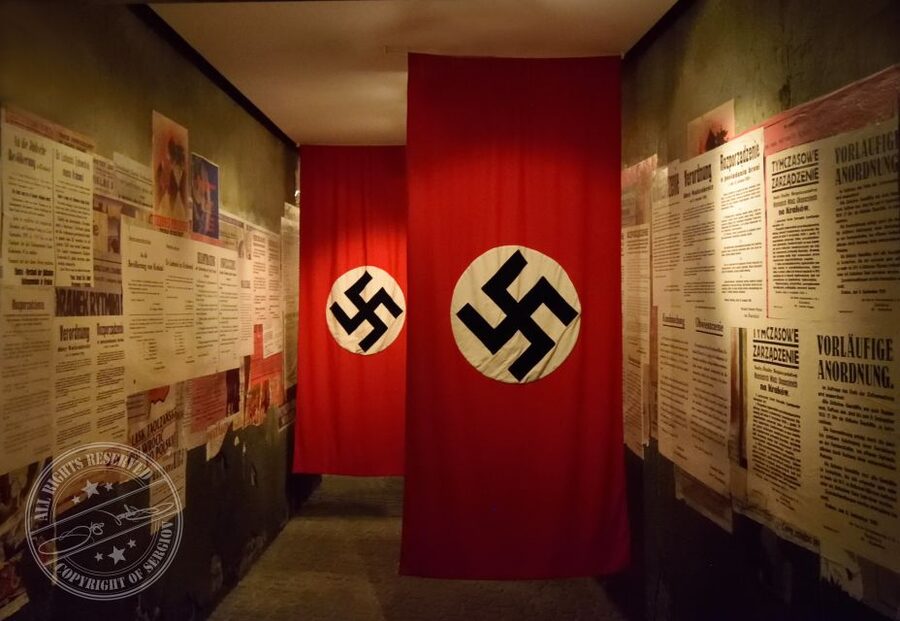
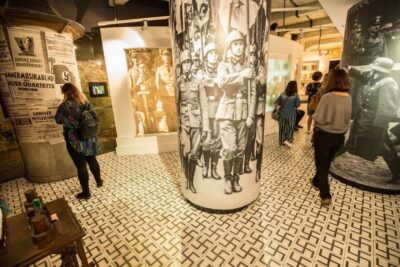
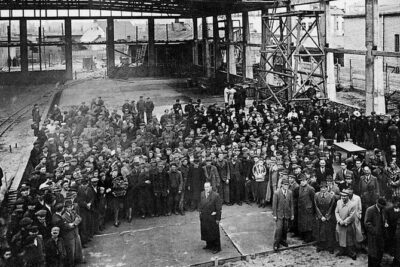
A big part of the experience is learning how occupation reshaped everyday life in Krakow. You’ll get context for how Polish and Jewish communities were affected, and how Nazi occupiers violently disrupted centuries of Polish-Jewish relations. The tour doesn’t treat this like a single-event tragedy. It treats it like a system that tightened over time.
That’s why the guide’s pacing matters. A good guide helps you connect dates and labels to what it would have felt like to live it.
Below are the other Krakow trips we have logged
- From Krakow: Wieliczka Salt Mine Tour & Skip the Line Ticket★ 4.4 · 3,925 reviews
- Krakow: Schindler’s Factory Skip-the-Line Ticket★ 4.4 · 3,105 reviews
- Schindler’s Factory in Krakow: Guided Tour & Skip the Line Ticket★ 4.5 · 1,714 reviews
- Auschwitz-Birkenau: Skip-the-Line Ticket and Guided Tour★ 4.2 · 1,034 reviews
- Auschwitz Birkenau Guided Tour/Skip The Line/PickUp/Guide ENG★ 4.5 · 930 reviews
A tram ride and a documentary-style city scene
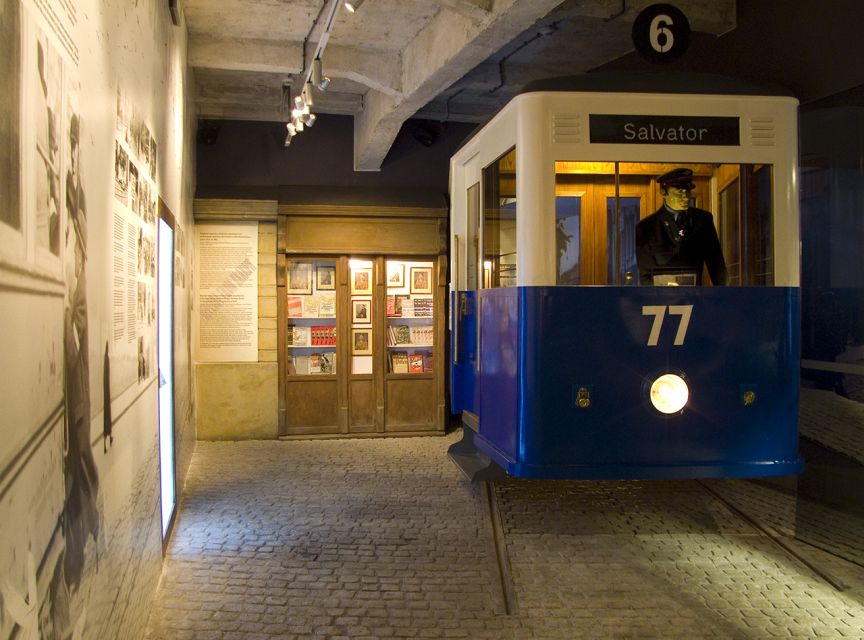
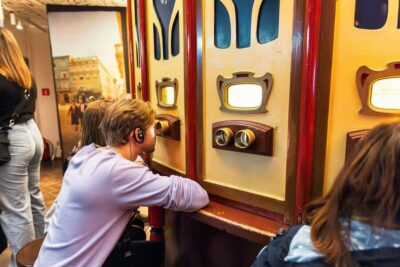
One of the more distinctive segments involves boarding a tram as part of the museum experience, along with documentary material showing the everyday rhythm of the city. This is where the tour’s “theatrical recreation” idea becomes practical.
If you’re tempted to think a museum is only about rooms and plaques, this part is a reminder that visual storytelling can teach details you might otherwise miss. It’s also a break from walking, which helps if your feet are already tired from Krakow.
A typical Jewish apartment
Next comes the human scale: a recreated Jewish apartment. This is the kind of exhibit that can stop you cold, because it shifts the focus from institutions to homes. You’re looking at daily life shaped by fear and constraint.
Even without heavy interpretation, the set-like details help you understand that the people affected were not just statistics. They had routines, rooms, and families.
Oscar’s office and Survivor’s Ark: the enamel symbol you won’t forget
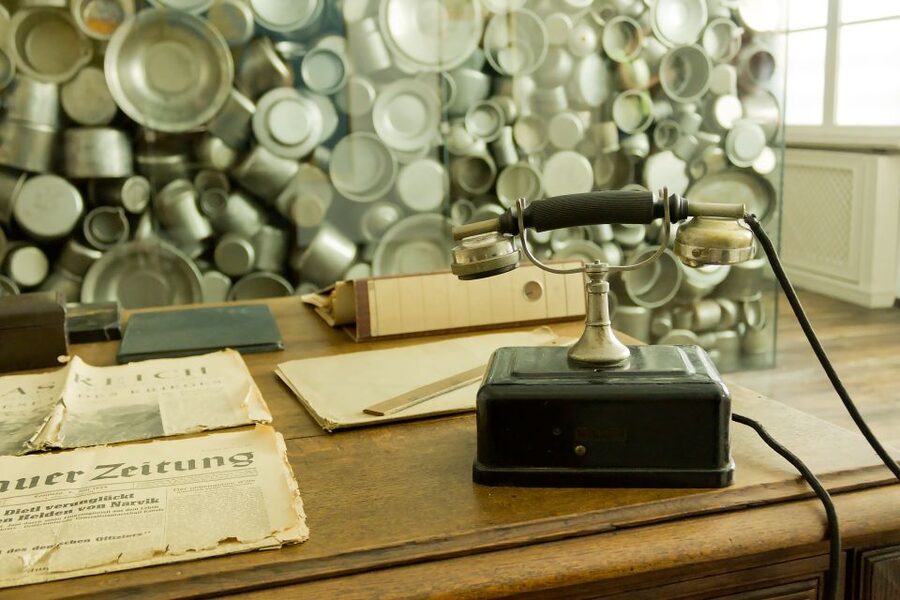
The museum’s most famous motif shows up in a striking way: the Survivor’s Ark, built from thousands of enamel pots that resemble the kind of enamelware produced in the factory. It’s the kind of exhibit that feels both crafted and haunting, because it turns a mass-produced industrial item into a memorial structure.
I like that the tour gives you a guided path through this symbol, instead of leaving you alone to interpret it from a distance. A guide can explain why the object matters, and how the collective meaning changes once you know the context.
Another reason this stop is essential: it anchors the tour’s bigger message. The exhibition is not just about what was taken. It’s also about how people survived, resisted, and carried memory forward.
The Plaszow connection: what artifacts help you understand
You’ll also see artifacts connected to the Plaszow camp. This part of the tour matters because it connects the story of occupation in Krakow to the camp system that many people faced.
The museum tends to work like a sequence of perspectives. Instead of one big lecture, it uses objects, photographs, eyewitness accounts, film documentaries, and multimedia presentations. That mix is important because war memory doesn’t survive through one type of evidence. It survives through many.
If you’re the kind of visitor who likes to stop, read slowly, and compare details, you’ll appreciate the structure but you may also notice the pace is guided and time is limited.
The Hall of Choices: the ethical question at the heart of the tour
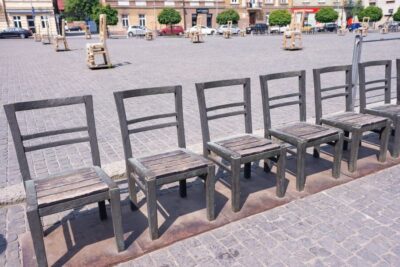
One of the most memorable parts is the “Hall of Choices,” a sculptural installation designed to symbolize ethical dilemmas people faced during the war. This isn’t about simple good-versus-evil storytelling. It’s about pressure, survival, coercion, and the reality that some choices were made inside impossible constraints.
This stop is also where a guide’s explanation can genuinely change your experience. If the tour pauses long enough and your guide frames the symbolism well, the Hall becomes more than an exhibit. It becomes a moment to reflect.
For many people, this is the moment the tour earns its emotional intensity. It turns history from information into moral questions.
Price and logistics: what you get for $49 and how to make it easy
The price is $49 per person for 90 minutes, and it includes entrance fees and a professional guide. You don’t have to think about ticketing logistics on the day, and the skip-the-line entry is a real advantage at a site that can be busy.
That said, $49 only feels like a win if you value a guided walkthrough. If you prefer self-paced reading with zero narration, you might find this format less satisfying. But if you want a structured route through heavy subject matter, paying for the guide is part of the value.
Where to meet
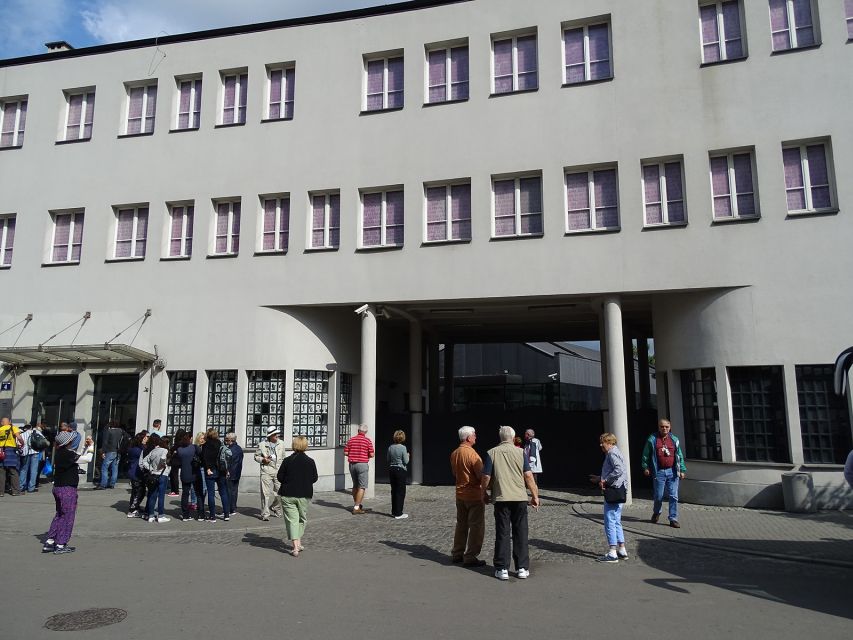
Meet at Lipowa 4, 33-332 Kraków. Wait at the front of the main entrance of the museum. Your guide will be holding an excursion.city sign.
What to bring
Bring a passport or ID card. The museum requires identification for entry.
What not to bring
Food and drinks are not allowed, and luggage or large bags are not allowed. If you’re carrying a backpack, keep it manageable.
Timing: times can shift
The tour uses museum scheduling, and times can be approximate. Keep an eye on your messages close to departure, because the museum can require adjustments.
Also note: starting January 1, 2026, the museum’s personalized tickets mean you must provide full names of all participants when reserving, and you must bring the passport or ID for entry. Without the correct names and IDs, entry may be denied.
If you’re traveling with a group, double-check spelling. This is one of those rare travel issues where being meticulous prevents stress.
How to get the most out of a guided war-history museum
This is the part where I give you practical tips that can change your experience.
First, plan your day so you are not rushing from one major stop to the next. Even though the tour is only 90 minutes, you’ll likely want a few minutes after to collect yourself and look around on your own.
Second, if you’re a slower reader, it helps to have patience and good expectations. In a guided setting, narration can sometimes take priority over your desire to linger at a display. If you find yourself itching to read, bring a notepad and jot down questions for the guide. That way you’re not just being passive.
Third, consider your walking pace. One account highlighted that the guide stayed patient when someone had a limited walking speed. Guides can’t control your body, but a good guide can control the pace of the group.
Fourth, languages are covered. Tours are offered in Spanish, Italian, French, English, and German, so you can match your comfort level. You’ll get more from the story when the narration is in your own language.
Finally, remember this isn’t a “factory tour” in the fun, industrial sense. It’s a museum experience built around wartime context, survivors, and moral questions. Bring the right mindset.
Who should book this tour, and who might want an alternative
This tour is a great fit if you want:
- A guided walkthrough of occupied Krakow, not just a self-paced browse.
- A memorable sequence of stops, including Schindler’s office, the tram segment, a recreated Jewish apartment, and the Hall of Choices.
- A museum visit that uses objects, photographs, eyewitness material, and multimedia to connect facts to people.
It may be less ideal if you want:
- Mostly about Oscar Schindler himself. The story coverage is more about the broader wartime city context than a biography-only approach.
- Tons of interactive screens. Some visitors have expected more film-like elements and found it heavier on labels and exhibits.
If you’re deciding between a guided versus self-guided visit, think about what you need most. If you need structure and context to make sense of intense material, this is the kind of tour that helps.
Should you book Schindler’s Factory with skip-the-line entry?
I’d book it if you care about getting a full picture without losing time in queues. Skip-the-line entry is a practical upgrade, and the 90-minute guided format is a strong length for this kind of museum.
I’d also book it if you like museums that tell stories through staging and multimedia rather than only text. The route through Schindler’s office, the Survivor’s Ark enamel motif, the tram-and-documentary segment, the Jewish apartment recreation, and the ethical pressure of the Hall of Choices gives you a balanced arc.
I would hesitate only if you want a lighter, Schindler-focused experience, or if you’re determined to read every label at your own tempo with no narration. In that case, you might be happier with a self-paced visit.
If you can handle the subject matter, book early, bring your ID, and plan to give the last few stops your full attention. This is the kind of tour that stays with you long after you leave the building.
FAQ
How long is the Schindler’s Factory guided tour?
The guided tour lasts about 90 minutes.
Where do I meet the guide?
Meet at Lipowa 4, 33-332 Kraków. Wait at the front of the main entrance of the museum, and look for your guide holding an excursion.city sign.
What languages are available?
The live tour guide is available in Spanish, Italian, French, English, and German.
Do I need a passport or ID?
Yes. You should bring a passport or ID card for entry to Schindler’s Factory Museum.
Is food or drink included?
No. Food and drink are not included, and food and drinks are not allowed during the experience.
Are large bags allowed?
No. Luggage or large bags are not allowed.
Can I cancel for a refund?
Yes. Free cancellation is available up to 24 hours in advance for a full refund.
More Tours in Krakow

More Tour Reviews in Krakow
The Schindler Factory, Other Ways In



Recently written up around Krakow

More Oskar Schindler Factory Tours.
 ★ 4.2Oskar Schindler’s Factory Entry Ticket & Guided TourFrom $353,793 reviews
 ★ 4.5Schindler’s Factory Tour with Entrance TicketFrom $493,182 reviews
 ★ 4.4Schindler’s Factory Skip-the-Line TicketFrom $253,105 reviews
★ 4.6Schindler’s Factory Tour with Entrance TicketFrom $401,737 reviews
 ★ 4.5Schindler’s Factory in Krakow: Guided Tour & Skip the Line TicketFrom $351,714 reviews
 ★ 4.7Schindler’s Factory & Ghetto Guided TourFrom $571,694 reviews
 ★ 4.3Schindler’s Factory Ticket with Guided Tour OptionFrom $421,485 reviews
 ★ 4.0Krakow Schindler’s Factory Guided Tour with Admission TicketFrom $351,156 reviews
Also on these Poland lists