
REVIEW · OSKAR SCHINDLER FACTORY TOURS
Krakow: Schindler’s Factory Tour with Entrance Ticket
Schindler’s Factory is heavy history, well taught. What makes this tour so compelling is the setting, a former enamel factory tied to Oskar Schindler, plus a licensed guide who helps you connect the dots across the war years. I love the skip-the-line entry, and I love that the tour stays tightly focused on how Nazi occupation reshaped Krakow day by day, not just one man’s biography. The main thing to consider is that the museum is tight and dark in parts, so the experience can feel fast if you prefer to wander slowly on your own.
Your 90 minutes goes through galleries that use original photographs, artifacts, and staged environments to recreate the pressure and fear of life from 1939 to 1945. Expect narrow corridors and rooms that are intentionally designed to make you feel confined, which is exactly the point. And yes, you’ll hear about Schindler, including his factory’s role in providing refuge to more than a thousand Jewish workers, but the story is framed inside the wider catastrophe of Krakow under Nazi rule.
In This Review
- Key Points to Know Before You Go
- Why Schindler’s Enamel Factory Makes History Hit Hard
- Entering Fast: What the Skip-the-Line Ticket Buys You
- The 90-Minute Route Through Kraków Under Nazi Occupation
- What You’ll See: Original Artifacts, Photos, and Designed Atmosphere
- Schindler’s Story in Context, Not in Isolation
- The Guide Matters: What Makes the Tour Feel Personal
- Group Size, Headsets, and the Pace Inside Tight Rooms
- Price and Value: Is $49 Worth It?
- Meeting Point and Timing That Actually Work
- Building the Best Day in Krakow Around This Tour
- Should You Book This Tour?
Key Points to Know Before You Go
- Skip-the-line access saves you from one of Krakow’s most in-demand museum queues
- A licensed expert guide turns confusing exhibits into a clear timeline
- Kraków under Nazi Occupation 1939 to 1945 is the core theme, not just Schindler’s personal story
- Narrow, dim rooms are part of the storytelling design, so pace and space matter
- Group limits and headsets help, but you still move together through crowded sections
Other reviewed ways into the Schindler factory museum
- Krakow: Oskar Schindler’s Factory Entry Ticket & Guided Tour
★ 4.2 · 3,793 reviews - Krakow: Schindler’s Factory Tour with Entrance Ticket
★ 4.5 · 3,182 reviews - Krakow: Schindler’s Factory Tour with Entrance Ticket
★ 4.6 · 1,737 reviews - Schindler’s Factory in Krakow: Guided Tour & Skip the Line Ticket
★ 4.5 · 1,714 reviews
Why Schindler’s Enamel Factory Makes History Hit Hard
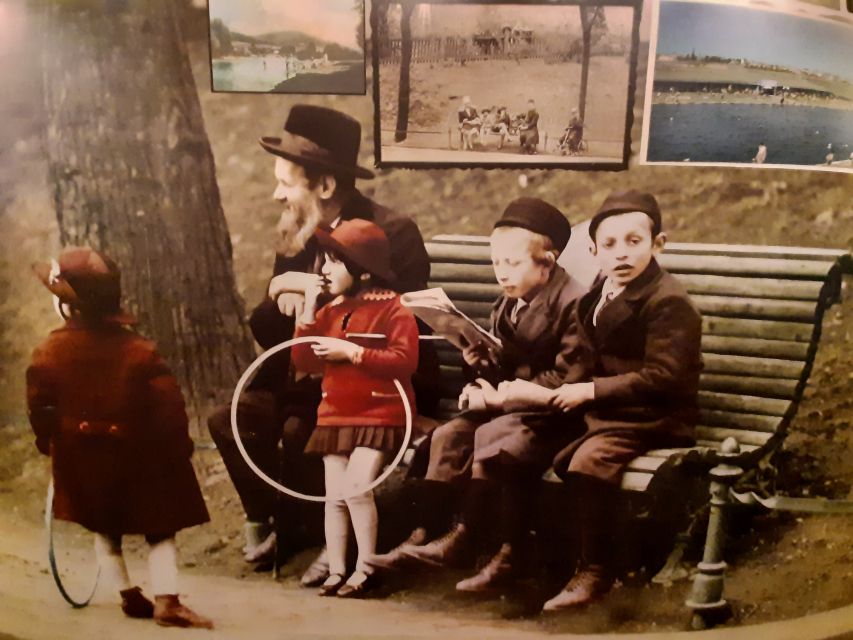
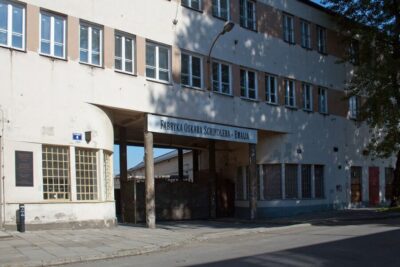
This museum matters because it uses place as evidence. You’re not looking at Nazi-era history on a screen. You’re walking through a building that once housed Schindler’s enamel factory, and that physical connection adds weight to everything your guide explains.
The tour’s strongest value is how it frames the war years. It doesn’t treat history like a list of dates. You’re guided through a picture of how Krakow changed, how persecution escalated, and how ordinary people, Jewish and non-Jewish, were pulled into an ever tightening system. The result is that the exhibition feels like lived experience rather than distant background.
Entering Fast: What the Skip-the-Line Ticket Buys You
If you’ve ever shown up to Schindler’s Factory without a plan, you already know the museum can be busy. The big practical win here is the skip-the-line admission, paired with a guided time slot. That means you spend your energy learning and reflecting, not burning time in a queue.
This is also one of those experiences where timing really affects your mindset. Arriving on schedule keeps the tour flowing and gives you less pressure to “keep up” in the first rooms. And once you’re inside, you’ll stick with the guide through the main storyline, instead of bouncing between rooms and missing how the exhibition pieces connect.
The 90-Minute Route Through Kraków Under Nazi Occupation
The tour is about 90 minutes, so I’d think of it as a focused guided introduction to the museum rather than a slow, self-guided marathon. Your guide leads you through the exhibition “Kraków under Nazi Occupation 1939 to 1945,” which is spread across multiple galleries and corridors.
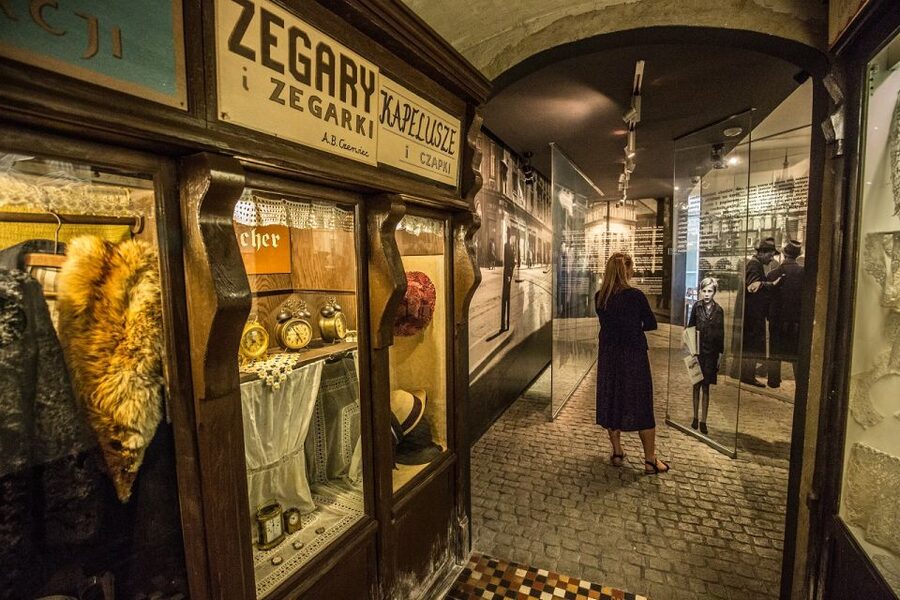
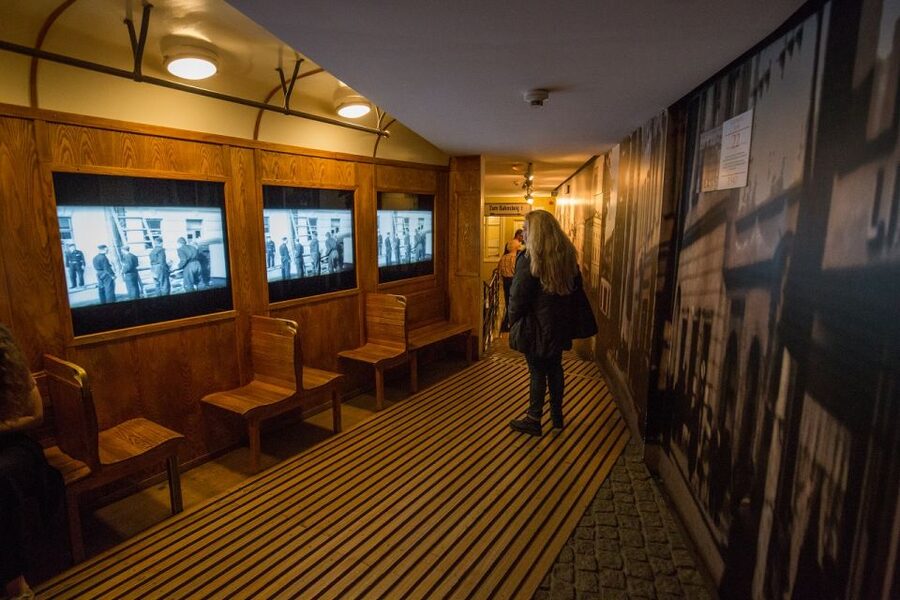
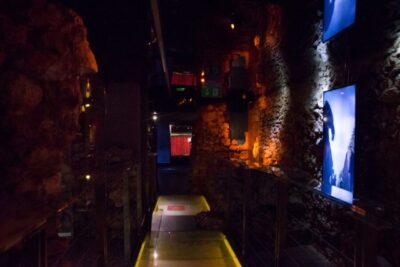
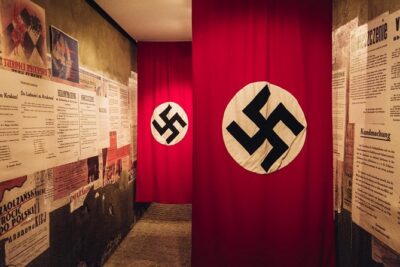
Most of what you’ll do is not stand-still reading. You’ll be moving through the rooms while the guide explains what you’re seeing and why it’s presented that way. That matters because the museum uses narrow corridors and a dim, enclosed layout to recreate the sensation of being trapped. If you came expecting bright, open galleries, plan for the opposite.
You’ll also get time with key sections of the narrative: life under occupation, the ghetto reality, and the pattern of persecution that culminated in deportations and the destruction of Krakow’s Jewish community. Guides often highlight the difference between what you might assume from a headline and what the exhibition shows through daily details.
What You’ll See: Original Artifacts, Photos, and Designed Atmosphere
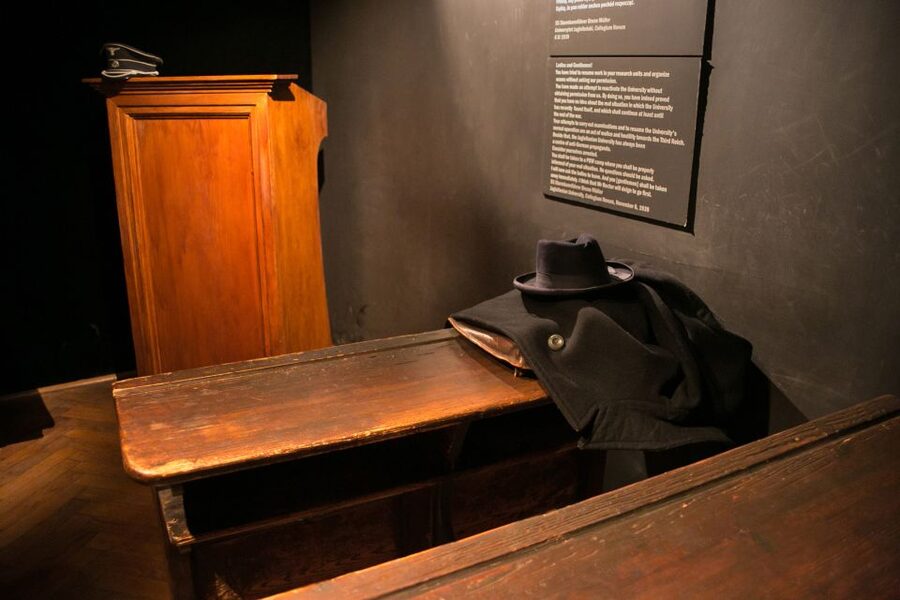
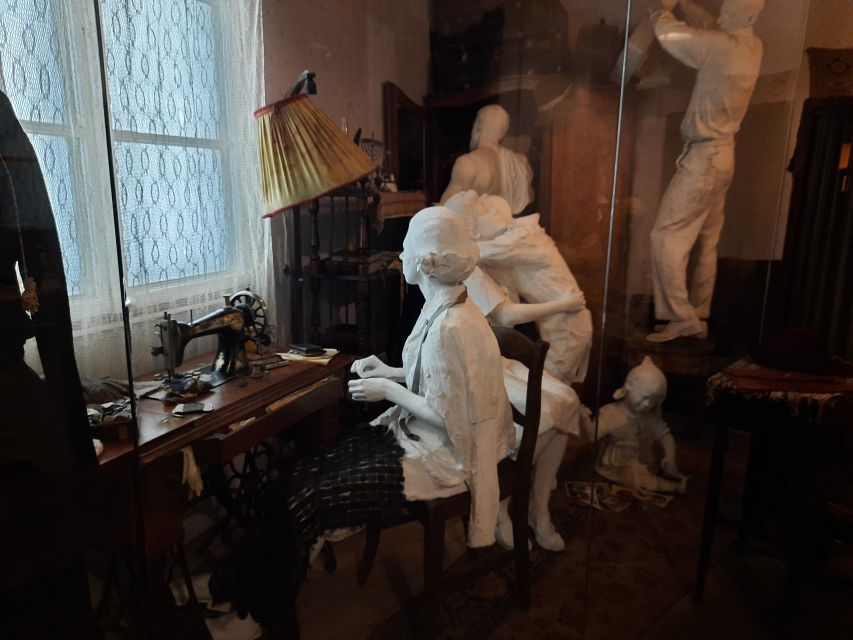
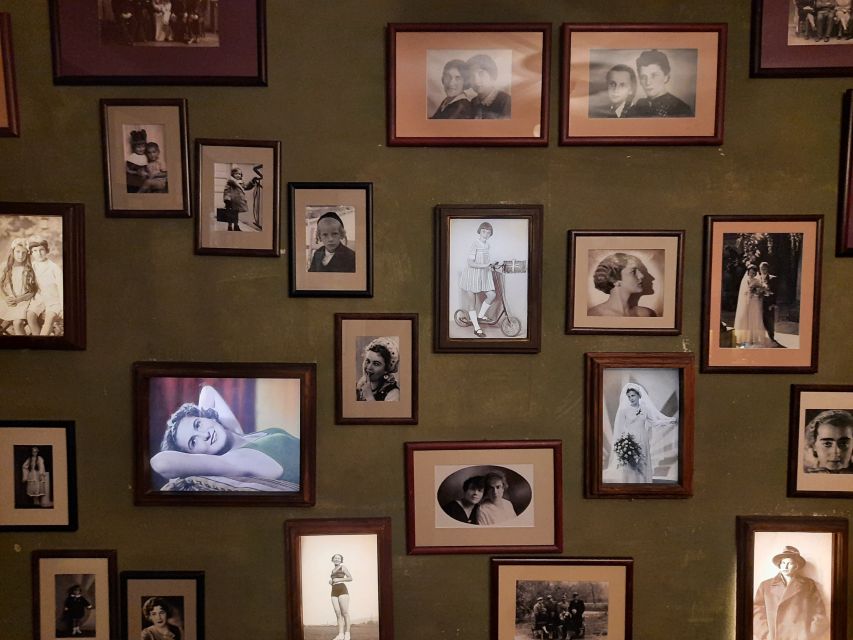
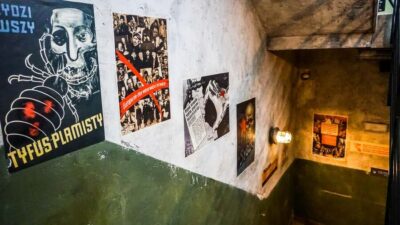
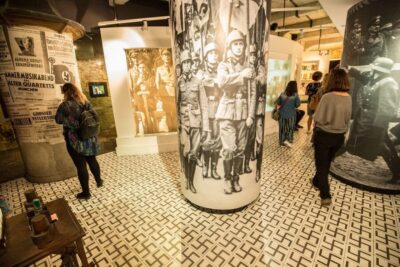
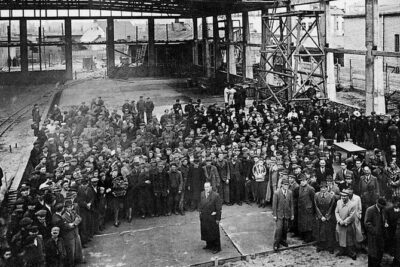
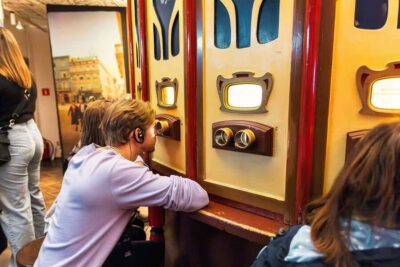
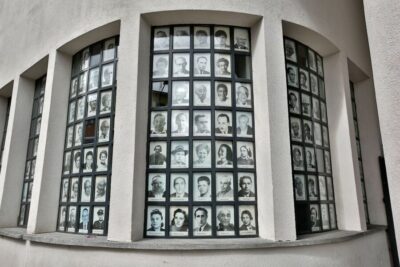
The exhibition leans on more than text panels. You’ll encounter original artifacts and photographs, plus carefully arranged reconstructions that help you understand the environment people were forced to live in. Some rooms feel deliberately constrained, which can make you physically aware of how limited choice and movement became during the occupation.
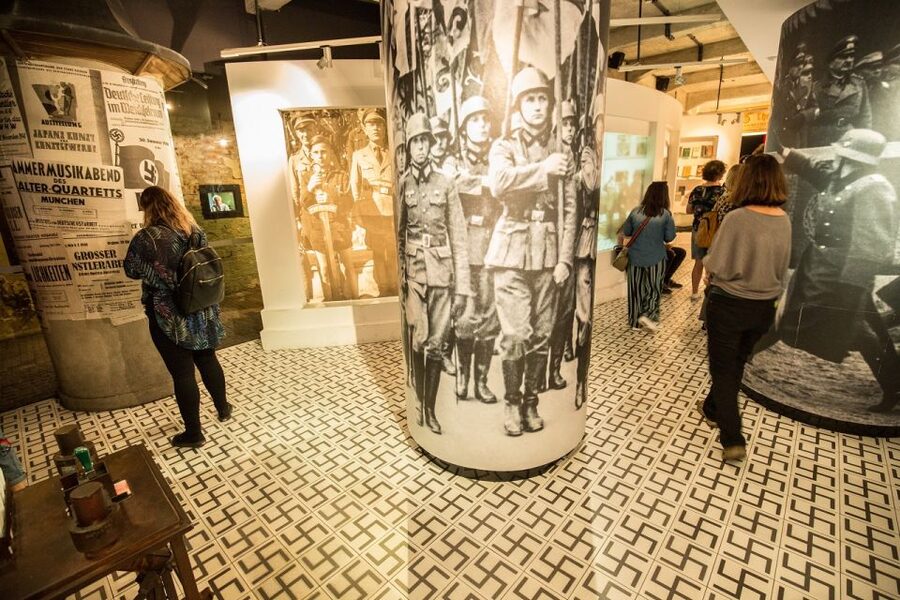
One detail that stands out in the experience is how the museum uses physical effects to make you pay attention to your surroundings. In feedback from past tours, guides have pointed out small design choices, like unusual floor textures, as part of the exhibition’s symbolic language. You don’t need to read every label to get the meaning, but you do benefit from having someone explain what the museum is trying to make you notice.
A good guide also helps you separate the emotional impact from the factual timeline. You should come away understanding that the story is not just about one heroic act. It’s about a system that tightened control step by step, and how people tried to survive inside it.
Below are the other Krakow trips we have logged
- Krakow to Auschwitz Birkenau Guided Tour with Transfer and Ticket★ 5.0 · 8,197 reviews
- Krakow: Wieliczka Salt Mine Fast-Track Ticket & Guided Tour★ 4.5 · 5,872 reviews
- Auschwitz Birkenau Guided Tour with Ticket Hotel Pickup Small Van★ 5.0 · 4,769 reviews
- From Krakow: Wieliczka Salt Mine Tour & Skip the Line Ticket★ 4.4 · 3,925 reviews
- Krakow: Oskar Schindler’s Factory Entry Ticket & Guided Tour★ 4.2 · 3,793 reviews
Schindler’s Story in Context, Not in Isolation
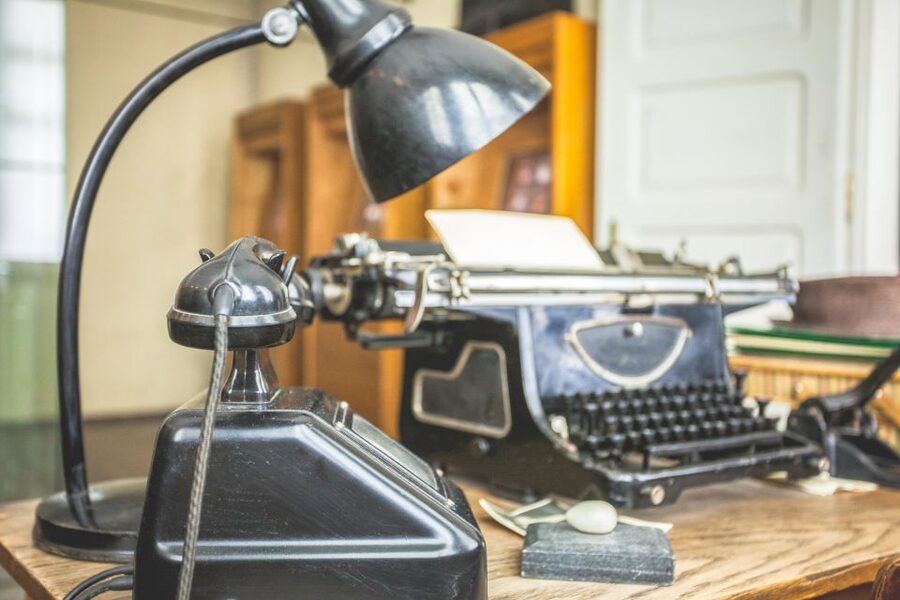
It’s called Schindler’s Factory for a reason, but the tour’s structure is also honest about emphasis. Many people come thinking the museum will be mostly about Oskar Schindler himself and his factory. In practice, your guide puts Schindler’s role inside the broader story of occupation in Krakow.
You’ll hear about Schindler and learn that his factory provided refuge to more than a thousand Jewish workers. You may also see parts related to Schindler’s office within the museum. But the core teaching focus stays on Krakow during the war, including how the city’s Jewish residents were targeted and how non-Jewish residents were affected too.
That balance is why this tour works even if you’ve heard of Schindler already. You end up with a more complete framework: persecution and deportation policies, the ghetto reality, and the daily pressure that shaped choices. In other words, you understand why Schindler’s actions mattered, without losing sight of the scale of what was happening around him.
The Guide Matters: What Makes the Tour Feel Personal
This experience lives or dies on the person leading it. The strongest pattern in the feedback is that guides bring clarity and strong storytelling, often using personal angles. Several specific guide names come up repeatedly, including Anna, Helena, Kinga, Joanna, Agnieszka, Dominique, and Ivana. If you’re lucky enough to get one of these guides, the tour can feel like a guided conversation through history rather than a museum recitation.
Guides also tend to explain not only the what, but the how and the why. Some mention added context from conversations with people connected to those wartime stories, including accounts tied to those who were saved. That kind of detail can make the museum’s emotional weight feel more grounded, because it connects the exhibition’s objects to real human outcomes.
Also, if your language is English, German, Italian, Spanish, or French, this tour runs in one language per group. That keeps the flow tight and avoids the half-translated chaos that can happen in mixed-language settings.
Group Size, Headsets, and the Pace Inside Tight Rooms
The museum rules limit group size to a maximum of 25 participants. That’s a decent cap for a museum with narrow corridors, and it’s where headsets help. If your group has 15 or more people, you’ll get headsets, which can reduce the pressure of listening over crowd noise.
Still, keep expectations realistic. This is not a slow, quiet visit where you can linger at every photograph. The tour moves with purpose, and the museum itself can be busy. A common drawback in feedback is that the museum’s tight spaces and the group pace can limit how much time you have to absorb displays on your own.
So if you’re the type who wants to stop and stare for ten minutes at a time, this tour might feel like it’s rushing you. The fix is simple: treat this as the guided foundation, then plan a return visit later if your schedule allows.
Price and Value: Is $49 Worth It?
At about $49 per person for 90 minutes, the price is fair when you look at what you’re getting. You’re not just paying for a ticket to the museum. You’re paying for a licensed expert guide, plus skip-the-line admission to one of Krakow’s most popular museums.
Here’s how I’d measure value for your trip:
- The skip-the-line piece matters in a city where this museum is always in demand.
- The guide matters because the exhibition is designed with atmosphere and layout. Without context, it’s easy to miss the story the museum is trying to build.
- The time length is ideal for a first pass. Ninety minutes gives you a strong overview without swallowing half a day.
If you already read every label, love independent museum wandering, and don’t need structure, you might prefer doing it solo. But if you want the exhibition explained in a clear order, and you want to get more out of the cramped design, the guided format usually feels like the better buy.
Meeting Point and Timing That Actually Work
The meeting point can vary depending on which option you booked, so check your specific confirmation details. The key rule is simple: arrive about 10 minutes early. Once the group departs, latecomers won’t be able to join, and tickets can’t be refunded.
Also note that tour times are approximate and may change due to museum scheduling. You can choose a preferred time, but the exact moment isn’t guaranteed. For a smooth day, I’d keep your other plans flexible around your tour window.
One more practical requirement: because tickets are personalized, you need to provide the names of all participants during booking. Bring your ID document, and make sure the name on your ticket matches the name on your ID, since museum staff do identification checks.
Building the Best Day in Krakow Around This Tour
Schindler’s Factory is emotionally intense. I like pairing it with a lighter follow-up so your brain can process what it learned. If you’re adding other Krakow stops the same day, leave extra time afterward for a walk and a café break.
What helps most is timing. If you do this early, you’ll carry the historical context with you as you see the rest of the city. If you do it later, you get a clearer sense of how the city’s past explains the present. Either way, plan for quiet time after the tour, because this museum tends to stay with you.
Should You Book This Tour?
Book it if you want a guided, time-efficient way to understand Krakow under Nazi occupation, and if you appreciate how exhibition design can shape your reaction. The skip-the-line access, plus a licensed guide, is the practical combo that makes the museum feel understandable rather than overwhelming.
I’d skip this specific tour or adjust your expectations if you strongly prefer slow solo museum time, because the tour is structured and the rooms can feel tight and busy. In that case, you could consider visiting the museum independently instead, or do this as your first pass and plan extra free time later.
If you’re deciding today, my recommendation is simple: for most first-time visitors, the guided format at Schindler’s Factory is the best way to get the most meaning from a difficult place.
More Tours in Krakow

More Tour Reviews in Krakow
The Schindler Factory, Other Ways In



Recently written up around Krakow

More Oskar Schindler Factory Tours.
 ★ 4.2Oskar Schindler’s Factory Entry Ticket & Guided TourFrom $353,793 reviews
 ★ 4.4Schindler’s Factory Skip-the-Line TicketFrom $253,105 reviews
 ★ 4.6Schindler’s Factory Tour with Entrance TicketFrom $401,737 reviews
 ★ 4.5Schindler’s Factory in Krakow: Guided Tour & Skip the Line TicketFrom $351,714 reviews
 ★ 4.7Schindler’s Factory & Ghetto Guided TourFrom $571,694 reviews
 ★ 4.3Schindler’s Factory Ticket with Guided Tour OptionFrom $421,485 reviews
 ★ 4.0Krakow Schindler’s Factory Guided Tour with Admission TicketFrom $351,156 reviews
 ★ 4.1Schindler’s Factory Guided Tour with Entry TicketFrom $25976 reviews
Also on these Poland lists