
REVIEW · OSKAR SCHINDLER FACTORY TOURS
Krakow: Schindler’s Factory & Ghetto Guided Tour
Krakow history can feel close enough to touch. This 3-hour tour connects Schindler’s Enamel Factory museum with a guided walk through the wartime Krakow ghetto, including Ghetto Heroes Square and the Chair Memorial, plus the story behind Under the Eagle Pharmacy. I really like that you get expert guidance inside a museum that uses tight, dim rooms to recreate pressure and fear. I also like the way the ghetto walk ends in real places tied to deportations and rescue efforts. The main drawback is time, the rooms are small and dim, and the pace is structured, so you will not have much room for a slow, linger-and-read visit.
What makes it worth your money is the combo. You are paying for two high-impact parts in one ticket, skip-the-line museum entry with a licensed guide, then a focused walking route that keeps the story moving through key sites. If you expect to see factory machines running, adjust your expectations, this is a museum today, not an operating facility.
In This Review
- Key Highlights You Should Know Before You Go
- Why Schindler’s Factory Feels Different Than a Usual Museum Stop
- Getting the Most From the Guided Format (and Why It Matters Here)
- Inside Schindler’s Enamel Factory: What the Exhibition Covers
- The Krakow Ghetto Walk: From Wall Remains to Ghetto Heroes Square
- Under the Eagle Pharmacy: Medicine, Tadeusz Pankiewicz, and Quiet Rescue
- Time, Group Size, and Why Some Rooms Can Feel Tight
- Price and Value: Is $57 Fair for 3 Hours?
- Who This Tour Fits Best (and Who Might Want Another Option)
- Final Call: Should You Book Schindler’s Factory and the Krakow Ghetto Tour?
- FAQ
- How long is the Krakow Schindler’s Factory and Ghetto guided tour?
- What does the tour cost?
- What is included in the tour price?
- Where do I meet the guide?
- Which languages are available?
- Do I need to arrive before the tour begins?
- Does the tour run in bad weather?
- Is hotel pickup or food included?
- From 2026, do I need to provide participant names for entry?
- Can I cancel and get a full refund?
Key Highlights You Should Know Before You Go
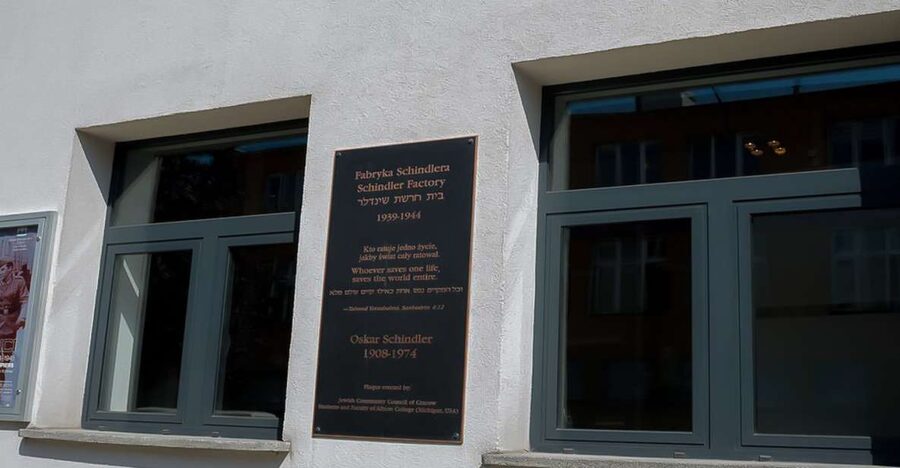
- Skip-the-line admission to Schindler’s Factory so you do not waste your limited time in Krakow waiting at the counter.
- Krakow under Nazi Occupation 1939-1945 shown through narrow, dimly lit rooms designed to make you feel confined.
- A walking route that starts at the Ghetto Wall remains and builds toward the emotional center of Ghetto Heroes Square.
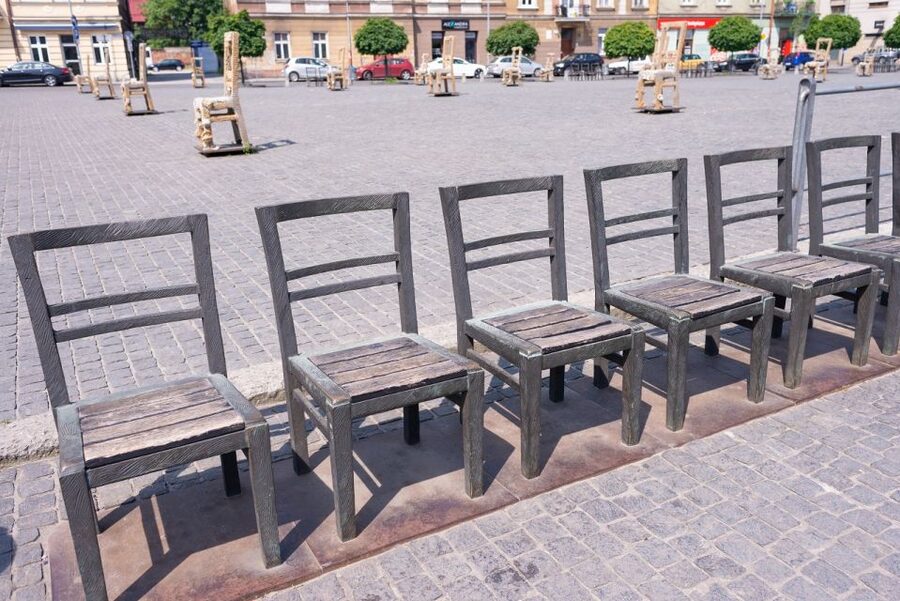
- The Chair Memorial, where each chair symbolizes lives lost during deportations to extermination camps.
- The story behind Under the Eagle Pharmacy and Tadeusz Pankiewicz’s work to keep medicine available in a collapsing world.
Other reviewed ways into the Schindler factory museum
- Krakow: Oskar Schindler’s Factory Entry Ticket & Guided Tour
★ 4.2 · 3,793 reviews - Krakow: Schindler’s Factory Tour with Entrance Ticket
★ 4.5 · 3,182 reviews - Krakow: Schindler’s Factory Tour with Entrance Ticket
★ 4.6 · 1,737 reviews - Schindler’s Factory in Krakow: Guided Tour & Skip the Line Ticket
★ 4.5 · 1,714 reviews
Why Schindler’s Factory Feels Different Than a Usual Museum Stop
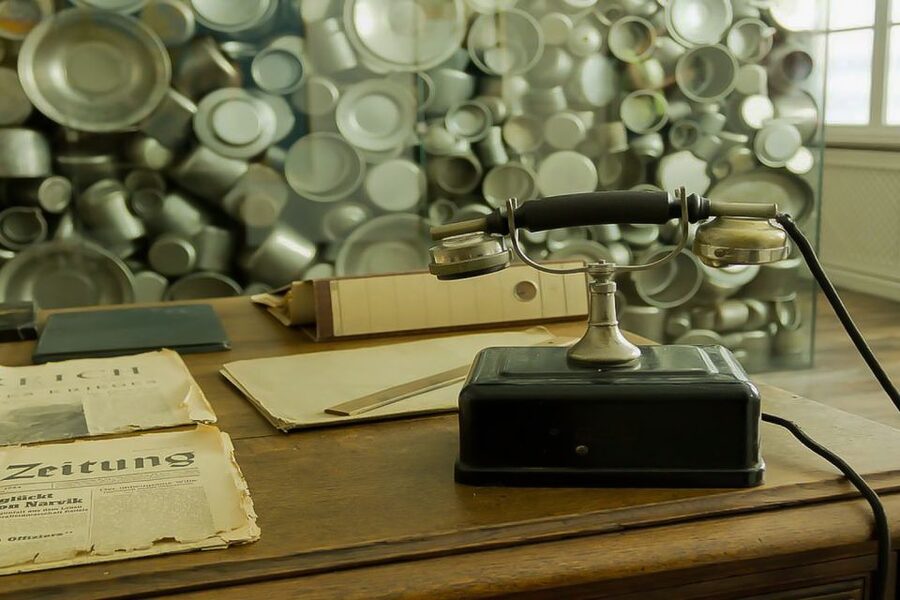
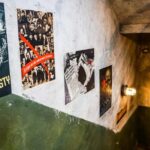
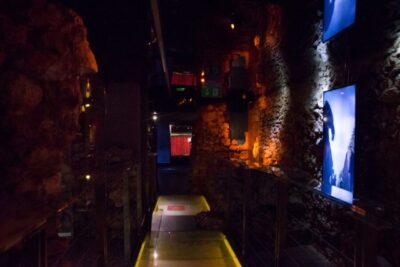
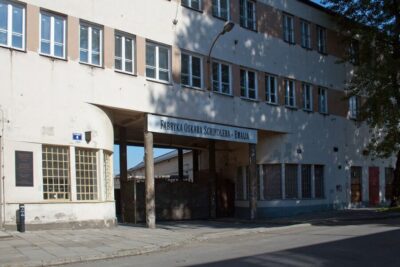
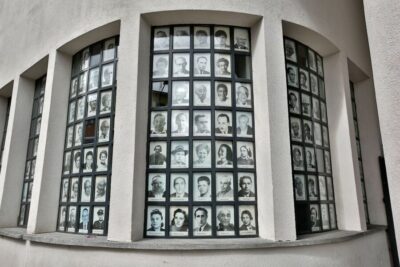
Schindler’s Factory in Krakow is not a museum you zip through. It is set up to make the history feel physical. The exhibition is housed in Oskar Schindler’s former enamel factory, so the setting already carries weight. But the biggest “wow” factor is how the galleries are arranged: narrow corridors, dim lighting, and rooms that can feel deliberately confining. That design choice matters, because it turns dates and names into something more like lived pressure.
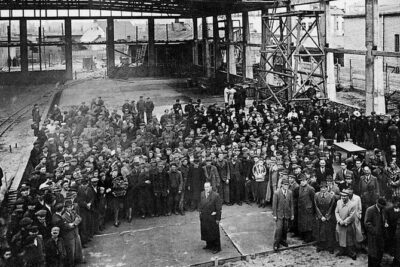
You also get more than Schindler the man. The exhibit focuses on Krakow under Nazi occupation, showing how the war changed daily life for Jewish residents and non-Jewish residents as well. You see the transformation of a whole city, not just one heroic side story. That balance is why the museum lands so hard.
One practical note helps you enjoy it more. The building once housed the factory, but today it is a museum without original machinery. If you walk in expecting a working industrial site, you may feel a little whiplash. On the plus side, you are spared the noise of a functioning factory layout. Instead, your attention stays on the exhibition materials, photographs, artifacts, and reconstructions.
Getting the Most From the Guided Format (and Why It Matters Here)
This tour is built around a live licensed expert guide, and that is not a small detail. Museums like this are information-heavy, and without context, you can end up reading labels but missing the “why.” With a guide, you get a guided storyline that connects separate rooms into one timeline and one set of themes.
You should also know the tour runs in one language per group. Options include Italian, English, French, Spanish, and German, but you cannot mix languages within the tour. This is helpful because the guide can keep the pacing and explanations tight.
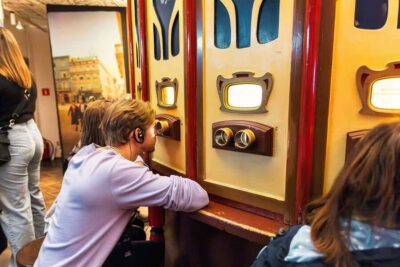
Audio is handled well in practice, and you will likely find it easier to follow in the museum’s tight spaces than you might on your own. Several guides are praised for using a microphone the whole way around, with clear audio that lets you listen without straining. That matters when you are standing in dim rooms while a group shuffles forward.
Pace is another big factor. The tour is only 3 hours. Inside the museum you do not get unlimited “read every plaque” time, which is exactly why the guide’s role is so important. If you want slow viewing, plan something else too. You may still love the guided version, but you might also want to return later for unhurried time.
Finally, arrive early. You are asked to be at the meeting point 10 minutes before the tour starts. Once the group departs, latecomers cannot join, and tickets cannot be refunded. That rule is strict because entry is timed, and the museum visit is controlled by guided scheduling.
Inside Schindler’s Enamel Factory: What the Exhibition Covers
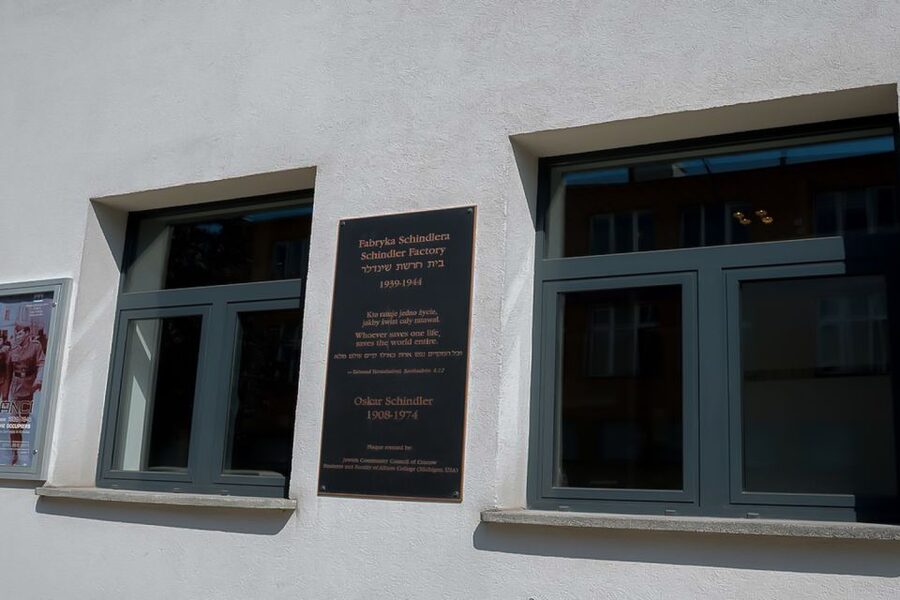
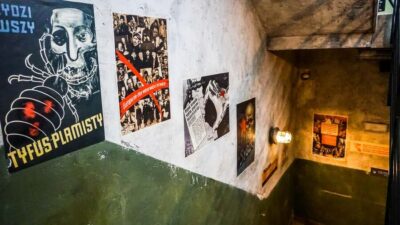
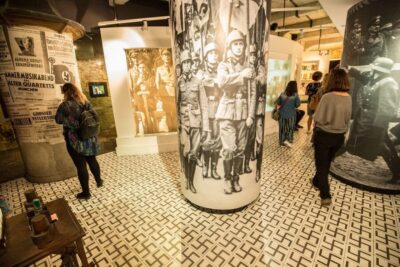
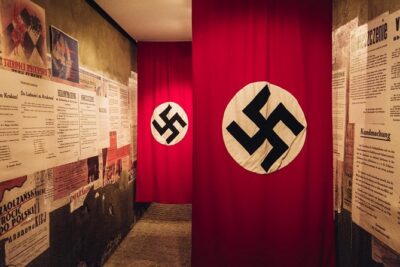
The museum stop centers on the exhibition Krakow under Nazi Occupation 1939-1945. You start in a setting that was once part of Schindler’s industrial world, then you move into the reality of occupation. The guide walks you through themes like persecution, forced control, deportations, and the way everyday people tried to survive.
A key strength here is that the story is not limited to one race, one faction, or one kind of victim. The exhibition highlights how the occupation reshaped daily life for Jewish residents and non-Jewish residents. That helps you understand that the ghetto system and Nazi policies did not exist in isolation from the rest of Krakow. The war pressed on everyone in different ways.
As the tour progresses, you also get the story of Oskar Schindler and why his factory became refuge for more than a thousand Jewish workers. Importantly, the tour frames Schindler’s story inside the wider scale of tragedy, so you are not left with a simplified hero narrative. You learn how individual actions mattered, but also how massive, coordinated persecution was.
What you will likely notice while walking through the galleries is how deliberately the exhibition space controls your movement. Narrow, dim corridors can reduce your ability to “wander.” That is a feature, not a bug, because the goal is to recreate uncertainty and fear. For many people, that is the point where the museum stops being abstract.
The Krakow Ghetto Walk: From Wall Remains to Ghetto Heroes Square
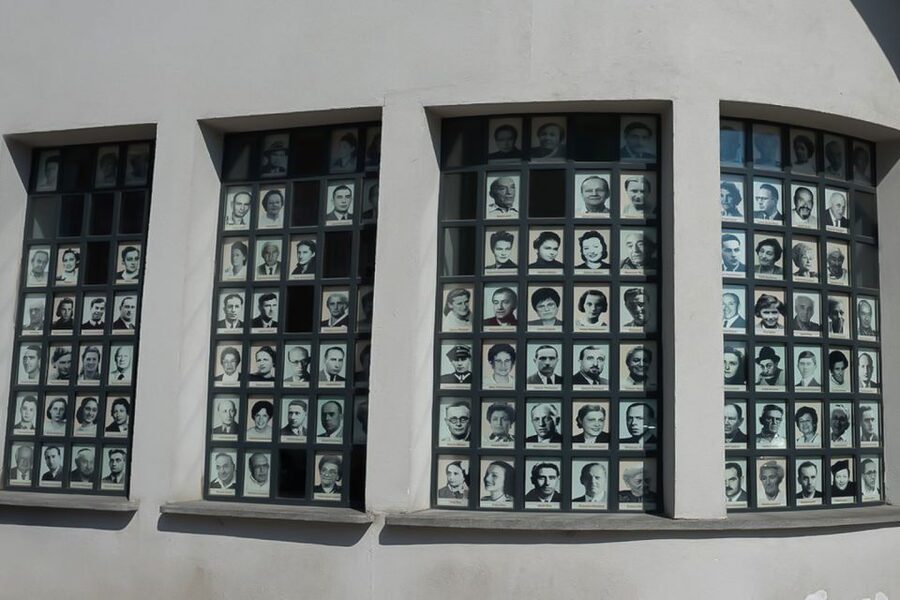
After the museum, the tour shifts from interior exhibits to outdoor landmarks, and that change helps the story land. You start with the remains of the Ghetto Walls, a stark reminder that the ghetto was not a concept. It was physical confinement, built into the city’s geography.
From there, you continue to Ghetto Heroes Square, described as the heart of the ghetto, and historically tied to deportations to extermination camps. This is the part of the tour that tends to feel the most emotionally direct. It is one thing to understand persecution in a classroom way. It is another to stand in a named space that holds that memory.
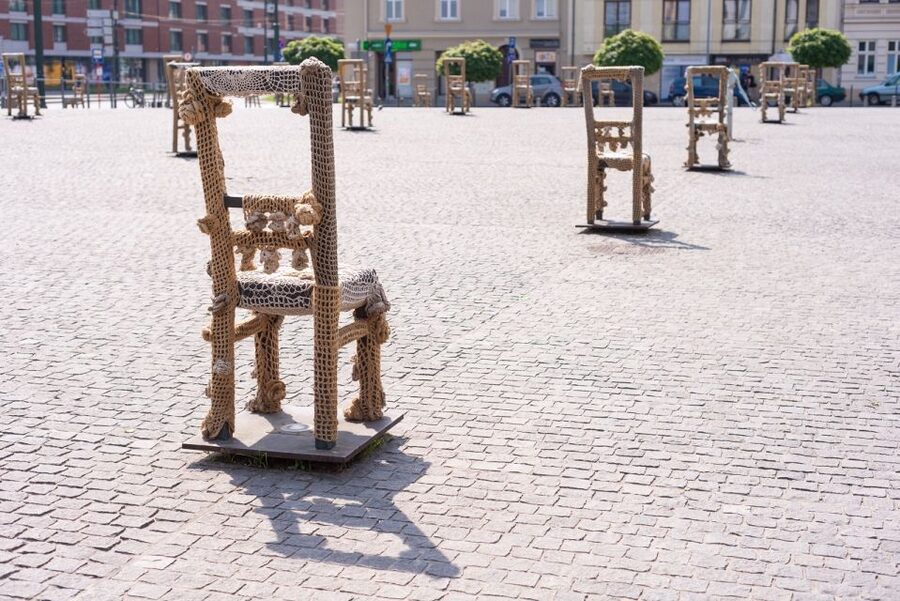
In the middle of the square is the Chair Memorial. The chairs symbolize lives lost. This memorial is not just decorative. It is a way to mark absence, which is why it can hit you harder than you expect.
You also get a guided reading of the space, so you understand what you are seeing and why it matters. That reduces the risk of the walk turning into a photo stop. You are there for context, and the guide keeps the sites connected to the broader story of what happened in Krakow.
Further Jewish heritage and ghetto routes documented in Krakow
- Krakow: Schindler’s Factory & Ghetto Guided Tour★ 4.7 · 1,694 reviews
- Krakow: Bike Tour of the Old Town, Kazimierz, and the Ghetto★ 4.9 · 350 reviews
- Krakow: Jewish Ghetto Walking Tour★ 4.6 · 349 reviews
- Krakow: Jewish Quarter and Ghetto Electric Golf Cart Tour★ 4.6 · 348 reviews
- Krakow: Schindler’s Factory and Jewish Ghetto Guided Tour★ 4.6 · 124 reviews
Under the Eagle Pharmacy: Medicine, Tadeusz Pankiewicz, and Quiet Rescue
One of the most specific and memorable stops on this tour is Under the Eagle Pharmacy. The story centers on Tadeusz Pankiewicz and his staff, who aided ghetto residents and helped preserve medicine and hope.
This is valuable because it shifts the emotional tone from pure confinement to fragile, practical resistance. When people imagine wartime courage, they often picture dramatic acts. Here, you get something more grounded: keeping supplies and care available under impossible conditions. It helps you see survival as more than endurance. It includes what people managed to protect.
If you are paying attention, you will also pick up how this stop ties into the ghetto’s larger collapse. Medicine is not a side detail. In a pressured environment with shortages and fear, it becomes part of the line between living and dying.
The guide’s explanation matters here too. Without it, you might see a historic storefront. With it, you understand why this specific location mattered to people trying to stay alive day by day.
Time, Group Size, and Why Some Rooms Can Feel Tight
This tour uses narrow corridors inside the museum and a walking route outdoors, and both parts are structured. That structure is what helps you cover a lot in 3 hours. It also affects comfort.
Some groups can be around 20 people, and the museum rooms are small. That means you might not have easy space to step aside and read everything at your own speed. One recurring tip is simple: if you want a slower, more private museum visit and extra time for photos, consider visiting the museum on another day too.
Still, most people seem to feel the guide compensates for the space limits by explaining what you are looking at and connecting it back to the war story. Guides named across different departures, such as Fil, Alexandra, Joanna, Phil, Alice, Anna, Eva, Helena, Magdelena, and Alicja, are often praised for how they handle the emotional weight while keeping the information organized.
A short break is built into the flow, and it can be a big deal in colder months. You may want that time for a restroom stop and a warm drink, especially if you dress lightly.
Price and Value: Is $57 Fair for 3 Hours?
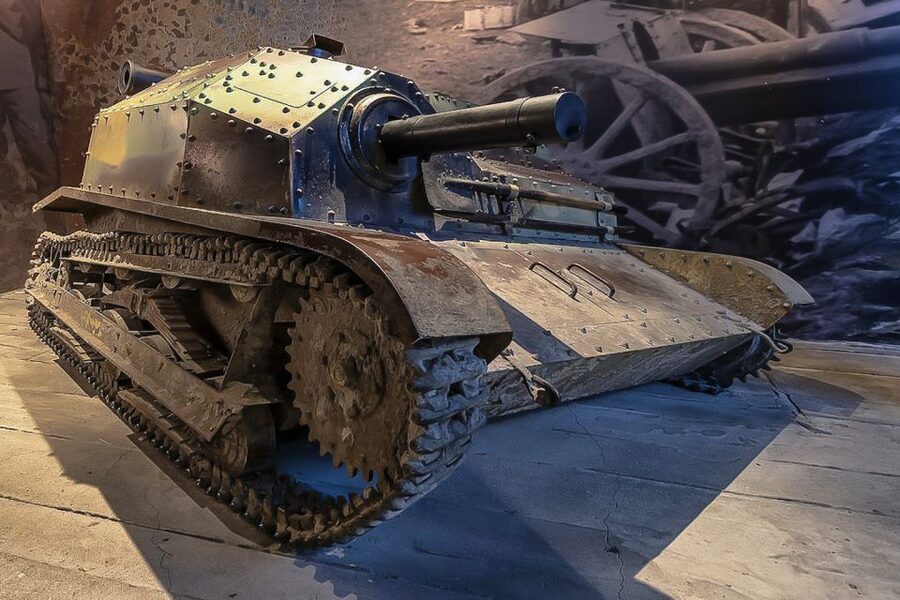
At $57 per person for 3 hours, you are paying for two major things in one package: museum entry with skip-the-line access and a guided ghetto walking tour. That value stands out because you do not just buy tickets. You buy interpretation from a licensed guide, plus a route that takes you to the right sites in the right order.
The tour also saves you time in a practical way. Skip-the-line admission to Schindler’s Factory matters in a popular museum. In Krakow, when you only have a few hours, reducing waiting is real value.
What is not included is also important. Food and drinks are not included, and there is no hotel pickup or drop-off. So you should plan on a separate meal or snack before or after. If you hate rushing to find food between museum and walking stops, give yourself a buffer.
Who This Tour Fits Best (and Who Might Want Another Option)
This tour fits best if you want context, not just sightseeing. It is ideal for people who like guided explanation and who appreciate a clear storyline connecting museum themes to the real geography of the ghetto.
It is also a good choice for first-timers to this subject in Krakow. The museum provides the broad occupation narrative, then the ghetto walk anchors it to specific places like the Ghetto Walls remains, Ghetto Heroes Square, and Under the Eagle Pharmacy.
If you are looking for a light, casual, “feel good” afternoon, this will not be that. It deals directly with persecution, deportations, and memory of wartime suffering. You should choose it because you want to learn and reflect, not because you want distraction.
If you strongly prefer self-guided museum time, you might find the fixed tour pace limiting. In that case, pair it with a second solo visit later, when you can slow down.
Final Call: Should You Book Schindler’s Factory and the Krakow Ghetto Tour?
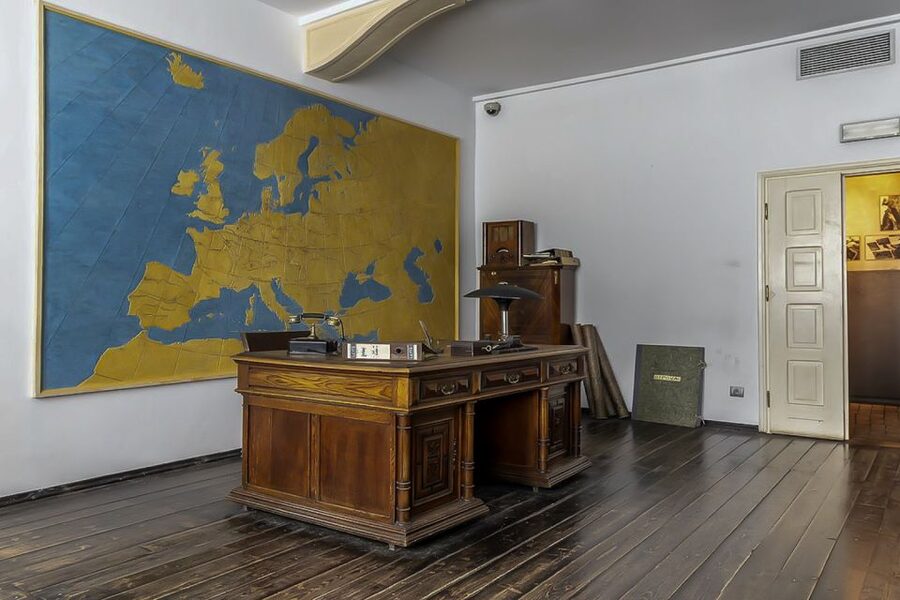
Yes, I would book it if you want the best use of a short Krakow window and you value an expert guide to make sense of a heavy museum. The combination is the win: Schindler’s Enamel Factory museum gives the framework, then the walking tour puts that framework onto real sites like Ghetto Heroes Square and Under the Eagle Pharmacy.
I would think twice if you need lots of quiet time to read at your own pace, or if you are traveling with someone who cannot handle emotionally intense historical material. In those cases, you may still learn a lot, but you might feel rushed or overwhelmed.
If your goal is meaningful, guided learning in a compact 3-hour slice, this is a strong choice.
FAQ
How long is the Krakow Schindler’s Factory and Ghetto guided tour?
The tour lasts 3 hours.
What does the tour cost?
The price is listed as $57 per person.
What is included in the tour price?
It includes a guide, skip-the-line admission to Schindler’s Factory, and a walking tour of Krakow’s ghetto.
Where do I meet the guide?
Meet the guide in front of the main entrance to the Schindler’s Factory Museum, on the right-hand side. The guide will hold an excursions.city sign.
Which languages are available?
The live tour guide is available in Italian, English, French, Spanish, and German.
Do I need to arrive before the tour begins?
Yes. Arrive 10 minutes early. Once the group departs, latecomers cannot join and tickets cannot be refunded.
Does the tour run in bad weather?
Yes. The tour goes ahead in all weather, rain or shine.
Is hotel pickup or food included?
No. Hotel pickup and drop-off are not included, and food and drinks are not included.
From 2026, do I need to provide participant names for entry?
Yes. From January 1, 2026, the tour uses personalized tickets, so you must provide the names of all participants during booking, or entry may be denied.
Can I cancel and get a full refund?
There is free cancellation. You can cancel up to 24 hours in advance for a full refund.
More Tour Reviews in Krakow

Jewish Heritage and Ghetto Routes in Krakow


The Schindler Factory, Other Ways In


Recently written up around Krakow

More Oskar Schindler Factory Tours.
 ★ 4.2Oskar Schindler’s Factory Entry Ticket & Guided TourFrom $353,793 reviews
 ★ 4.5Schindler’s Factory Tour with Entrance TicketFrom $493,182 reviews
 ★ 4.4Schindler’s Factory Skip-the-Line TicketFrom $253,105 reviews
★ 4.6Schindler’s Factory Tour with Entrance TicketFrom $401,737 reviews
★ 4.4Schindler’s Factory Skip-the-Line TicketFrom $253,105 reviews
★ 4.6Schindler’s Factory Tour with Entrance TicketFrom $401,737 reviews
 ★ 4.5Schindler’s Factory in Krakow: Guided Tour & Skip the Line TicketFrom $351,714 reviews
 ★ 4.3Schindler’s Factory Ticket with Guided Tour OptionFrom $421,485 reviews
 ★ 4.0Krakow Schindler’s Factory Guided Tour with Admission TicketFrom $351,156 reviews
 ★ 4.1Schindler’s Factory Guided Tour with Entry TicketFrom $25976 reviews
Also on these Poland lists