
REVIEW · MUSEUMS
Krakow: The Ethnographic Museum ticket
One ticket, and suddenly Krakow feels more lived-in. The Krakow Ethnographic Museum takes you into Town Hall rooms packed with Polish folk art, and then sends you into a different mood in Esterka’s House. I like that it’s self-guided, so you can linger where a detail grabs you instead of rushing through a script.
Two things I really like: the museum is very well organized across multiple floors, and the final rooms with paintings and sculptures can feel like a late-arriving favorite. The only drawback to plan around is that you do not get a guide included, so you’ll want to read labels closely if you want the deeper context.
In This Review
- Key points before you go
- Seweryn Udziela’s 1911 idea, and why it still works
- Town Hall exhibition: Polish folk culture in Krakow’s center
- Esterka’s House and the vaulted cellar for temporary displays
- How the collection size shapes your self-guided pacing
- What the museum is really teaching you about folk culture
- Photography rules and smart viewing habits
- Price and value: why $4.81 is a good deal for a real museum
- Who should book this museum ticket?
- Should you book the Krakow Ethnographic Museum ticket?
- FAQ
- Where is the Krakow Ethnographic Museum located?
- What does the ticket include?
- What will I see inside the museum?
- How long should I plan for this visit?
- Do I get a guide with the ticket?
- Can I take photos with flash?
- Is there anything besides folk displays?
- How much does it cost?
Key points before you go

- Town Hall exhibition focuses tightly on Polish folk culture.
- Esterka’s House adds variety with temporary displays in a vaulted cellar.
- Seweryn Udziela’s 1911 vision explains why folk culture mattered at the turn of the 20th century.
- About 80,000 showpieces means you can see a lot, or only the best highlights, your call.
- No flash photography, so expect normal museum lighting and slower viewing.
Seweryn Udziela’s 1911 idea, and why it still works

The Ethnographic Museum in Krakow was created in 1911 on the initiative of Seweryn Udziela, a teacher, amateur-ethnographer, and collector. That mix is important. This is not a dusty museum that only worships old objects. It’s a museum that started with curiosity and the urge to save everyday culture before it disappeared.
Udziela’s focus helps you understand what you’re seeing. The collection aims to protect peasant culture from Krakow and show how artists were drawn to the energy of folklore. At the turn of the 20th century, folklore wasn’t treated as something small or silly. It was seen as an antidote to stagnation and cultural crisis among Polish intelligentsia. That theme gives the museum a backbone. Even if you only read parts of the labels, you’ll feel a message running through the rooms: folk life mattered.
Also, the scale is real. The museum’s exhibitions consist of around 80,000 showpieces, mostly from the end of the 19th century and the early 20th century. For you, that means this is a proper museum visit, not a quick stop. It rewards patience.
Town Hall exhibition: Polish folk culture in Krakow’s center
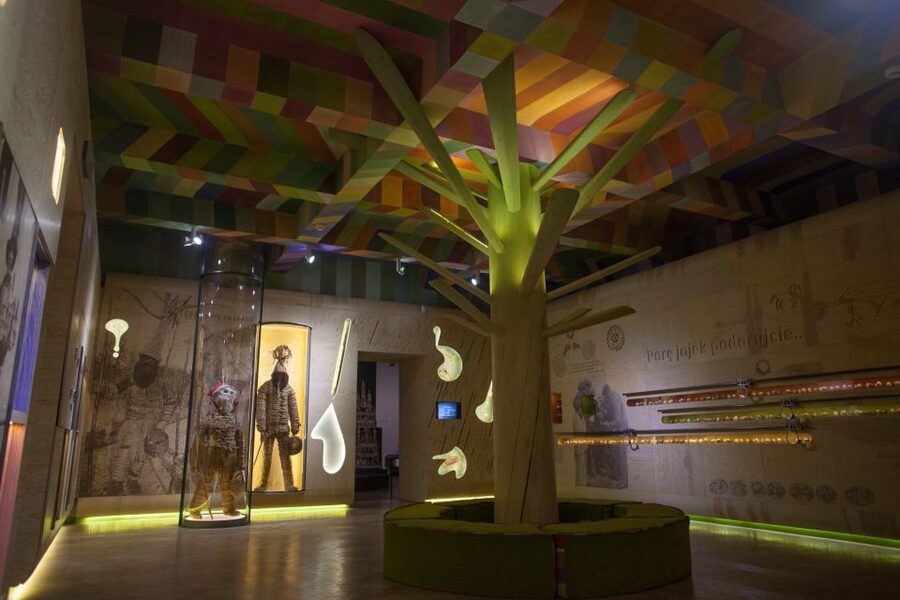
The Town Hall section is where I’d aim your first visit energy. It’s designed as the museum’s folk-culture entry point, so it helps you get oriented fast. You’ll see exhibits that highlight Polish folk life and the artistic approach to traditional themes during the early 1900s.
What makes this section valuable is the way it sets context. Folk art is not just decorative here. It’s presented as cultural expression, shaped by how people lived and worked. If you like learning how ordinary life influences design, textiles, visual motifs, and subject matter, this is the best place to start.
A practical note: since you’re on your own (no guide included), you’ll get more out of Town Hall if you do a two-pass strategy. First pass, walk and pick what catches you. Second pass, slow down and actually read what you chose. You’ll understand more, and you won’t feel like you’re studying everything.
Esterka’s House and the vaulted cellar for temporary displays
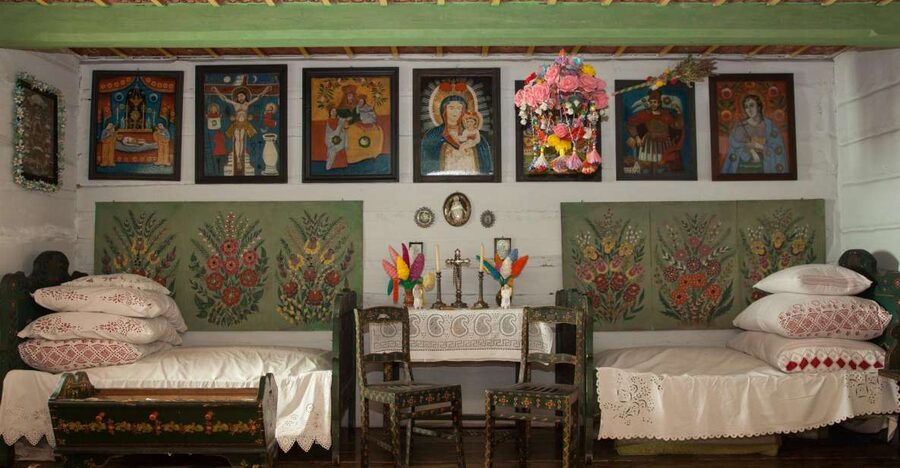
After Town Hall, Esterka’s House changes the feel of your visit. This second building includes temporary displays, and they’re housed in a beautifully-vaulted cellar. The setting matters. A cellar makes objects feel grounded, and it gives the temporary exhibits a “special occasion” feeling even when you are just buying a ticket and walking in.
Because these displays are temporary, this is where you’ll likely find variety compared with what you expected. You might come in thinking you’re seeing a consistent core collection, then realize this part can shift over time. That’s good for repeat visits, but even for one visit it keeps the museum from becoming monotonous.
This is also a helpful place to reset your attention span. If you start flagging, the cellar setting plus the temporary focus can re-activate your curiosity. You stop looking at the room as a museum space and start looking at what the exhibit is trying to emphasize.
How the collection size shapes your self-guided pacing
With roughly 80,000 showpieces across the exhibitions, you cannot see everything unless you plan a long day. That’s not a bad thing. It’s freedom. You can build a visit that matches your interest level.
Here’s a pacing idea that works well for most people:
- Start with Town Hall to learn the bigger story of Polish folk culture.
- Move on to Esterka’s House for temporary displays in the cellar, which can feel like a change of pace.
- In between, spend extra time in whichever part holds your attention, especially if you like art objects and sculptural work.
One more detail that matters: the museum is described as very well organized on several floors. That matters for your energy. You won’t be constantly guessing where to go next. You can keep your momentum instead of losing time in confusion.
Also, the last portion of the museum, where you’ll find paintings and sculptures, can be a standout even if you didn’t expect it. If you’re tempted to rush the end, don’t. Give yourself time to reach those rooms, because that’s when the visit can “click” for many people.
What the museum is really teaching you about folk culture
The Ethnographic Museum doesn’t just present objects. It connects them to ideas about culture and identity. A key theme is that artists found folklore alive and useful, not stale. They saw it as a way to counter cultural stagnation in Poland around the turn of the 20th century.
So when you look at motifs or craft-related details, try thinking one step beyond aesthetics. Ask yourself what the object suggests about daily life, beliefs, or community style. Folk culture here is treated like a living system that influenced art decisions, not a museum-only curiosity.
And because the majority of showpieces date from the late 19th century and early 20th century, you get a window into a moment when modern life was pushing and pulling against tradition. That tension is part of what makes the collection interesting. It gives you a sense of time, not just a pile of artifacts.
If you read labels carefully, you’ll notice the museum’s intention: it positions peasant culture as meaningful, and it frames folklore as an antidote to cultural crisis. If you don’t read much, you can still enjoy the craftsmanship, but your understanding will be more general. That’s why a self-guided approach works best when you choose a couple of favorite themes and follow them.
Photography rules and smart viewing habits
There’s one rule you should know before you start browsing: flash photography is not allowed. That’s typical for museums, but it changes how you take photos. You’ll rely on ambient lighting, so keep your expectations realistic. If you want crisp shots, put your camera away unless you already know the lighting in your phone or camera works.
Instead, use better habits:
- Move closer for details, especially in craft-like objects.
- Take a short break if you feel overwhelmed. With a collection this large, rest helps you see again.
- If you have limited time, prioritize rooms that match what you like most: folk art themes early, then art objects later such as paintings and sculptures.
The museum’s organization helps with this. Floors and sections are arranged so you can move efficiently without feeling like you’re constantly backtracking.
Price and value: why $4.81 is a good deal for a real museum
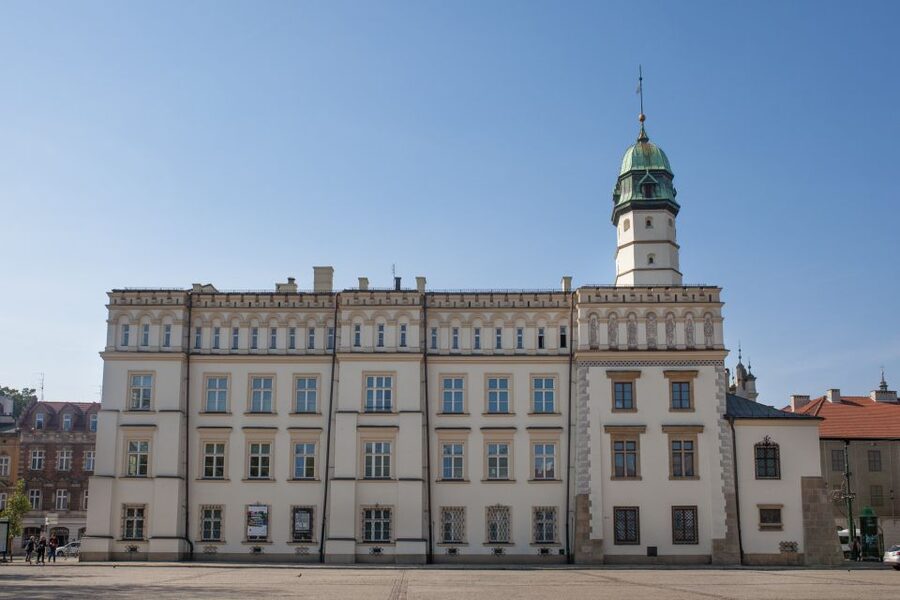
At $4.81 per person, this ticket is priced like a bargain compared with many cultural stops in Europe. But the bigger value isn’t just the cost. It’s what the ticket unlocks: a two-building experience with a large collection and multiple floors to explore.
You get entry only, and that’s actually part of the value. Without a guide included, you aren’t paying for narration you might not need. You’re paying for access to the displays and the ability to set your pace. If you enjoy museum reading and self-direction, that’s ideal.
Duration is also flexible in a practical way. The ticket is valid for 1 to 2 days, and you check availability to see starting times. If you want a short visit, you can do that by focusing on Town Hall first and then picking the best parts in Esterka’s House. If you want more time, you can come back within the validity window and see what you missed.
For value, count your time against what you get. This isn’t a quick “see one room” type of museum. With the scale of around 80,000 showpieces, you can build a meaningful visit even if you only aim for your top highlights.
Who should book this museum ticket?
This is a great match if you like cultural history that you can see and touch your eyes with. It’s also a smart choice if you care about folk art as something serious, tied to identity and creativity, not a side note.
You’ll probably enjoy it most if:
- You like museum visits where you can go at your own speed.
- You enjoy craft-related visuals, traditional themes, and early 1900s art styles.
- You want a different side of Krakow beyond churches and main squares.
- You want a cultural break during your time in Poland without spending much.
It may feel less perfect if you need a guided lecture to connect the dots. Since no guide is included, you’ll be responsible for reading labels and pulling meaning out of the exhibits. That said, the museum’s organization helps a lot. You can still make it work if you do light reading and focus on your favorite rooms.
Should you book the Krakow Ethnographic Museum ticket?
I think you should book it if you want a low-cost museum that feels organized and genuinely interesting, not a rushed “checklist item.” The strongest reason is the combination of Town Hall folk-culture focus plus Esterka’s House temporary cellar displays. You get variety within one ticket, and you can spend as little or as long as you need within the valid window.
Book it now if:
- You like art and cultural objects from the late 19th and early 20th centuries.
- You want a calm, indoor alternative when the weather is not cooperating.
- You want to spend less money while still getting a museum visit that can last.
Skip it only if you hate self-guided museums and need a tour guide to explain everything. Since entry is the only included component, you’ll get the most out of it if you’re willing to read and look closely.
FAQ
Where is the Krakow Ethnographic Museum located?
The ticket is for the Ethnographic Museum in Krakow, in the region of Lesser Poland, Poland.
What does the ticket include?
The ticket includes entry to the Ethnographic Museum.
What will I see inside the museum?
You’ll visit the Town Hall exhibition, which highlights Polish folk culture. You’ll also visit the second building, Esterka’s House, which has temporary displays in its vaulted cellar.
How long should I plan for this visit?
The ticket is valid for 1 to 2 days, and you should check availability to see starting times.
Do I get a guide with the ticket?
No. A guide is not included.
Can I take photos with flash?
No. Flash photography is not allowed.
Is there anything besides folk displays?
Yes. The museum experience includes sections with artworks such as paintings and sculptures, which can be a memorable part of the visit.
How much does it cost?
The price is $4.81 per person.
More Museums.
 ★ 4.5Auschwitz-Birkenau Museum and Memorial Guided Tour from KrakowFrom $831,510 reviews
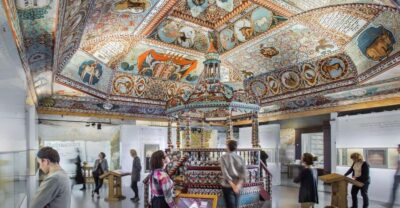 ★ 4.7POLIN Museum of the History of Polish Jews TicketFrom $121,142 reviews
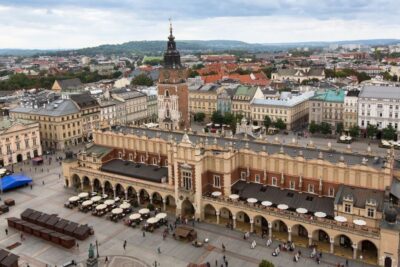 ★ 4.6Rynek Underground Museum Guided TourFrom $341,122 reviews
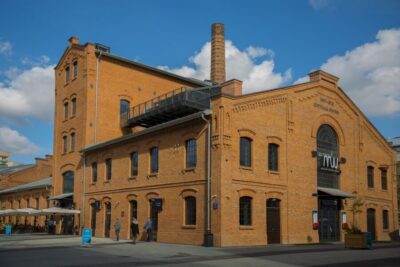 ★ 4.6Polish Vodka Museum Tour with TastingFrom $22788 reviews
 ★ 3.9Museum World of Illusion Entry TicketFrom $13666 reviews
 ★ 4.5Krakow Schindler’s Factory Museum Guided Tour in EnglishFrom $47650 reviews
 ★ 3.6Auschwitz Birkenau Museum Guided Tour with PickupFrom $8544 reviews
 ★ 4.5Museum of illusions Entry TicketFrom $20521 reviews
Also on these Poland lists