
REVIEW · POLISH FOOD AND PIEROGI TOURS
Pierogi Cooking Class with Market Shopping and Local Snacks
Pierogi are the kind of comfort food you remember. This 3-hour Krakow class pairs hands-on pierogi making with a short market stroll and a proper sit-down meal, all in a local’s apartment. Two things I really like: you get true step-by-step instruction on dough, filling, and pleating, and you also snack as you go, from seasonal cheeses and sausage to regional drinks. One possible drawback to plan for, this is a private home setting, so it’s not the kind of experience where you can quietly disappear or treat it like a fast food stop.
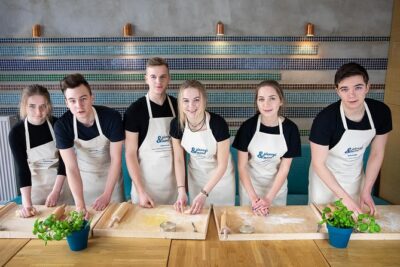
The format also keeps it calm. With a maximum of 6 travelers and small-group pacing, you can actually ask questions while you’re rolling dough, not after the class ends. The market part is a big part of the value, because you’re learning what good ingredients look like and why they matter.
One consideration: on Sundays, the experience skips the market visit, so you lose that ingredient-shopping-and-tasting segment.
In This Review
- Key Takeaways Before You Cook
- Krakow in a Kitchen, Not a Classroom
- Meeting at Grunwald, Then Getting Your Bearings
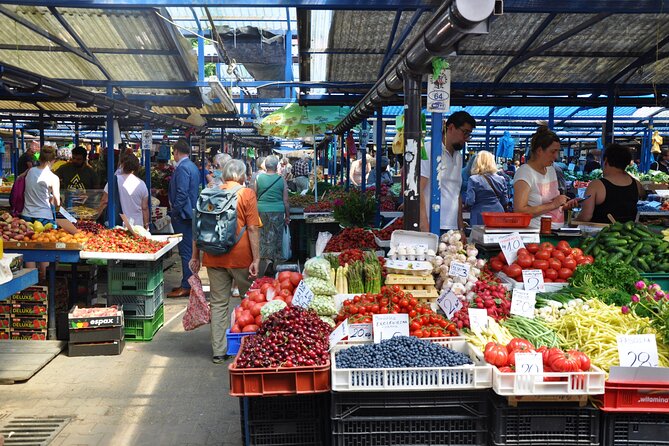
- The Market Walk: Where Ingredient Quality Becomes Real
- Snacks and Drinks in a Local’s Apartment
- Making Pierogi: Dough, Filling, and Pleating Skills
- Dough: Kneading Matters
- Filling: Cottage Cheese, Potatoes, Caramelized Onions
- Pleating: The Part That Feels Tricky
- What You Eat: A Full Table, Not a Tiny Sample
- Regional Snacks and Local Culinary Tips You Can Use
- Price and Value: Is 83.48 Worth It?
- Who This Pierogi Class Suits Best
- A Few Smart Tips Before You Book
- Should You Book This Krakow Pierogi Class?
- FAQ
- What is the duration of the pierogi cooking class?
- How many people are in the group?
- What language is the class offered in?
- Where does the tour start and end?
- Do you visit the market every day?
- What filling do you use for the traditional pierogi?
- Is there food and drink included?
- When do I get confirmation after booking?
- Are service animals allowed?
Key Takeaways Before You Cook
- Small group size (max 6) means more attention while you shape pierogi and get fixes on technique.
- Market shopping first helps you understand what to buy in Krakow, especially cheeses and filling basics.
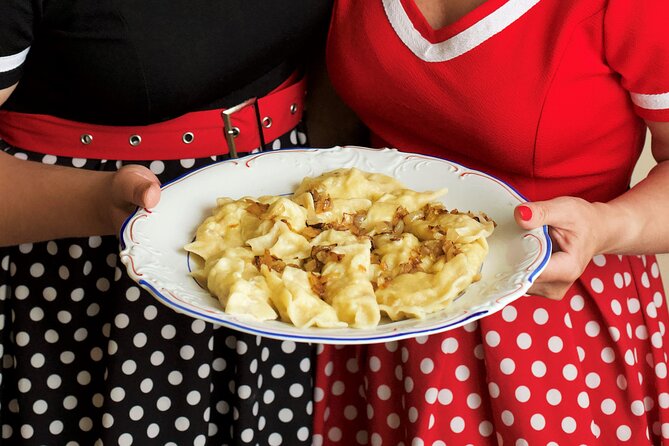
- Traditional filling taught properly: fresh cottage cheese, potatoes, and caramelized onions.
- You eat what you make, with a full table setup, not just a quick taste.
- Starter snacks plus regional alcohol turn the afternoon into a real Polish food meal.
Still hungry? The rest of our Krakow eating
- Krakow Food Tasting Tour with Delicious Poland
★ 5.0 · 1,032 reviews - Krakow Pierogi Cooking Class with Market Visit & Home-Cooked Meal
★ 5.0 · 212 reviews - Half-Day Krakow Food Tour in Old Town and Kazimierz
★ 5.0 · 186 reviews - Krakow: Food Tour of 10 Tastings with Pierogi, Vodka & More
★ 5.0 · 169 reviews
Krakow in a Kitchen, Not a Classroom
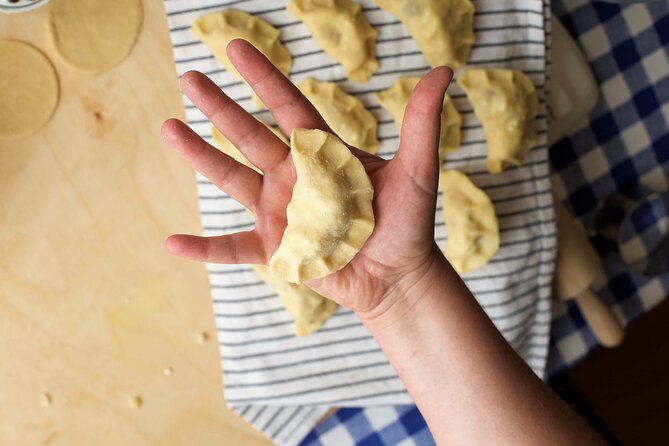
This is not a “watch and hope” cooking class. The whole point is hands-on pierogi making, from dough to filling to the final boiled dumpling. You start with the right ingredients and the right mindset, then you get guided through each stage until you can shape a pierogi without guessing.
I like that the experience is built around an iconic Polish dish, but it also functions like a mini Krakow food lesson. Your host brings in local context while you work, including practical tips for eating and exploring the city after the class. It makes the meal feel grounded, not like a performance for tourists.
Meeting at Grunwald, Then Getting Your Bearings
The experience begins at the Grunwald Monument (plac Jana Matejki). That’s a clear, easy landmark to find, and it sets the tone for the day: you’re about to learn something very local, without needing fancy culinary vocabulary.
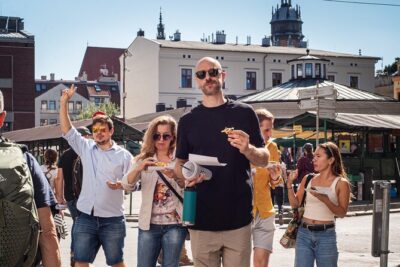
From there, you head to the oldest marketplace in town. Even if you’ve wandered Krakow’s streets before, this stop is different because you’re shopping with intention. You’re not just browsing. You’re looking for the building blocks of the pierogi you’ll make later.
Why this matters: pierogi taste comes down to ingredient choices. When you learn what makes the cheese or potatoes work, you’ll be able to recreate the dish at home with better results, not just by copying a recipe.
The Market Walk: Where Ingredient Quality Becomes Real
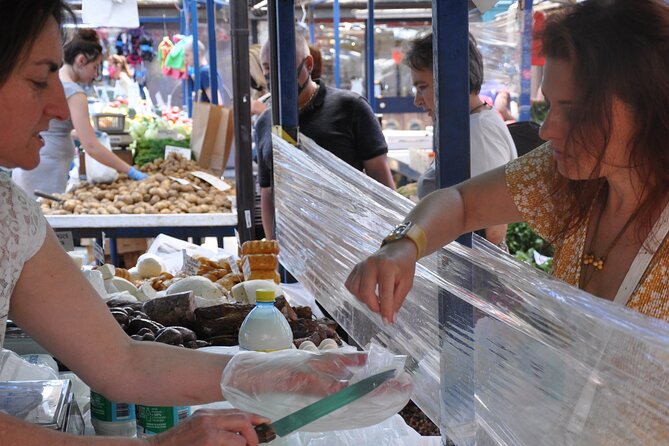
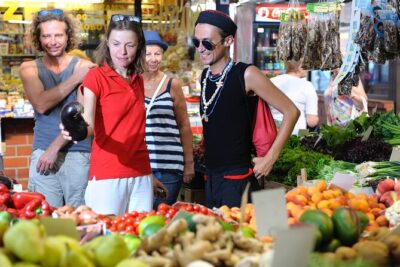
At the market, you’ll see fresh local products and get a feel for the rhythms of daily food shopping in Krakow. This is also where the class becomes more than cooking. You pick up an eye for what to buy, and you’re given ideas for what to try beyond the class menu.
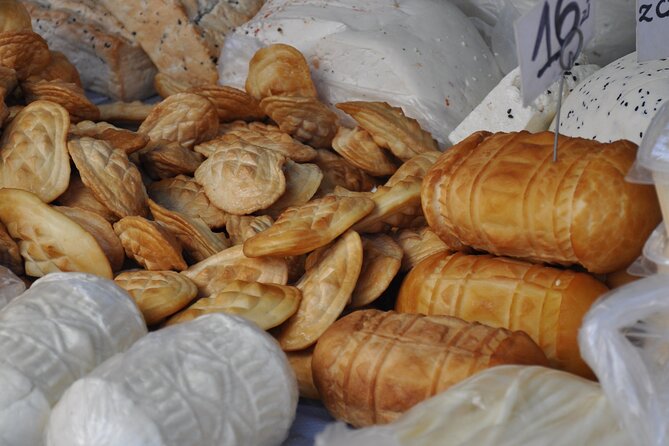
You’ll buy what you need for the pierogi and you might end up tasting along the way, depending on the season and what’s available. In the class descriptions, the starter snacks are seasonal and can include things like fresh and smoked cheeses, Polish sausage, sour cucumbers, or sour cabbage.
A big theme here is cheese. Several instructors and past participants highlight learning about different types of cheese and how to judge quality. If you love food, this is one of the most useful parts of the afternoon, because it’s transferable. Next time you’re buying cheese at home, you’ll have a better sense of what to look for.
One practical note: on Sundays, the experience takes place without the market visit. You still cook, but you lose that ingredient-shopping step and some of the snack-and-taste pacing that comes with it.
Snacks and Drinks in a Local’s Apartment
After the market, it’s a short walk to the apartment. The change of setting is part of the charm. You trade street noise for a calm home kitchen where you can actually focus on technique.
Before cooking begins, you’ll have local snacks and drinks. The starter menu calls for seasonal local snacks, and the past experience stories add color to what that might look like: smoked cheese, sausage, sour pickles, and other simple but satisfying Polish bites.
Alcohol is also part of the flow. The sample menu lists regional alcohol as dessert, such as homemade liquor or a selection of regional favorites paired with the pierogi. Some past participants specifically note homemade drinks, including bison grass infused vodka served in a fun way.
If you’re not a big alcohol drinker, you can still enjoy the food portions. The key is that alcohol is treated as a pairing, not a party requirement. Just know it’s there.
Below are the other Krakow trips we have logged
- Krakow Christmas Market Immersive Tour★ 5.0 · 6 reviews
Making Pierogi: Dough, Filling, and Pleating Skills
This class is designed around the full process, not one highlighted step. You’ll learn how to:
- Make the dough
- Prepare the filling
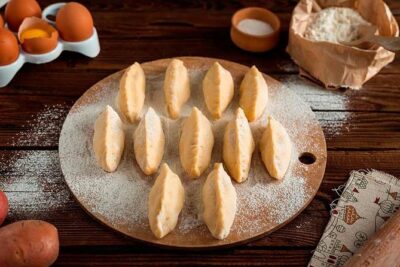
- Shape the pierogi, including the pleating technique
- Boil the pierogi
- Eat them with the proper toppings and sauces
Dough: Kneading Matters
Pierogi dough sounds simple, but technique is where things can go wrong. You get hands-on tuition on kneading and rolling dough to the right consistency. Several detailed accounts emphasize learning the dos and don’ts of kneading and getting your dough to behave.
This is why I think the class is worth it even if you’ve made dumplings before. The method is taught for pierogi specifically, so the texture ends up closer to what you’d expect in Poland.
Filling: Cottage Cheese, Potatoes, Caramelized Onions
The filling taught here is the traditional combo:
fresh cottage cheese, potatoes, and caramelized onions.
That means no complicated pantry scavenger hunt. It’s straightforward, but you’ll still get guidance on how the potatoes should be cooked and handled so the filling works.
This matters for flavor and texture. If the potatoes are off, your filling can turn watery or heavy. The instruction helps you avoid that.
Pleating: The Part That Feels Tricky
Pleating is the step that turns a dough circle into a pierogi. It also takes practice. Past participants describe it as easy to learn, but not always instant. Your first few might look a little imperfect, and that’s normal. The point is that you learn the method so you can keep improving.
The upside of small-group size is that you’re more likely to get feedback while you’re still making your early dumplings.
What You Eat: A Full Table, Not a Tiny Sample
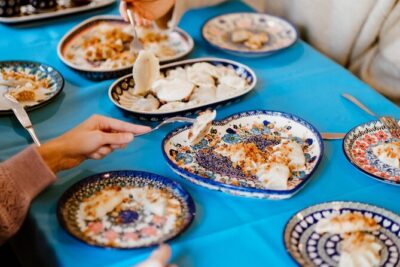
By the end, you’ll feast on your own pierogi. The class is structured so you cook and then eat soon after, not hours later.
The main dish is the pierogi you made, served with toppings. A common pairing mentioned in past experiences is sour cream. If you like Polish comfort food, this part is the payoff. Your table will feel like an actual meal, not a snack break.
One extra bonus that pops up in feedback: some participants mention being able to take extra pierogi home. If that option is available when you go, it’s a smart way to stretch the class value.
Regional Snacks and Local Culinary Tips You Can Use
The class doesn’t just stop at pierogi. During the experience, your host shares knowledge about Kraków and Polish culinary traditions. This can include context like how pierogi developed in Poland, plus practical cultural notes that help you understand what you’re eating and why.
You’ll also get recommendations for where to go and what to try in Krakow. That’s especially useful if you want your next meal to feel local, not random. In a city full of food options, good guidance can save you time and money.
There’s also a food learning angle that many people appreciate: you learn what’s important about ingredients like cheese and how lard and bread pair with pickles. Not every class detail will be identical, but the themes show up clearly in the experience descriptions.
Price and Value: Is 83.48 Worth It?
At $83.48 per person, this isn’t the cheapest Krakow activity. But it’s also not “pay for a pass and watch.” You’re paying for instruction, market shopping, a full cooking session, and a plated meal with starters and regional alcohol.
Here’s why the value tends to make sense:
- Small group size (max 6) means more hands-on time per person.
- You shop for ingredients as part of the class, not as a separate tourist add-on.
- You learn multiple skills in one go (dough, filling, shaping, boiling).
- You eat a real meal at the end, with toppings and drinks.
If your travel style is food-first and you like learning by doing, this price fits the category of “worth it once” experiences. If you’re only looking for a quick bite, you might not get enough satisfaction from the time and attention required.
Who This Pierogi Class Suits Best
This experience is a strong fit for:
- First-time visitors who want a memorable food moment early in the trip
- People who want real technique, not just photos
- Couples and friends who enjoy sitting together and eating as you cook
- Families, including kids, because the pace is friendly and the activity is hands-on
Past experiences specifically mention kids having fun shaping and tasting along the way. If you’re traveling with children, set expectations: pleating is a bit of a challenge, but that’s also what makes it fun.
A Few Smart Tips Before You Book
Come ready to eat. The class includes starter snacks and regional alcohol, then your pierogi main course, and it adds up to more than a light lunch. If you’re planning dinner afterward, you’ll probably want to keep it casual.
Also, wear clothes that can handle a little dough and flour mess. Even if the kitchen is tidy, cooking at home style means some spills happen.
If you love alcohol, great. If not, plan to focus on the food first. The drink is part of the dessert segment, but the core of the value is pierogi making and eating.
Finally, think about timing. Since the experience is booked about 46 days in advance on average, earlier booking gives you a better chance of picking a day that works for your schedule, especially if you want weekday market access.
Should You Book This Krakow Pierogi Class?
Yes, if you want a practical, hands-on Polish cooking experience that feeds you well. The best reason to book is simple: you learn pierogi technique from dough to pleating to boiling, then you eat what you made in a home setting with starters and regional drinks.
Skip it only if you dislike cooking, want a large public venue, or you know you cannot handle the idea of being in someone’s apartment kitchen. If you’re excited by market ingredients, comfort food, and learning a skill you can repeat at home, this is one of the most satisfying ways to spend a half-day in Krakow.
FAQ
What is the duration of the pierogi cooking class?
It runs for about 3 hours.
How many people are in the group?
The class has a maximum of 6 travelers.
What language is the class offered in?
The experience is offered in English.
Where does the tour start and end?
It starts at Grunwald Monument, plac Jana Matejki, 30-001 Kraków, Poland, and ends back at the same meeting point.
Do you visit the market every day?
No. On Sundays, the experience takes place without a visit to the food market.
What filling do you use for the traditional pierogi?
The class uses the traditional filling of fresh cottage cheese, potatoes, and caramelized onions.
Is there food and drink included?
Yes. You’ll have seasonal local snacks as a starter, the pierogi as the main dish, and regional alcohol as dessert.
When do I get confirmation after booking?
Confirmation is received within 48 hours of booking, subject to availability.
Are service animals allowed?
Yes, service animals are allowed.
More Shopping Tours in Krakow
More Tour Reviews in Krakow

Eating Our Way Through Krakow, Continued


Recently written up around Krakow



More Polish Food and Pierogi Tours.
 ★ 5.0Krakow Food Tasting Tour with Delicious PolandFrom $1051,032 reviews
 ★ 5.0Warsaw’s No 1 cooking class-Polish dumplings with liqueur tastingFrom $77576 reviews
 ★ 4.5Half-Day Polish Food Walking Tour with Guide and DinnerFrom $95381 reviews
 ★ 5.0Warsaw Food Tasting Tour with Delicious PolandFrom $101277 reviews
 ★ 4.1Polish Food TourFrom $93216 reviews
 ★ 5.0Krakow Pierogi Cooking Class with Market Visit & Home-Cooked MealFrom $114212 reviews
 ★ 5.0Gdansk Food and Sightseeing Tour with BartFrom $94187 reviews
 ★ 5.0Half-Day Krakow Food Tour in Old Town and KazimierzFrom $109186 reviews
Also on these Poland lists