
REVIEW · WARSAW CITY TOURS
Warsaw’s No 1 cooking class-Polish dumplings with liqueur tasting
Pierogi dough gets real fast. This cooking class in Warsaw is built around hands-on dumplings, with the best part being that you cook and eat what you make. You also get a short introduction to where pierogi come from, so it is not just a cooking sprint.
Two things I love: you will make both meat and vegetarian fillings, and you get a clear, step-by-step process for dough, rolling, and folding. The other big win is the included liqueur tasting, which turns dinner into a fun, Polish-flavored finale.
One consideration before you go: the room can run hot, and the meal is served in a shared, family-style way, so you are eating what your class made (great fun, but not for the most germ-conscious people).
In This Review
- Key Highlights You Should Know
- Where the Pierogi Class Happens in Warsaw and What the Timing Feels Like
- Meet Your Instructor Team and Expect Clear, Friendly Guidance
- Dough, Rolling, and the Pierogi Technique That Actually Gives Good Results
- Fillings, Folding Styles, and Flavor Hacks You Can Reuse at Home
- Cooking, Boiling, and the Moment You Finally Eat Your Own Pierogi
- Polish Liqueur Tasting: A Light Cultural Finish to Your Meal
- Price and Value: What $77.97 Buys You in Real Instruction
- Practical Tips So You Enjoy It, Not Just Survive It
- Who This Class Is Best For (and Who Might Skip It)
- Should You Book This Warsaw Pierogi and Liqueur Class?
- FAQ
- How long is the cooking class?
- Is the class offered in English?
- Are vegetarian and vegan pierogi available?
- What does the class include besides cooking?
- Is it suitable for children?
- Can I cancel for a full refund?
Key Highlights You Should Know
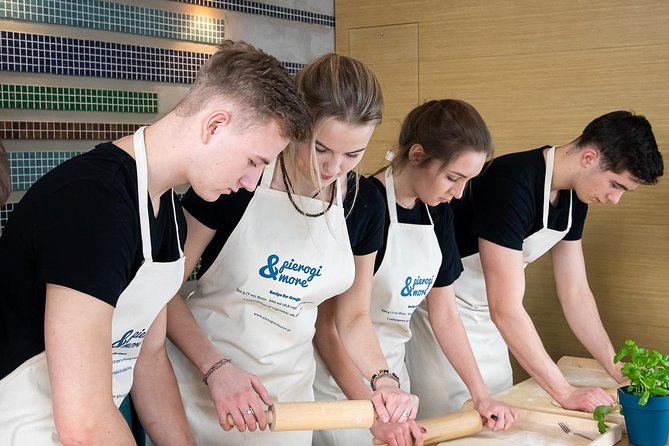
- Small group size (max 10) means constant coaching while you fold, fill, and cook
- Meat and vegetarian options plus request-based vegan options for many diets
- Hands-on pierogi making from kneading to rolling to multiple folding techniques
- Liqueur tasting included as part of the end-of-class meal
- Clean, organized space with lots of circulation from the staff
- Photos and recipe notes after class reported by many guests, so you can recreate it at home
Warsaw rebuilt itself twice over. Here is how else we saw it
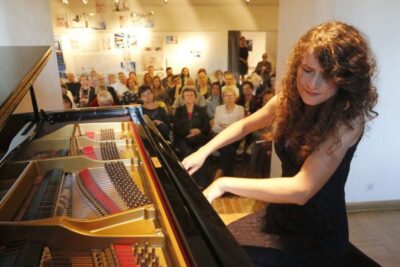
- Warsaw: Chopin Concert in the Old Town
★ 4.8 · 2,287 reviews - Warsaw: Traditional Galar Cruise on The Vistula River
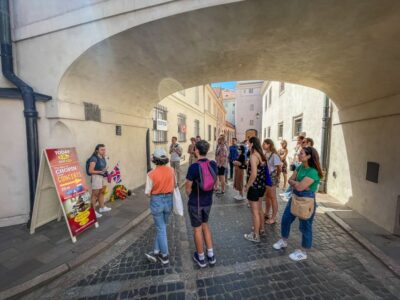
★ 4.6 · 1,640 reviews - Warsaw: Old Town Highlights Walking Tour in English
★ 4.7 · 1,516 reviews - Warsaw Concert: Chopin – Painted by Candlelights with Wine
★ 4.8 · 1,442 reviews
Where the Pierogi Class Happens in Warsaw and What the Timing Feels Like
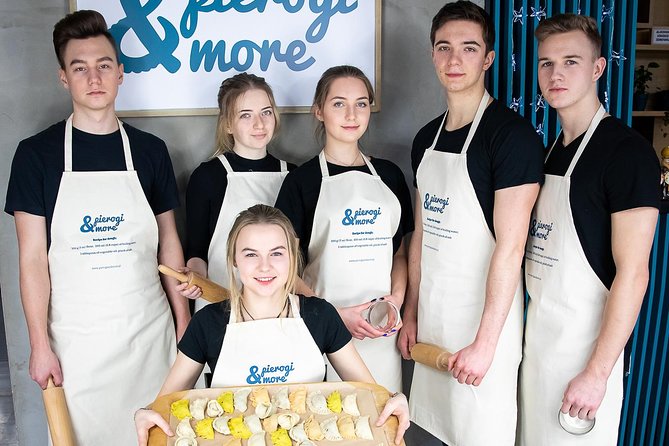
The class meets at Pierogi & More at Stawki 3, 00-193 Warszawa. It is in a practical location for walking and for public transport, which matters because a cooking class is less fun when you are stressed about getting there on time.
Plan on about 2 hours of guided work. That sounds short until you realize it includes dough work, filling prep, folding practice, and then proper cooking. You are not just watching. You are doing. And because the group is capped at 10 travelers, the instruction stays close to what you need, not what a class of 20 might need.
Also, if you want a good shot at your preferred day, book early. This experience tends to sell out, with lots of bookings made about a month in advance on average.
Meet Your Instructor Team and Expect Clear, Friendly Guidance
The provider listed is Maria Oskroba, and previous sessions have had instructors such as Daria, Patricia, Ben, Nina, Zuzia, and Patrycya guiding guests. You can expect the teaching style to be interactive, with staff circulating often and giving practical feedback while you work.
What makes this class work for English speakers is that you get instructions in English, and the process is taught in a logical order. People often assume pierogi are complicated, but the class breaks it into manageable parts: dough first, then rolling, then filling, then folding, then cooking.
One small detail I appreciate from the way guests describe it is that the pace feels friendly rather than rushed. Even when you are learning something new, you are coached through it, and you do not feel left behind.
Dough, Rolling, and the Pierogi Technique That Actually Gives Good Results
The first real phase is the dough. You learn how to knead it so it becomes workable, then how to roll it out properly. This is the stage where most at-home attempts go wrong, so getting hands-on coaching here is a big deal.
You will also learn what to aim for when it comes to thickness and handling. If the dough is too thick, pierogi become heavy. If it is too thin, they can tear or leak. The class helps you find that middle ground with simple technique and repeated practice.
Then comes the part that feels small but makes a big difference later: how you manage your workspace and your portions as you build. When you are making dumplings, you are juggling dough, filling, and folding in parallel. The class setup helps you keep moving without chaos.
Fillings, Folding Styles, and Flavor Hacks You Can Reuse at Home
After the dough, you shift to fillings. You will make pierogi with meat and vegetarian fillings, and vegan options are available if you request them ahead of time. The idea is that you get to understand the dumpling as a platform: the same dough and basic method, different fillings.
The class also focuses on folding techniques. You do not just repeat one fold. You learn a few ways, plus small hacks that help with texture and taste. These tips are especially useful because pierogi are not only about flavor. They are also about the “bite” when you cook them.
One guest detail that is worth paying attention to: in at least one class, dairy-free needs were accommodated by planning vegan pierogi first to avoid cross contamination, then vegetarian options. If you have a strict dietary requirement, you should still mention it when you book, but this at least tells you the staff takes dietary handling seriously.
Still hungry? The rest of our Warsaw eating
- Warsaw’s No 1 cooking class-Polish dumplings with liqueur tasting★ 5.0 · 576 reviews
- Half-Day Polish Food Walking Tour with Guide and Dinner★ 4.5 · 381 reviews
- Warsaw Food Tasting Tour with Delicious Poland★ 5.0 · 277 reviews
- Warsaw: Polish Food Tour★ 4.1 · 216 reviews
- Warsaw: Polish Dumplings Cooking Class★ 4.8 · 151 reviews
Cooking, Boiling, and the Moment You Finally Eat Your Own Pierogi
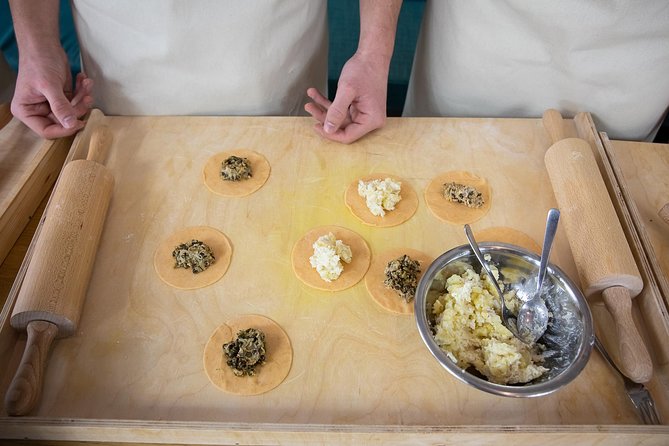
The class culminates with cooking your dumplings, including guidance on how to boil them. This step matters because pierogi are easy to mess up if they are undercooked or if you do not know when they are done. Learning the boiling step in context, after you have assembled them, makes the cooking stage feel much less mysterious.
Then comes the best part: you sit down and eat. It is served in a family-style setup with the whole group, so you are not only tasting your own dumplings, you get to sample everyone’s. If you like sharing food and chatting with strangers, this is a big plus. If you are a germaphobe, you will probably want to consider that shared meal style.
Also, you get a sense of how pierogi should be served and eaten, not just how they should be made. That is a subtle difference, but it helps you recreate the experience later.
Polish Liqueur Tasting: A Light Cultural Finish to Your Meal
Liqueur tasting is included at the end, and it is treated like part of the event rather than an afterthought. Guests describe it as playful, including a guiding game involving two liquors.
You do not need to be a spirits expert to enjoy this part. The point is to learn what you are tasting and to treat it like a small cultural moment tied to the meal. If you are curious about Polish drinking culture without going to a bar and guessing, this is one of the more straightforward ways to do it.
One practical note: since you are eating homemade pierogi and then tasting alcohol, take it easy if you plan to go out afterward. You will be busy during the cooking, and you may not expect how enjoyable the meal and tasting flow together.
Price and Value: What $77.97 Buys You in Real Instruction
At $77.97 per person for about 2 hours, you might compare this to a restaurant dinner. The difference is that this is not just eating. You are paying for guided skill building, and you leave with a repeatable recipe approach.
You also get:
- Small-group teaching (max 10)
- English instruction
- Meat and vegetarian pierogi making
- Vegan options on request
- Cooking and eating what you produce
- A Polish liqueur tasting
If you have ever tried to learn pierogi from a generic recipe online, you already know where you lose time: dough feel, thickness, folding technique, and boil timing. This class compresses all of that into a single experience, and you get feedback while you work.
Many guests also mention getting photos and recipe notes afterward. While it is not presented as the main part of the price, it is a helpful bonus if you want to recreate it at home without starting from scratch.
Practical Tips So You Enjoy It, Not Just Survive It
I recommend you show up hungry, because you are eating what you make at the end and it can be substantial. The class description and guest feedback both point to that, so treat it like dinner, not a snack.
Dress comfortably. You will work with dough, and a cooking class can get warm. If you are sensitive to heat, keep that in mind because one guest specifically noted the room was very hot.
If you have dietary needs, put them in writing when booking so the staff can plan fillings and handling. Vegan and vegetarian options are available on request, and there is evidence they can accommodate dairy-free needs with planning to avoid cross contamination.
If you want photos, ask when it is easiest for you to take them. Guests mention that the facility is clean and that staff capture pictures during the class while also allowing you to take your own.
Finally, bring a mindset shift: pierogi are a craft. Even if yours look slightly different, that is normal. The goal is learning the method and getting confident.
Who This Class Is Best For (and Who Might Skip It)
This is ideal if you want a Warsaw experience that feels local and practical. You will go home with a real cooking skill, not just memories. It also works well for couples and solo travelers because the group size is small and you share a meal at the end.
It is a good fit for food lovers who enjoy technique, not just flavor. If you like learning how folding changes the bite, this class delivers.
It is not ideal for very young kids. The class is not suitable for children under 8. If you are bringing a child, there needs to be minimum one adult who takes care of the child during the class.
If you are strictly avoiding shared food, the family-style setup might feel like a mismatch.
Should You Book This Warsaw Pierogi and Liqueur Class?
I think you should book it if your top goal is a fun, hands-on Polish cooking experience where you actually leave knowing how to make pierogi. The combination of small-group coaching, clear step-by-step technique, and then eating your own dumplings makes it feel like value, not just entertainment.
I would hesitate only if you are uncomfortable with heat or you are very picky about shared meal hygiene. If those are your concerns, the cooking still sounds excellent, but you may feel less at ease during the family-style portion.
If you want one memorable dinner in Warsaw that goes beyond a guided walk, this is a strong choice. You will learn the dumpling, taste Polish liqueurs, and walk away with a skill that travels well back home.
FAQ
How long is the cooking class?
It runs for about 2 hours.
Is the class offered in English?
Yes, it is offered in English.
Are vegetarian and vegan pierogi available?
Vegetarian options are available, and vegan options are available on request.
What does the class include besides cooking?
You make and cook pierogi and then eat them. A Polish liqueur tasting is included at the end.
Is it suitable for children?
It is not suitable for kids under 8 years old. If you bring a child, you need at least one adult to care for them during the class.
Can I cancel for a full refund?
Yes, you can cancel for a full refund if you cancel at least 24 hours in advance of the experience start time.
More Tour Reviews in Warsaw



Eating Our Way Through Warsaw, Continued



Warsaw, Keep Looking
Recently written up around Warsaw






More Warsaw City Tours.
 ★ 4.8Chopin Concert in the Old TownFrom $262,287 reviews
 ★ 4.6Traditional Galar Cruise on The Vistula RiverFrom $201,640 reviews
 ★ 4.7Old Town Highlights Walking Tour in EnglishFrom $261,516 reviews
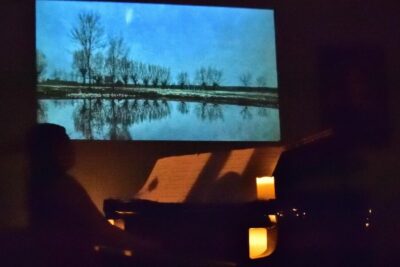 ★ 4.8Warsaw Concert: Chopin – Painted by Candlelights with WineFrom $251,442 reviews
 ★ 3.6City Sightseeing Hop-On Hop-Off Bus TourFrom $411,415 reviews
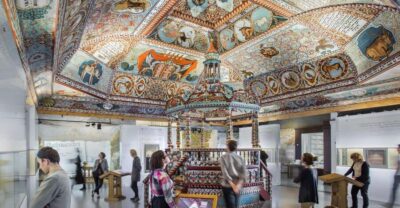 ★ 4.7POLIN Museum of the History of Polish Jews TicketFrom $121,142 reviews
 ★ 5.0#1 Pub Crawl Warsaw with Optional Premium 1 Hour Open BarFrom $28790 reviews
 ★ 4.6Polish Vodka Museum Tour with TastingFrom $22788 reviews
Also on these Poland lists