
REVIEW · POZNAN CITY TOURS
Private Icons of Poznań
Poznań’s Old Town tells a full architecture story. This private 2-hour walk is built to help you see the Old Town Hall clock tower legend, then move cleanly to the Cathedral Island complex without wasting time getting lost. I especially like the way the guide stitches Gothic, Renaissance, Baroque and Classical details into one easy route, and I like that the plan includes paid interiors, not just photos from the street.
One thing to consider: this is a focused highlights route. If you want long, slow wandering with zero structure, you may find the pace a bit tight for a first-time stroll.
In This Review
- Key things that make this tour work
- Entering Poznań the fast way: a highlights plan you can trust
- Town Hall, goats and a Renaissance clock tower
- Royal Castle on Przemysł Hill: power, battles, and “why here?”
- Baroque Parish Church: where style changes the mood
- A short stroll through the Old Warta Riverbed
- Cathedral Island: topography meets legend and early stronghold logic
- St. Peter and St. Paul Cathedral interior: a style sweep in one stop
- The Golden Chapel: why early Polish monarchs matter here
- Private guiding that keeps your pace human
- Tickets, skip-the-line, and what you actually get for the money
- What to eat and where to wander after: St. Martin croissants and local cuisine
- Who should book this Poznań icons tour?
- Should you book this tour?
- FAQ
- Where does the tour start?
- How long is the tour?
- What is included in the price?
- What languages are the live guides?
- Is it a private tour?
- Is the tour wheelchair accessible?
- Who is it not suitable for?
Key things that make this tour work
- Old Town Hall meeting point at Stary Rynek, right where the Renaissance clock-tower drama starts
- Skip-the-line entry plus cathedral and museum tickets already included
- A tight 150-minute route that covers power sites, churches, and Cathedral Island
- Clear architecture timeline across Gothic, Renaissance, Baroque and Classical styles
- A local guide with standout storytelling, with English or Polish support
- Bonus drone moment in at least one departure, added when timing allowed
Weighing options? These Wroclaw write-ups sit closest to this one.
- Wroclaw: E-Car Tour and Audio Guide
★ 4.6 · 1,738 reviews - Wroclaw: 2-Hour Private Guided Tour by Electric Car
★ 4.8 · 805 reviews - Wrocław: Old Town and Ostrów Tumski Walking Tour in English
★ 4.8 · 311 reviews - Wroclaw: Private Old Town Guided Walking Tour (2 hours)
★ 4.8 · 275 reviews
Entering Poznań the fast way: a highlights plan you can trust
Poznań can feel deceptively compact. That’s great news if you’re on a short visit, because you can actually see a lot in a small area. What makes this tour appealing is that it’s not a random walk with vague promises. It’s a guided route that keeps you moving between the city’s main symbols, then into the oldest stronghold area.
I like that you get context as you go. The tour isn’t just about naming buildings. The guide explains why key places mattered and what changed over time. That matters because Poznań’s streets can look “ordinary” if you’re not sure what you’re looking at, especially around the river and the cathedral grounds. With a guide, those spaces start making sense fast.
You’ll also appreciate the private format. One guide, Mateusz, is specifically praised for tailoring the experience when someone’s train runs late. That kind of flexibility is exactly what you want if your schedule is tight or you just hate rushing.
Town Hall, goats and a Renaissance clock tower
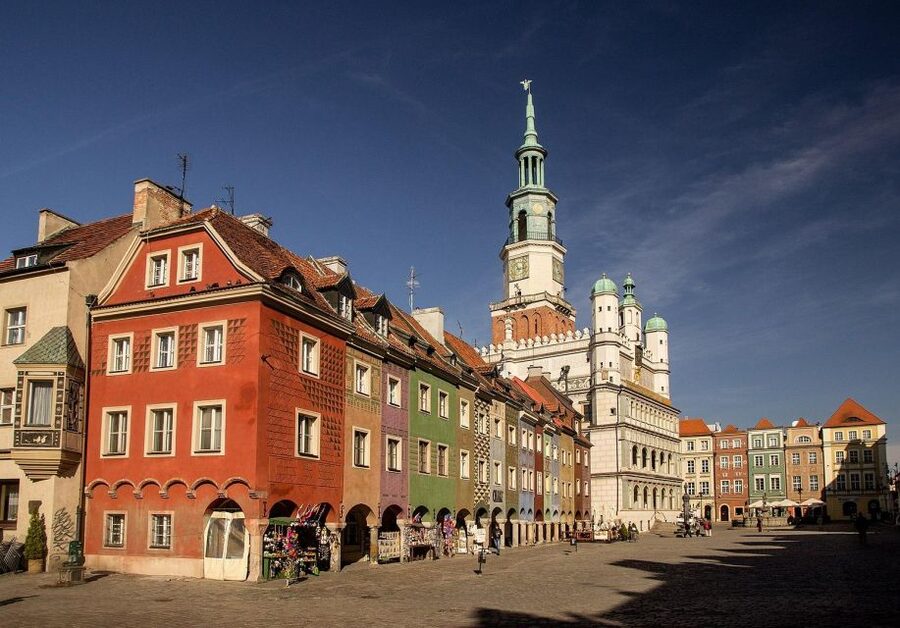
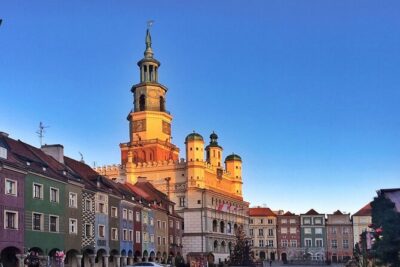
Your walk starts in front of the Poznań Old Town Hall at Stary Rynek 25, at the main entrance side of the square. If you’ve ever visited a big European town center, you know the square often does the heavy lifting. Here, the Town Hall is the heavy lifter.
This is where the “goats legend” comes in. The clock tower is tied to that story, and the guide uses it to pull you into the city’s identity. It’s not just folklore for folklore’s sake. It helps you remember what you’re seeing and why it’s famous: the Town Hall is described as the symbol of city pride and prosperity, and it’s also the highest tower in the Old Town Square.
You’ll get a good read on the Renaissance masterpiece aspect too. Renaissance architecture can be easier to spot with one anchor point, and the Town Hall gives you that anchor. After you’ve seen it, other church and palace-style details feel more legible when you start noticing proportions, symmetry and ornament.
Potential downside: because this is the first stop, your attention tends to get grabbed immediately. If you’re hoping to ease into the trip with calmer pacing, give yourself a minute to orient yourself before the guide launches into stories and details.
Royal Castle on Przemysł Hill: power, battles, and “why here?”
Next you move toward another center of power, the Royal Castle on Przemysł Hill. Even if you don’t know Polish medieval history, you can appreciate the logic. Elevated ground plus defensive advantage was often the formula for early authority, and the guide connects the setting to the stories.
This stop focuses on forgotten battles and regal history. That phrasing matters, because it signals you’ll hear more than just a royal family summary. You’ll learn the human-scale reasons behind why the castle mattered and how Poznań’s status grew.
I like this portion because it shifts you from “pretty historic building” mode into “city developed for a reason” mode. That’s the mental switch that turns a sightseeing list into an actual sense of place. If you’ve only got a day in Poznań, this is where you start to feel like you understand the city, not just toured it.
Baroque Parish Church: where style changes the mood
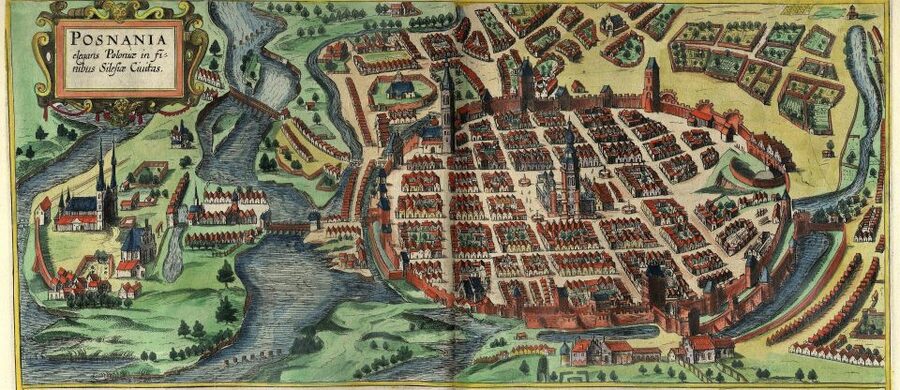
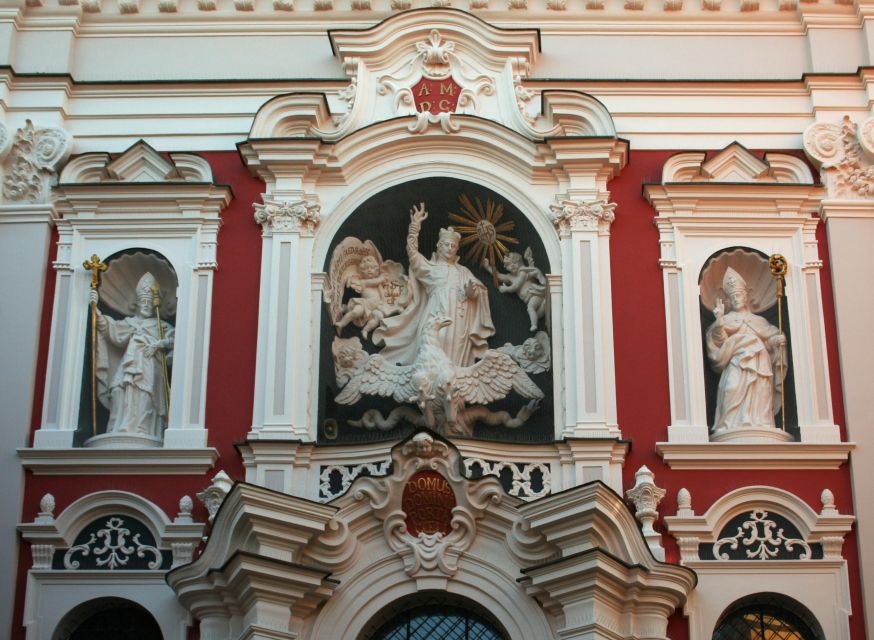
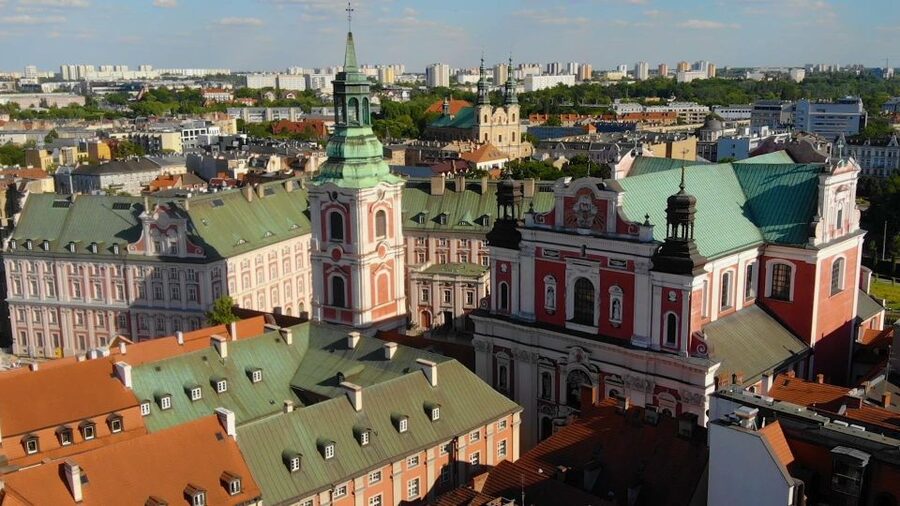
After the power-site segment, you head to a marvelous Baroque parish church. Baroque can be dramatic, and the guide’s job is to make it readable instead of overwhelming. Expect discussion of architectural character and how Baroque expression differs from the Renaissance feel you saw at the Town Hall.
This isn’t a “check the box” church stop. It’s positioned in the walk so you experience the stylistic leap while your eyes are still learning. When you look at a Baroque church after a Renaissance landmark, you start noticing how shapes, light, and decoration push emotion in a different direction.
There’s also a practical benefit. Even if you’re not a hardcore architecture buff, the church interior moments usually offer a break from street-level noise and crowds in the center. It gives your eyes a pause, and it gives your brain a chance to absorb the stories the guide is sharing.
Below are the other Wroclaw trips we have logged
- 2-Hours Private Electric Car Tour with a Guide, Wroclaw★ 4.5 · 87 reviews
- Wroclaw: Old Town Highlights Private Walking Tour★ 4.8 · 65 reviews
- Wroclaw: Project Riese and Ksiaz Castle Private Tour★ 4.7 · 39 reviews
- Wroclaw: 2-Hour Private Electric Bus Tour with Guide or Tape★ 4.7 · 28 reviews
- Wroclaw: Private Tour by smal Historic Tram (1,5h, 16 seats)★ 4.8 · 24 reviews
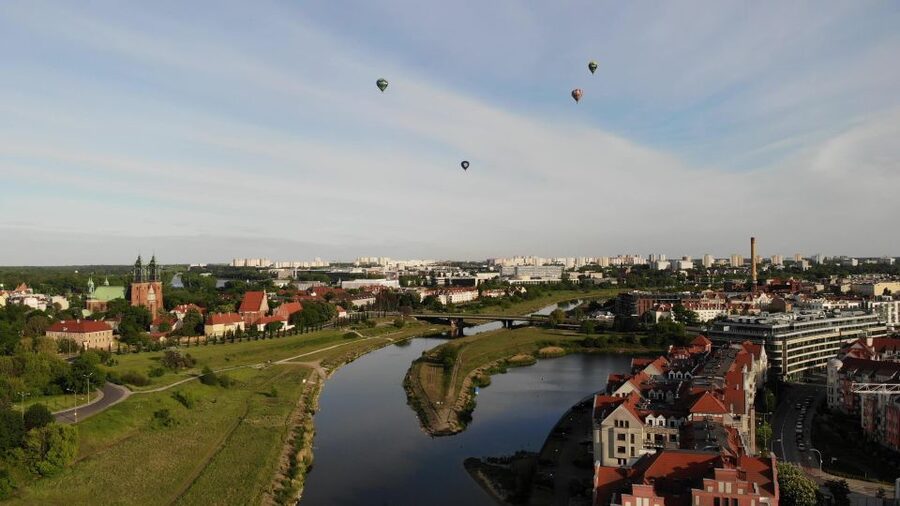
A short stroll through the Old Warta Riverbed
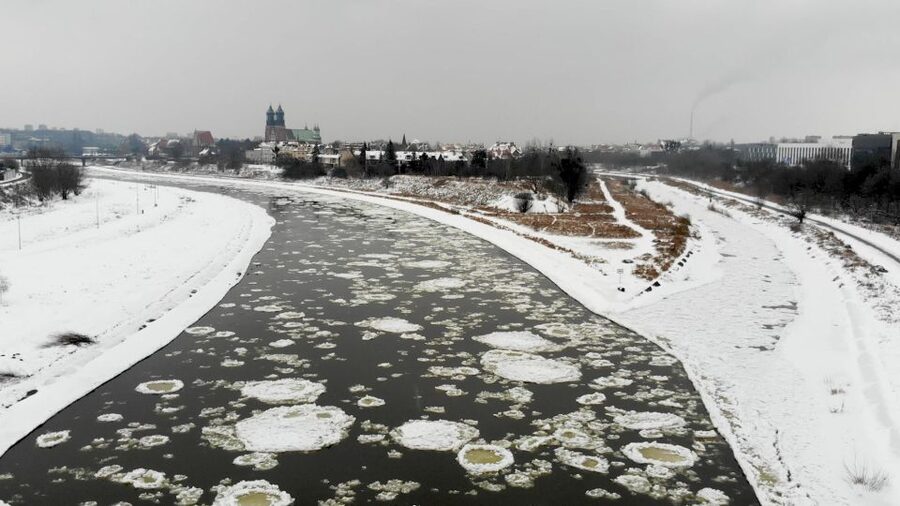
One of the smartest pieces of the route is the walk through the Old Warta Riverbed. It’s short, and that’s on purpose. You’re not committing to a long detour, but you still get that “park atmosphere” touch that makes the trip feel more like exploring than just sprinting between monuments.
This section works because it’s a scenic reset. You step away from the densest concentration of landmark facades and you get a sense of how water and old river paths shaped urban development. A city’s river history is often the quiet engine behind street layouts, and even a brief walk helps you feel that connection.
If you’re taking photos, this is where you usually get nicer framing without needing to chase the perfect angle. It also helps that the route keeps the total time in check, so you don’t end up spending your whole visit moving between “must-see” points.
Cathedral Island: topography meets legend and early stronghold logic
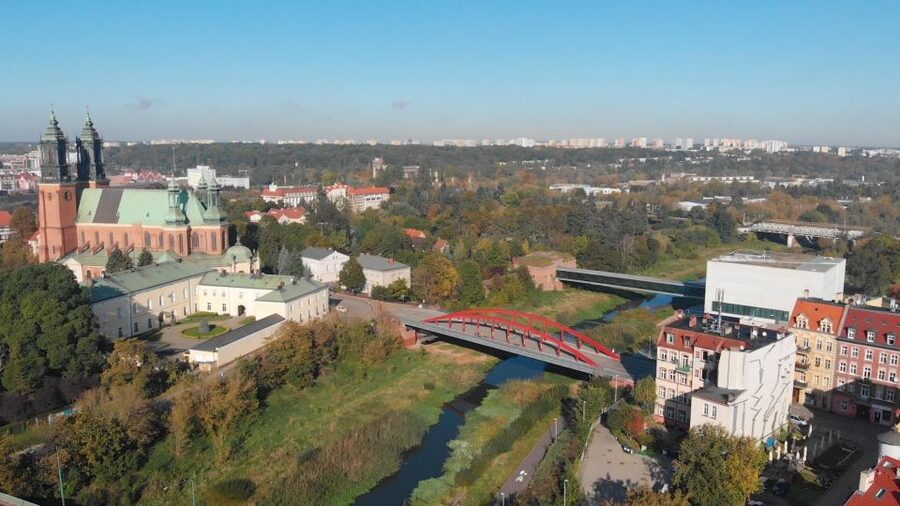
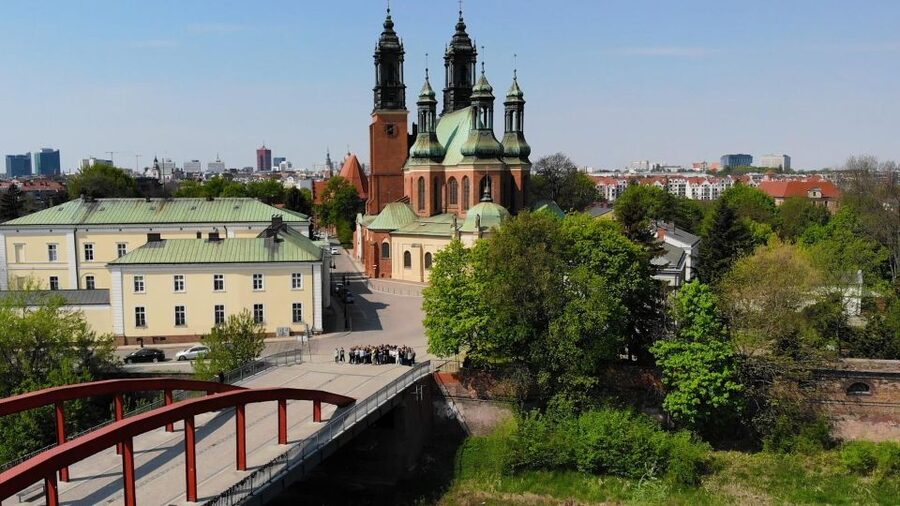
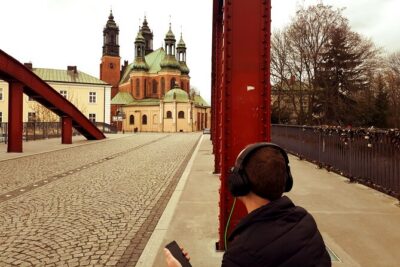
Now you come to the ending area that ties everything together: Cathedral Island, the oldest part of Poznań. This stop is the reason the tour feels complete. It’s not only pretty, it’s explanatory. The guide will talk about the topographical reasons for locating one of Poland’s biggest early medieval strongholds here.
Topography is one of those topics that sounds dry until it’s pointed out in the right place. On Cathedral Island, it becomes obvious why a settlement would form and why power would cluster. You’re no longer just looking at buildings, you’re reading the terrain.
And the island is dominated by the St. Peter and St. Paul Cathedral. Expect to hear how the site covers multiple styles across centuries. That’s where the architecture mix becomes more than a theme. The cathedral is described as holding art pieces that range from Romanesque and Gothic through Baroque and into Classicism, so you’re seeing not just one era, but a timeline.
St. Peter and St. Paul Cathedral interior: a style sweep in one stop
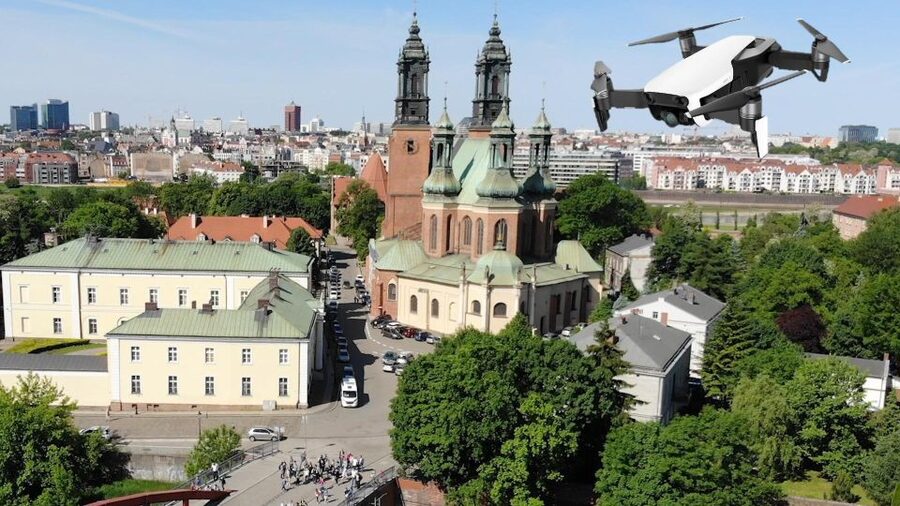
The cathedral is the centerpiece, and it’s also the main reason this tour includes paid admission. You’re not just peeking. You’re being guided inside, where the styling changes and the details matter.
Because the tour route is time-efficient, the guide can point out key interior highlights without turning the visit into a lecture. You’ll likely find yourself looking for transitions between eras: Romanesque solidity, Gothic emphasis, Baroque drama, and later Classicism. Even if you don’t know the architectural vocabulary, a good guide can show you how to “see” those differences.
I also like that the tour doesn’t treat the cathedral as a standalone attraction. It’s connected to what you learned earlier about power and the city’s earliest stronghold. That makes the cathedral feel like the outcome of Poznań’s growth, not just another church stop.
The Golden Chapel: why early Polish monarchs matter here
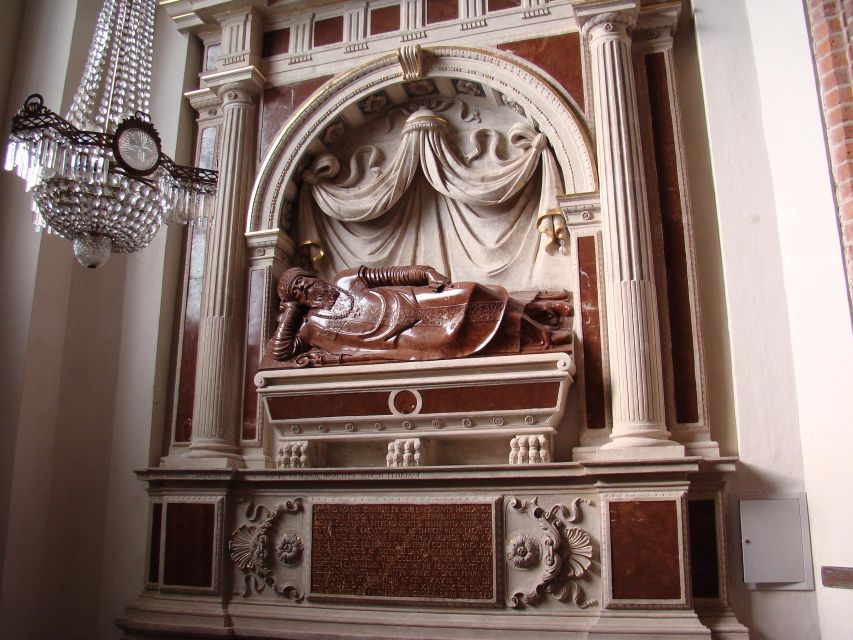
The tour’s final “must not miss” interior focus is the Golden Chapel. It’s described as the burial place of the first Polish monarchs. That detail turns a decorative space into a historical anchor.
When you know what you’re looking at, the Golden Chapel becomes easier to respect. You’re not just admiring gold-toned visuals or ornate work. You’re standing at a place tied to beginnings, the kind of place that shapes how national stories get told.
This is the part of the tour where your notes mentally start sorting into themes: power, faith, continuity. And if you’ve been wondering why Cathedral Island is the “oldest part,” this chapel gives you a direct, emotional reason.
Private guiding that keeps your pace human
A private group makes the biggest difference in how the tour feels minute by minute. A group walk is often either too slow or too fast for any one person. Private guiding is more like having a local friend who knows the city’s best “story points,” then lets you ask questions in real time.
The guide experience seems to be strong here. Multiple bookings specifically praise Mateusz for being engaging, friendly, and accommodating, including adjusting timing for late train arrivals. That’s not fluff. It affects the whole tour because you avoid the stress of being hurried when you’re already running behind.
You also get flexibility. The tour is described as your private tour, open to suggestions. That means if you have a quick preference, like spending extra seconds on an architectural detail or slowing down near the cathedral, the guide can likely work with it.
Tickets, skip-the-line, and what you actually get for the money
Price is $54 per person for about 2 hours to 150 minutes. For a private experience, that’s competitive, especially because paid admission is included. You’ll get cathedral and museum tickets, plus skip-the-ticket-line support.
That inclusion matters for value. If you had to buy separate tickets on your own, you’d spend time queuing, and time is the real currency on a short visit. Here, the tour is designed to remove that time sink and replace it with guided explanations once you’re inside.
Also, skip-the-line isn’t just convenience. It changes your mental experience. You can stay focused on the architecture and stories rather than thinking about logistics. And because the tour is private, you’re not stuck with a group that arrives in a different rhythm than you do.
What to eat and where to wander after: St. Martin croissants and local cuisine
One of the nice parts of this tour is that it doesn’t end at the final cathedral door. You’ll get recommendations for the best St. Martin Croissants and local cuisine. That’s a smart local tip because it gives you something to do with your taste buds after the history part.
If you like having a “next step” plan, this is useful. You can walk out of the cathedral area with a clearer idea of what to order nearby and what to aim for, instead of guessing or settling for whatever looks closest.
Practical note: croissant timing can vary depending on day and bakery schedules. But if you’re even a little curious about Poznań’s food traditions, these suggestions give you a direction.
Who should book this Poznań icons tour?
This tour fits best if you:
- Have a short visit and want the main symbols handled in one organized route
- Want a guide to explain why buildings matter, not just where they are
- Care about architecture styles across centuries and want that story made simple
- Are traveling solo or with a small group, where private pacing helps
- Prefer skip-the-line access to interiors that are worth seeing inside
It may not be the best match if:
- You want hours of free roaming without structure
- You’re traveling with very young children, since it’s not suitable for children under 3
- You want a huge city-wide tour, because this one is intentionally compact around the Old Town and Cathedral Island core
Should you book this tour?
Yes, if you want Poznań to feel clear in a short time. The route is tight, the architecture mix makes sense, and you get interiors with tickets included, not just street viewing. The private nature also seems to matter in practice, especially for pacing and for handling late arrival situations, as shown by guide flexibility.
If your travel style is mostly self-guided and you hate schedules, you might prefer a do-it-yourself day. But if you want the city’s big landmarks connected by stories you can actually remember, this is a strong choice and a good value at $54 per person with paid admissions baked in.
FAQ
Where does the tour start?
The tour starts in front of the Poznań Old Town Hall at Stary Rynek 25, at the main entrance.
How long is the tour?
It runs about 2 hours to 150 minutes.
What is included in the price?
Paid admission is included, specifically cathedral and museum tickets. You also skip the ticket line.
What languages are the live guides?
The live tour guide is available in English and Polish.
Is it a private tour?
Yes. It is listed as a private group tour.
Is the tour wheelchair accessible?
It is described as wheelchair accessible.
Who is it not suitable for?
It is not suitable for children under 3 years old and people over 95 years old.
More Private in Wroclaw


More Tour Reviews in Wroclaw

Recently written up around Wroclaw
More Poznan City Tours.
 ★ 5.0Poznań Experience 2-Hours Guided Walking TourFrom $39155 reviews
 ★ 5.0Undercover City Games: PoznanFrom $2288 reviews
 ★ 4.6Old Town Poznan: Guided Walking Tour in EnglishFrom $2678 reviews
 ★ 5.0Private or Public Highlights Tour with a local guideFrom $3066 reviews
 ★ 4.8Poznan Old Town and Top Attractions Private Walking TourFrom $10324 reviews
 ★ 4.5Poznan Private City Walking Tour from Cathedral IslandFrom $1624 reviews
 ★ 4.0Old Town Poznan Walking TourFrom $2616 reviews
 ★ 4.5The Birthplace of Poland: A Self-Guided Audio Tour of PoznańFrom $813 reviews
Also on these Poland lists