
REVIEW · WIELICZKA SALT MINE TOURS
Schindler’s Factory + Ghetto in Krakow and Wieliczka Tour
World War II leaves fingerprints all over Krakow.
This day links Schindler’s Factory with a walk through Podgórze’s former Jewish ghetto, then trades crowds above ground for the underground world of the Wieliczka Salt Mine.
What I like most is that you’re not just looking at buildings. You get a licensed museum guide at Schindler’s Factory, and you’re led through the meaning of the story as you go. Then you follow the trail in the ghetto area, with stops like the Empty Chair Monument and the preserved wall.
One caution: the Salt Mine tour includes lots of walking and stairs, so comfortable shoes really matter. Schindler’s Factory + ghetto + mine is a full day.
In This Review
- Key Points to Know Before You Go
- Why Schindler’s Factory and the Ghetto Walk Fit Together
- Schindler’s Factory Museum: The Part That Makes the Story Click
- Podgórze Jewish Ghetto Stops: Walk Through Specific WWII Landmarks
- Heroes’ Square to Wieliczka: How the Day Paces Out
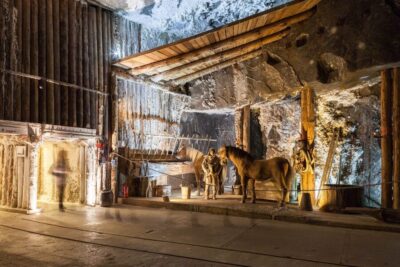
- Wieliczka Salt Mine: Underground Scale You Can Feel
- Price and Value: Is $136 Worth It?
- What’s Included, What Isn’t, and What You Should Bring
- Who Should Book This Tour, and Who Might Want a Different Plan
- Should You Book the Schindler’s Factory and Ghetto + Wieliczka Tour?
- FAQ
- How long is the tour?
- Where do we meet, and where does the tour end?
- Is the tour in English?
- What is included in the price?
- Is food included?
- Does the Salt Mine involve stairs and a lot of walking?
Key Points to Know Before You Go
- Licensed guide at Schindler’s Factory means the film-level story turns into real names, choices, and context.
- Podgórze ghetto walk includes specific landmarks tied to what happened during the war.
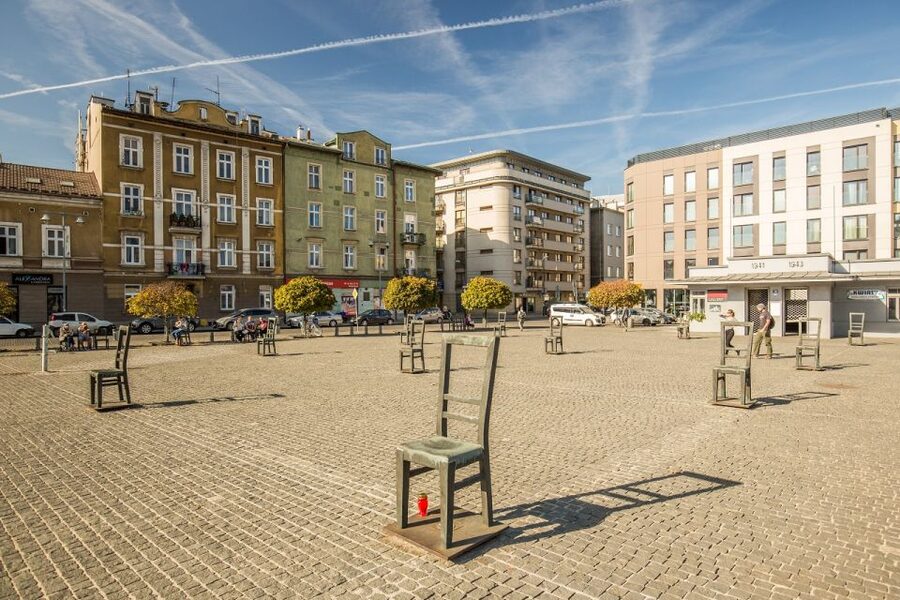
- Empty Chair Monument with 68 chairs gives you a clear visual symbol as you move through the area.
- Undestroyed wall + former homes help you picture the space where thousands lived under displacement.
- Wieliczka Salt Mine time to explore on your own lets you set your own pace underground after transport from Krakow.
- Very practical planning for walking pays off because the mine involves climbing and stairs.
Salt mine tickets and transfers vary a lot. Compare these
- From Krakow: Wieliczka Salt Mine Tour
★ 4.6 · 9,393 reviews - Krakow: Auschwitz-Birkenau and Salt Mine Guided Tour
★ 4.7 · 9,020 reviews - Krakow: Wieliczka Salt Mine Guided Tour with Transport
★ 4.4 · 7,429 reviews - Krakow: Wieliczka Salt Mine Fast-Track Ticket & Guided Tour
★ 4.5 · 5,872 reviews
Why Schindler’s Factory and the Ghetto Walk Fit Together
Krakow can feel like a postcard city until you hit Podgórze and realize how close the tragedy sat to everyday life. This tour is strong because it pairs two layers of the same wartime story.
First, Schindler’s Factory focuses on one of the most documented accounts of how individuals used business and contacts to save lives. Then the ghetto portion shifts you from story to place, so you’re standing in the neighborhood that was reshaped by occupation and persecution. The goal is not just to see sights, it’s to connect what you learned to what you can still recognize on the ground today.
Finally, the Salt Mine breaks the emotional tone without erasing what came before. You go from wartime memory to a working underground site that dates back centuries. For many people, that change of setting makes the day feel complete rather than exhausting.
Schindler’s Factory Museum: The Part That Makes the Story Click
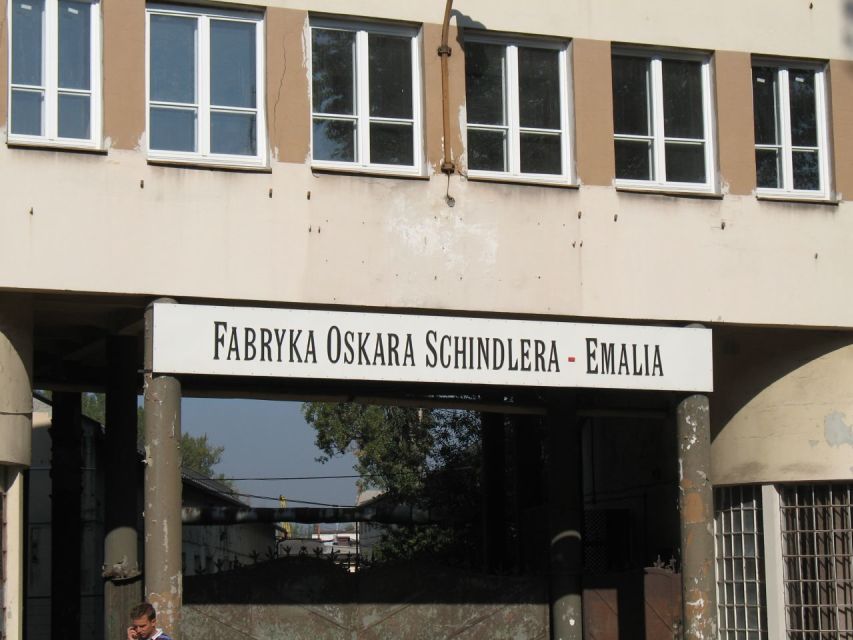
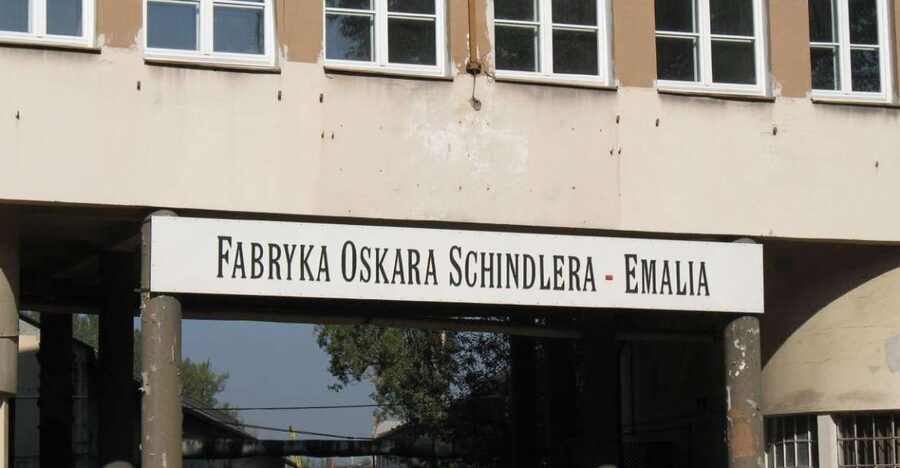
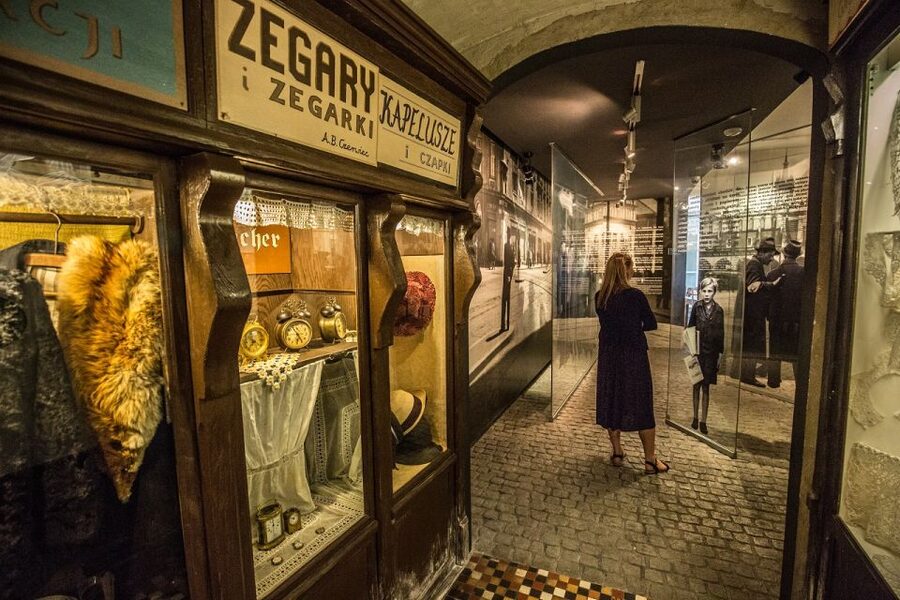
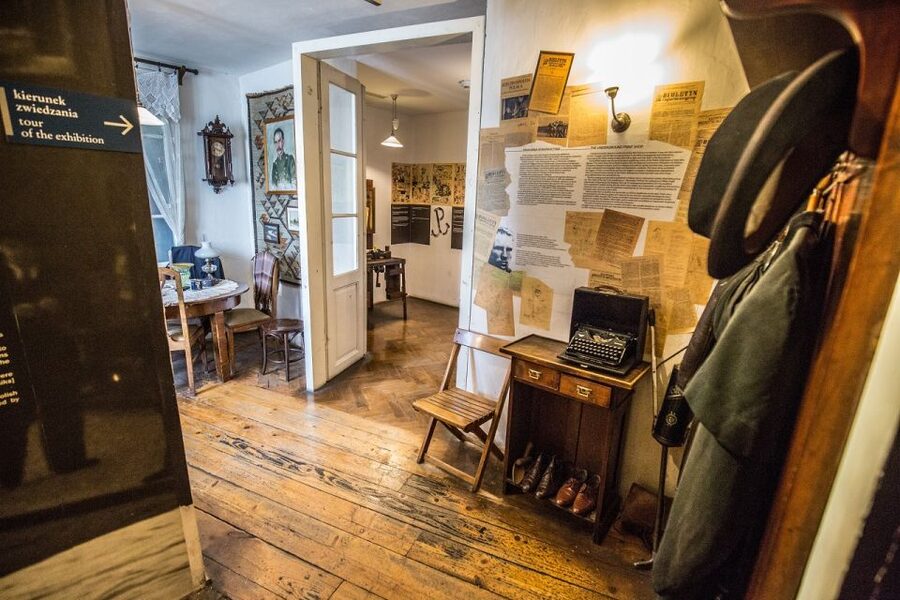
Schindler’s Factory is famous for a reason, but the museum experience works best with interpretation. Here, you go in with a licensed museum guide, and that matters because the factory tells its story through documents, objects, and survivor-linked narratives rather than simple one-way explanations.
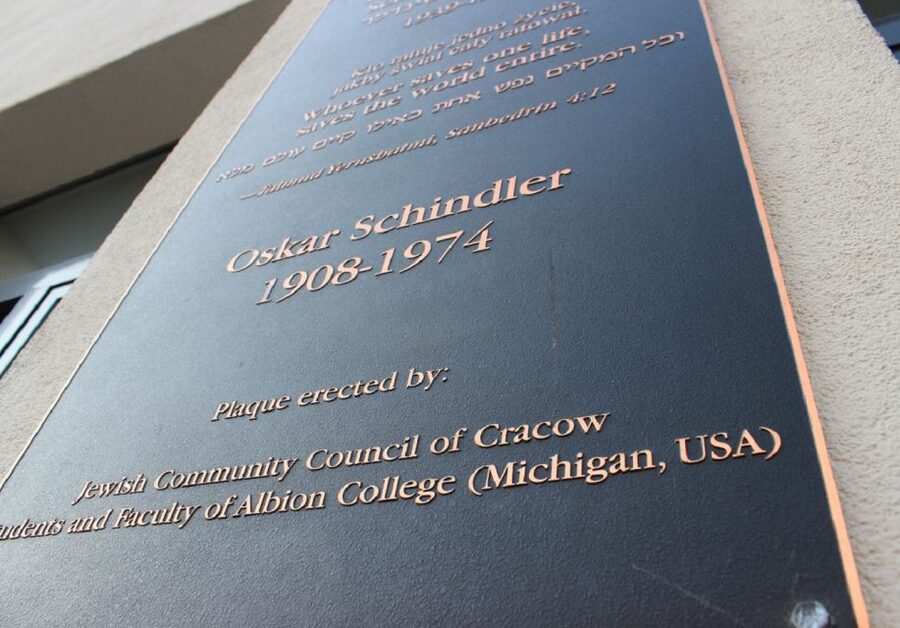
You’ll hear about a German entrepreneur who helped many Jews during the war. Even if you already know the broad outline from pop culture, a guide helps you slow down and focus on the human decisions and the grim reality behind them. I especially like that you get the museum angle first, so later, when you walk through Podgórze, you’re not relying only on memory or secondhand understanding.
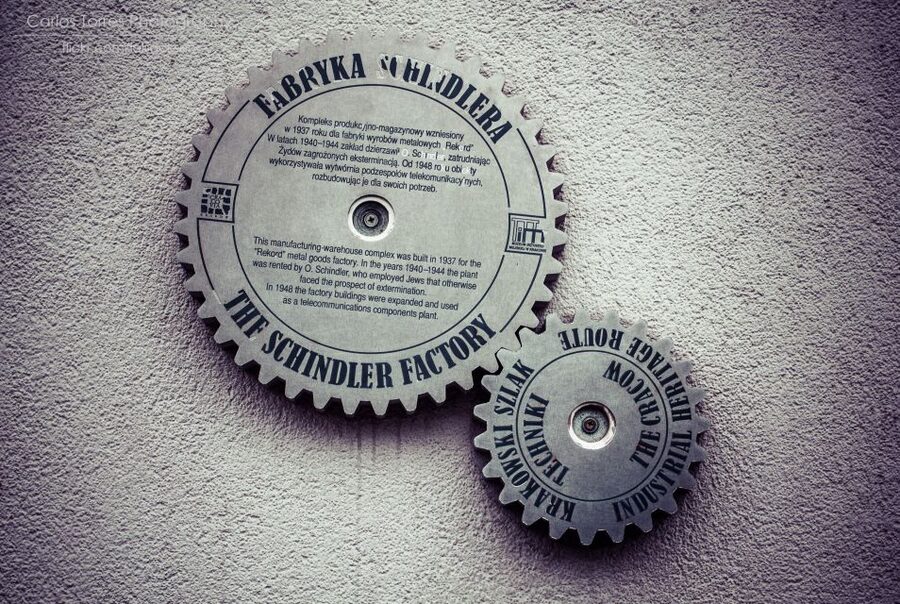
The setting also helps. The museum is inside the factory site, which keeps the talk grounded in the physical space where industrial life intersected with survival efforts. That’s the kind of context you can’t get from a quick photo stop.
Practical note: you should plan to stay mentally engaged. This is not a casual sightseeing sprint. It asks you to pay attention.
Podgórze Jewish Ghetto Stops: Walk Through Specific WWII Landmarks
After the factory, the tour moves into Podgórze and the former Jewish ghetto area. This is where the tour earns its “don’t miss it” reputation, because it guides you past multiple points that each represent a different way the occupation affected daily life.
You’ll see evidence of what took place during World War II, including:
- a preserved section of an undestroyed wall around the ghetto
- houses where thousands of displaced Jews used to live
- the pharmacy called Under the Eagle
- the Empty Chair Monument in Heroes’ Square, with its symbolic 68 chairs
I like this section because it’s not only about history in the abstract. It’s about reading the neighborhood like a timeline. A wall segment tells you about confinement. A former home location reminds you that this was lived space, not a concept. A named site like the pharmacy Under the Eagle makes the ghetto feel more human and specific, rather than like a blank box on a map.
The Empty Chair Monument is the moment where the tour’s tone becomes unmistakable. Those 68 chairs are a symbol that hits harder as you’ve already been walking through the area. It’s not just a photo. It’s a built reminder that the consequences were real and lasting.
Comfort tip: this part is a walk. Your best tool is simple, comfortable footwear. Even on good sidewalks, you’ll cover enough ground to appreciate shoes with real grip.
Heroes’ Square to Wieliczka: How the Day Paces Out
Once the ghetto walk ends, you’re transported to Wieliczka, a small town about 10 kilometers from Krakow. That drive is part of the tour’s rhythm. It gives you a reset before the mine, and it also reduces your stress compared with trying to coordinate transit on your own.
The tour’s structure is smart for a day like this:
- guided and slower at the museum, where the details matter
- more outdoors and walk-based in Podgórze, with multiple stops
- then a shift underground, where time is spent at your own pace
I like that you’re not forced to follow a guide’s footstep every minute underground. That matters because the mine experience can be physically demanding. When you can move when you feel ready, you can pause, catch your breath, and take in the underground scenes without losing the group entirely.
Other reviewed ways into the Schindler factory museum
- Krakow: Oskar Schindler’s Factory Entry Ticket & Guided Tour★ 4.2 · 3,793 reviews
- Krakow: Schindler’s Factory Tour with Entrance Ticket★ 4.5 · 3,182 reviews
- Krakow: Schindler’s Factory Skip-the-Line Ticket★ 4.4 · 3,105 reviews
- Krakow: Schindler’s Factory Tour with Entrance Ticket★ 4.6 · 1,737 reviews
- Schindler’s Factory in Krakow: Guided Tour & Skip the Line Ticket★ 4.5 · 1,714 reviews
Wieliczka Salt Mine: Underground Scale You Can Feel
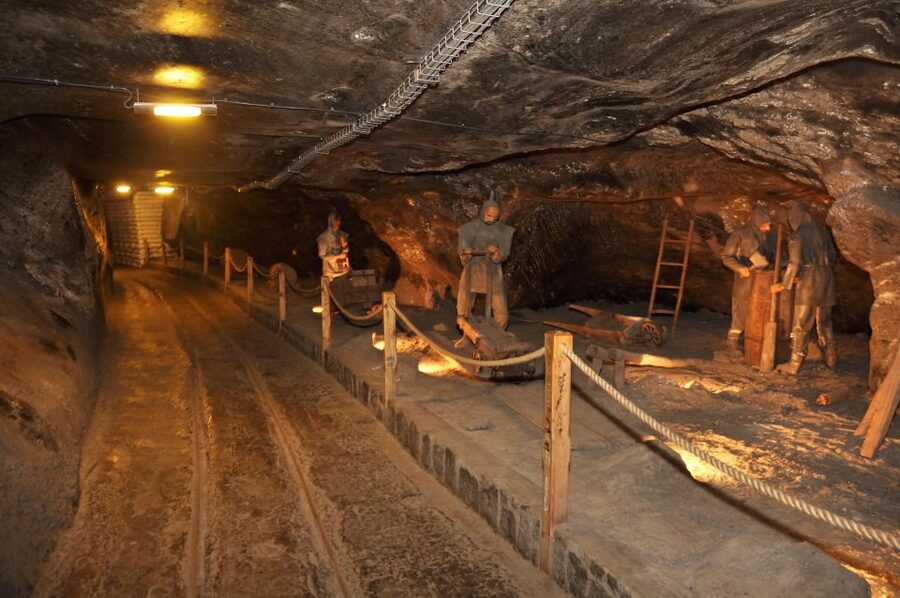
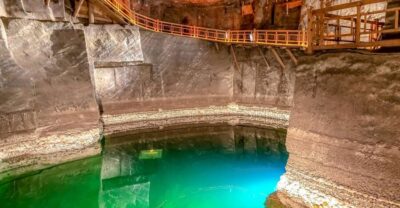
Wieliczka Salt Mine is one of those places that makes your sense of scale feel small in the best way. The tour takes you into one of Europe’s largest old salt mines, with a depth of about 340 meters.
Here are a few facts that help you grasp what you’re entering:
- the mine is about 700 years old
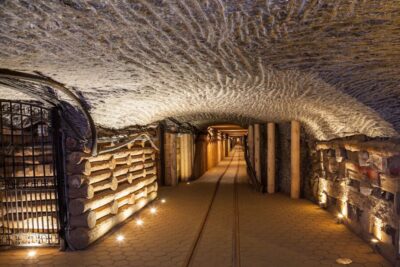
- the total length of corridors and tunnels is over 245 kilometers
Once inside, you explore at your own pace without a guide. That works well because the mine is visual and experiential. You don’t need constant narration to understand what you’re seeing. You need time to wander, slow down, and choose your own stops.
The big practical issue is effort. The regular mine tour requires lots of walking and climbing stairs. This is where I urge you to prep early. Wear shoes you’ve already tested on long walks. If you’re the type who gets tired fast on inclines, build in extra patience, not panic.
Also, remember this tour is not marketed as wheelchair-friendly. If mobility is a concern, ask specifically about the route and stair levels before you book, because the tour description clearly states it is not suitable for wheelchair users.
Price and Value: Is $136 Worth It?
At around $136 per person for a 7-hour day, the value comes from three things working together: two admissions, guided time where it counts, and transport.
You’re paying for:
- admission tickets to Schindler’s Factory Museum and Wieliczka Salt Mine
- a guided tour of both locations (with factory guided heavily, and mine time described as self-paced once you’re inside)
- transportation between Krakow and Wieliczka
Then you need to account for what isn’t included. Food and drinks are not provided, and hotel pickup and drop-off are not included. So you’ll want to plan for a meal either before you start or after you finish back at the meeting point.
Where the money really goes is in the guide-led storytelling at Schindler’s Factory and the structured, stop-by-stop ghetto walk. If you tried to piece this together solo, you could end up juggling museum hours, navigating the right ghetto landmarks, and coordinating transit to Wieliczka. The biggest hidden cost is mental energy. This tour saves that.
For me, the strongest “value” argument is that the day avoids the common trap of seeing important sites too fast. It gives you a rhythm: guided interpretation up top, then time and space underground.
What’s Included, What Isn’t, and What You Should Bring
Here’s the practical checklist I’d follow based on the tour details.
Included:
- admission to Schindler’s Factory Museum and Wieliczka Salt Mine
- transportation between Krakow and Wieliczka
- tickets and guided coverage as described by the tour provider
Not included:
- food and drinks
- hotel pickup and drop-off
Bring:
- comfortable shoes (seriously, this is the one item that will make or break your comfort)
Not allowed:
- pets
- sleeveless shirts
Meeting point and timing:
- the guide meets you in front of the main entrance to the Schindler’s Factory Museum with the excursions.city sign
- the tour ends back at the same meeting point
If you get bothered by waiting, keep a little buffer in your day. One of the main recurring feedback points is that waiting times can run long. Even with skip-the-ticket-line included, you can still run into general entry flow. You’ll feel better if you plan the rest of your day with breathing room.
Who Should Book This Tour, and Who Might Want a Different Plan
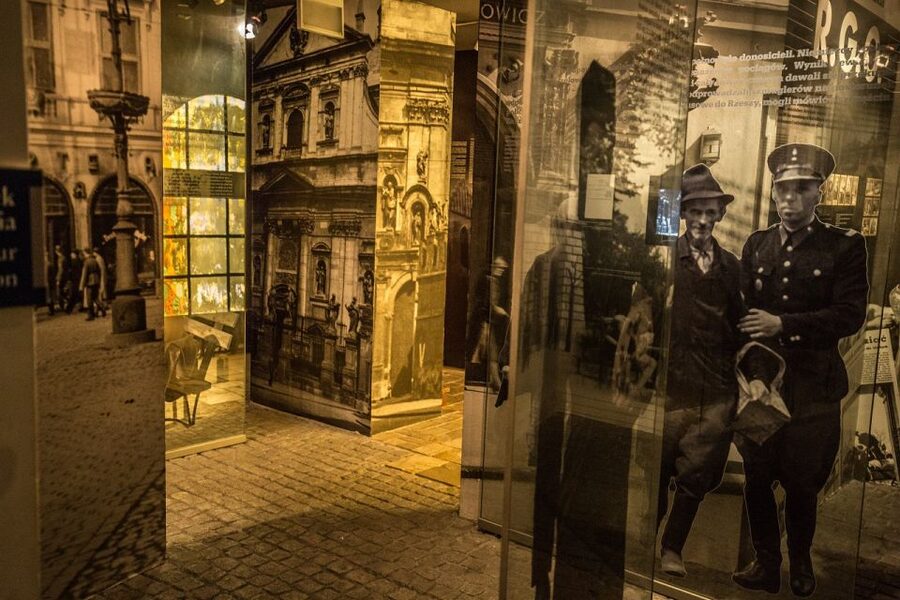
This tour is a great fit if you:
- want a structured WWII day in Krakow that connects Schindler’s Factory with the former ghetto area
- like guided context, especially when a place is heavy and the details matter
- want a major sightseeing anchor after the history, with the Wieliczka Salt Mine’s scale and underground setting
It may be less ideal if you:
- struggle with stairs and long walking days, since the mine tour includes both
- need wheelchair access, since the activity is not suitable for wheelchair users
It also helps to have the right mindset. Schindler’s Factory and the ghetto walk are emotionally serious. The Empty Chair Monument is designed to be a clear, symbolic pause, and the rest of the walk carries that weight.
If you want a light, carefree day of sightseeing, pick something else. If you want a thoughtful, well-guided day that pairs memory and place with a powerful second setting underground, this works.
Should You Book the Schindler’s Factory and Ghetto + Wieliczka Tour?
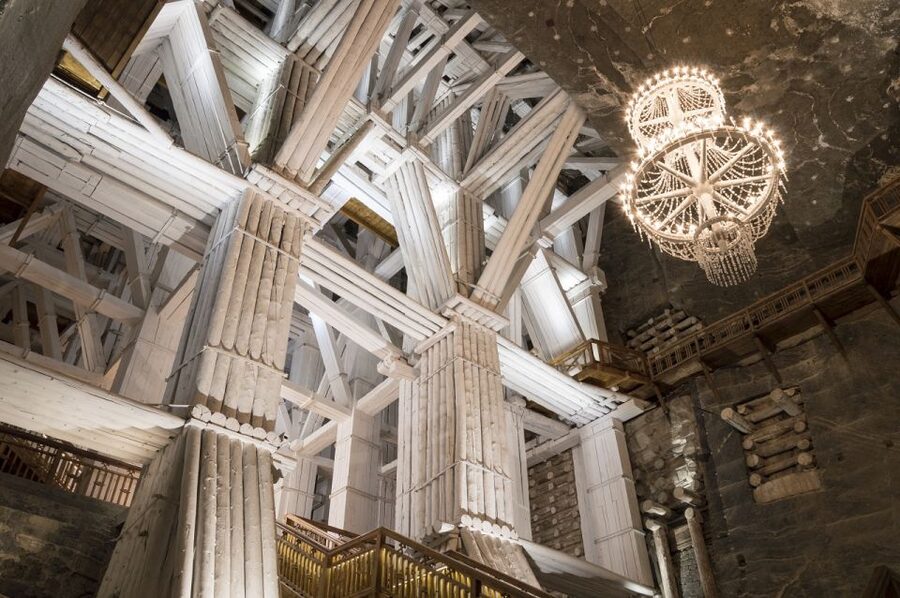
Yes, I’d book it if your priority is a meaningful Krakow day that is organized and not stressful. The guided portion at Schindler’s Factory is the kind of add-on that makes a famous site more understandable. The ghetto walk adds street-level context through specific landmarks, including the preserved wall segment, Under the Eagle pharmacy, and the Empty Chair Monument with 68 chairs.
Then you get to shift gears with Wieliczka Salt Mine, a place defined by its long tunnel network and massive underground depth. Just come ready for physical effort, especially stairs.
If you’re comfortable walking and you want both history and a big-world wonder underground, this is a strong value at $136 for a full 7-hour day.
FAQ
How long is the tour?
The tour lasts 7 hours.
Where do we meet, and where does the tour end?
The guide meets you in front of the main entrance to the Schindler’s Factory Museum with the excursions.city sign, and the tour ends back at the meeting point.
Is the tour in English?
Yes, the live tour guide is provided in English.
What is included in the price?
The price includes admission tickets to Schindler’s Factory Museum and Wieliczka Salt Mine, guided tour coverage, and transportation between Krakow and Wieliczka.
Is food included?
No, food and drinks are not included.
Does the Salt Mine involve stairs and a lot of walking?
Yes. The regular Salt Mine tour requires lots of walking and climbing stairs, and it is not suitable for wheelchair users.
Jewish Heritage and Ghetto Routes in Krakow




The Schindler Factory, Other Ways In



Wieliczka, Other Tickets and Transfers


Recently written up around Krakow


More Wieliczka Salt Mine Tours.
 ★ 4.6Wieliczka Salt Mine TourFrom $339,393 reviews
 ★ 4.7Auschwitz-Birkenau and Salt Mine Guided TourFrom $549,020 reviews
 ★ 4.4Wieliczka Salt Mine Guided Tour with TransportFrom $557,429 reviews
 ★ 4.5Wieliczka Salt Mine Fast-Track Ticket & Guided TourFrom $335,872 reviews
 ★ 4.5Day Trip: Auschwitz-Birkenau and Wieliczka Salt Mine from KrakowFrom $1514,282 reviews
 ★ 4.4Wieliczka Salt Mine Tour & Skip the Line TicketFrom $593,925 reviews
 ★ 4.5Krakow to Wieliczka: Salt Mine Guided Tour with Ticket & TransferFrom $563,193 reviews
 ★ 4.7Auschwitz-Birkenau & Salt Mine Full-Day Guided TourFrom $272,887 reviews
Also on these Poland lists