
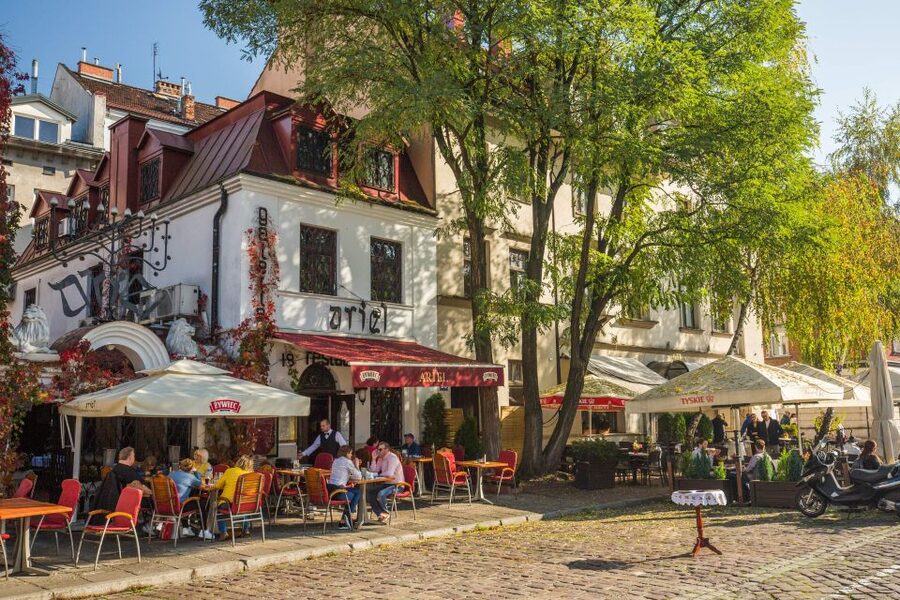
REVIEW · KAZIMIERZ JEWISH QUARTER TOURS
Schindler’s Factory & Kazimierz Jewish Quarter Tour
Kazimierz and Schindler’s Factory hit hard. I love the Kazimierz streets for the concentration of historic synagogue landmarks, and I love how Schindler’s Factory explains Nazi-occupied Krakow beyond one famous name. One thing to watch: the schedule can run a bit long, so leave extra time after the tour.
You meet at the steps of the Old Synagogue, where your guide holds a Kazimierz Guided Tour sign. Arrive at least 10 minutes early, because once the group has entered, late arrivals cannot be accommodated and tickets are not refundable.
The total time is 210 minutes, with groups limited to 25 and tours run in one chosen language. You also get fast-track entry to the museum, which helps you get to the important parts without standing around in line.
In This Review
- Key things to know before you go
- Entering Kazimierz: where synagogues and streets do the talking
- Szeroka Street first, because it sets the mood
- Old Synagogue: the oldest preserved landmark
- Remuh Synagogue and Cemetery: when faith is present, not past
- Kupa Synagogue and the story of who had access
- Tempel Synagogue: past religious purpose, present community use
- Plac Nowy: ending in a square that still functions
- Schindler’s Factory: a museum that focuses on the wartime context
- The exhibition’s design: narrow paths, wartime feeling
- Oskar Schindler, and the people behind the name
- How Kazimierz and the museum work together
- The guide matters, and you get a real one
- Time management for a 210-minute day
- Price and value: what you’re really paying for
- Who this tour suits best
- Should you book Schindler’s Factory and Kazimierz?
- FAQ
- Where do I meet the guide?
- How early should I arrive?
- How long is the tour, and how large are the groups?
- What languages is the tour offered in?
- Is admission to Schindler’s Factory included?
- Do I need to provide names in advance?
- Is food included during the tour?
Key things to know before you go
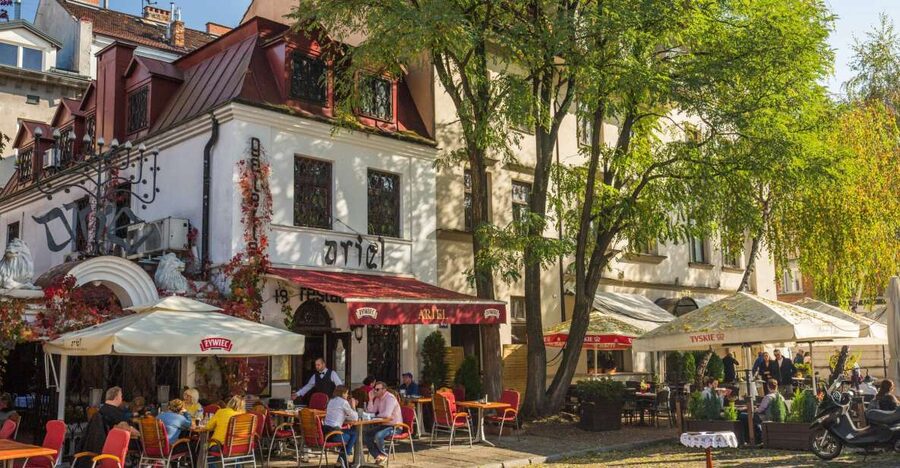
- Start at the Old Synagogue: you kick off in the oldest preserved synagogue in Poland, now a museum dedicated to Jewish history.
- Kazimierz isn’t just famous landmarks: the walk is framed around daily life in Nazi-occupied Krakow, including how Jewish and non-Jewish residents endured the war.
- Remuh Cemetery is a major stop: you visit one of Poland’s most important Jewish religious sites.
- You’ll see synagogues with different roles: from the Kupa Synagogue tied to the poorest community members, to the Tempel Synagogue used for cultural events today.
- Schindler’s Factory is a story museum now: it used to be a factory, but you won’t find original production equipment inside.
- Personalized tickets are required: you must provide full names for all participants at booking for entry.
Other reviewed ways into the Schindler factory museum
- Krakow: Oskar Schindler’s Factory Entry Ticket & Guided Tour
★ 4.2 · 3,793 reviews - Krakow: Schindler’s Factory Tour with Entrance Ticket
★ 4.5 · 3,182 reviews - Krakow: Schindler’s Factory Tour with Entrance Ticket
★ 4.6 · 1,737 reviews - Schindler’s Factory in Krakow: Guided Tour & Skip the Line Ticket
★ 4.5 · 1,714 reviews
Entering Kazimierz: where synagogues and streets do the talking
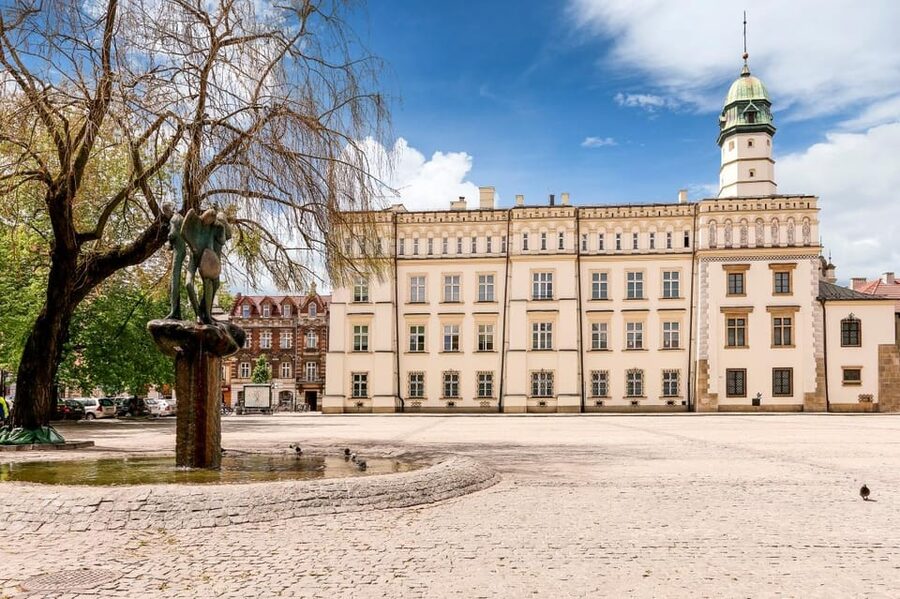
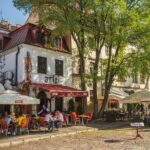
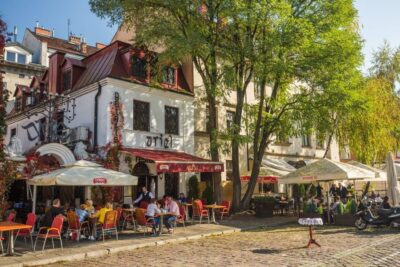
Kazimierz is one of Krakow’s most layered neighborhoods, and the tour uses that layering in a smart way. You start in Szeroka Street, the historic center of Kazimierz, where the buildings date from the 16th to the 18th centuries and the streets feel made for slow walking.
I like that the guide does not treat this as a checklist of buildings. Instead, you get a sense of how faith, community ties, and everyday routines shaped the neighborhood for centuries, and how that changed under Nazi occupation.
This part works well if you want context before you walk into Schindler’s story. You’ll also get a feel for why Kazimierz matters, even if you only know it from famous sites or photos.
Szeroka Street first, because it sets the mood
The tour begins on Szeroka Street, surrounded by synagogue buildings and traditional townhouses. This is the easiest way to get oriented fast, because you immediately see the concentration of historic religious sites without needing transport or extra directions.
As you walk, you pass spaces that were central to Jewish life, and you also notice the mixed, lived-in character of the district. It helps you understand that Kazimierz was not a museum set. It was home, work, family, prayer, and neighborhood life.
Practical tip: wear shoes that can handle uneven pavement and curb drops. Kazimierz rewards foot traffic, but the walking surfaces are not always flat and friendly.
Old Synagogue: the oldest preserved landmark
One of the key moments is the Old Synagogue, described here as the oldest preserved synagogue in Poland and now functioning as a museum focused on Jewish history. Even if you have seen synagogue architecture before, the point of this stop is to connect structure to people.
You are not just looking at walls. You are being guided to understand how the synagogue fit into the rhythms of community life, and why that continuity was so important.
This stop is especially valuable if you want the story in human terms. It gives you a foundation for the later wartime explanation in the museum.
Remuh Synagogue and Cemetery: when faith is present, not past
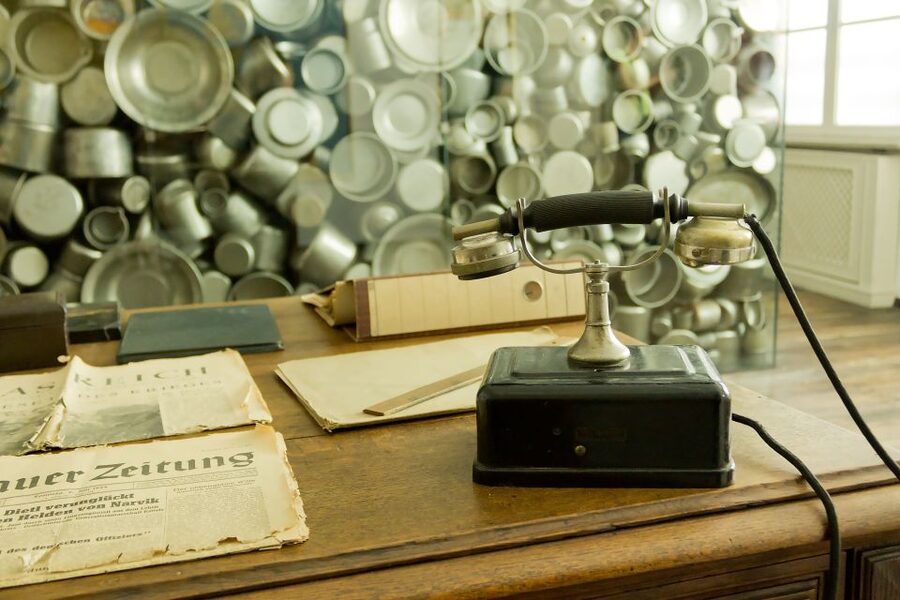
Next you move toward Remuh Synagogue and Cemetery, one of the most important Jewish religious sites in the country. This is where the tour broadens from buildings to practice, because cemeteries and prayer spaces anchor memory and identity.
I appreciate that this stop is not sensationalized. You get the sense that these places still carry meaning, and that continuity matters even after occupation and destruction.
If you are sensitive to solemn spaces, plan for a quieter mindset here. The tour keeps a respectful tone, and it helps if you don’t rush through your own questions.
Kazimierz on foot, by cart and after dark. Our other write-ups
- Krakow: Jewish Quarter and Former Ghetto Tour★ 4.9 · 1,441 reviews
- Krakow: Bike Tour of Old Town, Jewish Quarter and the Ghetto★ 4.9 · 1,155 reviews
- Krakow: Kazimierz Jewish Quarter Walking Tour★ 4.8 · 571 reviews
- Full Bike Tour – the Old Town, Jewish Qtr & the Ghetto NEW BIKES★ 5.0 · 437 reviews
- Krakow: Bike Tour of the Old Town, Kazimierz, and the Ghetto★ 4.9 · 350 reviews
Kupa Synagogue and the story of who had access
The Kupa Synagogue is another thoughtful stop, tied to the community’s poorest members. That detail changes how you read the district. Suddenly the tour is not only about important buildings, it’s about social reality.
You start noticing how places in Kazimierz were shaped by need, not just tradition. A synagogue could be a spiritual center and a community safety net, depending on who it served.
This is a good moment to pay attention to what your guide emphasizes. The context will help later when the museum shifts to the mechanisms of occupation and survival.
Tempel Synagogue: past religious purpose, present community use
You also pass the Tempel Synagogue, which today serves as a cultural venue. That contrast matters, because it shows how the neighborhood evolved after the war and after decades of disruption.
I like this kind of continuity because it prevents the tour from becoming only tragedy. You see the long arc: historic worship spaces, wartime rupture, and later use that keeps the area active.
If you’re worried the tour will only cover the darkest chapters, this stop is a useful balance point. It reminds you that Kazimierz has kept going.
Plac Nowy: ending in a square that still functions
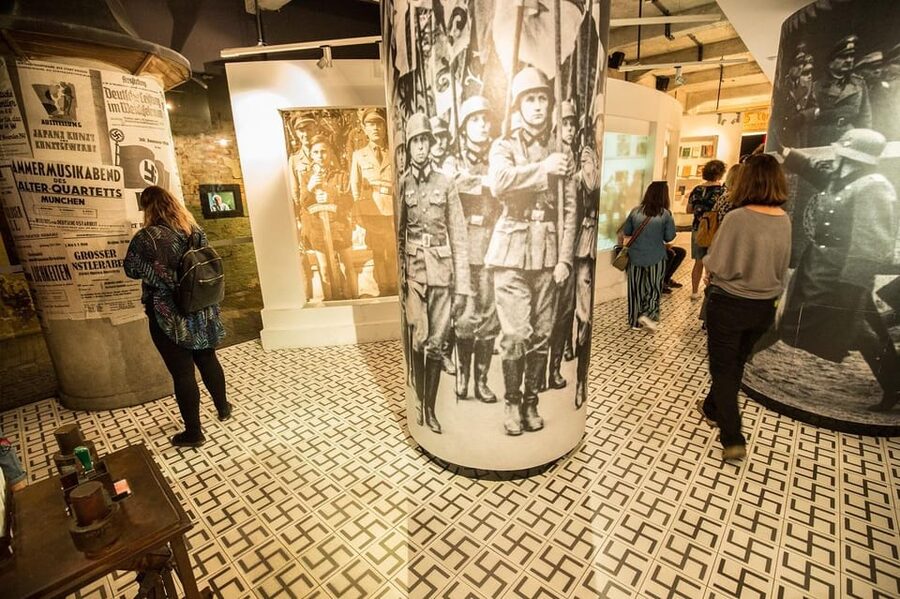
The walk ends at Plac Nowy, a lively square with cafés, markets, and local art. This part is practical and emotional at the same time. After synagogue sites and solemn history, it gives your brain a reset while keeping you in the neighborhood.
You might find it helpful to use this time to pick up a quick drink or snack on your own, since food and drinks are not included. It’s also a good moment to check the group pace and how your feet are holding up before the museum portion.
Even if you don’t stop, the square is a nice visual reminder that history sits inside real streets. People still live their days here.
Schindler’s Factory: a museum that focuses on the wartime context
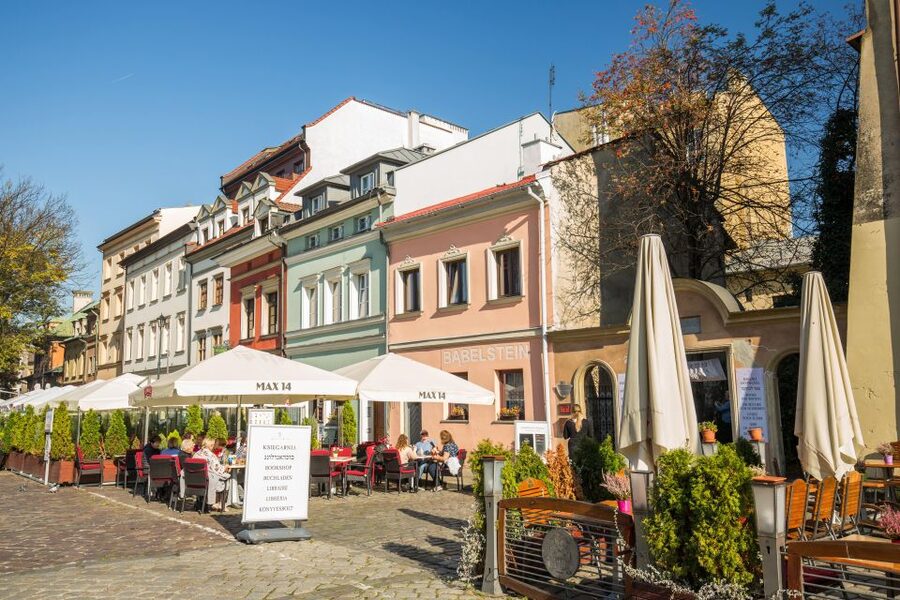
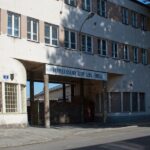
The second half takes you to Schindler’s Enamel Factory, now one of Krakow’s most visited museums. You enter with a licensed expert guide and fast-track admission, so you can spend your limited time on the exhibits rather than standing in line.
The permanent exhibition is framed as Krakow under Nazi Occupation 1939 to 1945, told through the story of Oskar Schindler. That framing is important. It keeps the narrative anchored to a specific individual, but it also forces the broader picture of occupation into view.
Inside, you’ll see historic photographs, personal belongings, and reconstructed streetscapes. The point is to show fear, uncertainty, and hardship as the daily background to everything else.
The exhibition’s design: narrow paths, wartime feeling
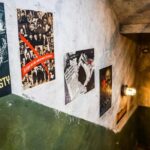
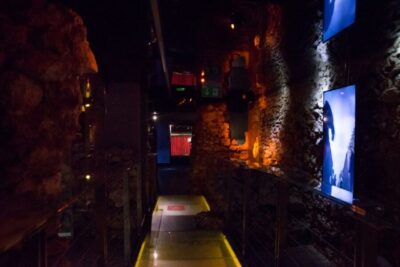
The museum uses narrow passageways and a layout designed to reflect the atmosphere of World War II. If you like to move freely and linger, you’ll still be guided along a route, but you’ll feel the constraints and pressure the museum creates.
This is also why comfort matters. If you need space to breathe or you prefer wide aisles, consider that the exhibition layout is not built for maximum physical comfort.
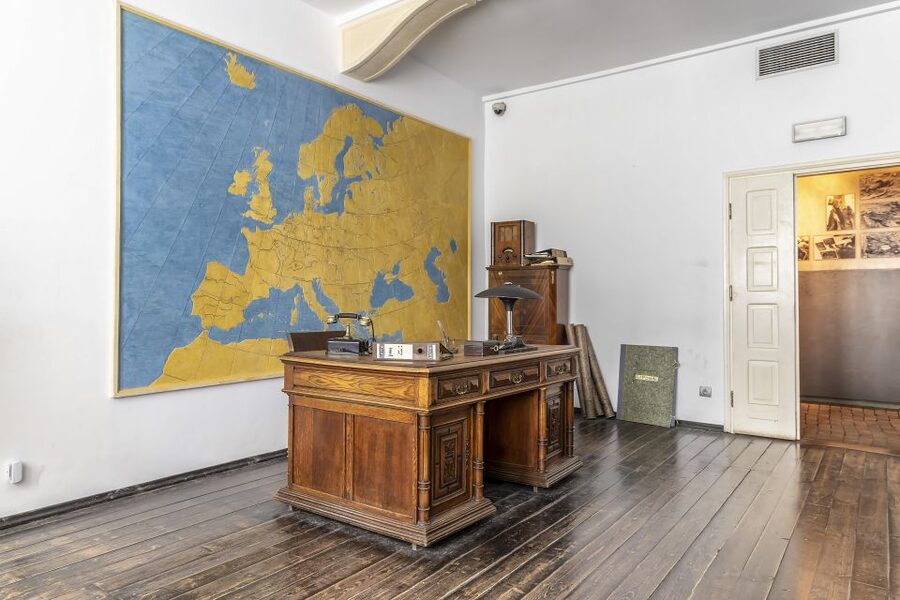
One practical note: the building originally functioned as Schindler’s factory, but it now operates as a museum, and it no longer contains original production equipment. That helps set expectations if you were imagining seeing machines from the wartime period.
Oskar Schindler, and the people behind the name
Schindler’s story here isn’t presented as pure legend. It is tied to what he did and why it mattered to real individuals.
The tour explains how Schindler employed Jewish workers and used his position, influence, and resources to help them avoid deportation. The result, as presented in the exhibition, is that more than a thousand men and women survived the war.
You’ll hear about the Schindlerjuden, the people Schindler saved. Their testimonies are presented as deeply moving, and the overall museum tone is meant to keep the focus on what those survivors experienced.
I find this approach more useful than a quick hero narrative. It also makes your Kazimierz walk feel more grounded, because you already understand what community life meant there before the occupation.
How Kazimierz and the museum work together
This is one of those rare combos that feels smarter than doing the sites separately. Your Kazimierz walk builds the human geography: where people prayed, lived, and organized their community. Then the museum explains how occupation changed life in Krakow, and how survival depended on both systems and individuals.
The highlights specifically emphasize understanding daily life in Nazi-occupied Krakow beyond Schindler’s story, including how both Jewish and non-Jewish residents endured the war. That context matters because it prevents the museum from feeling like it is only about a single savior.
If you’re visiting Krakow for the first time and you want a single, coherent path through a complicated period, this tour gives you that.
The guide matters, and you get a real one
A huge part of the value is the licensed guide. Clear explanation makes a big difference in places like this, where the topics are heavy and the details matter.
In particular, I’ve seen how guides such as Helen can make the history easy to follow and genuinely absorbing, with strong pacing and clear explanations. Another guide experience that stood out is the way some guides accommodate questions and keep the tone balanced.
To make the most of any guide, come with one or two things you want answered, like how daily life changed on a street level, or what different synagogue roles meant in the community. Then you can judge whether your guide’s emphasis matches your curiosity.
Time management for a 210-minute day
At 210 minutes, this is not a quick stop. It is long enough to do real walking and real museum time, but not so long that you’ll feel trapped all day.
Still, keep a buffer on your schedule. One point to watch is that the tour can run a bit over time, so don’t book a tight, same-hour plan right afterward.
Also remember the museum has narrow sections. You are moving with a group, and that can affect how long it feels. Going in with patience helps you get the full value without frustration.
Group size is capped at 25, which usually makes it easier for the guide to manage questions. But it can still feel like a busy environment inside the museum.
Price and value: what you’re really paying for
The price is $69 per person, and the best way to judge value is by what you get, not by what you skip. You’re paying for a guided walk through Kazimierz, professional licensed guidance, and fast-track admission to Schindler’s Factory.
Fast-track entry matters because museum lines can be slow in peak hours. That time saved lets your group spend more minutes inside, which is where the core content lives.
Food and drinks are not included, so plan to cover that on your own. The tradeoff is you get a focused route rather than a half-day meal program that can dilute time.
For a first-time visitor, or anyone who wants one organized framework through Kazimierz and Nazi-occupied Krakow, this is a solid value. You’re getting both street-level context and a structured museum narrative without needing to stitch multiple tickets and audio guides together.
Who this tour suits best
This tour fits you if you want more than surface sightseeing. You’ll enjoy it most if you like guided storytelling and you want context for what you are seeing.
It is also a good match if you care about the broader wartime picture: not only Schindler, but the neighborhood systems and how people lived through occupation. The emphasis on both Jewish and non-Jewish residents makes it a more complete understanding than a single hero-focused museum visit.
It may be less ideal if you prefer casual, independent wandering with no structure. This is a guided route, with timing, group movement, and museum spaces designed to shape your pace.
Should you book Schindler’s Factory and Kazimierz?
I think you should book this tour if you want a guided, high-context day in Krakow that connects Kazimierz’s historic community life to the reality of Nazi occupation. The mix of synagogue landmarks and a museum exhibition centered on daily wartime conditions gives you a stronger understanding than doing either part alone.
Book it especially if you want fast-track entry and a licensed guide who can handle heavy subject matter with clear explanations and pacing. If you’re sensitive to solemn spaces and narrow passageways, plan your comfort in advance and keep a flexible schedule afterward.
If you only have a short time in Krakow and you want one well-organized way to learn, this is a strong pick.
FAQ
Where do I meet the guide?
Meet your guide on the steps of the Old Synagogue. They will hold a Kazimierz Guided Tour sign.
How early should I arrive?
Arrive at least 10 minutes prior to the tour start time. Late arrivals cannot be accommodated once the group has entered, and tickets are non-refundable.
How long is the tour, and how large are the groups?
The tour duration is 210 minutes. Group size is limited to 25 participants.
What languages is the tour offered in?
The tour is available in German, French, Italian, English, and Spanish. All group tours are conducted in a single language, which you select at booking.
Is admission to Schindler’s Factory included?
Yes. The tour includes fast-track admission to Schindler’s Factory, so you can skip the ticket line.
Do I need to provide names in advance?
Yes. Because the museum issues personalized tickets, providing the full names of all participants at the time of booking is mandatory. If full names are not provided, entry may be denied.
Is food included during the tour?
No. Food and drinks are not included, so you’ll want to plan for snacks or a drink on your own, especially since the walk ends at Plac Nowy.
More Tour Reviews in Krakow
Kazimierz, Keep Going
The Schindler Factory, Other Ways In

Recently written up around Krakow
More Kazimierz Jewish Quarter Tours.
 ★ 4.9Jewish Quarter and Former Ghetto TourFrom $191,441 reviews
 ★ 4.9Bike Tour of Old Town, Jewish Quarter and the GhettoFrom $371,155 reviews
 ★ 4.8Kazimierz Jewish Quarter Walking TourFrom $27571 reviews
 ★ 4.8Kazimierz, Schindler’s Factory & Ghetto Guided TourFrom $81460 reviews
 ★ 5.0Full Bike Tour – the Old Town, Jewish Qtr & the Ghetto NEW BIKESFrom $35437 reviews
 ★ 4.9Bike Tour of the Old Town, Kazimierz, and the GhettoFrom $26350 reviews
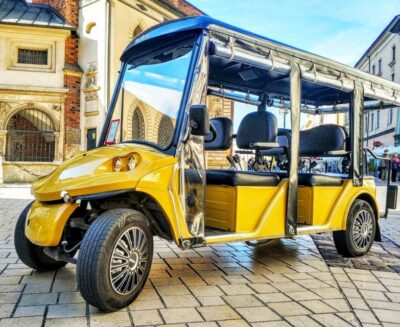 ★ 4.6Jewish Quarter and Ghetto Electric Golf Cart TourFrom $34348 reviews
 ★ 5.0Jewish Krakow Walking TourFrom $26307 reviews
Also on these Poland lists