
REVIEW · WARSAW CITY TOURS
Warsaw Behind the Scenes – small group tour with hotel pickup
A Zuk van makes WWII history hit harder. This behind-the-scenes small-group tour strings together the Warsaw you do not usually see on a postcard run, with WWII sites, survivor stories told on real streets, and a look at how the city kept changing after 1945.
I love the small-group feel plus hotel pickup, which keeps your morning from turning into a hunt for meeting points. Guides like Tom, Marcin, and Karol also bring strong storytelling and helpful visual aids that make the timeline click.
One drawback to note: these are vintage minibuses with no guarantee of seat belts and no air conditioning, so in summer and winter you will want to dress for the vehicle ride.
In This Review
- Key takeaways before you go
- Warsaw by the right route: hotel pickup and a vintage Zuk ride
- Price and value: what $133.08 buys you
- Stop 1: a quick Warsaw and Poland primer that makes the rest make sense
- Stop 2: Muranów, where the ghetto is under your feet
- Stop 3: Chłodna Street and the wooden ghetto bridge from The Pianist
- Stop 4: Nowolipki and the Warsaw Ghetto Uprising of 1943
- Stop 5: Bielańska and the wider WWII timeline, including 85% destruction
- Stop 6: Praga Polnoc, across the Vistula River and into a different mood
- Stop 7: Śródmieście near the communist party headquarters and the rebuild under Soviet pressure
- Stop 8: 1989 and the Solidarity shift, with Pope John Paul II in the story
- What really makes this tour shine: guides, pacing, and photo-based storytelling
- The vintage minibus reality check: comfort in summer and winter
- Who should book this tour, and who might want a different plan
- Should you book Warsaw Behind the Scenes?
Key takeaways before you go
- Hotel pickup plus a small bus: easier start, calmer pacing, and less time waiting around.
- WWII history on street corners: you are not stuck reading plaques, you are walking the logic of the city.
- A wooden ghetto bridge stop: the place tied to The Pianist helps you picture how the ghetto was split.
- Praga Polnoc with prewar vibes: you cross the Vistula River to a district that still feels like older Warsaw.
- Communism to Solidarity in one route: you connect rebuilding after 1945 to the 1989 power shift.
Warsaw rebuilt itself twice over. Here is how else we saw it
- Warsaw: Chopin Concert in the Old Town
★ 4.8 · 2,287 reviews - Warsaw: Traditional Galar Cruise on The Vistula River
★ 4.6 · 1,640 reviews - Warsaw: Old Town Highlights Walking Tour in English
★ 4.7 · 1,516 reviews - Warsaw Concert: Chopin – Painted by Candlelights with Wine
★ 4.8 · 1,442 reviews
Warsaw by the right route: hotel pickup and a vintage Zuk ride
This tour is built for people who want context, not just coordinates. You start with hotel pickup (for listed hotels) and a quick on-the-ground orientation, so you are not guessing why the city looks the way it does today. From there, you ride and walk in short chunks, which matters because Warsaw is not the kind of place you can comfortably see all at once by foot.
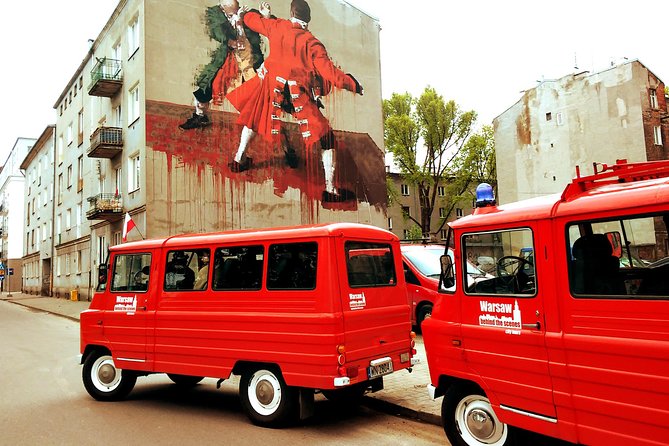
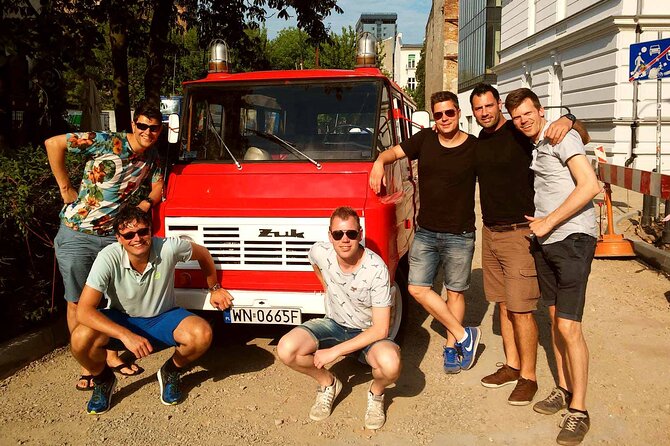
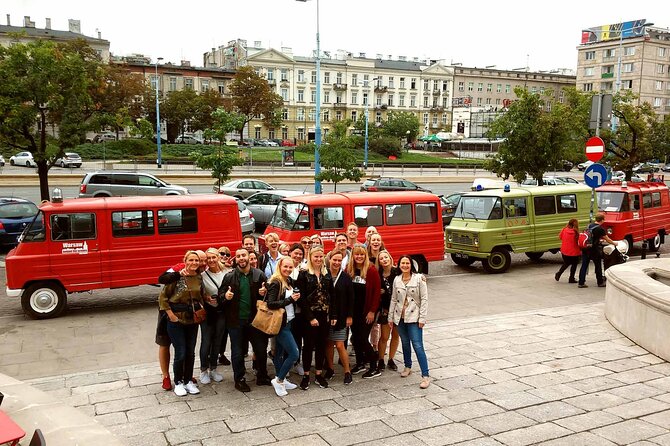
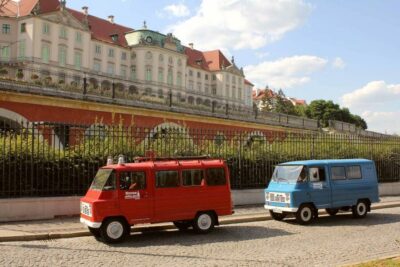
The other big factor is the vehicle. Many groups go in a vintage Zuk minibus, the kind that looks like it should come with a radio from 1970. Several reviews call out the Zuk as part of the fun, and I get it. It slows the whole experience down. You are less likely to treat the stops like a checklist, and more likely to actually listen.
Group size stays intentionally small. Each minibus holds up to 8 passengers, and there is a maximum of 39 across the whole tour. That gives you enough social energy for questions, without the chaos of a large bus.
Price and value: what $133.08 buys you
At about $133.08 per person, you are paying for a guide who can explain why these places matter, plus the convenience of pickup and coordinated transfers. You also get a concentrated route that covers multiple eras: the WWII ghetto period, the Warsaw Uprisings, postwar Soviet control, and the 1989 break toward democracy.
Is it a “cheap” tour? No. But the value is in what you skip. If you tried to stitch this together yourself, you would spend time figuring out routes, ordering museum time, and then still missing the connective tissue a guide can provide.
Also, a few reviews mention guide-led pauses for local food, like a Polish cafe lunch or a local bakery stop, plus a drink such as cucumber vodka. That is not something every tour always guarantees, but it lines up with the tour’s overall style: you are learning street-level history, not just looking.
Stop 1: a quick Warsaw and Poland primer that makes the rest make sense
After pickup, you meet your guide and get a short introduction to Warsaw and Poland. This is brief on purpose, and it helps more than people think. WWII history in Warsaw is dense. If you already understand the basic “what happened, then what happened next” framework, each later stop lands with more clarity.
This first orientation is also where guides usually set expectations about how the walk will feel. Expect direct, honest storytelling, not vague romance. If you like history that does not sanitize the past, this tour style fits.
Stop 2: Muranów, where the ghetto is under your feet
Muranów is the first major stop, and it sets the emotional temperature for the day. This district was built on the site of the Jewish Ghetto established by Nazi Germany in 1940. From street level, it can look like an ordinary postwar housing area. The point of the stop is that the real story is underneath and around the edges.
Your guide helps you see the “layer” concept in real time. Postwar buildings may dominate the view, but historical traces and the district’s story explain why the area carries grief and memory. You walk away with a new habit of looking at a modern neighborhood and asking, what used to be here?
How it feels: quieter than you might expect at first, then heavier once the guide ties streets, destruction, and reconstruction together.
A consideration: if you prefer history that stays more abstract, this stop can feel very direct. If you prefer realism, it is one of the strongest reasons to book.
- Warsaw: City Sightseeing Hop-On Hop-Off Bus Tour★ 3.6 · 1,415 reviews
- Warsaw: POLIN Museum of the History of Polish Jews Ticket★ 4.7 · 1,142 reviews
- #1 Pub Crawl Warsaw with Optional Premium 1 Hour Open Bar★ 5.0 · 790 reviews
- Warsaw: Polish Vodka Museum Tour with Tasting★ 4.6 · 788 reviews
- Chopin Concerts at Fryderyk Concert Hall★ 4.7 · 687 reviews
Stop 3: Chłodna Street and the wooden ghetto bridge from The Pianist
At the intersection of Chłodna and Żelazna Streets, you visit the location associated with the iconic wooden ghetto bridge seen in The Pianist. Your guide explains how it worked: it connected two sealed parts of the ghetto while letting traffic move underneath, suspended above the street.
This is where film can actually help your understanding. Even if you watched the movie years ago, the physical location and the bridge logic help your brain visualize a system, not just a scene. You start to grasp how the ghetto was designed as a controlled space, with literal barriers built into daily movement.
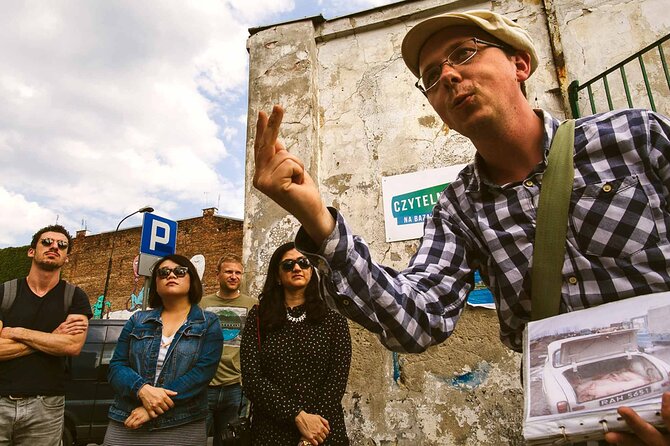
What to watch for: your guide uses historical photographs to recreate how the area looked before and during those years. If you like seeing how reality changed over time, this is a great moment for your camera roll, even if you do not photograph much.
Stop 4: Nowolipki and the Warsaw Ghetto Uprising of 1943
Next comes Nowolipki, focused on the Warsaw Ghetto Uprising in 1943. This was when Jewish resistance fighters launched a final stand against deportation. After weeks of fighting, the ghetto was razed.
The value here is the “why” behind remembrance. Your guide connects the uprising to how it is commemorated, and how history sits inside the modern cityscape. That matters because it is easy to treat WWII history as a distant event. This stop turns it into a geography lesson.
How to prepare: if you are the type who likes to ask questions, bring them. Several guides are described as flexible with interests and willing to answer many questions, and this part of the story naturally creates them.
Stop 5: Bielańska and the wider WWII timeline, including 85% destruction
Bielańska shifts from the ghetto story to the broader WWII picture and Poland’s political future. You get the context that agreements between the Western Allies and Stalin put Poland under Soviet influence. Then the tour brings in the Warsaw Uprising of 1944, described as the city’s last attempt to change the outcome.
After the collapse of the uprising, Nazi forces systematically destroyed about 85% of Warsaw. Then, the Red Army entered the ruins in January 1945.
This stop is where the “behind the scenes” promise really shows. A normal overview tour might list dates. This one explains the logic, so you see why the city faced multiple rounds of catastrophe and political control. It also helps you understand why the postwar rebuild is not just construction, it is ideology plus survival.
Drawback to consider: it is emotionally intense content. That is not a flaw, but it is a factor if you are traveling with teens who want something lighter, or if you are sensitive to WWII material.
Stop 6: Praga Polnoc, across the Vistula River and into a different mood
Then the route changes. You cross the Vistula River to Praga, one of Warsaw’s more distinctive districts. The big idea: Praga preserves much of its war-era survival better than many central areas, so it carries an atmosphere closer to prewar Warsaw.
Your guide takes you through a neighborhood with Belle Époque buildings and traditional courtyards, and explains why Praga was overlooked for a long time and is now recognized as a creative, still-locally-rooted district. The tour also builds in riverbank views, so it is not all heavy history back to back.
What makes this stop special for practical travelers is how it resets your eyes. You go from the ghetto and uprising sites into a neighborhood that feels lived in and evolving. It helps you leave the tour with a more complete sense of modern Warsaw, not just the tragedy chapters.
Stop 7: Śródmieście near the communist party headquarters and the rebuild under Soviet pressure
Back in central Warsaw, you stop near the former Polish Communist Party headquarters. This is about the difficult work of rebuilding a destroyed capital after 1945, and the conflict between what architects and city planners wanted and what the Soviet-inspired ideological demands required.
As you explore the area, you see the results of those compromises. This is not just “communism happened.” It is how it shaped urban design, institutions, and the look of everyday space.
If you like to understand why cities have certain layouts or why certain buildings were emphasized, this is a good stop. Even if you think you know the basics, the tour’s focus on reconstruction logic makes it more concrete.
Stop 8: 1989 and the Solidarity shift, with Pope John Paul II in the story
The tour ends by connecting the next transformation: 1989. You learn how the Solidarity movement and Pope John Paul II played key roles in ending communist rule in Poland. The city then shifted again, toward a new era of democracy and capitalism, and Warsaw changed its identity a final time in this route.
This closing stop matters because it keeps the tour from turning into a one-note WWII memorial march. You get the afterstory. You understand why Warsaw feels modern in certain ways, while still carrying scars, reminders, and architectural echoes of earlier decades.
It also gives you a smarter way to spend the rest of your trip. When you later walk through town on your own, you can connect what you see to the layers the guide pointed out.
What really makes this tour shine: guides, pacing, and photo-based storytelling
The reviews are consistent on one point: the guides. People bring up guides like Tom, Marcin, Karol, Artur, Arturo, Mark, and Jan, and the pattern is the same. They are described as engaging, funny in a human way, and very good at answering questions. They also use photographs to show Warsaw before, during, and after the war, which makes the history feel more real than a list of dates.
Pacing also helps. The tour uses a mix of short vehicle transfers and walking segments at each stop. That keeps you from burning out before the more intense parts. Still, you should wear comfortable clothing and suitable footwear. The vehicles may do some of the work, but it is not a zero-walk tour.
One more thing: the guides are not afraid to address antisemitism and the realities of the period. If you want history told honestly, that candor is part of the value. If you want only uplifting stories, you may find it heavy.
The vintage minibus reality check: comfort in summer and winter
No air conditioning is a common note for these classic vehicles. Heating is included for winter season, which is helpful. Some minibuses do not have seat belts because of historic-vehicle rules, so you ride more for the experience and context than for modern comfort.
This is why clothing matters. If it is hot, dress in breathable layers so you can handle a warm ride. If it is cold, bring a warm outer layer. And even if it rains, a good guide will still do their best to get you close to the sights as possible, since the whole point is seeing the locations, not just talking about them.
Also, keep expectations clear: this tour is a guided walk-and-transfer experience, so you will not have long, museum-style time at any single indoor site.
Who should book this tour, and who might want a different plan
This is ideal if:
- You want WWII history in Warsaw explained with street-level logic
- You like small groups and direct access to your guide for questions
- You are visiting early and want to get your bearings fast, with context that helps the rest of the trip
It might not be ideal if:
- You dislike emotional history about war and persecution
- You need modern vehicle comfort like air conditioning, or you strongly rely on seat belts
- You want a purely scenic, light sightseeing morning
Should you book Warsaw Behind the Scenes?
If you want a fast way to understand why Warsaw looks the way it does, and you are willing to face the tough chapters, I think you should book it. The combination of hotel pickup, small-group pacing, and a route that moves from ghetto geography to postwar rebuilding and 1989 gives you a real storyline.
Spend a little time deciding what you want most: a comfort-first tour or a context-first tour. If you pick context, this one is a strong choice.
More Tours in Warsaw
More Tour Reviews in Warsaw
Warsaw, Keep Looking
Recently written up around Warsaw

More Warsaw City Tours.
 ★ 4.8Chopin Concert in the Old TownFrom $262,287 reviews
 ★ 4.6Traditional Galar Cruise on The Vistula RiverFrom $201,640 reviews
 ★ 4.7Old Town Highlights Walking Tour in EnglishFrom $261,516 reviews
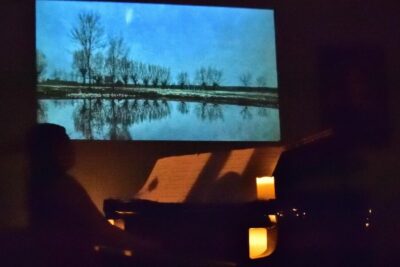 ★ 4.8Warsaw Concert: Chopin – Painted by Candlelights with WineFrom $251,442 reviews
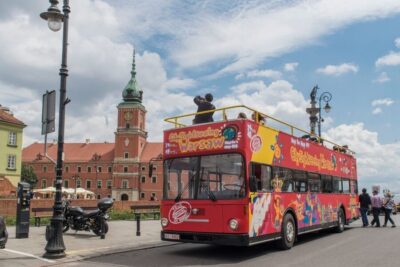 ★ 3.6City Sightseeing Hop-On Hop-Off Bus TourFrom $411,415 reviews
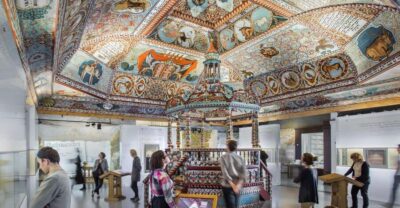 ★ 4.7POLIN Museum of the History of Polish Jews TicketFrom $121,142 reviews
 ★ 5.0#1 Pub Crawl Warsaw with Optional Premium 1 Hour Open BarFrom $28790 reviews
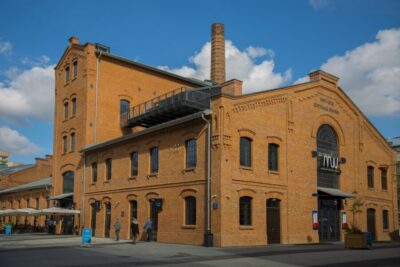 ★ 4.6Polish Vodka Museum Tour with TastingFrom $22788 reviews