

REVIEW · WARSAW CITY TOURS
Warsaw Praga — where modern, traditional, and bohemian meet
Praga is where Warsaw gets interesting fast. This guided walk mixes bohemian street art, old-world Praga details, and major Orthodox landmarks so you see a side of the city most people skip. If you want more than the usual Old Town photo run, this route gives you a grounded, local-feeling tour of the neighborhood across the river.
What I like most is the way it connects everyday streets to real stories, from the old vodka factory world to the movie-linked spots tied to The Zookeeper’s Wife. The second thing I like is the guide quality, with English storytelling that feels personal and question-friendly, especially when guides like Oliwia are leading. One drawback to plan around: it’s a walking tour, about 3.5 km, so if long distances are an issue, you may find it tiring.
In This Review
- Key moments you should not miss
- Praga across the river, the part of Warsaw most skip
- Meeting at Strzelecka 46 and getting oriented quickly
- Konopacka as your warm-up, before the art and the big stories
- Warsaw Fight Club Murales, street art you can actually place
- Stalowa Street, the “street of films” and where scenes make sense
- Russian Orthodox Cathedral of St. Mary Magdalene, a major sight with real atmosphere
- Praga Koneser Center, the old vodka factory now used in a new way
- Pomnik Praskiej Kapeli Podwórkowej, a small monument with a big feeling
- Ending at the Cathedral of St. Michael the Archangel and St. Florian
- Price and value, why $32 can actually feel like a bargain
- Who this walking tour is best for, and who should think twice
- Practical tips for an easier, better walk
- Should you book Warsaw Praga, where modern, traditional, and bohemian meet?
- FAQ
- How long is the Warsaw Praga walking tour?
- How far do you walk during the tour?
- Where do you meet your guide?
- What language is the tour guide speaking?
- What are some of the main sights on the route?
- Is the tour wheelchair accessible?
- Is this tour recommended for everyone who wants to walk?
- Can I book a private or small group tour?
- What is the price of the tour?
- What cancellation options are available?
Key moments you should not miss
- Warsaw Fight Club Murales for street art with international energy and local grit
- Stalowa Street, known as the street of films, for where cinema and Warsaw overlap
- Russian Orthodox Cathedral of St. Mary Magdalene for a striking moment of religious architecture
- Praga Koneser Center, the former vodka factory, for how industry became culture
- Pomnik Praskiej Kapeli Podwórkowej for a quick, meaningful pause into Praga’s everyday past
- Cathedral of St. Michael the Archangel and St. Florian to end at a major Warsaw landmark
Warsaw rebuilt itself twice over. Here is how else we saw it
- Warsaw: Chopin Concert in the Old Town
★ 4.8 · 2,287 reviews - Warsaw: Traditional Galar Cruise on The Vistula River
★ 4.6 · 1,640 reviews - Warsaw: Old Town Highlights Walking Tour in English
★ 4.7 · 1,516 reviews - Warsaw Concert: Chopin – Painted by Candlelights with Wine
★ 4.8 · 1,442 reviews
Praga across the river, the part of Warsaw most skip
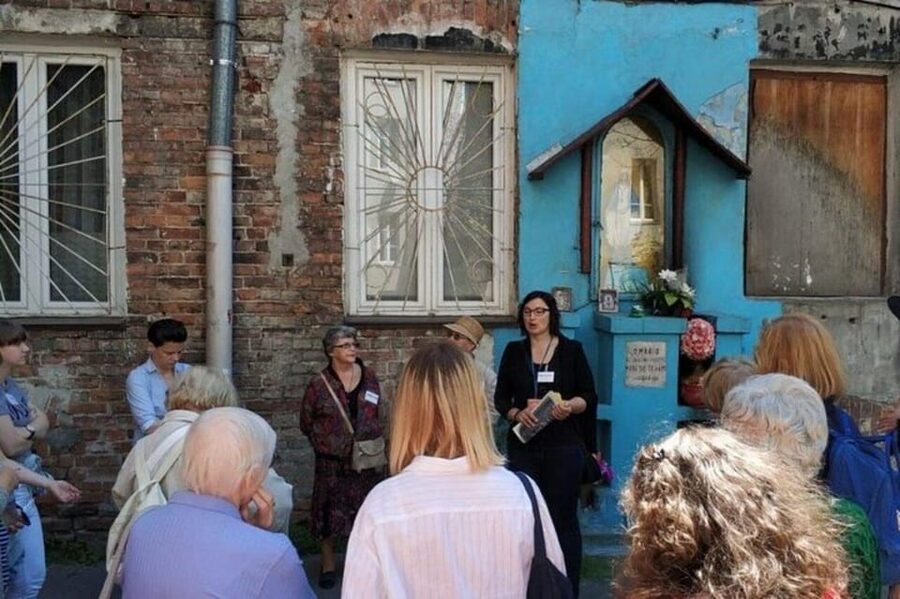
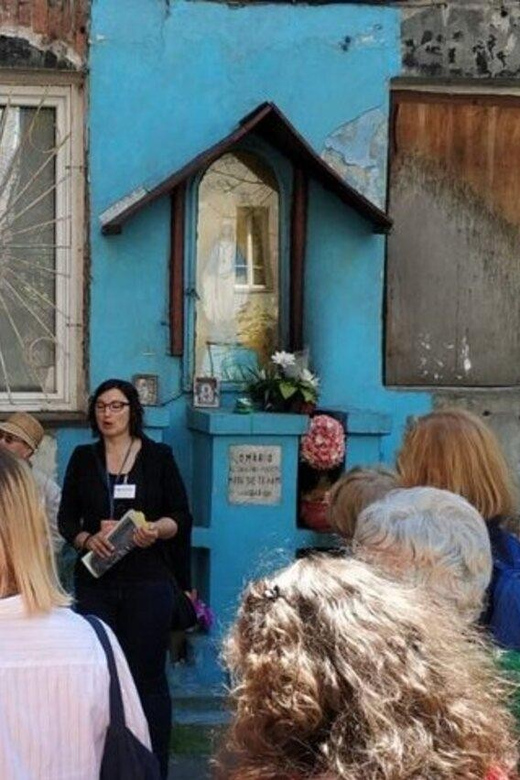
Praga is often described as one of Europe’s coolest neighborhoods, and walking it makes that claim feel practical, not hype. You get the contrast right away: modern touches and everyday life rubbing shoulders with older forms of culture. The walk is built for context, so you understand why these streets look the way they do.
The vibe is also a big reason this tour works. Instead of hopping between distant stops, it keeps you on foot through the neighborhood’s key zones. You come away knowing what to notice next time you’re wandering Praga on your own, not just what to photograph once.
Meeting at Strzelecka 46 and getting oriented quickly
You start at Strzelecka 46. When you arrive, look for your guide holding a white and green umbrella. That tiny detail saves time, especially if Praga streets have more than one entrance or side route nearby.
The tour runs about 150 minutes (around 2.5 hours) and covers roughly 3.5 km. That distance is very doable for most people, but it adds up. I’d plan comfortable shoes and expect a solid walking pace, since the route is meant to keep momentum.
You’ll also appreciate that the tour is led in English, with private or small-group options available. Small groups matter here because the stops are visual and story-heavy, and you will likely want to ask questions as you go.
Konopacka as your warm-up, before the art and the big stories
Your first stretch is a guided introduction in the Konopacka area (about 10 minutes). Think of this as the “why Praga looks like this” segment. You’re not yet at the major monuments. Instead, you’re learning what kind of neighborhood you’re stepping into.
This matters because the rest of the tour is packed with contrasts. When you understand the neighborhood’s direction, you’ll read the street art and architecture with more clarity. Without that quick primer, you might see only interesting buildings and forget the deeper point: this is a district that has been changing in visible ways.
Warsaw Fight Club Murales, street art you can actually place
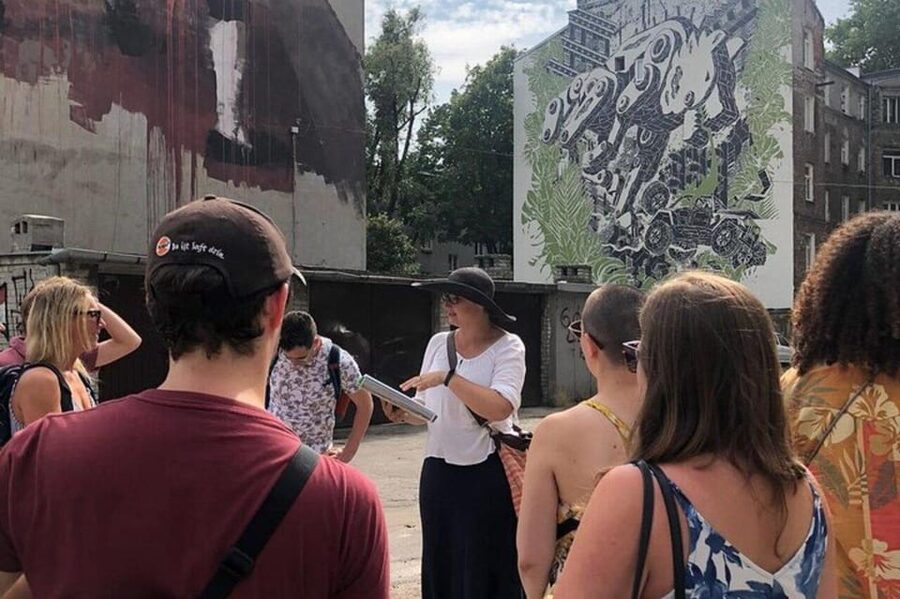
Next is the Warsaw Fight Club Murales stop, also around 10 minutes. This is where you start noticing how Praga talks back to the world. You get street art created by world-famous artists, but the key is that the tour helps you place it in context, so it doesn’t feel like random graffiti.
Street art can be hit-or-miss for visitors who expect it to be explained like a museum label. Here, the goal is different. You learn what the murals are reacting to and how they fit the neighborhood’s identity. If you like art you can interpret while walking, this stop is one of the most satisfying parts.
A small practical note: bring your camera mindset for this one, but also look up. Murals tend to reward a little head-tilt, not just straight-on smartphone framing.
- Warsaw: City Sightseeing Hop-On Hop-Off Bus Tour★ 3.6 · 1,415 reviews
- Warsaw: POLIN Museum of the History of Polish Jews Ticket★ 4.7 · 1,142 reviews
- #1 Pub Crawl Warsaw with Optional Premium 1 Hour Open Bar★ 5.0 · 790 reviews
- Warsaw: Polish Vodka Museum Tour with Tasting★ 4.6 · 788 reviews
- Chopin Concerts at Fryderyk Concert Hall★ 4.7 · 687 reviews
Stalowa Street, the “street of films” and where scenes make sense
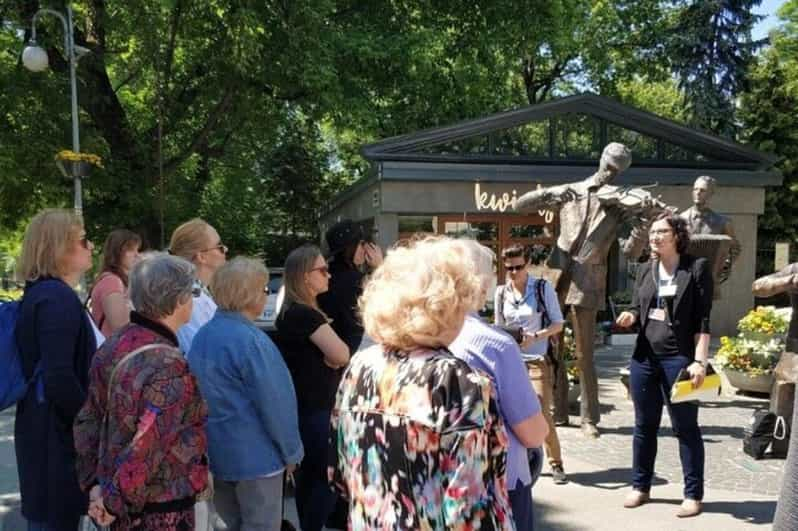
Then comes Stalowa Street, about 15 minutes, and this is a favorite for a reason. It’s often called the street of films, and the tour is designed around that reputation. You’ll learn where a site connected to a BBC list of the 100 greatest movies of the 21st century was shot, and you’ll connect it to the true story behind The Zookeeper’s Wife.
Even if you’re not a film expert, I think you’ll get a lot out of this. Movies can be a shortcut into history, and this stop uses that shortcut carefully. You’re shown how fiction pulls from real lives, and real neighborhoods become backdrops that carry meaning long after the camera stops rolling.
One consideration: Stalowa is a busy, popular street. If you’re hoping for long quiet photo moments, aim for patience and step aside when your guide explains details. The street is part of the experience, so plan to share it.
Russian Orthodox Cathedral of St. Mary Magdalene, a major sight with real atmosphere
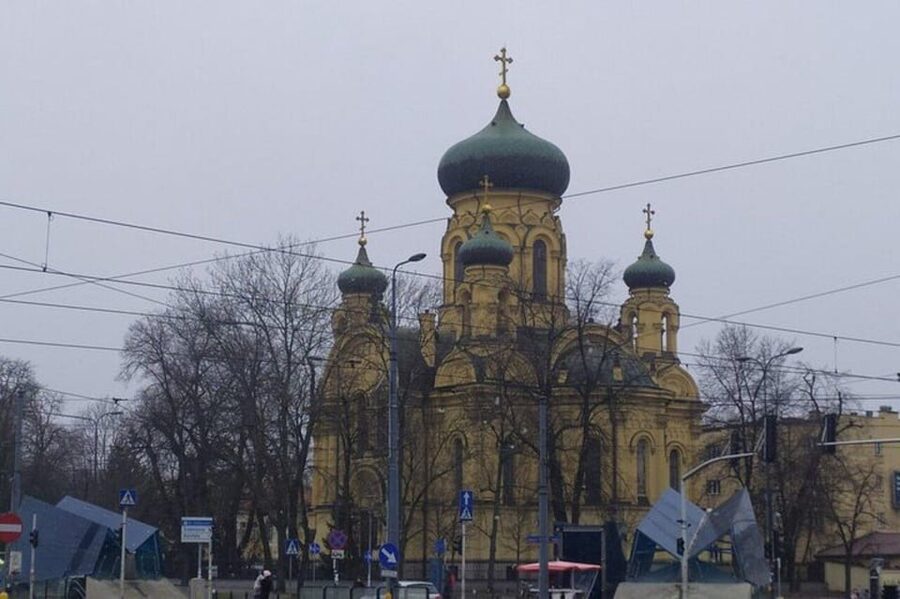
Stop five is the Metropolitan Cathedral of Saint Mary Magdalene, about 10 minutes. This is the Russian Orthodox Cathedral, and it’s one of the strongest visual anchors in the route.
Religious architecture can feel intimidating if you walk in cold, but a guided stop helps you slow down and notice specifics. You’ll have enough time to take in the scale and details without feeling rushed, which is the best kind of “quick cathedral visit.”
If you care about architecture and symbolism, you’ll likely enjoy this stop most. The drawback is simple: it’s a 10-minute window, so if you want to linger inside for a longer look, you may need to plan extra time on your own after the tour ends.
Praga Koneser Center, the old vodka factory now used in a new way
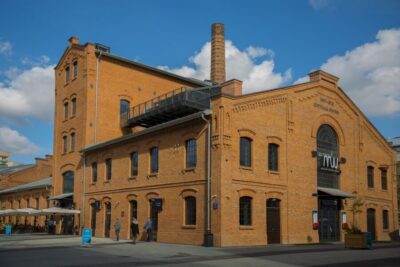
Your next stop is Praga Koneser Center, about 15 minutes, and yes, this is where the old vodka factory story lands. You get the idea of industrial history in a place that’s now active and public-facing. That shift from production to culture is exactly the kind of transformation that makes Praga feel alive.
You’ll also learn about one of the best-known Polish drinks, vodka, and you’ll connect that drink to the neighborhood’s identity. It’s not just a trivia stop. It’s a chance to understand how a local product can shape a district’s reputation over time.
What to watch for here is the contrast. Factory spaces can feel raw or repurposed, and this site shows how the neighborhood has adapted without fully erasing its past. If you like places where history is still visible in the structure, this stop pays off.
Pomnik Praskiej Kapeli Podwórkowej, a small monument with a big feeling
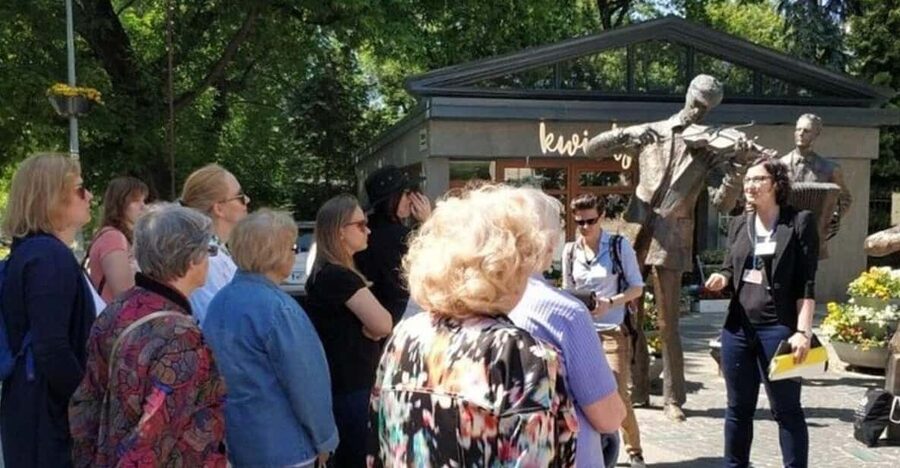
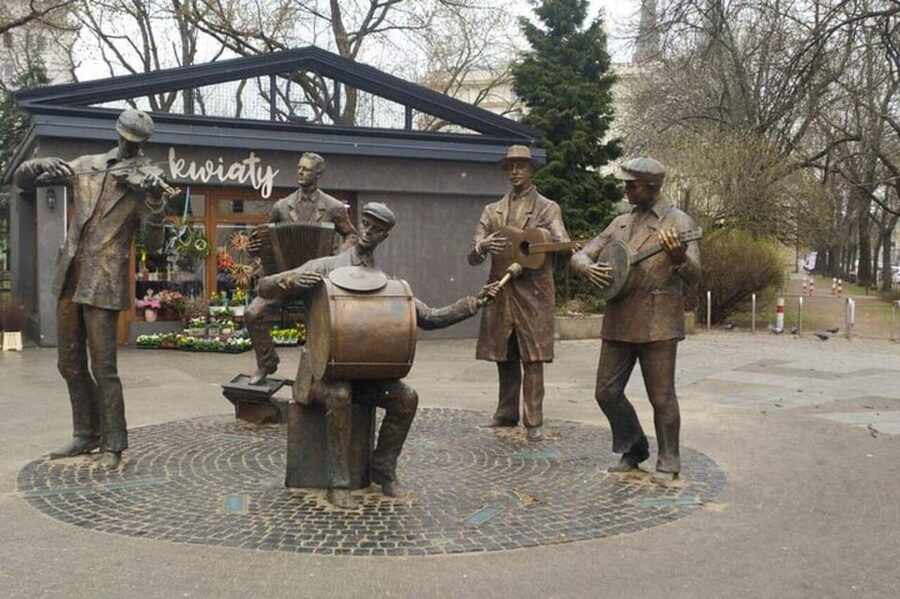
At Pomnik Praskiej Kapeli Podwórkowej, you get a short guided stop (about 10 minutes). This one is easy to overlook if you just treat it like a quick photo point, but the tour frames it in a more thoughtful way.
The name points to something very Praga: courtyard music life and everyday culture. A monument like this matters because it’s not about a royal timeline or a war headline. It’s about people and their routines, the kind of details that help you understand a neighborhood as a living place, not just a list of sights.
This stop works well for anyone who wants a break from big buildings. It’s also a good moment to pause and regroup, especially if the morning or day before you walked a lot.
Ending at the Cathedral of St. Michael the Archangel and St. Florian
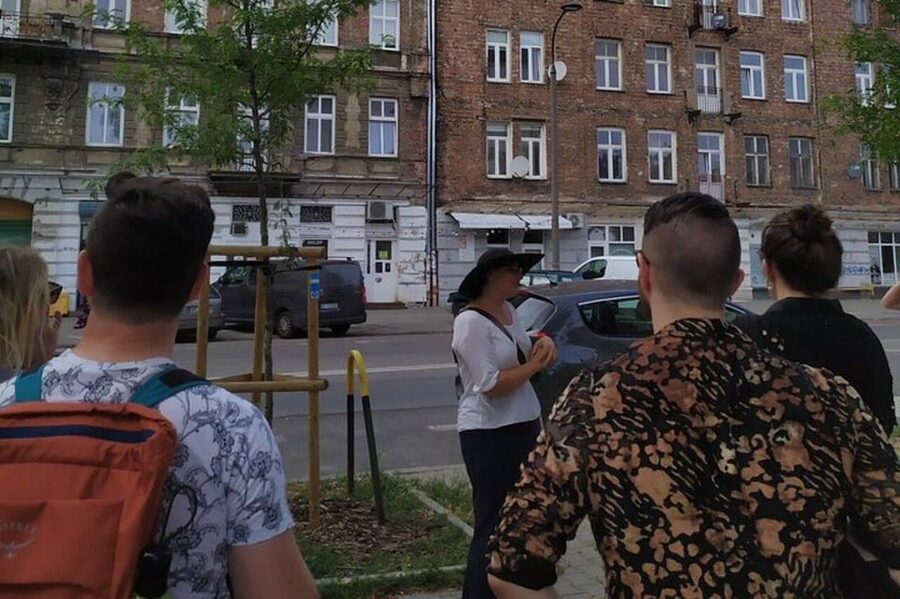
Your finish is Parafia Katedralna pw. Św. Michała Archanioła i Św. Floriana Męczennika in Warszawie. This is the tour’s closing landmark, and it’s a smart way to end because it gives you a sense of arrival. After the street art, film references, and factory transformation, you get a final anchor of major architecture.
You’ll spend about 10 minutes here during the tour. That’s usually enough for a guided orientation and a few photos, not a deep independent exploration. If you love cathedrals, consider coming back later, when you have time to linger without keeping pace with the group.
Ending at a cathedral also makes the whole walk feel more coherent. Praga isn’t only art and nightlife energy. It has spiritual and cultural weight too, and this stop ties those strands together.
Price and value, why $32 can actually feel like a bargain
At $32 per person for about 150 minutes, you’re paying for more than walking time. This is a story-driven tour that links cinema references, local industry, and major Orthodox landmarks into one route.
What makes it good value is the guide experience. The tour quality stands out when your guide is engaging and able to answer questions while keeping the pace steady. Guides like Oliwia are praised for being personable and for mixing facts with a bit of dry wit, which turns a potentially technical neighborhood history into something you can follow without effort.
Also, the tour saves you decision fatigue. Praga can be confusing if you’re trying to self-navigate and decode what you’re seeing. Here, you get the route mapped out and the meaning explained as you go, which is what you want when you only have a couple hours.
Who this walking tour is best for, and who should think twice
This tour is a good fit if you want Praga, not just Warsaw in general. It’s especially strong for:
- People who are tired of standard Old Town routes
- Travelers who like street art, architecture, and film-linked stories
- Anyone who wants a neighborhood tour that feels more local than sightseeing-bus
It’s not ideal if you have trouble with long walking distances. The route covers about 3.5 km, and the schedule keeps you moving between stops, so comfort and stamina matter.
Practical tips for an easier, better walk
Start with shoes you trust. You’ll be on city sidewalks for about 2.5 hours, and Praga’s streets are not always smooth in the way new tourist areas can be.
If you’re a photo person, be ready for both wide street views and close mural details. The tour has several “look up and look longer” moments.
Finally, come ready to ask questions. The best part of this kind of tour is the back-and-forth, especially when the guide connects vodka factory history, Orthodox architecture, and film locations to the neighborhood you can see right now.
Should you book Warsaw Praga, where modern, traditional, and bohemian meet?
I’d book this tour if you want a Praga-focused overview that feels human and specific. It’s built for people who like their sightseeing with context, and it uses recognizable anchors, like major Orthodox cathedrals and a famous former vodka factory, to hold your attention.
If your goal is to see Warsaw beyond the obvious highlights, this delivers. You’ll get film and literature connections, meaningful monuments, and street art explained in a way that makes the neighborhood make sense quickly.
Skip it only if walking long distances is a struggle for you. Otherwise, this is an efficient, rewarding way to spend your time in Warsaw, and it leaves you with a clearer sense of where to go next in Praga.
FAQ
How long is the Warsaw Praga walking tour?
The tour lasts about 150 minutes, which is roughly 2.5 hours.
How far do you walk during the tour?
The distance is approximately 3.5 km.
Where do you meet your guide?
You meet at Strzelecka 46, and you should look for a guide with a white and green umbrella.
What language is the tour guide speaking?
The tour is offered in English.
What are some of the main sights on the route?
You’ll see the old vodka factory area at Praga Koneser Center, Stalowa Street (the street of films), the Russian Orthodox Cathedral of St. Mary Magdalene, and the Cathedral of St. Michael the Archangel and St. Florian.
Is the tour wheelchair accessible?
Yes, it is wheelchair accessible.
Is this tour recommended for everyone who wants to walk?
It is not recommended for travelers who have problems with walking long distances.
Can I book a private or small group tour?
Yes, private or small groups are available.
What is the price of the tour?
The price is listed as $32 per person.
What cancellation options are available?
Free cancellation is available up to 24 hours in advance for a full refund.
More Tour Reviews in Warsaw


Warsaw, Keep Looking
Recently written up around Warsaw

More Warsaw City Tours.
 ★ 4.8Chopin Concert in the Old TownFrom $262,287 reviews
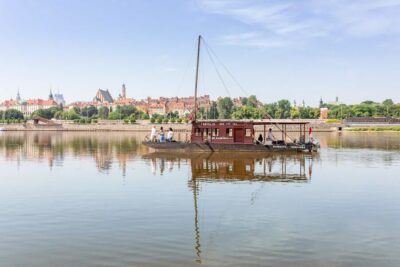 ★ 4.6Traditional Galar Cruise on The Vistula RiverFrom $201,640 reviews
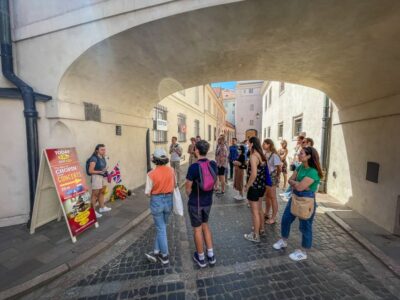 ★ 4.7Old Town Highlights Walking Tour in EnglishFrom $261,516 reviews
 ★ 4.8Warsaw Concert: Chopin – Painted by Candlelights with WineFrom $251,442 reviews
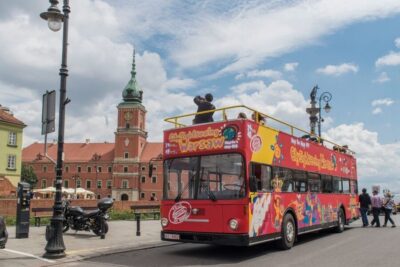 ★ 3.6City Sightseeing Hop-On Hop-Off Bus TourFrom $411,415 reviews
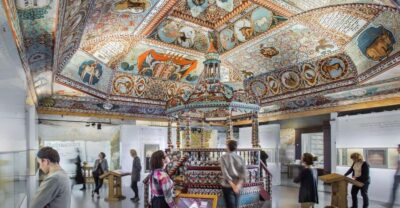 ★ 4.7POLIN Museum of the History of Polish Jews TicketFrom $121,142 reviews
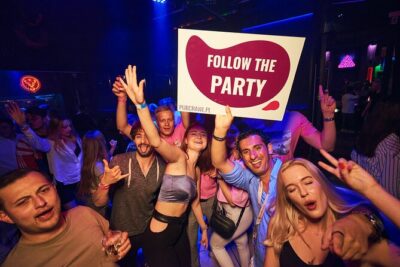 ★ 5.0#1 Pub Crawl Warsaw with Optional Premium 1 Hour Open BarFrom $28790 reviews
 ★ 4.6Polish Vodka Museum Tour with TastingFrom $22788 reviews