
REVIEW · AUSCHWITZ-BIRKENAU MEMORIAL TOURS
Auschwitz-Birkenau: Entrance Ticket and Live Tour Guide
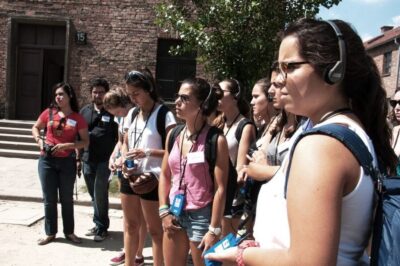
Auschwitz hits hard, even when you prepare. The value here is a licensed English guide walking you through both Auschwitz I and Auschwitz II Birkenau, with headphones so the story stays clear as you move through the site. I especially like how the tour is built around what you can still see, then connects it to what it meant for real people, not just dates. One thing to consider up front: the experience is mostly outdoors at Birkenau, and the pace depends on the museum, so you need weather-ready clothes and some patience.
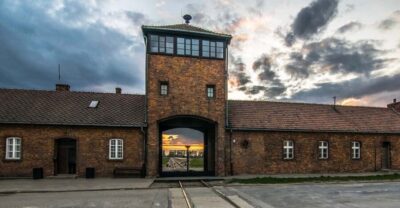
Here are two moments I’d call the strongest: starting at Auschwitz I, where the camp remains and everyday prisoner realities get explained in a way that makes the scale sink in fast, and then shifting to Birkenau, where you can pay respects at the memorial and see the gas chambers and the railway remains tied to deportations. The tour also includes entrance tickets and skip-the-line entry, which matters at a place where lines can be long. The possible drawback is that at least one audio setup report said the sound was unreliable in parts, even with headphones, so check you get a comfortable fit and clear volume early.
If you want a straightforward, guided path through Auschwitz-Birkenau without juggling ticket timing, transfers, and interpretation, this is built for you. You’ll leave with a stronger sense of what happened and how the machinery of Nazi terror worked, not just where the buildings stood. Just go in knowing it is heavy, and the outdoor portions can be brutally cold or hot.
In This Review
- Key things to know before you go
- Auschwitz I entrance ticket and live guide, what this tour really is
- Where you meet, how check-in tends to work, and why accuracy matters
- The Auschwitz I part, why the first camp sets the tone
- The switch to Birkenau, the memorial moment, and what you will see
- Headphones and audio quality, what to expect in real life
- Time, pace, and the museum’s control over your schedule
- Getting value from the $47 price, and when it’s a smart buy
- Who this tour suits best
- Options from Krakow, shuttle service, and how to plan your day
- A moment to be ready for, emotionally and practically
- Should you book this Auschwitz-Birkenau guided tour?
Key things to know before you go
- Skip-the-line access with entrance tickets included, so you can spend your time on the meaning, not the queue.
- Licensed, English-speaking guide plus headphones, which helps you follow along at every stop.
- Auschwitz I and Birkenau coverage with time built around the museum’s flow and visitor service schedule.
- Mostly outdoors at Birkenau, so dress for conditions, not a mild walk.
- Strict name and ID checks, so bring the same full name as your booking and an ID card or passport.
Other Auschwitz-Birkenau visits we have reviewed, with entry and transport noted
- From Krakow: Auschwitz-Birkenau Guided Tour & Hotel Pickup
★ 4.5 · 33,358 reviews - From Krakow: Auschwitz-Birkenau Guided Tour & Hotel Pickup
★ 4.5 · 29,340 reviews - Krakow: Auschwitz Guided Tour with Optional Hotel Pickup
★ 4.5 · 15,280 reviews - Krakow: Auschwitz-Birkenau Guided Tour with Pickup & Lunch
★ 4.5 · 9,800 reviews
Auschwitz I entrance ticket and live guide, what this tour really is
This is a live, guided Auschwitz-Birkenau visit focused on the two main sites: Auschwitz I and Auschwitz II Birkenau. You start with the entrance ticket at Auschwitz I and you tour both areas with an English guide, using headphones so you can hear the commentary even in busy sections.
Why this matters for your day: Auschwitz is not a place where you can skim. The distance between key points, the sheer number of visitors, and the heavy subject matter all mean context helps. A good guide turns scattered ruins into a clear sequence, including what you’re looking at and why it matters.
The official duration is listed as 3.5 hours, and starting times can be approximate due to museum crowding. The exact visit time is confirmed the day before. That means you should plan your schedule so you are not forced to catch a tight train right after.
Where you meet, how check-in tends to work, and why accuracy matters
Your meeting point is at Więźniów Oświęcimia 20, 32-600 Oświęcim. The local partner’s representative meets you at Auschwitz I in front of a restaurant, holding a sign that says Gr8way Meeting Point.
This tour has a few identity rules that are worth treating seriously:
- You must provide your full name and contact details as part of the booking.
- At the entrance, you might be asked to confirm your identity because visitor lists are sent in advance.
- Entrance may be refused if the name on your booking does not match the name on your ID.
In plain terms, bring your passport or ID card, and make sure the name you booked with matches exactly. I also recommend double-checking how your name appears on your confirmation, especially if you use initials, hyphens, or diacritics in your passport name.
The Auschwitz I part, why the first camp sets the tone
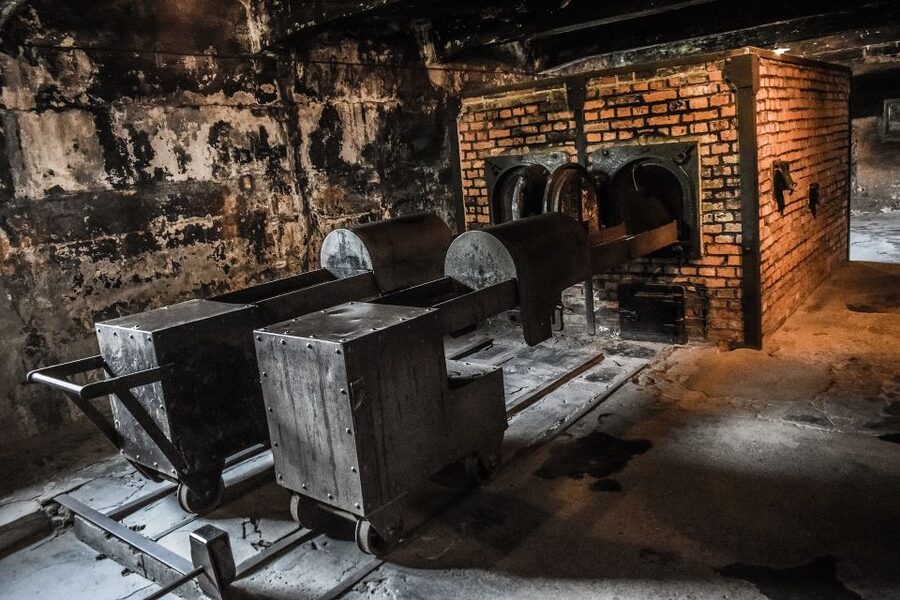
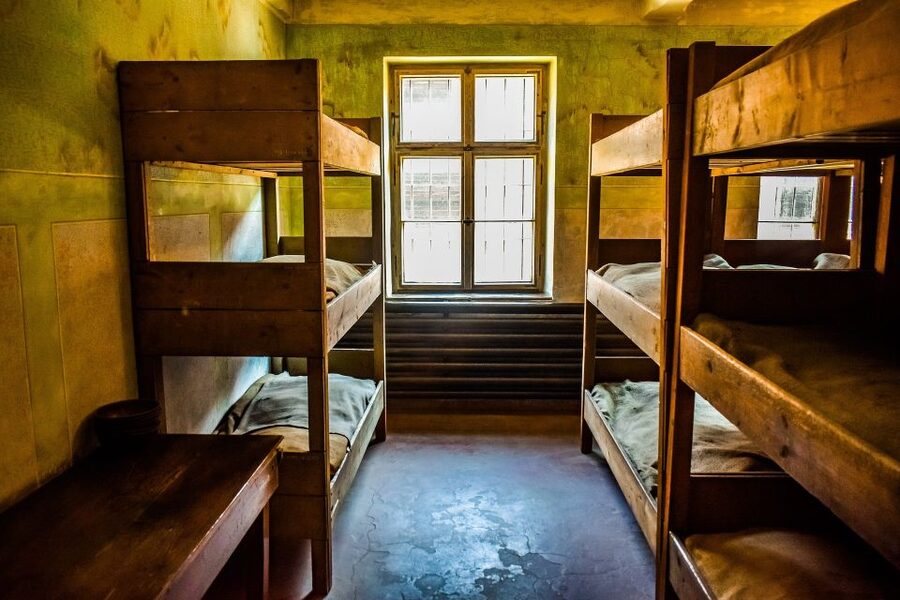
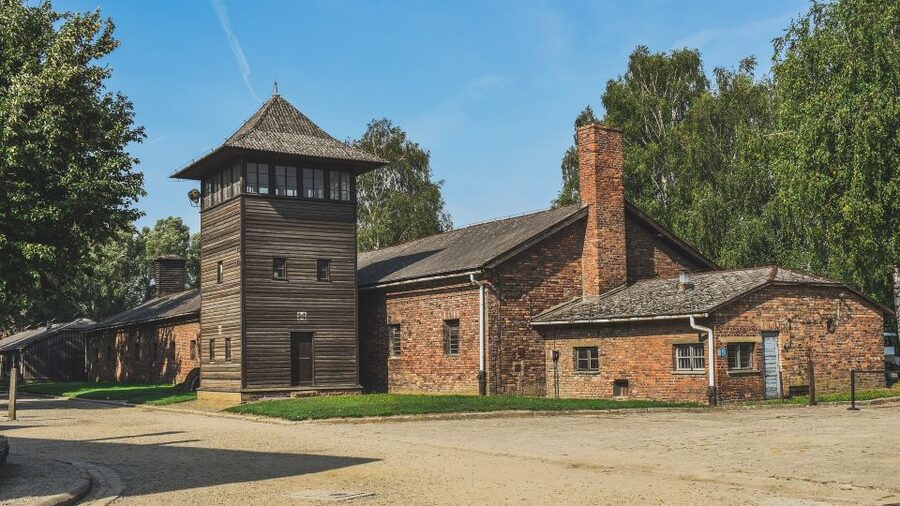
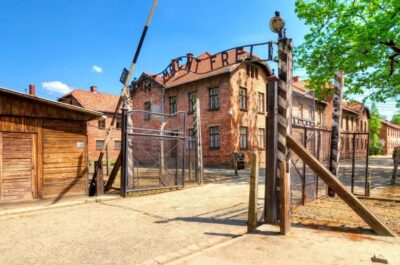
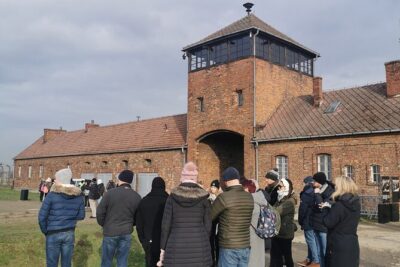
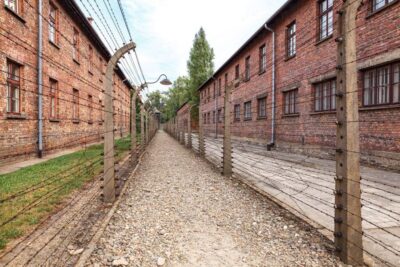
The tour begins at the entrance to Auschwitz I, where you receive your ticket. From there, your guide leads you through the remains tied to the camp’s early structure, including things like barracks, watchtowers, and crematoriums.
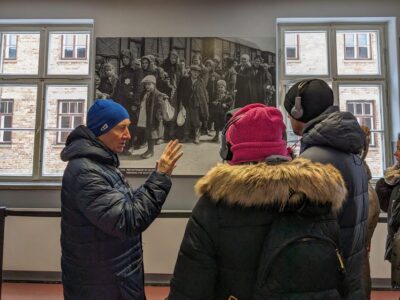
This first segment matters because Auschwitz I helps you understand the system as it functioned day to day. Even if you already know the basic history, walking through the actual surviving elements makes the story less abstract. The guide’s job here is to connect the physical remains to the human reality, including prisoner conditions and the everyday life inside the camp.
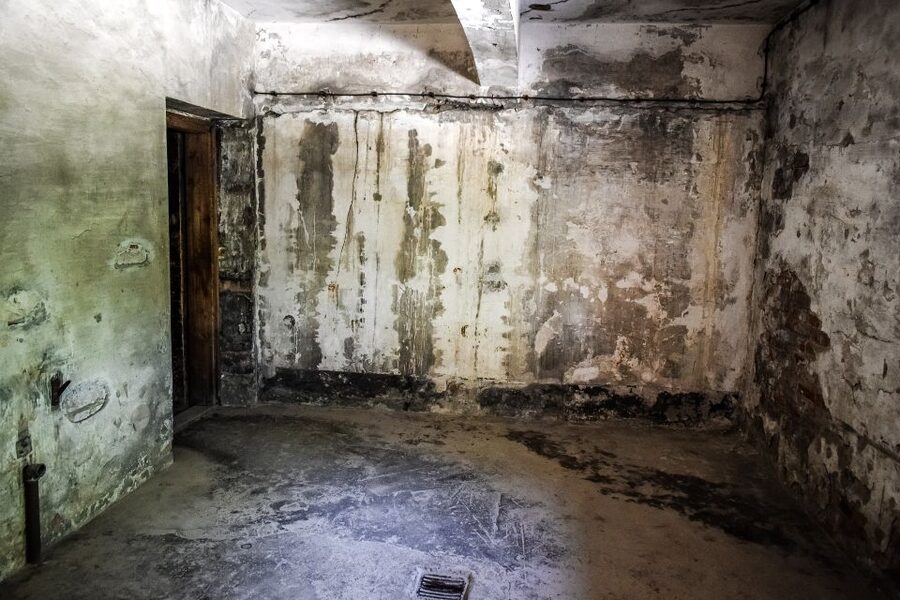
You can also expect commentary on the evidence of Nazi crimes shown in the camp’s remains. That framing is useful. It stops the visit from becoming just sightseeing and instead turns it into a documented history lesson anchored in what still exists.
Practical tip for your comfort: Auschwitz I is where you’ll likely want to keep your pace steady. If you drift behind to take photos, you might miss key context. I’d rather you listen first, then step out for photos later when your group catches up.
The switch to Birkenau, the memorial moment, and what you will see
After Auschwitz I, you move to Auschwitz II Birkenau. The information provided says transportation between the two camps is not included, but the overall experience description says there is transportation between camps. In practice, this is exactly the kind of detail you should clarify when you confirm your exact tour time. The museum is also strict about how group movement works, so follow your guide’s direction on the day.
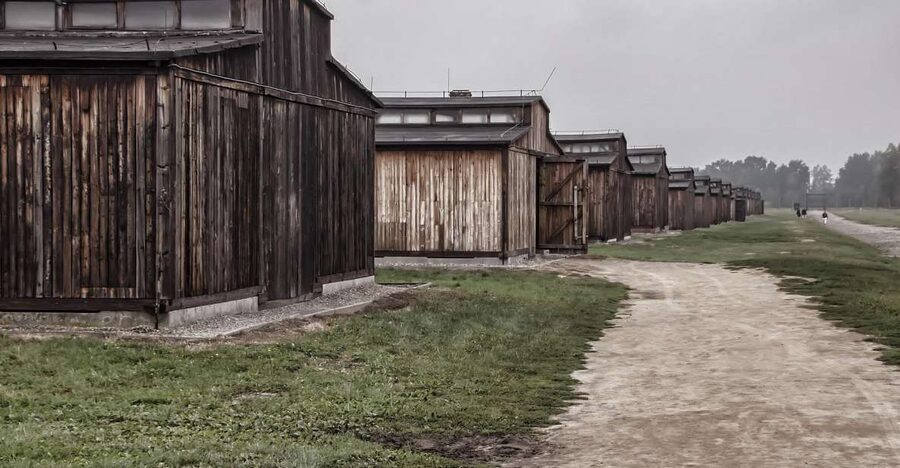
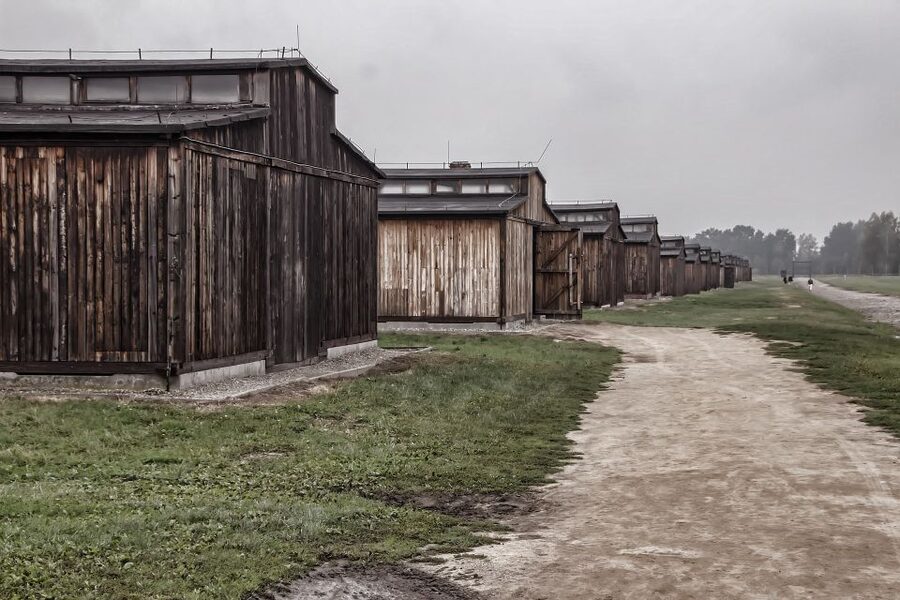
At Birkenau, you will pay respects to the victims of the Holocaust at the memorial site. Then you’ll witness gas chambers and the remains of the railway that transported prisoners to the camps. This is the segment where the scale can feel almost impossible to hold in your head.
Why Birkenau hits differently: Auschwitz II is often where visitors finally grasp how industrial and sprawling the deportation and extermination process became. It’s not just structures. It’s the logic of the place, the distances, and the way rail access turned human lives into logistics.
Because you spend up to 70% of your time outdoors, Birkenau is also where discomfort can become a distraction. If it’s cold, you’ll feel it fast. If it’s hot, you’ll want to move carefully and keep your water and breaks in mind (food and drinks aren’t included on this tour, so plan accordingly).
Below are the other Krakow trips we have logged
- Krakow to Auschwitz Birkenau Guided Tour with Transfer and Ticket★ 5.0 · 8,197 reviews
- Krakow: Wieliczka Salt Mine Fast-Track Ticket & Guided Tour★ 4.5 · 5,872 reviews
- Auschwitz Birkenau Guided Tour with Ticket Hotel Pickup Small Van★ 5.0 · 4,769 reviews
- From Krakow: Wieliczka Salt Mine Tour & Skip the Line Ticket★ 4.4 · 3,925 reviews
- Krakow: Oskar Schindler’s Factory Entry Ticket & Guided Tour★ 4.2 · 3,793 reviews
Headphones and audio quality, what to expect in real life
You’re provided with headphones, which is a big deal at Auschwitz. You want to hear the guide clearly because the commentary is the thread that holds together each stop.
That said, there’s at least one report of audio working poorly in parts of the tour, causing missed explanations. You can’t control the equipment completely, but you can improve your odds:
- Put the headphones on right away when you get them.
- Test the volume early.
- If something sounds off, tell your guide or representative immediately, so it can be corrected before the most important sections.
Also, expect the site to be noisy at times due to crowds. Headphones help, but they do not make you immune to background sounds.
Time, pace, and the museum’s control over your schedule
A key point here is that the pace and duration of the tours are determined by the Auschwitz-Birkenau Memorial and Museum. That means breaks and walking rhythm are not fully in your guide’s hands.
In addition, the overall timing is affected by visitor service demand, so starting time is approximate and you receive your exact time confirmation the day before. This matters if you’re building a multi-day itinerary around the trip, especially if you also plan train connections or other tours the same day.
The tour is designed as a focused half-day experience, not an all-day wandering session. If you need long periods of quiet without commentary, you may feel time pressure, because the structure is built around a guided flow.
Getting value from the $47 price, and when it’s a smart buy
The price is listed at $47 per person. On paper, that might sound like just an entry ticket, but the included elements change the math. You get:
- an English-speaking guide
- headphones
- entrance tickets
- an online booking fee
You are paying mainly for interpretation and for avoiding the hassle of coordinating entry. At Auschwitz-Birkenau, the “how” matters as much as the “where.” Skip-the-line access plus a guide can save your day from turning into queue management.
Where the value gets better: if you would otherwise spend time trying to piece together a guided explanation yourself, this package spares you that effort. It also takes care of the entrance ticket bundle, and at least one experience report noted that the guide had tickets ready, making entry surprisingly easy.
Where value gets lower: if you already have a strong, personal preference for fully independent visiting and you’re confident navigating the site and building your own narrative from official materials. Also, if you’re highly sensitive to audio issues or you are traveling during extreme weather, you might find the outdoor reality makes the schedule feel tight.
Who this tour suits best
This is a good fit if you want:
- a guided Auschwitz-Birkenau visit that covers Auschwitz I and Birkenau
- an English commentary you can follow closely with headphones
- a structured path that avoids the uncertainty of finding context on your own
It is not suitable for people with mobility impairments and it is listed as not suitable for wheelchair users. Since you’ll spend much of the time outdoors, you also need to be comfortable with uneven terrain and long stretches on your feet.
Options from Krakow, shuttle service, and how to plan your day
You can either make your own way to the site to begin the tour, or choose an option that includes a round-trip shuttle service from and to Krakow. The information also says that option allows 4 hours to explore the site.
One important note: the tour duration is listed as 3.5 hours, and the museum controls the exact timing of breaks. So if you choose the Krakow shuttle option, treat that 4-hour figure as the practical window you’ll be at the site, not a guaranteed free time block you can plan perfectly.
If your goal is to keep the day simple and reduce stress, the Krakow shuttle option can be worth it because it removes the transportation question. Just remember: hotel pickup and drop-off is not included, so you’ll still need a way to reach the shuttle’s origin point.
A moment to be ready for, emotionally and practically
Auschwitz-Birkenau is intense. Even the act of reading place names and walking between remains can feel surreal, because you’re seeing physical evidence of systematic cruelty.
So I suggest two practical mindsets:
- Think of the guide as your structure, not your entertainment. Your job is to listen.
- Don’t fight the emotional weight with multitasking. Put your phone away during key explanations if you can.
Also, dress for weather. Since you’re outdoors much of the time, what you wear can change the day more than you expect.
Should you book this Auschwitz-Birkenau guided tour?
Book it if you want a guided, structured route with licensed English commentary, included headphones, and skip-the-line entrance access. It’s especially worth it if you would otherwise struggle to connect what you see to what it meant for prisoners. The setup is practical: meet at Auschwitz I, start with the ticket, then follow the guide through both Auschwitz I and Birkenau.
I’d think twice if you need maximum independence, you rely on good audio above all else, or you’re traveling with mobility limits, since the tour is not suitable for wheelchair users. Also, if your schedule is extremely tight, remember the starting time is approximate and confirmed the day before.
If you do book, do the small prep that makes the day smoother: match your name exactly to your ID, bring a passport or ID card, and dress for long outdoor time at Birkenau. Then show up with the mindset that this is a guided history lesson you owe to the place.
More Tours in Krakow

More Tour Reviews in Krakow
Auschwitz-Birkenau: Other Reviewed Visits
Recently written up around Krakow

More Auschwitz-Birkenau Memorial Tours.
 ★ 4.5Auschwitz-Birkenau Guided Tour & Hotel PickupFrom $2133,358 reviews
★ 4.5Auschwitz-Birkenau Guided Tour & Hotel PickupFrom $2129,340 reviews
 ★ 4.5Auschwitz Guided Tour with Optional Hotel PickupFrom $6915,280 reviews
 ★ 4.5Auschwitz-Birkenau Guided Tour with Pickup & LunchFrom $219,800 reviews
 ★ 4.5Auschwitz-Birkenau Guided Tour Pickup/Lunch OptionsFrom $2009,057 reviews
 ★ 4.7Auschwitz-Birkenau and Salt Mine Guided TourFrom $549,020 reviews
 ★ 5.0Krakow to Auschwitz Birkenau Guided Tour with Transfer and TicketFrom $368,197 reviews
 ★ 4.0Auschwitz Birkenau Tour with TransferFrom $216,134 reviews
Also on these Poland lists