
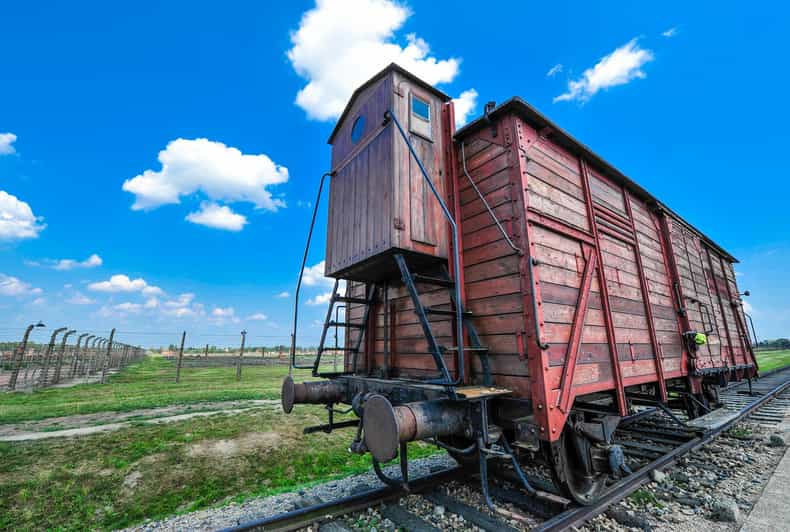
REVIEW · AUSCHWITZ-BIRKENAU MEMORIAL TOURS
Auschwitz-Birkenau: Guided Tour with Fast Track Ticket
A somber place becomes clearer with guidance. This small-group Auschwitz-Birkenau guided tour uses fast-track entry so you can spend more of your time listening, not queuing. The main tradeoff is that even with fast-track, you may still wait up to 15 minutes, and the visit timing is set by the memorial.
What I really like is the structure: you see both camps in a way that helps the site make sense. You also get a certified guide at Auschwitz I and again at Birkenau, so you are not just walking through buildings and trying to connect the dots alone.
In This Review
- Key things to know before you go
- Why the fast-track format matters at Auschwitz-Birkenau
- Meeting point and tickets, so you are not stuck in chaos
- Auschwitz I: what to focus on when the story turns concrete
- Birkenau (Auschwitz II): the scale hits harder when you understand it
- The pacing: small groups, a 10-minute break, and memorial-set timing
- Language options, and why your guide selection really matters
- How the $69 price adds up in practical terms
- What to bring, what not to bring, and what can slow you down
- Accessibility and who this tour is not for
- A reality check on logistics: finding the guide, being on time
- Should you book this Auschwitz-Birkenau fast-track guided tour?
- FAQ
- How long is the Auschwitz-Birkenau guided tour?
- Does this tour include fast-track tickets?
- Which camps are included?
- What languages are available?
- Is transport from Krakow included?
- What should I bring to the memorial?
- What is not allowed inside the museum?
- Is there a break during the tour?
- Is this tour suitable for children and wheelchair users?
Key things to know before you go
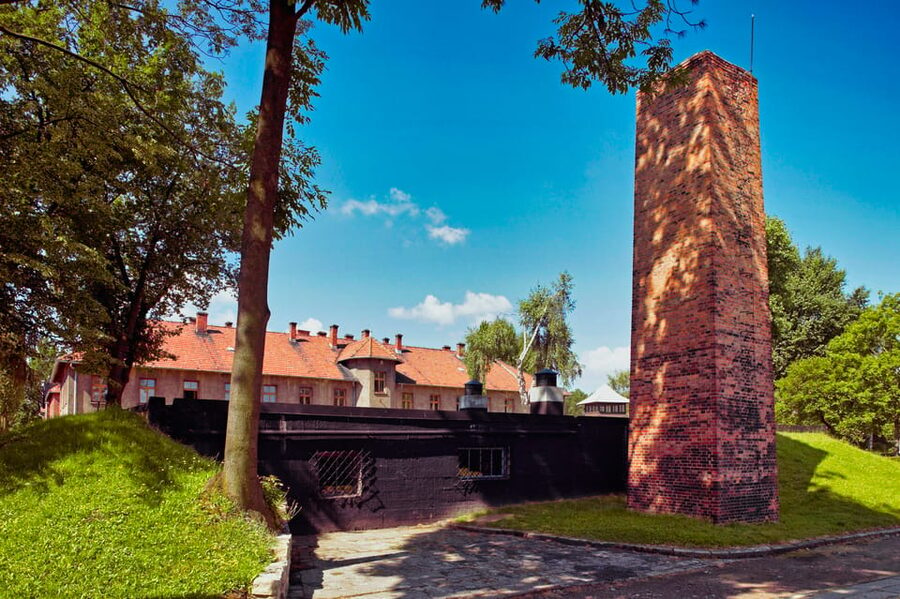
- Fast-track tickets reduce line time, but waiting can still reach 15 minutes.
- Two-camp route helps you connect Auschwitz I with the bigger Auschwitz II-Birkenau system.
- Guides at each camp keep the story coherent and grounded in what you are seeing.
- Birkenau railway ramp remains are one of the most haunting “you can measure this” moments.
- Tight pacing with a short break (10 minutes) means you should plan your day around the tour.
Why the fast-track format matters at Auschwitz-Birkenau
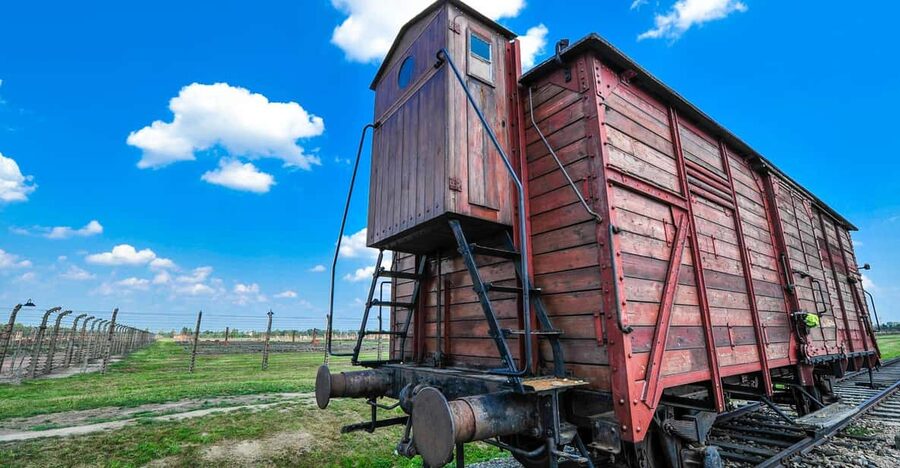
Auschwitz-Birkenau is not the kind of place you want to rush, but it is also not a place that waits for you. A guided setup with pre-booked fast-track entry is valuable because it respects the reality of timed access and visitor flow.
What makes this tour format practical is that it is designed around seeing the essentials without wasting hours standing still. The tour duration is listed as 3 to 7 hours depending on the starting time, but the experience is clearly built around a focused run at both Auschwitz I and Auschwitz II-Birkenau.
Here is the tradeoff to plan for: even with fast-track, waiting can still happen, up to 15 minutes. On a day when you are already feeling the weight of the site, that little pause can feel bigger than it sounds.
Meeting point and tickets, so you are not stuck in chaos
The meeting point can vary depending on what option you booked, and you pick up your entry paperwork on arrival. An English-speaking host hands you the tickets at the meeting point, which is one less headache you have to juggle on-site.
If you have ever arrived at a big attraction and spent 20 minutes hunting for the right group, this is worth noting. In real life, meeting points can be crowded, signs can be hard to spot, and different vehicles can look similar. Your best move: keep your email confirmation handy, and if you cannot find the guide right away, use the contact number provided in your booking app.
Also, make sure your details match exactly. Entrance may be refused if the name on the booking does not match the name on your ID or passport. That is not meant to be dramatic, it is just how museum security works.
Auschwitz I: what to focus on when the story turns concrete
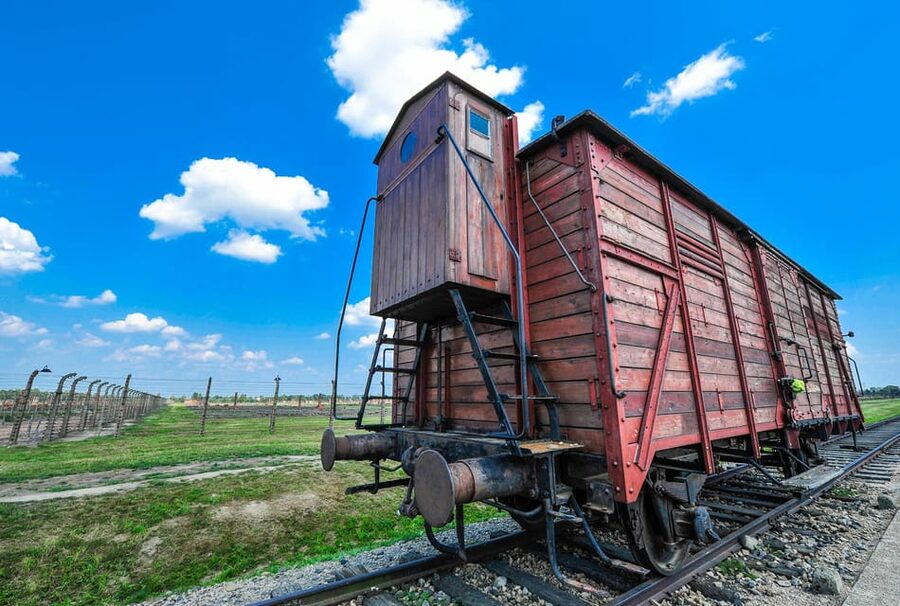
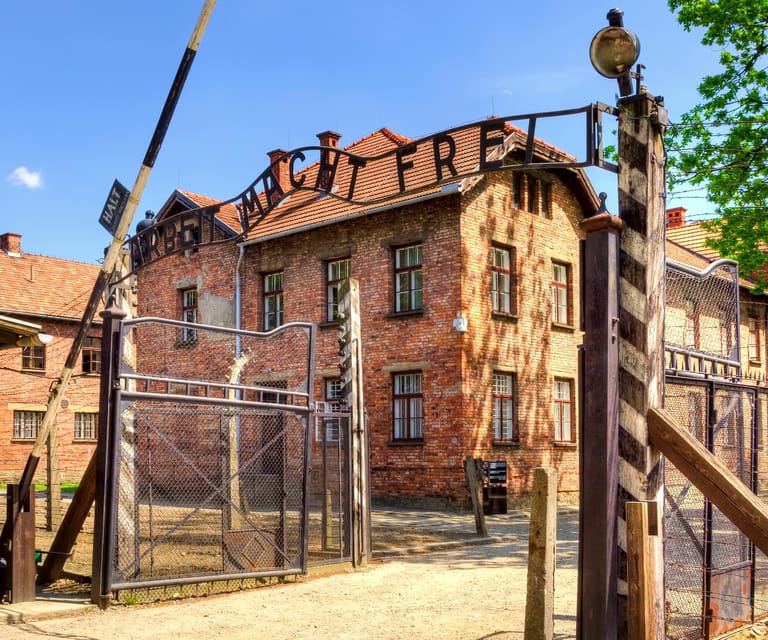
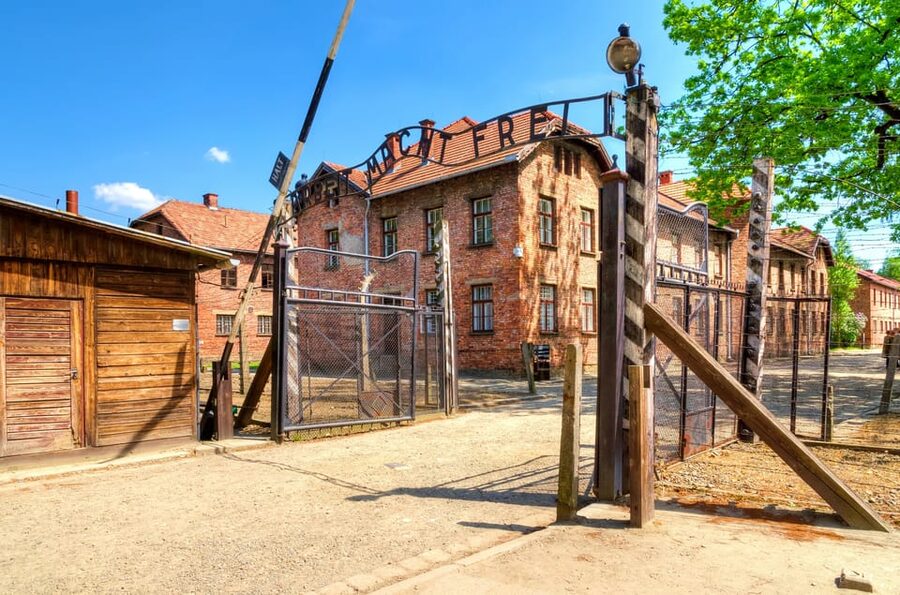
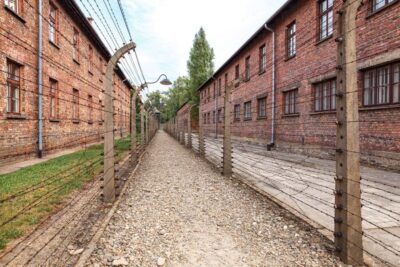
Auschwitz I is where you get a concentrated introduction to how the system began and how the place operated as a concentration camp. You visit remaining prison blocks and other key structures, and the guided narration is built to help you connect what you are standing in front of with what you are hearing.
The value of this first camp stop is orientation. Even if you think you know the history, the physical layout can still surprise you. A good guide helps you notice details that you would otherwise miss, like how the space reinforces control and how the camp infrastructure supported imprisonment and terror.
You will feel the emotional impact immediately. That is normal. But the guided component is what turns that emotion into understanding. Instead of absorbing the site like a movie set, you start to see the mechanisms behind it.
Birkenau (Auschwitz II): the scale hits harder when you understand it
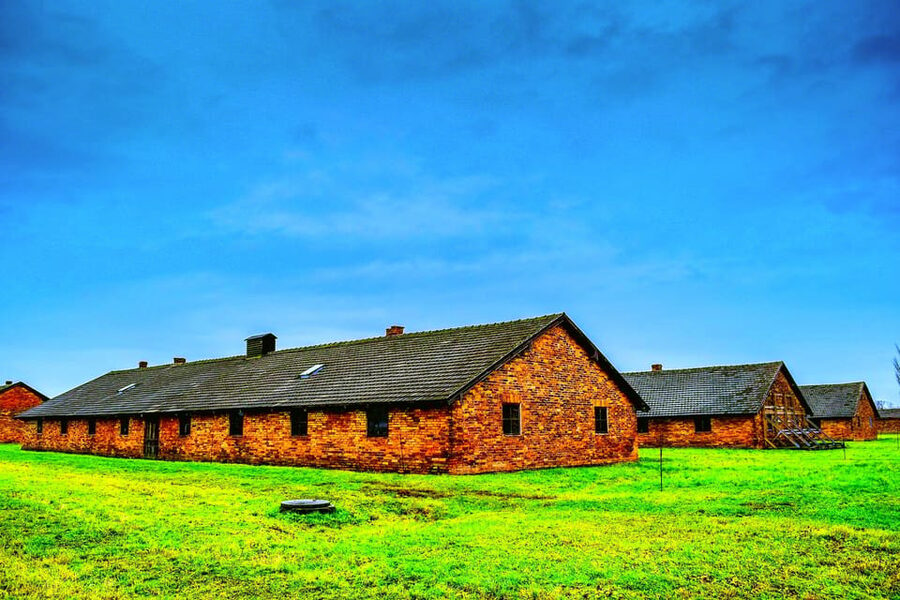
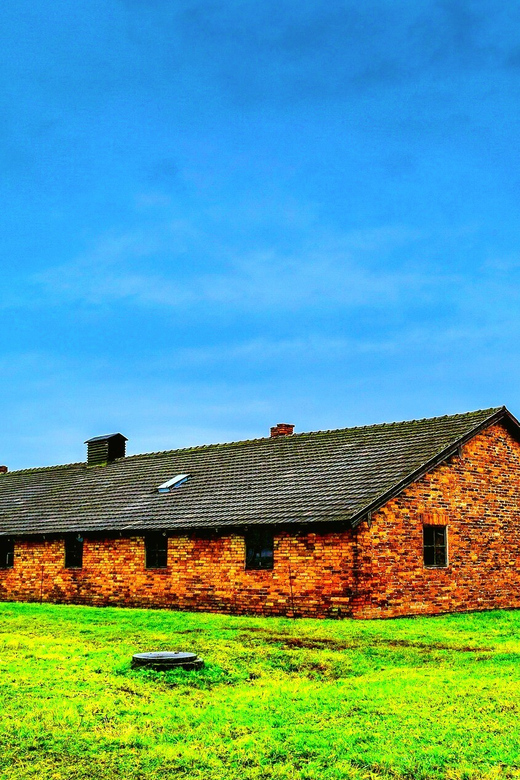
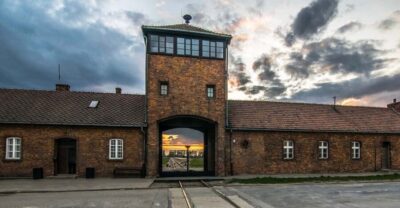
Birkenau is where many people feel the shock of scale. The visit includes areas tied to gas chambers and crematoria buildings, plus the surviving traces that show how mass deportations were carried out.
One of the most striking parts you are set up to see is the remains of the railway ramp in Birkenau. This is not just a background detail. Standing near that location gives the story a painful clarity because it highlights how people were transported into the killing system.
This camp visit is also built for continuity. If Auschwitz I felt like the foundation and early machinery, Birkenau feels like the industrial expansion. Your guide is there to connect the dots so you understand what changed, what stayed, and why the scale mattered.
The pacing: small groups, a 10-minute break, and memorial-set timing
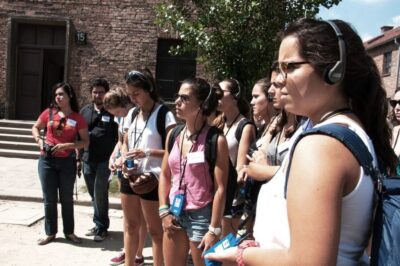
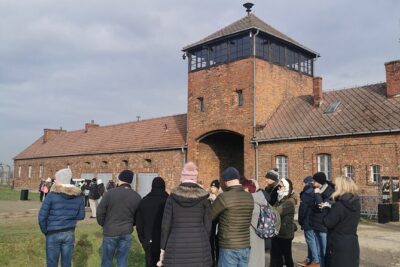
This tour is designed as a small group experience, not a cattle-line shuffle. That matters here, because you need time to look, to process, and to hear explanations without competing for a guide’s attention.
You should also know the visit timing is not something your operator can speed up. The pace and total duration are determined by the memorial’s visitor service. The tour includes a short break of 10 minutes, which is useful for a quick breather, water, and a reset for the second half.
Even if the schedule looks simple on paper, treat the day as emotionally active. Wear comfortable shoes and be ready for the kind of walking that feels long because your mind is working overtime.
Language options, and why your guide selection really matters
The tour offers multiple languages: German, Spanish, French, Polish, Italian, and English. If the required minimum number of participants for your selected language is not met, the provider will run the tour in English.
That fallback can be good news. English is widely available here, and the key is that you still get a live guide at each camp. What you want is not just translation. You want someone who can shape the story around what you can actually see.
In one reported case, a guide named Martin was praised for both humor and deep subject detail, while still respecting the gravity of the site. You should not assume a specific guide name, but the lesson is real: a strong guide improves comprehension and pacing.
How the $69 price adds up in practical terms
At $69 per person, you are paying for more than a ticket. Your package includes:
- Fast-track entrance
- A guided visit of both camps
- Guide(s) at each camp
- Full-day tour to Auschwitz-Birkenau
- Transport from Krakow only if you selected that option
So how is this value? If you were to try to coordinate entry and guides on your own, you would likely spend time and mental energy handling logistics. Here, you get pre-booked entry and a guided structure that keeps you moving in a sensible order.
The price also makes sense because Auschwitz-Birkenau is not a place where you want to “figure it out later.” You benefit from context as you walk between key sites. That context is what turns the visit from a checklist into an education you can carry with you.
One thing to remember if you are traveling without the Krakow pickup option: parking fees may apply at the sites (one self-drive account mentioned 20 PLN at Auschwitz I and 40 PLN at Auschwitz II-Birkenau). If you are road-tripping, those extras can change the comparison.
What to bring, what not to bring, and what can slow you down
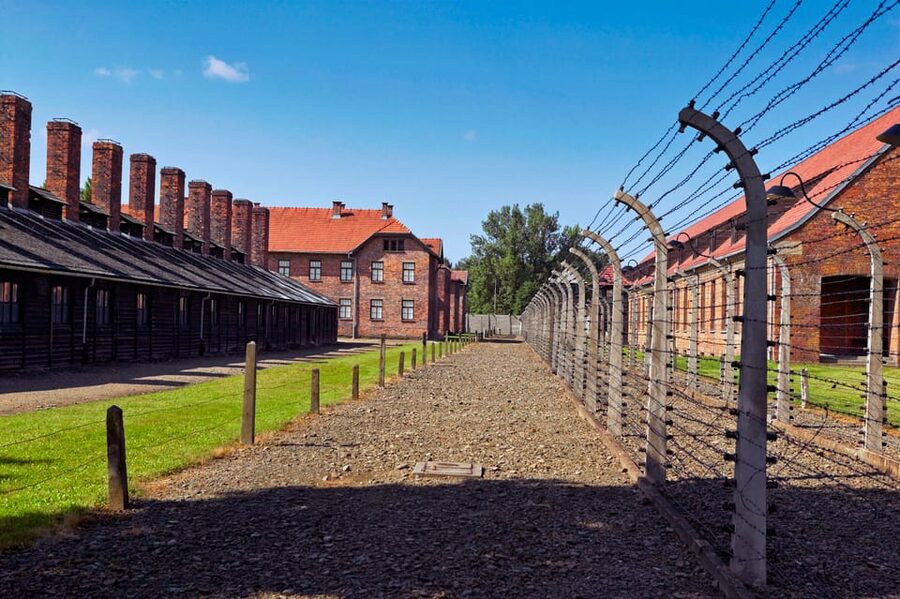
Pack light. Luggage larger than 30 x 20 x 10 cm is not permitted inside the museum. If you have a bigger bag, you will need another plan before you arrive.
Bring your passport or ID card. If you have a student card, bring it as well, since it is listed as a relevant document. Dress for the weather and expect to spend time outdoors between parts of the visit.
Also, think about day-of friction. Even with fast-track, you may wait up to 15 minutes. If you carry large items, you risk delays at entry.
Accessibility and who this tour is not for
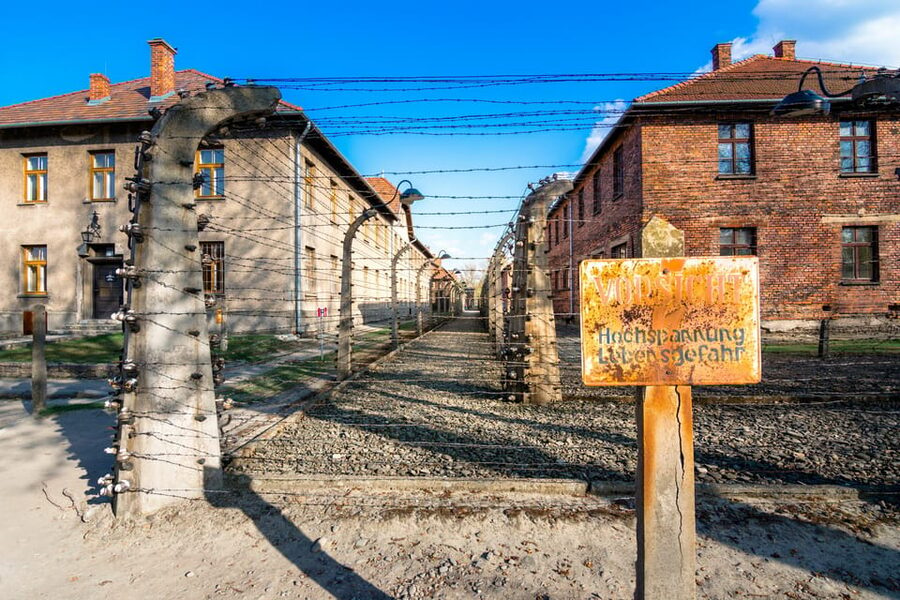
This specific experience is listed as not suitable for children under 13 and not suitable for people with mobility impairments or wheelchair users. The memorial environment and the walking involved make this a hard match for many accessibility needs.
If you fall into those categories, it is worth looking for an alternative format designed specifically for mobility limitations. For your own comfort and safety, do not assume this tour will be able to accommodate you.
A reality check on logistics: finding the guide, being on time
The tour is usually well organized, but meeting points can still be tricky. Some people reported that locating the guide was not obvious due to limited signage, even when shuttle buses were visible. The practical fix was simple: call using the contact number tied to your booking, and wait where you were directed.
Also, small delays can affect the flow. One account mentioned that a shuttle bus left at the end of the tour in Auschwitz-Birkenau because they arrived a few minutes late. The lesson is not to panic, but to treat the tour start time like it is a train departure.
Should you book this Auschwitz-Birkenau fast-track guided tour?
I recommend booking if you want a guided, structured visit to both Auschwitz I and Birkenau and you value skipping the main ticket line. For first-timers, the fast-track piece is practical, and the two-camp approach is the best way to understand the site without turning it into a chaotic day of guesswork.
Skip this tour format if you need accessibility accommodations, or if you know you cannot handle the walking and pacing. Also consider booking carefully if you are worried about finding the meeting point, because you will want to use the provided contact info and arrive on time.
Finally, treat this as an education day, not a sightseeing day. You are paying for context, and the guides matter. If you go in ready to listen, this is one of the most worthwhile ways to experience Auschwitz-Birkenau with clarity.
FAQ
How long is the Auschwitz-Birkenau guided tour?
The duration is listed as 3 to 7 hours, depending on the available starting times.
Does this tour include fast-track tickets?
Yes. You get fast-track entrance with pre-booked tickets so you can skip the ticket line, though waiting can still be up to 15 minutes.
Which camps are included?
You visit Auschwitz I and Auschwitz II-Birkenau as part of the experience.
What languages are available?
The tour is offered in German, Spanish, French, Polish, Italian, and English. If minimum numbers for your chosen language are not met, the tour will be conducted in English.
Is transport from Krakow included?
It is included only if you selected the transport option. If you did not, parking fee details may apply and transport between the camps is not included.
What should I bring to the memorial?
Bring your passport or ID card. A student card is also listed as something to bring. Wear weather-appropriate clothing.
What is not allowed inside the museum?
Luggage or large bags are not allowed. Specifically, luggage larger than 30 x 20 x 10 cm is not permitted inside.
Is there a break during the tour?
Yes. There is a short break of 10 minutes during the tour.
Is this tour suitable for children and wheelchair users?
It is not suitable for children under 13. It is also listed as not suitable for people with mobility impairments and wheelchair users.
More Auschwitz-Birkenau Memorial Tours.
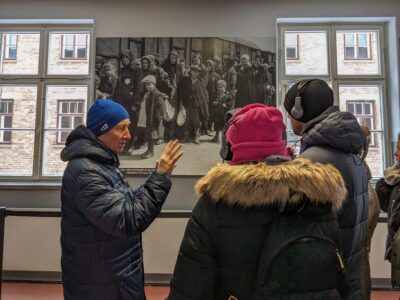 ★ 4.5Auschwitz-Birkenau Guided Tour & Hotel PickupFrom $2133,358 reviews
★ 4.5Auschwitz-Birkenau Guided Tour & Hotel PickupFrom $2129,340 reviews
★ 4.5Auschwitz-Birkenau Guided Tour & Hotel PickupFrom $2133,358 reviews
★ 4.5Auschwitz-Birkenau Guided Tour & Hotel PickupFrom $2129,340 reviews
 ★ 4.5Auschwitz Guided Tour with Optional Hotel PickupFrom $6915,280 reviews
 ★ 4.5Auschwitz-Birkenau Guided Tour with Pickup & LunchFrom $219,800 reviews
 ★ 4.5Auschwitz-Birkenau Guided Tour Pickup/Lunch OptionsFrom $2009,057 reviews
 ★ 4.7Auschwitz-Birkenau and Salt Mine Guided TourFrom $549,020 reviews
 ★ 5.0Krakow to Auschwitz Birkenau Guided Tour with Transfer and TicketFrom $368,197 reviews
 ★ 4.0Auschwitz Birkenau Tour with TransferFrom $216,134 reviews
Also on these Poland lists