
REVIEW · AUSCHWITZ-BIRKENAU MEMORIAL TOURS
Auschwitz-Birkenau Memorial Entrance Ticket and Guided Tour
One gate tells a chilling story. This Auschwitz-Birkenau guided tour from Krakow pairs official museum education with a walk through Auschwitz I and Brzezinka, the massive Auschwitz II. It is a hard day, handled with care, and it shows you the real place where history happened.
I love the way a professional guide turns a confusing jumble of buildings into a clear timeline, and I love that the plan covers both Auschwitz I and Birkenau in one stretch. The main drawback is time and timing, the day can run long, and departure may shift based on guide availability.
In This Review
- Key things I’d circle before you go
- Auschwitz I, from Arbeit Macht Frei gate to preserved camp streets
- Birkenau in Brzezinka, why Auschwitz II hits with scale
- What the guide and group size do for you on a day like this
- Price and what $36 covers, beyond the sticker number
- Logistics that matter: ID checks, timing shifts, and what to pack
- Booking gotchas to avoid, especially with kids and add-ons
- Who should book this Auschwitz-Birkenau tour from Krakow
- Should you book Auschwitz-Birkenau from Krakow?
- FAQ
- How long is the Auschwitz-Birkenau tour from Krakow?
- What does the price include?
- Are tickets included for both Auschwitz I and Birkenau?
- Do I need to bring ID or passport?
- How big is the group?
- Is the tour refundable if I cancel?
Key things I’d circle before you go
- Two camp stops, Auschwitz I and Auschwitz II (Brzezinka), so you get scale plus specific detail
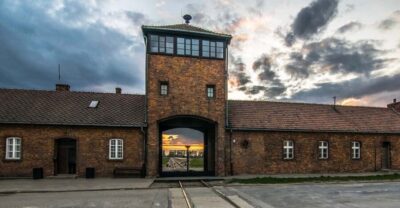
- The Auschwitz I gate area with Arbeit Macht Frei, where your brain starts organizing what you are about to see
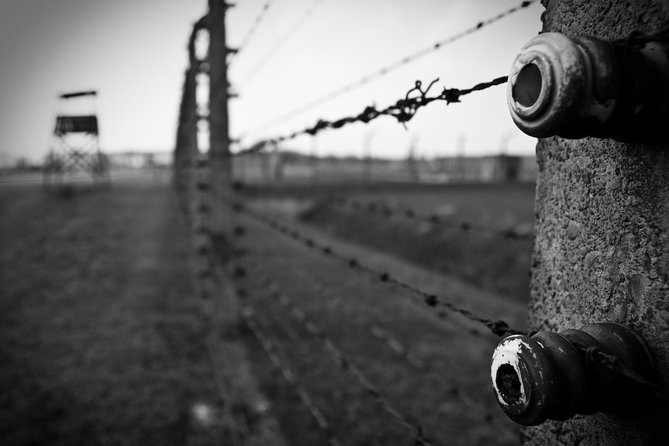
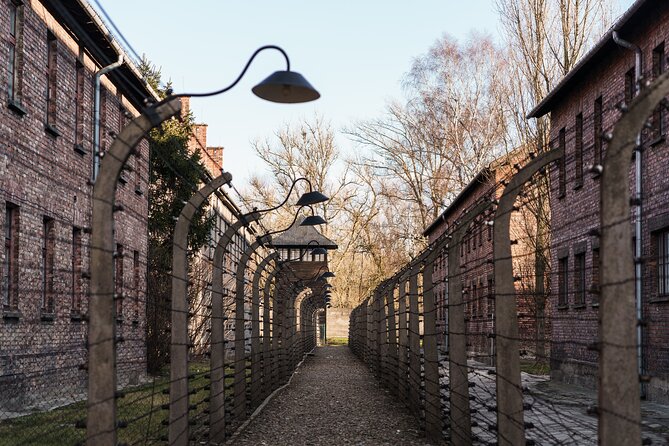
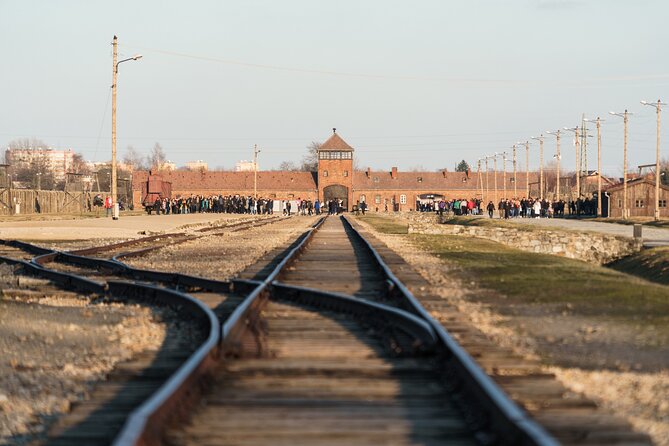
- Original features you walk past, including roads, fences, watchtowers, and railway elements still in place
- Birkenau’s distance and open spaces, about 3 kilometers away, which makes the size hit differently
- Bring ID or passport for security checks, because they will ask before you enter
Other Auschwitz-Birkenau visits we have reviewed, with entry and transport noted
- From Krakow: Auschwitz-Birkenau Guided Tour & Hotel Pickup
★ 4.5 · 33,358 reviews - From Krakow: Auschwitz-Birkenau Guided Tour & Hotel Pickup
★ 4.5 · 29,340 reviews - Krakow: Auschwitz Guided Tour with Optional Hotel Pickup
★ 4.5 · 15,280 reviews - Krakow: Auschwitz-Birkenau Guided Tour with Pickup & Lunch
★ 4.5 · 9,800 reviews
Auschwitz I, from Arbeit Macht Frei gate to preserved camp streets
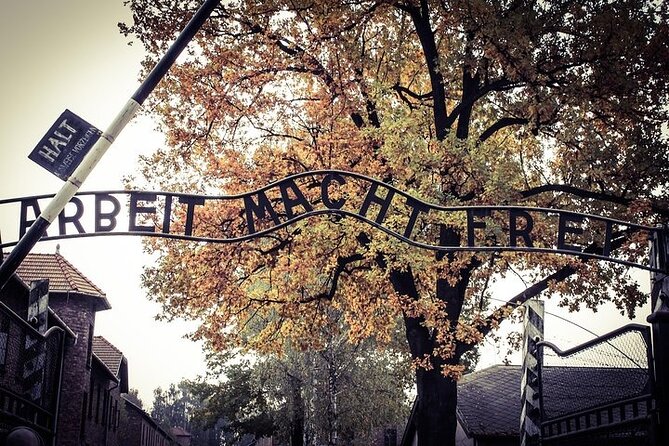
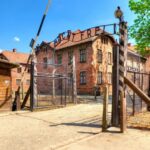
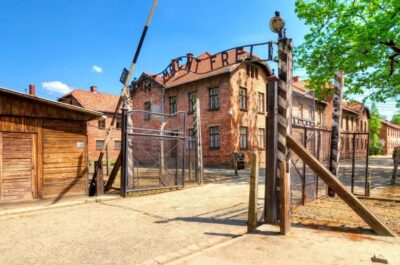
Your day starts with pickup and drop-off in Krakow city centre, then you head out by air-conditioned vehicle with a guide who sets expectations early. When you arrive, you enter Auschwitz I and walk through the gate marked with the inscription Arbeit Macht Frei (Work Sets You Free). It is a cruel message, and the guide’s job is to keep the focus on what the place actually was.
Auschwitz itself began in 1940, built in place of older Polish army barracks. Originally it held Polish POWs and political prisoners, and it operated until liberation by advancing Soviets in 1945. The numbers shared during the visit are staggering, more than 1.5 million prisoners were brought in, including Jewish, Polish, Italian, and French prisoners, and around 1.1 million were exterminated as part of the largest genocide in human history.
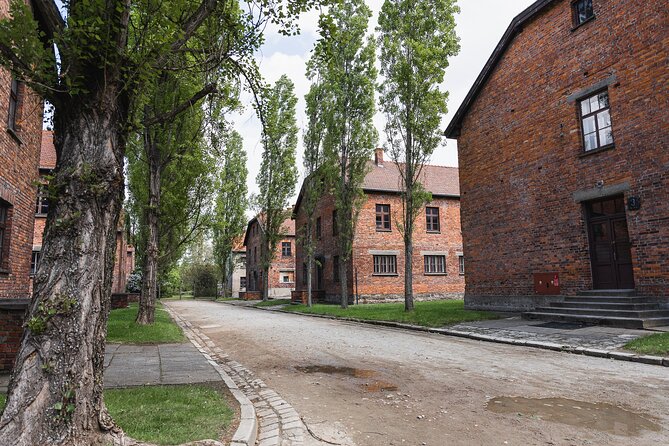
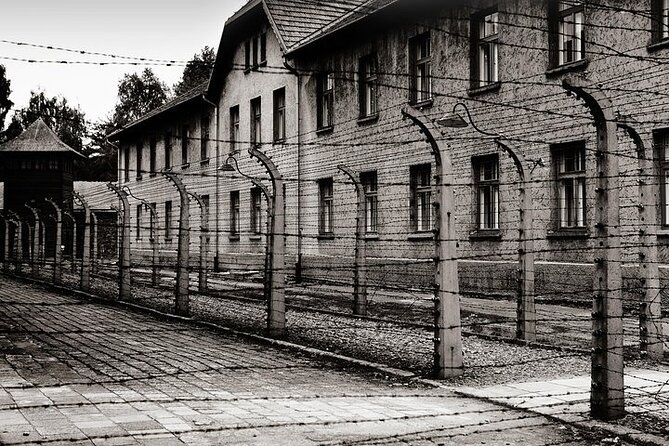
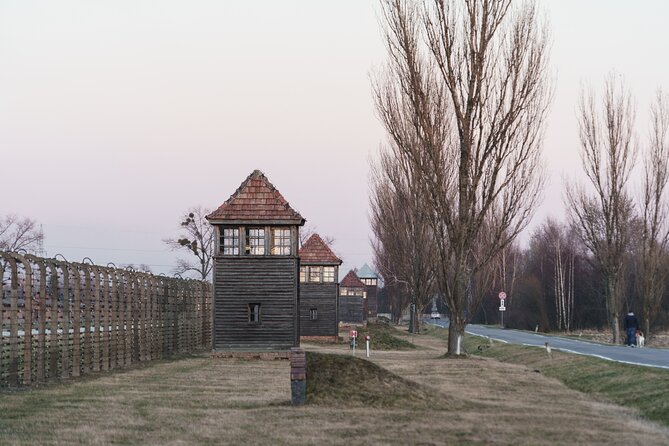
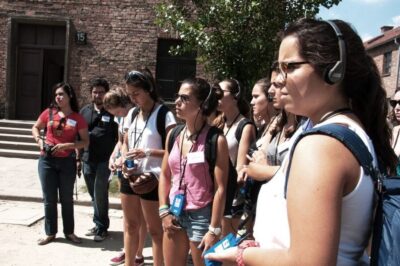
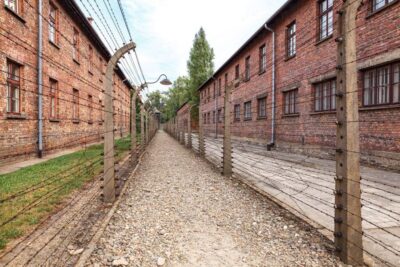
What makes Auschwitz I so powerful is how much you see that still feels physical and “real.” You walk through the preserved camp layout, with original buildings plus roads, fences, watchtowers, and railway elements. This is the kind of place where facts and emotions are not separate. A good guide helps you hold both, without turning the visit into a lecture that forgets where you are standing.
If you’re relying on your guide for clarity, pay attention right here. The Auschwitz I section is where most first-time visitors feel their understanding snap into place, because the story begins with the camp’s purpose and evolution. In at least one instance, a guide named Bart was praised for his knowledge and his willingness to explain the horrors without softening them. You want that kind of honest context, not mystery and not euphemisms.
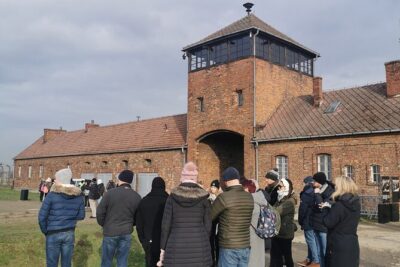
Practical note: Auschwitz I is an outdoor and indoor mix, and you will spend real time standing. Wear shoes you can walk in for hours, and keep your layers ready. January and other cold months can be brutal, and one visitor specifically recommended dressing warmly.
Birkenau in Brzezinka, why Auschwitz II hits with scale
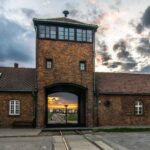
The second stop is Birkenau, also called Auschwitz II, in Brzezinka. This is the largest camp within the Auschwitz complex, part of a broader system that included over 40 camps and sub-camps. The scale here is hard to explain in advance, and that is exactly why this tour’s two-stop structure works. Auschwitz I tells you about the system in a tighter footprint, then Birkenau shows the machinery at its widest.
Birkenau started with a different plan. It was first intended for Soviet prisoners of war, but it soon became a concentration camp for prisoners of many nationalities and a center of the extermination of Jews. Construction began in October 1941 using slave labor, in a location where the village of Brzezinka had been displaced and mostly demolished. It was about 3 kilometers from Auschwitz I, close enough for the system to operate as one complex, far enough for the experience to feel completely different.
Your guide will talk about capacity and purpose. Birkenau was designed to hold 125,000 prisoners at one time. That number matters because it explains what you are seeing, overcrowding by design, and a plan where people were treated as expendable and replaceable work force. The focus is not just on buildings, but on the conditions. You will see living conditions described as unimaginable, and the visit highlights how cold, hunger, disease, and exhaustion shaped daily life.
Here’s the honest practical advice: Birkenau is often open and exposed. Even when you feel ready for the topic, weather can still surprise you. Bring gloves if you run cold, and keep your hat or hood handy. I like to think of it as making sure you can focus on the guided explanations instead of trying to survive the elements.
A thoughtful guide also manages the pace. In these spaces, rushing can make you feel disconnected. A paced walk helps you take in details at human speed, like how the camp layout leads your eyes, and how the distance and geometry can make the horror feel larger than the words you already knew.
What the guide and group size do for you on a day like this
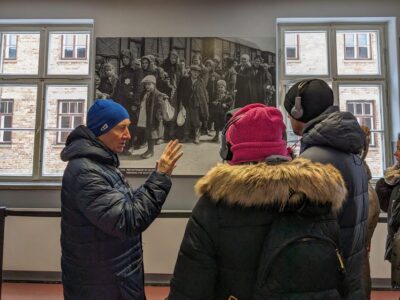
This tour is led by a professional guide at Auschwitz-Birkenau National Museum, and the group size is capped at 30 travelers. That number matters more than you might think. Too small and you might miss the timing and continuity of the museum route. Too large and you lose attention to the explanations that make the camp layout understandable.
A strong guide keeps the visit respectful and structured. The experience is described as critical for education and remembrance, with an emphasis on tolerance and prevention of future atrocities. That theme is not just inspirational language. It shows up in how the guide connects what happened with the idea that societies can refuse to repeat it.
I also like that the tour includes transport by air-conditioned vehicle and pickup plus drop-off in Krakow city centre. When you’re heading to a place this serious, logistics should be boring, not stressful. The bus ride is part of the day’s rhythm, and one visitor noted that a film of liberation was shown on the way to the camp. Even if you see it or not, the travel time is usually used to prepare you for what comes next.
Food is not listed as included. Still, one review mentioned buying a pack lunch offered during the tour. My take: don’t count on food being part of the package, but it might be available as an option. If you have dietary needs, plan ahead and consider bringing snacks that are easy to carry and eat quietly, or budgeting for a meal before or after.
Time is another factor. The duration is listed as 4 to 8 hours. That wide range usually comes down to timing at the museum and the flow between the two sites. If you have other plans that rely on exact timing, you’ll want to keep them flexible.
Price and what $36 covers, beyond the sticker number
At $36, this tour is not trying to be a bargain ride. You’re paying for transport, a guided visit, and included museum entry where specified. And that is where the value really is.
Your plan includes pickup and drop-off to Krakow city centre, air-conditioned transportation, and all fees and taxes. Admission is included for Auschwitz I, and Birkenau is listed as admission free in the itinerary stop details. In practice, that means you’re not scrambling to line up tickets and museum rules on the day you go.
The best value here is the guide. Museums at Auschwitz-Birkenau are not like casual landmarks where you can wander and “figure it out.” A guided route helps you connect the camp layout to the historical story, which changes how you process what you see. If you’re the kind of traveler who wants a clear structure, this is usually worth the price.
Where $36 can feel expensive is if you end up with booking confusion, like unclear ticket entitlements or missing add-ons tied to third-party vouchers. I can’t control how every booking partner handles paperwork, but you can reduce risk by confirming the details for every person in your group, especially children.
Below are the other Krakow trips we have logged
- Krakow to Auschwitz Birkenau Guided Tour with Transfer and Ticket★ 5.0 · 8,197 reviews
- Krakow: Wieliczka Salt Mine Fast-Track Ticket & Guided Tour★ 4.5 · 5,872 reviews
- Auschwitz Birkenau Guided Tour with Ticket Hotel Pickup Small Van★ 5.0 · 4,769 reviews
- From Krakow: Wieliczka Salt Mine Tour & Skip the Line Ticket★ 4.4 · 3,925 reviews
- Krakow: Oskar Schindler’s Factory Entry Ticket & Guided Tour★ 4.2 · 3,793 reviews
Logistics that matter: ID checks, timing shifts, and what to pack
You need to bring ID or passport. Before entrance security, they will ask for it. That sounds obvious, but it’s one of the easiest ways to ruin your day in a place with strict procedures.
Timing can also change. The departure time might shift based on guide availability at the museum. If you’re planning a tight schedule in Krakow, don’t stack reservations right after you expect to be back. This is also a day where you will lose track of the clock once you’re inside, because the place demands attention.
Packing comes down to comfort and temperature. Auschwitz can be cold, and open sections at Birkenau can feel even colder. Bring layers you can adjust, plus something that covers your ears if you tend to get cold. Also, keep your bag organized. You want to move cleanly through security, then keep your hands free while walking.
Finally, consider how you want to handle the emotional weight. The tour is guided and structured, and that helps. But you still need to be ready for it. You’ll be standing and walking for long stretches, and you’ll be taking in scenes that are designed to be unforgettable.
Booking gotchas to avoid, especially with kids and add-ons
Two problems show up in the real world with tours to Auschwitz-Birkenau, and they are mostly paperwork and ticket entitlement issues.
One issue involves group ticket counts, where a family arrived and was told they were on their own because there were not enough tickets for a child to join the group tour. Another issue involved add-ons outside Auschwitz-Birkenau, where a museum pass tied to a broader Krakow plan was not delivered as expected, leading to extra payment later.
I’m not telling you this to scare you. I’m telling you so you can prevent it. Before you go, do these quick checks:
- Confirm that each person in your group, especially children, has an entry ticket tied to the correct date and time.
- Keep your booking confirmation and any voucher details easily accessible.
- If your offer bundles extra museums, make sure you understand what you will physically receive and when.
If something goes wrong at the start, it can cost you time and peace of mind. In a place like this, you want the first minutes to be smooth so the rest of the day can be focused on learning and remembrance.
Who should book this Auschwitz-Birkenau tour from Krakow
This fits best if you want a guided route that gives you structure and historical context for your visit. It also helps if you’re visiting Krakow for a limited time and want a one-day plan that covers both Auschwitz I and Birkenau.
I would especially recommend it if you know you’ll appreciate a professional explanation, not just self-guided wandering. People praised guides for being knowledgeable and passionate, with one standout comment about Bart’s tour at Auschwitz. That kind of guiding style is a big deal when the subject is this heavy.
If you prefer total independence and don’t want a scheduled pace, self-guided visiting might seem tempting. But Auschwitz-Birkenau is where guidance usually pays off, because it turns what you see into understanding.
Should you book Auschwitz-Birkenau from Krakow?
Yes, if you want a respectful, organized day with transport from the city and guided context for both camp sites. At $36, you’re not just paying for a ride, you’re paying for time you don’t have to spend figuring out routes and museum flow, and for a guide who helps you connect the layout to the story.
Book with confidence if you do two things. First, bring your ID or passport and dress for the cold. Second, double-check your ticket entitlements for every person in your group, because tour schedules and ticket counts can be unforgiving.
If you’re the type of traveler who can handle a difficult, emotionally intense experience with patience and attention, this is one of the most important tours you can take from Krakow.
FAQ
How long is the Auschwitz-Birkenau tour from Krakow?
The tour runs about 4 to 8 hours.
What does the price include?
It includes pickup and drop-off in Krakow city centre, a professional guide at Auschwitz-Birkenau National Museum, transport by air-conditioned vehicle, and all fees and taxes. Food and drinks are not included.
Are tickets included for both Auschwitz I and Birkenau?
The itinerary specifies admission ticket included for Auschwitz I (Panstwowe Muzeum Auschwitz-Birkenau) and admission ticket free for Birkenau (Brzezinka) within this tour plan.
Do I need to bring ID or passport?
Yes. Before entrance security, they will ask for your ID or passport.
How big is the group?
The tour has a maximum of 30 travelers.
Is the tour refundable if I cancel?
No. This experience is non-refundable and cannot be changed for any reason.
More Tours in Krakow
More Tour Reviews in Krakow
Auschwitz-Birkenau: Other Reviewed Visits
Recently written up around Krakow
More Auschwitz-Birkenau Memorial Tours.
 ★ 4.5Auschwitz-Birkenau Guided Tour & Hotel PickupFrom $2133,358 reviews
★ 4.5Auschwitz-Birkenau Guided Tour & Hotel PickupFrom $2129,340 reviews
 ★ 4.5Auschwitz Guided Tour with Optional Hotel PickupFrom $6915,280 reviews
 ★ 4.5Auschwitz-Birkenau Guided Tour with Pickup & LunchFrom $219,800 reviews
 ★ 4.5Auschwitz-Birkenau Guided Tour Pickup/Lunch OptionsFrom $2009,057 reviews
 ★ 4.7Auschwitz-Birkenau and Salt Mine Guided TourFrom $549,020 reviews
 ★ 5.0Krakow to Auschwitz Birkenau Guided Tour with Transfer and TicketFrom $368,197 reviews
 ★ 4.0Auschwitz Birkenau Tour with TransferFrom $216,134 reviews
Also on these Poland lists