
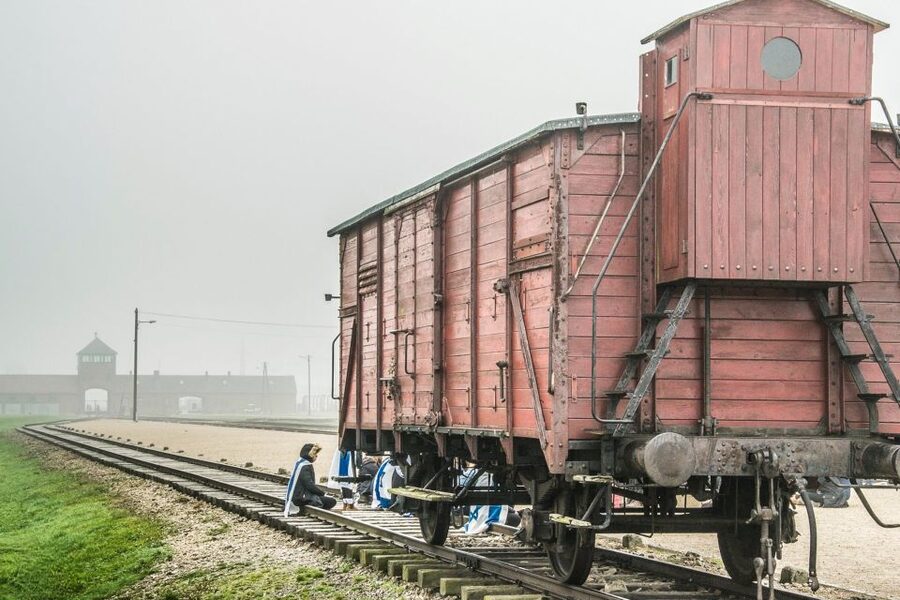
REVIEW · AUSCHWITZ-BIRKENAU MEMORIAL TOURS
Auschwitz-Birkenau: Skip-the-Line Entry Ticket & Guided Tour
The camp gates feel like a countdown. This Auschwitz-Birkenau tour is built for fast, respectful entry, then guided walking through the places where the Nazi machinery of mass murder played out. I like that you get museum-licensed interpretation and you can hear the guide clearly with headsets, so you do not miss key context while you walk. One thing to consider, though, is the emotional weight plus a fairly set pace, so you will not linger everywhere the way you might want.
I found the two-camp structure especially practical. You spend the morning with Auschwitz I, take a break for lunch planning, then head to Auschwitz II Birkenau with the same guide for about an hour, with timing set by the memorial site service. In winter, the grounds can feel even colder and emptier, which can be unsettling but also helps you understand the conditions people endured.
For many people this is a once-in-a-lifetime must. It is also not suitable for wheelchair users, and the rules around bags and clothing mean you should pack light and plan ahead so your start is smooth.
In This Review
- Key things you will notice before you commit
- Auschwitz I and Birkenau with one guide, not two disconnected visits
- Fast-track entry, security, and what to pack so you do not stall
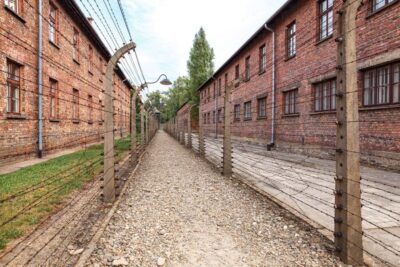
- Auschwitz I: the main gate, barracks, and the story’s starting point
- The break that actually matters: lunch time and the Birkenau parking transfer note
- Auschwitz II Birkenau: where the scale hits, and why it changes everything
- Listening to guides like Anna, Teresa, Mario, and Suzanna
- Price and value: why $21 can be a smart choice, if you’re ready for the pace
- Who should book this tour, and who should rethink it
- Practical tips that make the day smoother
- Should you book this Auschwitz-Birkenau skip-the-line guided tour?
- FAQ
- What does the Auschwitz-Birkenau skip-the-line guided tour include?
- How long is the tour?
- Which languages are available for the live guide?
- What time does the tour run?
- Where do I meet the host?
- What should I bring and what is not allowed?
- Is transportation between Auschwitz I and Birkenau provided?
Key things you will notice before you commit
- Skip-the-line access to Auschwitz I through security, so you spend more time where it matters.
- One licensed guide for both sites (Auschwitz I plus Auschwitz II Birkenau), which helps the story connect.
- Audio through headsets reported as a big help for staying focused and hearing every detail.
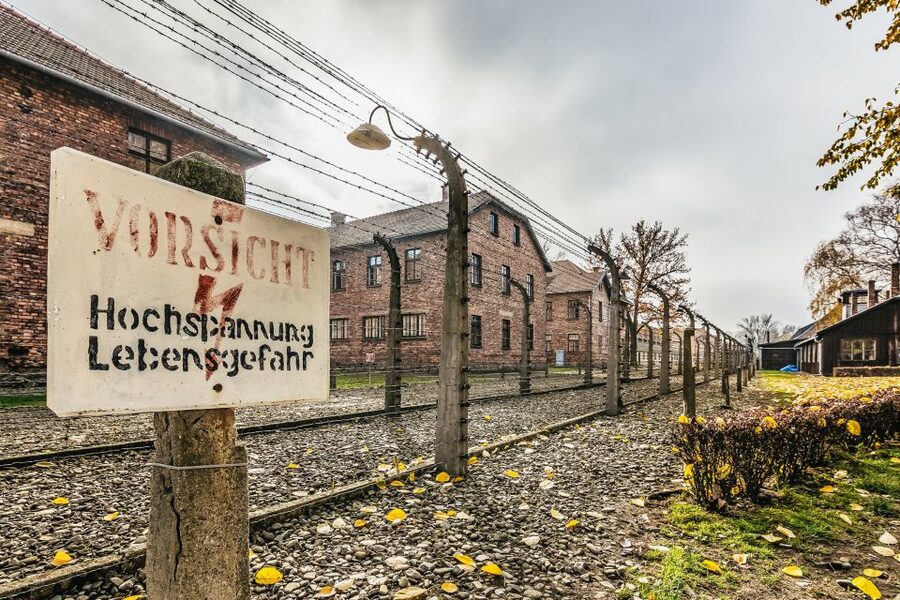
- The main gate and original remains are part of the core route, not an optional add-on.
- Tight time windows and group movement set by the memorial visitor service, so expect less free browsing.
- Hard rules for what you can bring (ID required, luggage and bags limited), so travel light.
Auschwitz I and Birkenau with one guide, not two disconnected visits
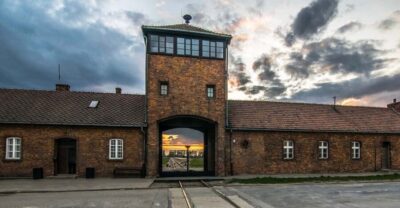
This tour is designed around one simple idea: understanding Auschwitz-Birkenau works best when you connect Auschwitz I to Auschwitz II. Auschwitz I is where you get the foundational look at the system: the camp setup, key structures, and the main gate. Then Birkenau expands the scale into something that feels almost impossible to picture. Having the same guide for both parts keeps the rhythm from turning into a checklist.
The tour timing also feels realistic for a half-day that still packs a lot. You spend about 1 hour 20 minutes to 1 hour 50 minutes at Auschwitz I. After a 10 to 15 minute break, you go by bus to Auschwitz II Birkenau for around an hour, with the guide continuing the explanation. Reviews also describe a guided flow that starts at the front gate feel of the experience, then moves you through security and into the camp areas in an organized way.
Where this really helps you is mental. When the information is delivered with context, the remains stop being random buildings and turn into evidence. You can still go at a human pace, but you are less likely to feel lost, and you are more likely to notice what the guide points out.
Fast-track entry, security, and what to pack so you do not stall
Auschwitz-Birkenau is not the kind of place where you can wander in late and make it work. Your tour starts at a museum entrance area where you meet your host and use your pre-booked ticket after security.
Plan on bringing just what you need. The tour requires a passport or ID card. You cannot bring pets, you cannot smoke, and you cannot bring luggage or large bags. The maximum size for allowed items is listed as 20 x 30 cm, so think small day-bag only. Clothing rules also matter: short skirts and sleeveless shirts are not allowed, so pack for that if your style leans casual.
Here is the practical move I recommend: pack lunch and drinks if you can. The tour includes a break where you can eat, and the guidance specifically recommends bringing lunch and drinks rather than relying on buying things inside. Doing that saves time and reduces the stress of deciding what to do while you are trying to absorb what you are seeing.
One more thing, small but important. Your full name and contact details are required as part of the booking process, following memorial requirements. If you rush this step or enter a different name spelling than your ID, you can create avoidable friction on the day.
Auschwitz I: the main gate, barracks, and the story’s starting point
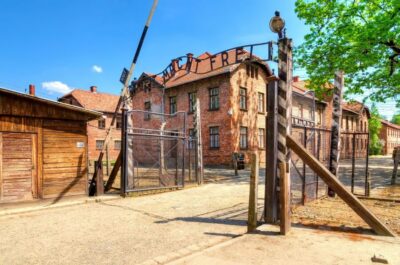
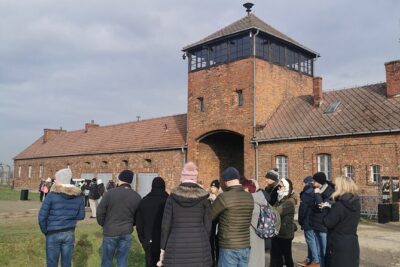
Auschwitz I is often the portion that sets your emotional and historical footing. This tour includes entry to the Auschwitz I site and time to see the original barracks and key remains associated with the camp. You also see the main gate area, which works like a threshold in the mind. Even if you know the history, walking past the entry space with a guide changes it from “facts on paper” to “a place where decisions were carried out.”
The remains you are walking through are not generic. The tour description calls out seeing original barracks and the ruins of the gas chamber. That wording matters because it signals you are not just looking at exterior markers. You are visiting areas tied directly to the camp’s function, and your guide is there to explain what each area represents in the wider system.
I like the way the tour builds understanding before you go to Birkenau. Auschwitz I is more compact, so you can concentrate better on the structures and how the Nazi camp administration worked. It also makes Birkenau hit harder, because you carry the mental model forward.
That said, the pace is structured. You are guided through timed windows, and you will not have unlimited time to stop and read every exhibit label at length. If you want to read every document panel slowly, you might find the flow a bit quick. The tradeoff is that you do get a coherent story from gate to camp to the next site, which is the point of this format.
The break that actually matters: lunch time and the Birkenau parking transfer note
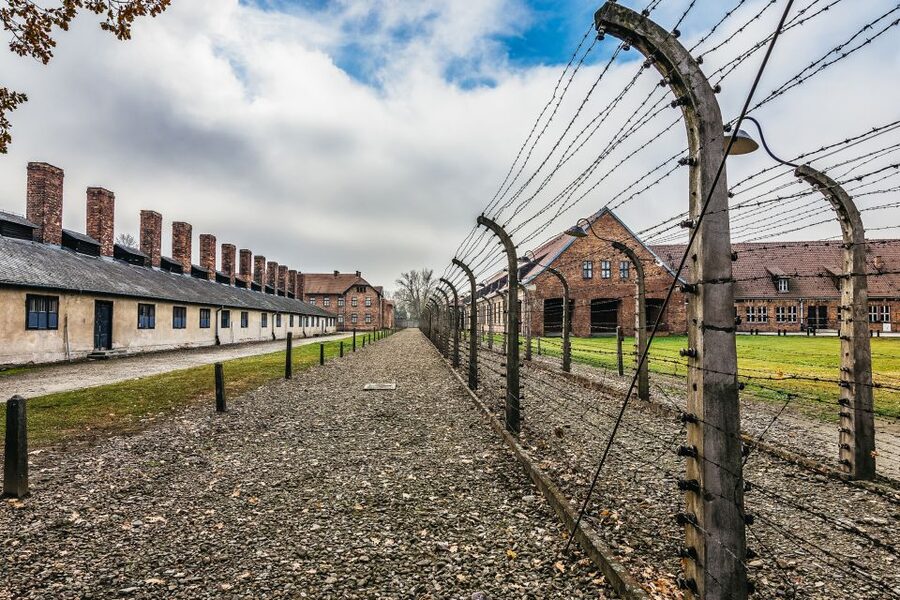
Between Auschwitz I and Auschwitz II, you get a short break of 10 to 15 minutes. This is your moment to reset, grab lunch, and use the facilities. The tour instructions also recommend bringing lunch and drinks, and I agree with that advice. When you show up with food ready to go, you spend less time searching and more time staying present.
There is also a second timing note you should pay attention to. After completing Auschwitz I, there is a 15-minute break. During this time, you are directed to go to the car parking area in Brzezinka by your own transport, noted as 2 km. If you arrive by public transport, the guidance says to inform your tour leader before the start of the tour so you can coordinate how to reach Birkenau properly.
This can sound confusing on paper, so here is how to handle it simply. When you meet your group at the entrance, confirm with your guide what your expected route is for the Birkenka segment. If you are unsure, ask. Staff presence and headsets do not help if you miss the logistics piece.
The upside is that the tour still protects you from the biggest DIY headache, which is figuring out transitions between the two major sites on a tight day. The downside is that you should not assume the break includes everyone being walked or driven the whole way. Plan to move promptly when your guide signals it.
Auschwitz II Birkenau: where the scale hits, and why it changes everything
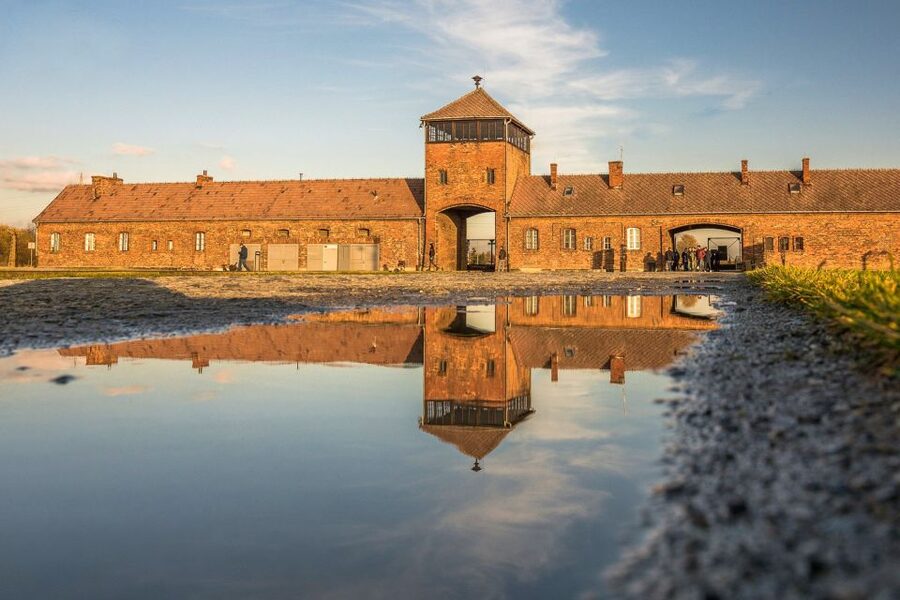
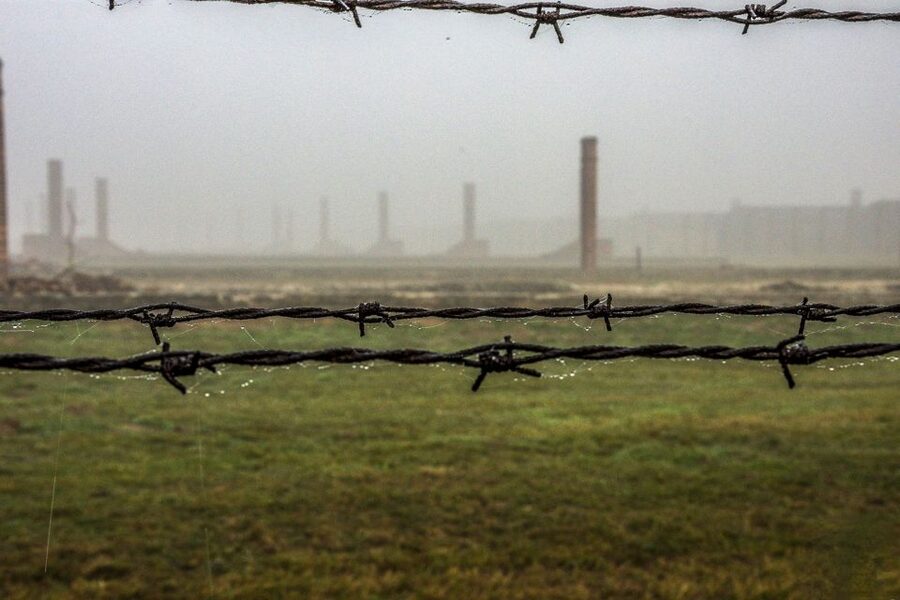
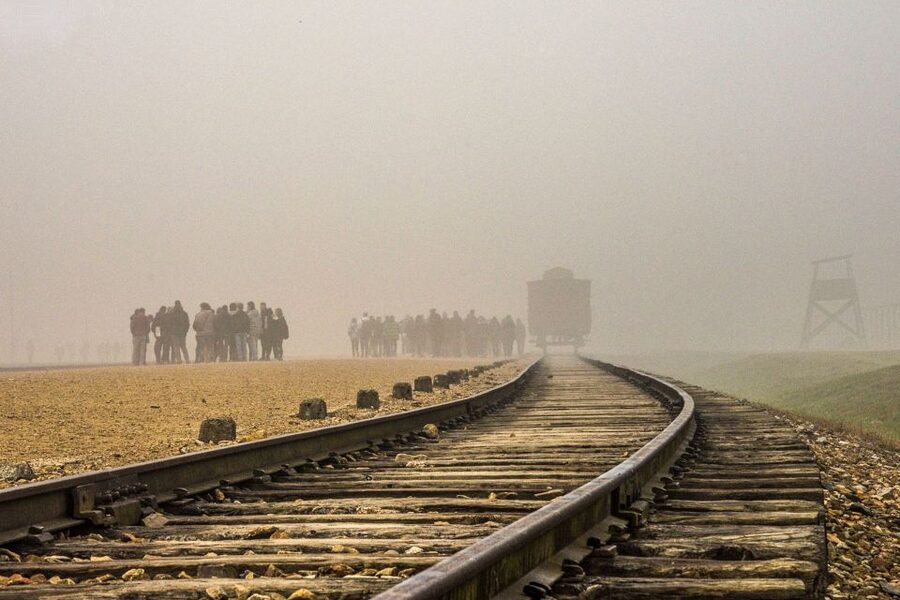
Birkenau is where Auschwitz stops feeling like a place you studied and starts feeling like a place you have to process. The tour includes Auschwitz II Birkenau and spends about an hour there with the same guide. In practical terms, that hour is long enough to see the main remains and key areas called out in the tour highlights, but it is still guided movement, not free roaming.
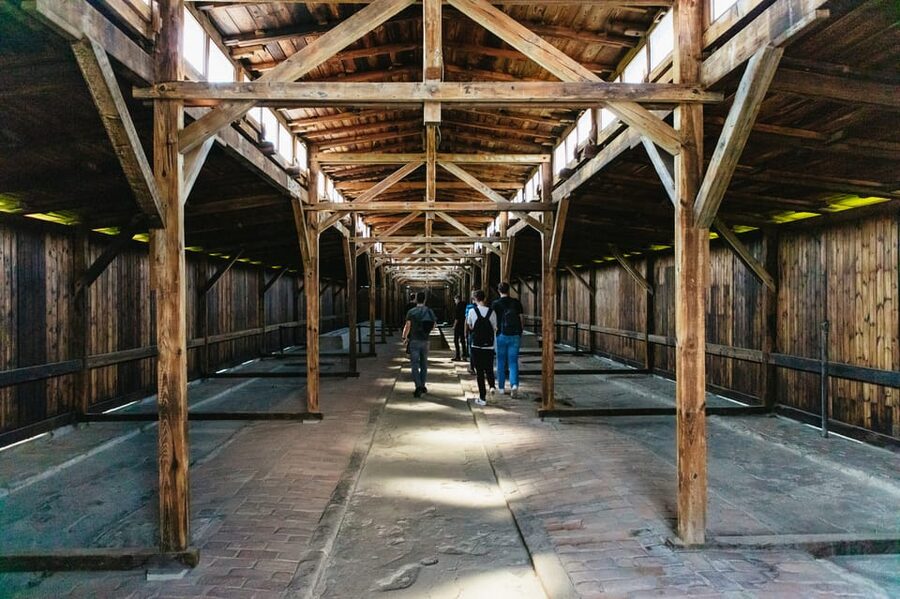
I like that the guide context carries over. If Auschwitz I gives you the setup, Birkenau forces you to confront scale and system design. The tour highlights include ruins of the gas chamber as part of the original barracks and camp remains you see across the experience. In Birkenau, you are better able to understand what those functions meant when applied across a larger space and larger numbers of people.
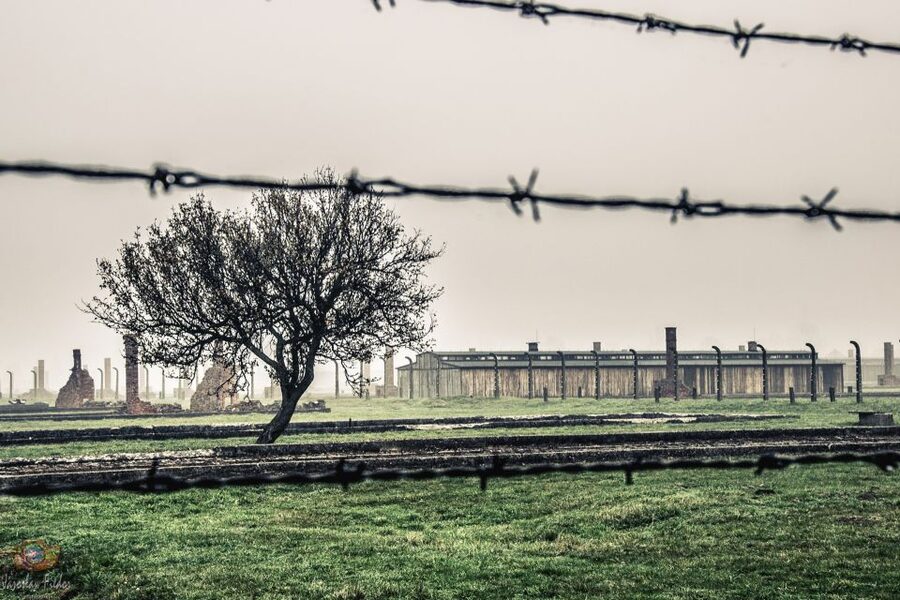
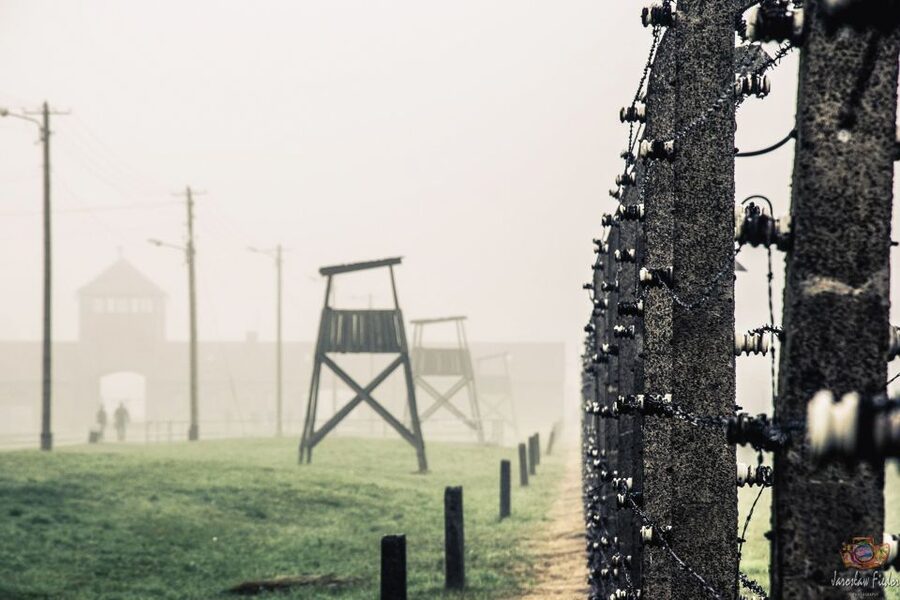
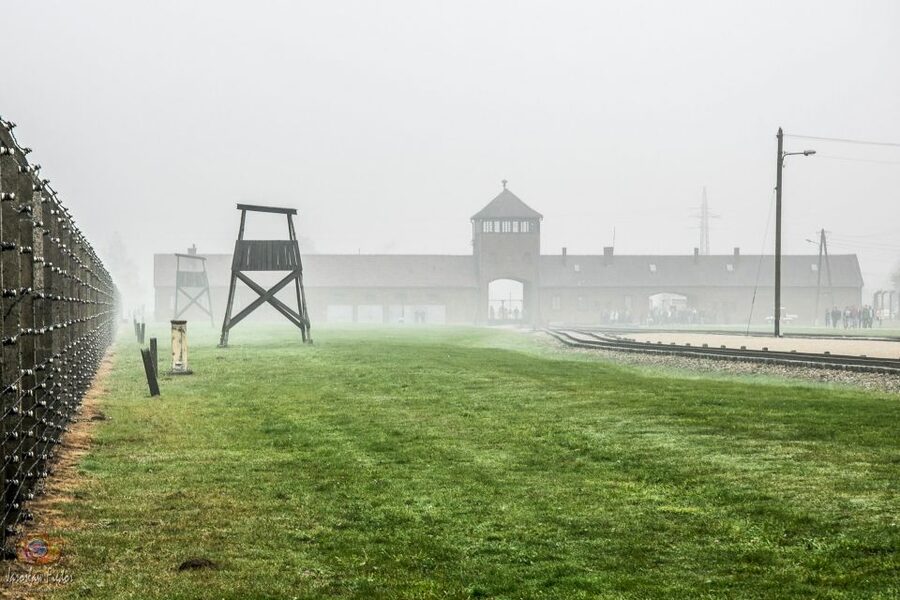
This is also the portion where the grounds can feel physically cold, windy, and stark. One traveler mentioned a late January visit with snow on the ground, and that kind of weather can make everything feel even more exposed. That is not “comfortable tourism,” but it is a reality factor, and the guide’s tone keeps it respectful.
Just keep expectations balanced: the memorial is extremely busy, and groups are managed in a way that moves you along. Even when you want more time at a specific exhibit or posted information panel, the schedule keeps the flow moving. The upside is you see the essentials and you leave with a coherent understanding rather than feeling like you only touched the surface.
Listening to guides like Anna, Teresa, Mario, and Suzanna
What makes this tour more than a route is the commentary. The experience is led by licensed guides provided by the Auschwitz-Birkenau Museum, and the guidance matters because Auschwitz-Birkenau is full of details that can be hard to interpret if you only rely on signage.
In the voices leading groups, names like Anna and Teresa come up often for being clear, sensitive, and deeply connected to the subject. Others like Mario and Suzanna are praised for professional delivery and for speaking in a way that stays easy to follow. I take that as a signal that you are not just buying access. You are buying interpretation from someone trained for the memorial setting.
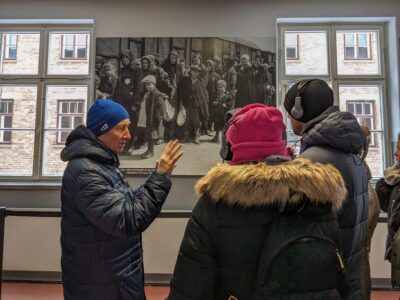
You will also notice a consistent style in the best guides: calm pacing, clear phrasing, and time for questions when the moment allows. One traveler highlighted how a guide answered questions and kept the group together. That type of structure helps you feel less rushed mentally, even if the itinerary is time-bound.
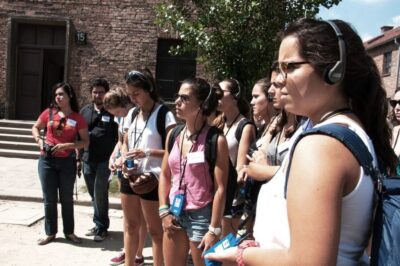
Headsets are a big part of that. With audio, you do not have to crane your neck toward the person talking, and you can focus on what the guide says while looking at what is in front of you. For a place this intense, that practical support helps you stay oriented instead of drifting.
Price and value: why $21 can be a smart choice, if you’re ready for the pace
At about $21 per person, this tour is priced in a way that looks surprisingly fair for what you get: museum entry plus a licensed guide plus booking fees included. The major “cost” is not the money. It is the attention, patience, and emotional energy required to experience the material with respect.
So is it good value? I think yes, if you want the essentials done well. Skip-the-line access saves time at the start, and that time is precious because the tour is built around a set visit structure with limited time in each segment. A guided format also reduces the risk of missing context. Without a guide, you might see buildings and remains, but you can miss the meaning behind the arrangement and the specific historical explanations.
The other value piece is continuity. One guide covers Auschwitz I and Auschwitz II, with bus transport between parts after the break. That reduces your coordination burden and lets you stay in one mental narrative.
Where the “value” can feel lower is if you need lots of unscheduled time for reading on your own. Because the pace is determined by the memorial visitor service, you should assume there will not be long pauses for solo exploration after the guided portion ends. If you are the type who likes to linger with every label and document panel, consider that before you book.
Who should book this tour, and who should rethink it
This experience fits best if you want structure and clarity. You should book if you care about understanding the history in context and you want a museum-licensed guide to help connect Auschwitz I and Birkenau.
It also fits families only if everyone can handle the subject matter. One family group kept younger kids engaged during the tour, which suggests the guides can pace explanations in a way that is accessible. Still, this is harrowing content. You should judge your group’s readiness.
It is not suitable for wheelchair users, based on the tour information. If mobility is a concern, you will need a different plan.
Also consider language needs. The tour offers English, German, French, Italian, and Spanish. If you want to understand every nuance, pick a language you are comfortable following without relying on quick translation.
Practical tips that make the day smoother
Auschwitz-Birkenau can feel chaotic at the very beginning, mostly because many guides and groups are gathering. One traveler described confusion finding their guide when it was busy. You can reduce that stress.
- Arrive with your ID ready and follow instructions quickly at security.
- Keep your bag minimal, because large bags and backpacks are not allowed and only a small maximum item size is permitted.
- Bring lunch and water so the break is actually relaxing enough to reset.
- When you have the chance, confirm the Birkenau transition details, especially the 15-minute break and the note about the 2 km parking area in Brzezinka.
- If you care about hearing every word, treat the headset like your lifeline. Put it on immediately once you get it.
Finally, bring emotional steadiness. This is not a museum where you can skim your way through. You will likely want a moment to breathe after the heaviest areas. Build that into your mindset rather than fighting the pace.
Should you book this Auschwitz-Birkenau skip-the-line guided tour?
I recommend booking this tour if you want the best shot at a coherent, respectful visit without wasting time sorting logistics on-site. For many people, the combination of skip-the-line entry, a museum-licensed guide, and headsets for clear listening turns a difficult place into something you can understand, not just witness.
I would hesitate only if you strongly dislike fixed schedules, or if you need lots of slow, solo reading time rather than guided coverage. In that case, you might feel pulled along.
If you are ready for an intense day and you want your questions answered by professionals, this is a solid pick. The time is tight, but the structure helps you leave with meaning, not just images.
FAQ
What does the Auschwitz-Birkenau skip-the-line guided tour include?
It includes the entrance ticket to Auschwitz-Birkenau Museum, a licensed guide provided by the museum, and all booking fees.
How long is the tour?
The duration is about 225 minutes.
Which languages are available for the live guide?
The live tour guide is available in English, German, French, Italian, and Spanish.
What time does the tour run?
The tour can take place between 7:00 AM and 3:30 PM. You choose a preferred start time, and the exact starting time is sent to you the day before.
Where do I meet the host?
The meeting point may vary depending on the option booked.
What should I bring and what is not allowed?
Bring a passport or ID card. The tour does not allow pets, smoking, luggage or large bags, short skirts, sleeveless shirts, backpacks, or alcohol and drugs. The maximum bag size permitted is 20 x 30 cm.
Is transportation between Auschwitz I and Birkenau provided?
You will board a bus after the break for the second part at Auschwitz II Birkenau. Transportation to and from your accommodation is not included.
More Auschwitz-Birkenau Memorial Tours.
 ★ 4.5Auschwitz-Birkenau Guided Tour & Hotel PickupFrom $2133,358 reviews
★ 4.5Auschwitz-Birkenau Guided Tour & Hotel PickupFrom $2129,340 reviews
★ 4.5Auschwitz-Birkenau Guided Tour & Hotel PickupFrom $2133,358 reviews
★ 4.5Auschwitz-Birkenau Guided Tour & Hotel PickupFrom $2129,340 reviews
 ★ 4.5Auschwitz Guided Tour with Optional Hotel PickupFrom $6915,280 reviews
 ★ 4.5Auschwitz-Birkenau Guided Tour with Pickup & LunchFrom $219,800 reviews
 ★ 4.5Auschwitz-Birkenau Guided Tour Pickup/Lunch OptionsFrom $2009,057 reviews
 ★ 4.7Auschwitz-Birkenau and Salt Mine Guided TourFrom $549,020 reviews
 ★ 5.0Krakow to Auschwitz Birkenau Guided Tour with Transfer and TicketFrom $368,197 reviews
 ★ 4.0Auschwitz Birkenau Tour with TransferFrom $216,134 reviews
Also on these Poland lists