
REVIEW · AUSCHWITZ-BIRKENAU MEMORIAL TOURS
From Katowice: Auschwitz-Birkenau Skip-the-Line Guided Tour
Auschwitz-Birkenau has a way of pulling your thoughts into the past. This Katowice tour is built for skip-the-line entry and a careful English speaking explanation as you move through Auschwitz I and Auschwitz II-Birkenau. You also get practical help from people like drivers and guides who have run smooth, timely groups, including English guides named Wanda, Magda, Sabina, and Oskar in past departures.
I love how you arrive with tickets sorted so you waste less time standing still, and I love the structure that takes you from Auschwitz I’s permanent exhibition to the Birkenau site where extermination methods are explained. One thing to keep in mind: even with skip-the-line access, ticket demand can still cause pickup rescheduling on the day.
In This Review
- Quick Hits Before You Go
- Price and Logistics: What $114 Buys You
- Katowice Pickup, Van Ride, and the Real Timing You Should Expect
- Auschwitz I: Permanent Exhibition, Original Buildings, and How the Day Gets Structured
- Auschwitz II-Birkenau: Gas Chambers, Zyklon B, and the Scale of Loss
- The English Guide and Audio Support: Turning Space Into Understanding
- What to Bring, What to Wear, and How to Stay Comfortable
- Who This Tour Fits Best, and Who Should Rethink It
- Should You Book This Auschwitz-Birkenau Tour From Katowice?
- FAQ
- How long is the Auschwitz-Birkenau skip-the-line tour from Katowice?
- Is the entrance line skipped?
- Do I get picked up and dropped off in Katowice?
- Where is the meeting point, and when should I arrive?
- What do I need to bring?
- Is there an English audio option?
- Is this tour suitable for children?
Quick Hits Before You Go
- Skip-the-line tickets so you get in faster and keep the day moving
- English guide + audio/headsets for clearer explanations without cramming to hear
- Auschwitz I and Auschwitz II-Birkenau in one packed, 6 hour format
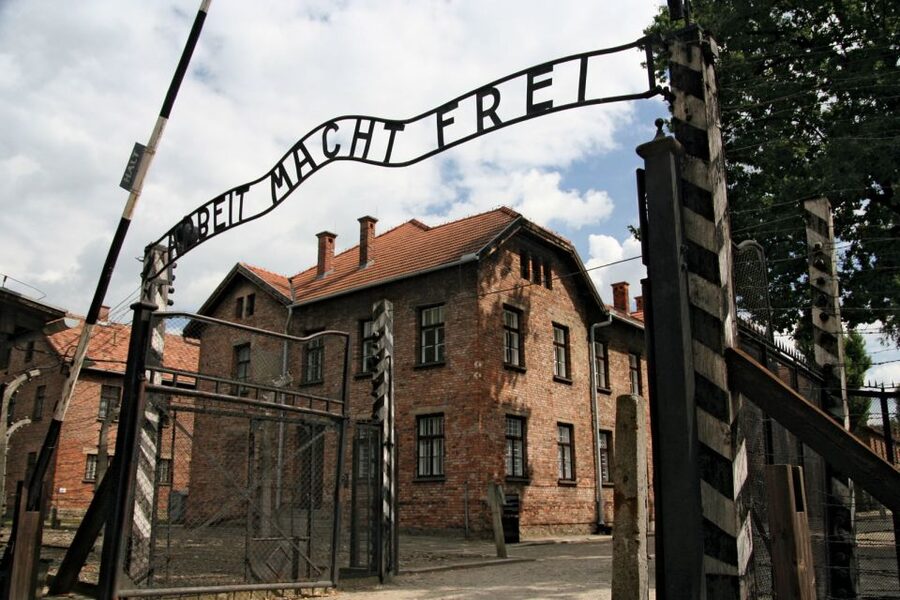
- Original buildings and permanent exhibition at Auschwitz I, not just memorial viewpoints
- Birkenau context with gas chambers and Zyklon B, explained in plain language
- Hotel pickup in Katowice if you choose that option, otherwise you meet at the partner office
Other Auschwitz-Birkenau visits we have reviewed, with entry and transport noted
- From Katowice: Auschwitz-Birkenau Skip-the-Line Guided Tour
★ 4.7 · 373 reviews
Price and Logistics: What $114 Buys You
At $114 per person for about 6 hours, the value is not the wow factor. The value is time. You are paying to reduce friction on one of the busiest, most sensitive sites in Europe, plus you’re getting transport coordination from Katowice when that option is selected.
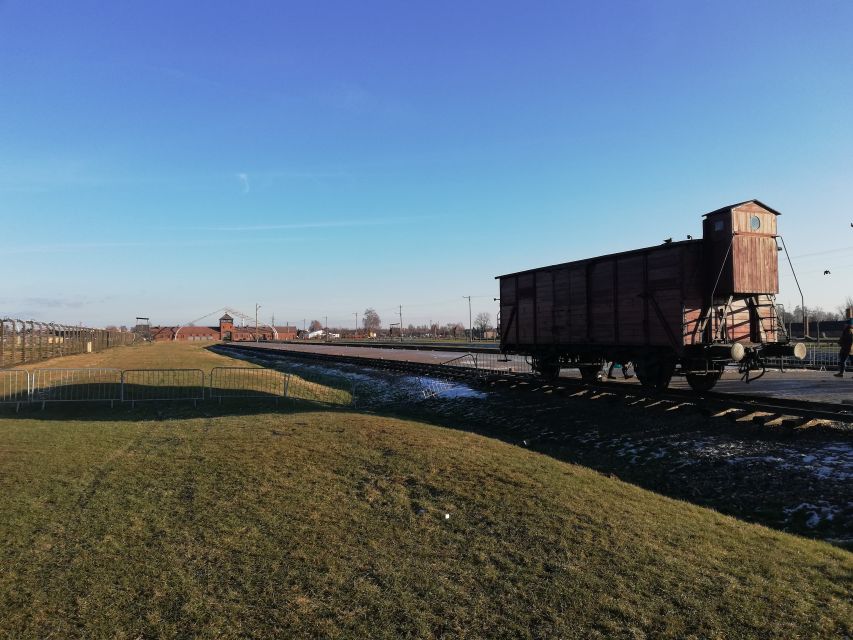
You get a skip-the-line entrance ticket and an English speaking guide who walks you through the story of Nazi Germany’s concentration camp system. The tour also includes hotel pickup and drop-off in Katowice if you select that option, which matters because Auschwitz-Birkenau is about 25 kilometers (15.5 miles) from Katowice. That distance is short enough for a day trip, but far enough that you really want a reliable plan.
Included with the experience are:
- Skip-the-line entrance ticket
- English speaking tour leader or guide
- Hotel pickup and drop-off in Katowice (only if you selected it)
- Equipment rental needed for sightseeing
- Audio guide in English
Not included are food and drink. That’s a normal reality for Auschwitz, but it still affects comfort. Bring your energy like you would for a long museum day, because you are also dealing with emotionally heavy content and lots of walking on uneven ground in places.
The most important price reality: the tour can run with timing changes due to ticket availability at the museum. In other words, you should treat your day schedule as flexible, not locked.
Katowice Pickup, Van Ride, and the Real Timing You Should Expect
This tour starts with getting to the right place at the right time. If you booked the hotel pickup option, the pickup and drop-off happens at hotels in Katowice only. If you are staying in a hostel, Airbnb, or private residence, you need to get yourself to the local partner’s office in the city center for the meeting.
Arrive early. The guidance is to be at the meeting point about 10 minutes before the activity starts, and at the pickup point about 15 minutes early if you selected pickup. I’m glad they emphasize this because on a day trip like this, one person running late can push the whole schedule.
There are also real examples of time shifts. One group had a plan for 9:00 but the pickup moved to 10:30 due to museum overbooking. Another departure was moved much earlier, with a warning that changes can happen even after the reservation time appears fixed. So, if you have a hard commitment later that day, build in buffer time.
On the road, the ride is usually straightforward. People describe timely transport and clean, comfortable vans or cars. Some drivers even share background as you pass through the area. That small touch helps you start thinking in the right frame before you reach the memorial.
If you need a practical meeting point clue, one name that comes up is Mariacka 11 for the Katowice city-center office meeting spot. It has been referenced alongside what3words location help, which is useful if signage is unclear. Still, follow your day’s written confirmation, because details can change.
Auschwitz I: Permanent Exhibition, Original Buildings, and How the Day Gets Structured
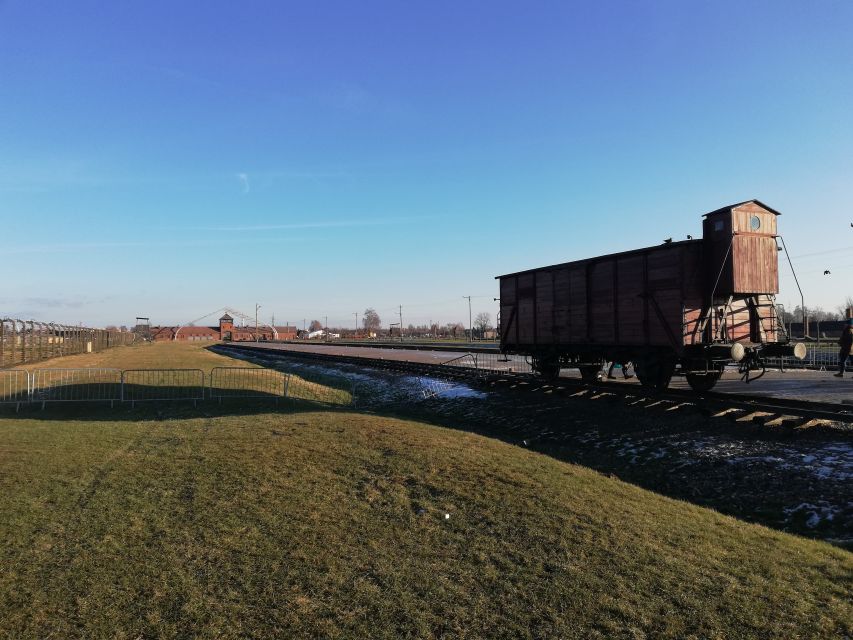
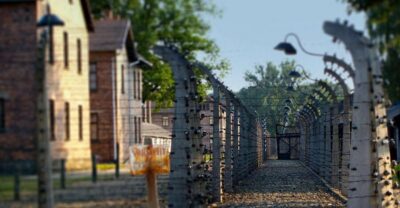
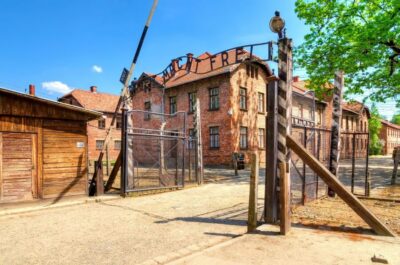
Auschwitz I is the administrative center side of the larger complex. On this tour, it’s not treated as a quick stop for photos. You enter with tickets already handled, which reduces the stress of waiting and helps you focus on the content.
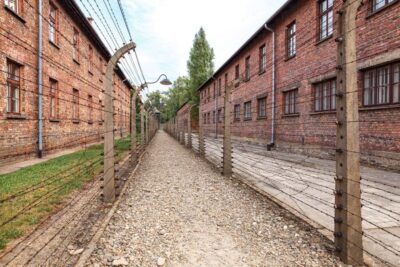
You should expect a permanent exhibition and original buildings on the Auschwitz grounds. This is where the tour’s story often gains its shape. The guide connects the bigger system to what you are physically seeing, which is critical. Without context, the site can feel like isolated rooms and corridors. With context, you start to understand why each space matters.
The tour is designed around the fact that Auschwitz was not one single camp experience. The whole complex included three main parts:
- Auschwitz I, the administrative center
- Auschwitz II (Birkenau), the extermination camp
- Auschwitz III (Monowitz), a work camp
Even if your walking path does not cover all three in equal detail, the explanation gives you a mental map for what you’re seeing. That helps you avoid a common mistake: treating Auschwitz II as the only meaning of the day.
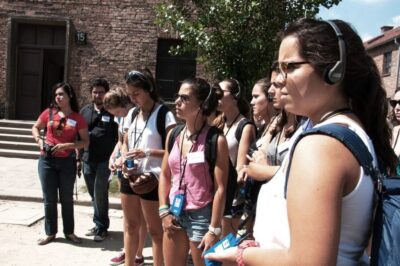
In practice, Auschwitz I is where you should slow down. The guide’s job is to explain the history of genocide and the evolution of the camp system in an English format you can follow. You are also given audio support in English, and some groups report receiving headsets so everyone can hear.
One more practical thought. Because the site is emotionally intense, it’s smart to keep your pace steady. Don’t let your mind race toward the next stop. Auschwitz I sets up the themes you will meet again at Birkenau.
Auschwitz II-Birkenau: Gas Chambers, Zyklon B, and the Scale of Loss
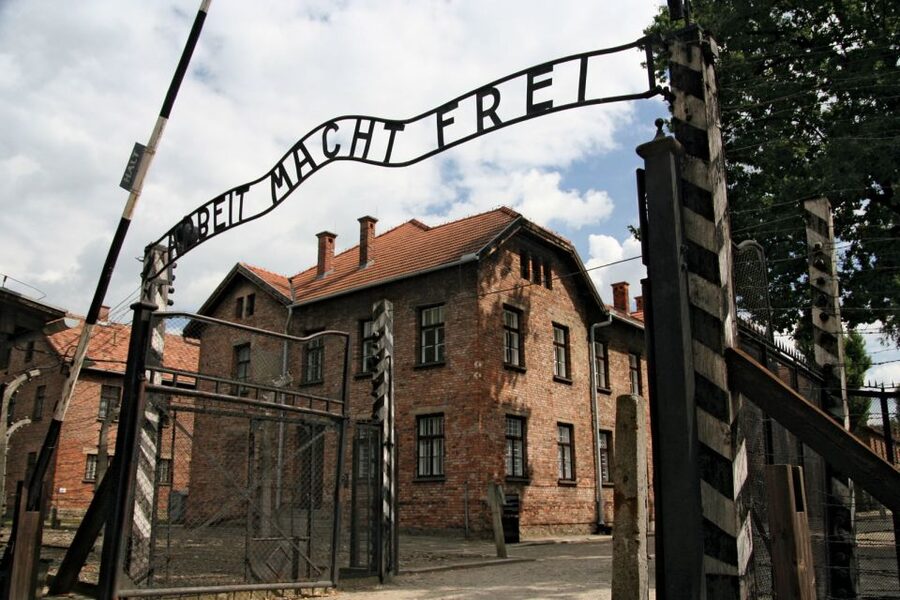
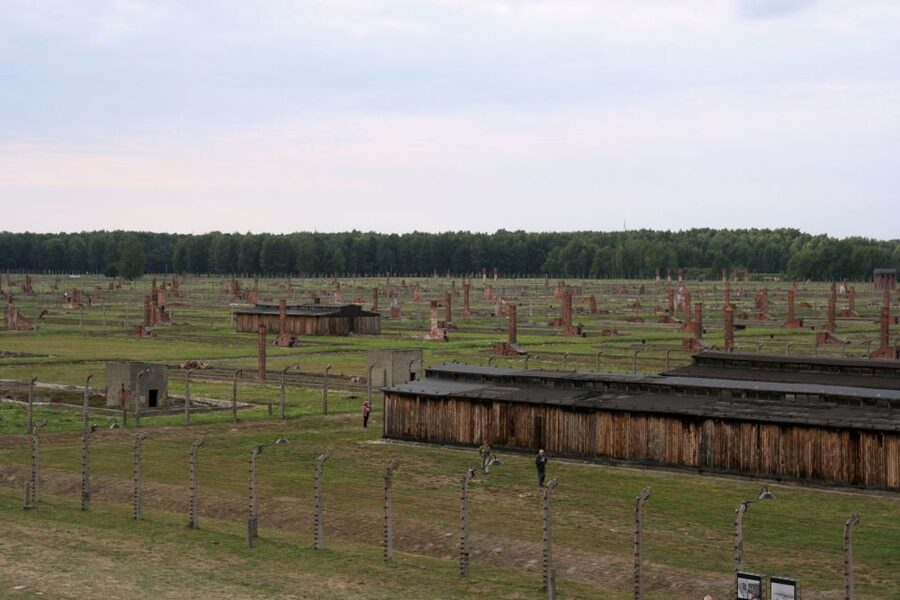
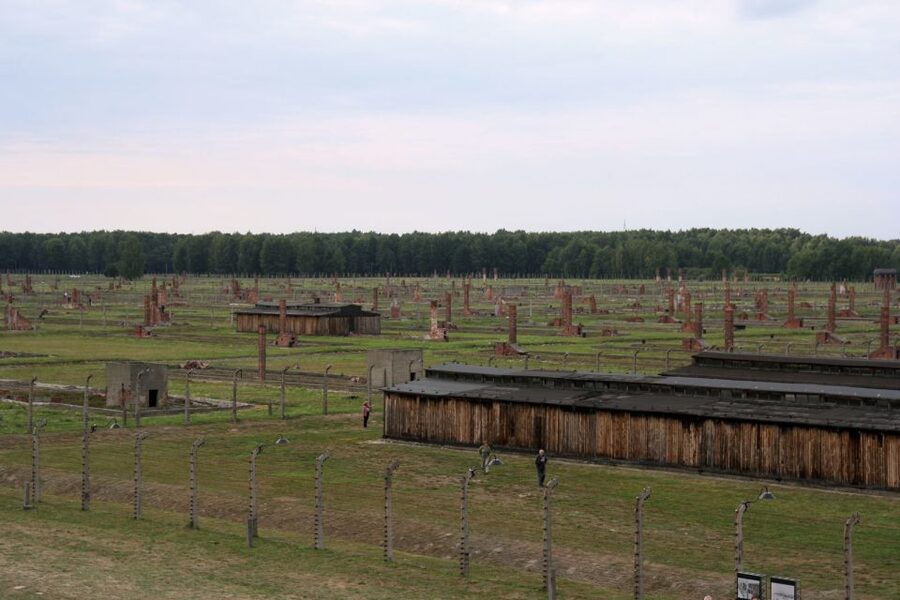
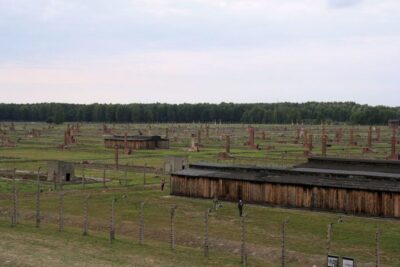
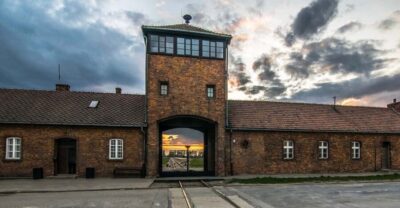
Birkenau is Auschwitz II, and it is where the complexity becomes heartbreaking. This tour focuses on the extermination side of the complex and the most important original sites and objects on the grounds.
The basic facts you’re given matter, and the tour presents them clearly through the guide’s explanation. Auschwitz-Birkenau was the largest camp in Nazi Germany’s system in this region, and it resulted in at least 1.1 million deaths. About 90% of those killed were Jews from almost every European country.
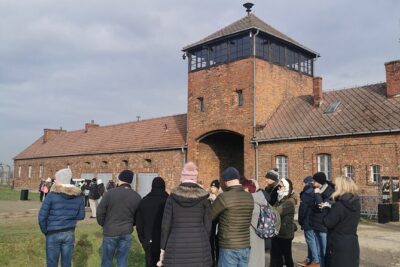
On this tour, you are guided to see the gas chambers where the vast majority of people were murdered using Zyklon B. You are not going there for shock value, and you should not treat it like a spectacle. The best moments are usually the quiet ones where the guide steps back and lets you take in what you see.
Expect a lot of walking. Birkenau is huge, and scale hits you physically. Even when you know the history on paper, the spacing and layout can make it feel more real, and more unbearable. That is why an English guide matters. You need help sorting cause and method, not just facts.
You also visit areas tied to the memorial’s interpretation, including original structures and key objects. The tour highlights the sites and objects that are central to understanding what happened, not a random path through the grounds.
And yes, the day is emotionally heavy. People often describe it as tough but essential. I’d frame it this way: you are not going to feel entertained. You are going to leave with clarity about how genocide worked, and why it still matters.
More from the coal country around Katowice
- Pub Crawl 1hr Unlimited Beer + Vodka then Clubs in Katowice★ 4.2 · 22 reviews
- Katowice Old Town Highlights Private Walking Tour★ 4.9 · 14 reviews
- From Katowice: Trip to the Guido Coal Mine in Zabrze★ 5.0 · 6 reviews
- Katowice: Private Traditional Polish Food Tour★ 5.0 · 4 reviews
- Katowice Private Vodka Tasting Tour★ 5.0 · 3 reviews
The English Guide and Audio Support: Turning Space Into Understanding
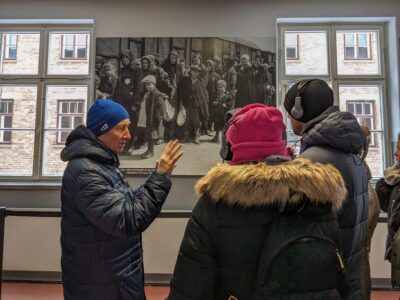
The difference between a stressful day and a meaningful one is often the guide. This tour is led in English, with an English-speaking guide and a tour leader. The audio support helps too, especially in large groups where it’s hard to hear everything at once.
In past departures, the site guide experience is praised as measured and respectful, with drivers and guides credited for making the structure clear. Names you may recognize from other groups include Wanda, Magda, Sabina, and Oskar as English guides on different dates. Drivers also show up in descriptions, including Kamil, Bartok, and Bartek, often noted for being helpful and professional.
One practical advantage: you get your tickets from the guide and you move through security and entry with less wandering. That can make a big difference when emotions are already running high.
Audio matters for two reasons:
- You can listen while looking, instead of reading signs while missing context
- The guide can answer follow-up questions in a way that connects what you are seeing
Also, keep your group together. Some departures describe moments where groups were separated by pace in certain museum sections. If you tend to drift, this is a day to stick close to the front of your group.
If you get overwhelmed, that’s normal. Use the headset to catch what you can, then take a moment. You are allowed to pause. The guide’s role is not to rush you through.
What to Bring, What to Wear, and How to Stay Comfortable
This is not a day for fancy shoes. Bring comfortable shoes because you will be on your feet for several hours across different surfaces. Also bring your passport or ID card, since it is requested for entry.
There is also a hand luggage rule. Maximum size is 12 x 8 x 4 inches (30 x 20 x 10 cm). Larger luggage has to be left on the bus during the visit. That means you should pack light. If you carry a bigger bag, plan on using a smaller daypack for the memorial.
Food and drink are not included. That doesn’t mean you will have no chance to get water, but you should assume you may not want to rely on buying food during the most emotionally difficult parts of the day. People explicitly mention bringing water, and that’s sound advice.
Weather is another practical factor. One departure was described as pouring with rain almost all day. The tour still runs, so wear something that handles wet conditions well, and consider a compact rain cover if you have one. If you hate damp socks, bring spare ones in your small bag.
Finally, expect that your schedule can shift. Even if you arrive early at the meeting point, timing changes can happen due to ticket availability. If you’re a planner, you’ll still want to keep your next day’s plans flexible enough to absorb a delay.
Who This Tour Fits Best, and Who Should Rethink It
This is not a generic sightseeing bus ride. It is a genocide education and memorial visit, and it is listed as not suitable for children under 13. That doesn’t mean every family will agree, but if you’re traveling with kids, you should treat this as a real conversation first, not a casual outing.
It is a strong match if you:
- Want an English speaking explanation, not just signs
- Care about time savings through skip-the-line access
- Prefer organized transport from Katowice, especially if you don’t want to manage local transit
- Like structured context, because the tour connects Auschwitz I’s permanent exhibition with Auschwitz II-Birkenau’s extermination context
It may be a tougher match if you:
- Have a tight schedule later that day, since pickup times can shift
- Hate long periods of walking and standing, even with breaks
- Are easily overwhelmed by heavy, graphic historical subject matter (even if the tour is respectful and not sensational)
On the positive side, it is wheelchair accessible. If you need accessibility support, you’ll want to check details directly with the operator, but the accessibility feature is stated.
Should You Book This Auschwitz-Birkenau Tour From Katowice?
I’d book this tour if your priority is a smoother, less chaotic Auschwitz-Birkenau day. The combo of skip-the-line tickets, English guide interpretation, and Katowice transport is a practical way to handle a site that punishes indecision. The $114 price makes sense when you value time saved and the emotional load managed by clear guidance.
I’d hesitate if you need a rigid schedule or you plan to stack other tours right after. Timing changes do happen due to ticket overbooking, and you do not want to fight that uncertainty with a second reservation. Also, come ready for a sobering experience. This is not the kind of day you do for fun. You do it for understanding.
If you want the most regret-free plan, do this: pack light for the luggage rule, wear proper shoes, bring water, and arrive early at the meeting point. Then let the guide do the heavy lifting of context while you do the hard work of seeing.
FAQ
How long is the Auschwitz-Birkenau skip-the-line tour from Katowice?
The duration is 6 hours.
Is the entrance line skipped?
Yes. Skip-the-line entrance tickets are included.
Do I get picked up and dropped off in Katowice?
Hotel pickup and drop-off in Katowice are included if you select that option. If you are staying in a hostel, Airbnb, or private residence, you will need to go to the meeting point at the local partner’s office in the city center.
Where is the meeting point, and when should I arrive?
You should arrive at the local partner’s office 10 minutes before the activity starts. If you selected pickup from your hotel, arrive 15 minutes before the activity starts.
What do I need to bring?
Bring a passport or ID card, and wear comfortable shoes. There is also a hand luggage size limit of 12 x 8 x 4 inches (30 x 20 x 10 cm), and larger luggage must be left on the bus.
Is there an English audio option?
Yes. An English audio guide is included, along with an English-speaking tour leader or guide.
Is this tour suitable for children?
It is not recommended for children under 13. The decision is for parents or guardians to make.
More Tour Reviews in Katowice



Katowice and Upper Silesia, Continued
Auschwitz-Birkenau: Other Reviewed Visits
Recently written up around Katowice


More Auschwitz-Birkenau Memorial Tours.
 ★ 4.5Auschwitz-Birkenau Guided Tour & Hotel PickupFrom $2133,358 reviews
★ 4.5Auschwitz-Birkenau Guided Tour & Hotel PickupFrom $2129,340 reviews
★ 4.5Auschwitz-Birkenau Guided Tour & Hotel PickupFrom $2133,358 reviews
★ 4.5Auschwitz-Birkenau Guided Tour & Hotel PickupFrom $2129,340 reviews
 ★ 4.5Auschwitz Guided Tour with Optional Hotel PickupFrom $6915,280 reviews
 ★ 4.5Auschwitz-Birkenau Guided Tour with Pickup & LunchFrom $219,800 reviews
 ★ 4.5Auschwitz-Birkenau Guided Tour Pickup/Lunch OptionsFrom $2009,057 reviews
 ★ 4.7Auschwitz-Birkenau and Salt Mine Guided TourFrom $549,020 reviews
 ★ 5.0Krakow to Auschwitz Birkenau Guided Tour with Transfer and TicketFrom $368,197 reviews
 ★ 4.0Auschwitz Birkenau Tour with TransferFrom $216,134 reviews
Also on these Poland lists