
REVIEW · JEWISH HERITAGE AND GHETTO TOURS
Kraków Holocaust Tour
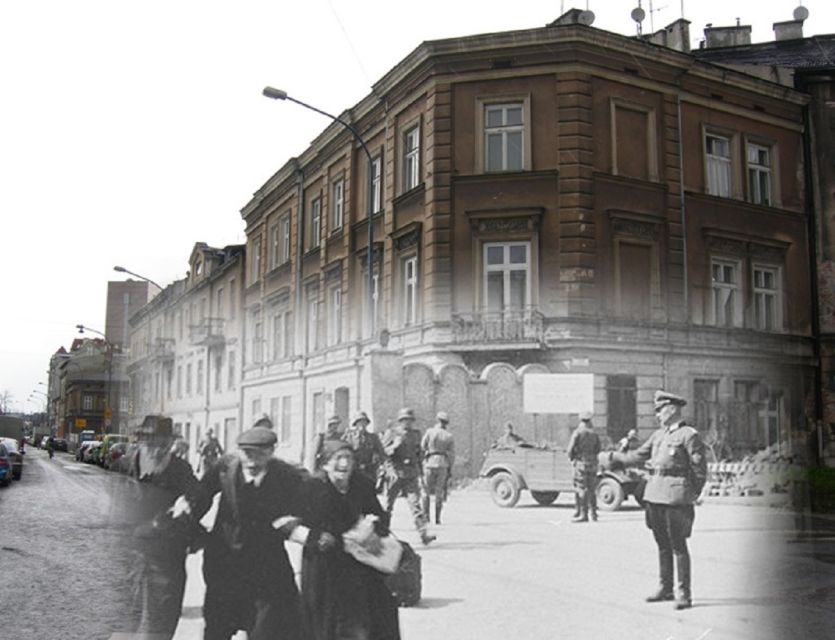
Krakow’s ghetto streets teach fast. This is one of the few tours that aims to cover the entire Jewish ghetto, and it does it in just 2 hours using a historian to connect the buildings to how the Nazi system worked. The best part is the setting: much of the district still looks like it did around the end of the war, with many structures and institutional buildings still standing.
I really like two things here. First, you get end to end coverage, so you are not stuck with a partial route that leaves big gaps. Second, the guide focuses on daily life and how the ghetto functioned, not just names and dates.
One thing to consider is the pace and topic. You will do a lot of walking and standing in a heavy setting, so wear comfortable shoes and be ready for a serious, detail-heavy tour.
In This Review
- Key Things You Should Know Before You Go
- Why This Tour Covers the Whole Krakow Ghetto in Just 2 Hours
- The Value of Seeing a Ghetto That Still Looks Like 1941-1943
- Wall Fragments and Old Doors: How Control Shows Up in Physical Space
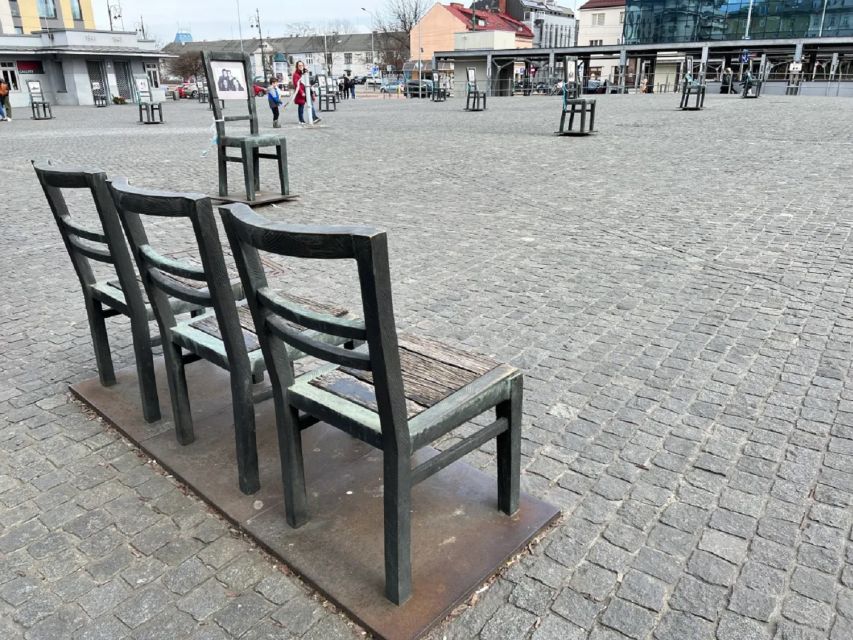
- Ghetto Heroes Square (Square of Chairs) and the Human Scale
- Judenrats, Resistance, and Organized Life Under Occupation
- Labor Organizations, Factories, and the Everyday Economy of the Ghetto
- Hospitals and Prison: When Services and Punishment Share the Same District
- Synagogue and Orphanages: Community Life Still Left Traces
- The Museum Stop: The Pharmacy Under the Eagle
- Price and Practical Value for a 2-Hour, Historian-Led Tour
- Language, Shoes, and How to Find the Group
- Who This Tour Is Best For
- Should You Book This Krakow Holocaust Tour?
- FAQ
- How long is the Krakow ghetto Holocaust tour?
- What language is the tour guide in?
- Is the tour wheelchair accessible?
- What should I bring?
- Is food or drinks included?
- Where is the meeting point?
Key Things You Should Know Before You Go
- Full ghetto coverage, not a shortened loop through the highlights
- Historian-led explanations of how ghettos worked during Nazi occupation
- Most buildings still reflect the 1941-1943 look, so the atmosphere is real
- Stops include major mapped areas like the Two Wall Fragments and Ghetto Heroes Square (Square of Chairs)
- You will visit practical, named sites like Judenrats, hospitals, prison, factories, and orphanages
- The tour ends at the Pharmacy Under the Eagle, one of Krakow’s key related museums
Further Jewish heritage and ghetto routes documented in Krakow
- Krakow: Schindler’s Factory & Ghetto Guided Tour
★ 4.7 · 1,694 reviews - Krakow: Jewish Quarter and Former Ghetto Tour
★ 4.9 · 1,441 reviews - Krakow: Bike Tour of Old Town, Jewish Quarter and the Ghetto
★ 4.9 · 1,155 reviews - Krakow: Kazimierz, Schindler’s Factory & Ghetto Guided Tour
★ 4.8 · 460 reviews
Why This Tour Covers the Whole Krakow Ghetto in Just 2 Hours
If you want the story of Krakow’s Jewish ghetto, you need more than a quick photo stop. This tour is built around a clear promise: it tours the ghetto in an extensive and in-depth way, including the parts that many short walks skip. In practice, that means you are seeing the bigger map, not just a handful of famous corners.
The timing also matters. At 2 hours, the route has to be tight. That can be good news for you if you like structure and hate running out of time. It is less good if you need long breaks or you prefer to linger in quiet reflection for a long stretch.
The Value of Seeing a Ghetto That Still Looks Like 1941-1943
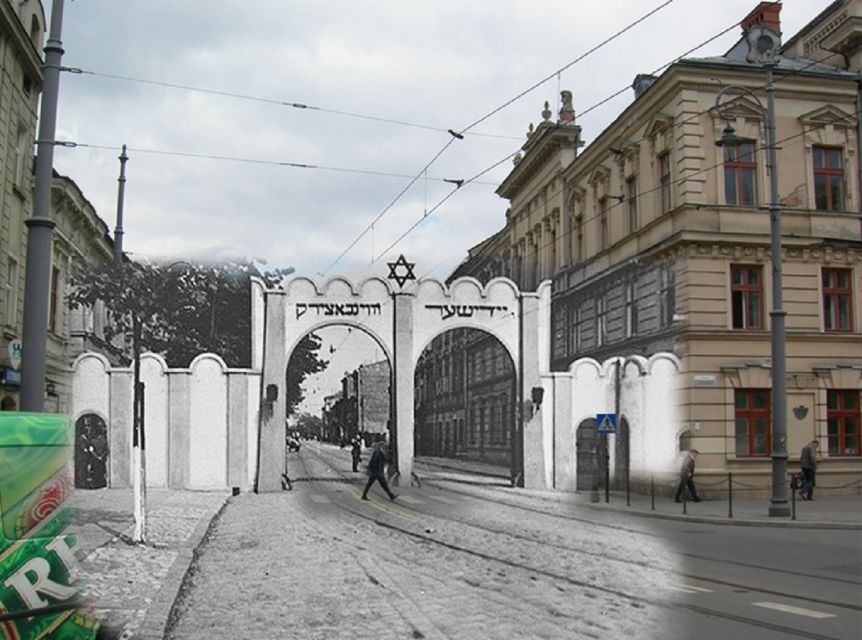
What makes Krakow different is what you can still see on the ground. The tour’s core advantage is the fact that the ghetto area has largely survived to today with a look close to the end of the war. A large part of the housing remains, and a large part of the institutional and organizational buildings remain too.
That is not just a scenic detail. For your understanding, it changes the whole feeling of the tour. When the walls, doorways, and buildings are still there, the explanations land in your body, not just in your head. You are not imagining the scale. You are standing in the space the system used.
Wall Fragments and Old Doors: How Control Shows Up in Physical Space
The tour begins with some of the most direct, visual reminders of separation and restriction: the two fragments of the wall and the location of old doors. Even if you have read about ghettos before, seeing these remnants helps you understand that the Nazi ghetto system was not abstract. It was built into architecture.
Here is the practical takeaway I think you will appreciate. Walls and doors are “everyday” features, not museum props. When you connect them to the guide’s explanation of how the ghettos worked and what their purpose was during Nazi occupation, the district starts to make sense as a system. Not just a place of suffering, but a place reorganized to control movement and life.
Ghetto Heroes Square (Square of Chairs) and the Human Scale
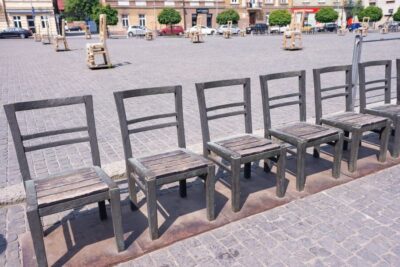
You will also stop at Ghetto Heroes Square (Square of Chairs). This is the kind of place where the story stops being only about structures and becomes about people. You are reminded that this was a lived community, with leaders, conflicts, and day-to-day decisions forced under impossible pressure.
I like how the tour sequence uses emotion with restraint. You are not just dumped into grief. Instead, you move from physical boundaries, to institutions, to the community organization that tried to function inside the constraints. That progression makes it easier to keep up and harder to lose the thread.
- From Krakow: Auschwitz-Birkenau Guided Tour & Hotel Pickup★ 4.5 · 33,358 reviews
- From Krakow: Auschwitz-Birkenau Guided Tour & Hotel Pickup★ 4.5 · 29,340 reviews
- Krakow: Auschwitz Guided Tour with Optional Hotel Pickup★ 4.5 · 15,280 reviews
- Krakow–Zakopane: Cable Car, Chocholow Baths, Cheese & Vodka★ 5.0 · 10,720 reviews
- Krakow: Auschwitz-Birkenau Guided Tour with Pickup & Lunch★ 4.5 · 9,800 reviews
Judenrats, Resistance, and Organized Life Under Occupation
A major part of what you learn here is the machinery of administration. The tour includes the Judenrats, along with important buildings tied to intellectual meetings, resistance, and police agencies.
This is one of the most valuable sections for your brain. It helps you see that ghettos had internal governance structures alongside Nazi oversight. The guide’s focus on how the ghettos worked and what they were meant to do gives you a framework. Then the named sites put that framework into real places in Krakow.
If you are the type who likes clarity, you will probably appreciate the way the guide ties the district to similar ghetto characteristics across Poland. The tour explicitly looks at what characteristics Krakow had and what it shared with other ghettos in Poland. That comparative approach helps you avoid treating each ghetto as an isolated story.
Labor Organizations, Factories, and the Everyday Economy of the Ghetto
One of the stops you will make is around labor organizations and factories. Another is the orphanage and other community institutions. Together, these points push you beyond the typical “what happened here” question and into “how daily systems operated here.”
Even without getting lost in heavy details, you come away with a clearer sense of the structure of ghetto life. You see a district organized with workplaces, services, and management. The tour’s promise to explain daily life is not only about hardship in general. It is about roles, institutions, and what the Nazi occupation system set in motion inside the ghetto.
Hospitals and Prison: When Services and Punishment Share the Same District
The tour also includes sites tied to health and detention: hospitals and prison. This combination matters. It shows how a single enclosed district could contain both the attempt to manage bodies and the threat of punishment.
I find this is where the guide’s historian approach pays off. You are not just “seeing buildings.” You are learning what the ghettos were designed to do and how they shaped everyday outcomes. The emotional weight is real, but the structure of the tour helps you follow along without switching off.
Synagogue and Orphanages: Community Life Still Left Traces
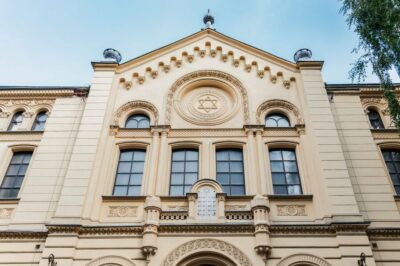
You will visit a synagogue, along with orphanages and other community spaces. This is a reminder that Jewish life in the ghetto included culture, religion, and care for children, not only labor and restrictions.
For me, the lesson here is that the tour balances the brutal facts with the fact of community continuity. That balance can make the experience easier to process. It also makes your final understanding more accurate. You are not looking at only one side of the story.
The Museum Stop: The Pharmacy Under the Eagle
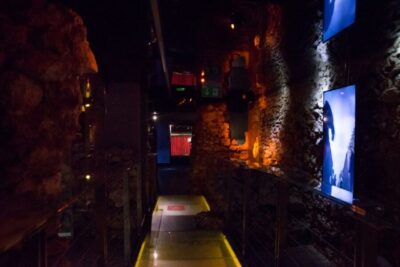
The tour ends at the famous pharmacy under the eagle, described as one of the most important museums in Krakow on the subject. This is a good finish for your day, because museums help you slow down and connect the street level details you just walked through to a wider set of artifacts and explanation.
Even if you have no idea what to expect walking in, you should leave the ghetto walk with enough context to appreciate what you see afterward. You will recognize the logic of the places you visited: boundaries, institutions, services, and the way the Nazi ghetto system organized life inside a defined space.
Price and Practical Value for a 2-Hour, Historian-Led Tour
At $16 per person for a 2-hour tour, this price point is one of the biggest reasons to consider booking. You are not paying for a long, multi-hour itinerary with transit and overhead. You are paying for a focused guided walk with a graduate guide in Geography and History, led in Spanish by a live guide and designed with historical analysis.
Is it expensive? No. Is it a casual walk? Also no. It is a serious tour with many named stops, and your attention matters. I think that is why the value feels strong. For a modest cost, you get structured coverage of the whole ghetto and specific site visits, ending at a major museum.
Language, Shoes, and How to Find the Group
This is a Spanish guided tour. If you speak Spanish well enough to follow history explanations, you will likely enjoy how the guide keeps the story moving between buildings and daily life themes.
You should plan around logistics that matter more than people think:
- Bring comfortable shoes. You will walk.
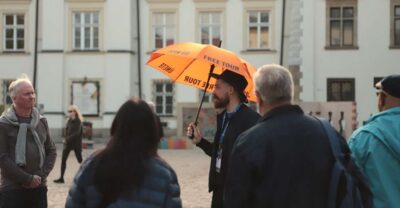
- Use the meeting point cue: the guide carries a gray umbrella.
- The tour is wheelchair accessible, which is great. Still, you will be in an urban historic area, so expect uneven surfaces where applicable.
Who This Tour Is Best For
This tour is a strong fit if you:
- Want full coverage of Krakow’s Jewish ghetto rather than a shortened highlight route
- Prefer learning from a guide with a Geography and History background and a historian-style approach
- Like a clear walk-through that connects buildings to the purpose and mechanics of Nazi ghettos
It may be less ideal if you need something light and casual, or if you are overwhelmed by emotionally heavy topics that move quickly from one site to the next.
Should You Book This Krakow Holocaust Tour?
If you want one organized way to understand the whole Krakow ghetto, I would book it. The combination of complete ghetto coverage, surviving 1941-1943 atmosphere, and a guide who explains how ghettos worked and what daily life was like is a practical learning package for a relatively short time.
I would skip it only if Spanish is a barrier or if you know you will struggle with standing and walking in a serious setting. Otherwise, this is exactly the kind of tour that helps your Krakow stay make sense.
FAQ
How long is the Krakow ghetto Holocaust tour?
The tour lasts 2 hours.
What language is the tour guide in?
The live tour guide speaks Spanish.
Is the tour wheelchair accessible?
Yes, the activity is listed as wheelchair accessible.
What should I bring?
Wear comfortable shoes.
Is food or drinks included?
No. Food and drinks are not included.
Where is the meeting point?
The meeting point is identified as the guide carrying a gray umbrella.
More Tours in Krakow

More Tour Reviews in Krakow
Jewish Heritage and Ghetto Routes in Krakow


Recently written up around Krakow
More Jewish Heritage and Ghetto Tours.
 ★ 4.7Schindler’s Factory & Ghetto Guided TourFrom $571,694 reviews
 ★ 4.9Jewish Quarter and Former Ghetto TourFrom $191,441 reviews
 ★ 4.9Bike Tour of Old Town, Jewish Quarter and the GhettoFrom $371,155 reviews
 ★ 4.7POLIN Museum of the History of Polish Jews TicketFrom $121,142 reviews
 ★ 4.8Kazimierz, Schindler’s Factory & Ghetto Guided TourFrom $81460 reviews
 ★ 5.0Full Bike Tour – the Old Town, Jewish Qtr & the Ghetto NEW BIKESFrom $35437 reviews
 ★ 4.9Warsaw Ghetto Private Walking Tour with Hotel PickupFrom $84369 reviews
 ★ 4.9Bike Tour of the Old Town, Kazimierz, and the GhettoFrom $26350 reviews
Also on these Poland lists