
REVIEW · JEWISH HERITAGE AND GHETTO TOURS
Krakow: Plaszow Concentration Camp Walking Tour
Plaszow history is hard to forget, even fast. This 2-hour guided walk through the former Krakow-Plaszow camp helps you understand how a forced labor site evolved into a concentration camp, then connects it to the real people and stories behind Schindler’s List. What makes it especially gripping is that you are not just looking at markers, you are learning why each area mattered.
I like how the tour keeps its focus on what the Nazi system did in Krakow, including the camp’s development from 1940 onward and the deportations that began in 1942 from the Krakow ghetto. I also like the way the guide ties in Oskar Schindler and the movie legacy, including where Schindler’s List was filmed and a short visit to the Liban Quarry replica built under Steven Spielberg’s direction.
One drawback to plan for: the site is mostly outdoors, and what remains can be subtle. If the weather turns or you are relying on landmarks alone, you may feel a bit lost without the licensed guide’s pointers.
In This Review
- Key takeaways before you go
- Plaszow in Krakow hits harder when a guide gives you the map
- The 2-hour route: what you will see and why each part matters
- From forced labor camp to concentration camp: the story in 1940, 1941, and 1942
- Memorials at Plaszow: how the remembrance stops change the pace
- Quarry and military factories: learning camp life without pretending it is easy
- Schindler, Spielberg, and the Liban Quarry replica you can actually visit
- Guide quality makes or breaks Plaszow, and the good ones are clear and kind
- Price, tram tickets, and planning a smooth Krakow day
- Who this tour suits, and who may want a different option
- Should you book the Krakow-Plaszow concentration camp walking tour?
- FAQ
- How long is the Krakow-Plaszow concentration camp walking tour?
- How much does the tour cost?
- What is included in the price?
- Do I need a tram ticket?
- Where do I meet the guide?
- Is the tour wheelchair accessible?
- What languages are available?
- Does the tour include Schindler and the movie connection?
Key takeaways before you go
- Licensed guide who helps you make sense of what you see, not just where you stand
- Memorials for the victims built into the walk so remembrance is part of the route
- Schindler context and the Schindler’s List connection, plus the Liban Quarry replica
- Camp layout explanations for areas tied to quarry and military-factory labor
- Small-group feel that makes the story easier to follow in real time
- Outdoor walking for about 2 hours, so dress for Krakow weather
Further Jewish heritage and ghetto routes documented in Krakow
- Krakow: Schindler’s Factory & Ghetto Guided Tour
★ 4.7 · 1,694 reviews - Krakow: Jewish Quarter and Former Ghetto Tour
★ 4.9 · 1,441 reviews - Krakow: Bike Tour of Old Town, Jewish Quarter and the Ghetto
★ 4.9 · 1,155 reviews - Krakow: Kazimierz, Schindler’s Factory & Ghetto Guided Tour
★ 4.8 · 460 reviews
Plaszow in Krakow hits harder when a guide gives you the map
Plaszow can feel like a site you are supposed to immediately understand. In reality, it is the opposite. There is a lot to think about, but not always a lot to visually “read,” so the guide’s job matters. With the licensed guide leading the way, you learn what different sections of the camp were used for, and how those uses connect to the wider story of Nazi rule in the Krakow area.
I also appreciate the emotional pacing. This is not a casual sightseeing stop. You will pause at several memorials dedicated to remembering the victims, and the tour structure makes room for that moment to land. It is the kind of place where you want facts, but you also want respect, and a good guide can balance those two needs.
The Schindler’s List angle adds another layer. Even if you already know the movie, you still need the real-world context behind it. The tour brings in Oskar Schindler’s life in relation to the camp, then points you to how the film portrayed those themes, and where parts of it were shot. That makes the connection more than a trivia moment.
One practical note: because so much happens outdoors, your comfort will depend on the day. You do not want to spend two hours fighting cold, rain, or heat while trying to focus on sensitive history. Plan your clothing accordingly and bring water if it is warm.
The 2-hour route: what you will see and why each part matters
This is a tight walk, roughly two hours, and it is designed to keep you oriented from start to finish. It begins where you can find the guide by looking for the excursions.city sign, and it ends back at the same meeting point. That matters because you are not spending your time figuring out transport or chasing directions mid-story.
Over the course of the tour, you will cover several phases of the camp’s history. The key timeline you will hear is straightforward: the camp opened in 1940, started out as a forced labor camp, and was converted into a concentration camp in 1941. Then you will connect that to what happened in 1942, when deportations of Jews from the Krakow ghetto began. Those dates may sound like textbook facts, but on-site, they become easier to understand because you can connect the timeline to the camp’s functions and the people affected.
A major focus is labor and the camp’s different parts. You will hear about intensive work tied to the quarry and military factories. Rather than treating these as vague labels, the guide explains how the physical layout and assigned labor fit the Nazi system of control. It helps you understand why people were moved, why work was forced, and how the camp’s infrastructure supported that goal.
The route also includes memorial stops. Paying respects at memorials is not an afterthought here. The tour builds that remembrance into the walk, so you are not rushing past it while thinking about the next “photo spot.”
Finally, the movie connection is folded into the overall experience, not stapled on at the end. You will learn about where Schindler’s List was filmed, and then you will visit the Liban Quarry replica of the camp, built under Steven Spielberg’s direction, located some hundred meters away. That short distance is useful because it lets you compare “film reconstruction” with “real location” without turning the trip into a long detour.
From forced labor camp to concentration camp: the story in 1940, 1941, and 1942
The tour’s historical backbone is the camp’s transformation over a relatively short window. You start with 1940, when the site opened as a forced labor camp. Then you move to 1941, when it was converted into a concentration camp. This shift is one of the most important ideas you will take with you: the same place can be used for different levels of brutality, and the system can tighten fast.
When the guide explains these changes, it helps to listen for cause and effect. You are not just memorizing years. You are learning how Nazi policy escalated in the area and how that escalation showed up in the camp’s purpose. That makes the history feel less abstract, even when you are standing on ground that cannot fully show you what used to be there.
Then the tour connects the camp to the Krakow ghetto through deportations beginning in 1942. That linkage is vital. A camp site is one piece of the system, but the system also depended on removing people from communities and forcing them into the machinery of confinement and labor.
If you like tours that keep history readable, this one fits. The timeline is clear enough to follow, but the guide’s on-site explanations keep you from treating it like a list. The camp layout and the references to quarry and military factories give you a physical way to think about what those policies produced in everyday terms.
Memorials at Plaszow: how the remembrance stops change the pace
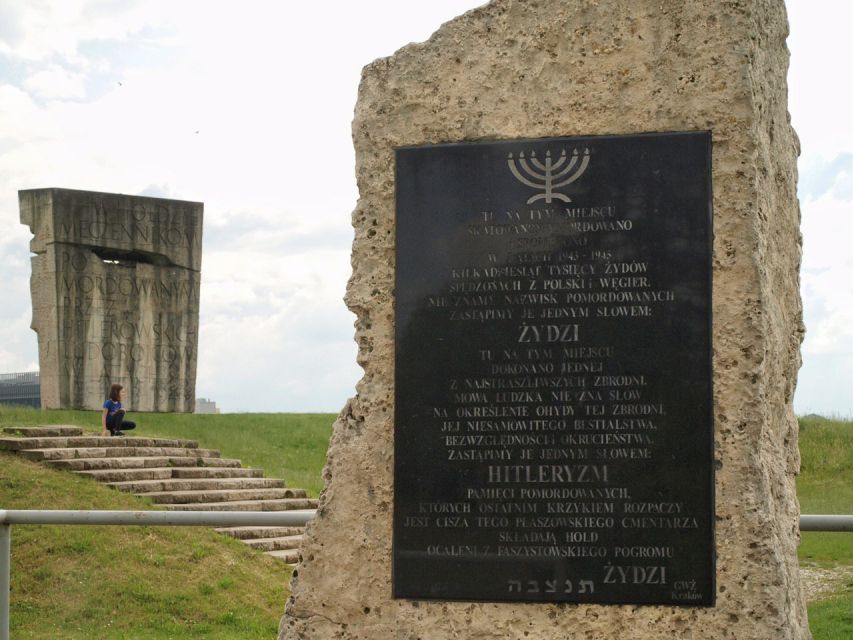
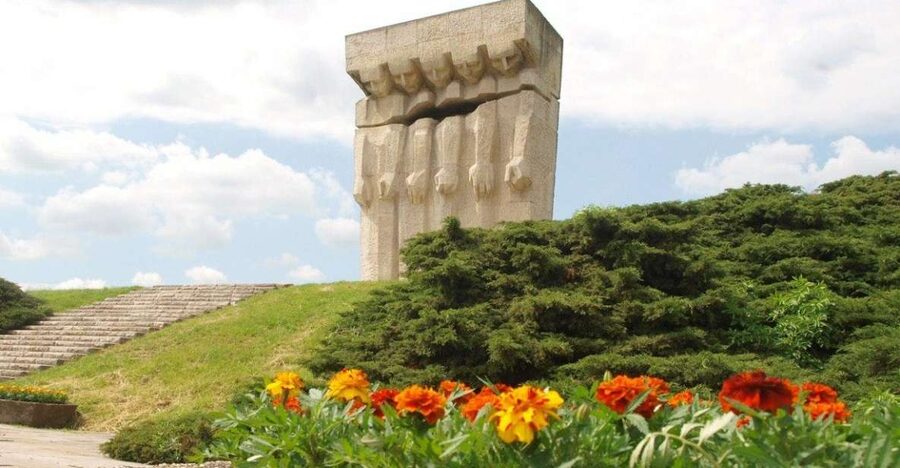
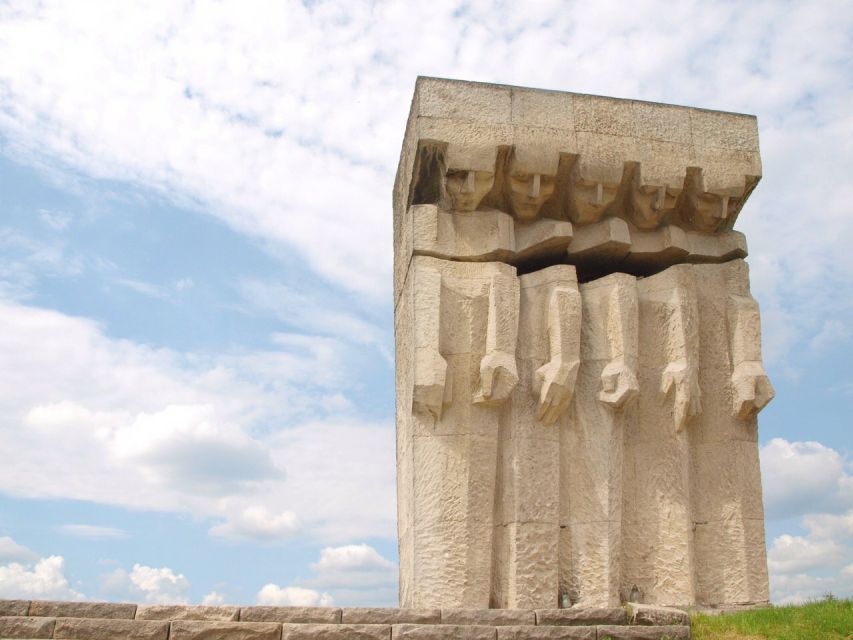
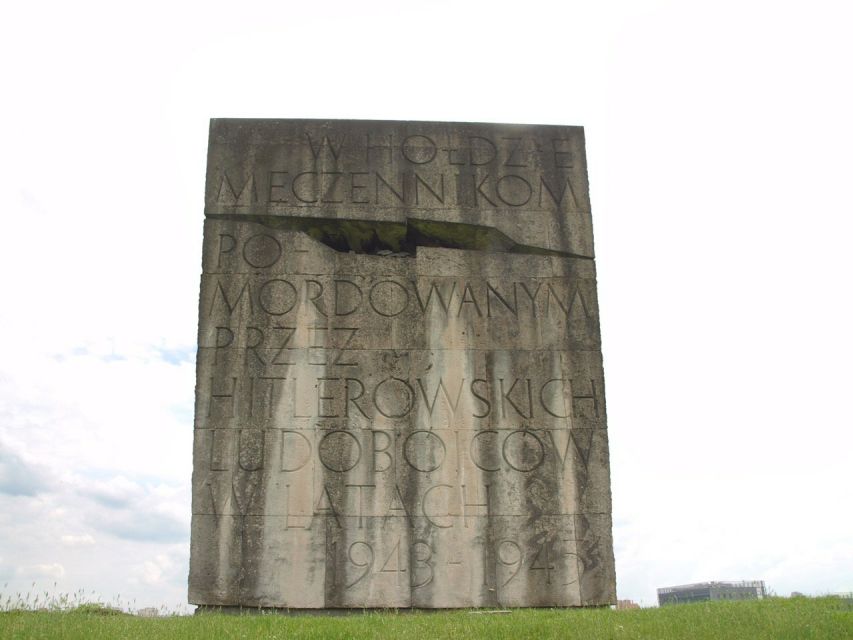
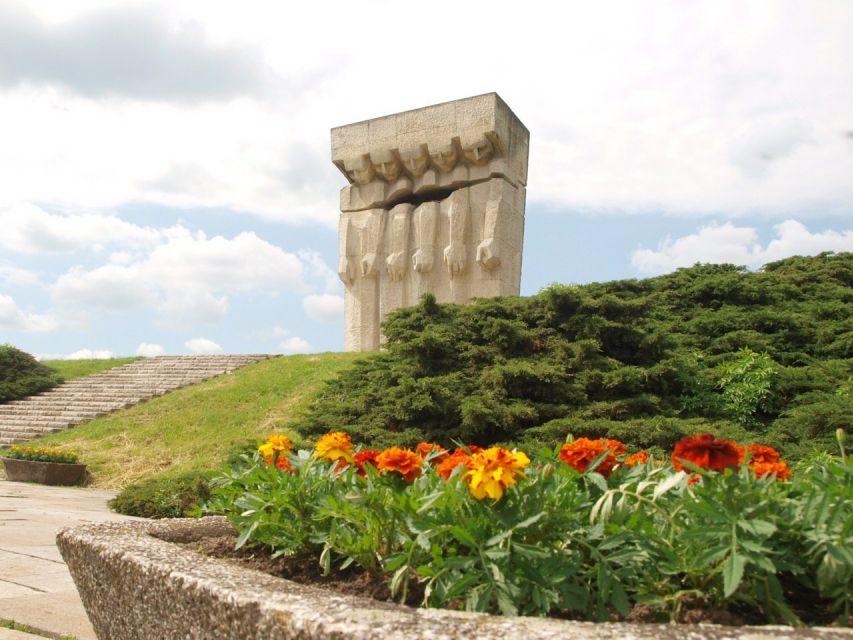
One reason I think this tour works well is that the memorials are part of the walk, not an optional detour. You will pay respects at several memorials dedicated to remembering the victims. That means the tour’s emotional “center” is not left until you are finished with the facts.
In places like this, it is easy to rush. The compact 2-hour format could tempt you to keep moving, but the memorial stops create natural pauses. You can take a breath, look around, and let the history connect to real human loss rather than staying locked inside dates and explanations.
You might also find the experience changes depending on how you prepare mentally. If you arrive expecting only visuals, you may feel overwhelmed or unsure what to focus on. If you arrive understanding that part of the tour is guided remembrance, the pacing feels more intentional.
The outdoor setting also affects how memorials land. Even when the camp structures are limited, the open air can make the stillness feel sharper. That is not a “comfort” effect, it is a human one. It turns the act of remembering into something you physically do, not something you quickly observe and move past.
Below are the other Krakow trips we have logged
- Old Town Krakow & Wawel Castle Walking Tour★ 5.0 · 1,508 reviews
- Creepy Krakow: 2-Hour City Walking Tour★ 4.7 · 1,131 reviews
- Krakow: The Old Town Walking Tour★ 4.8 · 794 reviews
- Kraków: Old Town & Wawel Castle Walking Tour in English★ 4.8 · 532 reviews
- Krakow: Evening Walking Tour with Spooky Stories★ 4.7 · 500 reviews
Quarry and military factories: learning camp life without pretending it is easy
The tour does not treat Plaszow as a single courtroom-style story with one ending. It includes the different parts of the camp and what they were used for. In particular, you will learn about intensive labor carried out at the quarry and in military factories.
This is where a licensed guide becomes more than a speaker. The site can look uneven in interpretation, because the landscape you see today does not automatically explain the machinery that used to run here. The guide’s explanations give the missing links: what those work areas meant for the people forced to live and labor there, and how the camp functioned as a system.
You will also get an in-depth insight into what camp life was like. That does not mean you will be handed a comfortable summary. It means the guide ties together purpose, labor, and the reality of confinement in a way that you can understand from the location itself.
One thing I’d suggest: keep your attention on the guide’s framing. If you wander off mentally while thinking about where to take a picture, you will miss the key point of these stops. The quarry and factory references are not there to entertain you. They are there to explain the structure of exploitation.
And if you are sensitive to heavy topics, it is fine to take breaks mentally as the tour goes on. The tour is only two hours, but it covers a lot of moral weight. Pace yourself, bring your questions, and let the guide answer them.
Schindler, Spielberg, and the Liban Quarry replica you can actually visit
The movie connection is not just a nod to Hollywood. You will hear about how the camp was portrayed in the 1993 film Schindler’s List and learn about Oskar Schindler’s life in relation to the camp. That matters because the story people remember from film is only powerful when you understand the real-world stakes behind it.
Where it gets extra useful is the physical comparison. The tour includes a visit to the replica of the camp built under the direction of Steven Spielberg in the Liban Quarry, located some hundred meters away. That short distance is practical. You do not have to spend the tour time traveling far to get the comparison. You can move from one kind of “story space” to the other and notice the difference in context.
You will also learn about where Schindler’s List was filmed. Even if you have seen the movie, hearing the on-location context can shift how you interpret scenes. You start to recognize that film uses reconstruction and perspective, while the tour uses real geography and real memorial intent.
This section is also a good fit if you like learning through contrasts. Film can help many people engage with difficult history, but it can also compress, simplify, or focus on particular characters. The tour helps you pull the focus back to the broader reality, while still honoring why the film brought attention to the story.
Guide quality makes or breaks Plaszow, and the good ones are clear and kind
In sensitive places, “good guiding” is not a luxury. It is the difference between a meaningful visit and a confusing one. One theme you will feel when the guide is strong is how fast you stop feeling lost.
I like that the licensed guides here are praised for clear explaining and respectful pacing. Names that have stood out in prior tours include Krysztof, Phil, Anna, and Barbara. The common thread is that they can connect events to what you see, so the site stops being a collection of shapes and becomes a place with purpose.
You may also feel the tour is easier to follow because the group is kept small. That matters because on-site questions happen naturally. When the group is small, you are more likely to hear every explanation and not miss key details while the guide moves ahead.
Another practical point from experience at similar outdoor sites: without a guide, there simply is not enough “obvious” structure left to orient yourself. You can end up standing in the wrong place, guessing, and turning a serious visit into guesswork. With a good guide, you get the location context fast and you can spend your energy on learning, reflection, and understanding.
If you want a respectful, guided explanation that balances facts with sensitivity, this is the kind of tour where you are paying for direction, not just attendance.
Price, tram tickets, and planning a smooth Krakow day
At about $23 per person for a 2-hour tour, this is relatively good value if your goal is to understand the Plaszow story on foot with a licensed guide. The price makes sense because you are paying for interpretation, timing, and a route that includes memorials plus the film connection to the Liban Quarry replica.
The main planning detail is transportation. A tram ticket is not included, so if you plan to use trams to reach the meeting point or to move around Krakow before and after, budget for that separately. The good news is the tour itself is built as a walk, and it starts and ends back at the meeting point, so you are not left scrambling at the end.
Because the tour happens outdoors, weather becomes a real part of your logistics. You will want comfortable shoes you can walk in for two hours, plus layers. If rain or wind shows up, you may have to accept that the tour will still run as an outdoor experience.
Also check start times when you book. Duration is listed as 2 hours, but starting times vary. If you are pairing this with other Holocaust history stops, choosing a start time that leaves you emotionally ready for a second heavy visit can make the day feel more manageable.
Who this tour suits, and who may want a different option
This tour is a strong choice if you want an organized walk through Plaszow with licensed guidance, memorial stops, and the Schindler and film context all in one package. It also works well as an additional stop after or alongside Auschwitz-style itineraries, since it gives Krakow-specific history and a film-related entry point.
You should probably book this if you:
- want help understanding what different parts of the camp meant, rather than trying to decode it alone
- prefer a short, focused tour instead of a long multi-stop day
- like connecting history to cultural memory through Schindler’s List, while still grounding it in real place
If you are looking for a mostly visual experience with minimal explanation, this might not be the best fit. The site needs interpretation, and the tour is built for that. Also, if outdoor walking is hard for you, the good news is that the tour is wheelchair accessible, but it is still outdoors, so you will want to consider comfort and weather.
Should you book the Krakow-Plaszow concentration camp walking tour?
Yes, if you want understanding over wandering. For about $23, you are getting a guided route that covers the transformation of the camp in 1940 and 1941, connects it to 1942 deportations from the Krakow ghetto, includes memorial remembrance, and adds the Schindler and Schindler’s List layer with a visit to the Liban Quarry replica. That combination makes it more than a historical lecture, and it is usually easier to follow in real time because group size is kept manageable.
Book it with a simple plan: wear good shoes, dress for outdoor weather, and let the guide do the hard work of turning the landscape into context. If you want to make the most of Plaszow without feeling lost, this is exactly the kind of guided stop that pays off.
FAQ
How long is the Krakow-Plaszow concentration camp walking tour?
The tour lasts about 2 hours.
How much does the tour cost?
The price is listed as $23 per person.
What is included in the price?
The tour includes a licensed guide.
Do I need a tram ticket?
A tram ticket is not included.
Where do I meet the guide?
Start by looking for the guide with the excursions.city sign.
Is the tour wheelchair accessible?
Yes, it is listed as wheelchair accessible.
What languages are available?
The live guide is offered in English, German, French, Russian, Italian, and Spanish.
Does the tour include Schindler and the movie connection?
Yes. You will learn about Oskar Schindler, how the camp relates to Schindler’s List, and you will visit the Liban Quarry replica made under Steven Spielberg’s direction.
More Tours in Krakow
More Tour Reviews in Krakow
Jewish Heritage and Ghetto Routes in Krakow

Recently written up around Krakow

More Jewish Heritage and Ghetto Tours.
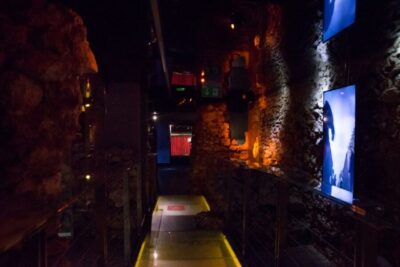
 ★ 4.7Schindler’s Factory & Ghetto Guided TourFrom $571,694 reviews
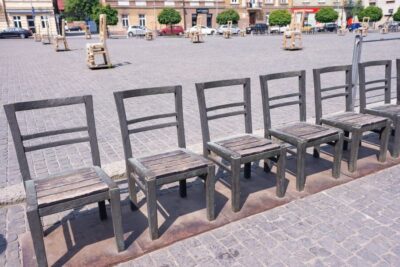
 ★ 4.9Jewish Quarter and Former Ghetto TourFrom $191,441 reviews
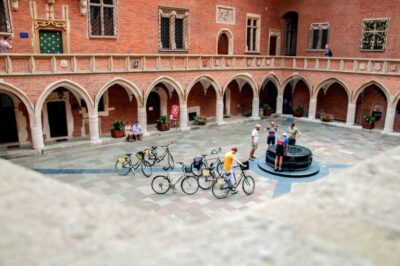 ★ 4.9Bike Tour of Old Town, Jewish Quarter and the GhettoFrom $371,155 reviews
 ★ 4.7POLIN Museum of the History of Polish Jews TicketFrom $121,142 reviews
 ★ 4.8Kazimierz, Schindler’s Factory & Ghetto Guided TourFrom $81460 reviews
 ★ 5.0Full Bike Tour – the Old Town, Jewish Qtr & the Ghetto NEW BIKESFrom $35437 reviews
 ★ 4.9Warsaw Ghetto Private Walking Tour with Hotel PickupFrom $84369 reviews
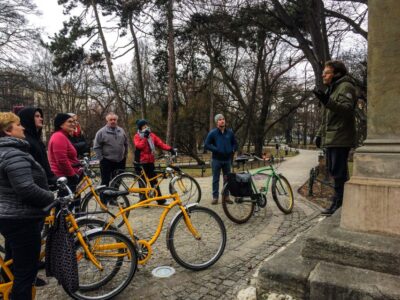 ★ 4.9Bike Tour of the Old Town, Kazimierz, and the GhettoFrom $26350 reviews
Also on these Poland lists