
REVIEW · OSKAR SCHINDLER FACTORY TOURS
Krakow Schindler’s Factory & Ghetto & Plaszow Camp Guided Tour
Auschwitz gets the headlines, Krakow adds the missing pieces.
This guided tour connects Schindler’s Enamel Factory with two key ghetto sites and the former Plaszow camp, so you understand what happened in occupied Krakow, not just the famous names. I love that the stops are tightly linked by a guide’s explanation, and I also like the small-group feel, capped at 15 in the experience description (with a larger max limit listed). One drawback to plan for: it is a long, emotionally heavy day in 5 hours, so comfy shoes matter more than you think.
You’ll start with a museum that is not a simple biography, then you’ll move through visible traces of the ghetto, and finish at a major forced-labor and concentration camp site. The pace is structured, but there is still a lot of walking and standing, and the topic deserves your full attention. If you come in tired, or you try to stack multiple tours back-to-back, you may feel rushed or worn out.
In This Review
- Key Points to Know Before You Go
- Schindler’s Factory on Lipowa: history tied to streets, not a biography
- Ghetto wall fragment: the scale you can actually see
- Ghetto Heroes Square and the chair monument: a powerful symbol with a clear meaning
- Plaszow camp for 1.5 hours: understanding the system behind the horror
- How the 5-hour flow actually works (and why pacing feels intense)
- Price and value: where your money goes on this tour
- What to expect from the guides and group size
- Who this tour fits best (and who might rethink it)
- Practical tips for getting the most out of each stop
- Should you book this Krakow Schindler, Ghetto, and Plaszow guided tour?
- FAQ
- How long is the Krakow Schindler’s Factory, Ghetto, and Plaszow camp guided tour?
- What is the price per person?
- What stops are included in the itinerary?
- Is the museum admission ticket included?
- Are tickets included for the ghetto wall fragment and Ghetto Heroes Square?
- Is admission included for Plaszow?
- Do I need a tram ticket during the tour?
- What are the meeting and end locations?
- Is this a small-group tour?
- What is the cancellation policy?
Key Points to Know Before You Go
- Schindler’s Factory, focused on occupied Krakow (not just one life story), with a ticket included for the main museum stop
- A 12-meter ghetto wall fragment plus a memorial plaque, giving you a real sense of scale and place
- Ghetto Heroes Square and its cast-iron chair monument, symbolizing property and lives broken apart
- Plaszow takes a full 1.5 hours, letting the guide explain how forced labor became a broader Nazi killing system
- Guides do the heavy lifting on context, which helps especially if you’ve visited Auschwitz before
- Small-group vibe with a cap listed at 15, keeping the experience from feeling like a cattle line
Other reviewed ways into the Schindler factory museum
- Krakow: Oskar Schindler’s Factory Entry Ticket & Guided Tour
★ 4.2 · 3,793 reviews - Krakow: Schindler’s Factory Tour with Entrance Ticket
★ 4.5 · 3,182 reviews - Krakow: Schindler’s Factory Tour with Entrance Ticket
★ 4.6 · 1,737 reviews - Schindler’s Factory in Krakow: Guided Tour & Skip the Line Ticket
★ 4.5 · 1,714 reviews
Schindler’s Factory on Lipowa: history tied to streets, not a biography
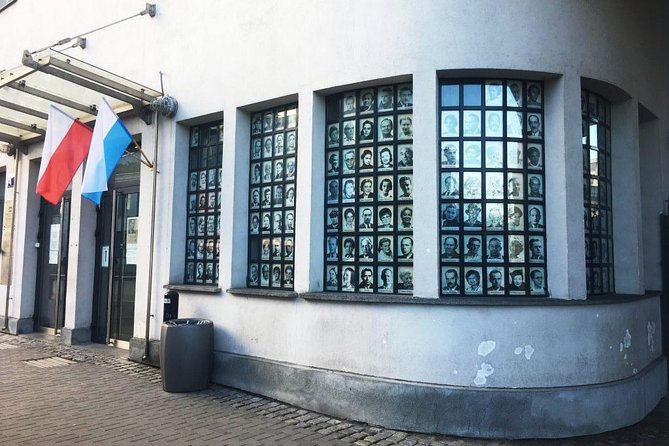
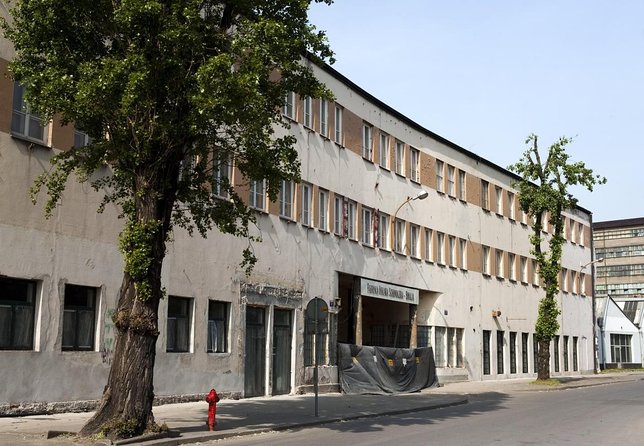
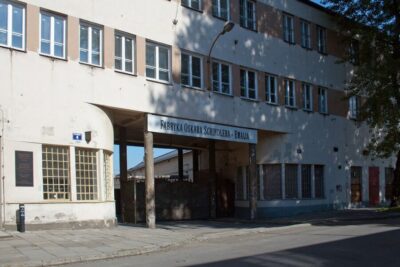
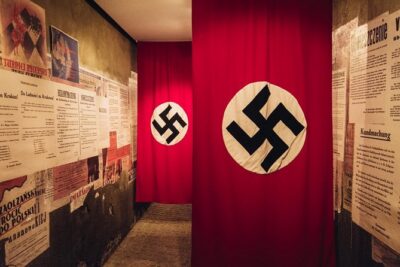
Stop 1 is the Fabryka Emalia Oskara Schindlera, Oskar Schindler’s Enamel Factory, at 4 Lipowa Street. This is one of Krakow’s most popular museums, and your ticket is included, which saves you a step and a bit of stress at the start.
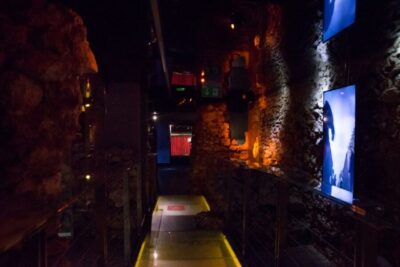
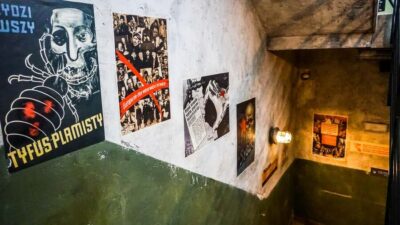
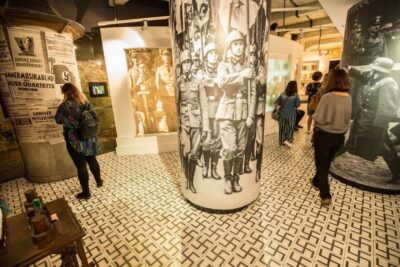
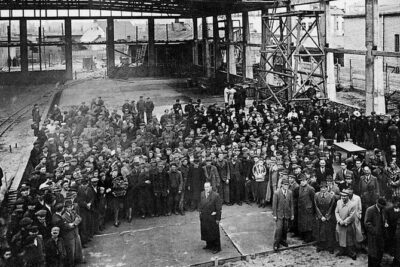
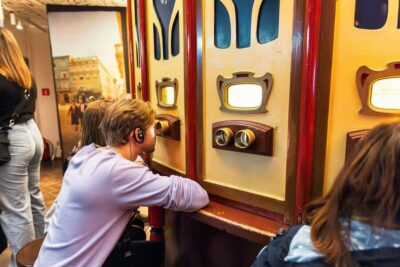
Here’s what I find smart about this stop: it is not presented as a simple biography museum. Instead, the main exhibition runs under the umbrella theme of Krakow under Nazi occupation from 1939 to 1945. That distinction matters because it keeps pulling you back to the city itself. You are not just watching a story about one man. You’re learning how Nazi occupation reshaped daily life, what people faced, and how systems of control worked on the ground in Krakow.
The museum time is set at about 1 hour 30 minutes. That is long enough for you to make sense of the core themes without being trapped in glass cases for the rest of your day. I also like that this stop anchors the day early, so later sites in the itinerary do not feel like random points on a map.
Possible drawback: because this is a museum and the topic is intense, you can feel mentally “full” by the time you get outside. If you rush through here, the rest of the tour will feel more like monuments than connected history. Slow down. Let your guide’s framing do its job.
Ghetto wall fragment: the scale you can actually see
Stop 2 is the Ghetto Wall Fragment, a 12-meter stretch of original ghetto wall. It is short, but that is exactly why it hits. You can walk along it and grasp the fact that this was not abstract. It was a physical boundary. It shaped routes, fear, and daily movement.
There is also a commemorative plaque that was raised in 1983, with text in Hebrew and Polish. The message focuses on suffering and death, and on the grim reality that from this area people began their final journey to the death camps.
Your time here is about 15 minutes, and the admission ticket is not included. In practice, that usually means you are paying only for the items you need at each stop rather than getting one bundled ticket. Just don’t assume this stop is free like the last one. If you want everything to run smoothly, be ready for small additional costs.
What I like about making you pause at the wall fragment is that it gives you a “scale moment” between museum learning and outdoor memorials. Even if you already know the broad story, your brain needs something physical to hang it on.
Ghetto Heroes Square and the chair monument: a powerful symbol with a clear meaning
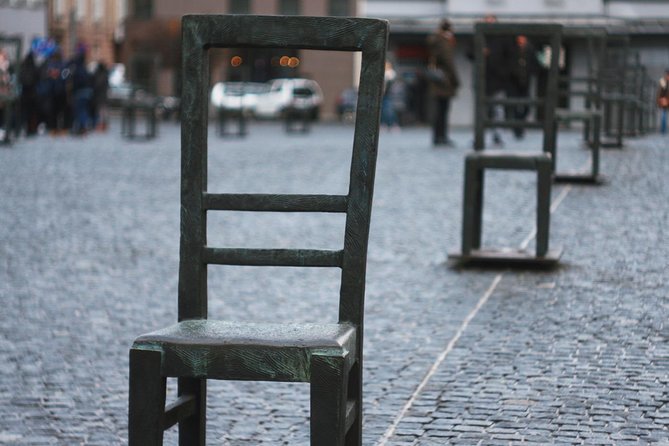
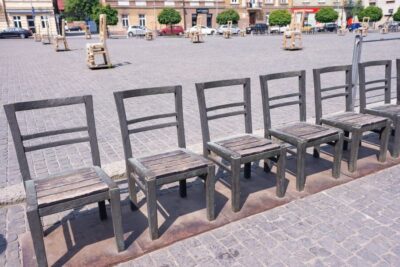
Stop 3 is Plac Bohaterow Getta, Ghetto Heroes Square, in the Podgórze district. The square sat inside the ghetto during the years 1941 to 1943, and the area served as a concentration point before transports to concentration camps.
Today, there’s an unusual monument: several dozen cast-iron chairs, each standing individually. They are meant to symbolize property and belongings of Krakow Jews scattered on the streets after the ghetto was liquidated.
Your time is about 15 minutes. Again, admission ticket details for this stop say not included, so plan for a small extra payment if required. But even without any ticket hassle, this is the kind of site where you can feel how memorial design works. The chairs are everyday objects, which is part of why they land. You are not just looking at a dramatic sculpture. You are seeing a stand-in for ordinary things taken away.
A small consideration: because the chairs are scattered, it can feel like a “photo stop” at first glance. I recommend treating it as a reading stop. Let the guide explain what the monument is pointing to, then look again. You’ll usually catch more on the second pass.
Plaszow camp for 1.5 hours: understanding the system behind the horror
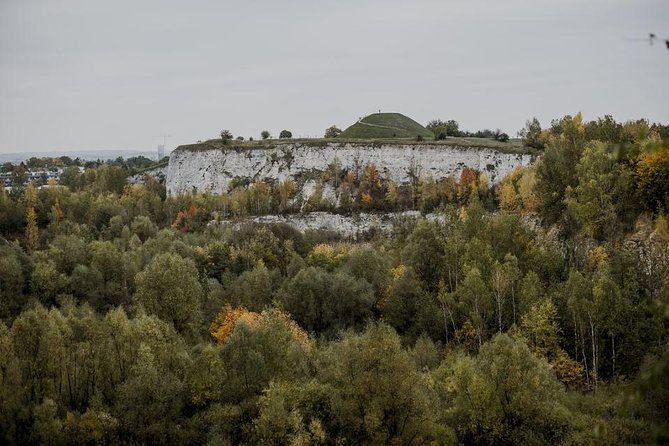
Stop 4 is Plaszow Concentration Camp, in Krakow’s southern suburbs. This is the heavyweight finale on the itinerary, with about 1 hour 30 minutes allocated, and admission is free.
Plaszow matters because the story here is about how Nazi occupation escalated and reorganized forced labor into something even more brutal. The camp was founded shortly after the German invasion of Poland. It began as a forced-labor camp, opened in 1940, then expanded and converted into a concentration camp. From October 28, 1942, deportations of Jews from the Krakow ghetto began.
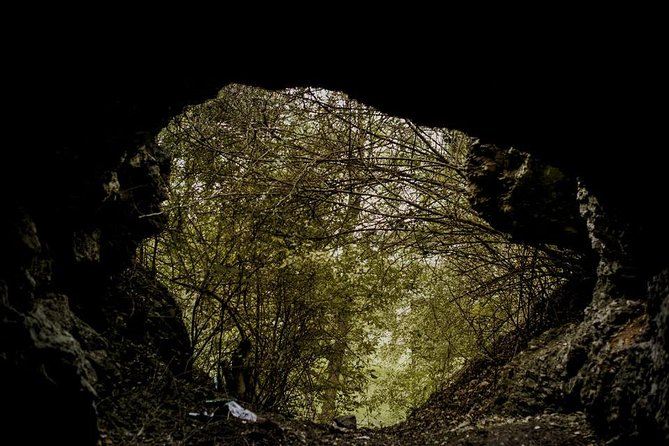
This site also included labor supporting military factories and a quarry. That detail is important. It shows how the occupation machine was not only about punishment, it was also about extraction of labor and profit and production.
If you have visited Auschwitz, this stop helps you connect the dots. You start seeing how different locations fit into a wider Nazi system. If you have not visited Auschwitz, no problem. This tour still gives you the historical chain in Krakow, which is what you’re there to learn.
One practical note: Plaszow is not a neat little museum room. You will likely do more walking and standing, and the setting can feel open and exposed. Bring layers, even in mild seasons, and expect that your phone will be less useful than your guide’s explanation.
Further Jewish heritage and ghetto routes documented in Krakow
- Krakow: Schindler’s Factory & Ghetto Guided Tour★ 4.7 · 1,694 reviews
- Krakow: Bike Tour of the Old Town, Kazimierz, and the Ghetto★ 4.9 · 350 reviews
- Krakow: Jewish Ghetto Walking Tour★ 4.6 · 349 reviews
- Krakow: Jewish Quarter and Ghetto Electric Golf Cart Tour★ 4.6 · 348 reviews
- Krakow: Schindler’s Factory and Jewish Ghetto Guided Tour★ 4.6 · 124 reviews
How the 5-hour flow actually works (and why pacing feels intense)
The tour runs about 5 hours. That sounds straightforward, but it adds up fast when you combine museum time, memorial stops, and moving between locations.
The general rhythm is:
1) A long museum block with your ticket included
2) Two short memorial pauses where you take in scale and symbolism
3) A longer final camp segment where the guide explains the broader mechanics of what happened
What I like is that the itinerary doesn’t rush the hardest stop. Plaszow gets 1 hour 30 minutes, which gives you room to take in what’s there and connect it to what you learned earlier.
What to watch for: one reviewer experience highlighted that stacking several related tours can take over your whole day, and missing parts becomes easy. If you plan to do multiple history tours in one day, start earlier than you think you need to, and avoid putting a “last stop” right at the end. Your feet will remind you, and your brain will want time to absorb instead of sprinting.
The tour also ends at Henryka Kamieńskiego 57 in Krakow. That can be helpful because it means you do not have to backtrack to the start point. Just remember that the end location might not be ideal for your next activity if you were counting on being in a specific neighborhood.
Price and value: where your money goes on this tour
The price is $76.35 per person. On paper, that can sound like a lot for a 5-hour walk. In practice, the value mostly comes from two things that matter in dark-history tours: a guide who can give you the context, and museum admission that is included for the most important stop.
You get:
- A professional guide
- Entrance ticket to the Schindler’s Factory Museum
Not included:
- Tram tickets are not included (4 PLN)
Also, admission ticket details are mixed at the other stops, with the ghetto wall fragment and Ghetto Heroes Square listed as not included, while Plaszow admission is free.
So what are you really paying for? You are paying to avoid the time-sink problem that comes with popular museums. Waiting in lines while carrying questions is not fun, especially when you’re dealing with serious subject matter. A guide can also keep the day coherent, so you are not just walking from one plaque to the next.
If you are traveling solo, or if you want a structured route without spending time researching each site, this price tends to make sense. If you already know the entire historical outline and you prefer to go at your own speed, you might question the cost. But most people find the guided context is what makes the stops click.
What to expect from the guides and group size
This is described as a small-group experience capped at 15 travelers, and the broader maximum capacity is listed at 25. Either way, the intent is clear: you should not feel swallowed by a huge crowd.
The reviews back up that the guides do more than recite facts. The best moment on tours like this is when the guide turns dates and locations into cause-and-effect. You start connecting the museum themes to what you see outside, and the heavy topic becomes understandable rather than just overwhelming.
One more thing I appreciate: a well-run day keeps you from getting lost in paperwork. The tour is set up with check-in and explanations so you know what to do, when to be where, and what each stop is for. That matters in Krakow because you are often walking between neighborhoods.
Who this tour fits best (and who might rethink it)
This guided route is a strong match if:
- You want a structured Holocaust-era overview tied specifically to Krakow
- You like learning with a guide rather than piecing it together alone
- You’ve already been to Auschwitz and want to understand how the story connects to Krakow
- You value clear, chronological framing of occupation, ghetto life, and Nazi camp expansion
It might be less ideal if:
- You have very limited mobility or you expect minimal walking, because the day includes a museum plus multiple outdoor sites
- You plan to do three separate tours in one day, with no buffer, because the time and emotional load can run long
- You prefer a more silent, self-directed experience. This tour relies on your guide’s commentary to make the sites resonate
I also think it helps if you arrive with a decent baseline curiosity. You do not need to be an expert, but you’ll get more out of the chair monument and the wall fragment if you’re paying attention to the guide’s framing as you arrive.
Practical tips for getting the most out of each stop
A few choices can make your experience smoother without changing the meaning of the day:
- Wear comfortable walking shoes. Your feet will notice the itinerary.
- Bring a small water bottle if you like, especially if you tend to get thirsty while absorbing museum content.
- Dress in layers for the Plaszow portion, where conditions can feel more exposed.
- If you’re planning a day of multiple tours, build in breathing room after this one. Your brain needs time to settle after the final stop.
One more practical point: because tram tickets are not included and one or two memorial stops list admission as not included, it helps to keep a bit of cash or a card ready for small additional fees.
Should you book this Krakow Schindler, Ghetto, and Plaszow guided tour?
If you want a guided, coherent route through major Krakow Nazi-era sites, I think this is a good booking. The value is strongest when you treat it as the core of a serious history day, not as a quick add-on between lighter attractions. The included museum ticket for Schindler’s Factory reduces friction, and the guide’s context helps the ghetto wall fragment and the Ghetto Heroes Square monument land with meaning.
I would book it if you’re the type who likes understanding how events connect. And I would avoid over-scheduling. This is a 5-hour tour with a lot to take in, so give it respect with a relaxed plan before and after.
FAQ
How long is the Krakow Schindler’s Factory, Ghetto, and Plaszow camp guided tour?
The tour lasts about 5 hours.
What is the price per person?
The price is $76.35 per person.
What stops are included in the itinerary?
The tour visits Schindler’s Enamel Factory, a Ghetto Wall Fragment, Ghetto Heroes Square (Plac Bohaterow Getta), and the Plaszow concentration camp site.
Is the museum admission ticket included?
Yes. The entrance ticket to the Schindler’s Factory Museum is included.
Are tickets included for the ghetto wall fragment and Ghetto Heroes Square?
No. Admission tickets for the Ghetto Wall Fragment and Plac Bohaterow Getta are not included.
Is admission included for Plaszow?
Yes. Plaszow admission is listed as free.
Do I need a tram ticket during the tour?
Tram tickets are not included. The listed tram ticket price is 4 PLN.
What are the meeting and end locations?
The tour starts at Lipowa 4, 32-051 Kraków, Poland, and ends at Henryka Kamieńskiego 57, 30-644 Kraków.
Is this a small-group tour?
It is described as a small-group experience capped at 15 travelers, and it lists a maximum of 25 travelers for the activity.
What is the cancellation policy?
You can cancel for a full refund if you cancel at least 24 hours before the experience’s start time. Free cancellation is available, and if you cancel less than 24 hours before, the amount you paid will not be refunded.
More Tour Reviews in Krakow

Jewish Heritage and Ghetto Routes in Krakow

The Schindler Factory, Other Ways In

Recently written up around Krakow
More Oskar Schindler Factory Tours.
 ★ 4.2Oskar Schindler’s Factory Entry Ticket & Guided TourFrom $353,793 reviews
 ★ 4.5Schindler’s Factory Tour with Entrance TicketFrom $493,182 reviews
 ★ 4.4Schindler’s Factory Skip-the-Line TicketFrom $253,105 reviews
★ 4.6Schindler’s Factory Tour with Entrance TicketFrom $401,737 reviews
 ★ 4.5Schindler’s Factory in Krakow: Guided Tour & Skip the Line TicketFrom $351,714 reviews
 ★ 4.7Schindler’s Factory & Ghetto Guided TourFrom $571,694 reviews
 ★ 4.3Schindler’s Factory Ticket with Guided Tour OptionFrom $421,485 reviews
 ★ 4.0Krakow Schindler’s Factory Guided Tour with Admission TicketFrom $351,156 reviews
Also on these Poland lists